
คำอธิบายผลิตภัณฑ์
Made In China Superior Quality Aerial Work Platform Hydraulic Electric Cylinder replacement of Toyota
Hydraulic Electric Cylinder
A hydraulic electric cylinder, also known as an electro-hydraulic cylinder or electrically actuated hydraulic cylinder, is a type of actuator that combines hydraulic power with electric control. It uses an electric motor to drive a hydraulic pump, generating pressure to actuate the cylinder.
Specification
Thrust force:1-1000KN
Stroke: 0-2000mm
Voltage:
24V,48V,220V,380V…
Here are some key points about hydraulic electric cylinders:
Electric Motor: The hydraulic electric cylinder incorporates an electric motor as its power source. The engine is typically powered by electricity from an external power supply or a battery. It converts electrical energy into mechanical energy to drive the hydraulic pump.
Hydraulic Pump: The electric motor drives the hydraulic pump and generates hydraulic pressure. It draws hydraulic fluid from a reservoir and supplies pressurized fluid to the hydraulic cylinder.
Hydraulic Cylinder: The hydraulic cylinder in an electrically actuated system is similar to traditional hydraulic cylinders. It consists of a cylindrical barrel, a piston or ram, and a rod that extends or retracts. The hydraulic pressure generated by the pump acts on the piston, causing linear motion of the cylinder.
Electric Control: Unlike traditional hydraulic cylinders, hydraulic electric cylinders feature electric control for precise and flexible operation. The electric control system allows for various control options, such as position control, speed control, force control, and programmable control. This enables accurate and repeatable motion control based on specific application requirements.
Advantages: Hydraulic electric cylinders offer several advantages over hydraulic or electric actuators. They combine hydraulic systems’ high power density and force capabilities with the precise control and flexibility of electric systems. They can provide accurate positioning, adjustable speeds, and programmable control, making them suitable for various applications.
Applications: Hydraulic electric cylinders find application in various industries and systems that require precise and controlled linear motion. Some common applications include industrial automation, robotics, material handling equipment, machine tools, aerospace systems, and automotive applications. They are often used in tasks that require precise positioning, force control, or programmable motion sequences.
What should be noted when using the Hydraulic Electric Cylinder?
There are some important considerations and precautions to remember when using hydraulic electric cylinders.
1. Manufacturer’s Xihu (West Lake) Dis.lines: Follow the manufacturer’s guidelines, instructions, and specifications for the hydraulic electric cylinder. These guidelines will provide specific information on installation, operation, maintenance, and safety requirements for the particular cylinder model.
2. Power Supply: Ensure that the power supply for the electric motor meets the requirements specified by the manufacturer. Use the appropriate voltage, frequency, and power capacity as recommended. Follow electrical safety guidelines and local regulations when connecting the power supply.
3. System Compatibility: Ensure the hydraulic electric cylinder is compatible with the hydraulic system it will be integrated into. Consider factors like hydraulic fluid compatibility, pressure ratings, flow rates, and system design requirements. Improper compatibility can lead to performance issues, leaks, or damage to the cylinder.
4. Mounting and Alignment: Properly align the hydraulic electric cylinder to ensure smooth and accurate operation. Follow the manufacturer’s guidelines for mounting methods, bolt torque specifications, and alignment procedures. Incorrect mounting or misalignment can cause unnecessary stress, vibration, or premature wear on the cylinder and associated components.
5. Electrical Safety: Adhere to electrical safety practices when dealing with the electric components of the hydraulic electric cylinder. Ensure proper grounding, use appropriate electrical enclosures, and follow safety procedures to protect against electrical hazards.
6. Maintenance and Lubrication: Regularly inspect and maintain the hydraulic electric cylinder according to the manufacturer’s recommendations. This includes checking for leaks, ensuring proper lubrication, and replacing worn-out seals or components. Follow the recommended maintenance intervals and procedures to maximize the lifespan and performance of the cylinder.
7. Overload Protection: Consider incorporating overload protection mechanisms or systems to prevent excessive loads or forces that could damage the hydraulic electric cylinder. This may include using pressure relief valves, limit switches, or load-sensing devices to protect the cylinder and associated equipment.
8. Environmental Conditions: Consider the environmental conditions in which the hydraulic electric cylinder will operate. Factors such as temperature, humidity, dust, and corrosive agents can affect the performance and durability of the cylinder. Take appropriate measures, such as using protective covers or seals, to mitigate potential issues caused by adverse environmental conditions.
9. Operator Training: Ensure that operators and maintenance personnel are trained adequately on the hydraulic electric cylinder’s operation, control, and safety aspects. They should be familiar with the control interfaces, emergency shutdown procedures, and any specific operational considerations associated with the cylinder.
10. System Integration: When integrating the hydraulic electric cylinder into a more extensive system or automation setup, ensure proper communication and coordination among the various components and control systems. Test the system thoroughly to ensure smooth operation and avoid any conflicts or malfunctions.
Remember, these are general considerations, and it is essential to consult the manufacturer’s guidelines and recommendations specific to the hydraulic electric cylinder model you are using. Adhering to proper installation, operation, and maintenance practices will help ensure the safe and reliable operation of the hydraulic electric cylinder in your application.
Our Company
We have a first-class independent R&D platform for assembly. The forklift cylinder production workshop has 4 semi-automatic lifting cylinder assembly lines and 1 fully automatic tilting cylinder assembly line, with a designed annual production capacity of 1 million pieces; the special cylinder workshop is equipped with semi-automatic cleaning and assembly systems of various specifications, with a designed annual production capacity of 200,000 essays. It has famous CNC machining equipment, machining centers, special equipment for high-precision cylinder processing, robot welding machines, automatic cleaning machines, automatic cylinder assembly machines, and automatic paint production lines. We have more than 300 sets of critical equipment running. The optimized allocation and efficient utilization of equipment resources ensure the precision requirements of the products and meet the high standard quality requirements of the products.
Forklift cylinder assembly shop | Other types of cylinder assembly shop |
Welding
Painting & coating
Painting & coating line | Fully automatic water-based |
Testing
To further improve product performance, and establish the leadership position of our hydraulic cylinder in the industry, our company and zjimee jointly established a Comprehensive performance laboratory of hydraulic cylinders, hydraulic valves, and hydraulic pumps; the lab is computer-assisted testing, using electro-hydraulic control technology, the test conditions preset by computer, which improves the test accuracy and system versatility, and the experimental data.
The automatic collection is realized through the application of sensors, and the output data, such as the internal leakage and load efficiency of the cylinder or the valve, are directly processed by the computer and converted to standard units (ml/min; %). At the same time, to ensure the working safety of the hydraulic system, the state monitoring function is carried out for key performance parameters, such as “oil temperature monitoring, liquid level monitoring, filter device monitoring,” etc. Among them, the hydraulic cylinder test stand can test the performance of “load efficiency” and “internal leakage” by readings. At the same time, it is equipped with a grating ruler measuring instrument, which meets the requirements of all test items of hydraulic cylinder products in the national standard.
Our Factory
Packaging & Shipping
| การรับรอง: | GS, RoHS, CE, ISO9001 |
|---|---|
| ความดัน: | High Pressure |
| อุณหภูมิในการทำงาน: | อุณหภูมิปกติ |
| วิธีการแสดง: | ละครสองภาค |
| วิธีการทำงาน: | Rotary |
| แบบฟอร์มที่ปรับปรุงแล้ว: | ประเภทควบคุม |
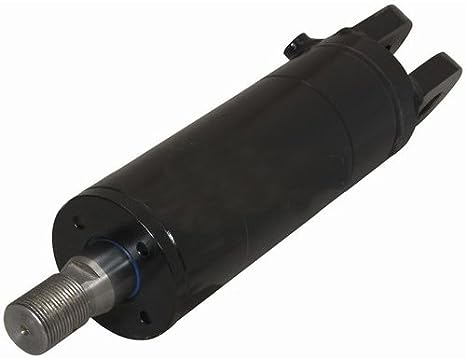
Can tilt cylinders be used in manufacturing machinery for material processing?
Yes, tilt cylinders can be used in manufacturing machinery for material processing. These cylinders offer several advantages that enhance the efficiency, versatility, and precision of material processing operations. Here’s a detailed explanation:
- Tilt Angle Adjustment: Tilt cylinders allow for precise tilt angle adjustment of equipment attachments, such as cutting tools, milling heads, or processing platforms. This adjustability enables operators to achieve the desired tilt angle for material processing tasks. By controlling the tilt angle, operators can optimize the cutting or processing angle, resulting in improved accuracy, quality, and efficiency.
- Material Positioning: Tilt cylinders assist in proper material positioning during processing. By adjusting the tilt angle of the equipment, operators can align the material in the ideal position for cutting, shaping, or other processing operations. This ensures consistent material engagement with the cutting tools or processing surfaces, minimizing errors and improving overall precision.
- Enhanced Accessibility: Tilt cylinders provide enhanced accessibility to the material being processed. By tilting the equipment, operators can gain better access to different areas of the material, even hard-to-reach or complex surfaces. This accessibility facilitates efficient processing and allows for the execution of intricate operations with greater ease.
- Process Optimization: Tilt cylinders contribute to process optimization by enabling operators to adjust the tilt angle based on specific material characteristics or processing requirements. For instance, certain materials may require a specific tilt angle to achieve optimal chip removal during cutting or to enhance the efficiency of material shaping. The ability to optimize the tilt angle enhances process control and ensures the desired output quality.
- Flexibility in Material Handling: Tilt cylinders provide flexibility in material handling during processing operations. They allow for the tilting of workpieces or platforms, enabling operators to orient the material in the most suitable position for processing. This flexibility accommodates various material shapes, sizes, and orientations, expanding the range of materials that can be effectively processed using the machinery.
- Integration with Automation: Tilt cylinders can be integrated with automation systems in manufacturing machinery. This integration enables automated tilt angle adjustments based on predefined parameters or sensor feedback. By incorporating tilt cylinders into automated material processing systems, manufacturers can achieve consistent and repeatable processing results, reduce manual intervention, and improve overall productivity.
Therefore, tilt cylinders can be effectively utilized in manufacturing machinery for material processing. Whether it involves tilt angle adjustment, material positioning, enhanced accessibility, process optimization, flexibility in material handling, or integration with automation, tilt cylinders contribute to improving the efficiency, precision, and versatility of material processing operations in the manufacturing industry.
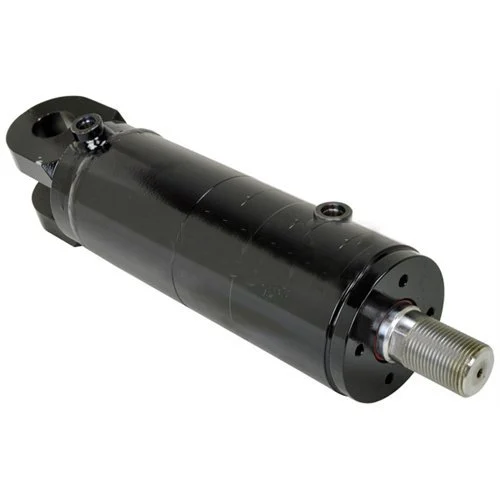
เมื่อกระบอกปรับระดับเสียหาย สามารถซ่อมแซมหรือเปลี่ยนใหม่ได้หรือไม่?
ใช่แล้ว กระบอกไฮดรอลิกสำหรับปรับระดับสามารถซ่อมแซมหรือเปลี่ยนใหม่ได้เมื่อเกิดความเสียหาย การซ่อมแซมหรือเปลี่ยนกระบอกไฮดรอลิกที่เสียหายเป็นเรื่องปกติเพื่อฟื้นฟูการทำงานและรับประกันความปลอดภัยในการใช้งานเครื่องจักรและอุปกรณ์ ต่อไปนี้เป็นคำอธิบายโดยละเอียด:
- การซ่อมแซม: ในหลายกรณี กระบอกไฮดรอลิกสำหรับปรับระดับสามารถซ่อมแซมได้เมื่อเกิดความเสียหาย ขอบเขตของความเสียหายและความพร้อมของชิ้นส่วนอะไหล่เป็นปัจจัยที่กำหนดความเป็นไปได้ในการซ่อมแซม ช่างเทคนิคที่มีทักษะหรือผู้เชี่ยวชาญด้านไฮดรอลิกสามารถประเมินความเสียหายและทำการซ่อมแซม ซึ่งอาจเกี่ยวข้องกับการเปลี่ยนซีล ก้าน หรือส่วนประกอบอื่นๆ ที่เสียหาย การซ่อมแซมกระบอกไฮดรอลิกสำหรับปรับระดับอาจเป็นทางเลือกที่คุ้มค่ากว่าการเปลี่ยนกระบอกทั้งหมด
- การเปลี่ยน: หากกระบอกปรับระดับเสียหายอย่างรุนแรง สึกหรอจนซ่อมแซมไม่ได้ หรือหากไม่มีอะไหล่ทดแทนที่จำเป็น อาจจำเป็นต้องเปลี่ยนใหม่ โดยทั่วไปแล้วกระบอกปรับระดับได้รับการออกแบบมาให้ถอดและเปลี่ยนได้ง่าย กระบอกที่เสียหายสามารถถอดออกจากอุปกรณ์และเปลี่ยนด้วยกระบอกใหม่หรือกระบอกที่ได้รับการซ่อมแซมแล้ว กระบอกทดแทนควรเข้ากันได้กับข้อกำหนดและข้อกำหนดการใช้งานของอุปกรณ์
- ความช่วยเหลือจากผู้เชี่ยวชาญ: การซ่อมแซมหรือเปลี่ยนกระบอกไฮดรอลิกปรับระดับมักต้องใช้ความรู้และทักษะเฉพาะทาง ขอแนะนำให้ขอความช่วยเหลือจากช่างเทคนิคไฮดรอลิกหรือผู้ให้บริการที่ได้รับอนุญาตซึ่งมีความเชี่ยวชาญในการซ่อมแซมระบบไฮดรอลิก พวกเขาสามารถวินิจฉัยปัญหาได้อย่างแม่นยำ แนะนำแนวทางการแก้ไขที่เหมาะสม และตรวจสอบให้แน่ใจว่ากระบอกไฮดรอลิกปรับระดับที่ซ่อมแซมหรือเปลี่ยนใหม่นั้นเป็นไปตามข้อกำหนดและมาตรฐานความปลอดภัยที่จำเป็น
- แนวทางการบำรุงรักษา: การบำรุงรักษาอย่างสม่ำเสมอ เช่น การตรวจสอบ การทำความสะอาด และการหล่อลื่น สามารถช่วยป้องกันความเสียหายร้ายแรงต่อกระบอกไฮดรอลิกปรับระดับได้ การระบุและแก้ไขปัญหาเล็กน้อยอย่างทันท่วงทีสามารถยืดอายุการใช้งานของกระบอกไฮดรอลิกและลดโอกาสที่จะเกิดความเสียหายร้ายแรง การปฏิบัติตามคำแนะนำของผู้ผลิตเกี่ยวกับการบำรุงรักษาและการใช้งานจะช่วยเพิ่มอายุการใช้งานและความน่าเชื่อถือของกระบอกไฮดรอลิกปรับระดับได้
- ชิ้นส่วนอะไหล่คุณภาพสูง: เมื่อเปลี่ยนกระบอกไฮดรอลิกปรับระดับที่เสียหาย สิ่งสำคัญคือต้องใช้ชิ้นส่วนอะไหล่คุณภาพสูง ชิ้นส่วนแท้หรือส่วนประกอบที่ผู้ผลิตอุปกรณ์ดั้งเดิม (OEM) แนะนำจะช่วยให้มั่นใจได้ถึงความเข้ากันได้และประสิทธิภาพสูงสุด การใช้ชิ้นส่วนที่ไม่ได้มาตรฐานหรือไม่เข้ากันอาจส่งผลกระทบต่อการทำงานและความปลอดภัยของอุปกรณ์
ไม่ว่าจะด้วยการซ่อมแซมหรือการเปลี่ยนใหม่ การแก้ไขปัญหากระบอกไฮดรอลิกเอียงที่เสียหายมีความสำคัญอย่างยิ่งต่อการรักษาประสิทธิภาพ ความปลอดภัย และอายุการใช้งานของเครื่องจักรและอุปกรณ์ การบำรุงรักษาอย่างสม่ำเสมอและการดำเนินการแก้ไขความเสียหายหรือการสึกหรออย่างรวดเร็วสามารถช่วยยืดอายุการใช้งานของกระบอกไฮดรอลิกเอียงและรับประกันการทำงานที่ราบรื่นของระบบไฮดรอลิก
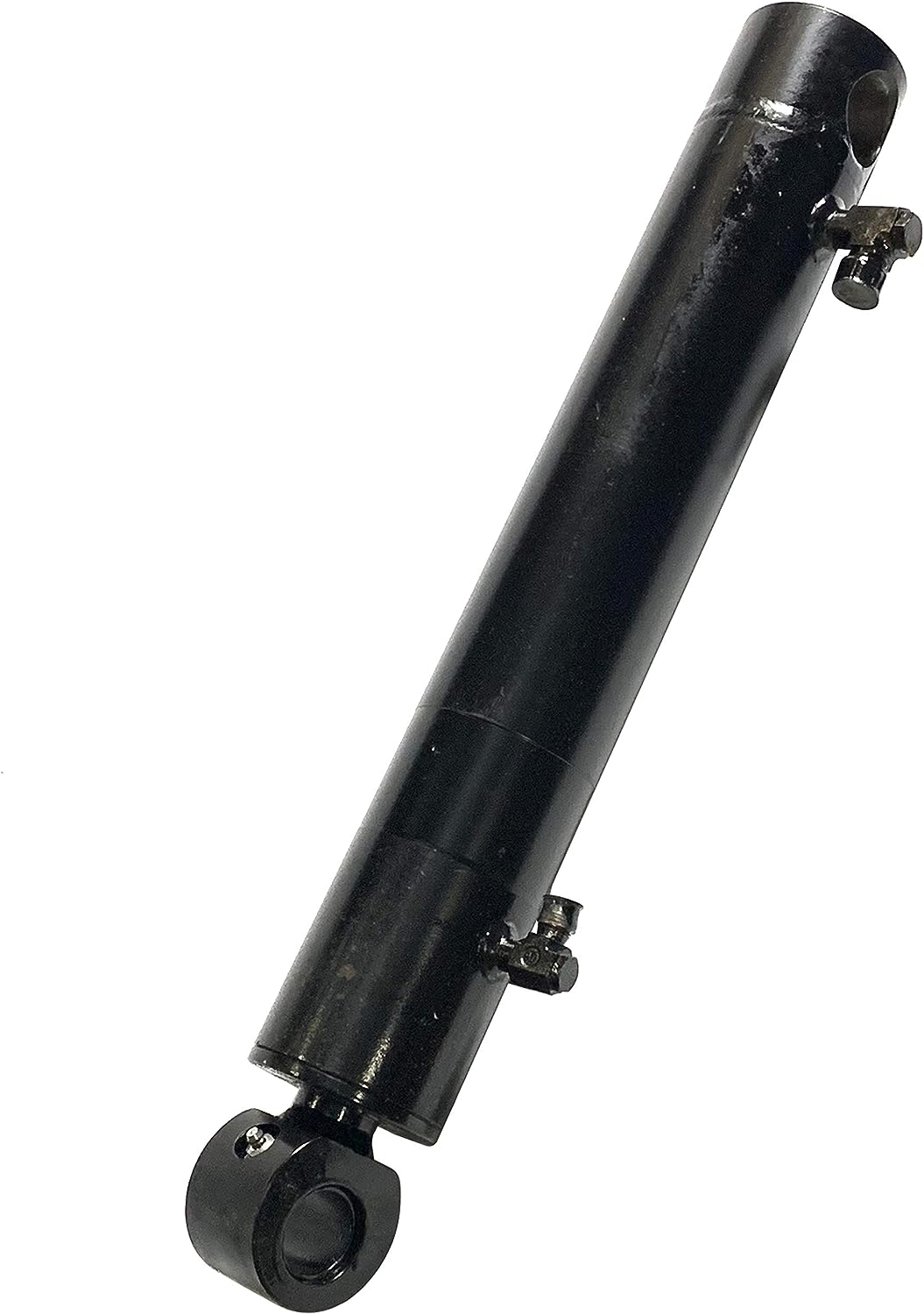
คุณช่วยอธิบายบทบาทของของเหลวไฮดรอลิกในกระบอกสูบเอียงได้ไหม?
น้ำมันไฮดรอลิกมีบทบาทสำคัญอย่างยิ่งในการทำงานของกระบอกสูบเอียง เป็นตัวกลางสำคัญที่ช่วยให้สามารถส่งแรงและควบคุมการเคลื่อนที่ของกระบอกสูบ ต่อไปนี้เป็นคำอธิบายโดยละเอียดเกี่ยวกับบทบาทของน้ำมันไฮดรอลิกในกระบอกสูบเอียง:
- การส่งกำลัง: ของเหลวไฮดรอลิกถูกใช้ในการส่งกำลังจากระบบไฮดรอลิกไปยังกระบอกสูบเอียง ระบบไฮดรอลิกจะเพิ่มแรงดันให้กับของเหลว ทำให้เกิดแรงดันไฮดรอลิกที่กระทำต่อพื้นผิวของลูกสูบ ความไม่สมดุลของแรงดันนี้จะสร้างแรงที่เคลื่อนลูกสูบ และในทางกลับกันจะทำให้ก้านของกระบอกสูบเอียงยืดหรือหด แรงที่ส่งผ่านของเหลวไฮดรอลิกช่วยให้สามารถควบคุมการเอียงของชิ้นส่วนที่เชื่อมต่อในเครื่องจักรหนักได้
- การควบคุมการไหล: ของเหลวไฮดรอลิกมีหน้าที่ควบคุมการไหลของแรงภายในกระบอกสูบเอียง ระบบไฮดรอลิกใช้ลิ้นควบคุมเพื่อควบคุมการไหลและทิศทางของของเหลว โดยการปรับตำแหน่งของลิ้นควบคุม ผู้ปฏิบัติงานสามารถควบคุมความเร็ว ทิศทาง และขอบเขตของการเคลื่อนที่เอียงได้ กลไกการควบคุมการไหลนี้ช่วยให้สามารถกำหนดตำแหน่งและปรับส่วนประกอบที่เอียงได้อย่างแม่นยำตามข้อกำหนดของงานเฉพาะ
- การควบคุมแรงดัน: ของเหลวไฮดรอลิกยังช่วยในการควบคุมแรงดันภายในกระบอกสูบเอียงได้อีกด้วย ระบบไฮดรอลิกประกอบด้วยตัวควบคุมแรงดันหรือวาล์วระบายแรงดันเพื่อรักษาระดับแรงดันที่ต้องการ วาล์วเหล่านี้ช่วยให้มั่นใจได้ว่าแรงดันของของเหลวไฮดรอลิกจะอยู่ในช่วงการทำงานที่ปลอดภัย ป้องกันการสะสมแรงดันมากเกินไปที่อาจทำให้กระบอกสูบหรือส่วนประกอบอื่นๆ เสียหายได้ การควบคุมแรงดันมีส่วนช่วยให้การทำงานของกระบอกสูบเอียงมีความปลอดภัยและมีประสิทธิภาพ
- การหล่อลื่นและการระบายความร้อน: น้ำมันไฮดรอลิกทำหน้าที่เป็นสารหล่อลื่นภายในกระบอกสูบเอียง ช่วยลดแรงเสียดทานระหว่างชิ้นส่วนที่เคลื่อนที่ การหล่อลื่นนี้ช่วยลดการสึกหรอและยืดอายุการใช้งานของกระบอกสูบ นอกจากนี้ น้ำมันไฮดรอลิกยังดูดซับและระบายความร้อนที่เกิดขึ้นระหว่างการทำงาน ทำหน้าที่เป็นสารหล่อเย็น การหล่อลื่นและการระบายความร้อนที่มีประสิทธิภาพมีส่วนช่วยให้ประสิทธิภาพและความทนทานโดยรวมของกระบอกสูบเอียงดีขึ้น
- การซีลและการป้องกันการปนเปื้อน: น้ำมันไฮดรอลิกช่วยรักษาความสมบูรณ์ของซีลไฮดรอลิกของกระบอกปรับระดับ น้ำมันจะสร้างซีลระหว่างลูกสูบและผนังกระบอก ป้องกันการรั่วไหลของน้ำมันไฮดรอลิก นอกจากนี้ยังทำหน้าที่เป็นเกราะป้องกันสิ่งปนเปื้อน เช่น ฝุ่นละออง เศษวัสดุ หรือความชื้น ไม่ให้เข้าไปในกระบอกและอาจทำให้เกิดความเสียหายได้ ฟังก์ชันการซีลและการป้องกันการปนเปื้อนนี้ช่วยให้มั่นใจได้ถึงการทำงานที่เหมาะสมและอายุการใช้งานที่ยาวนานของกระบอกปรับระดับ
โดยสรุปแล้ว น้ำมันไฮดรอลิกมีบทบาทหลายด้านในกระบอกสูบปรับเอียง มันทำหน้าที่ส่งแรง ควบคุมการไหลและความดัน หล่อลื่นและระบายความร้อน ปิดผนึกกระบอกสูบ และป้องกันการปนเปื้อน การใช้น้ำมันไฮดรอลิกอย่างมีประสิทธิภาพช่วยให้กระบอกสูบปรับเอียงสามารถควบคุมการเอียงชิ้นส่วนในเครื่องจักรหนัก ทำให้การทำงานแม่นยำ และเพิ่มประสิทธิภาพและความน่าเชื่อถือของอุปกรณ์


editor by CX 2023-11-23