
Tilt Cylinder for Rescue Vehicles
Introduction
In rescue operations, having the right equipment is crucial to ensuring the safety and efficiency of the mission. One essential component that plays a vital role in rescue vehicles is the tilt cylinder. This blog post will explore the functionality, advantages, working principle, and selection process of tilt cylinders for rescue vehicles.
Tilt Cylinder: Functionality and Advantages
Tilt cylinders, such as the ones shown in the images below, are hydraulic cylinders specifically designed for rescue vehicles. They provide the necessary force to control the tilt movement of various vehicle components, ensuring stability and maneuverability in critical situations.
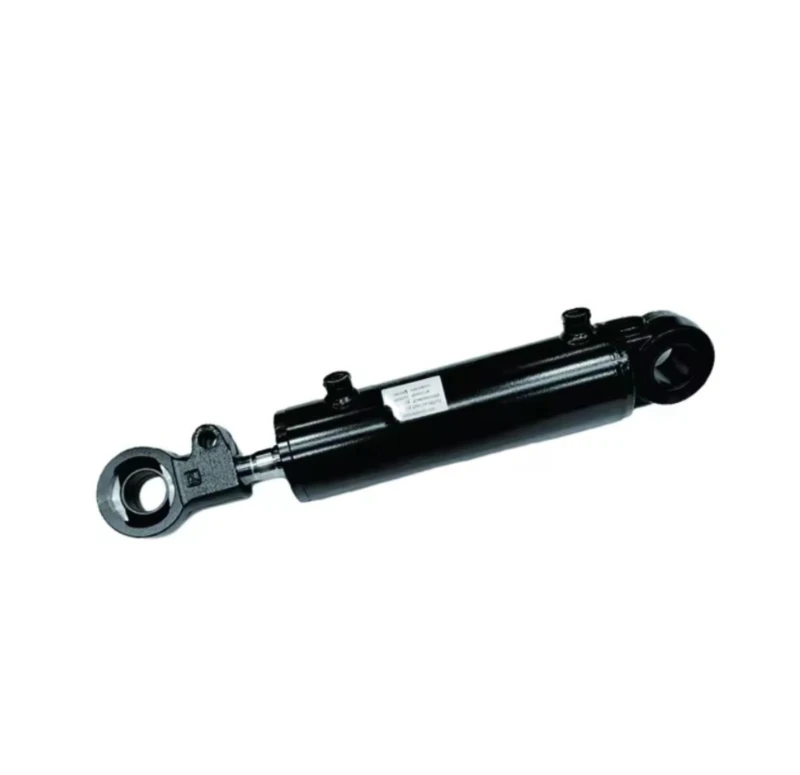
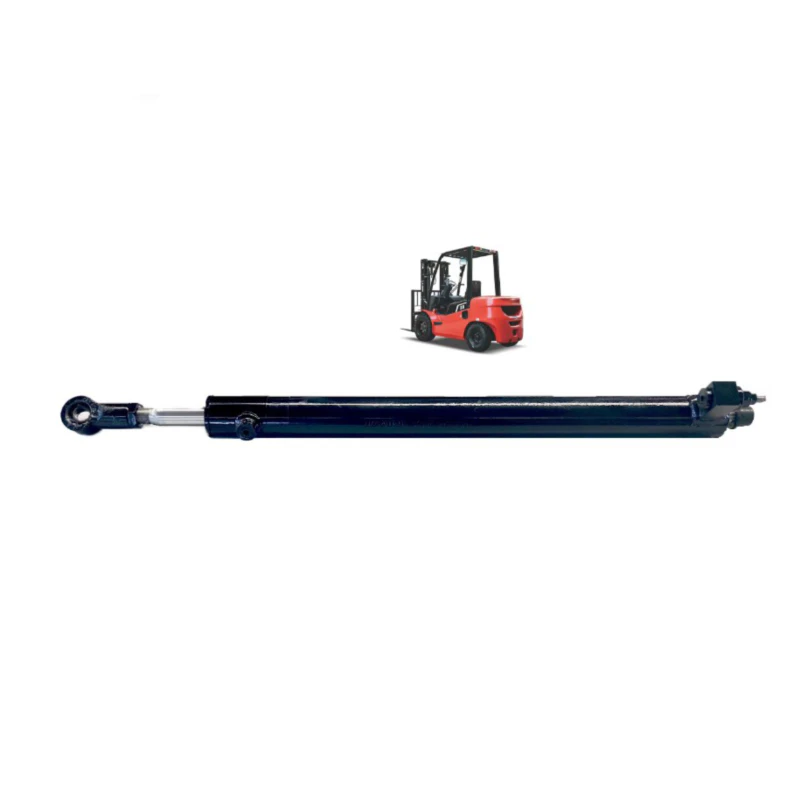
The advantages of using tilt cylinders in rescue vehicles are as follows:
- Enhanced Stability: Tilt cylinders offer excellent stability, allowing rescue vehicles to operate safely on uneven terrain, including slopes and rough surfaces.
- Precision Control: With precise hydraulic control, tilt cylinders enable accurate positioning of vehicle components, ensuring optimal functionality during rescue operations.
- Increased Maneuverability: Tilt cylinders provide the necessary force for controlled tilting, enhancing the maneuverability of rescue vehicles in tight spaces.
- Improved Safety: By maintaining stability and control, tilt cylinders contribute to the overall safety of rescue operations, protecting both the rescuers and those being rescued.
- Durability: Designed with robust materials and advanced engineering, tilt cylinders are built to withstand demanding rescue environments, ensuring long-lasting performance.
Working Principle of Tilt Cylinders
Tilt cylinders operate based on the principles of hydraulic force transmission. When pressurized hydraulic fluid enters the cylinder, it pushes against the piston, generating linear force. This force is then transferred to the connected vehicle component, allowing controlled tilting movement.
Selection of Tilt Cylinders for Rescue Vehicles
Choosing the appropriate tilt cylinder for rescue vehicles requires careful consideration of various factors. Here are five key points to consider during the selection process:
- Load Capacity: Determine the maximum load that the tilt cylinder needs to support to ensure optimal performance and safety.
- Size and Dimensions: Consider the available space and mounting requirements of the vehicle to select a tilt cylinder that fits perfectly.
- Operating Pressure: Analyze the hydraulic system’s pressure capabilities to choose a tilt cylinder that matches the required operating pressure.
- Stroke Length: Evaluate the desired range of motion for the vehicle component that will be controlled by the tilt cylinder and select an appropriate stroke length.
- Environmental Conditions: Take into account the rescue vehicle’s operating environment, including temperature, humidity, and potential exposure to chemicals or debris, when selecting a tilt cylinder with suitable seals and protective coatings.
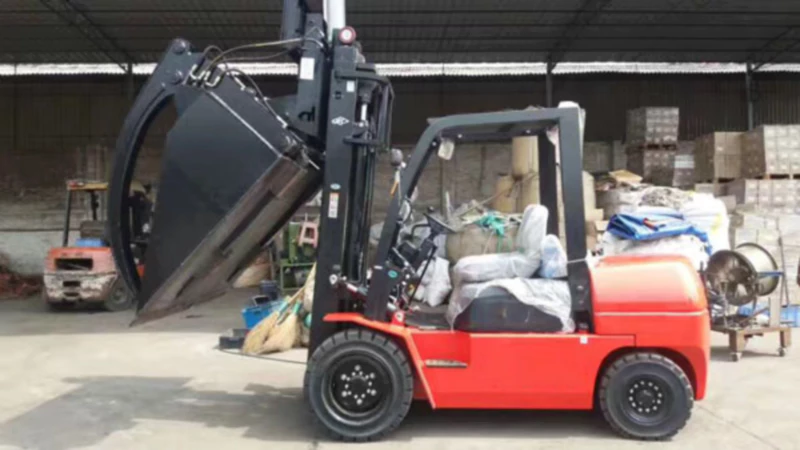
Installation of Tilt Cylinders
Proper installation of tilt cylinders is crucial to ensure their optimal performance and longevity. Follow these general steps when installing tilt cylinders on rescue vehicles:
- Inspect the tilt cylinder and associated components for any damage or defects before installation.
- Ensure the mounting area is clean and free from debris that could interfere with the cylinder’s operation.
- Position the tilt cylinder in the designated mounting location and secure it using appropriate bolts or fasteners.
- Connect the hydraulic lines properly, ensuring a secure and leak-free connection.
- Perform a thorough test of the tilt cylinder’s functionality before deploying the rescue vehicle in operational scenarios.
About Our Company
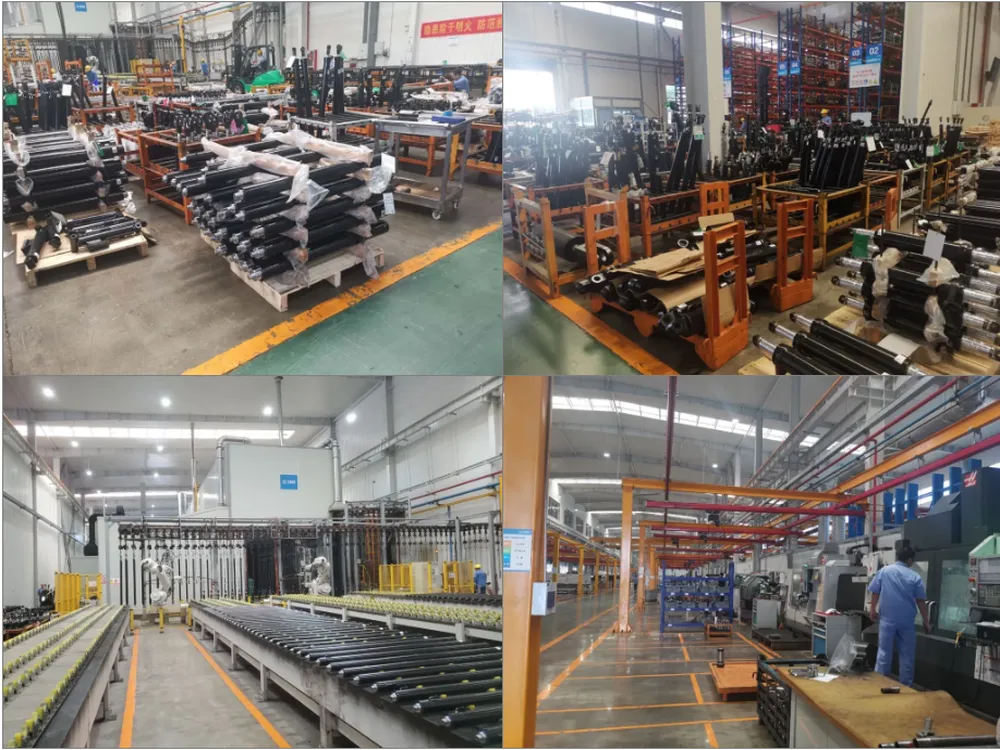
We are a leading manufacturer specializing in the research, development, production, and sales of hydraulic cylinders and related equipment. With over 15 years of experience in designing, manufacturing, and supplying tilt cylinders, we have earned a reputation for excellence in the European, American, African, and Asian markets.
Our company is committed to providing high-quality products, efficient service, and competitive prices. We have state-of-the-art production and testing equipment, and our team of industry professionals continuously innovates and manufactures tilt cylinders to the highest standards. Our product range includes tilt cylinders, boom cylinders, forklift tilt cylinders, steering cylinders, small hydraulic cylinders, and hydraulic pistons, catering to diverse industries such as construction, agriculture, mining, aerospace, automotive, marine, and material handling.
Customer satisfaction is our top priority, and we strive to deliver products that meet their requirements for quality, energy efficiency, and stability. We take pride in our strong customer base in Europe and America, as well as our reputation for superior production capabilities and excellent service.
Conclusion
In conclusion, tilt cylinders play a critical role in the functionality and safety of rescue vehicles. Their enhanced stability, precision control, increased maneuverability, improved safety, and durability make them ideal for rescue operations. When selecting a tilt cylinder, factors such as load capacity, size, operating pressure, stroke length, and environmental conditions should be carefully considered. Proper installation and maintenance of tilt cylinders are essential to ensure optimal performance. As a renowned manufacturer in the hydraulic cylinder industry, we are dedicated to delivering top-quality products and services to our esteemed customers worldwide.
Edited by Czh