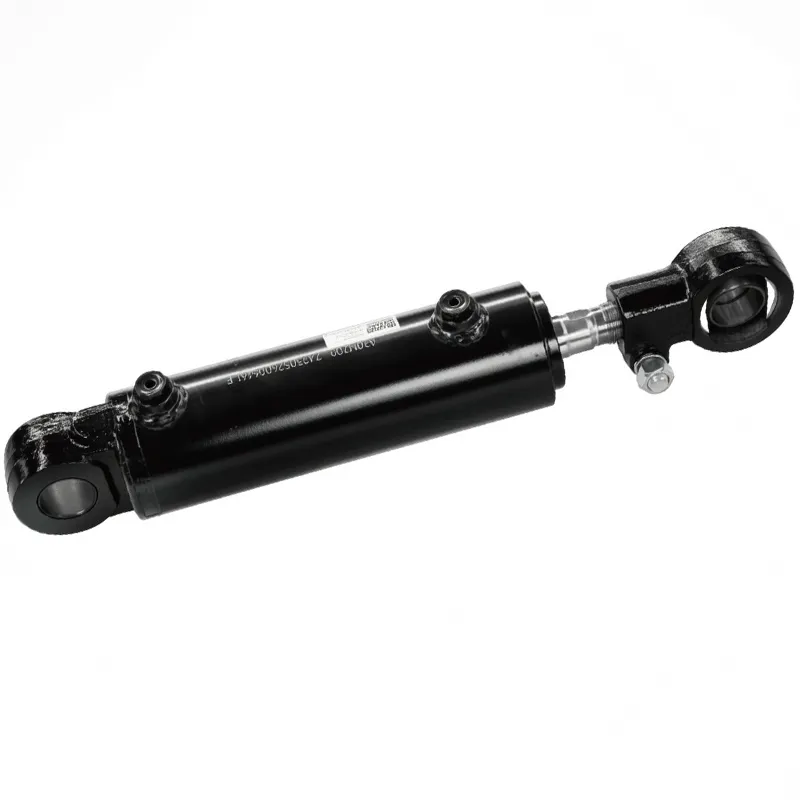
EP-Ø70×Ø30 Forklift Tilt Cylinder
The EP-Ø70×Ø30 is a compact forklift tilt cylinder belonging to the Forklift Cylinder Series, specifically designed to control the forward and backward tilt of the forklift mast assembly. The double-acting design allows hydraulic pressure to control both push and pull motion of the cylinder rod, providing precise mast angle adjustment in both tilt directions without relying on gravity or spring return. At 12 kg unit weight and 453 mm installation distance, this forklift tilt cylinder is dimensioned for integration into counterbalanced forklifts in the 1- to 3.5-tonne capacity class, matching the load requirements of logistics operations, cold storage facilities, and manufacturing warehouses across France and neighbouring European markets.
Hydraulic Cylinder Series
EP-Ø70×Ø30 Forklift Tilt Cylinder
A double-acting hydraulic cylinder engineered for forklift mast tilt control, rated at 18.1 MPa working pressure and 27 MPa maximum withstand pressure. Bore diameter Ø70 mm, rod diameter Ø30 mm, stroke 156 mm, installation distance 453 mm, weight 12 kg. Trusted by forklift manufacturers and MRO procurement engineers in France, Benelux, and across the European industrial logistics sector.
1. Technical Specifications — EP-Ø70×Ø30 Forklift Tilt Cylinder
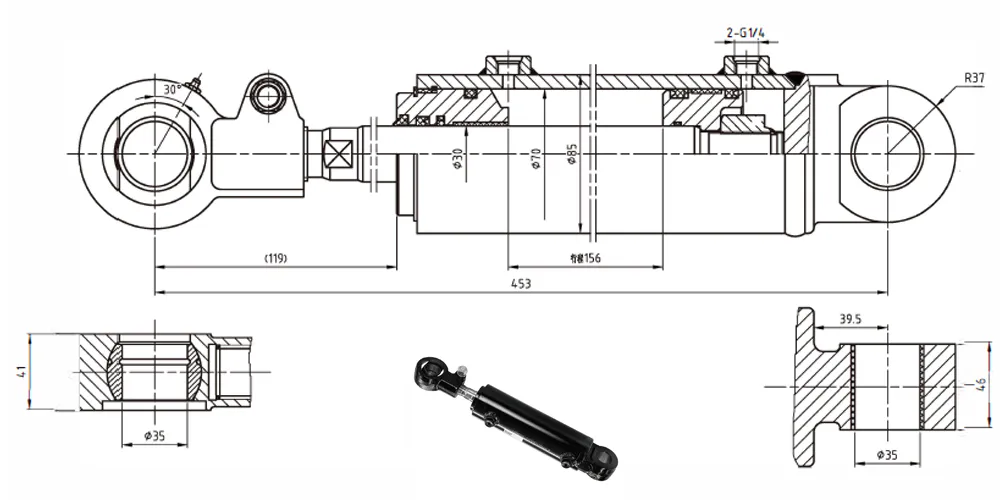
Specification: Φ70 × Φ30 × 156 (bore × rod × stroke, all in mm). Connection ports: 2-G1/4 BSP. End mounting: knuckle eye both ends, pin bore Ø35 mm.
| Parameter | Value | Notes |
|---|---|---|
| Cylinder Model Specification | Φ70 × Φ30 × 156 | Bore Ø70 mm, rod Ø30 mm, stroke 156 mm |
| Working Pressure | 18.1 MPa | Rated continuous operating pressure for forklift hydraulic circuit |
| Maximum Withstand Pressure | 27 MPa | Static proof pressure; safety factor approx. 1.49 over working pressure |
| Stroke (Trip) | 156 mm | Total rod travel from fully retracted to fully extended position |
| Installation Distance | 453 mm | Pin-to-pin center distance in fully extended (retracted rod) position |
| Weight | 12 kg | Unit weight without hydraulic fluid fill |
| Port Specification | 2 × G1/4 BSP | One port at cap end, one at rod-end gland; standard European BSP thread |
| Mounting End — Rod Side | Knuckle eye, pin bore Ø35 mm | Flange detail: Ø35 mm bore, 39.5 mm flange length, 4.5 mm shoulder step |
| Mounting End — Cap Side | Knuckle eye, pin bore Ø35 mm | Angular clearance 30 degrees; outer radius R37 at cap end |
| Cylinder Type | Double-acting hydraulic cylinder | Active force in both extend and retract directions; no gravity or spring return dependency |
| Application | Forklift mast tilt control | Counterbalanced forklifts, reach trucks, and order pickers in the 1-3.5 tonne capacity class |
2. Key Specification Overview
Ø70 mm
Ø30 mm
156 mm
18.1 MPa
27 MPa
453 mm
12 kg
3. What Is a Forklift Tilt Cylinder and How Does It Work?
A forklift tilt cylinder is a double-acting hydraulic cylinder mounted between the forklift body frame and the mast assembly, providing the controlled angular movement needed to tilt the entire mast — and therefore the forks and load — forward or backward relative to the machine chassis. The tilt function is fundamental to safe load handling: forward tilt allows the operator to slide the forks under a pallet at ground level and engage the load profile, while backward tilt during travel raises the load center of gravity closer to the front axle and significantly improves the machine stability safety margin when driving with elevated loads in aisles, ramps, and warehouse environments.
The EP-Ø70×Ø30 forklift tilt cylinder operates as a double-acting hydraulic cylinder, which means hydraulic oil under pressure from the forklift pump circuit actively drives the rod both inward (forward tilt) and outward (backward tilt). In the extended rod position, the cylinder pushes the upper mast assembly forward, tilting the forks ahead of the machine centerline. In the retracted rod position, the cylinder pulls the mast back, creating the rearward load-carrying angle. Both directions of movement are under positive hydraulic control, making the tilt motion smooth, controllable, and not dependent on gravity or mechanical spring return — a critical feature for precise load positioning in high-rack warehousing and pallet staging operations across French logistics facilities.
The hydraulic fluid enters the cylinder through two G1/4 BSP threaded ports (2-G1/4 as shown in the dimensional drawing) — one at the cap end and one at the rod end — allowing the operator-controlled directional valve to route pressurized oil to either side of the piston, generating the push or pull force required. At 18.1 MPa working pressure with a bore area of π × 35² = 3,848 mm², the push force available at the rod tip reaches approximately 69.7 kN, more than sufficient to tilt a fully loaded mast assembly even under the worst-case combined load and friction conditions encountered during regular use in French cold storage and automotive parts distribution facilities.
4. Five Key Product Advantages of Forklift Tilt Cylinder
High-Pressure Double-Acting Design for Precise Bidirectional Control
The double-acting hydraulic cylinder configuration delivers positive hydraulic force in both the extend and retract directions, eliminating the dependency on gravity or spring return for mast straightening. This ensures consistent, smooth tilt speed in both directions regardless of load weight, mast inclination, or ambient temperature — a reliability advantage over single-acting designs in the demanding continuous-duty logistics environments of French distribution centers, cold storage facilities, and port handling equipment operating around the clock.
27 MPa Maximum Withstand Pressure Provides a 49% Safety Margin
The rated working pressure of 18.1 MPa combined with a maximum withstand pressure of 27 MPa gives this forklift tilt cylinder a safety factor of approximately 1.49 at static burst condition. This pressure safety margin exceeds the minimum requirements of ISO 10100 hydraulic cylinder standards and provides operators with assurance that momentary pressure spikes — caused by abrupt load shifts, hydraulic shock from cylinder end-stop contact, or pump over-pressure events — will not cause immediate cylinder failure even in abnormal operating conditions encountered in heavy-duty European industrial forklift use.
Compact 453 mm Installation Distance for Tight Mast Geometries
The 453 mm pin-to-pin installation distance and compact 156 mm stroke make this forklift tilt cylinder suitable for integration into narrow and compact forklift mast assemblies without requiring chassis redesign. This dimensional compact is particularly valued by forklift manufacturers designing machines for operation in French retail distribution centers, pharmaceutical warehouse aisles, and tight supermarket back-room layouts where truck width and aisle clearance are strictly controlled under French workplace safety regulations and EN 1726 industrial truck standards.
Robust End-Eye Mounting for Dynamic Load Acceptance
Both ends of the cylinder are fitted with knuckle eye (clevis) mounting heads that accept pin connection to the forklift frame and mast cross-member. This pin-joint mounting arrangement allows the cylinder to absorb angular misalignment between the mast pivot axis and the cylinder axis during the tilt arc without imposing bending moments on the cylinder rod that would cause rod seal damage or premature rod buckling. The end-eye geometry with 30-degree angular clearance shown in the drawing accommodates the full mast tilt arc without binding in any installed orientation.
OEM Dimensional Compatibility for Direct Forklift Replacement
The EP-Ø70×Ø30 tilt cylinder is dimensioned to match the installation envelope of standard forklift tilt cylinder replacement specifications used across major forklift brands active in the French market, including those with Ø70 bore and Ø30 rod configurations. The standardized port threads (2-G1/4 BSP), pin bore diameter (Ø35 mm at both ends), and installation distance (453 mm) allow direct replacement without machine modification, reducing downtime during scheduled maintenance or emergency forklift tilt cylinder replacement in French warehouse and port logistics operations.
5. Hydraulic Cylinder Components and Materials
The material selection and manufacturing process for each hydraulic cylinder component determines the service life, pressure performance, and seal reliability of the assembled forklift tilt cylinder. The EP-Ø70×Ø30 is constructed from the following component materials and treatment specifications.
Cylinder Barrel (Body)
The barrel is manufactured from seamless cold-drawn steel tube, honed on the internal bore to achieve an Ra 0.4 micrometer surface finish. This precision bore surface is essential for piston seal function — the polyurethane or NBR piston seal must maintain contact with the bore wall under dynamic sliding conditions across the full 156 mm stroke without significant friction variation that would cause stick-slip motion at low operating speeds. The barrel exterior is treated with black oxidizing or epoxy enamel coating to prevent surface corrosion during storage, shipping, and service in the humid environments typical of French Atlantic coastal and cold storage warehouse installations.
Piston Rod
The piston rod is produced from 45# or 40Cr high-strength medium-carbon steel, rough-turned, then induction-hardened to HRC 50-60 across the rod contact zone, then precision-ground to h6 tolerance and hard chrome plated to a minimum 20-25 micrometer chrome layer. The hard chrome surface performs three simultaneous functions: it provides wear resistance against the rod seal and wiper seal contact; it creates the corrosion barrier that prevents rust bloom under the seal that would damage the seal lip and cause hydraulic oil leakage; and it provides the mirror-smooth surface (Ra 0.2 micrometer) that the rod seal requires to maintain its sealing effectiveness across the full operating pressure range up to 18.1 MPa.
Piston
The piston is machined from nodular cast iron or steel, with O-ring and backup ring sealing grooves and wear ring (guide band) grooves machined to DIN 3869 / ISO 5597 standard dimensions. The piston seal arrangement consists of a polyurethane primary seal backed by a Teflon-reinforced PTFE guide ring, providing hydraulic sealing at working pressure while maintaining consistent friction characteristics that prevent hydraulic jerking at the low flow rates used during precise load-positioning operations in tight French warehouse aisle environments.
Gland and Rod Seal Assembly
The rod gland is machined from ductile iron and houses the rod seal, wiper seal, and dust lip in a combined gland cartridge assembly. The rod seal (polyurethane U-cup or chevron packing) retains hydraulic oil at working pressure as the rod moves in and out. The wiper seal (polyurethane or NBR double-lip design) prevents external contaminants — including concrete dust on construction sites and food-grade cleaning chemicals in temperature-controlled French food logistics facilities — from entering the seal cavity and abrading the rod seal or the hard chrome rod surface.
End Eyes and Mounting Hardware
Both knuckle eye end fittings are forged from medium-carbon steel and heat treated before finish machining of the pin bore and mounting face. The pin bore Ø35 mm is reamed to H7 tolerance for a running fit with the hardened pin that connects the cylinder to the forklift mast and chassis brackets. The forged eye construction provides the structural integrity to withstand the combined bending and tension loads imposed during the tilt arc, particularly under the worst-case operating condition of full-rated load with maximum forward tilt angle that creates the highest moment arm at the cylinder attachment points.
6. Application Scenarios — Where This Forklift Tilt Cylinder Is Used
The EP-Ø70×Ø30 forklift hydraulic tilt cylinder is designed for a range of industrial and logistics forklift applications. The following scenarios represent the primary use environments where this cylinder is specified for new machine production and for forklift tilt cylinder replacement in the French and European market.
Counterbalanced Forklift Mast Tilt Drive
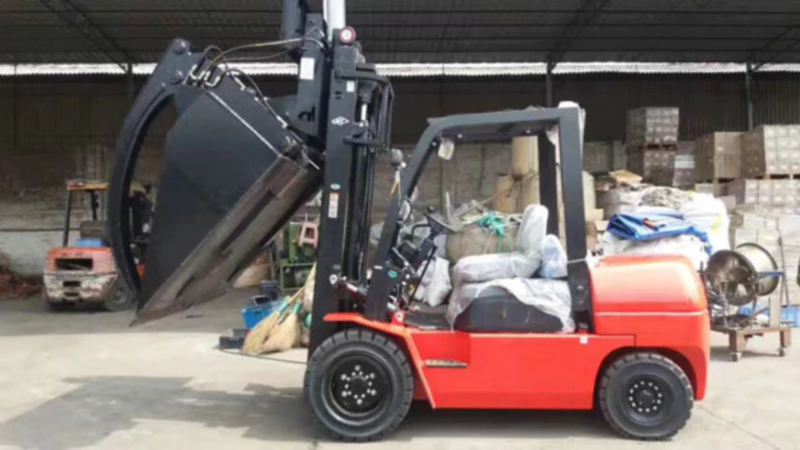
The primary application of the tilt cylinder forklift design is controlling the angle of the vertical mast on IC engine or electric counterbalanced forklifts in the 1- to 3.5-tonne capacity class. French logistics operators at their regional distribution centers and port terminals in Le Havre, Marseille, and Bordeaux rely on the cylinder to maintain the correct load-carrying angle during travel and to provide precise mast angle adjustment for load engagement at rack face and ground-level pallet positions. A correctly functioning forklift tilt cylinder is mandatory for safe machine operation under French workplace safety rules and EN ISO 3691 industrial truck operator safety standards.
Cold Storage Logistics — Temperature-Rated Forklift Drives
Cold chain distribution centers operating at -18°C to -25°C in the French frozen food sector require forklift cylinders with seals and hydraulic oil ratings compatible with sustained low-temperature service. The polyurethane and NBR seals in this forklift tilt cylinder maintain their elastomeric properties down to approximately -30°C when combined with ISO VG 32 or VG 46 low-temperature hydraulic oil, ensuring the mast tilt function remains smooth and responsive even at the beginning of a cold shift before the hydraulic system reaches operating temperature. This cold-storage compatibility is essential for French supermarket supply chain logistics operators in the Paris and Lyon regions.
Manufacturing Plant Material Handling
Automotive parts and heavy manufacturing plants across the French industrial corridor (Nord-Pas-de-Calais, Alsace, and Pays de la Loire) use counterbalanced forklifts continuously in multi-shift production support operations. The high-duty-cycle demand in these environments means forklift tilt cylinders accumulate operating hours far faster than in intermittent warehouse use. The 18.1 MPa working pressure rating and robust sealing system of this hydraulic cylinder provide the service life needed for 16-24 hour daily operating cycles in production plant environments, with forklift tilt cylinder seal kit replacement being the primary planned maintenance intervention rather than whole-cylinder replacement under normal operating conditions.
Port and Terminal Heavy Goods Handling
Container handling operations at French Atlantic and Mediterranean ports use forklifts in outdoor environments exposed to salt air, rain, and UV radiation that accelerate external corrosion of hydraulic cylinder surfaces. The external coating treatment on the EP-Ø70×Ø30 cylinder barrel combined with the hard chrome rod surface provides corrosion protection appropriate for coastal operating environments. The robust knuckle eye end fittings are designed to maintain structural integrity under the frequent impact loading events that occur when forklifts engage palletized cargo on uneven port surfaces where pallet approach angle cannot always be perfectly controlled by the operator.
Forklift OEM and Aftermarket Replacement Supply
The EP-Ø70×Ø30 is a direct OEM-specification replacement forklift tilt cylinder for machines whose original-fit cylinders have reached the end of service life — identified by hydraulic oil external leakage past the rod seal, jerky or slow tilt motion caused by internal bypassing at the piston seal, or visible rod surface damage requiring forklift tilt cylinder replacement rather than forklift tilt cylinder seal kit renewal. French forklift service workshops maintaining fleets of standard-bore counterbalanced trucks can stock this cylinder as a universal replacement unit that reduces workshop inventory complexity across multiple machine brands using the Ø70 bore tilt cylinder configuration.
Food and Pharmaceutical Logistics
Forklifts used in French food processing plants and pharmaceutical distribution warehouses must comply with strict hygiene and cleanliness standards that affect the hydraulic system specification. The sealed external finish of this cylinder prevents food-grade contamination from external cylinder surfaces, while the use of food-grade hydraulic oil (ISO H1 rated) in the forklift circuit ensures compliance with EHEDG and French HACCP hygiene standards when the cylinder operates in or adjacent to food contact zones. Leak-free operation is a compliance requirement in these environments, not merely a maintenance preference.
7. Regulatory Compliance and Standards — France and European Markets
The EP-Ø70×Ø30 forklift tilt cylinder must comply with applicable hydraulic equipment and machinery safety standards in the European markets where it is installed. The following regulatory framework covers the primary standards that apply to hydraulic cylinders in forklift mast tilt applications in France and the EU.
EU Machinery Directive 2006/42/EC and the Machine Regulation (EU) 2023/1230: Forklifts and their hydraulic system components are governed by the EU Machinery Directive. Hydraulic cylinders used in machinery exported to or manufactured within EU member states must meet the essential health and safety requirements of Annex I Section 4.1 covering fluid-power transmission systems — specifically the requirement that all hydraulic components sustain the maximum possible pressure without deformation, failure, or collapse in service. The new EU Machine Regulation (EU) 2023/1230 replaces the 2006/42/EC directive with effect from 14 January 2027 and introduces updated requirements for hydraulic system pressure validation.
EN ISO 10100:2020 — Hydraulic Fluid Power — Cylinders — Dimensions and Tolerances: This standard defines the bore, rod, and gland dimensions, surface finish requirements, and seal groove specifications that hydraulic cylinders must meet for dimensional interchangeability in the European market. The Ø70 bore and Ø30 rod dimensions of this cylinder are within the standard dimension series defined in EN ISO 10100, and the G1/4 port threads conform to EN ISO 228-1 thread form standards for European hydraulic fittings.
EN ISO 3691-1 — Industrial Trucks — Safety Requirements and Verification: This European standard covers the overall safety requirements for counterbalanced forklifts, including the hydraulic system performance requirements for the tilt circuit. It specifies that the mast tilt function must be stable, controllable, and not susceptible to uncontrolled movement under any operating condition, which is directly addressed by the double-acting design of this forklift tilt cylinder that maintains positive pressure control in both directions.
French Workplace Safety — Code du Travail and INRS Recommendations: French workplace safety regulations under the Code du Travail and recommendations from INRS (Institut National de Recherche et de Securite) require regular inspection of forklift hydraulic systems by qualified maintenance personnel. Any evidence of hydraulic cylinder external leakage, erratic tilt movement, or physical damage to the cylinder rod or body must be addressed before returning the machine to service. This regulatory framework drives the demand for reliable forklift tilt cylinder replacement components and forklift tilt cylinder seal kits among French fleet operators and forklift service workshops.
8. About Us
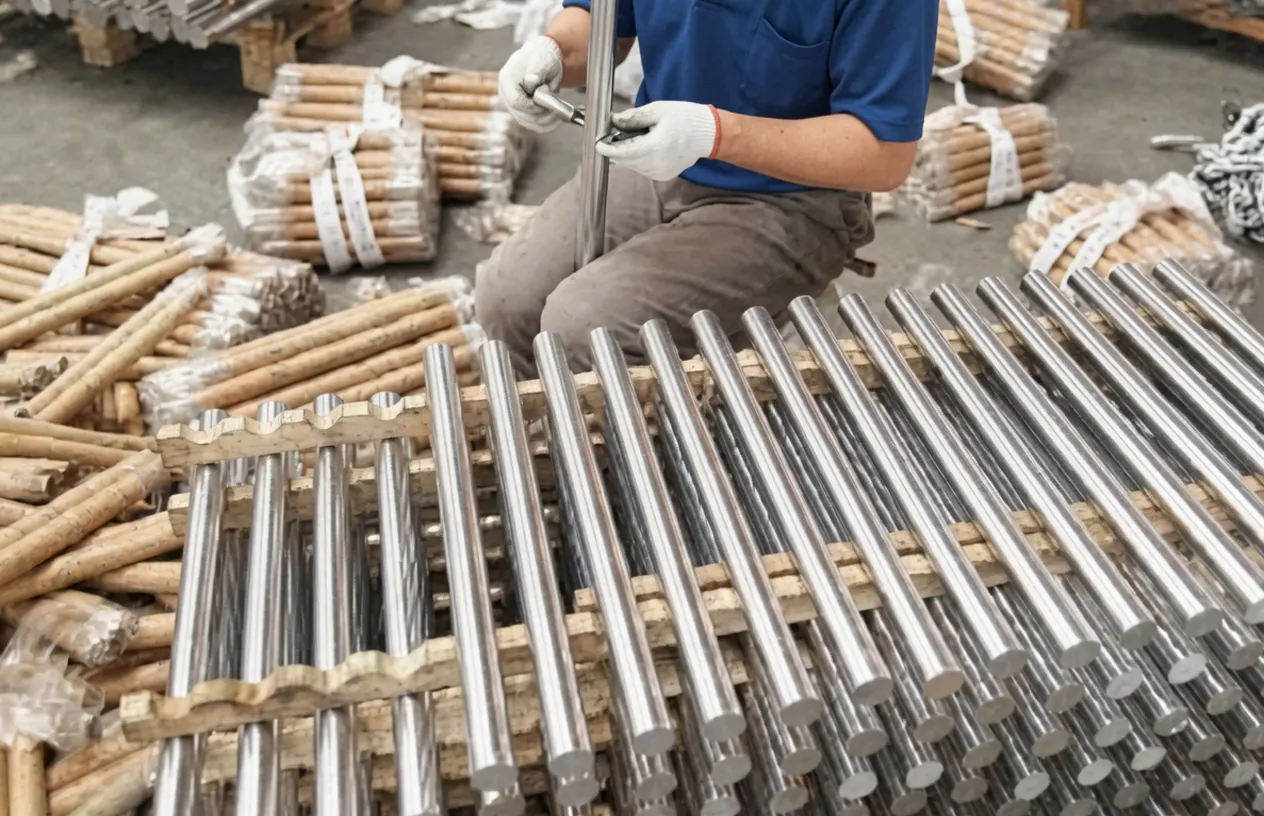
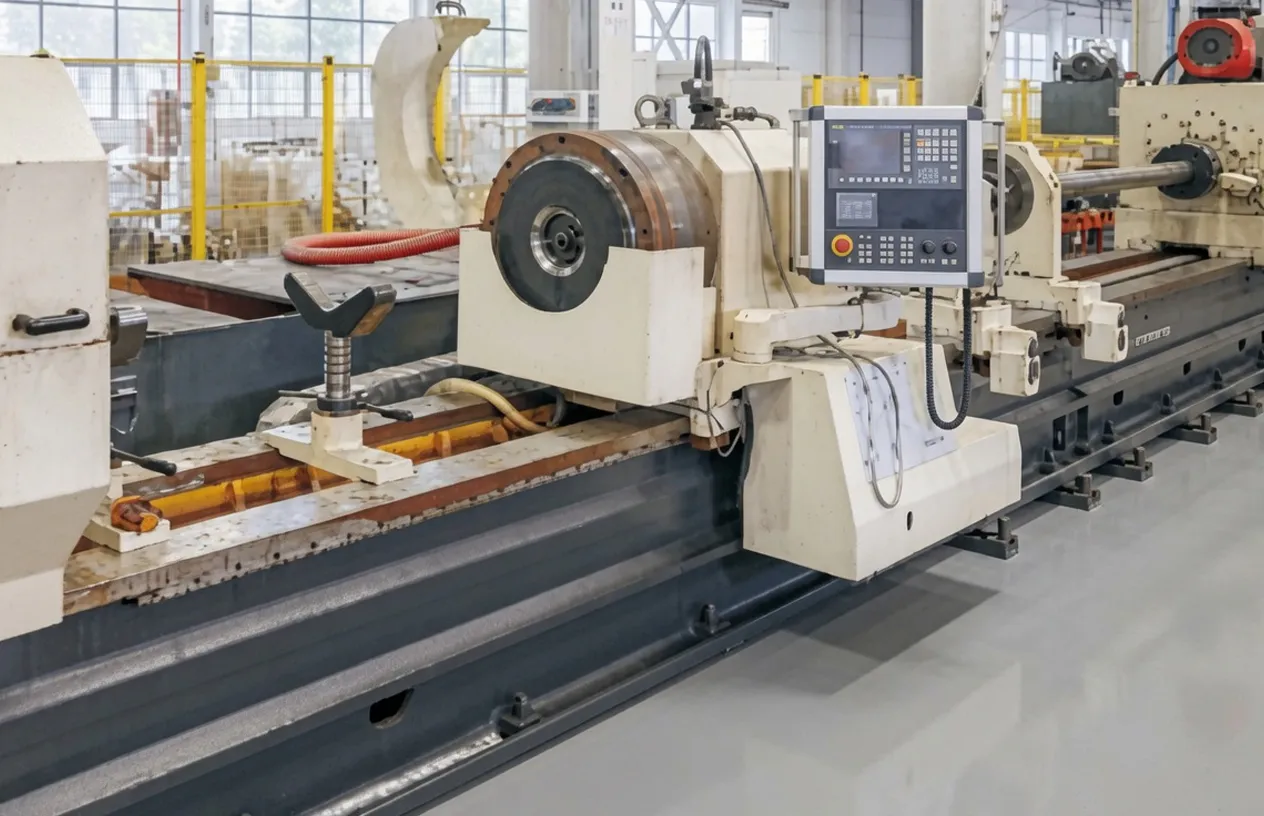
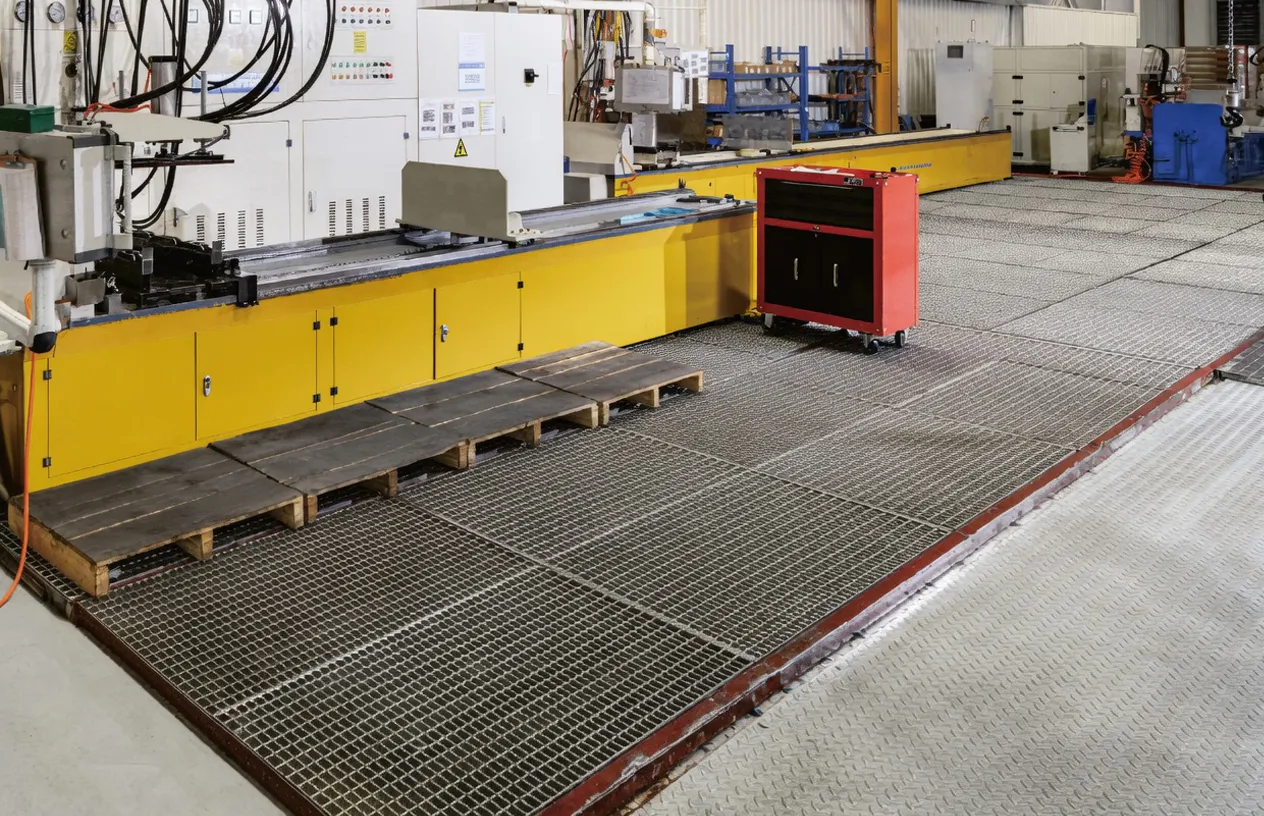
We are a professional manufacturer of hydraulic cylinders for industrial mobile equipment, specializing in forklift cylinder series production including forklift tilt cylinders, forklift lifting cylinders, and telescopic hydraulic cylinders for related material handling equipment. Our manufacturing facility is equipped with precision CNC honing machines for bore finishing, hard chrome rod plating lines, and automated seal assembly equipment to maintain consistent quality across production batches for both OEM supply programs and aftermarket replacement cylinder supply.
We supply hydraulic cylinder manufacturers, forklift distributors, and MRO procurement teams across France, Germany, Belgium, the Netherlands, Italy, and Spain with both standard catalog cylinder specifications and custom-engineered cylinder designs for specific forklift models or application requirements. Technical documentation — dimensional drawings, material certificates, pressure test reports, and EU Machinery Directive compliance declarations — is available on request for all supplied cylinder models.
WorkShop
9. Compatible Products — Complete Forklift Hydraulic System Supply
The tilt cylinder is one component in a complete forklift hydraulic system. We supply complementary hydraulic components for one-stop procurement convenience for French forklift manufacturers and service organizations.
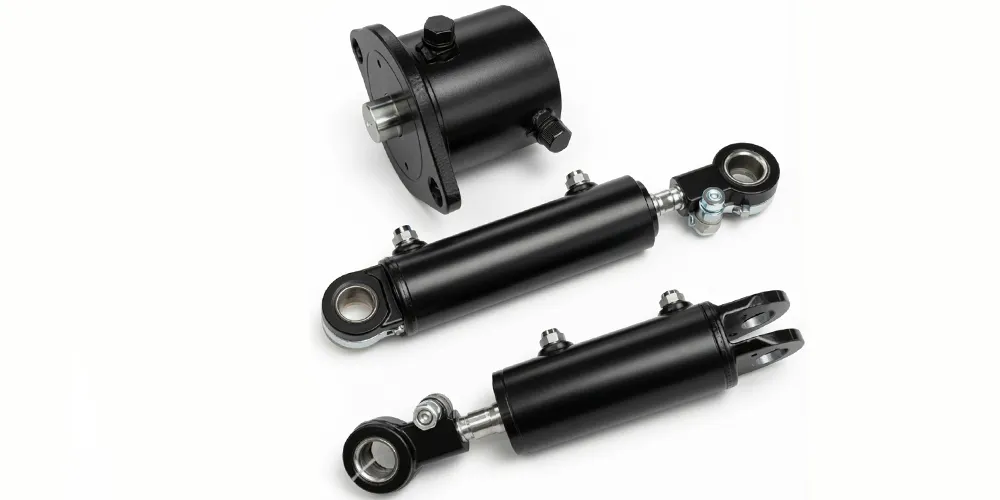
Tilt Cylinder Series
Our complete Tilt Cylinder product range covers multiple bore and rod diameter combinations for different forklift capacity classes, from compact 1-tonne electric trucks through to 5-tonne counterbalanced IC-engine machines. French forklift fleet operators and OEM manufacturers can source a full range of double-acting hydraulic tilt cylinder specifications from a single supplier, ensuring consistent quality, documentation standards, and supply chain reliability across their entire machine fleet portfolio.
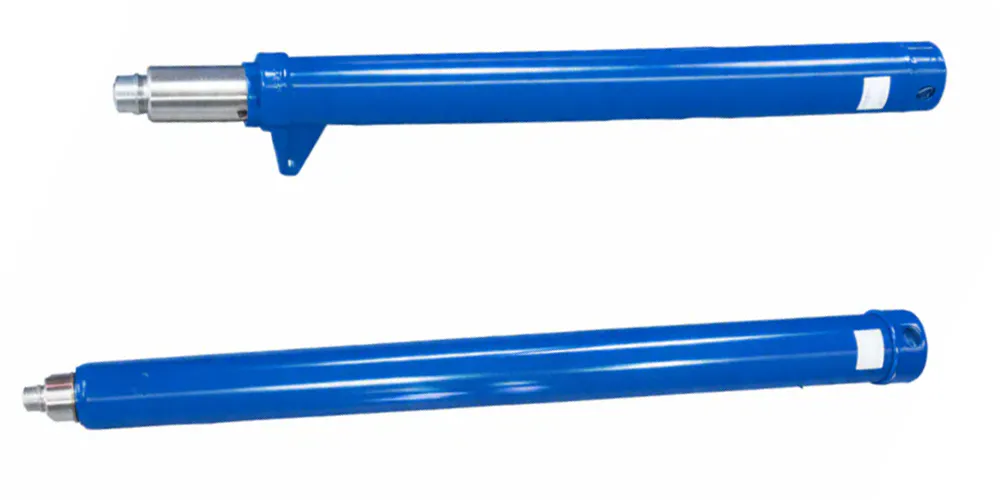
Forklift Lifting Cylinder
Every forklift that uses a tilt cylinder also requires one or two Forklift Lifting Cylinder units to raise and lower the mast and carriage assembly. Our forklift lifting cylinder range covers single-acting and double-acting configurations for all standard mast types — simplex, duplex, and triplex telescopic masts — in bore sizes from Ø50 through Ø140 mm. Sourcing both the tilt and lift cylinders from the same supplier simplifies technical compatibility verification and procurement logistics for French forklift manufacturers and workshop teams maintaining mixed-fleet operations.
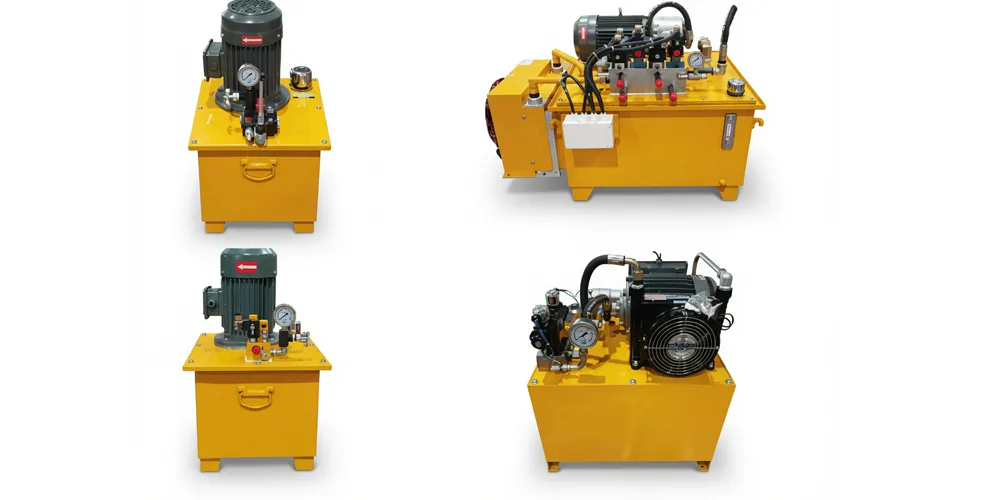
Hydraulic Pump Station
The hydraulic pump station generates the oil pressure that actuates both the tilt and lift cylinders in the forklift hydraulic circuit. We supply hydraulic pump and power unit assemblies configured for forklift hydraulic system requirements, covering both AC electric motor-driven pump units for electric forklifts and gear-pump driven units for IC-engine machines. Specifying the pump station and cylinders from the same hydraulic system supplier ensures matched flow rate, pressure relief valve settings, and hydraulic oil viscosity compatibility across the entire forklift hydraulic drive system.
Frequently Asked Questions
Q1. What is a forklift tilt cylinder and how does it control the mast angle on a warehouse forklift in France?
A forklift tilt cylinder is a double-acting hydraulic cylinder that connects the forklift body frame to the mast assembly, providing powered control of the mast tilt angle in both the forward and backward directions. When the operator activates the tilt control, hydraulic oil from the pump is directed to either the rod-end or cap-end port of the cylinder, generating force that pushes or pulls the mast through its tilt arc. In French warehouse and logistics operations, the cylinder allows the operator to tilt the forks forward slightly for load engagement at pallet level, then tilt backward for safe load transport in warehouse aisles in compliance with EN ISO 3691 forklift safety requirements.
Q2. Where can I find a reliable forklift tilt cylinder supplier in France or Europe offering fast delivery and technical documentation?
We supply forklift tilt cylinders including the EP-Ø70×Ø30 to French forklift manufacturers, distributors, and MRO service workshops with European port CIF supply terms and French-language technical documentation. Standard catalogue cylinders are typically available with 15-25 day lead time for delivery to French distribution points. We provide EU Machinery Directive compliance declarations, dimensional drawings, and material certificates with every shipment. Contact our export engineering team with your required cylinder specification for a fast quotation and technical confirmation.
Q3. How do I know when a forklift tilt cylinder needs replacement rather than forklift tilt cylinder seal kit repair?
A forklift tilt cylinder can often be economically repaired by replacing the forklift tilt cylinder seal kit if the rod surface is in good condition and the barrel bore is within tolerance. However, complete cylinder replacement is necessary when: the hard chrome rod surface shows scratches, rust pitting, or spalling that would cut the new seals; the barrel bore has ovality or scoring from contaminated oil that exceeds 0.05 mm; the end eye pin bores are oval from wear beyond 0.1 mm; or the barrel shows any cracking or permanent deformation. A visual inspection of the rod surface and a bore measurement with an internal micrometer after removing the cylinder from the machine will reveal whether seal kit renewal or full cylinder replacement is the appropriate repair strategy.
Q4. What working pressure does the EP-Ø70×Ø30 forklift hydraulic tilt cylinder operate at, and is it compatible with standard forklift hydraulic systems in Europe?
The EP-Ø70×Ø30 is rated at 18.1 MPa working pressure, which corresponds to 181 bar — within the standard pressure range of 150-200 bar used in the tilt circuit of counterbalanced forklifts in the 1- to 3.5-tonne class operating across France and Europe. The maximum withstand pressure of 27 MPa (270 bar) provides the pressure safety margin required for compliance with EN ISO 3691 and the EU Machinery Directive essential safety requirements for hydraulic systems in industrial trucks. The G1/4 BSP port threads are the standard European connection thread for this cylinder size and are compatible with all standard European forklift hydraulic hose assemblies using BSP port adapters.
Q5. What hydraulic oil is recommended for the tilt cylinder circuit on a cold-storage forklift operating at -20 degrees Celsius in a French frozen food warehouse?
For forklift tilt cylinder circuits operating in cold storage environments at -18°C to -25°C typical of French frozen food distribution warehouses, we recommend ISO VG 32 or ISO VG 46 low-temperature hydraulic oil with a pour point below -40°C and good viscosity index characteristics. These low-viscosity grades maintain adequate fluid flow at cold start conditions and ensure the tilt cylinder responds promptly when the forklift is first started at the beginning of a cold shift. The polyurethane seals in the EP-Ø70×Ø30 cylinder retain acceptable flexibility down to approximately -30°C with compatible hydraulic oil grades, ensuring leak-free tilt cylinder operation throughout the forklift operating temperature range in French cold chain logistics facilities.
Q6. Which hydraulic cylinder components are included in a forklift tilt cylinder seal kit replacement and how often should it be performed?
A standard forklift tilt cylinder seal kit contains the piston seal (polyurethane U-cup or O-ring and backup ring combination), the wiper seal (dust seal at the gland outer face), the rod seal (polyurethane primary seal), the gland O-ring, and any guide rings or wear rings for the piston. Seal kit replacement intervals depend strongly on operating cycle rate, oil cleanliness, and ambient contamination level. For forklifts in continuous French distribution center operation, a preventive seal kit renewal every 3,000 to 5,000 operating hours is typical. In highly contaminated environments such as agricultural product handling facilities or outdoor construction sites, the interval may be reduced to 1,500-2,000 hours.
Q7. What are the double-acting hydraulic cylinder advantages over single-acting designs for forklift tilt applications in French warehouses?
A double-acting hydraulic cylinder provides positive oil pressure-driven force in both directions of rod movement, delivering several advantages over single-acting designs for forklift tilt applications in French warehouse environments. First, tilt speed and smoothness are identical in both the forward and backward direction regardless of mast and load angle, enabling precise load positioning without the gravitational bias that causes unequal tilt speed in single-acting cylinders. Second, the backward tilt motion does not require gravity or spring return to function, providing reliable mast angle control on inclined loading dock floors or ramps common in French distribution center designs. Third, the double-acting design provides positive pressure on both faces of the piston, preventing uncontrolled mast movement even if there is a minor internal seal leak, which would cause progressive drift in a single-acting design.
Q8. How does the installation distance of 453 mm affect the mast tilt range on a standard counterbalanced forklift used in French logistics operations?
The 453 mm installation distance specifies the pin-to-pin center distance when the cylinder is in its installation reference position (typically with rod extended to the neutral mast position). The 156 mm stroke provides approximately 78 mm of cylinder extension beyond this reference position and 78 mm of retraction, translating to the mast tilt angle range through the geometric relationship between the cylinder attachment pivot points. For a standard counterbalanced forklift with mast pivot geometry designed around this cylinder, the resulting tilt arc is typically 3 to 4 degrees forward and 4 to 5 degrees backward — the standard range specified for general warehouse forklifts in France under EN ISO 3691 stability requirements.
Q9. When should a forklift tilt cylinder for sale be specified as new OEM versus aftermarket replacement for French forklift fleet procurement teams?
For planned fleet-level preventive replacement programs where multiple cylinders across a standardized machine fleet are renewed at a fixed operating hour interval, aftermarket forklift tilt cylinder for sale at the correct dimensional specification is the cost-effective and logistically practical approach — particularly when the machines are past the OEM warranty period and OEM supply lead times from European parts distributors are long. OEM-direct cylinders remain preferable for warranty-period machines where the replacement must match the OEM technical specification exactly, or for specialized forklift models with non-standard cylinder dimensions that are not covered by aftermarket catalogue specifications. The EP-Ø70×Ø30 covers the standard Ø70 bore configuration used across multiple major forklift brands active in the French market.
Ready to Source the Ø70×Ø30 Forklift Tilt Cylinder?
Contact our export team for technical specifications, OEM supply pricing, and CIF European port delivery documentation for forklift manufacturers and fleet operators across France, Benelux, and the wider European market.
Editor: PXY
Related products
-
Promotional Various Durable Using dump truck Tilt Hydraulic Cylinders with CE Certified
-
High Quality China Manufacture small hydraulic cylinder double acting hydraulic tilt cylinder
-
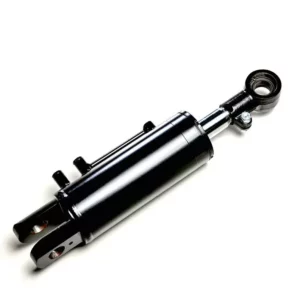
Steering Lifting Tilt Hydraulic Cylinder for Forklift Aerial Work Platform Telescopic Excavator Boom Truck Crane Vehicle
-
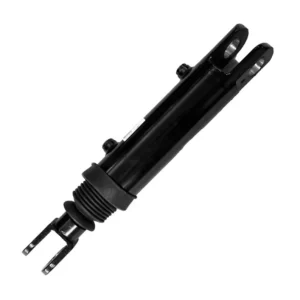
Factory direct supply double acting hydraulic tilt cylinder for tractor truck hydraulic cylinder