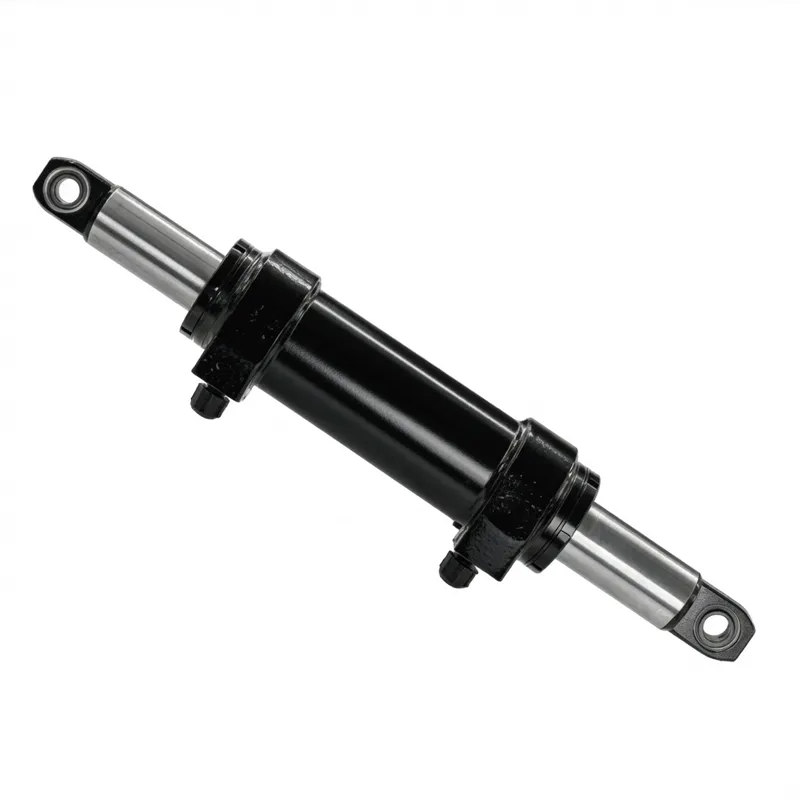
EP-Ø70×Ø50 Forklift Steering Cylinder
EP-Ø70×Ø50 Forklift Steering Cylinder
Heavy-Duty Double Acting Hydraulic Steering Cylinder for Industrial Forklift Applications
1. Technical Specifications — EP-Ø70×Ø50 Forklift Steering Cylinder
All dimensional data in millimeters unless otherwise noted. Thread specifications in ISO metric thread standard. Working and withstand pressures verified per ISO 10100 hydraulic cylinder testing protocol.
| Parameter | Specification | Notes |
|---|---|---|
| Cylinder Model | EP-Ø70×Ø50 Forklift Steering Cylinder | Double acting hydraulic cylinder |
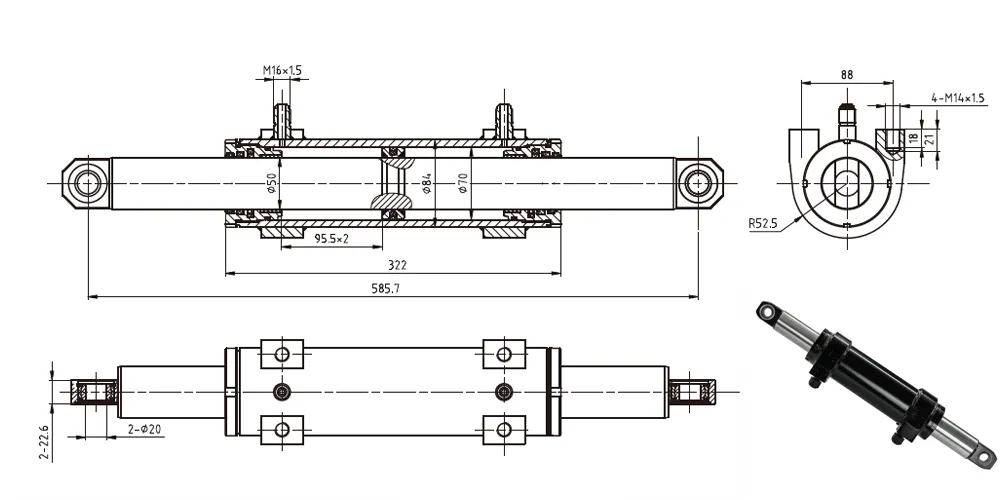
| Specifications (Bore × Rod × Stroke × Count) | Ø70 × Ø50 × 95.5 × 2 | Bore dia. 70 mm; Rod dia. 50 mm; Stroke 95.5 mm × 2 stages |
| Working Pressure | 16 MPa | Normal operating pressure in hydraulic steering circuit |
| Maximum Withstand Pressure | 24 MPa | 1.5× safety margin above working pressure |
| Trip (Stroke × Count) | 96.5 × 2 mm | Total travel: 193 mm lock-to-lock equivalent |
| Installation Distance | 585.7 mm | Overall mounting length between eye centres |
| Weight | 16.5 kg | Approximate; may vary ±0.3 kg |
| Hydraulic Port Thread | M16 × 1.5 | ISO metric thread; compatible with standard hydraulic hose fittings |
| Mounting Flange Bolt Pattern | 4 × M14 × 1.5 | Four-bolt flange; metric ISO thread |
| Flange Face Diameter | 88 mm | Outer diameter of mounting flange |
| Flange Radius | R52.5 mm | Bolt circle radius for mounting pattern |
| Piston Rod Diameter | Ø50 mm | Chrome-plated hardened steel; H6 tolerance |
| Bore Diameter | Ø70 mm | Honed bore; H8 tolerance |
| Hydraulic Fluid Compatibility | ISO VG 46 / VG 68 mineral hydraulic oil | NBR seals; compatible with standard forklift hydraulic fluid |
| Operating Temperature Range | -20°C to +80°C | Standard NBR seal compound; specify FKM for higher temperatures |
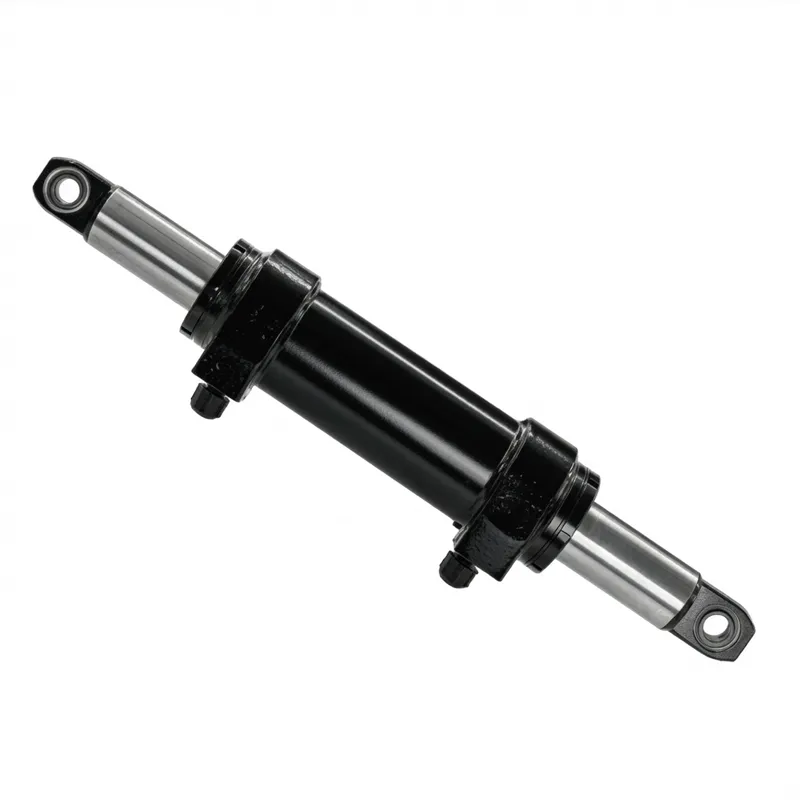
| Rod End Connection | Eye (clevis) both ends; Ø20 mm pin hole (2×) | Compatible with standard forklift steering linkage pins |
2. About Our Ø70×Ø50 Forklift Steering Cylinder
The EP-Ø70×Ø50 forklift steering cylinder is a precision-engineered hydraulic actuator designed to deliver reliable, responsive directional control for industrial forklifts operating in warehouse logistics, port handling, manufacturing facilities, and distribution centers across France and the wider European market. Built as a double acting hydraulic cylinder, this forklift steering cylinder applies active hydraulic force in both extension and retraction directions, providing the full bidirectional steering authority that modern electric and counterbalanced forklifts demand during tight-radius maneuvers in confined warehouse aisles. The bore diameter of 70 mm and rod diameter of 50 mm produce the output force characteristics needed for forklifts in the 1.5 to 3.5 tonne capacity class, where steering response and feedback quality directly affect operator safety and load-handling efficiency.
A defining engineering feature of this forklift steering cylinder is its double-trip configuration: the specification Ø70×Ø50×95.5×2 indicates that two independent travel strokes of 95.5 mm each are integrated within the assembly, and the overall installation distance of 585.7 mm fits the mounting geometry of standard counterbalanced forklift rear axle steering systems. The maximum withstand pressure rating of 24 MPa means the forklift steering cylinder withstands pressure spikes — from load impacts, surface irregularities, and emergency steering events — well above the 16 MPa working pressure, providing a 1.5× safety margin that is consistent with European machinery safety standards and the CE marking requirements applicable to industrial vehicles operating in French industrial facilities.
For maintenance teams managing forklift fleets at French logistics hubs in Lyon, Marseille, Paris La Défense, or Bordeaux port facilities, the availability of a directly compatible replacement forklift steering cylinder with fully published dimensional and pressure specifications is a significant procurement advantage. The 16.5 kg unit weight is manageable for a two-person replacement operation without lifting equipment, and the standard M16×1.5 port thread and 4×M14×1.5 mounting bolt pattern allows fitting without custom tooling in most workshop environments. This forklift steering cylinder is stocked for rapid dispatch to French buyers with standard lead times.
3. Five Key Product Advantages
Unlike single acting hydraulic cylinders that rely on spring return or gravity for retraction, this double acting forklift steering cylinder applies hydraulic pressure in both directions. In a forklift steering application, this means the hydraulic system can actively push the steer axle in both left and right directions with equal force, providing consistent steering feel regardless of direction of travel, load weight, or floor surface condition. For heavy-load operations at French logistics warehouses where forklifts handle palletized goods on smooth concrete floors and rough dock plates interchangeably, the bidirectional force authority of this forklift steering cylinder is a practical safety requirement that single acting alternatives cannot match.
The 24 MPa maximum withstand pressure of this forklift steering cylinder exceeds the 16 MPa working pressure by 50%, providing substantial safety margin for the pressure spikes generated during abrupt steering corrections, impact events, and dynamic load shifts on uneven dock surfaces. This pressure rating aligns with the requirements of the Machinery Directive 2006/42/EC and EN 1757-1 safety standards applicable to industrial fork-lift trucks operating within the European Union, including French facilities subject to the Code du travail's equipment safety provisions. Over-pressure events that might cause seal extrusion or housing deformation in a cylinder rated closer to its working pressure are absorbed safely within this forklift steering cylinder's rated capacity.
The 95.5×2 mm dual-stroke specification of this forklift steering cylinder integrates two travel stages within the 585.7 mm overall installation length, producing the full steering lock-to-lock movement required for the steer axle geometry without exceeding the compact space envelope available within the forklift counterweight section. This configuration is matched to the rear-axle pivot geometry of counterbalanced forklifts in the 1.5 to 3.5 tonne class, where the installation distance from the pivot mounting points defines the achievable steering angle — and therefore the minimum turning radius that determines aisle width requirements in French warehouse layouts.
The forklift steering cylinder bore inner surface is honed to a precision surface finish specification that optimizes the hydrodynamic lubrication film between the piston seal and bore wall during operation. A correctly honed bore reduces seal wear rate dramatically compared to a machined-only bore surface, extending the service life of the forklift steering cylinder seal system and the interval between seal kit replacements. For high-utilization forklifts operating two or three shifts per day at large French logistics facilities, the difference in seal change frequency between a honed and unhoned forklift steering cylinder bore translates directly to measurable maintenance labor and parts cost over a 5-year vehicle life.
The M16×1.5 hydraulic port thread and 4×M14×1.5 flange bolt pattern are standard specifications found on the majority of European-market forklift hydraulic steering circuits, simplifying hose adaptation and bracket fitting during forklift steering cylinder removal and reinstallation. The R52.5 mm flange radius and 88 mm flange face diameter are dimensionally compatible with standard counterbalanced forklift rear axle steering lug geometries. This dimensional standardization means that the forklift steering cylinder replacement procedure can typically be completed by a trained forklift technician without returning the vehicle to an original equipment dealership — reducing downtime and service cost for French fleet operators.
4. How the Forklift Steering Cylinder Works
The forklift steering cylinder is a linear hydraulic actuator that converts hydraulic fluid pressure from the forklift's power steering pump circuit into mechanical force applied at the steering axle pivot. The operating sequence begins with the operator turning the steering wheel, which activates the steering control valve mounted on the steering column. The valve directs pressurized hydraulic fluid — typically at 14 to 16 MPa working pressure from the vehicle's hydraulic pump — into the appropriate port of the forklift steering cylinder. The hydraulic pressure acts on the piston face, which has an effective area equal to the bore cross-section minus the rod cross-section on the rod side, or the full bore cross-section on the cap side. This pressure differential generates a linear thrust force that moves the piston rod left or right, and the rod's movement is transmitted through the clevis end connectors to the steering linkage that rotates the rear wheel about its vertical pivot axis.
The double acting design of the forklift steering cylinder means that left-turn commands route oil into the cap-side port and drain it from the rod-side port simultaneously, while right-turn commands reverse the oil routing. This controlled exchange of hydraulic volume between the two cylinder chambers produces precise, proportional steering response — the farther the operator turns the wheel, the greater the valve opening, the higher the oil flow rate, and the faster the forklift steering cylinder moves. When the operator holds the wheel steady, the closed-center valve traps oil in both cylinder chambers, holding the wheel at the selected angle against any external forces such as road crown, load eccentricity, or surface cross-fall that would otherwise cause the steer wheel to wander. The dual-stroke configuration of this specific forklift steering cylinder — two 95.5 mm travel stages — provides the lock-to-lock movement required for the rear steer axle while maintaining the 585.7 mm installation distance constraint imposed by the forklift's counterweight and chassis structure.
5. Materials and Construction Quality
The EP-Ø70×Ø50 forklift steering cylinder is assembled from materials selected specifically for the pressure cycle fatigue, impact loading, and temperature cycling that characterize forklift steering service in intensive warehouse and logistics environments across France and Europe. The forklift steering cylinder barrel is produced from seamless cold-drawn steel tube, honed internally to the H8 bore tolerance and surface finish specification of Ra 0.4 micrometers that optimizes the hydrodynamic seal film during piston movement. The barrel wall thickness is calculated to withstand the 24 MPa maximum pressure with the safety margin required by EN 1757-1 and ISO 4413 hydraulic safety standards, with no reduction in wall thickness at the port drillings where stress concentrations are highest.
The piston rod is machined from medium-carbon alloy steel — typically 42CrMo4 or equivalent EN 10083 specification — heat treated to achieve a core hardness that resists the bending loads imposed by steer axle geometry while maintaining adequate notch toughness for impact events. After final machining to h6 tolerance on the rod journal, the rod is hard chrome plated to a typical depth of 0.025–0.05 mm and ground and polished to Ra 0.2 micrometer surface roughness. This chrome surface layer provides the corrosion resistance and hardness needed to resist scoring from particles in the hydraulic fluid, and the low surface roughness produces the thin, consistent fluid film across the rod seal contact zone that determines seal service life. The wiper seal at the rod entry prevents external contamination — clay, concrete dust, water droplets from cleaning operations — from entering the forklift steering cylinder and scoring the chrome rod surface or contaminating the hydraulic fluid.
Sealing components use NBR (nitrile butadiene rubber) compound as standard, compatible with standard ISO VG 46 and VG 68 mineral hydraulic oils at temperatures from -20°C to +80°C. The forklift steering cylinder seal kit comprises: the piston seal (typically a T-seal or O-ring plus back-up ring system), the rod seal (U-seal or lip seal), the wiper seal, and O-ring static seals at the port fittings and gland threads. The mounting end eyes are machined from forged steel, providing the strength and toughness needed to handle the dynamic loads at the steering linkage pin connections — locations that experience both tension and compression loading as the steer axle pivots through full lock under load.
6. Application Scenarios
The EP-Ø70×Ø50 forklift steering cylinder serves the directional control requirements of counterbalanced forklifts across a broad range of French and European industrial applications. Below are the primary sectors where this forklift steering cylinder model sees consistent deployment.
Large-scale distribution warehouses — including those operated by French retail chains and e-commerce logistics operators in the Paris, Lyon, and Bordeaux regions — run fleets of counterbalanced forklifts that handle palletized goods around the clock. These vehicles execute hundreds of steering cycles per shift in narrow-aisle rack systems where precise, responsive steering is a safety-critical function. The forklift steering cylinder in these applications must deliver consistent steering authority across the full working shift without response degradation from seal wear or fluid temperature rise, and must withstand the shock inputs from uneven floor joints and dock plate transitions that occur repeatedly during intensive operation.
French Atlantic and Mediterranean ports — Marseille, Le Havre, Nantes, and Bordeaux — operate fleets of heavy-duty counterbalanced forklifts for container stuffing and destuffing, general cargo handling, and equipment maintenance yard operations. These environments combine salt air corrosion risk, temperature extremes between winter cold and summer heat, and the high steering cycle frequency of intensive container handling with frequent directional changes. The forklift steering cylinder must maintain sealing integrity against moisture and salt contamination while sustaining the pressure demands of heavy load movements across the dock surface irregularities common at port facilities.
Automotive, aerospace, and general manufacturing plants in the Nord-Pas-de-Calais, Ile-de-France, and Alsace industrial regions use counterbalanced forklifts for intra-plant material transfer, component delivery to assembly lines, and finished goods dispatch. Manufacturing environments typically feature painted concrete floors with expansion joints, painted line markings that create minor floor irregularities, and the high mast heights needed for rack storage in production warehouses. The forklift steering cylinder in these vehicles must maintain predictable behavior across the variable load conditions encountered between empty return runs and full-load transfer moves, where the front axle load changes significantly and the forklift steering cylinder experiences different thrust force requirements.
Refrigerated warehouse and cold chain logistics facilities — concentrated in French agri-food regions including Bretagne, Pays de la Loire, and the Rhône-Alpes food processing corridor — operate forklifts in temperatures from -25°C (deep freeze) through ambient in the loading dock transition zones. The steering cylinder forklift in these environments faces the most demanding seal challenge: hydraulic fluid viscosity rises dramatically at low temperature, creating higher pressure drops and potentially higher peak steering pressures during the first steering inputs when the vehicle moves from ambient into the cold store. Correct seal compound selection and hydraulic fluid viscosity grade are critical for the forklift steering cylinder in these applications to prevent seal cracking and maintain steering response at minimum operating temperature.
Builders' merchants, precast concrete product yards, and stone and tile distribution centers use heavy-duty counterbalanced forklifts to handle dense, irregularly packaged loads that create high steer axle loads. Yard surfaces are frequently textured or unpaved in outdoor areas, and vehicles regularly transit between indoor and outdoor environments with the associated temperature and contamination transitions. The forklift steering cylinder in these applications must handle the combined effects of heavy steer axle loading from dense cargo, rough surface inputs, and the contamination exposure of semi-outdoor operation, making seal quality and chrome rod surface hardness particularly important forklift steering cylinder selection factors.
7. Regulatory Compliance and Standards — France and the European Union
Industrial forklift trucks and their hydraulic components are subject to a substantial regulatory framework in France and across the EU. The following standards and regulations govern the design, manufacture, and maintenance of forklift steering cylinder components used in forklift steering systems.
The French Code du travail (Labour Code) transposes the EU Machinery Directive 2006/42/EC through the Décret n° 2008-1097 relatif aux machines (Machines Decree). Industrial forklift trucks used in French workplaces must carry CE marking, confirming compliance with essential health and safety requirements covering hydraulic systems, steering reliability, and operator protection. The INRS (Institut national de recherche et de sécurité) publishes guidance on forklift safety inspection intervals and forklift steering cylinder hydraulic system maintenance requirements applicable to French employers.
EN 1757-1 specifies the safety requirements for counterbalanced lift trucks, including steering system performance, hydraulic circuit design, and fail-safe behavior requirements. A critical steering requirement is that single faults in the hydraulic steering circuit must not result in sudden, uncontrolled steering movement — a requirement that influences the forklift steering cylinder's internal seal design and the circuit's pressure relief valve settings. The EP-Ø70×Ø50 forklift steering cylinder's pressure rating and dual-stroke configuration are consistent with the steering geometry requirements of trucks compliant with this standard.
ISO 4413 (Hydraulic fluid power — General rules and safety requirements for systems and their components) governs the design, installation, and maintenance of hydraulic systems including the forklift steering cylinder, hoses, valves, and fittings that comprise the forklift steering circuit. Key provisions include requirements for pressure rating with appropriate safety factors (consistent with the 24 MPa maximum withstand pressure of this forklift steering cylinder at 16 MPa working pressure), identification marking of hydraulic components, and maintenance documentation requirements. ISO 4413 is referenced in EN 1757-1 and is therefore applicable to all forklifts placed on the European market.
ISO 10100 specifies the acceptance testing requirements for hydraulic cylinders including pressure test methods, leakage test procedures, and dimensional verification requirements. Compliance with ISO 10100 test procedures ensures that the forklift steering cylinder's actual pressure capability, seal integrity, and dimensional accuracy meet the specification before installation in the forklift steering system. French maintenance workshops performing in-service inspections of forklift steering cylinder assembly components should reference this standard for the test pressure and leakage criteria applicable to rebuilt or replacement units.
The Fédération Européenne de la Manutention (FEM) and various national industrial standards bodies publish guidance on forklift inspection, maintenance intervals, and component replacement criteria. FEM 4.004 (periodic inspection of industrial trucks) and its French implementation define the inspection frequency for hydraulic systems based on operating hours and the safety-criticality classification of each system — with forklift steering cylinder units classified as Category A (highest safety relevance), requiring the most rigorous inspection and documentation regime. Replacement components used in Category A positions should be traceable to their manufacturing specifications.
8. Compatible Products — Complete Forklift Hydraulic System
A complete forklift hydraulic system requires compatible forklift steering cylinder, tilt cylinder, and lifting cylinder components sourced to consistent quality and pressure specifications. We supply matched products across the forklift hydraulic cylinder range for one-stop procurement.
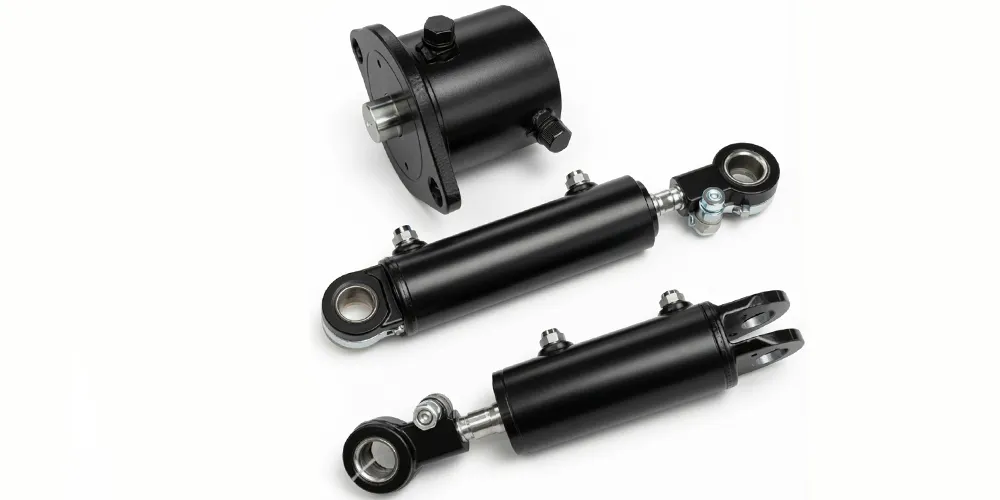
Our range of tilt cylinders works in conjunction with the forklift steering cylinder to provide the complete forklift hydraulic motion system. The tilt cylinder controls the forward and backward inclination of the mast assembly, allowing the operator to tilt the load for stability during travel and to position the forks for loading and unloading. Compatible with the same hydraulic system that supplies the forklift steering cylinder, our tilt cylinders share pressure ratings and fluid compatibility specifications that simplify system design and maintenance documentation for French forklift fleet operators.
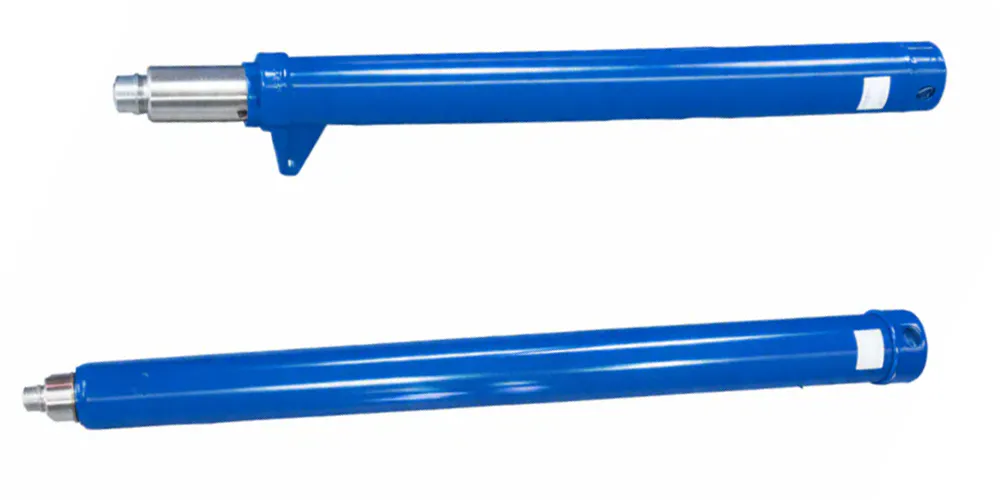
The forklift lifting cylinder is the primary hydraulic actuator that raises and lowers the mast and carriage assembly. Operating in conjunction with the forklift steering cylinder within the same hydraulic circuit, the lifting cylinder must be pressure-rated and fluid-compatible to match the steering system's specifications. We supply lifting cylinders across the full range of forklift capacities from 1.5 through 8 tonnes, providing a single-vendor solution for complete forklift hydraulic cylinder replacement programs at French logistics facilities and fleet maintenance operations.
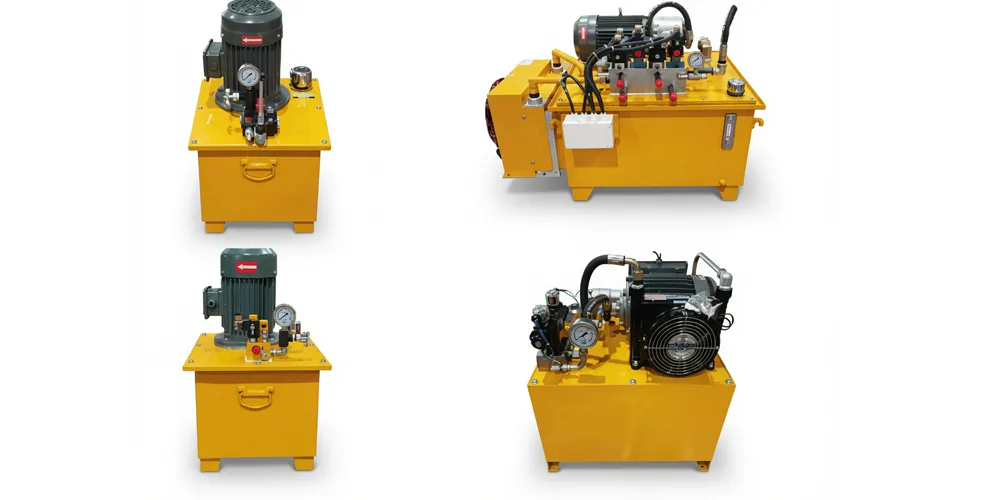
A correctly specified hydraulic pump station supplies the volume flow and pressure required by the combined steering, tilt, and lift cylinder demands of the forklift hydraulic circuit. We supply pump stations matched to the pressure and flow requirements of the EP-Ø70×Ø50 forklift steering cylinder system, providing verified system compatibility that eliminates the risk of under-specifying pump capacity or pressure setting mismatch between the pump station and forklift steering cylinder pressure ratings. Sourcing the pump station and cylinder from the same supplier simplifies system commissioning documentation and after-sales technical support.
9. About Us
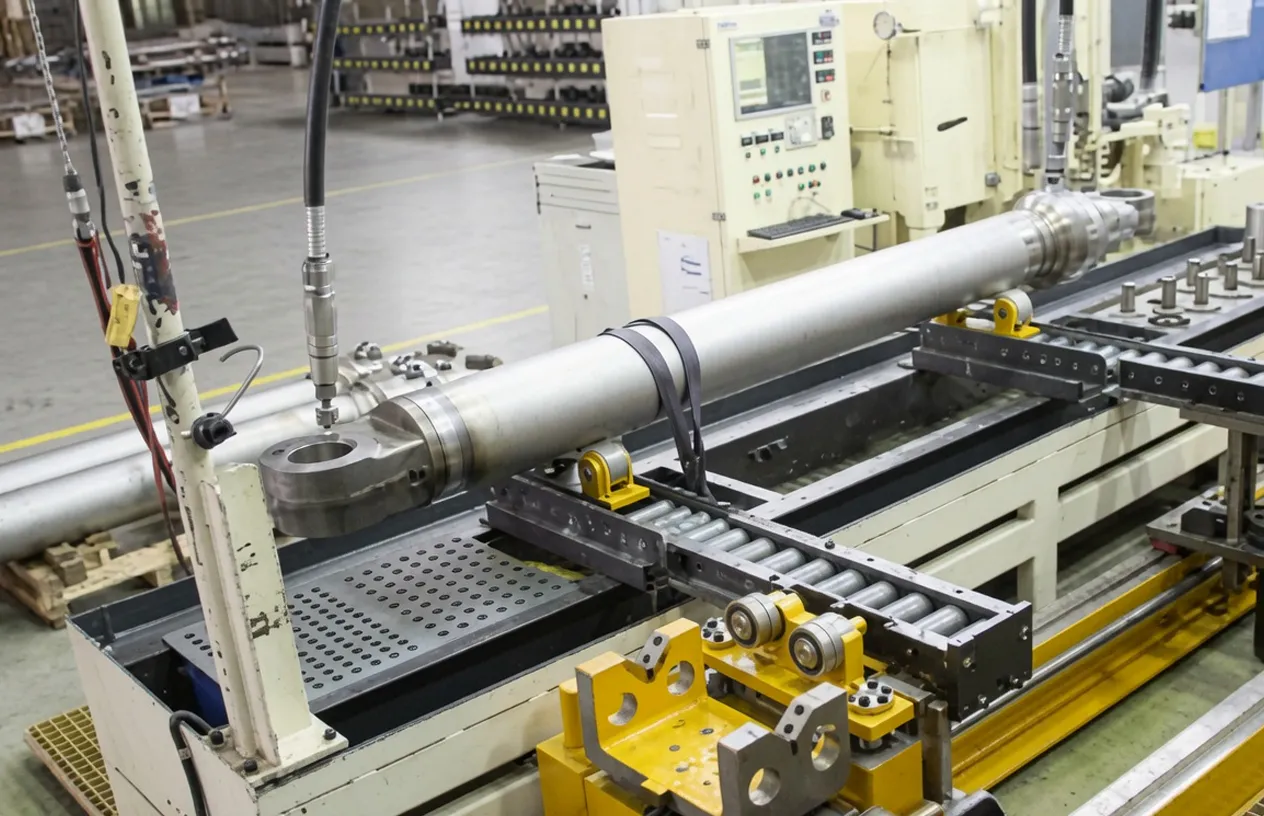
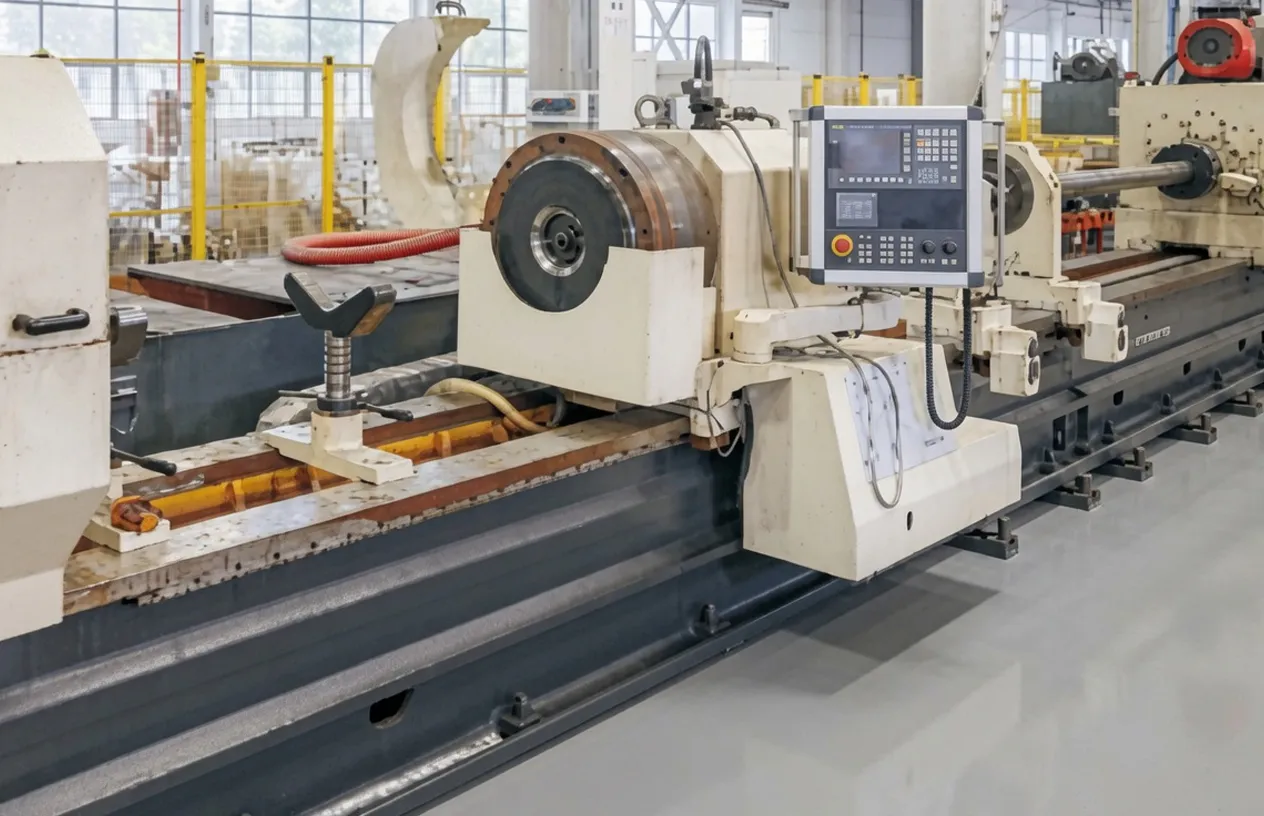
We are a specialized hydraulic cylinder manufacturer with engineering expertise across the complete range of industrial cylinder types — forklift steering cylinders, tilt cylinders, lifting cylinders, telescopic hydraulic cylinders, double acting hydraulic cylinders, single acting cylinders, and custom hydraulic actuators for OEM applications. Our production facility is equipped with CNC honing machines, precision grinding centers, chrome plating lines, and hydraulic cylinder testing benches that verify every forklift steering cylinder unit to the pressure and leakage specifications required by ISO 10100 and EN 1757-1 before dispatch. Quality management is certified to ISO 9001, providing buyers with documented evidence of process control across the complete manufacturing sequence from bar stock through final acceptance test.
WorkShop
Frequently Asked Questions
Editor: PXY