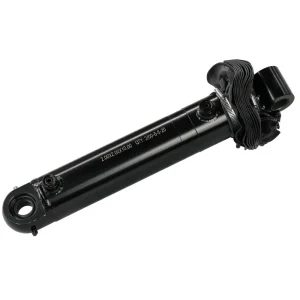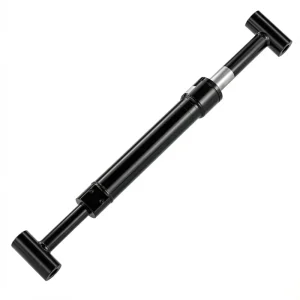
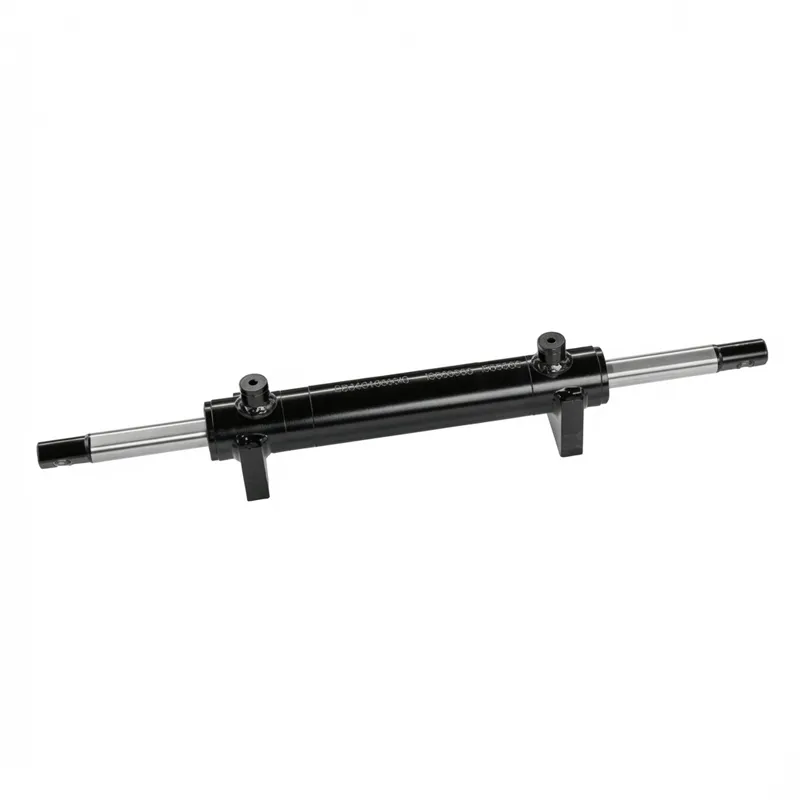
Cilindro de dirección EP-Φ40×Φ25×100×2 para vehículos de trabajo aéreo
The EP-Φ40×Φ25×100×2 Steering Cylinder for Aerial Work Vehicle(Model HCYY11112007) is engineered specifically for aerial work platforms. It features a 40 mm bore, 25 mm rod, and a 100×2 mm stroke configuration, with an overall installation distance of 645 mm. Weighing only 7 kg, this lightweight unit operates at a rated working pressure of 10 MPa and a maximum withstand pressure of 15 MPa, ensuring a 1.5x safety factor.
Designed for direct bolt-on replacement, it utilizes a 4-M10-7H flange mount with a 280 mm bolt circle and is sealed with premium NBR and PTFE components. This cylinder is manufactured to ISO 6020 standards and is CE compliant, making it suitable for scissor lifts, boom lifts, and telehandlers across the European market.
Aerial Work Vehicle Series · Hydraulic Cylinder
EP-Φ40×Φ25×100×2 Steering Cylinder
for Aerial Work Vehicle
Model: HCYY11112007 · Double-Acting Hydraulic Steering Cylinder · 10MPa Working Pressure · CE / ISO Compliant
Rod Φ25mm
100×2 Stroke
7 kg
1. Technical Specifications & Parameters
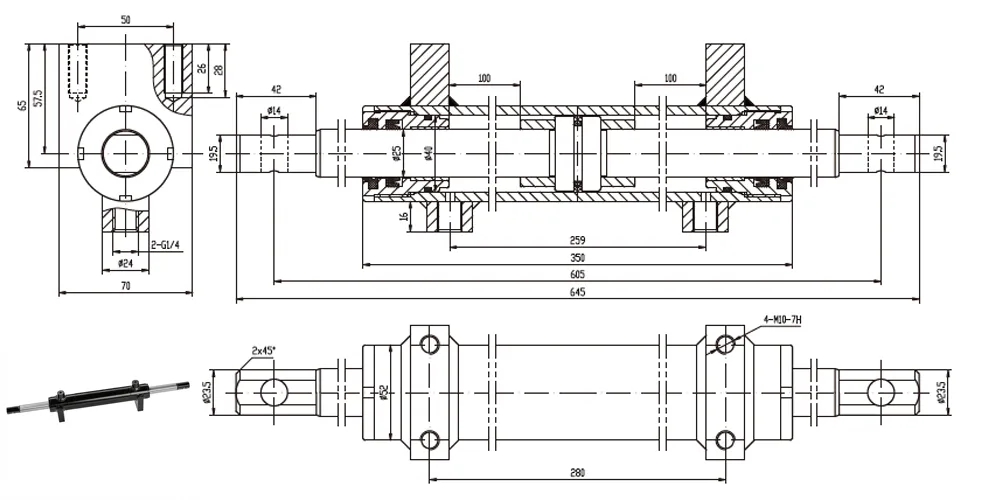
All dimensions and performance values below are taken directly from the HCYY11112007 engineering specification sheet. Port thread is 2-G1/4 (BSP). Flange mount hole pattern is 4-M10-7H at 280mm bolt circle width.
| Parameter | Value / Specification | Notes |
|---|---|---|
| Cylinder Model | HCYY11112007 | OEM part reference |
| Specification | Φ40×Φ25×100×2 | Bore Φ40mm · Rod Φ25mm · Stroke 100mm per side · Double |
| Cylinder Type | Double-Acting Hydraulic Steering Cylinder | Active extension and retraction on both sides |
| Working Pressure | 10 MPa (100 bar) | Rated continuous operating pressure |
| Maximum Withstand Pressure | 15 MPa (150 bar) | Hydrostatic burst-test pressure (1.5× working) |
| Trip (Stroke) | 100×2 mm | 100mm stroke each rod, total 200mm combined travel |
| Installation Distance | 645 mm | Overall eye-to-eye / mount-to-mount distance |
| Weight | 7 kg | Approximate mass (dry, without hydraulic fluid) |
| Hydraulic Port | 2-G1/4 (BSP 1/4") | Two ports, one each end cap |
| Bore Diameter | Φ40 mm | Internal cylinder bore |
| Rod Diameter | Φ25 mm | Chrome-plated piston rod |
| Mounting Hole Pattern | 4-M10-7H · 280 mm bolt circle | Flange mount for rigid chassis attachment |
| Rod End Chamfer | 2×45° | Both rod ends chamfered for clevis engagement |
| Rod End OD | Φ35 mm | Clevis / tie-rod interface diameter |
| Overall Body Length | 605 mm | End cap to end cap (without mount) |
2. About Our Hydraulic Steering Cylinder for Aerial Work Vehicles
The EP-Φ40×Φ25×100×2 is a precision-engineered steering cylinder developed specifically for aerial work platforms and elevated-access equipment. As a double-acting hydraulic steering cylinder, this unit converts hydraulic pressure into controlled linear actuation across both extending and retracting strokes, enabling accurate directional control of the vehicle's steering axle. The compact yet robust design makes this steering cylinder ideally suited to self-propelled boom lifts, scissor-lift platforms, and articulated aerial work vehicles operating in demanding industrial, construction, and maintenance environments across France and the broader European market.
With a 10MPa rated working pressure and a burst resistance of 15MPa, the HCYY11112007 steering cylinder is built for reliability in continuous-duty cycles. The double-stroke configuration (100×2) delivers smooth, balanced actuation from both sides of the cylinder body, while the installation distance of 645mm is tailored to match standard aerial work vehicle chassis mount points. At just 7 kilograms, this steering hydraulic cylinder keeps vehicle payload penalties minimal — a critical factor for machines where platform capacity is a selling point.
This steering cylinder is manufactured in line with ISO 6020-1 and ISO 6020-2 standards for hydraulic cylinder dimensions and performance. CE conformity documentation for this steering cylinder is available to support equipment certification requirements under the EU Machinery Directive 2006/42/EC, which applies to all aerial work vehicles placed on the French and European markets. This makes the HCYY11112007 a genuine replacement steering cylinder option for OEM and aftermarket applications throughout the EU zone.
3. Five Key Advantages of This Steering Cylinder
The double-acting configuration allows this steering cylinder to generate controlled force on both the extend and retract strokes. This eliminates the need for a return spring mechanism and provides positive steering authority in both left and right turning directions, which is essential for precise manoeuvrability on aerial work platforms where steering precision directly affects operator safety and worksite productivity.
Weighing only 7 kg while sustaining 10MPa continuous working pressure and a 15MPa hydrostatic test rating, the HCYY11112007 hydraulic steering cylinder achieves an excellent strength-to-mass balance. For aerial work vehicles where total platform weight directly determines maximum load capacity, minimising actuator weight without sacrificing pressure rating is a genuine engineering advantage that operators and specifiers in France and across Europe appreciate.
Each steering cylinder assembly uses a multi-layer sealing system combining polyurethane guide rings, PTFE backup rings, and nitrile O-rings at every dynamic and static interface. The piston rod is hard-chrome plated to Ra 0.4μm surface finish, protecting against corrosion and mechanical abrasion in outdoor environments. The seal arrangement is engineered for long service without leakage, reducing maintenance intervals and lowering total ownership cost across the product's lifespan.
The 4-M10-7H flange mount with 280mm bolt circle ensures direct bolt-on fitment to standard aerial work vehicle chassis mounting points without site machining or adaptation plates. The twin G1/4 BSP hydraulic ports are positioned symmetrically at each end cap, allowing clean and accessible hose routing. This power steering cylinder design respects standard assembly practices used by French and European aerial work vehicle OEMs, simplifying replacement and servicing in the field.
This steering cylinder is manufactured in accordance with ISO 6020 series standards for medium-pressure hydraulic cylinders, with dimensional tolerances conforming to ISO 286 (shaft and bore fits). Full material traceability and hydrostatic test certification are provided with each unit, supporting CE marking requirements under the EU Machinery Directive 2006/42/EC. For French procurement teams and European fleet operators, this compliance package simplifies the regulatory documentation process for new equipment commissioning and periodic inspection.
4. Working Principle of the Steering Cylinder
The HCYY11112007 steering cylinder operates as a double-acting hydraulic steering cylinder. Pressurised hydraulic fluid is directed by the vehicle's steering control valve into one of the two G1/4 BSP ports on opposing end caps. When fluid enters the bore-side port, the piston is driven in the rod-extending direction, pushing the steering linkage in one direction. When the control valve reverses the flow — routing pressure to the rod-side port and returning fluid from the bore side — the rod retracts with equal controllable force, steering the axle in the opposite direction. Because both directions of motion are driven by hydraulic pressure rather than spring return, the steering hydraulic cylinder delivers positive, predictable actuation in both directions regardless of load conditions or vehicle attitude.
The double-cylinder arrangement (×2 in the part designation) places an identical actuating unit on each side of the vehicle's steering axle, with both cylinders connected in parallel to the same steering control circuit. This symmetrical layout equalises the force applied to both sides of the steering linkage simultaneously, preventing the torque steer and cornering pull that can occur when a single centrally-mounted steering ram cylinder is used on wide-track axles. The result is a steering system that remains responsive and predictable across the full steering lock range, even on uneven ground or during elevated platform operation where lateral loads shift.
Internal cushioning at the end-of-stroke position is incorporated into the steering cylinder piston head geometry. As the piston approaches the end caps, a reduced-diameter metering pin enters a matched bore in the end cap, restricting the fluid exit path and decelerating the piston progressively. This cushioning protects both the steering cylinder parts (seals, rod, and piston) and the mechanical steering linkage from shock loading at full lock, extending the service life of the entire steering assembly and the vehicle chassis it connects to.
5. Material Composition & Construction Quality
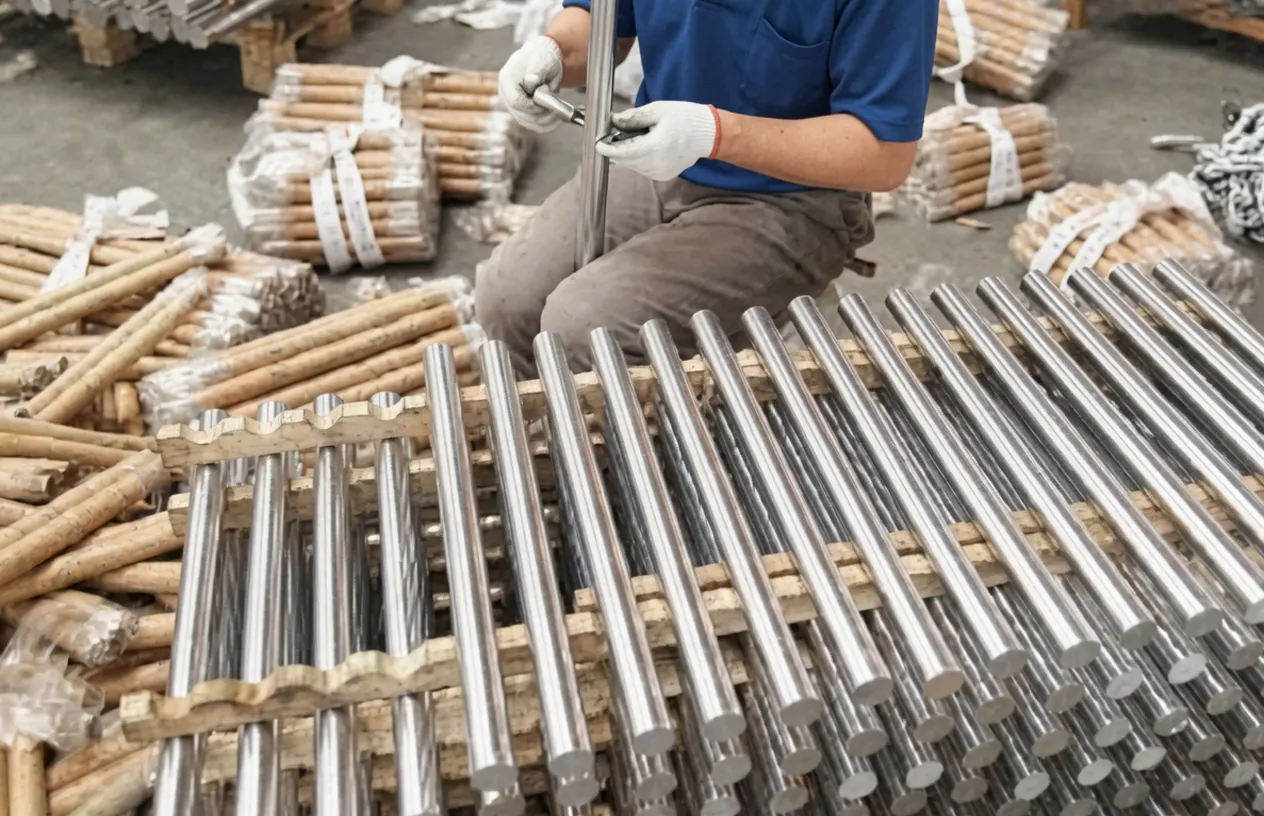
The cylinder barrel of this steering cylinder steering cylinder is precision-honed from seamless cold-drawn steel tube, providing a consistent surface finish and dimensional accuracy that supports long seal life. The piston rod is manufactured from 45# medium-carbon steel, heat-treated to achieve a core hardness of 28–32 HRC, and then hard-chrome plated to a minimum thickness of 20μm to protect against surface corrosion and wear from rod wiper contact. The chrome layer is ground and superfinished to Ra≤0.4μm for optimum sealing efficiency.
End caps and mount flanges are machined from ductile iron castings (QT450 grade) or forged steel billets, depending on geometric requirements. The piston itself is manufactured from 45# steel with precision-ground OD and carries a matched set of guide rings and primary lip seals in the rod-end configuration. All threaded connections — including the 2-G1/4 BSP port threads and 4-M10-7H mounting holes — are verified with go/no-go gauge tools before assembly to ensure field torque requirements are achievable with standard tools.
External surfaces are grit-blasted and coated with a two-component epoxy primer followed by gloss topcoat, providing corrosion protection suited to outdoor and indoor industrial environments. The rod seal assembly uses a composite wiper and U-ring configuration designed for temperatures from −25°C to +80°C, ensuring reliable performance across French weather conditions from winter construction sites to summer maintenance work. This material approach is consistent with how leading hydraulic cylinder manufacturers specify high-cycle actuators intended for European aerial work vehicle applications.
6. Application Scenarios
The HCYY11112007 forklift steering cylinder and aerial work vehicle steering cylinder finds application across a wide range of self-propelled elevated-access equipment. Representative deployment scenarios are listed below.
Self-Propelled Scissor Lifts
Compact rough-terrain scissor lifts widely used in French construction and event industries require a small, lightweight steering cylinder to manage the front-axle steering angle at low travel speeds. The Φ40 bore provides adequate force at 10MPa to handle the full front-axle steering torque of platforms in the 5–10-tonne category without oversizing the hydraulic circuit. The 645mm installation distance accommodates the typical front-axle geometry of mid-size scissor lift platforms.
Articulated Boom Lift Platforms
Articulated boom lifts for façade access and telecoms maintenance use a steering axle to enable tight-radius manoeuvring on urban jobsites. The double-acting hydraulic steering cylinder fits neatly within the narrow chassis width of these machines while delivering consistent steering feel across uneven surfaces. The 7kg mass is compatible with the weight-sensitive axle assemblies common in electric-drive boom lifts where unsprung mass affects machine stability ratings.
Telehandler Steering Systems
Agricultural and construction telehandlers operating in France and throughout Europe deploy a steering cylinder kit arrangement that includes this type of double-acting unit at each steered wheel. The combination of 100mm stroke and 10MPa rated pressure provides sufficient steering force and angular travel for standard telehandler axle configurations, while the BSP port threading matches the European hydraulic hose standards commonly used in French agricultural equipment markets.
Industrial Reach Trucks & Forklifts
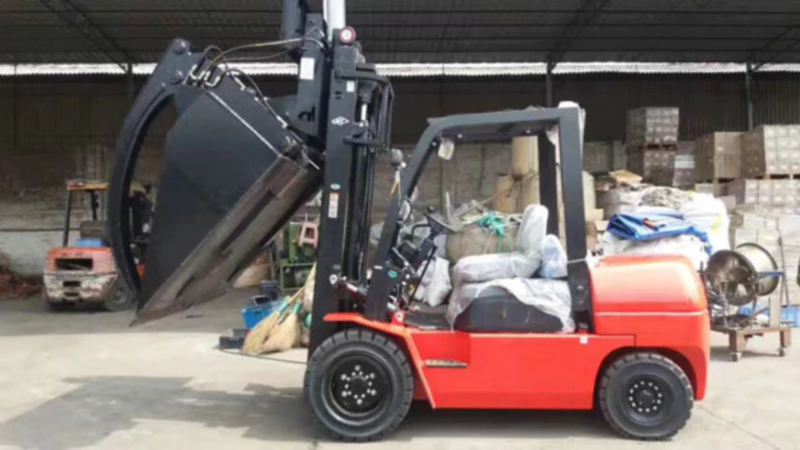
Warehouse reach trucks and electric counterbalance forklifts that use a hydraulically assisted rear-steer axle benefit from this compact forklift steering cylinder design. The G1/4 ports and M10 mounting pattern are compatible with the smaller hydraulic circuits and chassis frame sections typical of indoor electric forklifts. The low weight also means the unit can be serviced without lifting equipment in many depot environments, reducing maintenance downtime and labour costs.
Mobile Elevated Work Platforms (MEWP)
In France, MEWP operators working under the EN 280 standard for mobile elevating work platforms are required to demonstrate that all steering system components meet defined safety factors and traceability requirements. The HCYY11112007 steering cylinder is supplied with material certificates and hydrostatic test records that support EN 280 and CE documentation for MEWP steering circuit certification, reducing the compliance burden for French rental fleet operators and MEWP distributors operating under national INRS guidelines.
Aftermarket Replacement & Repair
As a direct-dimensional replacement steering cylinder for the HCYY11112007 OEM part number, this unit serves the active French aftermarket for aerial work platform repairs. Maintenance workshops, rental fleet operators, and independent dealers can source this steering cylinder for sale as a direct swap for failed or worn-out units, with the full steering cylinder seal kit also available separately to reduce replacement cylinder cost where only the sealing system has failed.
7. Regulatory Compliance — France & International Standards
European Union — Machinery Directive 2006/42/EC: Any aerial work vehicle or mobile elevating work platform placed on the French or EU market must carry CE marking under the Machinery Directive. The steering cylinder assembly as a safety-critical component is covered by this directive when integrated into a machine. Hydrostatic test certificates and dimensional inspection records are provided as standard documentation to support the technical file requirements of the Directive, facilitating CE assessment by a Notified Body.
France — INRS Recommendations & EN 280: In France, the Institut National de Recherche et de Sécurité (INRS) publishes recommended maintenance and inspection intervals for aerial work platforms. EN 280:2013+A1:2015 (Mobile Elevating Work Platforms — Design Calculations, Stability Criteria, Construction, Safety, Examinations and Tests) specifies requirements for steering system reliability and failure-tolerance that inform how this hydraulic steering cylinder is tested and documented. French MEWP operators must maintain service records for steering actuators as part of the six-monthly technical inspection regime required by French labour law (Code du Travail, Article R4323-108).
ISO Standards — Hydraulic Cylinder Design: This steering cylinder is manufactured in conformance with ISO 6020-1 (hydraulic fluid power — mounting dimensions for single-rod cylinders, 16MPa series) and ISO 6020-2, which define bore, rod, and port dimensions for interchangeability. Seal groove dimensions conform to ISO 5597 and ISO 10766. These international standards ensure that steering cylinder parts and seal kits sourced from any compliant supplier are dimensionally interchangeable, protecting the end user's maintenance supply chain independence.
ANSI/ASME (North America): For cilindro hidráulico exports beyond the EU — particularly to Canada and the United States — the applicable pressure vessel and fluid power standards are ANSI/NFPA T3.6.7 and ASME B93.15.1. The rated working and maximum pressures of this unit are comfortably within the allowable ranges defined in these standards for cylinders of this bore class, making this steering hydraulic cylinder exportable to North American projects without design modification.
RoHS / REACH Compliance: All materials used in the construction of this cylinder — including hydraulic seals, surface coatings, and base metals — comply with EU RoHS Directive 2011/65/EU restrictions on hazardous substances, and with REACH Regulation (EC) 1907/2006 substance of very high concern (SVHC) requirements. Declaration of compliance is available upon request for procurement teams in France requiring environmental documentation for their supply chain audits.
8. Related Products — Complete Hydraulic System Supply
We supply complete hydraulic cylinder system components alongside the steering cylinder, enabling one-stop procurement for aerial work vehicle manufacturers, fleet operators, and aftermarket workshops in France and across Europe.
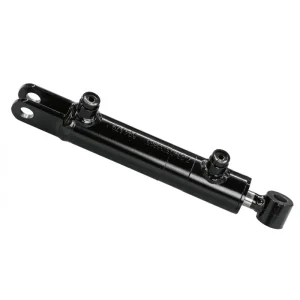
Cilindro de inclinación
Hydraulic tilt cylinders for mast and boom tilt actuation, designed to work in the same hydraulic circuit as the steering cylinder steering cylinder for complete mast-steer system compatibility. Single and double-acting variants available. Full dimensional interchangeability with standard aerial work vehicle mount points.
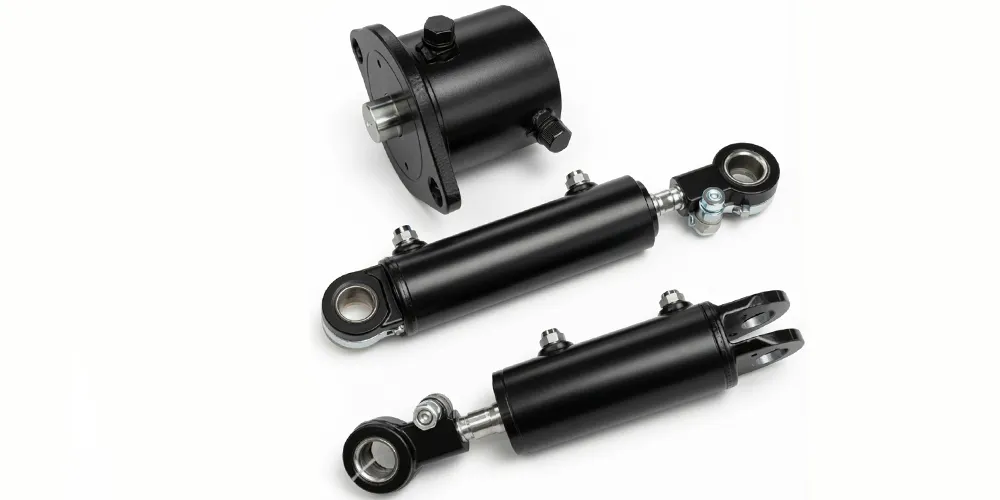
Cilindro de elevación para carretilla elevadora
High-performance single-acting and double-acting forklift lifting cylinders for mast stage actuation. Engineered for high cycle-count duty in warehouse and logistics environments. Bore diameters from Φ40mm to Φ120mm. Available with chrome-plated rods and PTFE seal packages for extended maintenance intervals.
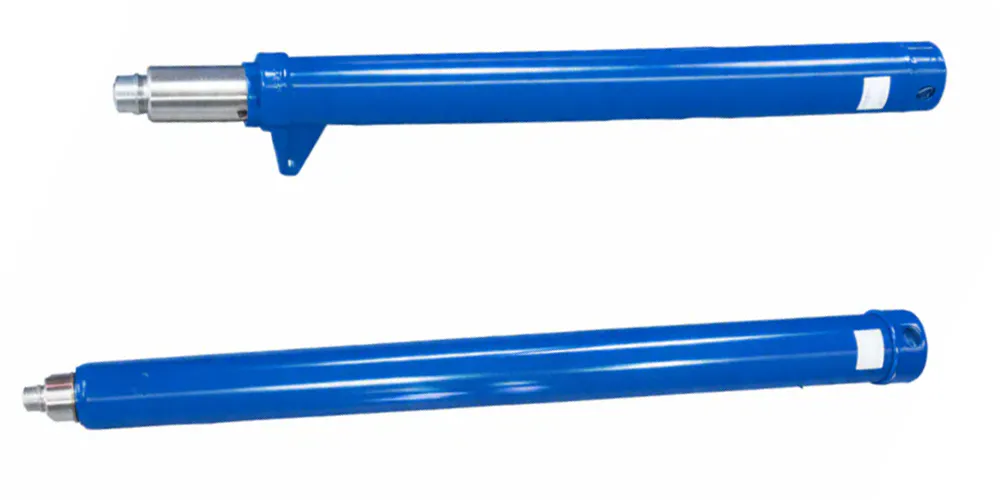
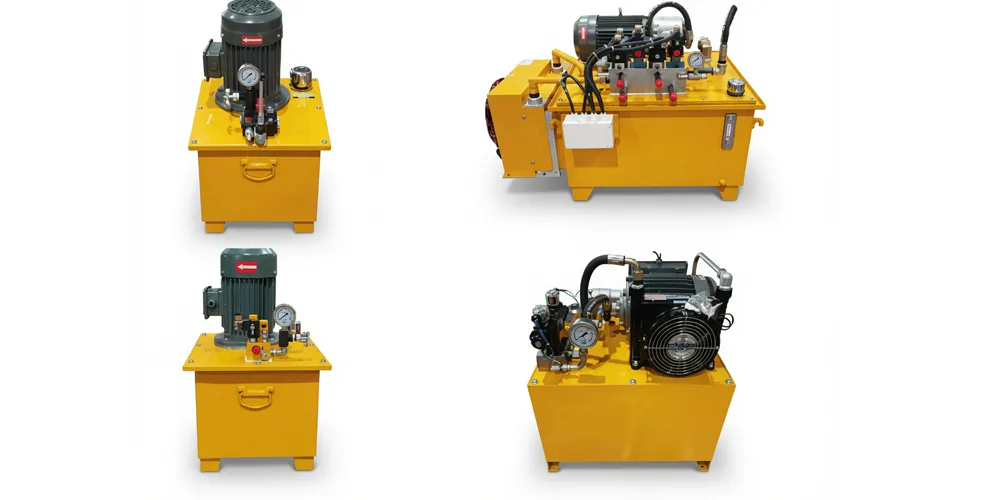
Hydraulic Pump Station Series
Matched hydraulic power units (HPU) designed to supply the working pressure for steering cylinder circuits, tilt cylinders, and lifting cylinders from a single integrated package. Gear pump or piston pump configurations, 12V / 24V DC motor options, and tank-mounted valve manifolds simplify installation on aerial work vehicles and industrial handling equipment.
9. About Our Hydraulic Cylinder Manufacturing Programme
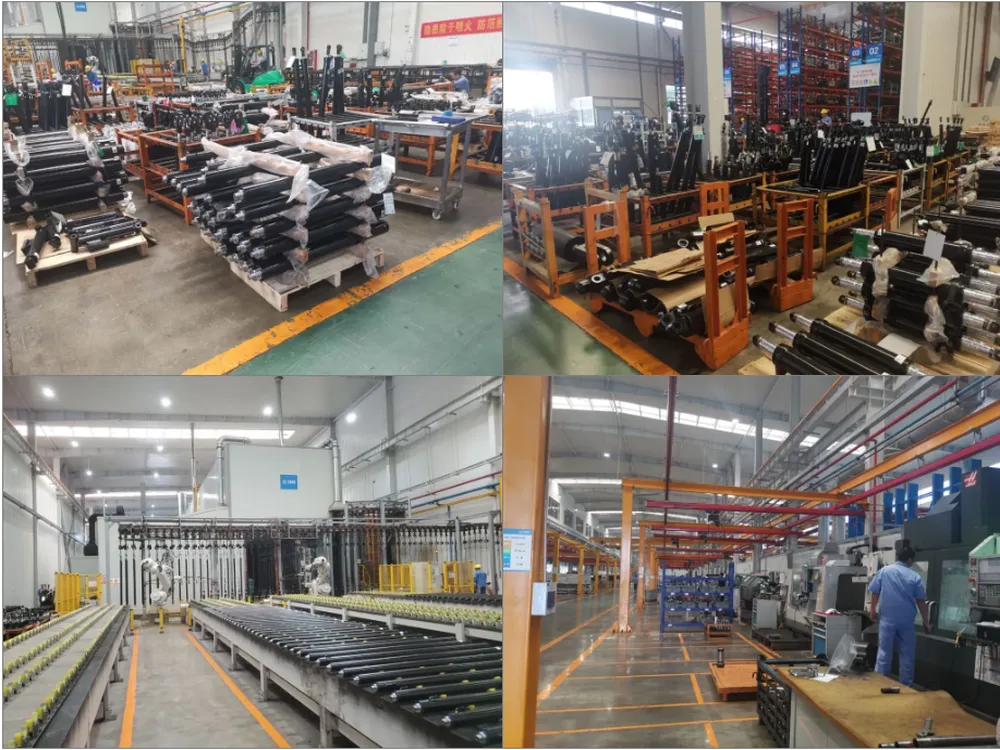
We are a specialist manufacturer of precision hydraulic actuators for the aerial work vehicle, forklift, and industrial machinery sectors. Our production programme covers the full range of steering cylinder and other hydraulic cylinder components — from compact mini hydraulic cylinders and small hydraulic cylinders through to large-bore telescopic hydraulic cylinders and double-acting hydraulic cylinders — all produced under an ISO 9001-certified quality management system with full component traceability from raw material to finished goods.
Our engineering team works directly with OEM customers and aftermarket distributors in France, Germany, the Benelux, and across Asia-Pacific to develop application-specific hydraulic cylinder solutions. Whether the requirement is a standard catalogue hydraulic steering cylinder, a custom bore and stroke steering cylinder assembly, or a complete steering cylinder kit including hoses and fittings, we maintain the production flexibility and technical expertise to deliver.
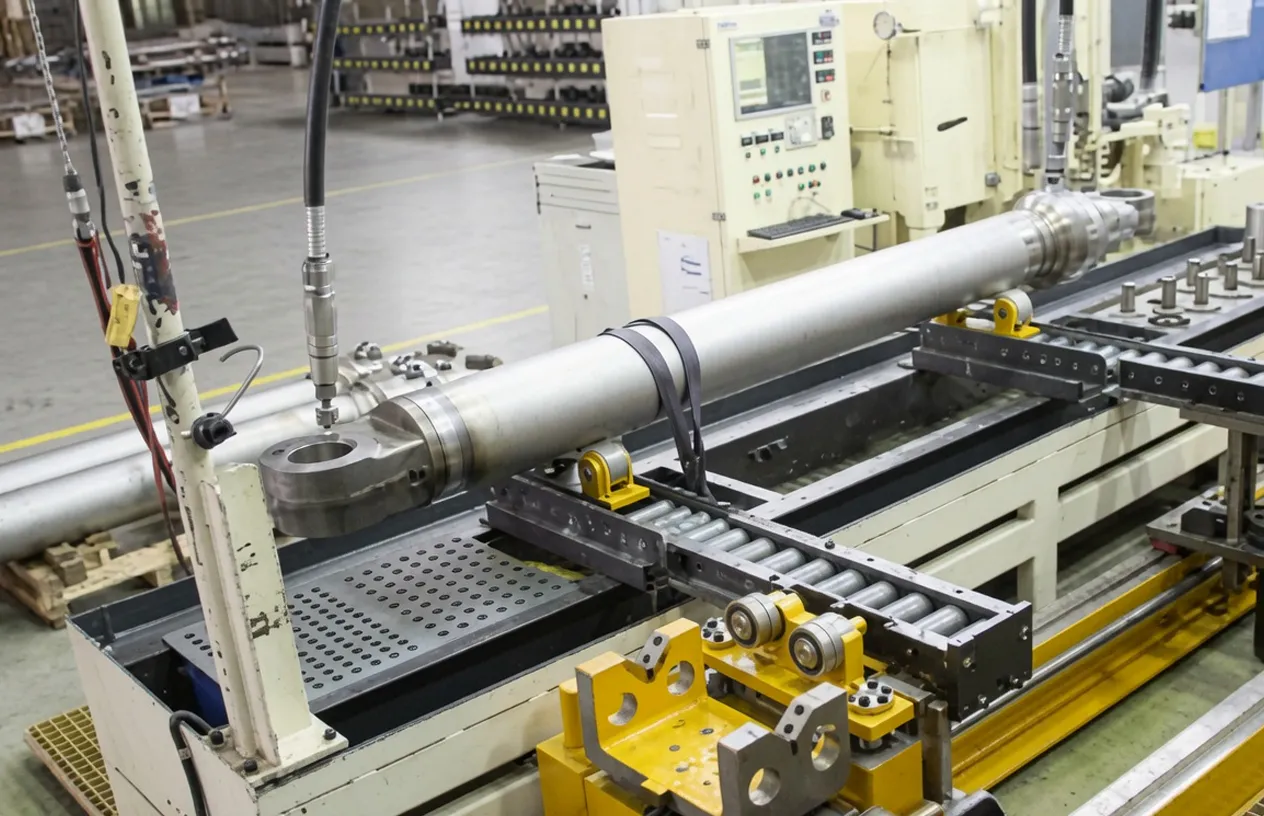
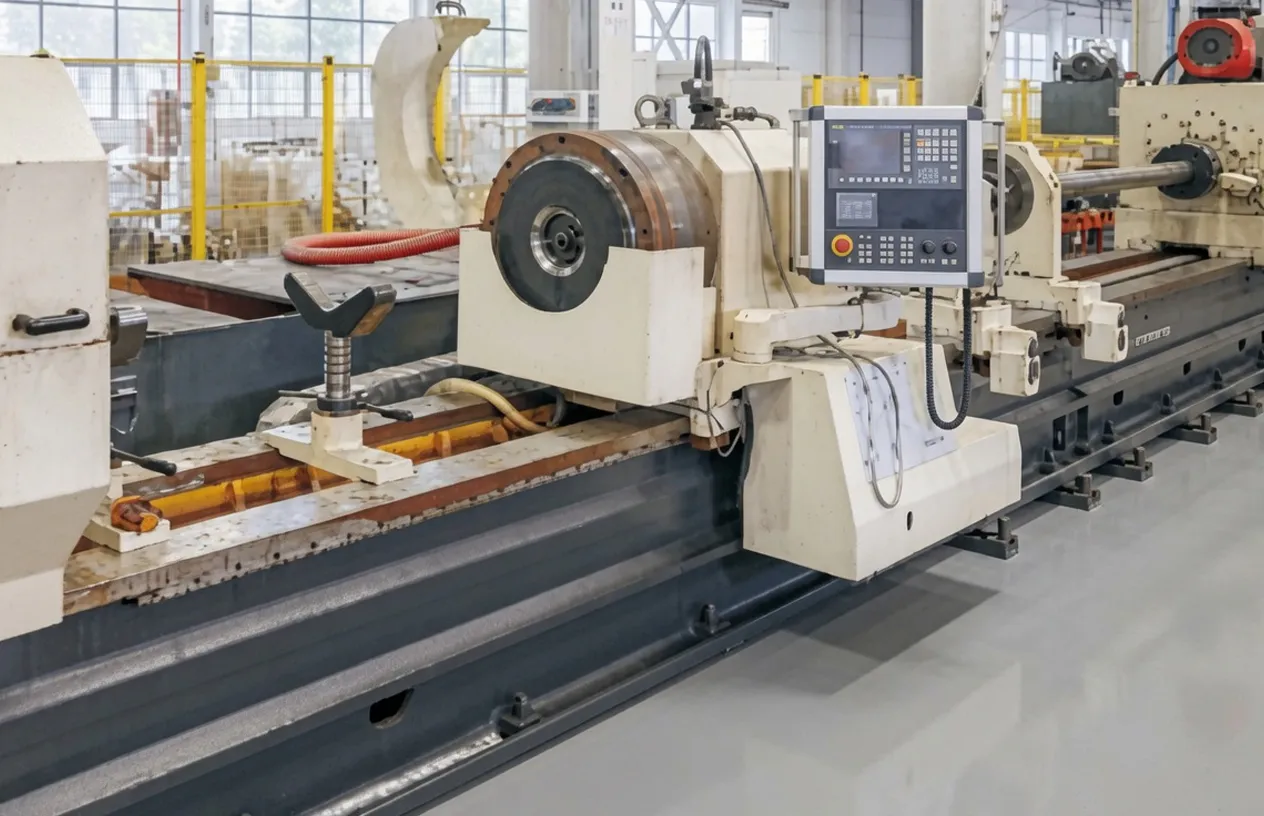
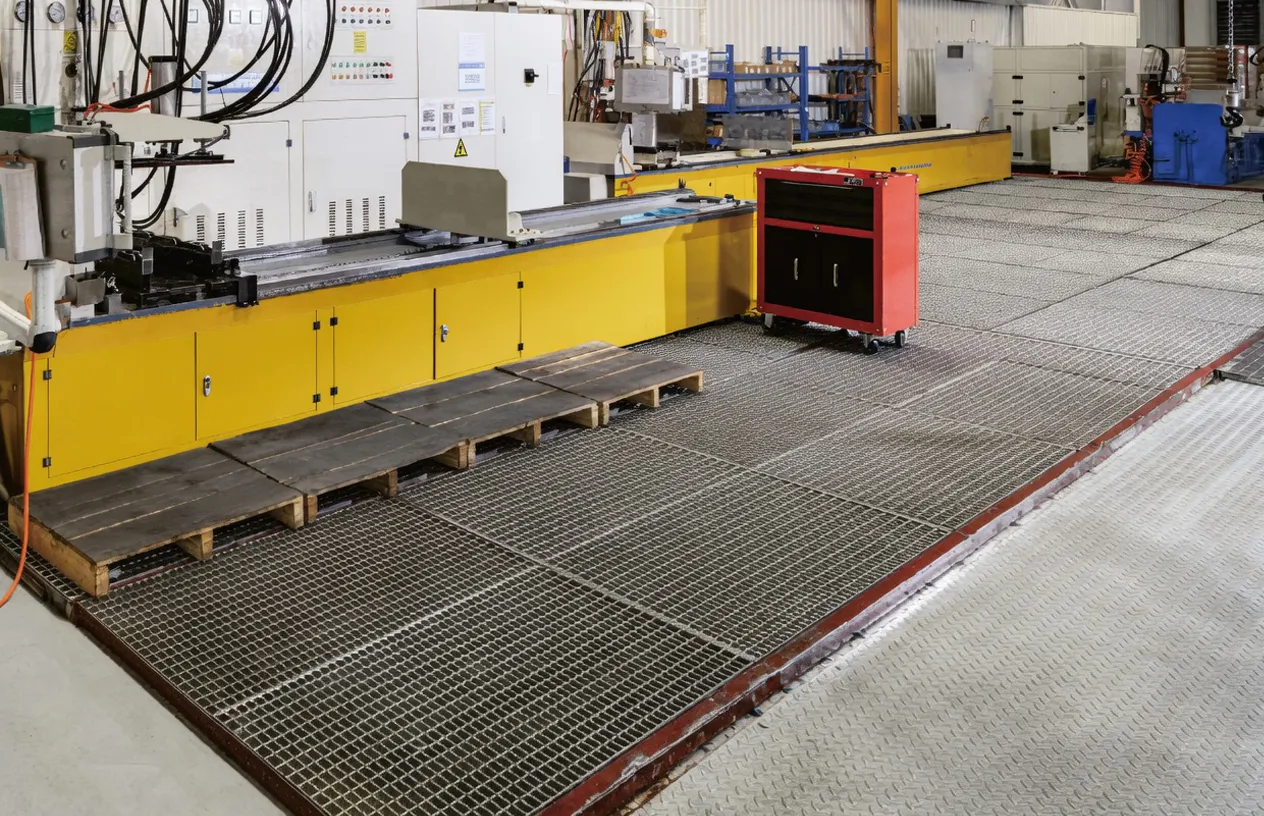
WorkShop
Frequently Asked Questions
Request a Quote for Steering Cylinder HCYY11112007
Whether you need a single replacement steering cylinder or a full fleet supply arrangement for your French or European operations, our team is ready with prompt quotations, CE documentation, and technical support.
Editor: PXY