Descripción del Producto
Chinese manufacturers Counterweight hydraulic cylinders for Cranes for sale
In cranes, a counterweight hydraulic cylinder is not a commonly used component. However, the counterweight system is crucial in crane stability and balance. It’s important to note that while hydraulic systems are not directly involved in the counterweight system, they play a significant role in overall crane functionality. Hydraulic systems provide the power and control necessary for lifting, extending, and positioning the crane’s components, including the boom, jib, and other operational elements.
| bore diameter (D) | rod diameter (d) | stroke (S) | Installation distance (L) | working pressure | Interface dimensions (M) | weight |
| Φ200 | Φ100 | 180 | 530 | 25MPa;40MPa | 3-G1/4;M20*1.5;2-M14*1.5 | 124kg |
The counterweight system in cranes and its relation to hydraulic systems.
Counterweight System: Cranes are designed with a counterweight system to provide stability and balance during lifting operations. The counterweights are typically heavy weights attached to the rear of the crane, opposite the boom. They counterbalance the importance of the lifted load, preventing the crane from toppling over.
Hydraulic Systems in Cranes: While hydraulic systems are extensively used in cranes for various functions such as lifting, extending the boom, or controlling the jib, they are not directly involved in the counterweight system. Hydraulic systems in cranes are primarily responsible for powering the crane’s lifting and positioning mechanisms.
Importance of Counterweight System: The counterweight system is crucial for safe crane operation. The weight and position of the counterweights are carefully calculated to maintain the crane’s stability and prevent tipping. Proper distribution and adjustment of the compensations are essential for ensuring safe lifting operations and maintaining the crane’s structural integrity.
Hydraulic Cylinder Applications in Cranes: Hydraulic cylinders in cranes are primarily used to telescope the boom sections, raise and lower the jib, or control the boom angle. These cylinders provide the force and control to maneuver the crane and position the load accurately.
How do counterweights work on a crane?
Balance and Stability: Cranes are designed with a center of gravity that must be maintained within the crane’s footprint to prevent tipping or instability. When a crane lifts a load, it creates a moment, or force, that can cause the crane to tip CHINAMFG if not counterbalanced. Counterweights are used to offset this moment and maintain stability.
Weight Distribution: Counterweights are typically large, heavy weights attached to the rear of the crane, opposite the boom. The weight and distribution of the counterweights are carefully calculated to provide the necessary balance. The counterweights are positioned to ensure the crane remains stable while lifting loads at various boom angles and radii.
Calculations and Adjustments: The size and configuration of the counterweights are determined based on the crane’s lifting capacity, boom length, boom angle, and other variables. Engineers calculate the required counterweight mass and position to maintain stability during lifting scenarios. Adjustments to the counterweights may be necessary for crane operators to accommodate different load weights, boom configurations, or operating conditions.
Load Moment Indicator (LMI): Many modern cranes have a Load Moment Indicator (LMI), which measures and displays the crane’s real-time load moment. LMI systems consider the weight of the load, boom length, boom angle, and counterweight configuration to provide the operator with information about the crane’s stability. The LMI helps operators ensure that the crane remains within safe operating limits.
Additional Counterweight Systems: Some cranes may have other counterweight systems, such as removable or modular counterweights. These systems allow operators to adjust the counterweight configuration based on specific lifting requirements. Adding or removing offsets can optimize the crane’s lifting capacity and stability for different applications.
Our Company
We have a first-class independent R&D platform for assembly. The forklift cylinder production workshop has 4 semi-automatic lifting cylinder assembly lines and 1 fully automatic tilting cylinder assembly line, with a designed annual production capacity of 1 million pieces; the special cylinder workshop is equipped with semi-automatic cleaning and assembly systems of various specifications, with a designed annual production capacity of 200,000 essays. It has famous CNC machining equipment, machining centers, special equipment for high-precision cylinder processing, robot welding machines, automatic cleaning machines, automatic cylinder assembly machines, and automatic paint production lines. We have more than 300 sets of critical equipment running. The optimized allocation and efficient utilization of equipment resources ensure the precision requirements of the products and meet the high standard quality requirements of the products.
Forklift cylinder assembly shop | Other types of cylinder assembly shop |
Welding
Painting & coating
Painting & coating line | Fully automatic water-based |
Testing
To further improve product performance and establish the leadership position of our hydraulic cylinder in the industry, our company and zjimee jointly established a Comprehensive performance laboratory of hydraulic cylinders, hydraulic valves, and hydraulic pumps; the lab is computer-assisted testing, using electro-hydraulic control technology, the test conditions preset by computer, which improves the test accuracy and system versatility, and the experimental data.
The automatic collection is realized through the application of sensors, and the output data, such as the internal leakage and load efficiency of the cylinder or the valve, are directly processed by the computer and converted to standard units (ml/min; %). At the same time, to ensure the working safety of the hydraulic system, the state monitoring function is carried out for key performance parameters, such as “oil temperature monitoring, liquid level monitoring, filter device monitoring,” etc. Among them, the hydraulic cylinder test stand can test the performance of “load efficiency” and “internal leakage” by readings. At the same time, it is equipped with a grating ruler measuring instrument, which meets the requirements of all test items of hydraulic cylinder products in the national standard.
Our Factory
Packaging & Shipping
| Proceso de dar un título: | GS, RoHS, CE, ISO9001 |
|---|---|
| Presión: | High Pressure |
| Temperatura de trabajo: | Temperatura normal |
| Forma de actuar: | Doble acción |
| Método de trabajo: | Rotary |
| Formulario ajustado: | Tipo regulado |
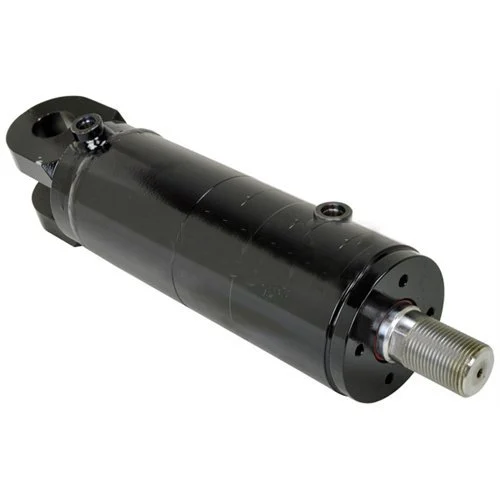
Can tilt cylinders be used in forestry equipment for tree handling?
Yes, tilt cylinders can be used in forestry equipment for tree handling. These cylinders play a vital role in enhancing the efficiency and safety of forestry machinery involved in tasks such as felling, delimbing, and loading trees. Here’s a detailed explanation:
- Tilt Angle Adjustment: Tilt cylinders allow operators to adjust the tilt angle of forestry equipment attachments, such as grapples or felling heads. By actuating the cylinders, operators can tilt the attachment to the desired angle, facilitating precise tree handling. The ability to control the tilt angle enables operators to align the attachment with the tree trunk or branches, improving cutting accuracy and minimizing the risk of damage to the machinery or surrounding environment.
- Tree Gripping and Manipulation: Tilt cylinders contribute to effective tree gripping and manipulation. When combined with grapples or clamps, these cylinders provide the necessary force and control to securely hold and maneuver trees. Operators can adjust the tilt angle of the attachment to ensure a firm grip on the tree during felling, delimbing, or loading operations. This capability enhances operational safety, prevents tree slippage, and improves overall productivity.
- Load Distribution: Precise tree handling requires proper load distribution. Tilt cylinders allow operators to adjust the tilt angle to distribute the tree’s weight evenly across the equipment. This optimization of load distribution is particularly important when handling large or heavy trees. By achieving balanced positioning through tilt cylinder control, operators can minimize stress on the equipment, maintain stability, and ensure safe tree handling.
- Integration with Control Systems: Tilt cylinders can be integrated with advanced control systems in modern forestry equipment. These control systems may include hydraulic or electronic controls that offer precise and automated tilt angle adjustments. By utilizing such systems, operators can achieve consistent and accurate tree handling, reducing operator fatigue and improving operational efficiency.
- Operator Safety and Ergonomics: Tilt cylinders contribute to operator safety and ergonomics during tree handling tasks. By allowing for precise tilt angle adjustments, these cylinders enable operators to maintain a comfortable and ergonomic working posture. This reduces the risk of strain or injury and enhances operator control and visibility, especially in challenging forestry environments.
- Attachment Versatility: Tilt cylinders provide versatility in forestry equipment attachments. They can be used in various configurations, such as single-acting or double-acting cylinders, depending on the specific application requirements. This versatility allows forestry machinery to handle different tree sizes, shapes, and conditions, adapting to the diverse needs of forestry operations.
Therefore, tilt cylinders can be effectively utilized in forestry equipment for tree handling. Whether it involves tilt angle adjustment, tree gripping and manipulation, load distribution optimization, integration with control systems, operator safety and ergonomics, or attachment versatility, tilt cylinders contribute to improving the efficiency, accuracy, and safety of tree handling operations in the forestry industry.
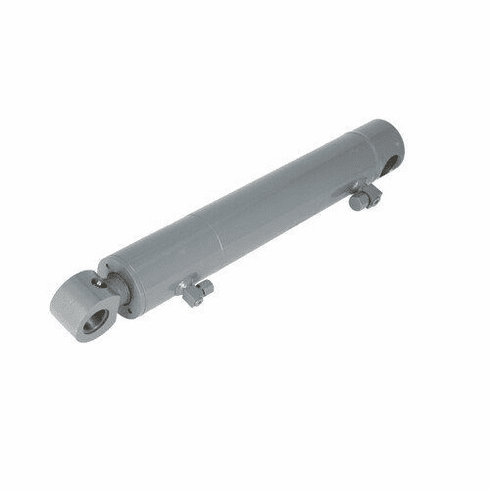
Can tilt cylinders be used in material handling equipment for load manipulation?
Yes, tilt cylinders are commonly used in material handling equipment for load manipulation. These cylinders play a crucial role in enhancing the versatility and efficiency of equipment designed for lifting, moving, and manipulating various types of loads. Here’s a detailed explanation:
- Load Tilting: Tilt cylinders enable material handling equipment to tilt loads, allowing for precise positioning and manipulation. By adjusting the tilt angle, operators can optimize load distribution, accommodate uneven surfaces, and ensure secure handling. Tilt cylinders provide the necessary force and control to achieve the desired load tilting, enhancing safety and operational efficiency.
- Load Stabilization: In material handling applications, load stability is essential to prevent shifting, sliding, or toppling during transport or manipulation. Tilt cylinders contribute to load stabilization by allowing operators to adjust the load tilt angle and maintain a stable position. This feature is particularly important when dealing with unbalanced or irregularly shaped loads. By utilizing tilt cylinders, material handling equipment can ensure safe and secure load manipulation.
- Load Dumping: Tilt cylinders also facilitate load dumping in certain material handling equipment. For example, in dump trucks or dumpers, tilt cylinders allow the controlled tilting of the cargo bed to unload the materials. By actuating the cylinders, operators can achieve controlled and efficient dumping of the load, minimizing material waste and optimizing productivity.
- Load Rotation: Some material handling equipment, such as rotating telehandlers or rotating fork attachments, utilize tilt cylinders to enable load rotation. By adjusting the tilt angle, the equipment can rotate the load horizontally, providing flexibility in positioning or transferring materials. Tilt cylinders provide the necessary force and control for smooth load rotation, expanding the equipment’s capabilities.
- Integration with Hydraulic Systems: Tilt cylinders are integrated with hydraulic systems present in material handling equipment. Hydraulic power is utilized to actuate the cylinders, providing the required force and control for load manipulation. The hydraulic system allows for precise and responsive movement, enabling operators to adjust the load tilt angle according to specific requirements.
- Customization and Compatibility: Tilt cylinders can be customized to suit different types of material handling equipment and load manipulation applications. Manufacturers offer tilt cylinders with varying specifications, such as different force capacities, stroke lengths, and mounting options, to ensure compatibility and optimal performance. This customization allows for seamless integration and enhances the overall functionality of material handling machinery.
Therefore, tilt cylinders are widely used in material handling equipment for load manipulation tasks. Whether it involves load tilting, stabilization, dumping, or rotation, tilt cylinders provide the necessary force, control, and flexibility to handle various loads efficiently and safely. Their integration with hydraulic systems and customization options make them indispensable components in material handling applications.
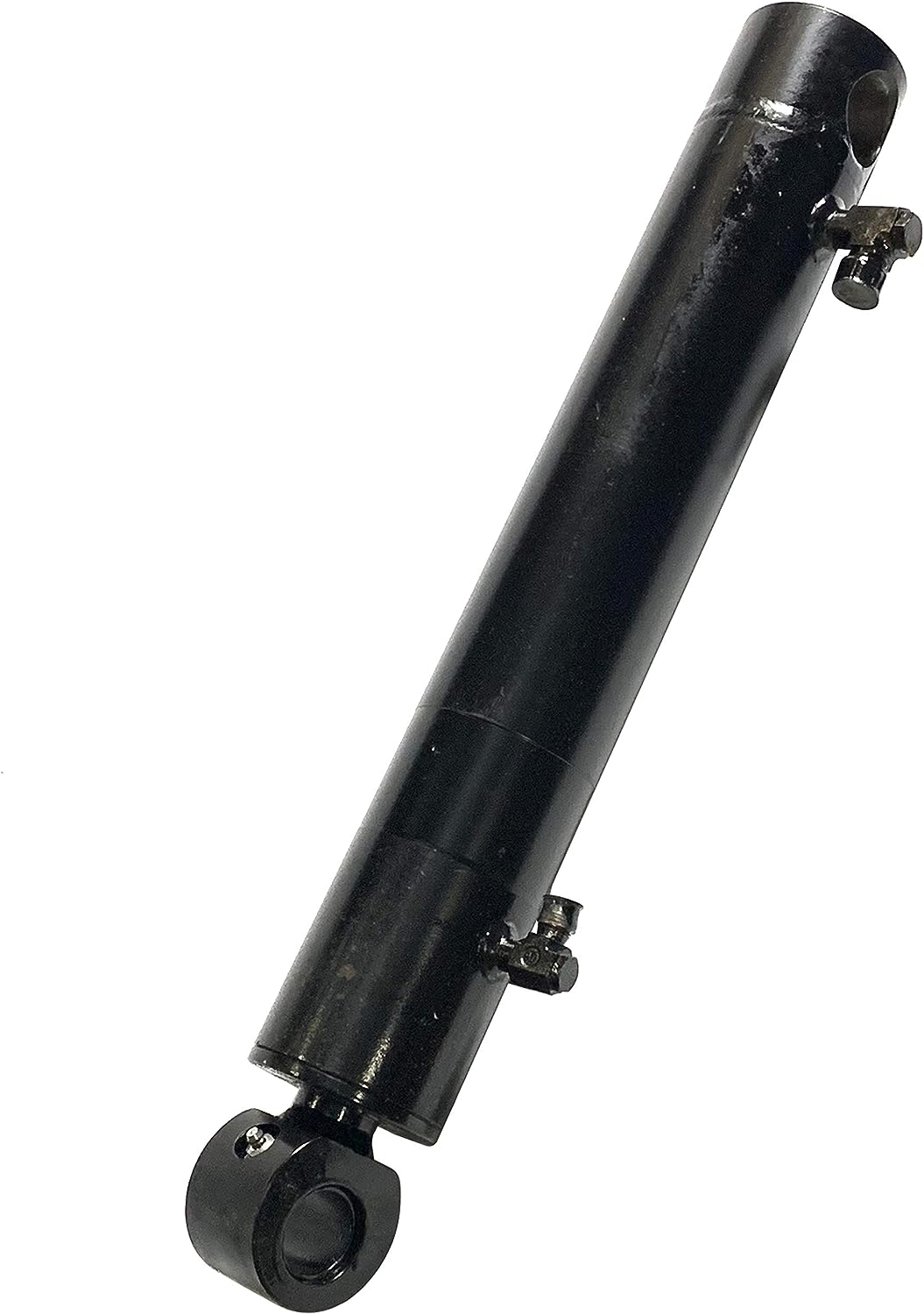
¿Podría explicar la función del fluido hidráulico en un cilindro basculante?
El fluido hidráulico desempeña un papel crucial en el funcionamiento de un cilindro basculante. Es un medio esencial que permite la transferencia de fuerza y controla el movimiento del cilindro. A continuación, se ofrece una explicación detallada del papel del fluido hidráulico en un cilindro basculante:
- Transmisión de fuerza: El fluido hidráulico se utiliza para transmitir la fuerza desde el sistema hidráulico al cilindro de inclinación. El sistema hidráulico presuriza el fluido, creando una presión hidráulica que actúa sobre la superficie del pistón. Este desequilibrio de presión genera una fuerza que mueve el pistón y, a su vez, extiende o retrae el vástago del cilindro de inclinación. La fuerza transmitida a través del fluido hidráulico permite la inclinación controlada del componente acoplado en maquinaria pesada.
- Control de flujo: El fluido hidráulico es responsable de controlar el flujo de fuerza dentro del cilindro de inclinación. El sistema hidráulico utiliza válvulas de control para regular el flujo y la dirección del fluido. Al ajustar la posición de las válvulas de control, el operador puede controlar la velocidad, la dirección y la amplitud del movimiento de inclinación. Este mecanismo de control de flujo permite un posicionamiento y ajuste precisos del componente inclinado según los requisitos específicos de la tarea.
- Regulación de la presión: El fluido hidráulico también permite regular la presión dentro del cilindro de inclinación. El sistema hidráulico incorpora reguladores de presión o válvulas de alivio para mantener los niveles de presión deseados. Estas válvulas garantizan que la presión del fluido hidráulico se mantenga dentro del rango operativo seguro, evitando una acumulación excesiva de presión que podría dañar el cilindro u otros componentes. La regulación de la presión contribuye al funcionamiento seguro y eficiente del cilindro de inclinación.
- Lubricación y refrigeración: El fluido hidráulico actúa como lubricante dentro del cilindro basculante, reduciendo la fricción entre los componentes móviles. Esta lubricación minimiza el desgaste, prolongando la vida útil del cilindro. Además, el fluido hidráulico absorbe y disipa el calor generado durante el funcionamiento, actuando como refrigerante. Una lubricación y refrigeración eficaces contribuyen al rendimiento y la durabilidad generales del cilindro basculante.
- Sellado y prevención de la contaminación: El fluido hidráulico ayuda a mantener la integridad de los sellos hidráulicos del cilindro basculante. Este fluido crea un sello entre el pistón y la pared del cilindro, evitando fugas. Además, actúa como barrera, impidiendo que contaminantes como suciedad, residuos o humedad entren en el cilindro y puedan causar daños. Esta función de sellado y prevención de la contaminación garantiza el correcto funcionamiento y la larga vida útil del cilindro basculante.
En resumen, el fluido hidráulico desempeña un papel multifacético en un cilindro basculante. Transmite fuerza, controla el caudal y la presión, proporciona lubricación y refrigeración, sella el cilindro y previene la contaminación. Al utilizar el fluido hidráulico de forma eficaz, el cilindro basculante permite la inclinación controlada de componentes en maquinaria pesada, lo que garantiza un funcionamiento preciso y mejora el rendimiento y la fiabilidad del equipo.


editor by CX 2023-11-19