Descripción del Producto
Single acting telescopic hydraulic oil cylinder for dump truck
Descripción del Producto
Hyva & CHINAMFG & Custom hoist & Xihu (West Lake) Dis.r type hydraulic telescopic Cylinders are used for Dump Truck, Tipper Truck, Trailer, Agricultural Machinery, Garbage Truck, Landing Platform etc.
Clientes hidráulicos de Tsingshi, MAN, JAC, VOLVO, SHACMAN, DAF, JMC, HUNO, CIMC, SINOTRUK, TATRA,BENS,XIHU (WEST LAKE) DIS.FENG, FOTON,etc.
1. Cada etapa se somete a un proceso de galvanoplastia para aplicar cromo duro;
2.lighter and easier to maintenance hydraulic telescopic cylinder;
3. Los tubos de acero sin costura de aleación de alta calidad tienen mejores propiedades mecánicas;
4. Las marcas de sellos de fama mundial, como HALLITE, PARKER, etc.
5. La tecnología de procesamiento de clase mundial garantiza una calidad estable y confiable.
| NO | ARTÍCULO | DATA OF dump truck hydraulic cylinder |
| 1 | Material | Acero al carbono, acero aleado, 27SiMn, 45#, 20#, etc. |
| 2 | Tubo pulido | 40-300 mm, tratamiento térmico, bruñido, laminado |
| 3 | Tubo pulido | 30-280 mm, niquelado, cromado duro o cerámico. |
| 4 | Kit de sellado | Parker, Merkel, Hallite, Kaden, etc. |
| 5 | Revestimiento | Chorro de arena, imprimación, pintura intermedia, pintura de acabado, El color se puede pintar según las necesidades del cliente. |
| 6 | Tecnología | Parker, polipasto personalizado, hyco,HYVA, Meiller SÁBADO, DÍA |
| 7 | Tipo de montaje | Ojo de pasador, brida, montaje de muñón, montaje de bola, rosca de tornillo. FC, FE, FEE, FSE, TPIN |
| 8 | Medio de trabajo | Aceite hidráulico |
| 9 | Presión de trabajo | 16-20Mpa telescopic hydraulic cylinder |
| 10 | Rango de temperatura | -50°C a +100°C |
Fotos detalladas
Perfil de la empresa
Tsingshi hydraulic is a hydraulic telescopic cylinder for dump tipper truck company which takes up with hydraulic design, R&D, manufacturer, sell and service hydraulic products-Telescopic hydraulic cylinder for dump truck.
-Hydraulic Cylinders Certification ISO9001 TS16949, etc;
-Telescopic jack Hydraulic Cylinder Export to North America, South America, Australia, South Korea, Southeast Asia, South Africa, Europe, Middle East, etc;
-ODM&OEM Single acting Hydraulic Telescopic Cylinder according to client’s requirements;
-Professional manufacturer& supplier of Hydraulic Cylinders over 30 years;
-Los cilindros telescópicos hidráulicos se pueden utilizar para camiones volquete, camiones basculantes, remolques, maquinaria agrícola, camiones de basura, plataformas de aterrizaje, etc. Podemos fabricar cilindros hidráulicos de las siguientes marcas: HYVA, BINOTTO, EDBRO, PENTA, MAILHOT, CUSTOM HOIST, MUNCIE, METARIS, HYDRAULEX GLOBAL, HYCO, PARKER, COMMERCIAL HYDRAULICS, MEILLER. WTJX, XT, JX, HCIC, ZX, SZ, SJ.
FOTOS DE CLIENTES
GARANTÍA DE CALIDAD
HIGH QUALITITY GUARANTEE-Telescopic hydraulic cylinder for dump truck
Servicio 24/7.
-Precio competitivo.
-Equipo técnico profesional.
-Sistema de servicio postventa perfecto.
-ODM y OEM según las necesidades del cliente.
-Gran capacidad de producción para garantizar una entrega rápida.
-Garantía de calidad. Todos los procesos deben ser inspeccionados y todos los productos deben ser probados antes de salir de fábrica.
<Hydraulic Cylinder Leak Test
<Telescopic Hydraulic jack Buffer Test
<Hydraulic Telescopic Cylinder Reliability Test
<Dump truck Hydraulic Cylinder Full Stroke Test
<Dump trailer Hydraulic Cylinder Trial Operation Test
<Tipper truck Cylinder Pressure Tight Test
<Dump truck telescopic Hydraulic Cylinder Load Efficiency Test
<Dump trailer telescopic Hydraulic Cylinder Start-up Pressure Test
<Long stroke single acting hydraulic telescopic cylinder Testing the Effect of Limit
VENTAS Y SERVICIO
UN MUNDO, UN AMOR
| Proceso de dar un título: | CE, ISO/TS16949 |
|---|---|
| Presión: | Presión media |
| Temperatura de trabajo: | Temperatura normal |
| Forma de actuar: | Single Acting |
| Método de trabajo: | Viaje directo |
| Formulario ajustado: | Tipo regulado |
| Muestras: | US$ 1000/Unidad 1 unidad (pedido mínimo) | |
|---|
| Personalización: | Disponible |
|
|---|
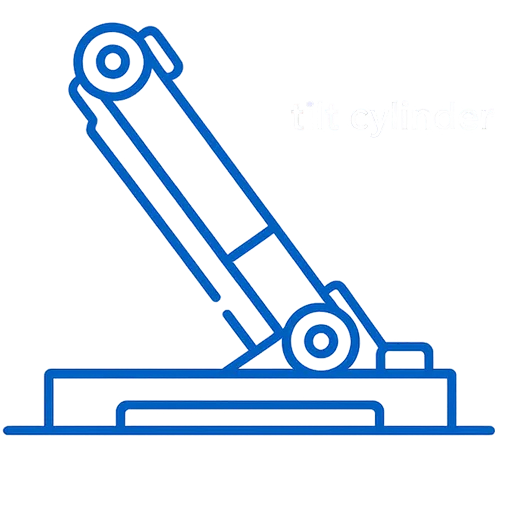
How does a tilt cylinder handle variations in hydraulic pressure and flow rate?
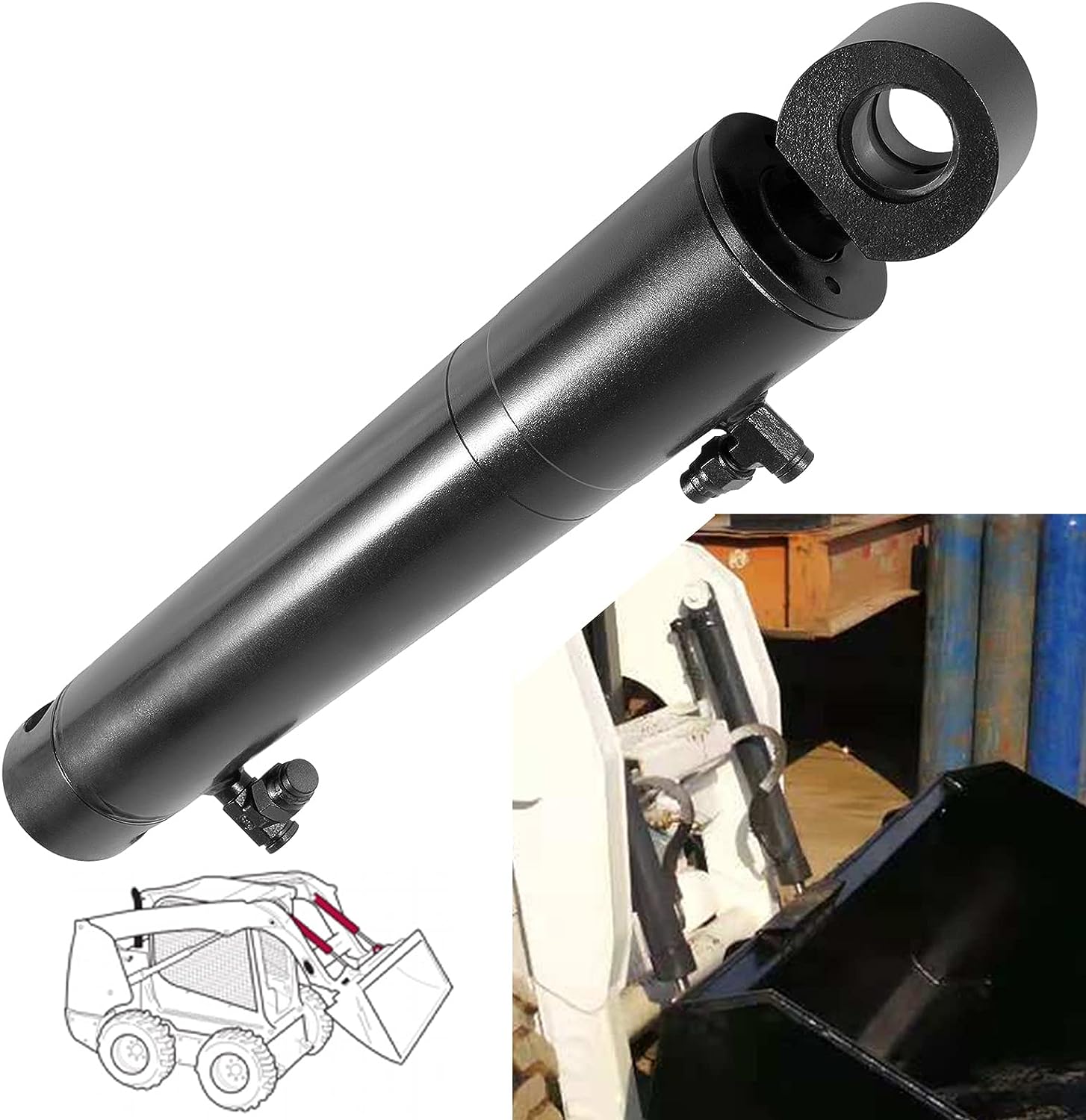
A tilt cylinder is designed to handle variations in hydraulic pressure and flow rate effectively. It incorporates specific features and mechanisms that allow it to operate reliably under different hydraulic conditions. Here’s a detailed explanation:
- Pressure Compensation: Tilt cylinders are equipped with pressure compensation mechanisms to handle variations in hydraulic pressure. These mechanisms ensure that the cylinder can function properly even when the hydraulic system experiences fluctuations in pressure. The pressure compensation feature allows the cylinder to maintain consistent force and performance, regardless of the changes in hydraulic pressure.
- Flow Control: Tilt cylinders are designed to accommodate variations in hydraulic flow rate. They have internal passages and ports that allow the hydraulic fluid to flow into and out of the cylinder. The cylinder’s design ensures that it can handle different flow rates without compromising its functionality. Whether the hydraulic flow rate is high or low, the tilt cylinder can adjust accordingly and provide the necessary force and control for load manipulation.
- Sealing Mechanisms: Tilt cylinders incorporate sealing mechanisms to prevent leakage and maintain hydraulic integrity. These seals are designed to withstand variations in pressure and flow rate, ensuring that the hydraulic fluid remains contained within the cylinder. The seals also help maintain the required pressure within the cylinder, allowing it to operate efficiently and effectively, regardless of the hydraulic conditions.
- Internal Design: The internal design of a tilt cylinder takes into account variations in hydraulic pressure and flow rate. The cylinder’s internal components, such as piston, rod, and cylinder barrel, are engineered to withstand different hydraulic conditions. They are designed to handle the forces exerted by varying pressure and flow rates, ensuring smooth operation and longevity of the cylinder.
- Hydraulic System Compatibility: Tilt cylinders are designed to be compatible with the hydraulic systems of the equipment they are installed in. Manufacturers ensure that the cylinders can handle the expected pressure and flow rate ranges of the hydraulic system. This compatibility allows for seamless integration and optimal performance, even when there are variations in hydraulic conditions.
- Quality Control and Testing: Tilt cylinders undergo rigorous quality control measures and testing during the manufacturing process. These measures ensure that the cylinders can handle variations in hydraulic pressure and flow rate within specified tolerances. Manufacturers test the cylinders under different hydraulic conditions to verify their performance, reliability, and ability to handle variations in pressure and flow.
By incorporating pressure compensation mechanisms, flow control features, sealing mechanisms, robust internal design, hydraulic system compatibility, and thorough quality control, tilt cylinders are capable of handling variations in hydraulic pressure and flow rate. These cylinders provide reliable and consistent performance, regardless of the hydraulic conditions, ensuring smooth and efficient operation in material handling and construction equipment.
What are the safety considerations when using machinery equipped with tilt cylinders?
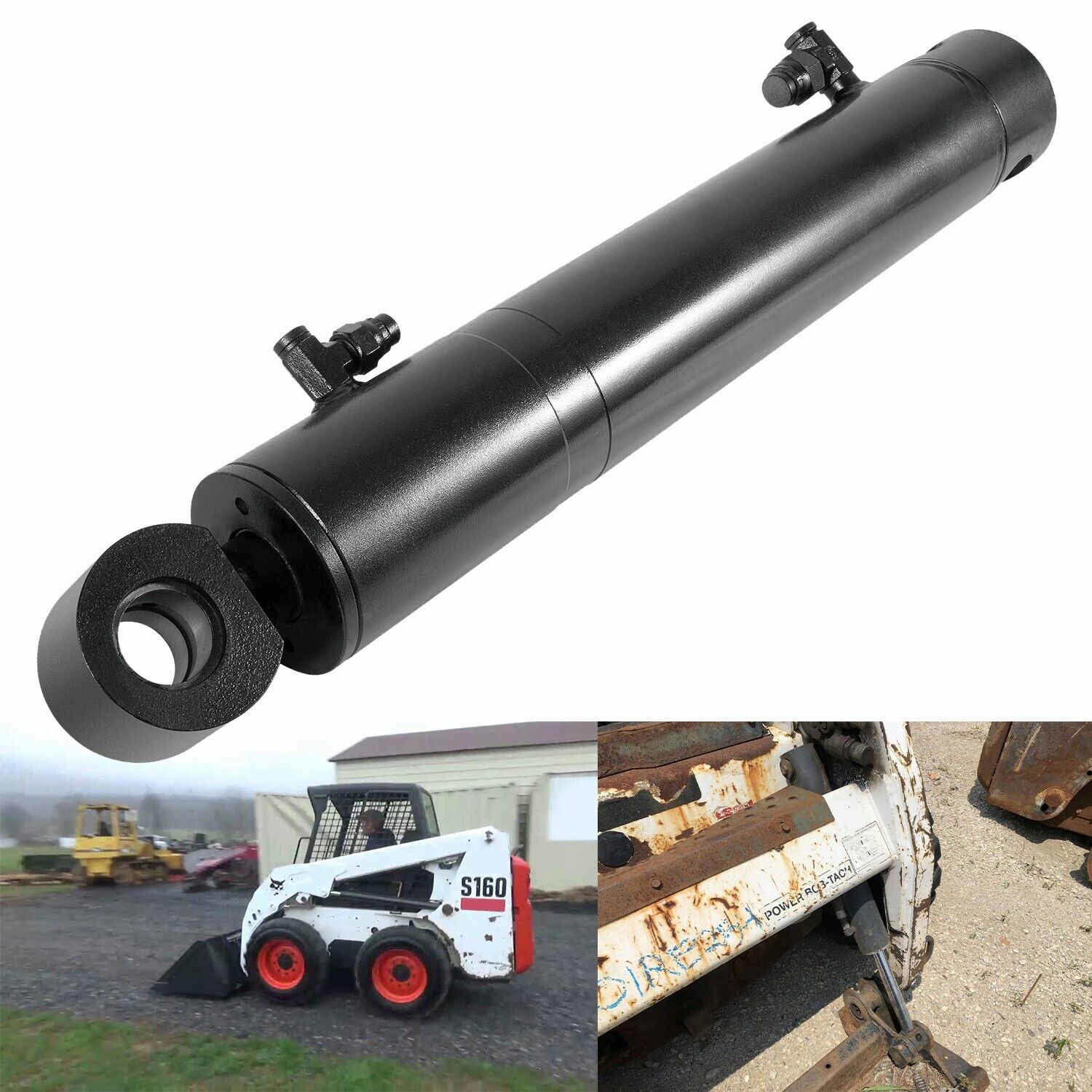
When using machinery equipped with tilt cylinders, several safety considerations should be taken into account to ensure the well-being of operators, bystanders, and the overall work environment. Here are the key safety considerations:
- Operator Training: Proper training is essential for operators who will be working with machinery equipped with tilt cylinders. Operators should receive comprehensive training on the safe operation of the equipment, including understanding the controls, precautions, and potential hazards associated with tilt cylinder usage. Training helps operators develop the necessary skills and knowledge to operate the machinery safely.
- Safe Operating Procedures: Establishing and following safe operating procedures is crucial for minimizing risks when using machinery with tilt cylinders. Standard operating procedures should outline the correct sequence of operations, safety checks, and precautions to be taken before, during, and after using the equipment. Operators should adhere to these procedures to ensure safe and consistent operation.
- Inspection and Maintenance: Regular inspection and maintenance of the tilt cylinders and associated equipment components are essential for safety. This includes checking for leaks, damage, loose connections, or excessive wear. Any identified issues should be promptly addressed through maintenance or repairs to prevent potential malfunctions or accidents during operation.
- Load Capacity and Stability: Tilt cylinders have specific load capacity limits, and exceeding these limits can compromise safety. Operators should be aware of the equipment’s load capacity and ensure that the loads being lifted or tilted fall within the specified limits. Additionally, attention should be given to maintaining the stability of the machinery during tilting operations, considering factors such as uneven terrain or shifting loads.
- Proper Use of Safety Devices: Machinery equipped with tilt cylinders may have additional safety devices such as safety locks, sensors, or audible alarms. Operators should use these safety devices as intended and ensure they are in good working condition. For example, safety locks should be engaged when the equipment is stationary to prevent unintended tilting.
- Clear Communication and Signaling: Clear communication among operators, signalers, and other personnel is vital for ensuring safety during tilt cylinder operations. Hand signals or radio communication should be used effectively to convey instructions and warnings. Adequate signaling and communication protocols should be established and followed to avoid misunderstandings or accidents.
- Personal Protective Equipment (PPE): Operators and personnel working with machinery equipped with tilt cylinders should wear appropriate personal protective equipment, including safety helmets, protective eyewear, gloves, and high-visibility clothing. PPE helps minimize the risk of injury from potential hazards, such as falling objects, debris, or hydraulic fluid leaks.
By considering these safety aspects and implementing appropriate measures, the risks associated with using machinery equipped with tilt cylinders can be mitigated. Prioritizing safety promotes a secure working environment, reduces accidents, and protects the well-being of everyone involved in the operation.
¿Podría explicar la función del fluido hidráulico en un cilindro basculante?
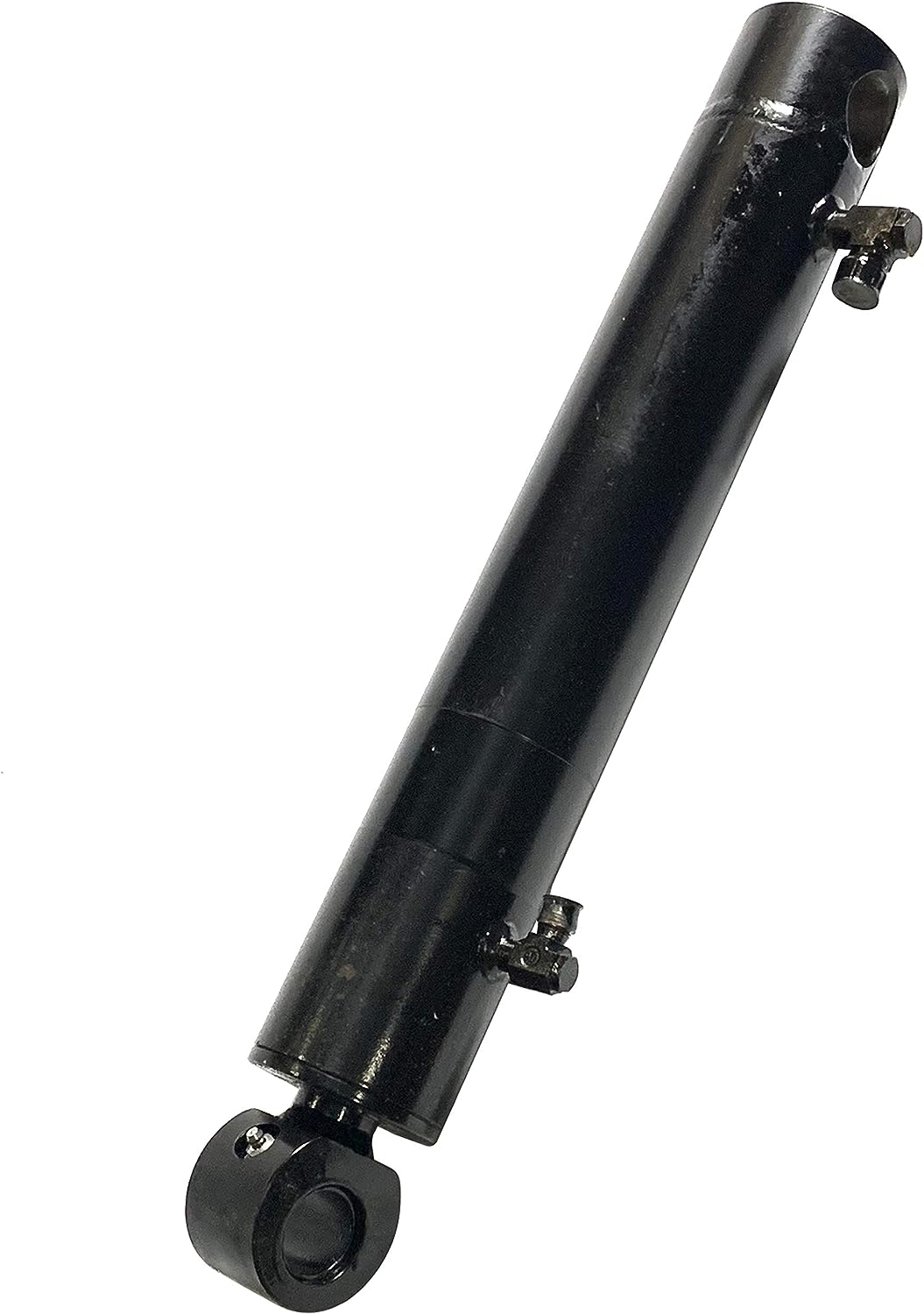
El fluido hidráulico desempeña un papel crucial en el funcionamiento de un cilindro basculante. Es un medio esencial que permite la transferencia de fuerza y controla el movimiento del cilindro. A continuación, se ofrece una explicación detallada del papel del fluido hidráulico en un cilindro basculante:
- Transmisión de fuerza: El fluido hidráulico se utiliza para transmitir la fuerza desde el sistema hidráulico al cilindro de inclinación. El sistema hidráulico presuriza el fluido, creando una presión hidráulica que actúa sobre la superficie del pistón. Este desequilibrio de presión genera una fuerza que mueve el pistón y, a su vez, extiende o retrae el vástago del cilindro de inclinación. La fuerza transmitida a través del fluido hidráulico permite la inclinación controlada del componente acoplado en maquinaria pesada.
- Control de flujo: El fluido hidráulico es responsable de controlar el flujo de fuerza dentro del cilindro de inclinación. El sistema hidráulico utiliza válvulas de control para regular el flujo y la dirección del fluido. Al ajustar la posición de las válvulas de control, el operador puede controlar la velocidad, la dirección y la amplitud del movimiento de inclinación. Este mecanismo de control de flujo permite un posicionamiento y ajuste precisos del componente inclinado según los requisitos específicos de la tarea.
- Regulación de la presión: El fluido hidráulico también permite regular la presión dentro del cilindro de inclinación. El sistema hidráulico incorpora reguladores de presión o válvulas de alivio para mantener los niveles de presión deseados. Estas válvulas garantizan que la presión del fluido hidráulico se mantenga dentro del rango operativo seguro, evitando una acumulación excesiva de presión que podría dañar el cilindro u otros componentes. La regulación de la presión contribuye al funcionamiento seguro y eficiente del cilindro de inclinación.
- Lubricación y refrigeración: El fluido hidráulico actúa como lubricante dentro del cilindro basculante, reduciendo la fricción entre los componentes móviles. Esta lubricación minimiza el desgaste, prolongando la vida útil del cilindro. Además, el fluido hidráulico absorbe y disipa el calor generado durante el funcionamiento, actuando como refrigerante. Una lubricación y refrigeración eficaces contribuyen al rendimiento y la durabilidad generales del cilindro basculante.
- Sellado y prevención de la contaminación: El fluido hidráulico ayuda a mantener la integridad de los sellos hidráulicos del cilindro basculante. Este fluido crea un sello entre el pistón y la pared del cilindro, evitando fugas. Además, actúa como barrera, impidiendo que contaminantes como suciedad, residuos o humedad entren en el cilindro y puedan causar daños. Esta función de sellado y prevención de la contaminación garantiza el correcto funcionamiento y la larga vida útil del cilindro basculante.
En resumen, el fluido hidráulico desempeña un papel multifacético en un cilindro basculante. Transmite fuerza, controla el caudal y la presión, proporciona lubricación y refrigeración, sella el cilindro y previene la contaminación. Al utilizar el fluido hidráulico de forma eficaz, el cilindro basculante permite la inclinación controlada de componentes en maquinaria pesada, lo que garantiza un funcionamiento preciso y mejora el rendimiento y la fiabilidad del equipo.


editor by CX 2023-11-27