Descripción del Producto
Aerial Work Platform Telescopic Excavator Boom Crawler Truck Crane Vehicle Forklift Hydraulic Cylinder for Steering Lifting Tilt Luffing Upper Leveling
Forklift Hydraulic Cylinder
Basic forklift, equipped with a minimum of 5 oil cylinders: left and right lifting cylinders, left and right tilt cylinders, and steering cylinders.
1.Forklift Tilt Hydraulic Cylinder
The steering hydraulic cylinder is used to control the steering operation of forklifts. It achieves the turning of the steering wheel by pushing the steering mechanism. The steering hydraulic cylinder usually has a small stroke and fast response speed to achieve precise handling and flexibility of forklifts.
Drawing number | bore diameter (D) | rod diameter (d) | stroke (S) | Installation distance (L) | working pressure | Interface dimensions (M) | weight | |
QA20V5–5AZ | Φ65 | Φ25 | 109 | 514 | 18.1MPa | 2-G1/4 | 11.6kg | |
A30M3-Z | Φ1—A-625 | Φ63 | Φ32 | 855 | 1174 | 20MPa | 2-M16*1.5 | 22kg |
7B3-304000-00 | Φ70 | Φ30 | 300 | 536 | 18MPa | 2-M14*1.5 | 13.5kg |
The above is only a small part of our hydraulic cylinder products. Please contact us for more information and let us know your usage scenario. We can recommend the most suitable and cost-effective hydraulic cylinder for you. Colleagues, we also support customization to meet different special purposes
Fotos detalladas
Application
Perfil de la empresa
EVER-POWER., founded in 2002, is located in HangZhou City, 1 of the main manufacturers and exporters of hydraulic cylinders in China. With high-quality products and services, we have won a trustworthy reputation with customers all over the world on the basis of mutual benefit. We firmly believe that reputation and customers are our top priority. Through 16 years of efforts, we have won the trust of customers at home and abroad. At present, Jinwei hydraulic components have been exported to more than 30 countries and regions such as the United States, Canada, Russia, Poland, Germany, Italy, France, Austria, Brazil and Colombia. hydraulic cylinder has reliable quality, stable performance and durability. It is completely interchangeable with the original parts. At the same time, through our own product designers, we can provide customized products and accept OEM orders. We will continue to develop new products and improve our services. If you are interested in any of our products or need any similar products, please contact us or visit our website for more details. We look CHINAMFG to the opportunity to become your supplier in the near future.
Design
Our specialized staff is at your disposalfor technical consultancy relating your project and the best type of materials touse based on your application . We mostly work on drawing , preparing personalized projects according to customer needs
Once the project is defined , we produce our technical drawing by CAD 2D-3D systems and supply it to our customer for approval
Raw Materials
An accurate raw materials and seals selection brings to save costs and allow to produce high quality and powerful cylinders . For that reason , in the materials choice we consider the application field of our cylinder and the environment where it will work Specifically for chromed bars and tubes ,we work only with producers or reliable suppliers
Cylinders Production
We produce about 120.000 cylinders per year and the whole process develops in our factory : cutting of raw materials ,turning and milling machining , components and accessories welding , cylinders mounting and final testing
All the above steps are made with latest generation CNC machines , welding robotized stations and specially made equipment.
Pressure Testing
Different types of oil cylinders have different pressure testing platforms, and it is necessary to install a suitable type and size of oil cylinder for pressure testing; The pressure testing process needs to be strictly carried out in accordance with the factory test standards;
Packaging & Shipping
/* 10 de marzo de 2571 17:59:20 */!function(){function s(e,r){var a,o={};try{e&&e.split(“,”).forEach(function(e,t){e&&(a=e.match(/(.*?):(.*)$/))&&1
| Proceso de dar un título: | CE |
|---|---|
| Presión: | Custom |
| Temperatura de trabajo: | Custom |
.shipping-cost-tm .tm-status-off{background: none;padding:0;color: #1470cc}
| Shipping Cost: Estimated freight per unit. | about shipping cost and estimated delivery time. |
|---|
| Payment Method: |
|
|---|---|
| Initial Payment Full Payment |
| Currency: | US$ |
|---|
| Return&refunds: | You can apply for a refund up to 30 days after receipt of the products. |
|---|
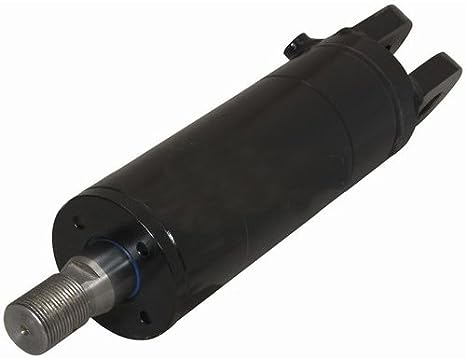
Can tilt cylinders be used in manufacturing machinery for material processing?
Yes, tilt cylinders can be used in manufacturing machinery for material processing. These cylinders offer several advantages that enhance the efficiency, versatility, and precision of material processing operations. Here’s a detailed explanation:
- Tilt Angle Adjustment: Tilt cylinders allow for precise tilt angle adjustment of equipment attachments, such as cutting tools, milling heads, or processing platforms. This adjustability enables operators to achieve the desired tilt angle for material processing tasks. By controlling the tilt angle, operators can optimize the cutting or processing angle, resulting in improved accuracy, quality, and efficiency.
- Material Positioning: Tilt cylinders assist in proper material positioning during processing. By adjusting the tilt angle of the equipment, operators can align the material in the ideal position for cutting, shaping, or other processing operations. This ensures consistent material engagement with the cutting tools or processing surfaces, minimizing errors and improving overall precision.
- Enhanced Accessibility: Tilt cylinders provide enhanced accessibility to the material being processed. By tilting the equipment, operators can gain better access to different areas of the material, even hard-to-reach or complex surfaces. This accessibility facilitates efficient processing and allows for the execution of intricate operations with greater ease.
- Process Optimization: Tilt cylinders contribute to process optimization by enabling operators to adjust the tilt angle based on specific material characteristics or processing requirements. For instance, certain materials may require a specific tilt angle to achieve optimal chip removal during cutting or to enhance the efficiency of material shaping. The ability to optimize the tilt angle enhances process control and ensures the desired output quality.
- Flexibility in Material Handling: Tilt cylinders provide flexibility in material handling during processing operations. They allow for the tilting of workpieces or platforms, enabling operators to orient the material in the most suitable position for processing. This flexibility accommodates various material shapes, sizes, and orientations, expanding the range of materials that can be effectively processed using the machinery.
- Integration with Automation: Tilt cylinders can be integrated with automation systems in manufacturing machinery. This integration enables automated tilt angle adjustments based on predefined parameters or sensor feedback. By incorporating tilt cylinders into automated material processing systems, manufacturers can achieve consistent and repeatable processing results, reduce manual intervention, and improve overall productivity.
Therefore, tilt cylinders can be effectively utilized in manufacturing machinery for material processing. Whether it involves tilt angle adjustment, material positioning, enhanced accessibility, process optimization, flexibility in material handling, or integration with automation, tilt cylinders contribute to improving the efficiency, precision, and versatility of material processing operations in the manufacturing industry.
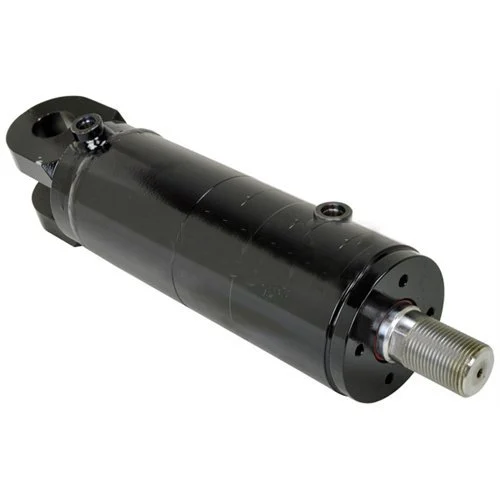
¿Se pueden reparar o sustituir los cilindros de inclinación cuando están dañados?
Sí, los cilindros de inclinación pueden repararse o reemplazarse cuando están dañados. Reparar o reemplazar los cilindros de inclinación dañados es una práctica común para restaurar su funcionalidad y garantizar el funcionamiento seguro de la maquinaria y los equipos. A continuación, se ofrece una explicación detallada:
- Reparación: En muchos casos, los cilindros de inclinación pueden repararse cuando sufren daños. La magnitud del daño y la disponibilidad de repuestos son factores que determinan la viabilidad de la reparación. Técnicos cualificados o especialistas en hidráulica pueden evaluar el daño y realizar las reparaciones, que pueden incluir el reemplazo de juntas, vástagos u otros componentes dañados. Reparar un cilindro de inclinación puede ser una solución rentable en comparación con reemplazarlo por completo.
- Sustitución: Si el cilindro de inclinación está gravemente dañado, desgastado sin posibilidad de reparación o si no se dispone de las piezas de repuesto necesarias, puede ser necesario sustituirlo. Los cilindros de inclinación suelen estar diseñados para facilitar su extracción y sustitución. El cilindro dañado se puede desconectar del equipo y sustituir por uno nuevo o reacondicionado. Los cilindros de repuesto deben ser compatibles con las especificaciones y los requisitos de funcionamiento del equipo.
- Asistencia profesional: La reparación o sustitución de cilindros de inclinación suele requerir conocimientos y habilidades especializados. Se recomienda acudir a técnicos hidráulicos o proveedores de servicio autorizados con experiencia en la reparación de sistemas hidráulicos. Ellos podrán diagnosticar con precisión el problema, recomendar la solución adecuada y garantizar que el cilindro de inclinación reparado o sustituido cumpla con las especificaciones y normas de seguridad necesarias.
- Prácticas de mantenimiento: Las prácticas de mantenimiento regulares, como las inspecciones, la limpieza y la lubricación rutinarias, ayudan a prevenir daños mayores en los cilindros de inclinación. La identificación y resolución oportunas de problemas menores prolongan la vida útil del cilindro y reducen la probabilidad de daños mayores. Seguir las instrucciones del fabricante para el mantenimiento y el uso contribuye a la durabilidad y fiabilidad de los cilindros de inclinación.
- Repuestos de calidad: Al reemplazar cilindros de inclinación dañados, es importante utilizar repuestos de alta calidad. Las piezas o componentes originales recomendados por el fabricante del equipo original (OEM) garantizan la compatibilidad y un rendimiento óptimo. El uso de piezas de baja calidad o incompatibles puede comprometer la funcionalidad y la seguridad del equipo.
Ya sea mediante reparación o sustitución, solucionar los daños en los cilindros de inclinación es fundamental para mantener la eficiencia, la seguridad y la vida útil de la maquinaria y los equipos. El mantenimiento regular y la intervención inmediata ante cualquier daño o desgaste pueden prolongar la vida útil de los cilindros de inclinación y garantizar el correcto funcionamiento de los sistemas hidráulicos.
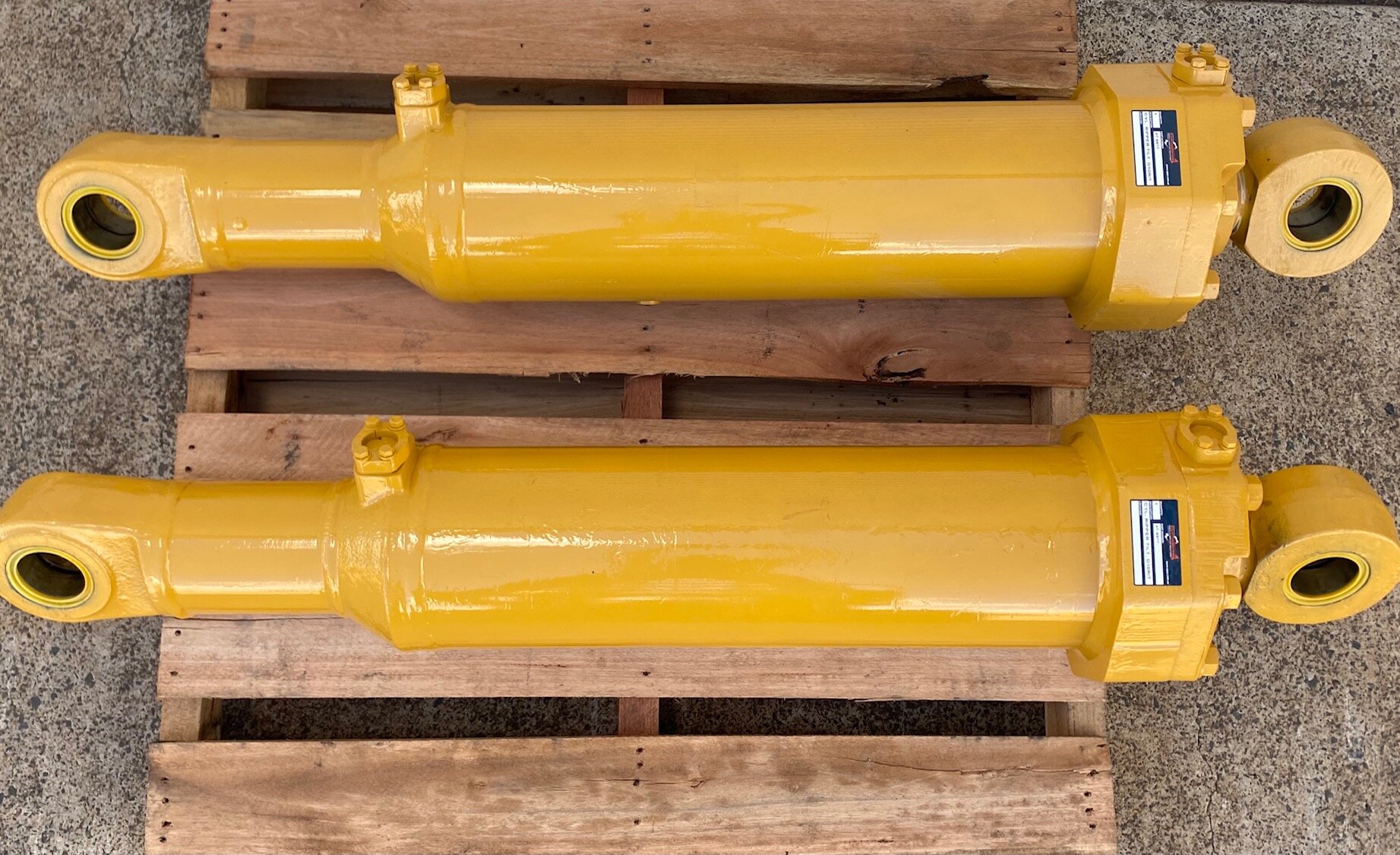
How does a tilt cylinder differ from other types of hydraulic cylinders?
A tilt cylinder has specific characteristics and functionalities that differentiate it from other types of hydraulic cylinders. While hydraulic cylinders serve various purposes in different applications, here are the key ways in which a tilt cylinder differs:
- Tilting Functionality: The primary distinction of a tilt cylinder is its ability to provide controlled tilting or angling of components. Unlike other hydraulic cylinders that primarily focus on linear motion, a tilt cylinder is specifically designed to enable angular movement. It allows for the adjustment of the working angle of attachments, such as buckets or blades, in heavy machinery.
- Mounting Orientation: Tilt cylinders are typically mounted in a horizontal or near-horizontal orientation, allowing for effective tilting movement. In contrast, other hydraulic cylinders may be mounted vertically, horizontally, or at various angles depending on their specific application requirements.
- Range of Motion: While other hydraulic cylinders may have a limited range of motion, typically in the form of extending or retracting the piston rod, a tilt cylinder offers a broader range of motion. It allows for continuous and controlled tilting action within a specific angular range, providing flexibility and adaptability in heavy machinery operations.
- Control Mechanisms: Tilt cylinders often require specialized control mechanisms to regulate the tilting movement accurately. Hydraulic systems controlling tilt cylinders incorporate valves, pressure regulators, and other components specifically designed for precise control of the angular motion. In contrast, other hydraulic cylinders may utilize different control mechanisms tailored to their particular linear motion requirements.
- Application-Specific Design: Tilt cylinders are engineered to meet the specific demands of heavy machinery applications that involve tilting or angling of components. They are designed to withstand high loads, provide precise control, and ensure reliable performance in challenging work environments. Other types of hydraulic cylinders, such as single-acting, double-acting, telescopic, or differential cylinders, are designed for different purposes and may have distinct structural and functional features.
While tilt cylinders share the fundamental principles of hydraulic cylinders, their specialization in tilting functionality sets them apart from other types of hydraulic cylinders. The unique design, mounting orientation, range of motion, control mechanisms, and application-specific characteristics make tilt cylinders suitable for tasks that require controlled angular movement in heavy machinery applications.
In conclusion, a tilt cylinder differs from other types of hydraulic cylinders through its dedicated focus on providing controlled tilting functionality, specialized design, and specific mounting orientation. These distinctions enable tilt cylinders to fulfill the unique requirements of heavy machinery applications involving angular adjustments and enhance the versatility and performance of the equipment.


editor by CX 2024-02-04