EP-Φ160×Φ80×1925 Swing Arm Hydraulic Cylinder
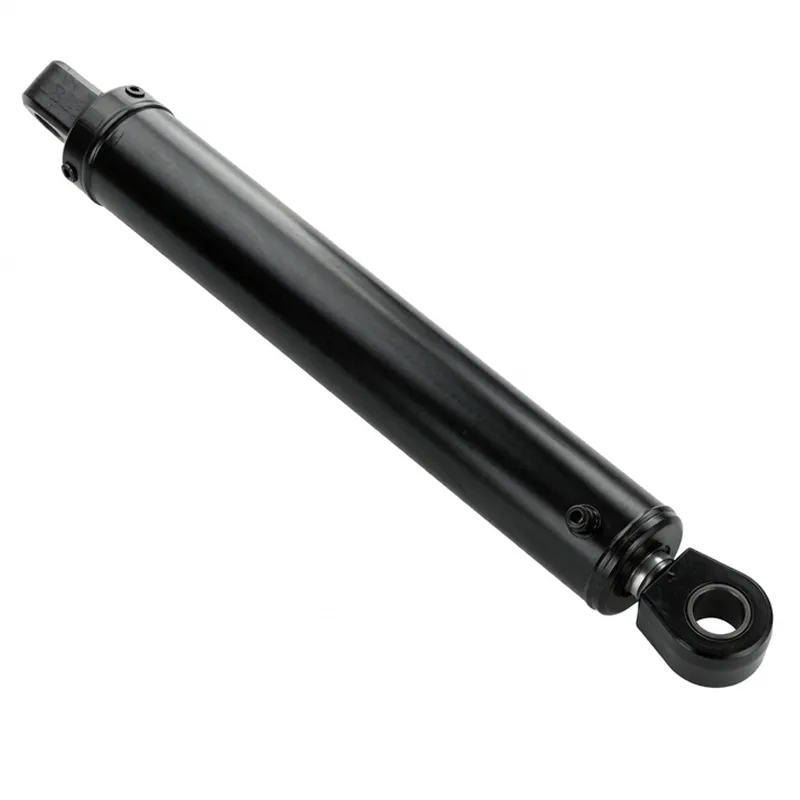
The EP-Φ160×Φ80×1925 Swing Arm Hydraulic Cylinder is a heavy-duty swing arm hydraulic cylinder engineered for high-load industrial applications. It features a 160 mm bore, 80 mm rod diameter, and a 1925 mm stroke, with an installation distance of 2376 mm and a weight of 290 kg. Designed for extreme pressure environments, it operates at a working pressure of 30 MPa and withstands up to 35 MPa, ensuring structural integrity under demanding conditions. This cylinder is ideal for swing arm mechanisms in construction, mining, or material handling equipment where precision, durability, and high force output are critical. Its robust build supports continuous operation in harsh industrial settings.
EP-Φ160×Φ80×1925 Swing Arm Hydraulic Cylinder
Heavy-Duty Double Acting Hydraulic Cylinder for Environmental Protection Equipment Swing Arm Mechanisms
1. Technical Specifications — HCYY11112014 Swing Arm Hydraulic Cylinder
All dimensional data in millimeters unless otherwise noted. Pressure data per ISO 10100 hydraulic cylinder acceptance testing. Force calculations based on theoretical hydraulic force without friction losses.
| Parameter | Specification | Notes |
|---|---|---|
| Cylinder Model | HCYY11112014 | Environmental protection swing arm series; double acting |
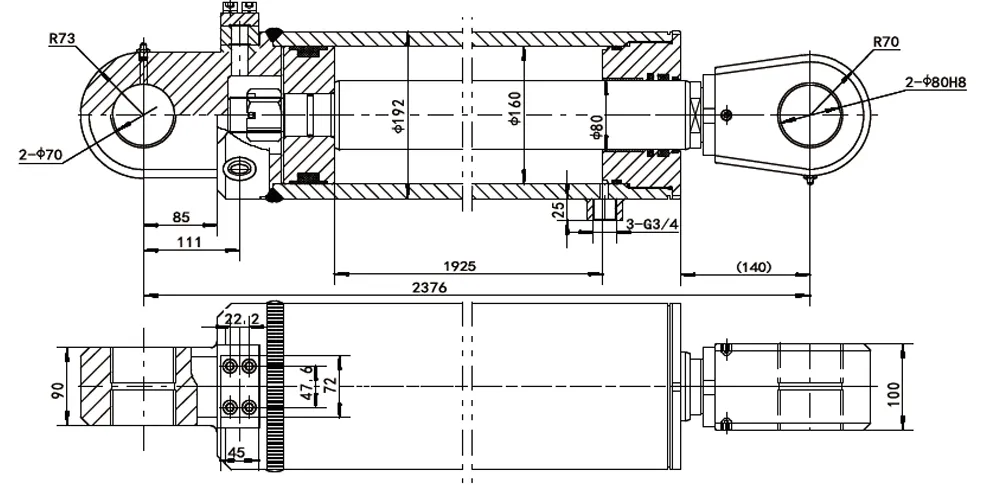
| Specifications (Bore × Rod × Stroke) | Φ160 × Φ80 × 1925 mm | Bore dia. 160 mm; Rod dia. 80 mm; Stroke 1925 mm |
| Working Pressure | 30 MPa | Normal system operating pressure; refuse vehicle hydraulic circuit |
| Maximum Withstand Pressure | 35 MPa | Proof pressure; ≈ 1.17× working pressure safety factor |
| Stroke (Trip) | 1925 mm | Full piston travel from fully retracted to fully extended |
| Installation Distance | 2376 mm | Pin centre to pin centre; fully retracted |
| Weight | 290 kg | Approximate; mechanical handling equipment required for installation |
| Bore Diameter | Φ160 mm (H8 tolerance) | Honed bore; Ra ≤ 0.4 µm; seamless cold-drawn steel tube |
| Piston Rod Diameter | Φ80 mm (h6 tolerance) | Hard chrome plated; Ra ≤ 0.2 µm; 42CrMo4 alloy steel |
| Theoretical Extension Force (cap side) | ≈ 603 kN at 30 MPa | Based on full bore area π/4 × 160² × 30 |
| Theoretical Retraction Force (rod side) | ≈ 452 kN at 30 MPa | Based on annular area π/4 × (160²-80²) × 30 |
| Seal Compound (Standard) | NBR (Nitrile) | Compatible with ISO VG 46/68 hydraulic oil; -20°C to +80°C |
| Hydraulic Port Thread | BSP or metric (as specified) | Port size scaled to system flow requirement for this bore/stroke |
| Operating Temperature Range | -20°C to +80°C | Standard NBR; FKM option available for extreme temperature ranges |
| End Connection Type | Clevis / Pin eye (forged steel) | Both ends pin-mounted; dimensions to match OEM chassis specification |
| Surface Treatment | Rod: hard chrome plate; Body: black paint / electrocoat | Corrosion protection for outdoor refuse vehicle operating environment |
2. About Our Φ160×Φ80×1925 Swing Arm Hydraulic Cylinder
The EP-Φ160×Φ80×1925 is a large-bore, long-stroke swing arm hydraulic cylinder engineered for the demanding operating conditions of environmental protection machinery — specifically for the swing arm hydraulic cylinder mechanisms of refuse collection vehicles, waste compactor arm systems, side-loading garbage truck boom assemblies, and industrial waste handling equipment deployed across French municipalities and European waste management infrastructure. With a 160 mm bore diameter and 80 mm piston rod, this swing arm hydraulic cylinder generates substantial thrust force at 30 MPa working pressure while withstanding the dynamic and shock loads that characterize continuous waste collection operations across the diverse road surfaces, gradient conditions, and operational cycles encountered in French urban and rural refuse collection routes.
The 1925 mm stroke is the defining dimensional characteristic of this swing arm hydraulic cylinder — a travel distance that reflects the extended reach requirements of large-format swing arm mechanisms on rear-loading compactor trucks and side-loading collection vehicles. When a refuse vehicle swing arm extends to the streetside bin collection position, the swing arm hydraulic cylinder and returns to the loaded dump position through the full 1925 mm piston travel, the swing arm hydraulic cylinder must sustain pressure integrity and smooth motion throughout this long stroke under the combined weight of the bin, its contents, and the arm structure itself. The 2376 mm installation distance between mounting pin centres defines the spatial envelope within the vehicle chassis where this swing arm hydraulic cylinder sits, a dimension that must be matched precisely for correct kinematic arm movement and proper load distribution at the cylinder mount points.
At 290 kg, this is a substantial hydraulic actuator that reflects both the 160 mm bore wall thickness required for 30 MPa operation and the long barrel length of the 1925 mm stroke. For maintenance teams at French refuse vehicle operators — municipal services departments (services techniques municipaux), private waste management companies such as Veolia Propreté, SUEZ Recyclage & Valorisation, and Paprec — the specification of a correctly dimensioned and pressure-rated swing arm hydraulic cylinder replacement unit with full technical documentation is essential for both vehicle performance and compliance with the safety regulations governing municipal refuse vehicle operation under the French Code du travail and the Directive Machines framework applicable to this category of environmental protection machinery.
3. Five Key Product Advantages
This swing arm hydraulic cylinder's 35 MPa withstand rating absorbs these transient events safely, protecting the cylinder barrel, end caps, and sealing system from over-pressure failure during the most demanding collection operations encountered on French commercial waste routes. The 35 MPa maximum withstand pressure rating exceeds the 30 MPa working pressure by approximately 17%, providing the pressure safety factor required for environmental protection machinery subject to impact loads, bin weight variability, and hydraulic transient pressures generated by rapid arm movement with heavy loads. For refuse collection vehicles in France — where bin weights vary from 30 kg empty to over 500 kg for large commercial containers — the arm loading during the lift and swing cycle produces hydraulic pressure spikes that can significantly exceed steady-state pressure.
This swing arm hydraulic cylinder is correctly dimensioned for the cylinder mounting geometry and arm length combinations typical of large rear-loading and side-loading compactor trucks deployed in French municipal and commercial waste collection. The 160 mm bore diameter generates a cap-side thrust force of approximately 603 kN at 30 MPa working pressure — the large output force that large-format swing arm mechanisms require to lift and position bins and containers at the full arm extension radius. In environmental protection machinery where the swing arm may extend 2–3 metres from the vehicle body to reach streetside bins on collection routes across French cities and rural communes, the moment arm of the load at full extension creates a much higher cylinder force requirement than the bin weight alone would suggest.
The 1925 mm stroke of this swing arm hydraulic cylinder is matched to the full travel range of large swing arm mechanisms in environmental protection vehicles — from the fully retracted position (arm folded for transit) through the fully extended collection position (arm reaching the bin at the curb edge) and the dump position (arm tipping the bin contents into the vehicle's collection body). This long stroke eliminates the need for multi-stage linkage designs that multiply shorter cylinder strokes mechanically, reducing the kinematic complexity of the swing arm mechanism and the number of pins, bearings, and linkage joints that require lubrication and periodic inspection. A single long-stroke swing arm hydraulic cylinder covering the full travel range simplifies the vehicle's hydraulic circuit, reduces the number of hydraulic connections, and lowers the total maintenance burden over the vehicle's service life.
A 160 mm bore cylinder operating at 30 MPa working pressure requires a minimum barrel wall thickness substantially greater than that of a lower-pressure cylinder of similar bore. The EP swing arm hydraulic cylinder barrel is sized to meet the 35 MPa withstand pressure requirement with the fatigue safety factors demanded by environmental protection vehicle duty cycles — typically 1,000 or more arm cycles per 8-hour shift on a busy urban refuse route. The swing arm hydraulic cylinder barrel wall thickness is calculated per ISO 6020-1 and the applicable European pressure vessel calculation standards, and the seamless cold-drawn tube from which the barrel is produced has verified mechanical properties (yield strength, ultimate tensile strength, and impact toughness) suited to dynamic pressure cycling rather than the static pressure applications that thinner-wall tubing can accommodate.
The swing arm hydraulic cylinder end caps and rod-end clevis or eye attachments are produced from forged carbon steel, providing the fatigue strength and impact resistance needed at these critical load introduction points in refuse collection vehicle swing arm service. Refuse vehicle operations subject the arm and its actuators to mechanical shock loads from bins being picked up on uneven surfaces, from arm contact with kerb edges and other obstacles, and from the dynamic impact of bin contents dropping into the compactor body. On the swing arm hydraulic cylinder, forged steel end attachments handle these shock loads without the crack initiation risk that cast iron or fabricated equivalents face at stress concentrations around the pin holes and thread roots. The end attachment dimensions are matched to the pin diameters and bracket geometries used in standard large-format environmental protection swing arm chassis designs.
4. What Is a Swing Cylinder and How Does the Hydraulic Arm Work?
A swing cylinder — in the context of environmental protection equipment — is a double acting swing arm hydraulic cylinder mounted between two pivot points on a vehicle chassis or fixed structure, with one pin connected to the fixed frame and the other pin connected to the moving swing arm. As hydraulic fluid is pumped into the cap-side port, the piston extends, pushing the rod outward and causing the swing arm (which is rigidly connected to the rod end) to rotate about its chassis pivot point. Conversely, when fluid is directed into the rod-side port and allowed to return from the cap side, the piston retracts, drawing the arm back toward the vehicle body. This combination of linear cylinder movement and rotational arm pivot produces the sweeping arc motion that collects, lifts, and positions bins during the refuse collection cycle.
How does the hydraulic arm work in a typical rear-loading refuse vehicle? The operation cycle begins with the arm in the folded transit position (cylinder retracted). When the operator reaches the bin collection point, the hydraulic control valve routes pressurized oil — at up to 30 MPa — into the cap-side port, extending the swing arm hydraulic cylinder piston to swing the arm outward and downward to the bin engagement position. The arm grasps the bin automatically through a comb or fork mechanism, then the same hydraulic extension continues to lift the bin upward above the vehicle's compactor body lip. The oil routing then reverses to retract the arm, tipping the bin's contents into the collection body. The full cycle — extend, engage, lift, tip, retract — is completed in approximately 8 to 12 seconds for efficient collection, meaning this swing arm hydraulic cylinder completes hundreds of pressure cycles per day in continuous municipal collection service.
The 80 mm rod diameter on this swing arm hydraulic cylinder is correctly proportioned for a 160 mm bore at the 1925 mm stroke. At this stroke length, the unsupported rod extends well beyond the cylinder body at full extension, and the swing arm hydraulic cylinder rod diameter must be adequate to resist buckling under the combined axial and bending loads that the arm geometry imposes on the rod during the arc of movement. The Euler column buckling criterion governs the minimum rod diameter for this stroke length and load case, and the 80 mm diameter meets this requirement with appropriate safety factor for the dynamic and impact loading of refuse collection service. This rod-bore ratio also provides reasonable balance between cap-side extension force (603 kN at 30 MPa) and rod-side retraction force (452 kN at 30 MPa), supporting efficient and responsive arm movement in both directions of the collection cycle.
5. Materials and Construction for Heavy-Duty Environmental Service
The EP-Φ160×Φ80×1925 swing arm hydraulic cylinder uses a material specification matched to the demanding combination of high working pressure, long stroke, heavy dynamic loads, and outdoor environmental exposure that characterizes refuse vehicle and environmental protection equipment service. The cylinder barrel is produced from seamless cold-drawn steel hydraulic cylinder tube conforming to EN 10305-4 or equivalent specification — a material selected for its uniform through-wall mechanical properties, freedom from seam welds, and dimensional consistency across the 1925 mm barrel length that this swing arm hydraulic cylinder requires. The swing arm hydraulic cylinder barrel inner bore is honed to H8 tolerance and Ra ≤ 0.4 μm surface finish, creating the precise cylindrical surface that supports consistent hydrodynamic seal lubrication across the full 1925 mm piston travel in either direction.
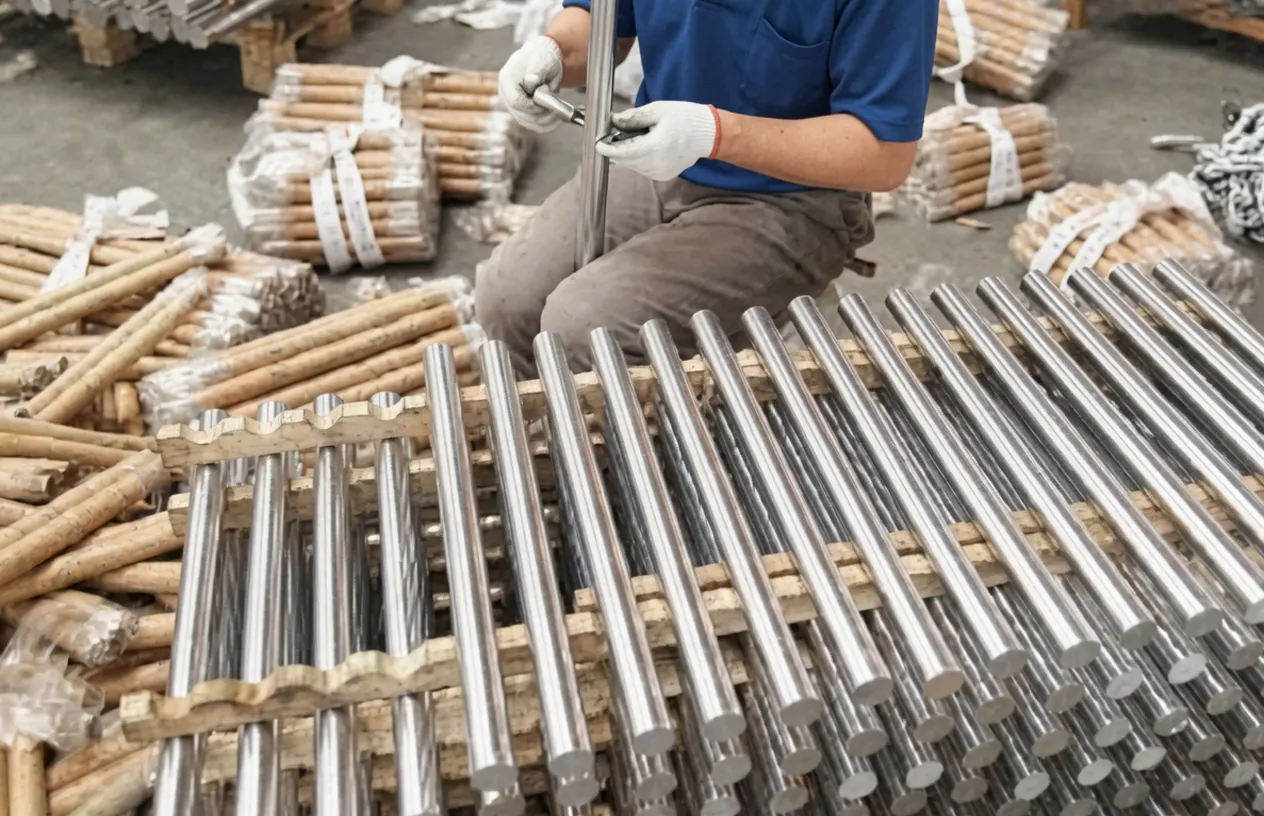
The 80 mm piston rod is produced from 42CrMo4 alloy steel (EN 10083 specification) or equivalent medium-carbon alloy, quench-and-tempered to achieve core tensile strength of 900–1100 MPa. This core strength is essential at the 1925 mm stroke length, where the unsupported swing arm hydraulic cylinder rod extends approximately 2 metres beyond the cylinder gland at full extension and the Euler buckling criterion imposes a minimum rod diameter that the 80 mm dimension satisfies with appropriate safety factor for the combined axial and lateral loads in swing arm service. After precision turning and cylindrical grinding to h6 tolerance, the rod receives a hard chrome plating to a minimum depth of 0.025 mm, then ground and polished to Ra ≤ 0.2 μm. Hard chrome at this depth provides adequate wear resistance for the long rod stroke and corrosion protection against the outdoor operating environment — rain, road salt during winter salting operations on French roads, and the general contamination of refuse vehicle operating environments.
The swing arm hydraulic cylinder barrel and end caps are joined by thick-wall threaded or welded end caps designed to retain structural integrity at 35 MPa maximum withstand pressure. Given the 160 mm bore, the hydraulic end load on each cap face at 30 MPa working pressure is approximately 603 kN — equivalent to the weight of approximately 60 tonnes resting on the end face. The end cap threads or welds and their surrounding barrel material must sustain this load with an appropriate fatigue safety factor across the thousands of pressure cycles per day of continuous collection service. The swing arm hydraulic cylinder design calculation follows ISO 6020-1 and applicable European pressure vessel design standards, with wall thickness and end cap geometry verified by calculation and confirmed by the 35 MPa proof pressure test applied to every completed unit.
6. Swing Arm Hydraulic Cylinder Specification and Selection Guide
Correctly specifying a swing arm hydraulic cylinder for a refuse vehicle or environmental protection equipment project begins with three parameters: the required extension force at the cylinder pin (not the load weight at the bin — the mechanical advantage of the arm linkage must be applied to convert bin load into cylinder force at the specific arm geometry), the stroke needed to cover the full arm travel arc from transit position to dump position, and the installation distance that the vehicle chassis imposes on the mounting pin centres. For large rear-loading and side-loading refuse trucks in France, these parameters converge on the 160 mm bore, 1925 mm stroke, and 2376 mm installation distance of this swing arm hydraulic cylinder in a wide range of chassis geometries.
When comparing a swing arm hydraulic cylinder to shorter-stroke or lower-pressure alternatives, the key trade-off is between force output and physical size. A smaller-bore swing arm hydraulic cylinder requires either a lower working pressure — reducing arm speed and control responsiveness — or a higher pressure circuit that increases the cost and specification of all downstream hydraulic components. The 30 MPa, 160 mm bore combination of this swing arm hydraulic cylinder represents the standard engineering solution for refuse vehicles in the 10–26 tonne GVW range that handle 240 litre to 1,100 litre bins across French municipal collection zones.
French waste management operators procuring a swing arm hydraulic cylinder replacement for an existing fleet should verify four parameters before ordering: bore diameter, rod diameter, stroke, and retracted installation distance. These four dimensions fully identify the correct swing arm hydraulic cylinder for a given vehicle model, and any deviation from the original specification — particularly in installation distance — will cause the arm to operate outside its designed kinematic range, either failing to reach the bin or over-extending past the chassis stop. We provide a dimensional drawing with every swing arm hydraulic cylinder order to allow pre-installation verification against the chassis mounting points before the old cylinder is removed.
7. Application Scenarios
The EP-Φ160×Φ80×1925 swing arm hydraulic cylinder — a hydraulic cylinder swing design — serves a wide range of heavy-duty environmental protection and waste management applications in France and across Europe, where large-format hydraulic actuators drive the working arm mechanisms of collection and processing equipment.
Large rear-loading refuse compactor trucks requiring a swing arm hydraulic cylinder — operated by French municipal waste services in Paris, Lyon, Marseille, Toulouse, and across the country's urban agglomerations — use a heavy-duty swing arm hydraulic cylinder in hydraulic swing arm mechanisms on automated side bin-lifting systems. The 160 mm bore of this swing arm hydraulic cylinder generates the force required to lift wheeled bins of 240, 660, and 1100 litre capacity from street level up to the compactor body loading lip without exceeding pump circuit pressure. The swing arm hydraulic cylinder 1925 mm stroke provides the full travel from retracted transit position to the inverted dump position where bin contents fall into the compactor body, executing the full cycle in a few seconds for efficient high-frequency urban collection operations in densely populated French city centres.
Side-loading automated refuse collection vehicles, deployed extensively in France's suburban communes and periurban collection zones where street geometry favors side-loading operations, use a long-stroke swing arm hydraulic cylinder configured as a hydraulic cylinder swing actuator to extend the boom arm across the road width to engage bins placed on the pavement. The 2376 mm installation distance of this cylinder accommodates the mounting geometry of large boom arm systems on vehicles where the swing arm hydraulic cylinder must span from the vehicle body frame to the outer arm pivot at distances determined by the vehicle body width and the required bin engagement reach. These vehicles typically serve 1,500 to 3,000 bins per day across French collection zones, placing substantial cycle demands on the swing arm hydraulic cylinder's fatigue and sealing system.
Fixed-installation industrial compactors at French waste transfer stations, industrial parks, and large commercial establishments use heavy hydraulic cylinders to drive the ram and arm mechanisms that compact and transfer bulk solid waste. The 30 MPa working pressure and 160 mm bore of this swing arm hydraulic cylinder provide the force levels needed for large-format industrial compaction applications where commercial and industrial waste volumes significantly exceed those of domestic collection routes. Transfer stations operated by Veolia Propreté, SUEZ Recyclage & Valorisation, and Paprec across the Île-de-France, Auvergne-Rhône-Alpes, and Grand Est regions process millions of tonnes of waste per year through equipment that depends on high-performance hydraulic actuators of this specification class.
Environmental cleaning machinery — waterway dredging equipment, floating boom arm debris collectors, and industrial waste surface skimming systems used at French rivers, ports, and industrial water treatment facilities — use a long-stroke swing arm hydraulic cylinder to drive the collection arm mechanisms that reach across water surfaces and into riverbed material. The heavy-duty construction and outdoor corrosion protection of the EP swing arm hydraulic cylinder makes this swing arm hydraulic cylinder compatible with the wet, corrosive, and contaminated-material environments of waterway environmental protection operations. French environmental protection agencies (Agences de l'eau, DREAL) increasingly specify this class of equipment for river and harbour cleaning operations under the EU Water Framework Directive implementation program.
Mechanized material recovery facilities (centres de tri) operated across France under the REP (Responsabilité Élargie du Producteur) framework for packaging waste sort and handle large volumes of recovered materials using hydraulic arm systems to move bales, feed sorting lines, and transfer materials between process stages. The swing arm hydraulic cylinder units, each configured as a full swing arm hydraulic cylinder assembly, driving these arm mechanisms must sustain continuous high-cycle operation — sorting plants in the Paris region handle 150,000 tonnes of packaging waste per year — with maintenance access possible during brief scheduled outages. The long stroke of this swing arm hydraulic cylinder allows a wide working arc. large-diameter arm systems with wide reach to handle bulky material bales without requiring complex multi-stage linkage mechanisms.
8. Regulatory Standards and Compliance — France and European Union
Environmental protection vehicles and waste handling equipment operating in French workplaces fall under the Machinery Directive transposed by Décret n° 2008-1097. The hydraulic actuation systems — including the swing arm hydraulic cylinder — must meet all requirements the essential health and safety requirements of the Directive, with CE marking on the complete machine confirming conformity. The INRS (Institut national de recherche et de sécurité) publishes technical guidance on refuse vehicle hydraulic safety, specifically addressing the risks associated with arm and lifting mechanism failures. The code du travail's workplace inspection (DIRECCTE) provisions apply to all facilities operating this class of environmental protection equipment.
EN 1501 (series — parts 1, 2, 3, and 4 covering different vehicle types) specifies safety requirements for refuse collection vehicles, including detailed requirements for lifting and clamping devices, hydraulic circuit design, interlock systems, and performance testing. The swing arm hydraulic cylinder used in EN 1501-compliant vehicles must meet the pressure, stroke, and fatigue cycle requirements implied by the vehicle's rated bin capacity and cycle frequency. A correctly sourced swing arm hydraulic cylinder replacement must maintain the design parameters that the original equipment designer used to demonstrate EN 1501 conformity — making dimensional and pressure specification accuracy critical in replacement component selection.
ISO 4413 specifies general rules and safety requirements for hydraulic fluid power systems and components, including design, manufacture, maintenance, and disposal. For the high-pressure, large-bore swing arm hydraulic cylinder operating at 30 MPa — where a hydraulic circuit rupture would release fluid under substantial stored energy — ISO 4413's requirements on circuit protection, hose and fitting ratings, and pressure relief valve settings are directly applicable. The standard also addresses the environmental contamination risk from hydraulic fluid releases into waste collection vehicle operating environments where food waste, chemicals, and biological material may mix with any leaked hydraulic fluid to create ICPE (Installations Classées pour la Protection de l'Environnement) regulatory incidents at French waste management facilities.
Waste treatment and transfer facilities in France operating under ICPE classification are subject to arrêté préfectoral conditions that specify operational, maintenance, and environmental management requirements. For the hydraulic systems at these facilities — including the large swing arm hydraulic cylinder units in fixed-installation compactors and transfer stations — requirements typically include documented maintenance schedules, hydraulic fluid spill containment, and periodic inspection records. ICPE operators must demonstrate that replacement hydraulic components meet the same safety specification as the original equipment to avoid invalidating their environmental operating authorization.
ISO 6020-1 (Hydraulic fluid power — Mounting dimensions for single rod cylinders) provides the dimensional and design standards for hydraulic cylinder construction including bore tolerance, rod diameter tolerance, end cap design, and pressure rating calculations. The EP-Φ160×Φ80×1925 swing arm hydraulic cylinder's design follows the calculation methodology of this standard. Each swing arm hydraulic cylinder undergoes verification the calculation methodology of this standard to establish barrel wall thickness at 35 MPa withstand pressure and rod diameter to resist buckling at the 1925 mm stroke. Compliance with ISO 6020-1 design methodology provides French swing arm hydraulic cylinder operators and maintenance engineers with confidence that the swing arm hydraulic cylinder's structural design incorporates the safety factors recognized by European technical standards.
9. Compatible Hydraulic System Products
Refuse collection vehicles and environmental protection equipment use multiple cylinder types within a single hydraulic circuit. We supply the complete range including the swing arm hydraulic cylinder and compatible actuation components for one-stop procurement across French municipal and private waste management operators.
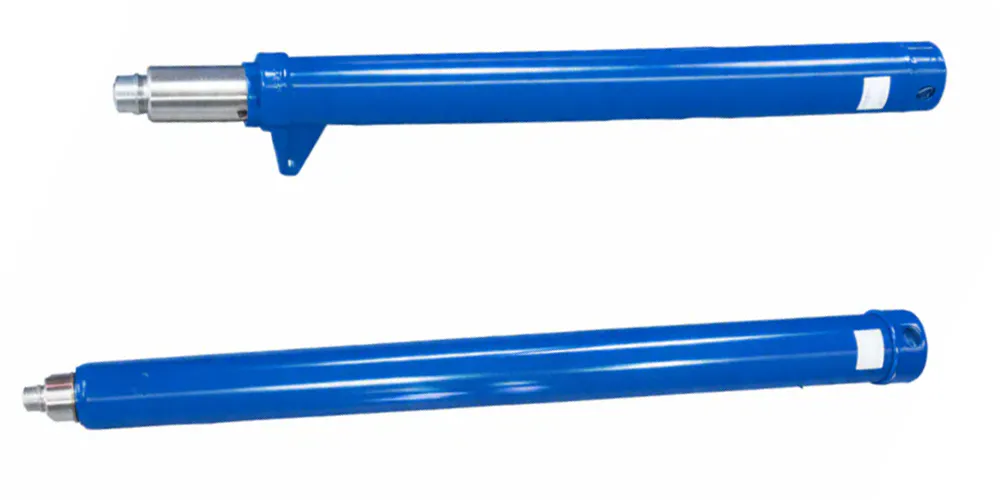
Our range of tilt cylinders complements the swing arm hydraulic cylinder in complete vehicle hydraulic systems. In refuse vehicle applications, tilt cylinders are used in the compactor body tipping mechanism (to discharge the compacted load at the waste transfer station), the cab tilt system, and the bin hopper positioning function. These cylinders share the same hydraulic power unit that drives the swing arm system, and our tilt cylinder range is engineered to the same pressure ratings and quality standards as the swing arm hydraulic cylinder described on this page, simplifying procurement and maintenance documentation for French waste management operators managing mixed fleets.
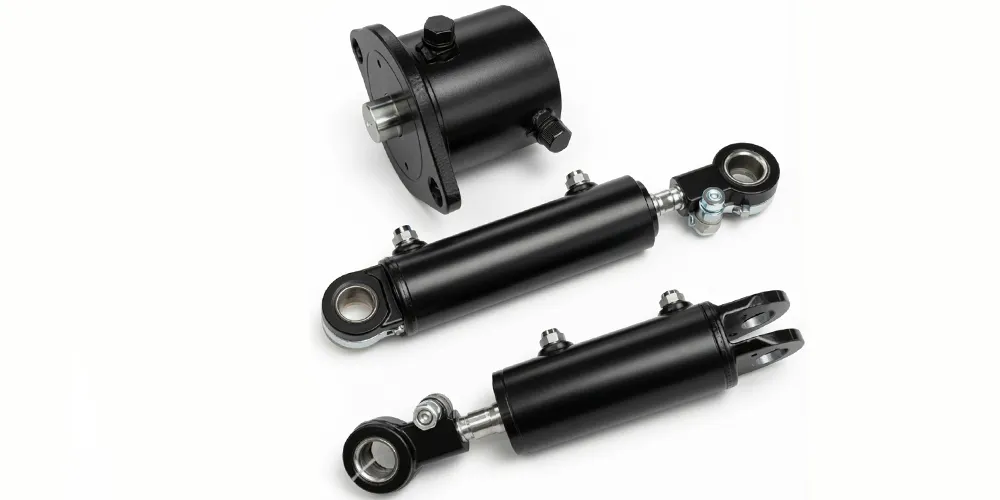
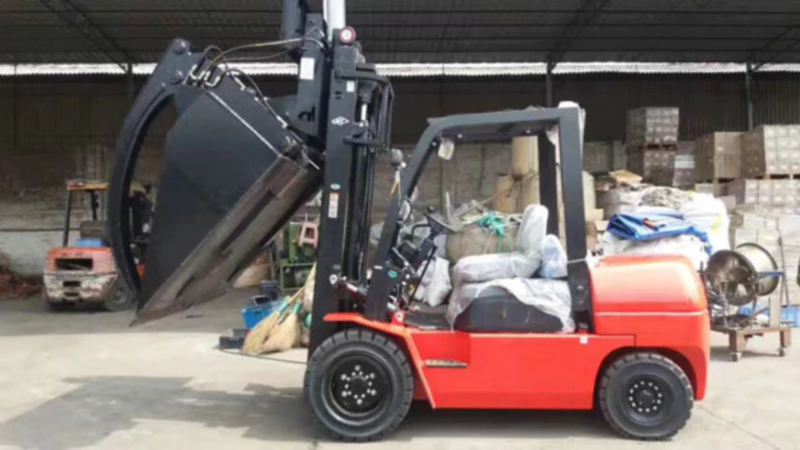
The forklift lifting cylinder range shares manufacturing standards, pressure rating methodology, and material specifications with the swing arm hydraulic cylinder series, providing consistent quality across the range of hydraulic cylinders used in logistics and waste handling vehicles that often operate side by side at French waste management and industrial facilities. For fleet maintenance managers responsible for swing arm hydraulic cylinder maintenance on both refuse vehicles and the forklift trucks used at their transfer station and depot facilities, single-vendor procurement for all hydraulic cylinder types simplifies the supplier qualification process and reduces the number of technical contacts required for after-sales support.
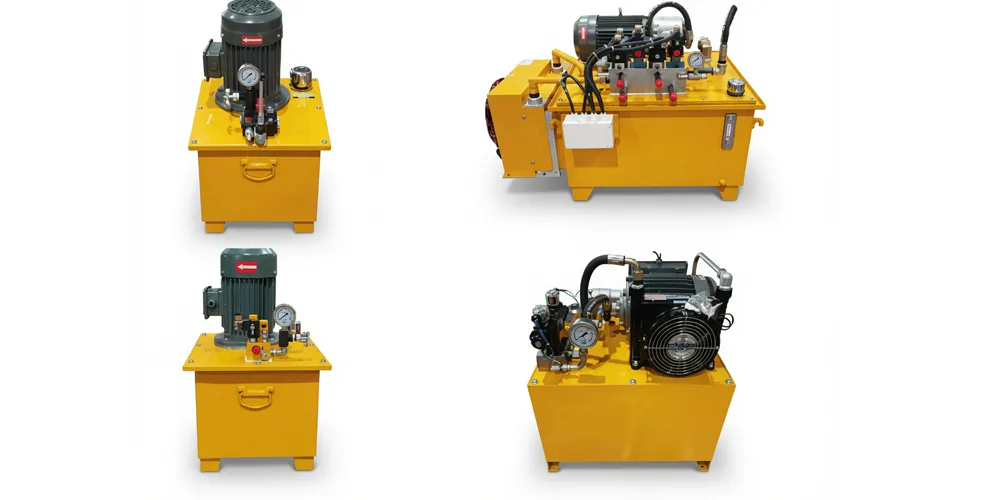
The hydraulic pump station that supplies the swing arm hydraulic cylinder must deliver 30 MPa working pressure at the flow rate required for acceptable arm cycle speed. We supply matched pump stations with pressure settings, flow rates, and reservoir volumes verified against the swing arm hydraulic cylinder's volumetric demand — the 160 mm bore × 1925 mm stroke represents approximately 38.7 litres of oil displacement per full extension stroke, meaning the pump station must supply adequate flow for the required cycle time without excessive heat generation. For French waste management operators procuring complete hydraulic system replacements, our pump station and cylinder packages provide pre-verified compatibility documentation.
10. About Us
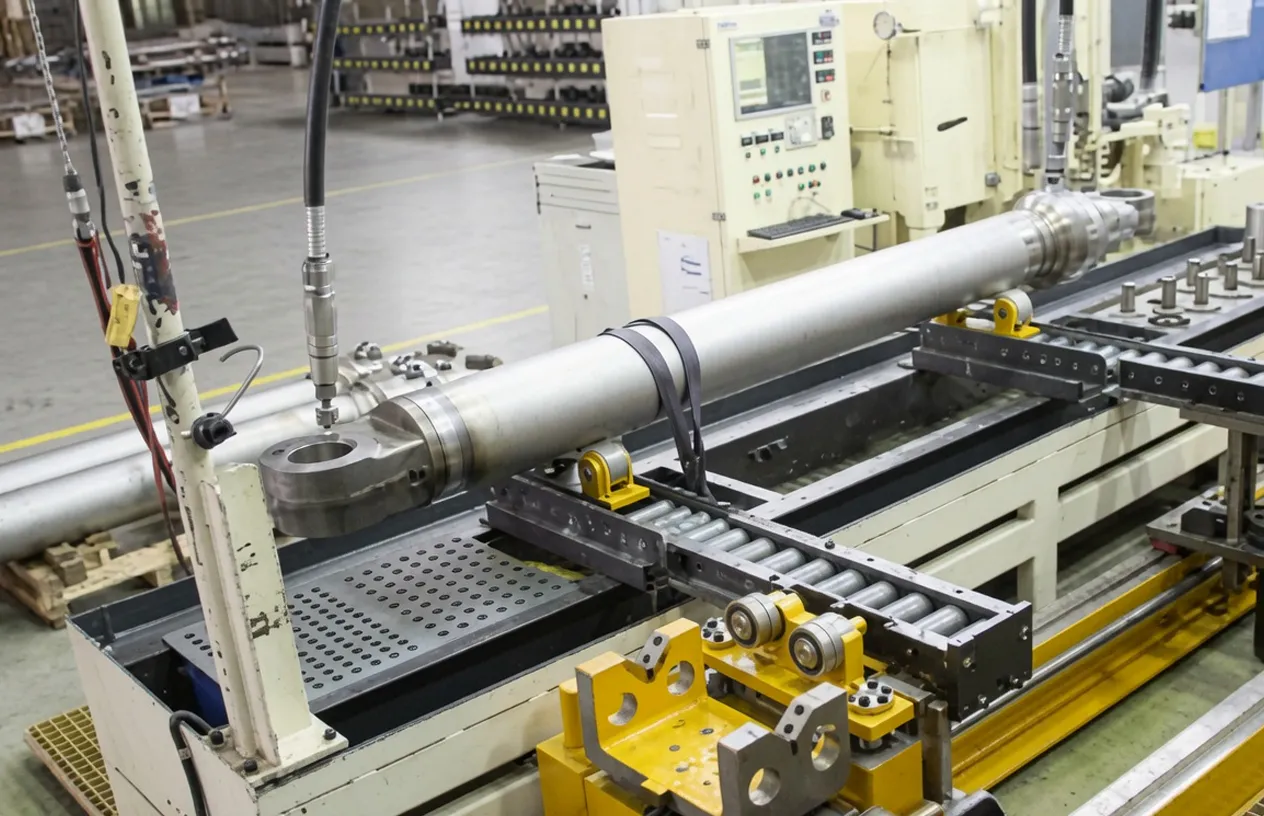
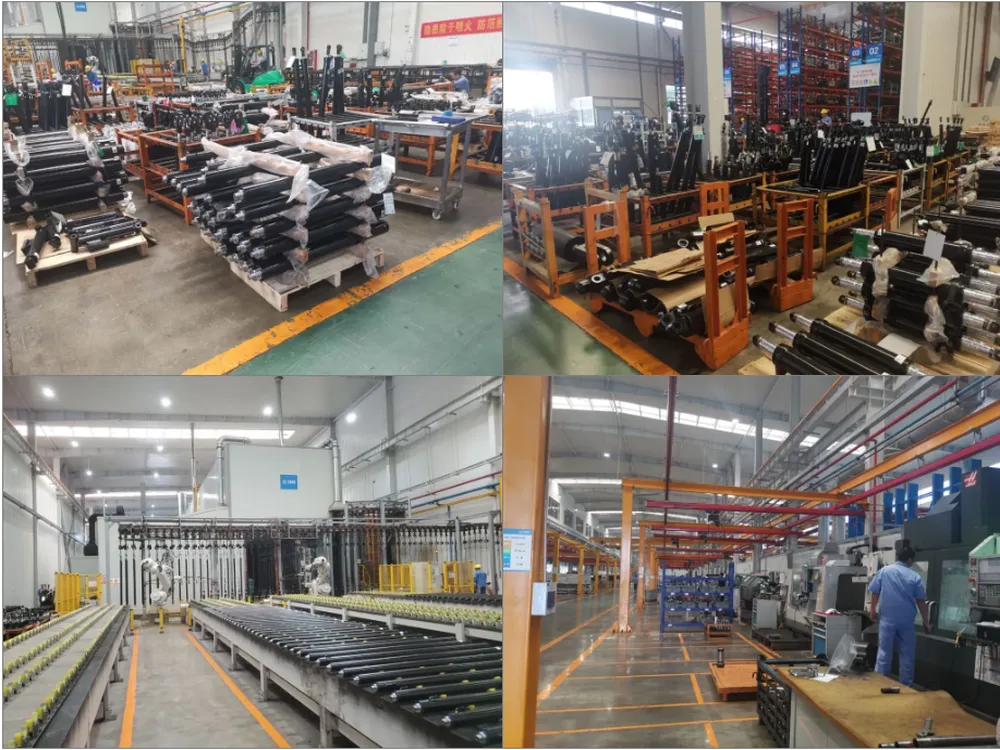
We are a specialized swing arm hydraulic cylinder and hydraulic cylinder manufacturing operation with engineering expertise across the complete range of industrial hydraulic actuators — from compact 40 mm bore steering cylinders through large-bore swing arm hydraulic cylinder and lifting cylinder models for environmental protection and heavy industrial applications. Our production facility is equipped with deep-hole boring machines for large-bore cylinder barrel production, CNC honing centers, large-diameter hard chrome plating lines, precision cylindrical grinding equipment, and hydraulic cylinder proof-testing benches capable of verifying 35 MPa maximum withstand pressure on each swing arm hydraulic cylinder up to 300 mm bore. ISO 9001 quality management certification governs the complete manufacturing sequence from material receipt through dimensional inspection, assembly, and final hydraulic acceptance testing for every swing arm hydraulic cylinder produced.
WorkShop
Frequently Asked Questions
Editor: PXY