
Product Description
Company Profile
ZheJiang CHINAMFG Hydraulic Co., Ltd. (Stock Code: 83 0571 ), founded in June 2004, is a domestic medium and high pressure hydraulic cylinder supplier integrating R&D, production, sales and service. Its main products include 3 series of hydraulic cylinders for dump trucks, hydraulic cylinders for mechanical equipment and hydropneumatic springs.
The company’s management team and main technical personnel are stable. We has constantly innovated from the actual needs of customers, has gradually positioned the medium and high-end market, and has provided high-quality products for customers in automobile, coal mine, petroleum, engineering machinery and other industries with high-quality service.
Product Description and Specification
This product is a North American-style front-end telescopic cylinder. It has received high acclaim from customers.
Our product advantage lies in:
1.The North American advanced processing technology is adopted to ensure the stable performance.
2.High quality alloy seamless steel pipe are adopted to keep big lifting capacity and light weight.
3.The application of imperial size makes it easy to replace the seals and other accessories.
4.Superior chrome-plating technology improves the corrosion resistance and hardness of cylinders.
5.The world famous brands of seals such as HALLITE, CHINAMFG and NOK ensure the sealing performance.
To better ensure the safety of your goods, professional, environmentally friendly, convenient and efficient packaging services will be provided.
| Model | The first stage rod diameter | Stroke | Closed length | Open length |
| WTPK 3TG F5*72 | 5″ | 1829mm | 945mm | 2773mm |
| WTPK 3TG F5*84 | 5″ | 2134mm | 1046mm | 3180mm |
| WTPK 3TG F5*107 | 5″ | 2732mm | 1229mm | 3961mm |
| WTPK 3TG F5*126 | 5″ | 3216mm | 1386mm | 4602mm |
| WTPK 3TG F6*86 | 6″ | 3216mm | 1038mm | 3241mm |
| WTPK 3TG F6*104 | 6″ | 2640mm | 1194mm | 3834mm |
| WTPK 3TG F6*107 | 6″ | 2732mm | 1289mm | 3961mm |
| WTPK 3TG F6*111 | 6″ | 2819mm | 1268mm | 4087mm |
| WTPK 3TG F6*120 | 6″ | 3048mm | 1359mm | 4407mm |
| WTPK 3TG F6*126 | 6″ | 3208mm | 1386mm | 4594mm |
| WTPK 3TG F6*140 | 6″ | 3562mm | 1519mm | 5081mm |
| WTPK 4TG F6*135 | 6″ | 3429mm | 1199mm | 4628mm |
| WTPK 4TG F6*156 | 6″ | 3962mm | 1362mm | 5324mm |
| WTPK 3TG F7*110 | 7″ | 2810mm | 1271mm | 4081mm |
| WTPK 3TG F7*120 | 7″ | 3048mm | 1349mm | 4397mm |
| WTPK 3TG F7*124 | 7″ | 3172mm | 1392mm | 4564mm |
| WTPK 3TG F7*129 | 7″ | 3277mm | 1435mm | 4712mm |
| WTPK 3TG F7*140 | 7″ | 3567mm | 1524mm | 5091mm |
| WTPK 3TG F7*150 | 7″ | 3810mm | 1613mm | 5423mm |
| WTPK 4TG F7*120 | 7″ | 3048mm | 1349mm | 4168mm |
| WTPK 4TG F7*135 | 7″ | 3429mm | 1230mm | 4659mm |
| WTPK 4TG F7*140 | 7″ | 3556mm | 1263mm | 4819mm |
| WTPK 4TG F7*156 | 7″ | 3962mm | 1365mm | 5327mm |
| WTPK 4TG F7*161 | 7″ | 4108mm | 1405mm | 5513mm |
| WTPK 4TG F7*167 | 7″ | 4242mm | 1432mm | 5674mm |
| WTPK 4TG F7*180 | 7″ | 4572mm | 1552mm | 6124mm |
| WTPK 4TG F8*148 | 8″ | 3753mm | 1308mm | 5061mm |
| WTPK 4TG F8*156 | 8″ | 3962mm | 1365mm | 5327mm |
| WTPK 4TG F8*161 | 8″ | 4064mm | 1416mm | 5480mm |
| WTPK 4TG F8*170 | 8″ | 4318mm | 1454mm | 5481mm |
| WTPK 4TG F8*180 | 8″ | 4572mm | 1518mm | 6090mm |
| WTPK 5TG F8*170 | 8″ | 4318mm | 1267mm | 5585mm |
| WTPK 5TG F8*190 | 8″ | 4800mm | 1387mm | 6188mm |
| WTPK 5TG F8*220 | 8″ | 5588mm | 1524mm | 7122mm |
| WTPK 5TG F8*235 | 8″ | 5944mm | 1641mm | 7585mm |
| WTPK 5TG F8*250 | 8″ | 6325mm | 1743mm | 8068mm |
| WTPK 5TG F9*265 | 9″ | 6731mm | 1844mm | 8575mm |
| WTPK 5TG F9*280 | 9″ | 7112mm | 1997mm | 9109mm |
| WTPK 5TG F9*300 | 9″ | 7620mm | 2007mm | 9627mm |
| WTPK 5TG F9*320 | 9″ | 8129mm | 2108mm | 9628mm |
| WTPK 5TG F9*340 | 9″ | 8636mm | 2210mm | 10846mm |
Quality Guarantee System
1. Trial Operation Test
2. Start-up Pressure Test
3. Pressure-Tight Test
4. Leak Test
5. Full Stroke Test
6. Buffer Test
7. Testing the Effect of Limit
8. Load Efficiency Test
9. Reliability Test
Every piece of hydraulic cylinder are tested and will send out only after they are pasted the each test. Our company has abundant technical force and perfect testing means. By making wide technical and business cooperation with many related enterprises, universities, colleges and institutes both at home and abroad, and employing senior engineers and software engineers, we have greatly strengthened and improved our designing, processing, and testing abilities.
Machining Equipment
Our company have 700 sets manufacturing equipment, such as cold drawing production line, heat treatment production line, surface treatment production line, testing equipment, various digital-control machining equipment, gantry style linear electroplating production line.
Certificate And Our Customers
Domestic Marketing Locations
The company’s products are widely sold in ZheJiang , ZheJiang , ZheJiang , ZheJiang , ZheJiang , ZheJiang , ZheJiang , ZheJiang , ZheJiang and other more than 20 provinces, municipalities and autonomous regions.
Foreign Marketing Locations
Our products are exported to the United States, Canada, Mexico, Russia, South Africa, Indonesia and other Europe, America, South America, Southeast Asia.
After Service
1.Pre-sale service: Keep communicating with the truck manufacturers , including selection of product model , design of hydraulic system, test of performance and analysis of the accident. Once the problems occur, we will solve them immediately together with truck manufacturers.
2.The sale service: Provide training and technical support for users.
3.After-sale service: Solve the problem firstly, then analyse responsibility ; Replace the system components immediately if any need.
4.24 hours telephone service hotline.
FAQ
Q1:What’s the brand name of your products ?
A:Generally, we use our own brand “WTJX”, OEM is also available as required.
Q2:Hydraulic cylinder internal leakage?
A: There are 3 main reasons causing internal leakage : Overload, polishing is not well controlled, bad seal kits. As is known to all, vehicles in China are often overload,our products all designed to bear the overload power. We have numerical control machine to assure the polish processing. And we use the imported seals to meet customers’ demands.
Q3:Does your piston rod get ruptured easily?
A: Hard chrome plating quenched and tempered 45# steel for piston rod to assure sufficient hardness and toughness.
Q4:What about the quality feedback of your products?
A: Guarantee the quality from the raw material. We have cold drawing production line and nickel-chrome electroplating production line, so we can produce cold-drawing pipe and hard-chrome pipe used for hydraulic cylinder!
/* October 22, 2571 15:47:17 */(()=>{function d(e,r){var a,o={};try{e&&e.split(“,”).forEach(function(e,t){e&&(a=e.match(/(.*?):(.*)$/))&&1
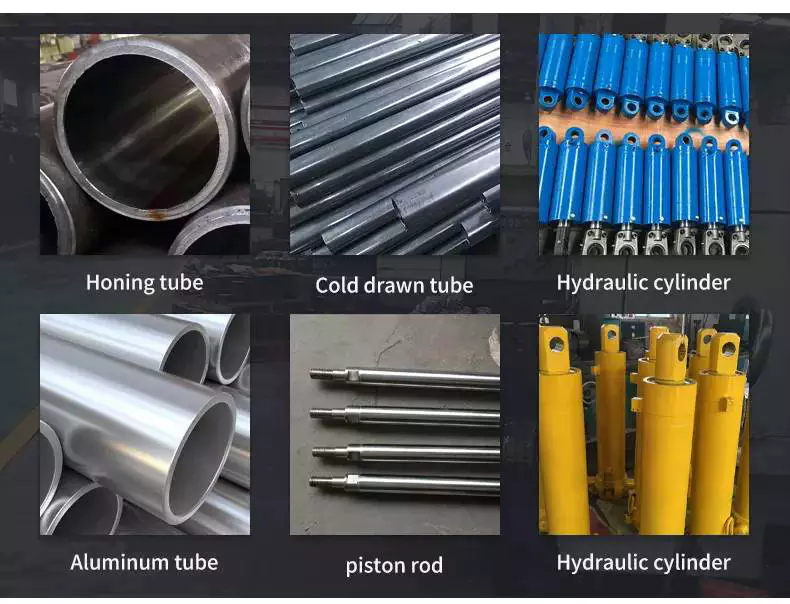
How do hydraulic cylinders contribute to the overall cost-effectiveness of industrial processes?
Hydraulic cylinders play a crucial role in enhancing the overall cost-effectiveness of industrial processes. They offer several advantages and contribute to increased productivity, improved efficiency, reduced maintenance costs, and enhanced operational performance. Here’s a detailed explanation of how hydraulic cylinders contribute to the cost-effectiveness of industrial processes:
1. High Power Density:
– Hydraulic cylinders provide a high power-to-weight ratio, allowing them to generate substantial force in a compact design. This power density enables the use of smaller and lighter equipment, reducing material and manufacturing costs, and increasing the efficiency of industrial processes.
2. Precise Force and Position Control:
– Hydraulic cylinders offer precise force and position control, allowing for accurate movement and positioning of machinery or workpieces. This level of control enhances process efficiency, reduces material waste, and improves overall product quality. Precise force control also minimizes the risk of equipment damage, further reducing maintenance and repair costs.
3. High Load Handling Capacity:
– Hydraulic cylinders are known for their ability to handle high loads. They can exert significant force, making them suitable for heavy-duty industrial applications. By efficiently handling heavy loads, hydraulic cylinders contribute to increased productivity and throughput, reducing the need for additional equipment and streamlining industrial processes.
4. Flexibility and Versatility:
– Hydraulic cylinders offer a high degree of flexibility and versatility in industrial processes. They can be easily integrated into various types of machinery and equipment, allowing for diverse applications. This adaptability reduces the need for specialized equipment, resulting in cost savings and increased operational efficiency.
5. Energy Efficiency:
– Hydraulic systems, including hydraulic cylinders, can be designed to operate with high energy efficiency. By utilizing efficient hydraulic circuit designs, advanced control systems, and energy recovery mechanisms, hydraulic cylinders minimize energy waste and reduce operational costs. Energy-efficient hydraulic systems also contribute to a more sustainable and environmentally friendly industrial operation.
6. Durability and Longevity:
– Hydraulic cylinders are built to withstand demanding industrial environments and heavy usage. They are constructed with robust materials and undergo stringent quality control measures to ensure durability and longevity. Their ability to withstand harsh conditions and repetitive motion reduces the need for frequent replacements, minimizing downtime and maintenance costs.
7. Reduced Maintenance Requirements:
– Hydraulic cylinders require relatively low maintenance compared to other types of actuators. Properly designed hydraulic systems with efficient filtration and contamination control mechanisms can prevent damage to the cylinders and extend their service life. Reduced maintenance requirements result in lower downtime, decreased labor costs, and improved cost-effectiveness of industrial processes.
8. System Integration and Automation:
– Hydraulic cylinders can be seamlessly integrated into automated industrial processes. By incorporating hydraulic cylinders into automated systems, tasks can be performed with precision and repeatability, reducing human error and optimizing efficiency. Automation also allows for continuous operation, increasing productivity and overall cost-effectiveness.
9. Cost-Effective Replacement:
– In situations where hydraulic cylinders require replacement or repair, the cost-effectiveness of the process is still maintained. Hydraulic cylinders are typically modular in design, allowing for easy replacement of individual components or complete units. This modularity reduces downtime and associated costs, as only the affected components need to be replaced, rather than the entire system.
In summary, hydraulic cylinders contribute to the overall cost-effectiveness of industrial processes through their high power density, precise control capabilities, high load handling capacity, flexibility, energy efficiency, durability, reduced maintenance requirements, system integration, and cost-effective replacement options. Their ability to enhance productivity, efficiency, and operational performance while minimizing maintenance and downtime costs makes hydraulic cylinders a valuable component in various industrial applications.
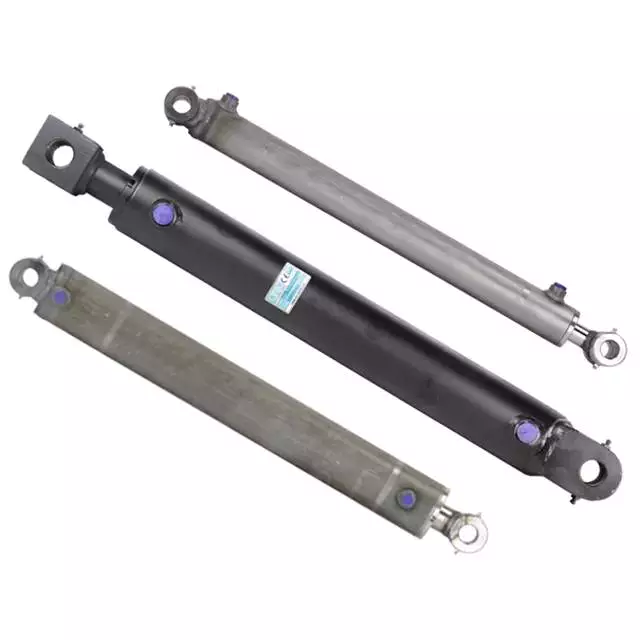
What considerations are important when selecting hydraulic cylinders for mobile equipment?
To select hydraulic cylinders for mobile equipment, several important considerations need to be taken into account. Here are the key factors to consider:
- Load Capacity: Determine the maximum load or force that the hydraulic cylinder will need to support. This includes both the static load and any dynamic or shock loads that may be encountered during operation.
- Stroke Length: Consider the required stroke length, which is the distance the hydraulic cylinder can extend and retract. Ensure that the stroke length is sufficient for the specific application and range of motion needed.
- Operating Pressure: Determine the maximum operating pressure required for the hydraulic system. This will depend on the load and the specific application. Select a hydraulic cylinder with a pressure rating that exceeds the maximum operating pressure to ensure safety and durability.
- Mounting Style: Consider the available space and the mounting requirements of the mobile equipment. Hydraulic cylinders come in various mounting styles, such as flange, trunnion, clevis, and pivot, among others. Choose a mounting style that is compatible with the equipment and provides the necessary support and stability.
- Size and Weight: Take into account the physical dimensions and weight of the hydraulic cylinder. Ensure that it can fit within the available space and that the equipment can support its weight without compromising performance or safety.
- Speed and Precision: Evaluate the required speed and precision of the hydraulic cylinder’s movement. Different cylinder designs and configurations can affect the speed and accuracy of motion. Consider factors such as cylinder bore size, rod diameter, and the presence of cushioning or dampening features.
- Environmental Factors: Assess the operating environment of the mobile equipment. Consider factors such as temperature extremes, exposure to moisture, dust, and chemicals. Select hydraulic cylinders with appropriate seals and coatings that can withstand the environmental conditions and prevent corrosion or damage.
- Reliability and Maintenance: Consider the reliability and maintenance requirements of the hydraulic cylinders. Look for reputable manufacturers that provide high-quality products with a proven track record. Evaluate factors such as expected service life, availability of spare parts, and ease of maintenance.
- Cost: Finally, consider the cost of the hydraulic cylinders, including the initial purchase price, installation costs, and long-term maintenance expenses. While it is essential to find a cost-effective solution, prioritize quality and performance to ensure safe and efficient operation.
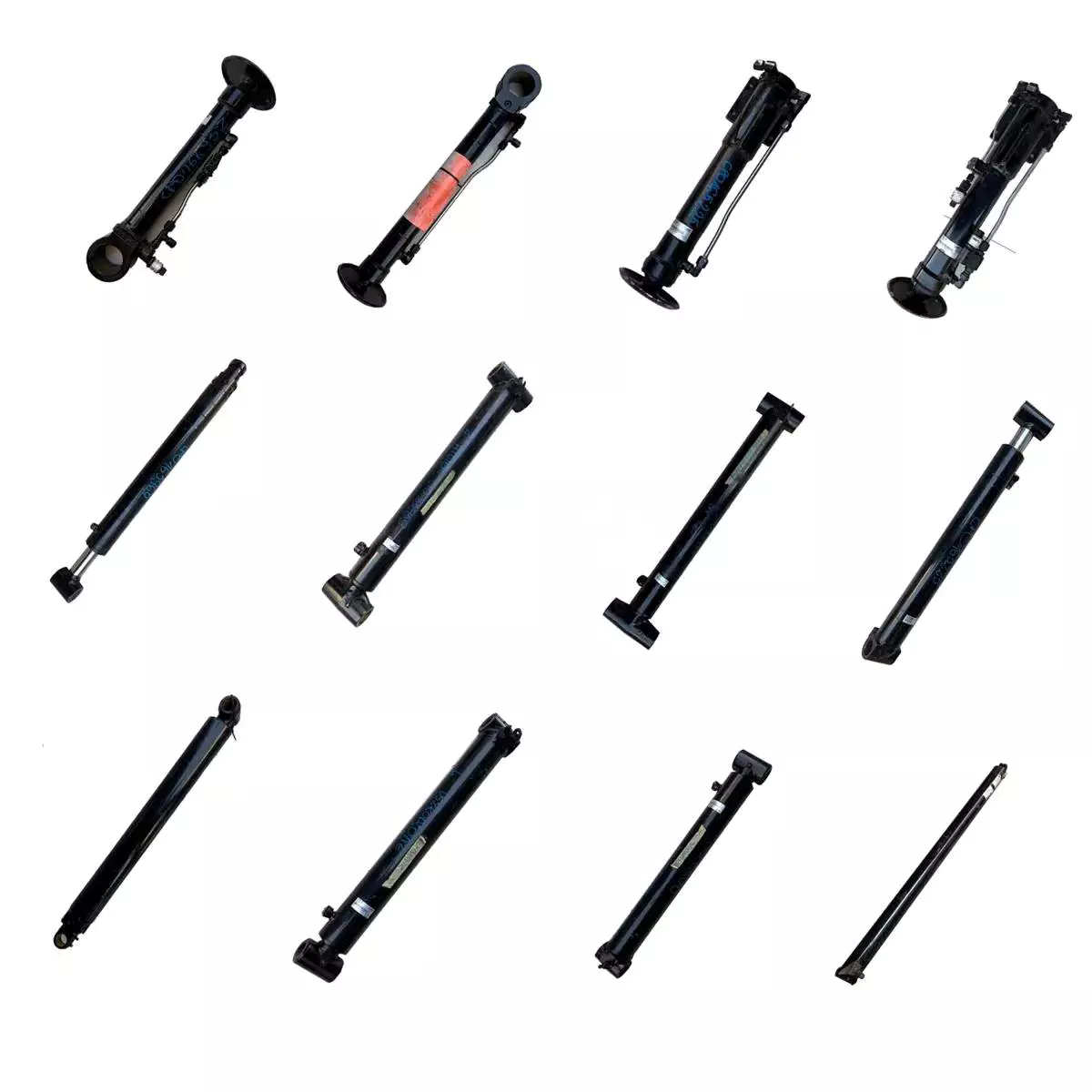
How do hydraulic cylinders handle variations in load, pressure, and speed?
Hydraulic cylinders are designed to handle variations in load, pressure, and speed effectively. They incorporate features and components that allow them to adapt to changing operating conditions and maintain optimal performance. Here’s a detailed explanation of how hydraulic cylinders handle variations in load, pressure, and speed:
Variations in Load:
– Hydraulic cylinders are capable of handling variations in load by adjusting the force they exert. The force output of a hydraulic cylinder is determined by the hydraulic pressure and the surface area of the piston. When the load increases, the pressure in the hydraulic system can be adjusted to generate a higher force. This adjustment can be achieved by regulating the flow of hydraulic fluid into the cylinder using control valves. By controlling the pressure and flow, hydraulic cylinders can adapt to different load requirements, ensuring that the force applied is sufficient to handle the load while preventing excessive force that could cause damage.
Variations in Pressure:
– Hydraulic cylinders are designed to handle variations in pressure within the hydraulic system. They are equipped with seals and other components that can withstand high-pressure conditions. When the pressure within the hydraulic system fluctuates, the hydraulic cylinder adjusts accordingly to maintain its performance. The seals prevent fluid leakage and ensure that the hydraulic pressure is effectively transmitted to the piston, allowing the cylinder to generate the required force. Additionally, hydraulic systems often incorporate pressure relief valves and other safety mechanisms to protect the cylinder and the entire system from overpressure conditions.
Variations in Speed:
– Hydraulic cylinders can handle variations in speed through the control of hydraulic fluid flow. The speed of a hydraulic cylinder’s extension or retraction is determined by the rate at which hydraulic fluid enters or exits the cylinder. By adjusting the flow rate using flow control valves, the speed of the cylinder’s movement can be regulated. This allows for precise control over the speed, enabling operators to adapt to varying speed requirements based on the specific task or load. Furthermore, hydraulic systems can incorporate flow control valves with adjustable orifice sizes to fine-tune the speed of the cylinder’s movement.
Load-Sensing Technology:
– Advanced hydraulic systems may incorporate load-sensing technology to further enhance the ability of hydraulic cylinders to handle variations in load, pressure, and speed. Load-sensing systems monitor the load demand and adjust the hydraulic pressure and flow accordingly to meet that demand. This technology ensures that the hydraulic cylinder provides the necessary force while optimizing energy efficiency. Load-sensing systems are particularly beneficial in applications where the load requirements can vary significantly, allowing hydraulic cylinders to adapt in real-time and maintain precise control over force and speed.
Accumulators:
– Hydraulic systems can also utilize accumulators to assist in handling variations in load, pressure, and speed. Accumulators store hydraulic fluid under pressure, which can be released when needed to supplement the flow and pressure in the system. When there are sudden increases in load or pressure demands, accumulators can provide additional fluid to the hydraulic cylinder, ensuring smooth operation and preventing pressure drops. Similarly, accumulators can assist in maintaining consistent speed by compensating for fluctuations in flow rate. They act as a supplemental energy source, helping hydraulic cylinders respond effectively to variations in operating conditions.
In summary, hydraulic cylinders handle variations in load, pressure, and speed through various mechanisms and components. They can adjust the force output to accommodate different load requirements by regulating hydraulic pressure. The seals and components within hydraulic cylinders allow them to withstand variations in pressure within the hydraulic system. By controlling the flow of hydraulic fluid, hydraulic cylinders can regulate the speed of their movement. Advanced technologies such as load-sensing systems and the use of accumulators further enhance the adaptability of hydraulic cylinders to changing operating conditions. These features and mechanisms enable hydraulic cylinders to maintain optimal performance and provide reliable force and motion control in a wide range of applications.


editor by Dream 2024-11-29