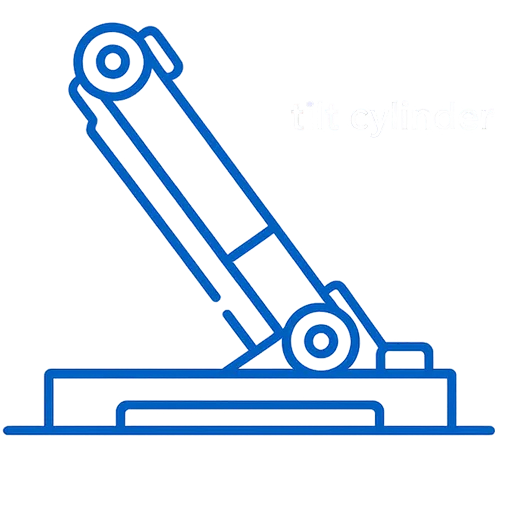
Product Description
Product Description
Hydraulic Cylinders For All IndustriesWe can build, supply new, and repair cylinders forForklift,Earth Moving, Marine, Press, Crane, Telescopic, Shear, Excavator and Chip Dump applications. We also have the capabilities, experience, and technical knowledge to manufacture new cylinders and custom build cylinders. We can handle any hydraulic cylinder needs from smaller application cylinders to very large cylinders (for example cylinders on large mining equipment).Contact us for pricing and availability or if you’re needing a customhydrauliccylinder.
Hydraulic cyliinder Features
—3000PSI Rated pressure, 6000PSI testing pressure. —Imported world famous brands and Chinese top brands sealing system. —High quality Cold Drawn steel tube, with good rigidity. —CNC Rolled tube inner surface, with roughness of 0.2~0.4um. —Superior strength chrome-plated rod, anticorrosion for a long life. —High grade Ductile Iron bar directly machined Gland and Piston, with high strength. —Heavy-Duty welded construction, automatic welding for good quality. —Twin-lip piston seals for maximum efficiency. —100% factory tested under at least 1.5 times of the rated pressure.
Company Profile
JUNRUI specialize in the production and R&D of Dump Truck&Trailer Telescopic Hydraulic Cylinder, Dump Truck Hydraulic System,Agricultural Machinery Hydraulic Cylinder, Garbage Truck Hydraulic Cylinder, Tipping Platform Hydraulic Cylinder,
Snow Plow Hydraulic Cylinder and so on.
Over the years development,our products have been exported to America, Australia, Russia, Canada, Mexico,Colombia,
Netherlands etc and have been widely praised by the customers from home and abroad.
We are committed to providing customers with high quality and reasonable price products.
All Junrui products are designed,engineered and manufactured by highly skilled and experienced engineers,
All the products do QC 3 times before delivery to make sure the quality.
We are committed to providing customers with high quality and reasonable price products. All Junrui products are designed,
engineered and manufactured by highly skilled and experienced engineers, All the products do QC 3 times before delivery to
make sure the quality. The company has imported CNC deep hole boring machines, CNC laser cutting machines, CNC machining
centers, CNC cleaning machines, automatic assembly lines for hydraulic cylinders, robot welding stations, automatic welding
machines and other precision processing equipment, over 200 sets. After years of development, JUNRUI Hydraulic has developed
into an enterprise with complete hardware facilities, sophisticated processing equipment, strong technical force, and good social
benefits. For the stable development of your main business, we look CHINAMFG to cooperating with you.
PRODUCTION PROCESS
Equipment
Packaging & Shipping
Certifications
Exhibition
Q1:What’s youradvantage?
A: We have been working on hydraulic cylinder over 30 years, weuse ERP,MES and PLM systems to realize all-round digital control.
Q2:Can you do OEM or ODM?
A: Yes,We can do both
Q3::Can you do painting & powder coating?
A:Yes, we can do both
Q4:: Do you apply 5s management at your workshop?
A: We apply 7s management at our workshop
/* October 22, 2571 15:47:17 */(()=>{function d(e,r){var a,o={};try{e&&e.split(“,”).forEach(function(e,t){e&&(a=e.match(/(.*?):(.*)$/))&&1
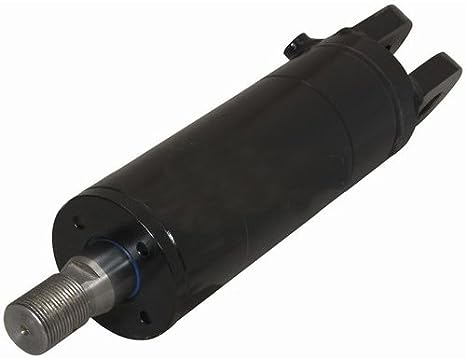
Can tilt cylinders be used in manufacturing machinery for material processing?
Yes, tilt cylinders can be used in manufacturing machinery for material processing. These cylinders offer several advantages that enhance the efficiency, versatility, and precision of material processing operations. Here’s a detailed explanation:
- Tilt Angle Adjustment: Tilt cylinders allow for precise tilt angle adjustment of equipment attachments, such as cutting tools, milling heads, or processing platforms. This adjustability enables operators to achieve the desired tilt angle for material processing tasks. By controlling the tilt angle, operators can optimize the cutting or processing angle, resulting in improved accuracy, quality, and efficiency.
- Material Positioning: Tilt cylinders assist in proper material positioning during processing. By adjusting the tilt angle of the equipment, operators can align the material in the ideal position for cutting, shaping, or other processing operations. This ensures consistent material engagement with the cutting tools or processing surfaces, minimizing errors and improving overall precision.
- Enhanced Accessibility: Tilt cylinders provide enhanced accessibility to the material being processed. By tilting the equipment, operators can gain better access to different areas of the material, even hard-to-reach or complex surfaces. This accessibility facilitates efficient processing and allows for the execution of intricate operations with greater ease.
- Process Optimization: Tilt cylinders contribute to process optimization by enabling operators to adjust the tilt angle based on specific material characteristics or processing requirements. For instance, certain materials may require a specific tilt angle to achieve optimal chip removal during cutting or to enhance the efficiency of material shaping. The ability to optimize the tilt angle enhances process control and ensures the desired output quality.
- Flexibility in Material Handling: Tilt cylinders provide flexibility in material handling during processing operations. They allow for the tilting of workpieces or platforms, enabling operators to orient the material in the most suitable position for processing. This flexibility accommodates various material shapes, sizes, and orientations, expanding the range of materials that can be effectively processed using the machinery.
- Integration with Automation: Tilt cylinders can be integrated with automation systems in manufacturing machinery. This integration enables automated tilt angle adjustments based on predefined parameters or sensor feedback. By incorporating tilt cylinders into automated material processing systems, manufacturers can achieve consistent and repeatable processing results, reduce manual intervention, and improve overall productivity.
Therefore, tilt cylinders can be effectively utilized in manufacturing machinery for material processing. Whether it involves tilt angle adjustment, material positioning, enhanced accessibility, process optimization, flexibility in material handling, or integration with automation, tilt cylinders contribute to improving the efficiency, precision, and versatility of material processing operations in the manufacturing industry.
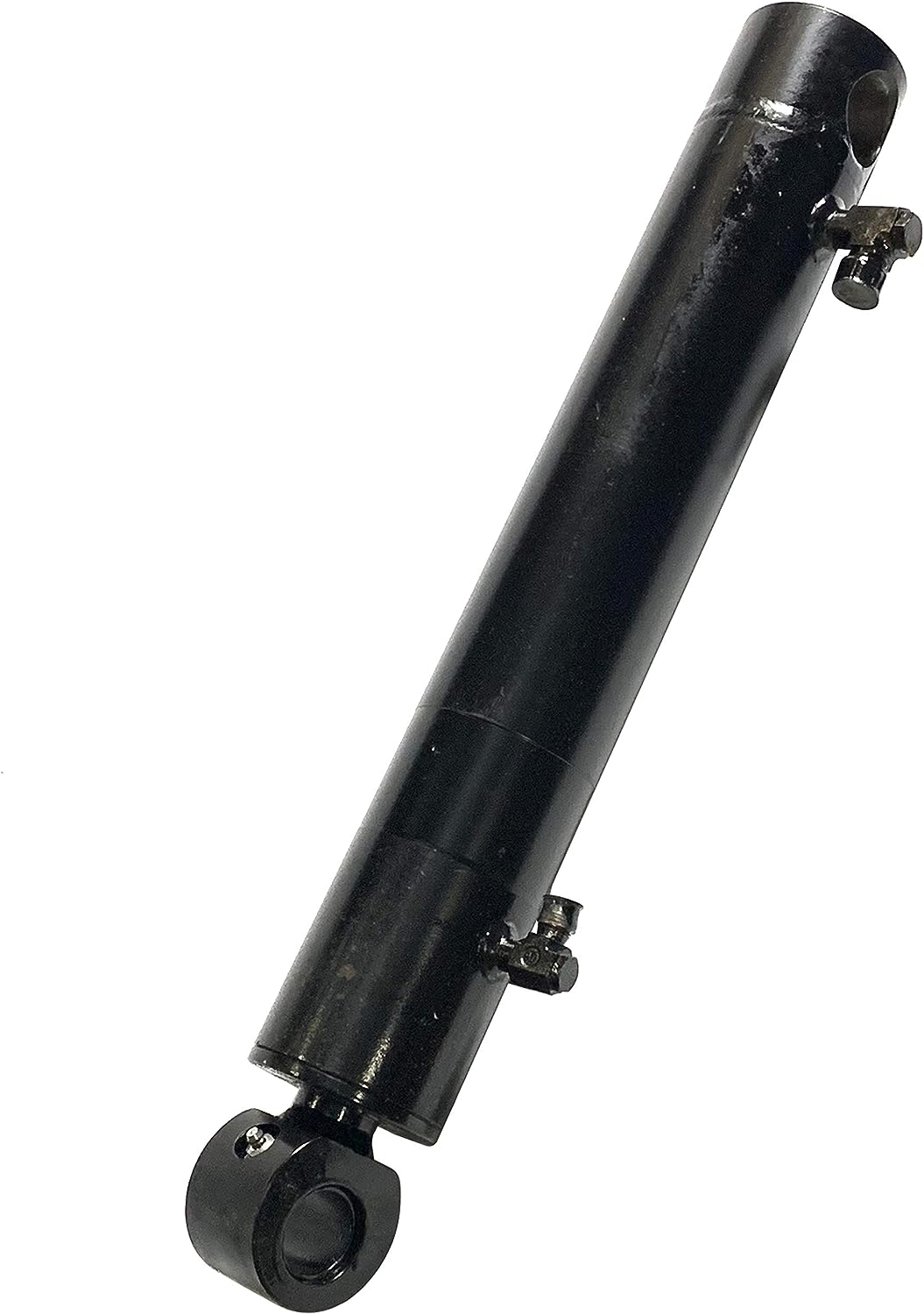
Can tilt cylinders be used in both mobile and stationary machinery?
Yes, tilt cylinders can be used in both mobile and stationary machinery. They are versatile components that find application in various types of equipment across different industries. Here’s a detailed explanation:
- Mobile Machinery: Tilt cylinders are commonly used in mobile machinery, such as construction equipment, agricultural machinery, mining vehicles, and forestry equipment. In these applications, tilt cylinders enable the adjustment of attachments or implements, allowing operators to achieve the desired angle or position. For example, in construction excavators, tilt cylinders enable the tilting of the bucket to precisely control the excavation or material handling process. The ability to tilt attachments enhances the versatility and performance of mobile machinery in different job site conditions.
- Stationary Machinery: Tilt cylinders are also utilized in stationary machinery, including industrial presses, material handling systems, hydraulic presses, and waste compactors. In these applications, tilt cylinders provide controlled tilting or positioning of components or workpieces. For instance, in industrial presses, tilt cylinders facilitate the tilting of the press bed or ram, enabling precise alignment and adjustment for various manufacturing processes. Stationary machinery benefits from tilt cylinders by enhancing operational efficiency, accuracy, and adaptability to different work requirements.
- Interchangeability: One of the advantages of tilt cylinders is their interchangeability between different types of machinery. Tilt cylinders are typically designed to be easily attached and detached, allowing for convenient installation and removal. This interchangeability enables equipment manufacturers and operators to utilize tilt cylinders across a range of machinery, providing flexibility and cost-effectiveness.
- Customization: Tilt cylinders can be customized to suit specific mobile or stationary machinery requirements. Manufacturers can design and manufacture tilt cylinders with varying force capacities, stroke lengths, mounting options, and other specifications to meet the unique needs of different equipment. This customization ensures optimal performance and compatibility with diverse machinery applications.
- Industry Applications: Tilt cylinders find applications in a wide range of industries, including construction, agriculture, mining, forestry, manufacturing, waste management, and more. Their versatility makes them suitable for different equipment types, such as excavators, loaders, dozers, cranes, presses, and compactors. Tilt cylinders contribute to improved functionality, productivity, and safety in these industries, irrespective of whether the machinery is mobile or stationary.
Therefore, tilt cylinders are adaptable components that can be used in both mobile and stationary machinery. Their versatility, interchangeability, customization options, and wide industry applications make them valuable for achieving controlled tilting and enhancing performance in various equipment types.
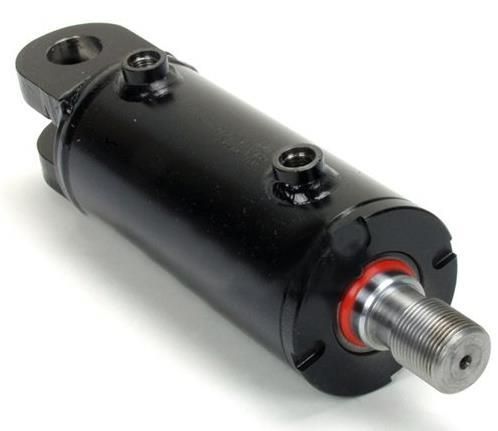
How does a tilt cylinder handle variations in equipment tilt and positioning?
A tilt cylinder is designed to handle variations in equipment tilt and positioning by incorporating specific features and mechanisms. These features allow the tilt cylinder to adapt to different angles and positions effectively. Here’s an explanation of how a tilt cylinder handles variations in equipment tilt and positioning:
- Range of Motion: Tilt cylinders are engineered to provide a wide range of motion. They can tilt or angle components within a specified range, allowing for various positions and angles. The range of motion is determined by the design and construction of the cylinder, as well as the attachment points on the equipment. This versatility enables the tilt cylinder to accommodate different tilting requirements and adapt to varying equipment positions.
- Control Valves: Tilt cylinders are equipped with control valves that enable precise control over the tilting movement. These valves regulate the flow and direction of hydraulic fluid, allowing operators to control the speed, extent, and direction of the tilt. By adjusting the control valves, operators can fine-tune the positioning of the equipment, compensating for variations in tilt and ensuring accurate alignment.
- Feedback Mechanisms: Some tilt cylinders incorporate feedback mechanisms such as limit switches or sensors. These mechanisms provide real-time feedback on the position and angle of the tilted component. By monitoring the feedback, operators can precisely adjust the tilt cylinder to compensate for variations in equipment tilt and positioning. This ensures that the component remains in the desired position and angle, enhancing operational efficiency and safety.
- Hydraulic System Control: The hydraulic system that powers the tilt cylinder plays a crucial role in handling variations in equipment tilt and positioning. The hydraulic system includes pressure regulators, flow control valves, and other components that allow operators to finely adjust the hydraulic pressure and flow. By manipulating the hydraulic system controls, operators can compensate for variations in equipment tilt and achieve the desired positioning with precision.
- Robust Construction: Tilt cylinders are built with robust materials and construction to withstand variations in equipment tilt and positioning. They are designed to handle high loads and resist external forces that may impact the tilting movement. The robust construction ensures the durability and stability of the tilt cylinder, enabling it to maintain consistent performance even in challenging operating conditions.
Overall, a combination of factors such as the range of motion, control valves, feedback mechanisms, hydraulic system control, and robust construction allows a tilt cylinder to handle variations in equipment tilt and positioning. These features work together to ensure precise control, adaptability, and stability, enabling the tilt cylinder to effectively handle different angles and positions of the equipment it is attached to.


editor by Dream 2024-12-02