Product Description
PRODUCT DESCRIPTION
New Design Small CHINAMFG Hydraulic Rotary Actuator Cylinder For Lift Aerial Work Platform
Product Parameters
WL10 | WL20 | WL30 | WL40 | WL50 |
2, 3, 6, 10, 16, 27 | 5, 9, 16, 27, 72 | 19, 28, 47, 73, 105, 140, 180, 240 | 28, 50, 67 |
|
180° 360° | 180° | 180° 360° | 220° | 110° 134° 180° |
Q:Front Flange | Q:Front Flange S:Double Flange | Q:Front Flange S:Double Flange Z:Shaft Output | H:Spindle |
|
H:Rear Flange | D:Foot M:Straddle | D:Foot H:Rear Flange Q:Front Flange G:Rail | Q:Front Flange | D:Foot |
Y:With Valve W:No Valve | Y:With Valve W:No Valve | Y:With Valve W:No Valve | Y:With Valve W:No Valve | Y:With Valve W:No Valve |
J:Standard D:Low Temp G:High Temp | J:Standard D:Low Temp G:High Temp | J:Standard D:Low Temp G:High Temp | J:Standard D:Low Temp G:High Temp | J:Standard D:Low Temp G:High Temp |
G:Imperial M:Metric D:Customized | G:Imperial M:Metric D:Customized | G:Imperial M:Metric D:Customized | G:Imperial M:Metric D:Customized | G:Imperial M:Metric D:Customized |
Interchangeability Chart
WEITAI | PARKER |
WL10 Series | Helac L10 |
WL20 Series | Helac L20 |
WL30 Series | Helac L30 |
WL40 Series | Helac T20/T30 |
WL50 Series | Customized |
* HKS and Moveco CHINAMFG solutions are available as wel
Company Profile
Weitai Hydraulic is 1 of China’s leading hydraulic suppliers, the earliest enterprise specializing in exporting mobile hydraulics. We are committed to providing excellent hydraulic products and services to both businesses and final consumers. Starting as a small OEM manufacturer of hydraulic cylinders, we grew into a global company specializing in research and development, production, and sales of high-end hydraulic parts. Hydraulic motors are 1 of our main products. In addition to our own factories, we are a shareholder of a top-quality hydraulic motor factory. All of our factories are ISO certified and all of our material suppliers have CE, RoHS, CSA and UL certificates. We don’t just manufacture our standard motors, but can also design and customize motors based on our customers’ requirements.
FAQ
Q1 How much do CHINAMFG rotary actuators cost?
Our prices are subject to change depending on order quantity, raw materials market fluctuactions, etc. We will send you an updated price list right after your company contacts us.
Q2 Do you have a minimum order quantity?
Yes, we require all international orders to have an ongoing minimum order quantity. Please contact us to learn more specific information.
Q3 Can you provide relevant documentation?
Yes, we are ready to provide all kinds of documents, including Certificate of Analysis/Certificate of Conformance, Insurance, Certificate of Origin, and others.
Q4 What is the average lead time?
For samples, the lead time is about 7 days. For mass production, the lead time is 20-30 days after receiving the deposit payment.
Q5 What kinds of payment methods do you accept?
You can make the payment to our bank account, Western Union or PayPal. 30% deposit in advance, 70% balance against the copy of B/L.
Q6 What is the product warranty?
1 year
| Certification: | ISO9001 |
|---|---|
| Working Method: | Rotary |
| Material: | Steel |
| Model: | Wl20 |
| Rotation: | 180°360° |
| Warranty: | 1 Year |
| Customization: | Available |
|
|---|
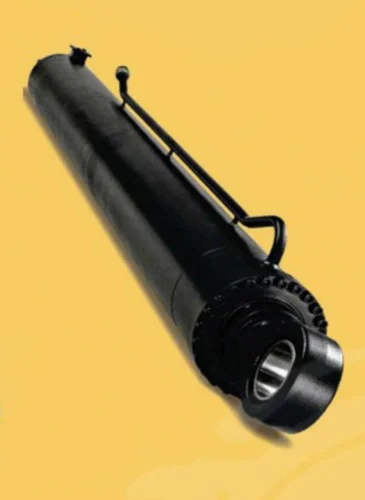
Can tilt cylinders be used in mining equipment for material transport?
Yes, tilt cylinders can be used in mining equipment for material transport. These cylinders play a crucial role in enhancing the functionality and efficiency of mining machinery involved in the movement of materials within mining operations. Here’s a detailed explanation:
- Bed Tilt Control: Tilt cylinders enable control over the tilt angle of the loading or hauling bed in mining equipment such as dump trucks, articulated trucks, and underground mining vehicles. By adjusting the tilt angle, operators can optimize the loading, dumping, and spreading of materials, improving the efficiency of material transport.
- Load Discharge: Tilt cylinders facilitate the discharge of materials from mining equipment. By tilting the bed or container, operators can unload the materials at the desired location, such as stockpiles or processing areas. The precise control provided by tilt cylinders ensures accurate and efficient material discharge, reducing the risk of spillage and improving overall productivity.
- Center of Gravity Management: Tilt cylinders help in managing the center of gravity of mining equipment during material transport. By adjusting the tilt angle, operators can optimize the distribution of weight and maintain stability, especially when navigating uneven or challenging terrains. This center of gravity management enhances safety and control during material transport operations.
- Material Flow Control: Tilt cylinders allow operators to control the flow of materials within mining equipment. By adjusting the tilt angle, they can regulate the rate at which materials are loaded, dumped, or spread. This control over material flow ensures efficient handling, minimizes material loss, and optimizes the utilization of mining equipment.
- Integration with Hydraulic Systems: Tilt cylinders are integrated with the hydraulic systems present in mining equipment. Hydraulic power is utilized to actuate the cylinders, providing the required force and control for bed or container tilt adjustment. The hydraulic system enables responsive and precise movement, allowing operators to position the materials accurately and efficiently.
- Robust Design: Tilt cylinders used in mining equipment are designed to withstand the harsh operating conditions encountered in mining environments. They are engineered to handle heavy loads, extreme temperatures, dust, and debris. The robust design ensures durability, reliability, and long service life, even in demanding mining applications.
Therefore, tilt cylinders can be effectively utilized in mining equipment for material transport. Whether it involves bed tilt control, load discharge, center of gravity management, material flow control, integration with hydraulic systems, or the robust design required for mining operations, tilt cylinders contribute to improving the efficiency, safety, and productivity of material transport within mining sites.
How does a tilt cylinder handle variations in cylinder size and capacity?
A tilt cylinder is designed to handle variations in cylinder size and capacity effectively. It is a versatile component that can accommodate different specifications to meet the specific requirements of various applications. Here’s a detailed explanation:
- Size Flexibility: Tilt cylinders are available in a range of sizes to accommodate different equipment configurations and operating conditions. Manufacturers offer cylinders with varying bore sizes, rod diameters, and stroke lengths. The size flexibility allows for proper integration with diverse machinery and ensures optimal performance based on the specific load and force requirements.
- Force Capacity: Tilt cylinders are designed to handle different force capacities. The force capacity of a cylinder depends on factors such as the hydraulic pressure, cylinder size, and piston area. Manufacturers provide tilt cylinders with varying force ratings, allowing operators to choose the appropriate cylinder based on the equipment’s load and the desired tilt angle adjustment force.
- Load-Bearing Capability: Tilt cylinders are engineered to handle the loads encountered in various applications. They are designed to withstand the forces exerted during equipment operation and maintain structural integrity. The load-bearing capability of a tilt cylinder is determined by factors such as the materials used, cylinder size, and design features. By selecting the appropriate cylinder size and capacity, operators can ensure that the tilt cylinder can handle the specific loads encountered in their application.
- Customization Options: Manufacturers offer customization options for tilt cylinders to cater to specific requirements. This customization includes the ability to adapt the cylinder’s size, capacity, and other parameters to meet the needs of the equipment and application. By collaborating with manufacturers, operators can obtain tilt cylinders that are tailored to their unique specifications, ensuring optimal performance and compatibility.
- Interchangeability: Tilt cylinders are designed to be interchangeable in many cases. Manufacturers often follow industry standards or provide compatible mounting options, allowing operators to replace or upgrade cylinders without significant modifications. This interchangeability simplifies maintenance and replacement processes, enabling operators to adapt the cylinder size and capacity as needed.
Therefore, a tilt cylinder handles variations in cylinder size and capacity through size flexibility, offering different force capacities, providing adequate load-bearing capability, offering customization options, and ensuring interchangeability. These features enable operators to select and install tilt cylinders that are suitable for their specific equipment and application requirements, enhancing the overall functionality and performance of the machinery.
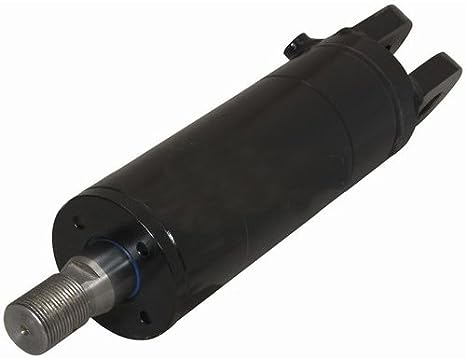
How does a tilt cylinder contribute to efficient and controlled tilting?
A tilt cylinder plays a crucial role in ensuring efficient and controlled tilting of heavy equipment. It incorporates several features and mechanisms that contribute to this functionality. Here’s a detailed explanation:
- Hydraulic Power: Tilt cylinders are typically powered by hydraulic systems, which provide the necessary force for tilting. Hydraulic power allows for smooth and controlled movement, enabling operators to precisely adjust the tilt angle of the equipment.
- Adjustable Force and Speed: Tilt cylinders offer adjustable force and speed, allowing operators to customize the tilting action based on the specific task or load requirements. By adjusting the hydraulic pressure or flow rate, operators can control the force exerted by the cylinder and the speed at which the tilting movement occurs. This flexibility ensures efficient and controlled tilting, regardless of the load or terrain conditions.
- Position Feedback: Many tilt cylinders incorporate position feedback mechanisms, such as position sensors or encoders, which provide real-time information about the cylinder’s tilt angle. This feedback enables precise positioning and control of the equipment, allowing operators to achieve the desired tilt angle accurately. It also ensures consistent and repeatable tilting performance, enhancing efficiency and productivity.
- Integrated Valves and Controls: Tilt cylinders often feature integrated valves and controls that enable operators to manipulate the tilting action conveniently. These valves regulate the flow of hydraulic fluid to the cylinder, allowing operators to control the direction and speed of the tilt. Integrated controls, such as joysticks or switches, provide intuitive operation and facilitate precise tilting adjustments.
- Stability and Load Management: Tilt cylinders are designed to maintain stability and manage loads during tilting operations. They are engineered to withstand the forces and stresses associated with heavy loads and dynamic movements. This ensures controlled tilting and minimizes the risk of instability or tipping, contributing to safe and efficient operation.
- Sealing and Lubrication: Tilt cylinders incorporate seals and lubrication systems to minimize friction and ensure smooth operation. Seals prevent leakage and contamination, maintaining the integrity of the hydraulic system. Proper lubrication of the cylinder’s moving parts reduces wear and tear, enabling efficient and controlled tilting over an extended period.
By leveraging hydraulic power, offering adjustable force and speed, providing position feedback, integrating valves and controls, ensuring stability and load management, and incorporating sealing and lubrication systems, tilt cylinders contribute to efficient and controlled tilting of heavy equipment. These features empower operators to perform tasks with precision, optimize productivity, and maintain safe working conditions.
What are the components and features of a tilt cylinder?
A tilt cylinder consists of several components and features that contribute to its functionality and performance. These components work together to enable controlled tilting or angling of components in heavy machinery. Here are the key components and features of a tilt cylinder:
- Cylinder Body: The cylinder body forms the main structure of the tilt cylinder. It houses the piston and provides support and stability during operation. The cylinder body is typically made of durable materials, such as steel, to withstand high loads and harsh operating conditions.
- Piston: The piston is a cylindrical component that divides the cylinder body into two chambers: the rod side and the head side. It is responsible for generating the necessary force to move the rod and perform the tilting action. The piston is sealed to prevent hydraulic fluid leakage between the chambers.
- Rod: The rod is attached to the piston and extends outside the cylinder body. It is connected to the component being tilted, such as a bucket or blade, in heavy machinery. The rod transfers the force generated by the piston to the attached component, causing the desired tilting movement.
- Hydraulic Seals: Hydraulic seals are critical components that ensure the proper functioning of the tilt cylinder. They prevent hydraulic fluid leakage and maintain the separation between the rod side and the head side of the cylinder. Common types of hydraulic seals used in tilt cylinders include piston seals, rod seals, and wiper seals.
- Hydraulic Fluid Ports: The tilt cylinder is connected to a hydraulic system through hydraulic fluid ports. These ports allow hydraulic fluid to enter and exit the cylinder, creating the necessary pressure and flow to control the tilting movement. The hydraulic fluid ports are typically equipped with fittings or connectors for secure attachment to the hydraulic system.
- Control Valves: Control valves play a crucial role in regulating the flow and pressure of hydraulic fluid within the tilt cylinder. They are part of the hydraulic system and allow the operator to control the speed, direction, and extent of the tilting movement. Control valves enable precise positioning and adjustment of the tilted component.
- Limit Switches or Sensors: Tilt cylinders may include limit switches or sensors to provide feedback on the position and angle of the tilted component. These safety features help prevent over-tilting or unintended movement, ensuring safe operation and protecting both the machinery and operators.
The features and components of a tilt cylinder are designed to withstand high loads, provide precise control, and ensure reliable and safe operation. The robust construction, hydraulic seals, hydraulic fluid ports, control valves, and safety features make tilt cylinders capable of performing controlled tilting actions in heavy machinery applications.
In summary, a tilt cylinder comprises key components such as the cylinder body, piston, rod, hydraulic seals, hydraulic fluid ports, control valves, and may incorporate safety features like limit switches or sensors. These components and features work together to enable the controlled tilting or angling of components, enhancing the versatility and functionality of heavy machinery.


editor by CX 2023-12-08