Product Description
PRODUCT DESCRIPTION
High-Efficiency L20-39-M-FT-180-S2-C-H Small Rotary Hydraulic Actuator Cylinder
Counterbalance Valve
Product Parameters
WL10 | WL20 | WL30 | WL40 | WL50 |
2, 3, 6, 10, 16, 27 | 5, 9, 16, 27, 72 | 19, 28, 47, 73, 105, 140, 180, 240 | 28, 50, 67 |
|
180° 360° | 180° | 180° 360° | 220° | 110° 134° 180° |
Q:Front Flange | Q:Front Flange S:Double Flange | Q:Front Flange S:Double Flange Z:Shaft Output | H:Spindle |
|
H:Rear Flange | D:Foot M:Straddle | D:Foot H:Rear Flange Q:Front Flange G:Rail | Q:Front Flange | D:Foot |
Y:With Valve W:No Valve | Y:With Valve W:No Valve | Y:With Valve W:No Valve | Y:With Valve W:No Valve | Y:With Valve W:No Valve |
J:Standard D:Low Temp G:High Temp | J:Standard D:Low Temp G:High Temp | J:Standard D:Low Temp G:High Temp | J:Standard D:Low Temp G:High Temp | J:Standard D:Low Temp G:High Temp |
G:Imperial M:Metric D:Customized | G:Imperial M:Metric D:Customized | G:Imperial M:Metric D:Customized | G:Imperial M:Metric D:Customized | G:Imperial M:Metric D:Customized |
Interchangeability Chart
WEITAI | PARKER |
WL10 Series | Helac L10 |
WL20 Series | Helac L20 |
WL30 Series | Helac L30 |
WL40 Series | Helac T20/T30 |
WL50 Series | Customized |
* HKS and Moveco CHINAMFG solutions are available as well
Company Profile
Weitai Hydraulic is 1 of China’s leading hydraulic suppliers, the earliest enterprise specializing in exporting mobile hydraulics. We are committed to providing excellent hydraulic products and services to both businesses and final consumers. Starting as a small OEM manufacturer of hydraulic cylinders, we grew into a global company specializing in research and development, production, and sales of high-end hydraulic parts. Hydraulic motors are 1 of our main products. In addition to our own factories, we are a shareholder of a top-quality hydraulic motor factory. All of our factories are ISO certified and all of our material suppliers have CE, RoHS, CSA and UL certificates. We don’t just manufacture our standard motors, but can also design and customize motors based on our customers’ requirements.
FAQ
Q1 How much do CHINAMFG rotary actuators cost?
Our prices are subject to change depending on order quantity, raw materials market fluctuactions, etc. We will send you an updated price list right after your company contacts us.
Q2 Do you have a minimum order quantity?
Yes, we require all international orders to have an ongoing minimum order quantity. Please contact us to learn more specific information.
Q3 Can you provide relevant documentation?
Yes, we are ready to provide all kinds of documents, including Certificate of Analysis/Certificate of Conformance, Insurance, Certificate of Origin, and others.
Q4 What is the average lead time?
For samples, the lead time is about 7 days. For mass production, the lead time is 20-30 days after receiving the deposit payment.
Q5 What kinds of payment methods do you accept?
You can make the payment to our bank account, Western Union or PayPal. 30% deposit in advance, 70% balance against the copy of B/L.
Q6 What is the product warranty?
1 year
| Certification: | ISO9001 |
|---|---|
| Working Method: | Rotary |
| Material: | Steel |
| Customization: | Available |
|
|---|
.shipping-cost-tm .tm-status-off{background: none;padding:0;color: #1470cc}
| Shipping Cost: Estimated freight per unit. | about shipping cost and estimated delivery time. |
|---|
| Payment Method: |
|
|---|---|
| Initial Payment Full Payment |
| Currency: | US$ |
|---|
| Return&refunds: | You can apply for a refund up to 30 days after receipt of the products. |
|---|
How does a tilt cylinder contribute to precise equipment positioning?
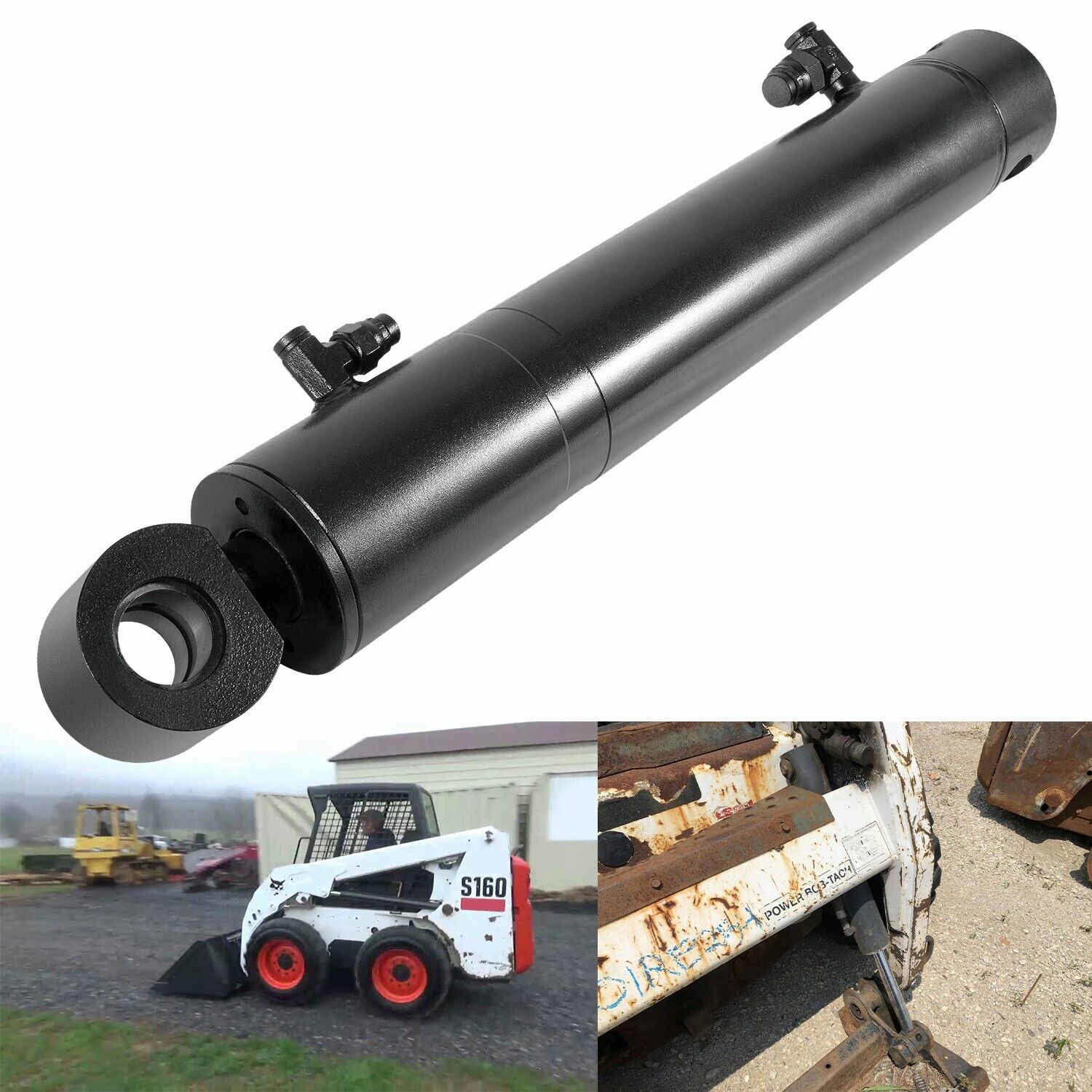
A tilt cylinder plays a crucial role in achieving precise equipment positioning. It provides the necessary force and control to adjust the tilt angle of the equipment, allowing operators to position it accurately for various tasks. Here’s a detailed explanation:
- Tilt Angle Adjustment: A tilt cylinder allows operators to adjust the tilt angle of the equipment. By actuating the cylinder, they can tilt the equipment forwards or backwards, facilitating precise positioning. The ability to fine-tune the tilt angle enables operators to align the equipment with specific targets or work areas, ensuring optimal accuracy and efficiency.
- Load Distribution: Precise equipment positioning is essential for maintaining proper load distribution. A tilt cylinder allows operators to adjust the tilt angle to distribute the load evenly across the equipment. This is especially important when handling uneven or imbalanced loads. By achieving precise positioning through tilt cylinder control, operators can optimize load distribution, minimize stress on the equipment, and enhance stability during operation.
- Contour Adaptation: In certain applications, such as land grading or earthmoving, precise equipment positioning is necessary to adapt to the contours of the terrain. A tilt cylinder enables operators to adjust the equipment’s tilt angle to match the slope or shape of the ground. This contour adaptation capability ensures consistent contact with the surface, promoting uniform grading or excavation and achieving the desired results with precision.
- Height Adjustment: Some tilt cylinders also allow for height adjustment in addition to tilt angle adjustment. By extending or retracting the cylinder, operators can raise or lower the equipment’s position. This height adjustment capability further enhances precise positioning, enabling operators to align the equipment at the desired elevation for specific tasks or working conditions.
- Integration with Control Systems: Tilt cylinders can be integrated with advanced control systems in modern equipment. These control systems may include electronic or hydraulic controls that allow for precise and automated tilt angle adjustments. By utilizing such systems, operators can achieve highly accurate and consistent equipment positioning, reducing human error and improving overall productivity.
- Operator Feedback: Tilt cylinders equipped with sensors or feedback mechanisms can provide real-time information to operators about the equipment’s tilt angle. This feedback allows operators to make precise adjustments and ensure accurate positioning. By continuously monitoring the tilt angle, operators can maintain the desired position during operation and make necessary corrections as needed.
Therefore, a tilt cylinder contributes significantly to precise equipment positioning by enabling tilt angle adjustment, load distribution optimization, contour adaptation, height adjustment, integration with control systems, and operator feedback. These capabilities enhance the accuracy, efficiency, and versatility of equipment in various industries, including construction, material handling, agriculture, and more.
Can tilt cylinders be repaired or replaced when damaged?
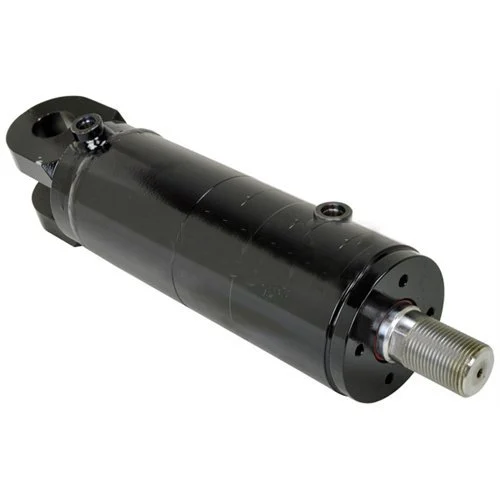
Yes, tilt cylinders can be repaired or replaced when damaged. Repairing or replacing damaged tilt cylinders is a common practice to restore functionality and ensure safe operation of machinery and equipment. Here’s a detailed explanation:
- Repair: In many cases, tilt cylinders can be repaired when they sustain damage. The extent of the damage and the availability of replacement parts are factors that determine the feasibility of repair. Skilled technicians or hydraulic specialists can assess the damage and perform repairs, which may involve replacing seals, rods, or other damaged components. Repairing a tilt cylinder can be a cost-effective solution compared to replacing the entire cylinder.
- Replacement: If the tilt cylinder is severely damaged, worn beyond repair, or if the necessary replacement parts are unavailable, replacement may be necessary. Tilt cylinders are typically designed for easy removal and replacement. The damaged cylinder can be disconnected from the equipment and replaced with a new or refurbished one. Replacement cylinders should be compatible with the equipment’s specifications and operating requirements.
- Professional Assistance: Repairing or replacing tilt cylinders often requires specialized knowledge and skills. It is recommended to seek professional assistance from hydraulic technicians or authorized service providers who possess expertise in hydraulic system repairs. They can accurately diagnose the issue, recommend the appropriate course of action, and ensure that the repaired or replaced tilt cylinder meets the necessary specifications and safety standards.
- Maintenance Practices: Regular maintenance practices, such as routine inspections, cleaning, and lubrication, can help prevent extensive damage to tilt cylinders. Timely identification and resolution of minor issues can prolong the life of the cylinder and reduce the likelihood of major damage. Following manufacturer guidelines for maintenance and usage can contribute to the longevity and reliability of tilt cylinders.
- Quality Replacement Parts: When replacing damaged tilt cylinders, it is important to use high-quality replacement parts. Genuine parts or components recommended by the original equipment manufacturer (OEM) ensure compatibility and optimal performance. Using substandard or incompatible parts may compromise the functionality and safety of the equipment.
Whether through repair or replacement, addressing damaged tilt cylinders is crucial for maintaining the efficiency, safety, and longevity of machinery and equipment. Regular maintenance and prompt action in addressing any damage or wear can help extend the lifespan of tilt cylinders and ensure the smooth operation of hydraulic systems.
How does a tilt cylinder differ from other types of hydraulic cylinders?
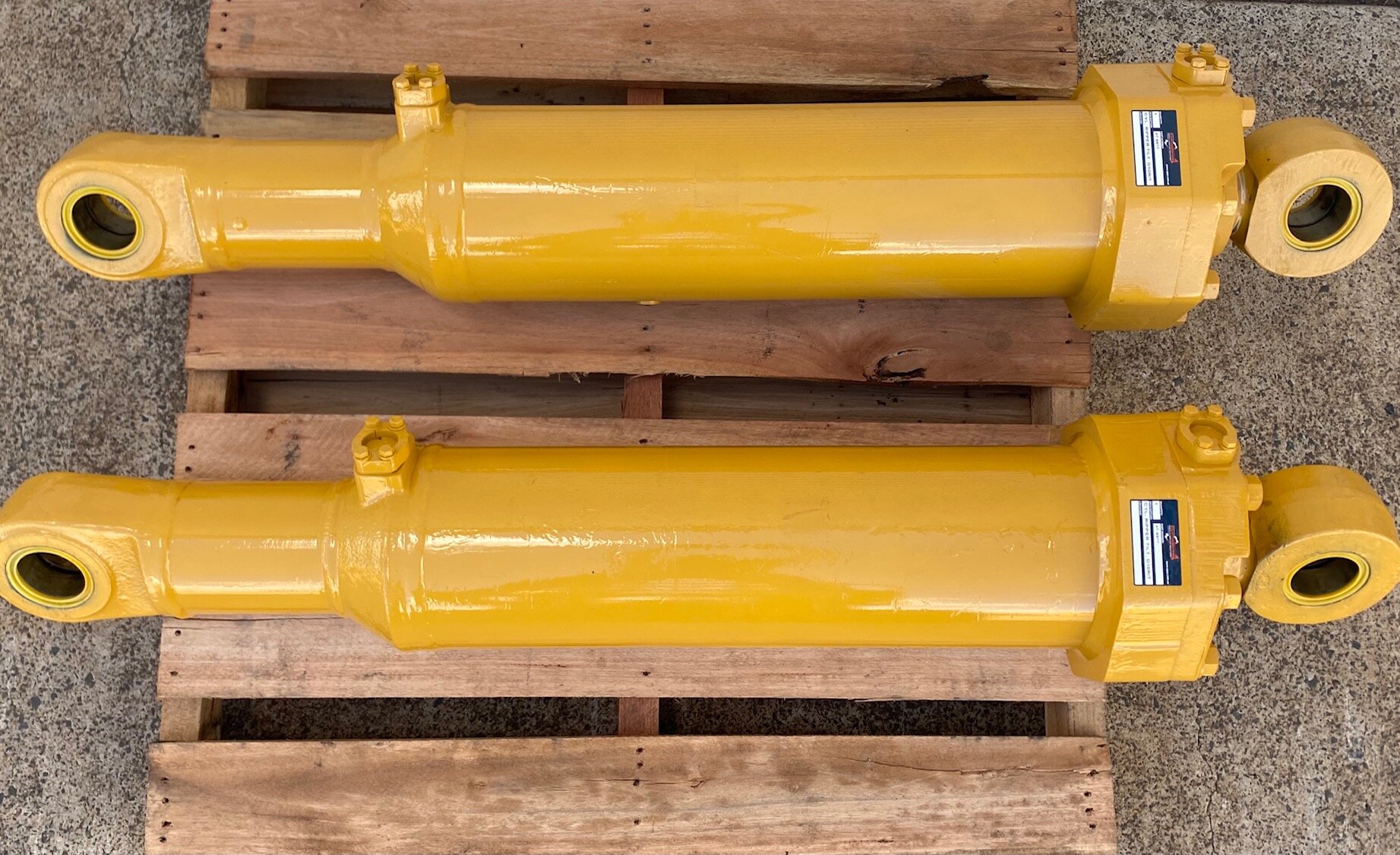
A tilt cylinder has specific characteristics and functionalities that differentiate it from other types of hydraulic cylinders. While hydraulic cylinders serve various purposes in different applications, here are the key ways in which a tilt cylinder differs:
- Tilting Functionality: The primary distinction of a tilt cylinder is its ability to provide controlled tilting or angling of components. Unlike other hydraulic cylinders that primarily focus on linear motion, a tilt cylinder is specifically designed to enable angular movement. It allows for the adjustment of the working angle of attachments, such as buckets or blades, in heavy machinery.
- Mounting Orientation: Tilt cylinders are typically mounted in a horizontal or near-horizontal orientation, allowing for effective tilting movement. In contrast, other hydraulic cylinders may be mounted vertically, horizontally, or at various angles depending on their specific application requirements.
- Range of Motion: While other hydraulic cylinders may have a limited range of motion, typically in the form of extending or retracting the piston rod, a tilt cylinder offers a broader range of motion. It allows for continuous and controlled tilting action within a specific angular range, providing flexibility and adaptability in heavy machinery operations.
- Control Mechanisms: Tilt cylinders often require specialized control mechanisms to regulate the tilting movement accurately. Hydraulic systems controlling tilt cylinders incorporate valves, pressure regulators, and other components specifically designed for precise control of the angular motion. In contrast, other hydraulic cylinders may utilize different control mechanisms tailored to their particular linear motion requirements.
- Application-Specific Design: Tilt cylinders are engineered to meet the specific demands of heavy machinery applications that involve tilting or angling of components. They are designed to withstand high loads, provide precise control, and ensure reliable performance in challenging work environments. Other types of hydraulic cylinders, such as single-acting, double-acting, telescopic, or differential cylinders, are designed for different purposes and may have distinct structural and functional features.
While tilt cylinders share the fundamental principles of hydraulic cylinders, their specialization in tilting functionality sets them apart from other types of hydraulic cylinders. The unique design, mounting orientation, range of motion, control mechanisms, and application-specific characteristics make tilt cylinders suitable for tasks that require controlled angular movement in heavy machinery applications.
In conclusion, a tilt cylinder differs from other types of hydraulic cylinders through its dedicated focus on providing controlled tilting functionality, specialized design, and specific mounting orientation. These distinctions enable tilt cylinders to fulfill the unique requirements of heavy machinery applications involving angular adjustments and enhance the versatility and performance of the equipment.


editor by CX 2023-11-24