
Tilt Cylinder for Film and Stage Equipment
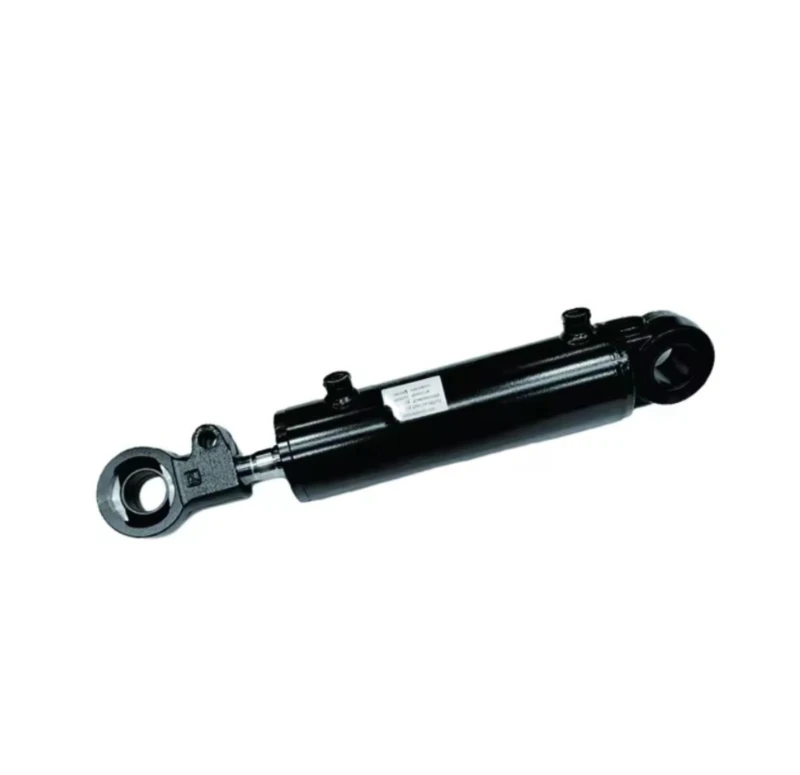
Tilt cylinders are an essential component in the film and stage equipment industry. They play a crucial role in the proper functioning of heavy-duty equipment used in film and stage productions. In this article, we will discuss everything you need to know about tilt cylinders, including their working principle, selection criteria, and installation process.
What Are Tilt Cylinders?
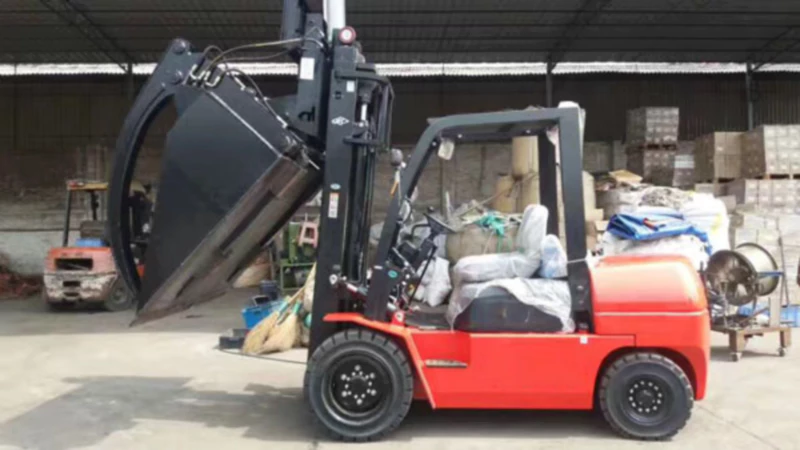
Tilt cylinders are hydraulic cylinders used to provide tilting motion to heavy-duty equipment. They are typically used in construction machinery, agricultural equipment, and industrial equipment to facilitate the tilting of buckets, blades, and other attachments. In film and stage equipment, tilt cylinders are used in various applications, including camera cranes, lighting rigs, and stage sets, to ensure smooth, precise, and controlled tilting movements.
Applications of Tilt Cylinders in Film and Stage Equipment
Tilt cylinders are widely used in film and stage equipment to facilitate the tilting of various heavy-duty equipment, including camera cranes, lighting rigs, and stage sets. The following are some of the applications of tilt cylinders in film and stage equipment:
- Camera cranes
- Lighting rigs
- Stage sets
- Lifting platforms
- Scenic elements
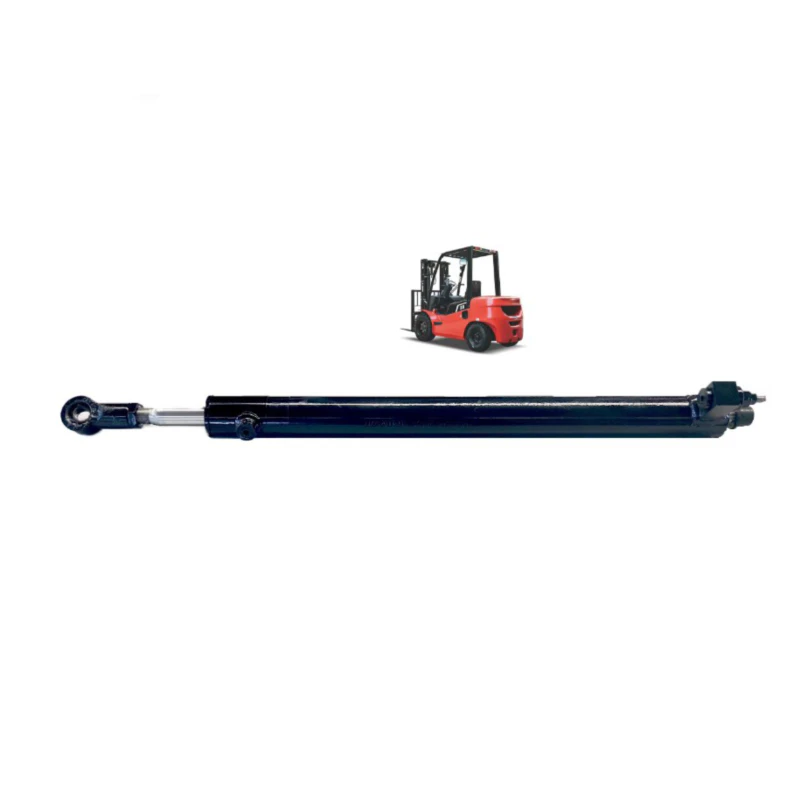
Working Principle of Tilt Cylinders
Tilt cylinders work on the principle of hydraulic power. They consist of a cylinder barrel, a piston, and a rod. The piston is mounted inside the cylinder barrel and is connected to the rod. When hydraulic fluid is pumped into the cylinder barrel, it pushes the piston, which in turn pushes the rod. This motion results in the tilting of the attached equipment.
Selection Criteria for Tilt Cylinders
The selection of an appropriate tilt cylinder depends on various factors, including the weight of the attached equipment, the operating conditions, and the required tilting angle. The following are some of the selection criteria for tilt cylinders:
- Capacity
- Stroke length
- Operating pressure range
- Mounting style
- Sealing system
Installation Process of Tilt Cylinders
The installation of tilt cylinders requires careful consideration of the equipment specifications and the installation environment. The following are the general steps involved in the installation of tilt cylinders:
- Identify the mounting location
- Mount the cylinder securely
- Connect the hydraulic hoses
- Fill the hydraulic fluid
- Test the system for leaks and proper functioning
About Our Company
We are a leading manufacturer of hydraulic cylinders for various industrial applications, including tilt cylinders for film and stage equipment. With over 15 years of experience in the design, production, and sales of hydraulic cylinders, we have established ourselves as a reputed and reliable supplier of high-quality products. Our hydraulic cylinders are widely used in the construction, agriculture, mining, aerospace, automotive, and material handling industries, among others.
Our company’s mission is to provide our customers with the best quality products, services, and prices. We have a team of experienced and skilled professionals who are dedicated to delivering the highest quality products and services to our customers. We use advanced production equipment and testing equipment to ensure that our products meet the highest standards of quality and performance.
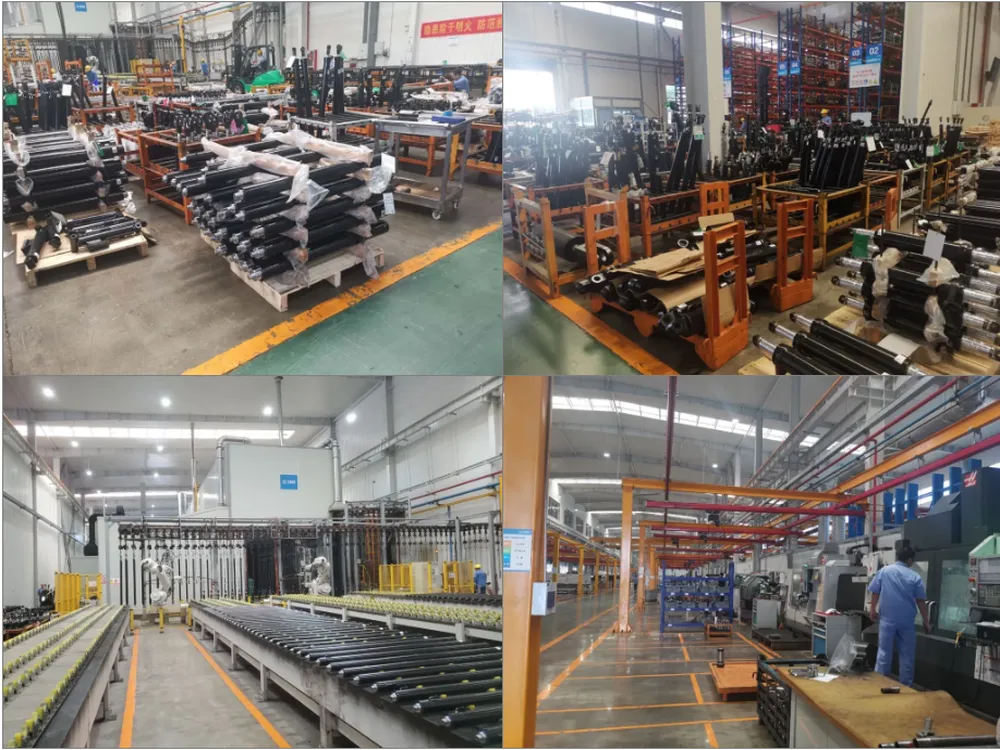
Our company has successfully served customers in Europe, America, Africa, and Asia, and we strive to provide our customers with the best possible solutions for their hydraulic cylinder requirements. Whether you need tilt cylinders for film and stage equipment or any other industrial application, we have the expertise and resources to meet your needs.
For more information about our products and services, please contact us today.
Advantages of Tilt Cylinders for Film and Stage Equipment
Tilt cylinders offer several advantages for film and stage equipment applications, including:
- Precise and controlled tilting movements
- Improved safety and efficiency
- Reduced operator fatigue and injury risk
- Increased productivity and output
- Enhanced equipment durability and lifespan
Edited by Czh.