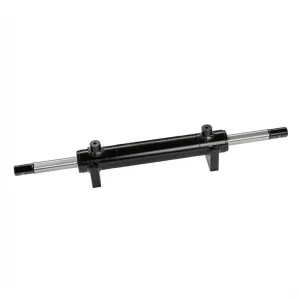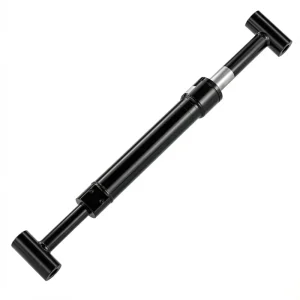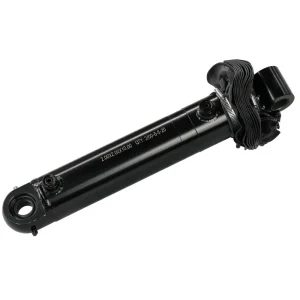
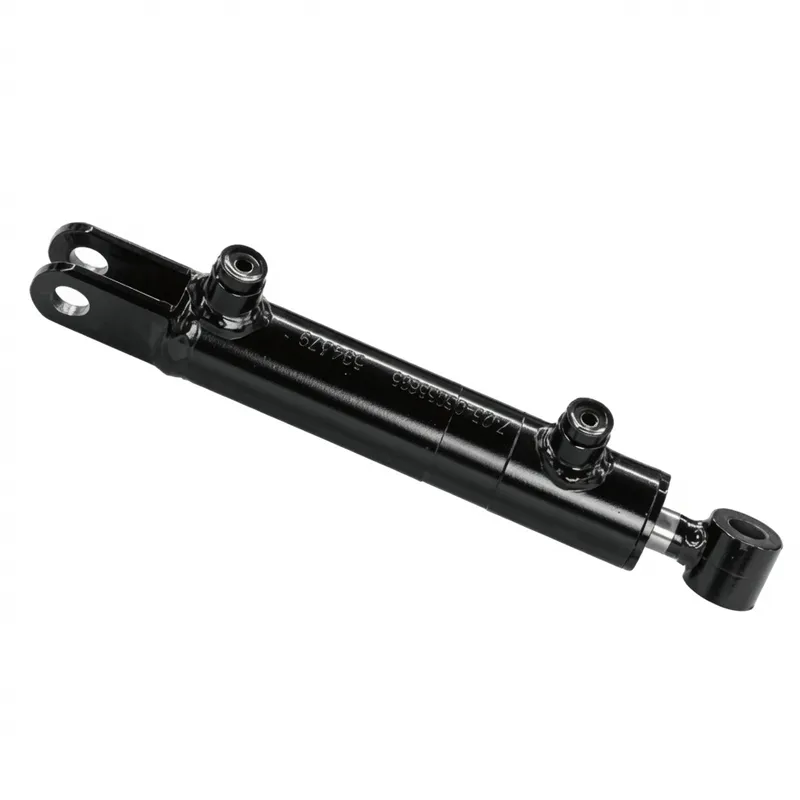
EP-Φ40×Φ20×125 Aerial Work Vehicle Steering Cylinder
The EP-Φ40×Φ20×125 Aerial Work Vehicle Steering Cylinder designed for precision steering in confined chassis spaces, it features a Φ40 mm bore, Φ20 mm rod, and a 125 mm stroke, with a center-to-center installation distance of 400 mm.
Rated for a working pressure of 20 MPa and a maximum withstand pressure of 30 MPa, this cylinder meets the 1.5x safety factor required by EN 280 standards. Weighing only 2.8 kg, it is light enough for single-technician handling during field maintenance. The unit is equipped with two G1/4 hydraulic ports and features a flat plate mount on the cap end with two Φ22 mm holes for secure integration. Built with a hard chrome-plated piston rod and NBR/FKM seals, it ensures reliable performance and durability in demanding construction and infrastructure maintenance environments.
EP-Φ40×Φ20×125 Aerial Work Vehicle Steering Cylinder
Compact High-Pressure Double Acting Hydraulic Steering Cylinder for Aerial Work Platforms and Elevated Work Vehicles
1. Technical Specifications — HCYY11112004 Aerial Steering Cylinder
All dimensions in millimeters unless stated. Thread specifications to ISO 228 (G-series BSP parallel). Pressure data verified per ISO 10100 hydraulic cylinder acceptance test protocol.
| Parameter | Specification | Notes |
|---|---|---|
| Cylinder Model | HCYY11112004 | Aerial work vehicle steering cylinder; double acting |
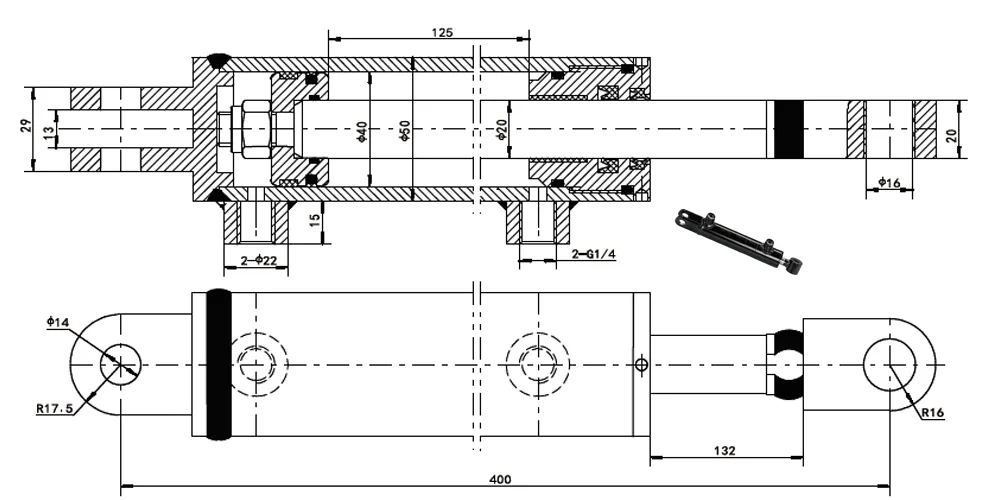
| Specifications (Bore × Rod × Stroke) | Φ40 × Φ20 × 125 mm | Bore dia. 40 mm; Rod dia. 20 mm; Stroke 125 mm |
| Working Pressure | 20 MPa | Normal operating pressure in aerial vehicle hydraulic steering circuit |
| Maximum Withstand Pressure | 30 MPa | 1.5× safety factor above working pressure; compliant with EN 280 |
| Stroke (Trip) | 125 mm | Full extension travel of piston rod from retracted position |
| Installation Distance | 400 mm | Centre-to-centre mounting distance (cap end mount to rod end pin) |
| Weight | 2.8 kg | Approximate; within ±0.2 kg depending on port fittings |
| Hydraulic Ports | 2 × G1/4 (BSP parallel) | ISO 228 G-thread; one cap-side, one rod-side; 2 ports total |
| Cap End Mount Holes | 2 × Φ22 mm | Flat-plate mount end; 15 mm plate thickness |
| Cap End Flange Dimensions | Φ14 pilot; R17.5 mm corner radius | Flat plate mount bracket interface |
| Rod End Pin Hole | Φ16 mm; R16 mm clevis radius | Clevis-type rod end; accepts Φ16 mm steering linkage pin |
| Sub-dimension (Rod End to Centre) | 132 mm | Distance from rod end clevis centre to body reference point |
| Bore Diameter | Φ40 mm (H8 tolerance) | Honed bore; surface finish Ra ≤ 0.4 µm |
| Piston Rod Diameter | Φ20 mm (h6 tolerance) | Hard chrome plated; Ra ≤ 0.2 µm surface finish |
| Seal Compound | NBR (standard) / FKM (option) | Compatible with ISO VG 46/68 hydraulic oil; FKM for -40°C operation |
| Operating Temperature | -20°C to +80°C (NBR) | FKM option extends range to -40°C for alpine construction sites |
2. About Our Φ40×Φ20×125 Steering Cylinder
The EP-Φ40×Φ20×125 is a precision-engineered steering cylinder developed specifically for the demanding directional control requirements of aerial work vehicles — including self-propelled boom lifts, scissor lifts, articulating aerial platforms, and elevated work trucks deployed across French infrastructure maintenance, construction, and industrial servicing operations. Unlike general-purpose hydraulic cylinders, this unit is dimensioned and pressure-rated for the compact installation envelopes and elevated working pressures characteristic of aerial work platform chassis, where the combined constraints of vehicle compactness, rated working height, and maximum rated load impose tighter engineering parameters than ground-level material handling equipment faces.
With a 40 mm bore diameter and 20 mm rod diameter, this hydraulic steering cylinder operates within the compact geometry that aerial vehicle undercarriage steering linkages allow, while delivering the steering force authority needed for vehicles operating on sloped surfaces and uneven terrain — conditions frequently encountered at French construction sites, bridge maintenance operations, and power line servicing corridors. The 20 MPa working pressure, with a 30 MPa maximum withstand pressure providing a 1.5× safety factor, reflects the higher system pressures common in aerial work vehicle hydraulic circuits compared to warehouse forklift systems, because aerial platforms must generate significant steering force at the relatively small cylinder diameters that fit within their compact chassis frames.
The 125 mm stroke and 400 mm installation distance between mounting pin centres are matched to the steer axle geometry of standard compact aerial work platform chassis in the 9 to 20 metre working height class — the most widely deployed category in French urban maintenance and construction markets. At 2.8 kg, this cylinder is light enough for a single technician to handle during steering cylinder assembly or replacement without mechanical assistance, which is practically important given that aerial platform maintenance is often performed in field conditions away from workshop facilities, at customer sites across France's diverse geography from Paris urban environments through rural agricultural areas.
3. Five Key Product Advantages
The 30 MPa maximum withstand pressure specification exceeds the 20 MPa working pressure by 50%, providing a pressure safety factor fully consistent with the requirements of EN 280 (European standard for mobile elevating work platforms) and ISO 11210. Aerial work vehicles subject working hydraulic circuits to unpredictable pressure transients — from rapid steering corrections at maximum reach, emergency stops on slopes, and terrain-induced loading — that demand this safety margin to prevent cylinder failure under worst-case combined loading scenarios. For French aerial equipment operators subject to the Code du travail's strict equipment safety provisions, this pressure rating confirms compliance with the structural requirements that apply to elevating platform hydraulic actuation systems.
The 40 mm bore diameter allows this hydraulic steering cylinder to fit within the narrow frame rails and axle housing envelopes of compact aerial work platforms — a dimension that cannot simply be increased for higher force output without modifying the entire chassis frame. The 20 mm rod diameter is correctly proportioned for the bore size, providing adequate buckling resistance for the 125 mm stroke without excessive rod cross-section that would reduce the cap-side effective area disproportionately. This bore-rod ratio is specifically suited to the bidirectional force requirement of aerial vehicle steering, where left-turn and right-turn forces are similar in magnitude but the rod-side to cap-side area ratio must fall within a specific range to achieve balanced steering feel.
The two G1/4 hydraulic ports (British Standard Pipe parallel thread, consistent with ISO 228) are a universal standard in compact hydraulic circuits used across European aerial work platform manufacturers. This port specification is compatible with standard hydraulic hose end fittings and bite-type connectors without adaptor fittings, simplifying replacement installation across the wide variety of aerial platform brands operating in the French market — Haulotte (the major French manufacturer based in Saint-Héand), Manitou, JLG, Genie, and Skyjack all design their compact aerial hydraulic circuits around this port standard. Eliminating adaptors reduces the number of potential leak points in the steering circuit, which is a maintenance quality consideration in aerial platform hydraulic systems.
At 2.8 kg, this replacement steering cylinder sits comfortably below the 5 kg threshold that European manual handling ergonomics guidelines recommend for one-handed overhead installation tasks, and well below the 15 kg guideline for awkward-position two-handed lifts under the Directive 90/269/EEC on manual handling. This weight allows aerial equipment technicians to carry and install the cylinder without mechanical assistance during field service calls at French construction sites, highway maintenance depots, and utility service facilities where workshop lifting equipment is typically unavailable. Minimizing the physical burden of the replacement task also reduces the risk of installation errors caused by technician fatigue during extended-reach cylinder positioning work.
The cap-end flat mount plate with 2-Φ22 mm mounting holes and the rod-end clevis eye (R16 radius, Φ16 mm pin hole) are machined from forged steel, providing the strength and toughness required for the dynamic steering loads transferred through these mounting points during vehicle maneuvers. Forged ends have substantially higher fatigue strength than cast or fabricated equivalents — an important property at the mounting interface, which experiences high-cycle loading as the steering system cycles through repeated directional changes during aerial platform repositioning operations. The flat-mount cap end integrates cleanly with the flat plate mounting brackets common in compact aerial platform chassis designs, and the dimensions align with standard steering linkage pin specifications used across the main aerial equipment platforms deployed in France.
4. Working Principle of the Aerial Work Vehicle Steering Cylinder
The EP-Φ40×Φ20×125 functions as a double acting hydraulic steering cylinder — a classification that distinguishes it from single acting cylinders by its ability to generate active hydraulic force in both the extension and retraction directions. In the aerial work vehicle steering circuit, this cylinder is connected between the vehicle chassis and the steer wheel axle pivot or tie rod assembly. The hydraulic circuit supplies pressurized fluid from the vehicle's hydraulic pump to either the cap-side port or the rod-side port depending on the direction of steering input commanded by the operator at the platform controls or ground controls.
When the operator selects a left turn, the control valve directs fluid at up to 20 MPa working pressure into the cap-side port, acting on the full bore cross-section (π×20² = 1,257 mm² effective area at 40 mm bore). The hydraulic force produced is approximately 25.1 kN at full working pressure — sufficient to overcome the steer axle lateral force and the tire scrub resistance at the ground contact point. Simultaneously, fluid returns from the rod-side port back to the reservoir. For a right turn, the valve routing reverses: cap-side becomes the return and rod-side receives pressure, acting on the annular area (π/4×(40²-20²) = 942 mm²), producing approximately 18.8 kN retraction force. The difference in force between extension and retraction is inherent to all double acting cylinder designs with a solid rod — the rod-side area is reduced by the rod cross-section — and aerial work vehicle steering circuit designs account for this asymmetry in their pressure relief valve settings and linkage geometry.
The 125 mm stroke translates the linear cylinder movement into the rotational angle required at the steer wheel pivot. Because the steer axle on compact aerial platforms typically pivots about a kingpin or stub axle, the relationship between cylinder stroke and steering angle is determined by the linkage arm length. A 125 mm stroke at a 200 mm arm length, for example, produces approximately 38 degrees of steering angle — a typical lock-to-lock range for compact aerial work platforms. The 400 mm installation distance constrains the cylinder's physical mounting geometry within the chassis frame, and both parameters — stroke and installation distance — must match the original equipment specification for correct replacement fitment.
5. Materials and Construction
The EP-Φ40×Φ20×125 steering cylinder uses a material specification appropriate for its role as a safety-critical component in aerial work vehicle hydraulic systems subject to French and European regulations governing mobile elevating work platforms. The cylinder barrel is produced from seamless cold-drawn hydraulic cylinder tube to EN 10305-1 or equivalent specification, with a honed bore to H8 tolerance and a surface finish of Ra ≤ 0.4 micrometers. This surface finish specification is critical at the small bore diameter of 40 mm: inadequate surface finish on a small-diameter bore produces disproportionately high seal contact stresses and accelerated seal wear compared to the same roughness on a larger bore. The precision honing process creates the slightly directional surface texture that supports a consistent hydrodynamic lubrication film across the seal contact zone during piston movement.
The 20 mm piston rod is machined from 42CrMo4 alloy steel (EN 10083) or equivalent, heat treated to achieve a core tensile strength of 900–1100 MPa — providing the bending and fatigue resistance needed for the rod's relatively high length-to-diameter ratio (6.25:1) in the extended position when buckling resistance is at its minimum. After final turning and grinding to h6 tolerance, the rod receives a hard chrome plating of approximately 0.020–0.040 mm thickness, ground and polished to Ra ≤ 0.2 μm. This chrome surface resists corrosion from the moisture exposure common at French outdoor construction and infrastructure maintenance sites — where aerial platforms are routinely used in rain and high-humidity conditions — and provides the hardness (HV ≥ 800) that resists scoring from particulate contamination in the hydraulic fluid.
Both the cap-end flat mount plate and the rod-end clevis eye are produced from forged steel, providing superior fatigue strength compared to cast alternatives at these critical load introduction points. The flat mount plate, with its 2-Φ22 mm mounting holes and 15 mm plate thickness, transfers the full steering reaction force into the vehicle chassis through four contact surfaces — the mounting bolt shanks through the oversized holes. Forged steel at this joint ensures that the cyclic loading from thousands of steering cycles during the aerial vehicle's service life does not initiate fatigue cracks at the stress concentrations around the hole edges. The steel housing body receives a black paint or electrocoat surface treatment for corrosion protection compatible with the outdoor operating environments of aerial work vehicles across France's varied climate regions.
6. Application Scenarios
The EP-Φ40×Φ20×125 power steering cylinder serves the directional control requirements of aerial work vehicles across a broad range of industries and operational environments in France and Europe. Its compact dimensions, elevated working pressure, and lightweight construction make it particularly suited to the following deployment scenarios.
French construction sites — particularly in the residential and commercial building sectors concentrated around Paris, Lyon, Marseille, and the Grand Est industrial region — deploy large numbers of compact self-propelled scissor and boom lifts for facade work, structural steelwork, and MEP installation at heights from 6 to 20 metres. These machines operate on sloped concrete forms and rough ground surfaces that impose significant side forces on the steer axle during positioning. The 20 MPa hydraulic steering cylinder working pressure provides the steering authority needed to position the vehicle precisely even on sloped surfaces within the typical 25% gradient rating of compact aerial platforms, without overloading the steering pump or creating excessive heat in the hydraulic circuit during repeated positioning cycles.
French road maintenance authorities (Direction interdépartementale des Routes) and motorway operators use truck-mounted and self-propelled aerial platforms for overhead sign maintenance, bridge inspection, lighting column servicing, and crash barrier installation. These operations require frequent repositioning of the aerial vehicle along road corridors where precise directional control — including slow-speed steering during lane occupancy — is critical for worker safety and traffic management compliance. The steering cylinder for sale in this specification provides the compact size needed to fit truck-mounted aerial base units while delivering the pressure capability required for the heavier steering forces of truck-chassis-mounted steering axles.
French telecommunications operators (Orange, SFR, Bouygues Télécom infrastructure teams) and electricity distribution companies (Enedis, RTE) operate aerial work vehicles extensively for antenna mounting, cable stringing, and transformer maintenance. These vehicles typically work from public roads and private access tracks with varying surface conditions, where the aerial platform's ability to steer precisely to the work position determines how much manual repositioning is needed between access points. The replacement steering cylinder for these vehicles must be available with short lead times to minimize downtime on planned maintenance contracts where access windows are coordinated with traffic management authorities and work permits have defined validity periods.
French airports — Charles de Gaulle, Orly, Lyon-Saint Exupéry, Nice Côte d'Azur — deploy compact aerial work platforms on aircraft aprons for fuselage inspection, antenna maintenance, and airside lighting column servicing. Airport ground service environments impose additional requirements: the hydraulic systems on apron-use aerial platforms must comply with DGAC (Direction Générale de l'Aviation Civile) ramp safety requirements and must not leak hydraulic fluid onto aircraft surfaces or runway surfaces where contamination would create hazards. The hydraulic steering cylinder sealing quality and material cleanliness are accordingly specified to these higher standards for airport-deployed aerial vehicles.
French manufacturing plants, logistics warehouses, and commercial facilities use electric-powered compact scissor lifts for lighting maintenance, HVAC servicing, overhead crane inspection, and mezzanine structural work. Indoor aerial platforms operate on smooth concrete floors where precise steering allows the platform to be positioned without floor contact damage, and the absence of outdoor weather protection makes the cylinder's seal integrity the primary reliability determinant rather than external corrosion resistance. For indoor electric aerial platforms, the hydraulic steering assist cylinder must be sized for the low-viscosity hydraulic fluids (ISO VG 32 is common in indoor electric aerial platforms to reduce pump drive losses) while maintaining sealing performance across the temperature range from initial morning startup to steady-state afternoon operation.
7. Regulatory Standards — France, EU, and International
EN 280 is the primary European standard for mobile elevating work platforms (MEWPs), specifying design, calculation, stability, and safety requirements including hydraulic system design criteria. The standard requires that hydraulic cylinders used in safety-relevant positions (including steering) be proof-tested to 1.5 times the working pressure — consistent with this cylinder's 30 MPa maximum withstand pressure at 20 MPa working pressure. French aerial platform operators and maintenance companies must ensure that replacement components on EN 280-compliant platforms maintain the design safety factors specified by the original equipment manufacturer.
The Arrêté du 1er mars 2004 relatif aux vérifications des appareils et accessoires de levage requires periodic inspection of mobile elevating work platforms by qualified personnel. Aerial platforms in France must undergo annual technical inspection (vérification générale périodique) and quarterly visual safety inspection. The steering system, including the hydraulic steering cylinder assembly and linkages, is a Category A safety-critical system that must be specifically verified for integrity, leakage, and response at each periodic inspection. Replacement parts used in these systems should be traceable to their technical specification.
Aerial work vehicles placed on the EU market must carry CE marking under the Machinery Directive, confirming conformity with essential health and safety requirements covering hydraulic systems, stability, and control reliability. Replacement hydraulic cylinder components used in CE-marked aerial platforms must maintain the technical parameters — pressure rating, dimensional compatibility, and material specification — that the original equipment designer relied upon to demonstrate conformity. Using non-conforming replacement parts may invalidate the platform's CE certification and create liability for the operator under French workplace safety law.
ISO 4413 governs the design, manufacture, and maintenance of hydraulic systems including cylinders, hoses, valves, and fittings in all industrial applications including aerial work vehicles. The standard requires hydraulic components to be pressure-rated with appropriate safety factors, clearly marked with identification data, and maintained according to documented service intervals. For the aerial vehicle steering cylinder kit application specifically, ISO 4413's provisions on fluid cleanliness (NAS 1638 cleanliness levels for system flushing after cylinder replacement) are particularly relevant because contaminated fluid is the primary cause of premature seal and bore wear in small-bore steering cylinders.
The European Manual Handling Directive and its French transposition (Décret n° 92-958) establish guidance values for manual lifting and carrying in the workplace. The 2.8 kg weight of this steering cylinder is well within the maximum permitted manual handling weights for most maintenance tasks, supporting compliance with these ergonomic guidelines during field replacement operations by aerial equipment service technicians. This is a practical consideration for service companies managing large fleets of aerial platforms across France where cylinder replacement must be performed efficiently in the field.
8. Compatible Hydraulic System Products
A complete aerial work vehicle hydraulic system integrates multiple cylinder types and a pump station that must be matched for pressure rating and fluid compatibility. We supply the full range of aerial and industrial hydraulic cylinders for one-stop procurement.
Our range of tilt cylinders operates within the same hydraulic circuit that supplies the steering cylinder, providing the mast or platform inclination function in forklift and aerial vehicle applications. Compatible pressure ratings and G-thread port specifications ensure system-level compatibility when sourcing both the steering and tilt cylinders from our product range. For aerial vehicle applications, the tilt cylinder controls the basket level compensation function on articulating boom lifts, working alongside the steering circuit from the same hydraulic power unit.
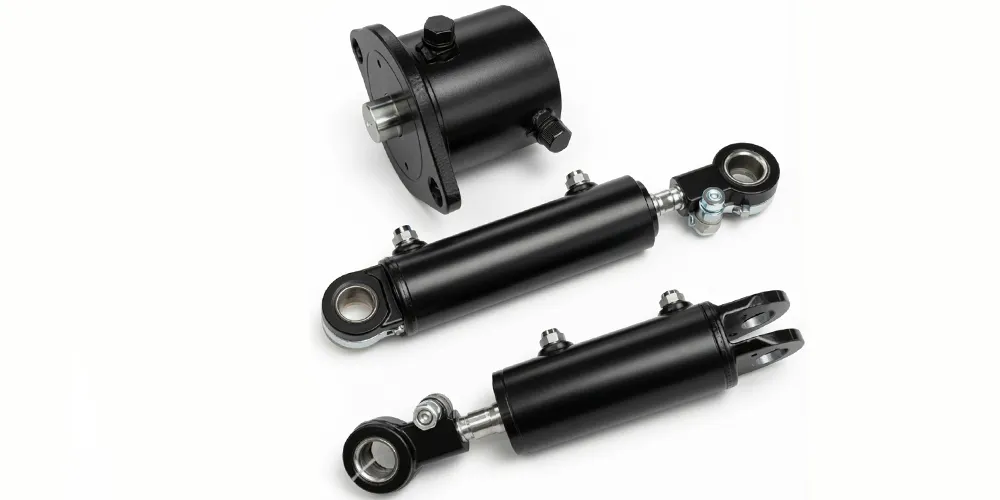
The forklift lifting cylinder range complements the steering cylinder product line, providing the primary vertical motion actuator for industrial vehicle hydraulic systems. Available across a range of bore diameters and stroke lengths appropriate for forklifts from 1.5 to 8 tonnes, these cylinders are manufactured to the same quality standards — honed bore, chrome rod, forged end attachments — as the aerial steering cylinder. For maintenance companies managing mixed fleets of aerial platforms and counterbalanced forklifts, sourcing both cylinder types from our range simplifies procurement, documentation, and technical support.
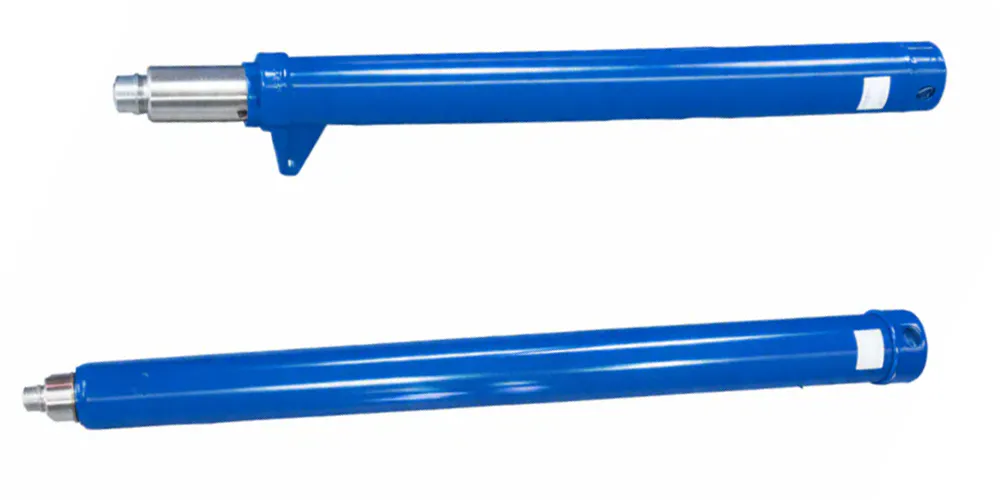
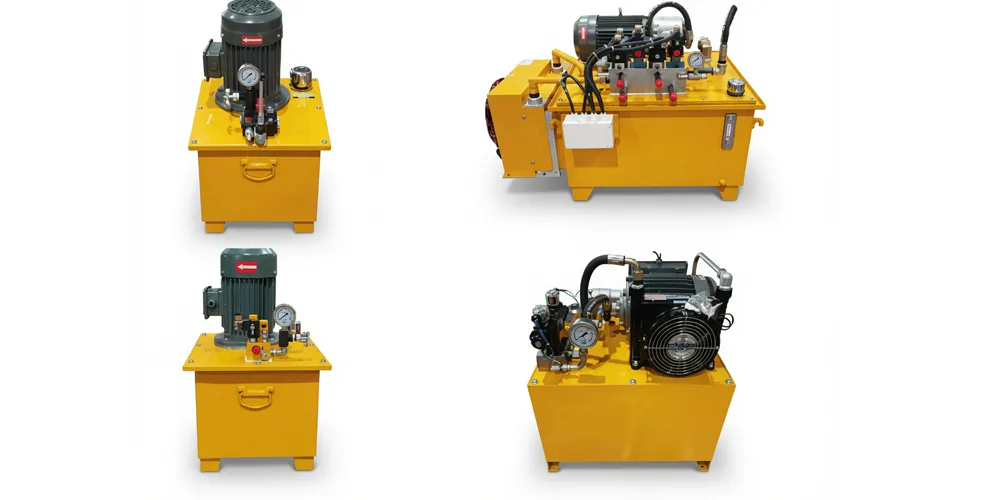
A compatible hydraulic pump station supplies the pressure and flow required by the combined steering, lifting, and tilt cylinder demands of the aerial work vehicle hydraulic circuit. Correct pump station specification — delivery pressure matched to the 20 MPa steering cylinder working pressure, flow rate matched to the cylinder volume and required steering cycle speed — is essential for correct steering response. We supply pump stations with verified system compatibility to the steering cylinder specifications, eliminating the mismatch risk that can cause inadequate steering response or excessive cycle times in replacement hydraulic units.
9. About Us
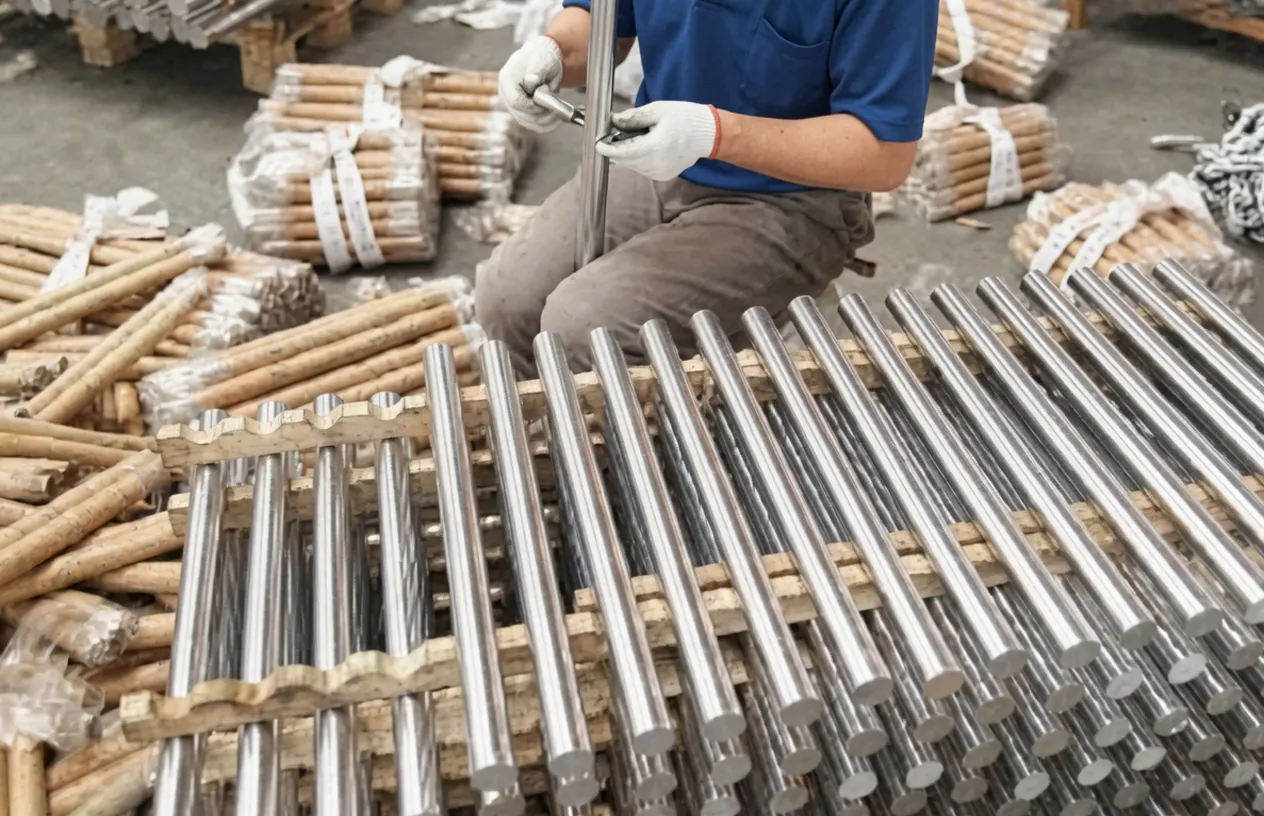
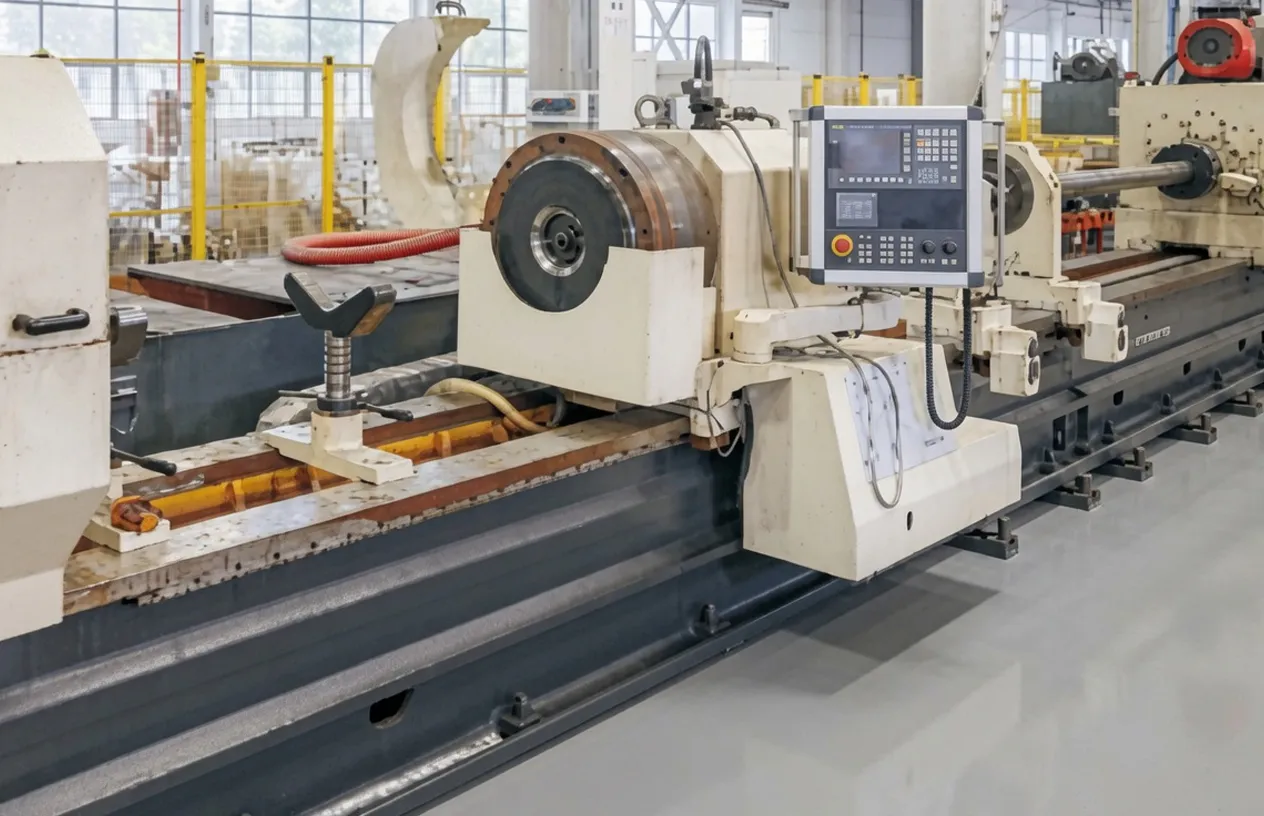
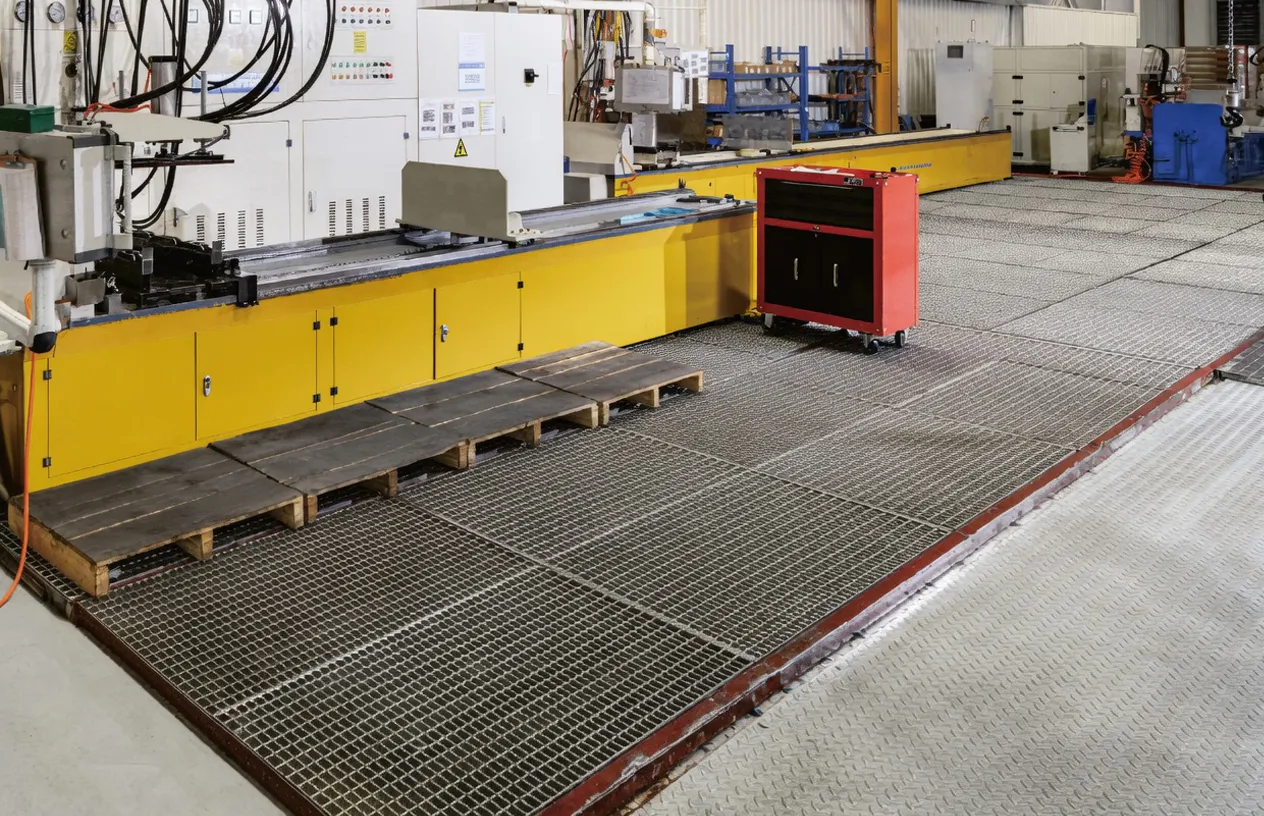
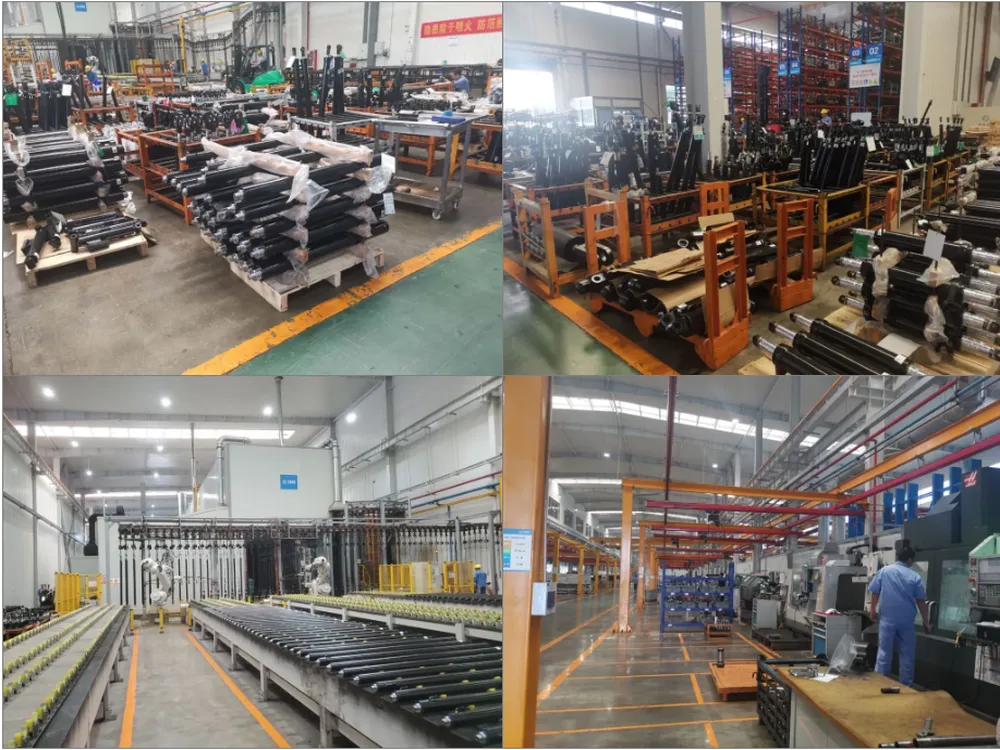
We are a specialized steering cylinder manufacturer's operation with engineering depth across the complete range of industrial hydraulic actuators — aerial work vehicle steering cylinders, forklift lifting and tilt cylinders, industrial double acting hydraulic cylinders, single acting cylinders, telescopic cylinders, and custom-engineered hydraulic actuators for OEM equipment builders. Our production facility operates CNC honing machines, cylindrical grinding equipment, chrome plating and polishing lines, and hydraulic cylinder testing benches that verify pressure integrity and seal leakage on every completed unit before dispatch. ISO 9001 quality management certification covers the complete manufacturing process from material receipt through final acceptance testing.
WorkShop
Frequently Asked Questions
Editor: PXY