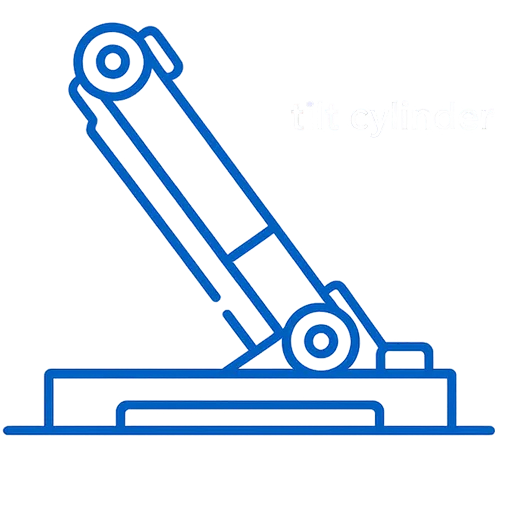
Tilt Cylinder in Power Line Installation
Power line installation requires specialized equipment to ensure safe and efficient operations. One crucial component in this process is the tilt cylinder, which plays a vital role in controlling the movement and positioning of heavy machinery. In this blog post, we will explore the importance of tilt cylinders in power line installation and discuss their advantages, working principles, and how to select the right tilt cylinder for the application.
The Importance of Tilt Cylinder in Power Line Installation
1. Precise Equipment Positioning
The tilt cylinder allows for precise control of the equipment’s tilt angle, enabling workers to position heavy machinery accurately during power line installation. This level of precision is essential to ensure the safe and efficient completion of the project.
2. Enhanced Stability and Safety
Tilt cylinders provide stability to heavy machinery, preventing potential accidents and ensuring the safety of workers involved in power line installation. The cylinders’ robust construction and reliable functionality contribute to a secure working environment.
3. Efficient Equipment Operation
By utilizing tilt cylinders, operators can efficiently adjust the equipment’s tilt angle, allowing for optimal working positions during power line installation. This efficiency leads to improved productivity and reduced downtime.
4. Versatile Applications
Tilt cylinders find wide applications in power line installation, including lifting and positioning equipment such as cranes, excavators, and aerial platforms. Their adaptability and versatility make them indispensable in various stages of the installation process.
5. Increased Durability and Longevity
Tilt cylinders are designed and manufactured with high-quality materials and advanced production techniques, ensuring their durability and longevity in demanding power line installation environments. This longevity reduces maintenance costs and enhances overall operational efficiency.
Working Principles of Tilt Cylinder
Tilt cylinders operate based on hydraulic principles. They consist of a hydraulic piston enclosed in a cylinder. When hydraulic pressure is applied to one side of the piston, it pushes against the load, causing the equipment to tilt. By controlling the hydraulic pressure, operators can precisely adjust the tilt angle of the machinery during power line installation.
How to Select the Right Tilt Cylinder for Power Line Installation
1. Load Capacity
Consider the weight of the equipment and the maximum load it will handle during power line installation. Choose a tilt cylinder with a load capacity that exceeds these requirements to ensure safe and reliable operation.
2. Operating Pressure
Determine the required hydraulic pressure for the equipment and select a tilt cylinder that can handle this pressure effectively. Operating within the recommended pressure range ensures optimal performance and longevity.
3. Mounting Configuration
Consider the mounting configuration of the tilt cylinder and ensure it is compatible with the equipment’s structure. Proper alignment and installation are crucial to ensure smooth operations and prevent premature wear or damage.
4. Stroke Length
Evaluate the required stroke length, which is the distance the tilt cylinder can extend and retract. Choose a cylinder with a stroke length suitable for the specific power line installation tasks to achieve the desired equipment movements.
5. Environmental Factors
Power line installation often takes place in challenging environments, such as extreme temperatures, vibrations, or exposure to corrosive substances. Select a tilt cylinder that is designed to withstand these conditions and maintain optimal performance throughout the project.
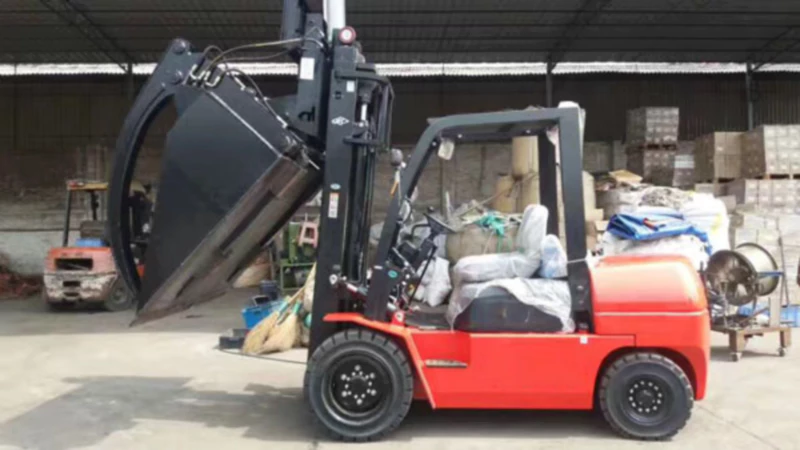
Installation of Tilt Cylinder
The installation of a tilt cylinder involves several steps:
1. Prepare the Equipment
Ensure the equipment is stable and properly supported before installing the tilt cylinder. Follow the manufacturer’s instructions for disconnecting any hydraulic lines or components that may interfere with the installation process.
2. Align the Cylinder
Align the tilt cylinder with the designated mounting points on the equipment. Use appropriate tools and techniques to ensure precise alignment, taking into account any necessary adjustments for the specific power line installation requirements.
3. Secure the Cylinder
Once aligned, secure the tilt cylinder firmly to the equipment using the recommended mounting hardware. Ensure all connections are tight and properly torqued to prevent any potential leaks or malfunctions during operation.
4. Connect Hydraulic Lines
Reconnect the hydraulic lines to the tilt cylinder, following the manufacturer’s guidelines for proper connection and routing. Pay attention to any recommended torque values or sealing requirements to ensure reliable hydraulic performance.
5. Test and Inspect
After installation, thoroughly test the tilt cylinder’s functionality by operating the equipment through its full range of motion. Inspect all connections, seals, and fittings for any signs of leaks or abnormalities, and address any issues before proceeding with power line installation tasks.
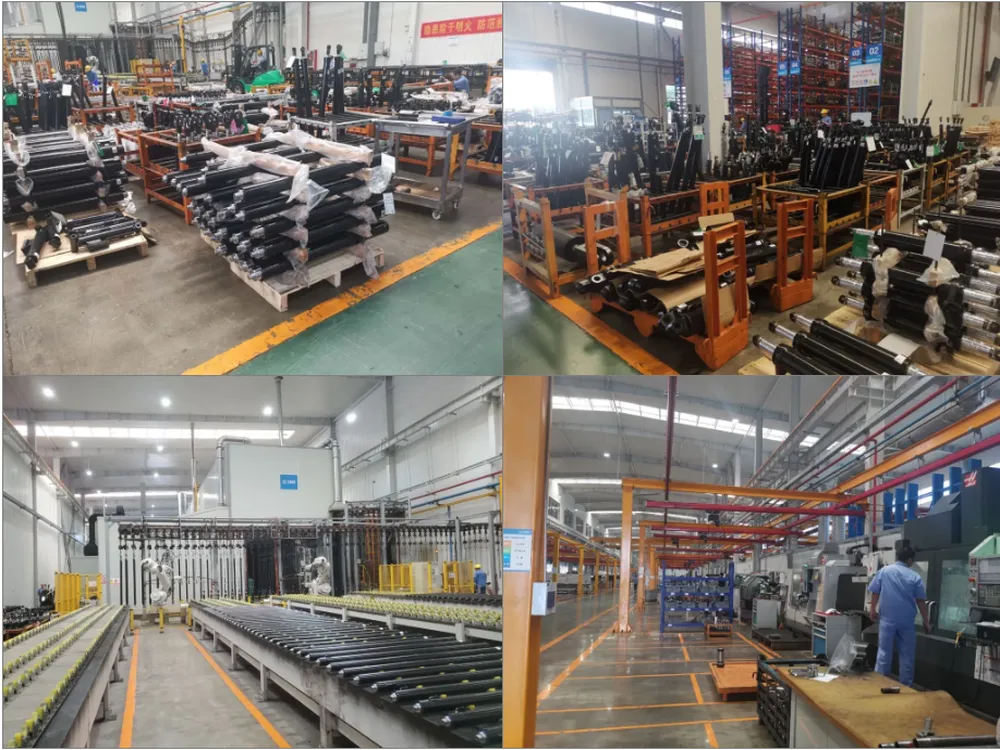
In conclusion, tilt cylinders are essential components in power line installation, offering precise equipment positioning, enhanced stability, and efficient operation. With their versatile applications, durability, and adaptability to various environments, tilt cylinders contribute to safer and more productive power line installation projects. When selecting a tilt cylinder, consider factors such as load capacity, operating pressure, mounting configuration, stroke length, and environmental suitability to ensure optimal performance. Our company is a leading manufacturer of hydraulic cylinders, including tilt cylinders, with over 15 years of experience serving clients globally. We are committed to delivering high-quality products, innovative solutions, and exceptional customer service. Our extensive product range caters to diverse industries, including power line installation, and our reputation for excellence makes us a trusted partner in the market. Contact us today to learn more about our tilt cylinders and explore how our hydraulic solutions can meet your specific needs.
Edited by Czh.