Tilt Cylinder in Green Building Practices
Introduction
Green building practices are gaining popularity in the construction industry. Such practices focus on creating environmentally responsible and resource-efficient buildings. One way to achieve these goals is by using tilt cylinders in construction equipment. This article will explore the use of tilt cylinders in green building practices, their advantages, working principles, and how to choose the right cylinder.
What is a Tilt Cylinder?
A tilt cylinder is a hydraulic component that controls the angle of an attachment on construction equipment such as excavators, bulldozers, and backhoes. The cylinder enables the attachment to change its angle, allowing the machine to perform various tasks such as grading, digging, and material handling.
Advantages of Tilt Cylinder in Green Building Practices
- Reduced Material Waste: Tilt cylinders assist in precise grading and digging, ensuring that materials are used efficiently and in the right amounts, reducing material waste.
- Increased Efficiency: Tilt cylinders enable construction equipment to work in tight spaces and on uneven terrain, increasing the efficiency of the machine and reducing the need for additional equipment.
- Cost Savings: Tilt cylinders can reduce the cost of construction equipment by reducing the need for additional attachments and equipment.
- Improved Safety: Tilt cylinders can improve safety on construction sites by allowing equipment to operate on slopes safely and without the risk of tipping over.
- Environmental Benefits: Green building practices aim to reduce the environmental impact of construction. Tilt cylinders help achieve this goal by reducing material waste, increasing efficiency, and reducing the need for additional equipment.
Working Principle of Tilt Cylinder
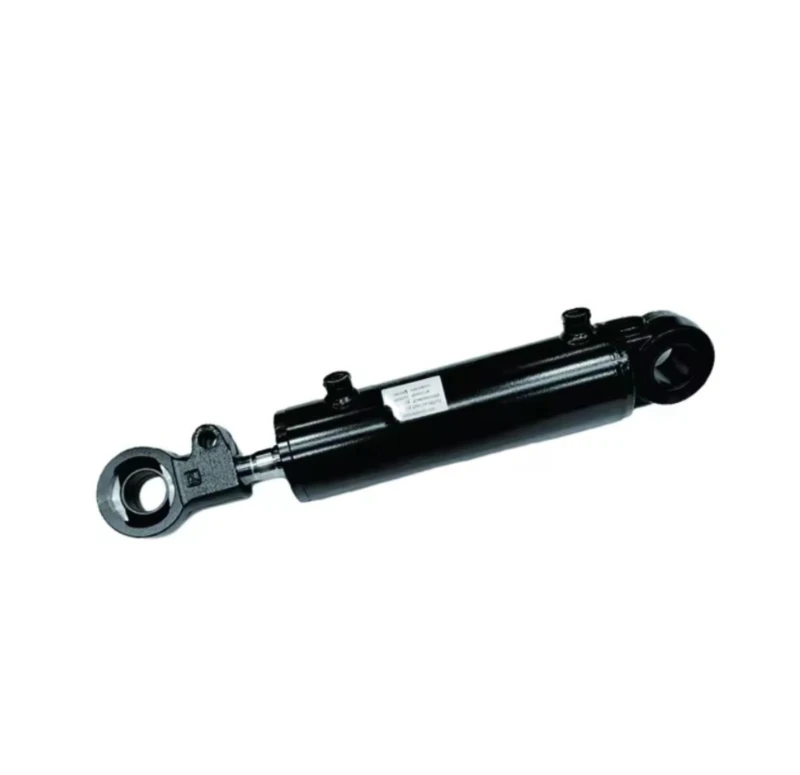
Tilt cylinders work by converting hydraulic pressure into linear force and motion. The cylinder consists of a barrel, a piston, and two ports for hydraulic fluid. When hydraulic fluid is pumped into one of the ports, it pushes the piston in one direction, causing the attachment to tilt. Reversing the flow of hydraulic fluid causes the attachment to tilt in the opposite direction.
Choosing the Right Tilt Cylinder for Your Application
- Working Load: The working load of the cylinder should match the weight of the attachment it is controlling.
- Cylinder Stroke: The cylinder stroke should be long enough to provide the required tilt angle for the attachment.
- Operating Pressure: The operating pressure of the cylinder should match the pressure of the hydraulic system in the equipment.
- Cylinder Mounting: The cylinder mounting should be compatible with the equipment and attachment it is controlling.
- Environmental Conditions: The cylinder should be designed to withstand the environmental conditions of the construction site.
Installation of Tilt Cylinder
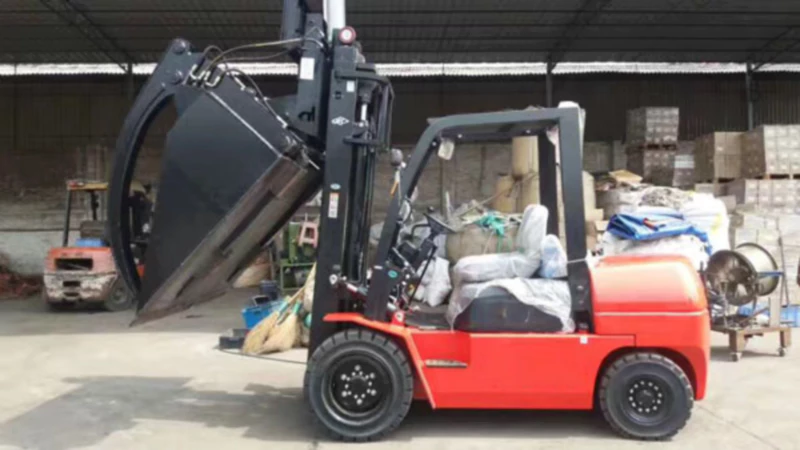
The installation of tilt cylinders should be done by a professional who is knowledgeable about hydraulic systems. The cylinder should be mounted securely, and all hoses and fittings should be inspected for leaks and damage before operation.
Our Company
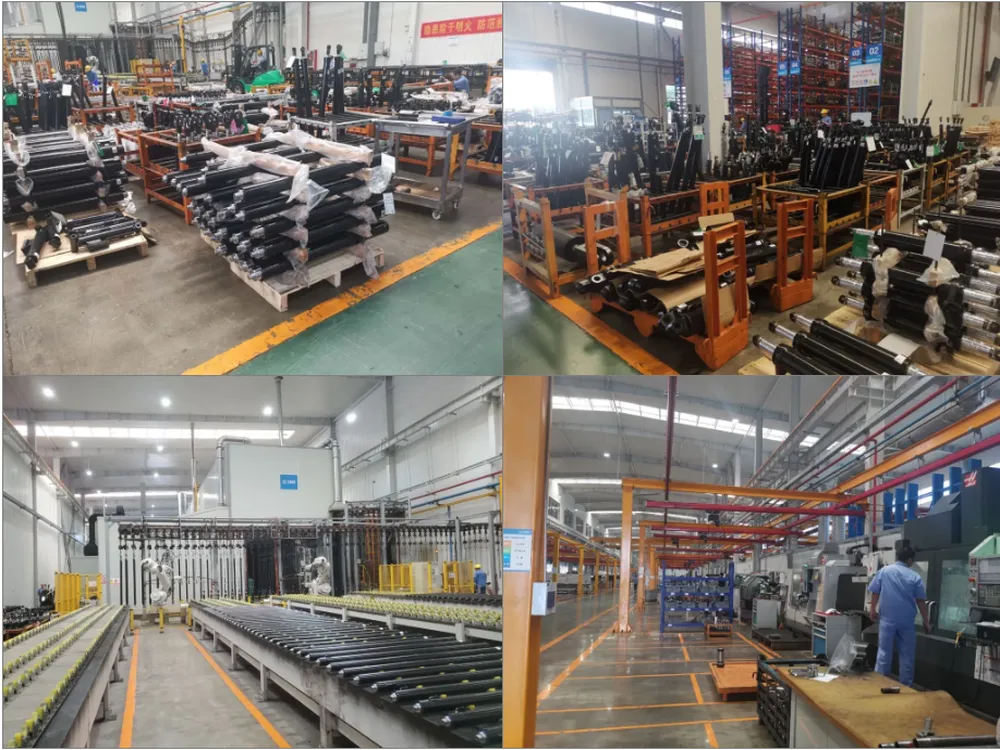
Our company is a comprehensive manufacturer of hydraulic cylinders, providing R&D, manufacturing, and sales services. We have over 15 years of experience in the design, production, and sales of tilt cylinders, serving clients in Europe, America, Africa, and Asia and receiving market acclaim. Our mission and vision have been consistent over the years. We have introduced advanced production and testing equipment and hired industry professionals for innovative research and development and manufacturing. We strictly control every aspect of tilt cylinder production using standardized production management methods to provide clients with high-quality, efficient, and stable production results. Our main products include tilt cylinders, boom cylinders, forklift tilt cylinders, steering cylinders, small hydraulic cylinders, and hydraulic pistons, widely used in the construction, agricultural, mining, aerospace, automotive, shipping, and material handling industries, and we are trusted by customers.
In conclusion, tilt cylinders play an essential role in green building practices. The advantages of using tilt cylinders in construction equipment include reduced material waste, increased efficiency, cost savings, improved safety, and environmental benefits. To achieve these benefits, the right cylinder should be selected based on factors such as working load, cylinder stroke, operating pressure, cylinder mounting, and environmental conditions. Our company provides high-quality tilt cylinders, and our experience and expertise ensure that we can meet the needs of our clients efficiently and effectively. Choose our tilt cylinders for your construction needs and see the difference for yourself.
Edited by Czh