
Описание продукта
Products Description
Product Name | HSG Series Hydraulic Cylinder | |||
Work Press | 7/14/16/21/31.5MPa 37.5/63MPa Can be Customized | |||
Material | Aluminum,Cast Iron,45mnb Steel,Stainless Steel | |||
Bore Size | 40mm–320mm,Customizable | |||
Shaft Diameter | 20mm–220mm,Customizable | |||
Stroke Length | 30mm–14100mm,Customizable | |||
Rod Surface Hardness | HRC48-54 | |||
Paint Color | Black,Yellow,Blue,Brown,Customizable | |||
Монтаж | Earring,Flange,Clevis.Foot,Trunnion,Customizable | |||
Warrenty | 1 Year | |||
MOQ | 1 Piece | |||
Delivery Time | 7-15 Days,Also depands on specific demands | |||
Certification | ISO9001,CE | |||
Company Profile
QIANGLIN HYDRAULIC MACHINERY CO., LTD
| QiangLin is a professional hydraulic equipment manufacturer, mainly engaged in hydraulic system design, manufacture, installation, transformation, sales, and technical services. Our manufacturing facilities are certified to the ISO 9001 standard. We are an approved supplier to many equipment manufacturers in China. We are also partners with many customers from America, Canada, Australia, Germany, England, and other European Countries. Product quality, shorter delivery time, and customer satisfaction are our long-term commitments to our CHINAMFG customers. Hope to be your partner. |
FAQ:
Q1: Are you a trading company or a manufacturer?
A: We have our own factory.
Q2: Are you able to make Non-standard or customized products?
A: Yes, we can.
Q3: How long is your delivery time?
A: Normally, the delivery time is 7 days if we have stock, 15-30 working days if we don’t. but it
also depends on the product
requirements and quantity.
Q4: Do you provide samples? are the samples free or not?
A: Yes, we can provide samples, but they are not free of charge.
Q5: What are your payment terms?
A: 30% deposit T/T or Irrevocable L/C at sight, If you have any questions, please feel free to
contact us.
Q6: What are your After-sales services?
A: Before shipment, Each individual product will be strictly inspected on our factory QC Process
System. In addition, We have a
Customer Service team to respond to customers’ questions within 12 hours. Being helpful in
solving customers’ problems is always our goal.
| Сертификация: | CE, ISO9001 |
|---|---|
| Давление: | Высокое давление |
| Рабочая температура: | Нормальная температура |
| Customization: | Available |
|
|---|
.shipping-cost-tm .tm-status-off{background: none;padding:0;color: #1470cc}
| Shipping Cost: Estimated freight per unit. | about shipping cost and estimated delivery time. |
|---|
| Payment Method: |
|
|---|---|
| Initial Payment Full Payment |
| Currency: | US$ |
|---|
| Return&refunds: | You can apply for a refund up to 30 days after receipt of the products. |
|---|
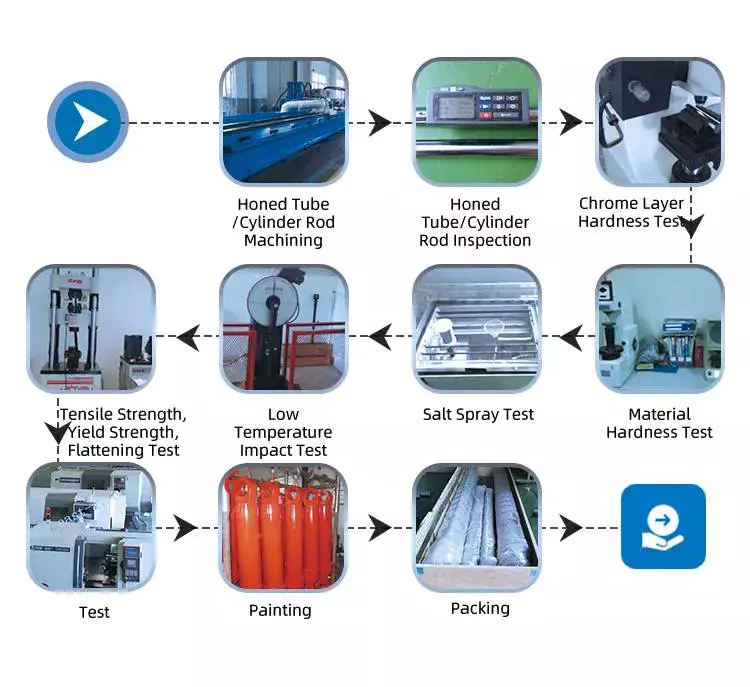
How do hydraulic cylinders handle variations in temperature and harsh operating environments?
Hydraulic cylinders are designed to handle variations in temperature and harsh operating environments by incorporating specific features and materials that ensure their durability, reliability, and performance. The ability of hydraulic cylinders to withstand extreme temperatures, corrosive environments, and other harsh conditions is crucial for their successful operation in a wide range of applications. Here’s a detailed explanation of how hydraulic cylinders handle variations in temperature and harsh operating environments:
1. Temperature Range:
– Hydraulic cylinders are designed to operate within a specified temperature range. The materials used in their construction, such as cylinder barrels, pistons, seals, and lubricants, are selected to withstand the anticipated temperature variations. Specialized seals and O-rings made from materials like nitrile, Viton, or polyurethane are used to maintain their sealing properties over a wide temperature range. Heat-resistant coatings or thermal insulation may be applied to certain components to protect them from high temperatures.
2. Thermal Expansion:
– Hydraulic cylinders are designed to accommodate thermal expansion and contraction that occurs with temperature changes. The materials used in their construction have different coefficients of thermal expansion, allowing the cylinder components to expand or contract at a similar rate. This design consideration prevents excessive stress, binding, or leakage that could result from thermal expansion or contraction.
3. Heat Dissipation:
– In applications where hydraulic cylinders are subjected to high temperatures, heat dissipation mechanisms are employed to prevent overheating. Cooling fins or heat sinks may be incorporated into the cylinder design to increase the surface area for heat transfer. In some cases, external cooling methods such as air or liquid cooling systems can be used to maintain optimal operating temperatures.
4. Corrosion Resistance:
– Hydraulic cylinders used in harsh operating environments are constructed from materials that exhibit excellent corrosion resistance. Stainless steel, chrome-plated steel, or other corrosion-resistant alloys are commonly used for cylinder components exposed to corrosive substances or environments. Additionally, surface treatments such as coatings, plating, or specialized paints can provide an extra layer of protection against corrosion.
5. Sealing Systems:
– Hydraulic cylinders employ sealing systems that are specifically designed to withstand harsh operating environments. The seals used in hydraulic cylinders are selected based on their resistance to temperature extremes, chemicals, abrasion, and other environmental factors. Specialized seal designs, such as wiper seals, rod seals, or high-temperature seals, are utilized to maintain effective sealing and prevent contamination of the hydraulic fluid.
6. Lubrication:
– Proper lubrication is essential for the smooth operation and longevity of hydraulic cylinders, particularly in harsh operating environments. Lubricants are selected based on their ability to withstand high temperatures, resist oxidation, and provide effective lubrication under extreme conditions. Regular maintenance and lubrication practices ensure that the cylinder components continue to operate smoothly and reduce the effects of wear and friction.
7. Robust Construction:
– Hydraulic cylinders designed for harsh operating environments are built with robust construction techniques to withstand the rigors of such conditions. The cylinder barrels, rods, and other components are manufactured to meet strict quality and durability standards. Welded or bolted construction methods are employed to ensure the structural integrity of the cylinders. Reinforcements, such as flanges or tie rods, may be added to enhance the cylinder’s strength and resistance to external forces.
8. Environmental Protection:
– Hydraulic cylinders can be equipped with additional protective features to shield them from harsh operating environments. Protective covers, boots, or bellows can be used to prevent contaminants, debris, or moisture from entering the cylinder and compromising its performance. These protective measures help extend the service life of hydraulic cylinders in demanding conditions.
9. Compliance with Standards:
– Hydraulic cylinders manufactured for specific industries or applications often comply with industry standards or regulations related to operating temperature ranges, environmental conditions, or safety requirements. Compliance with these standards ensures that hydraulic cylinders are designed and tested to meet the specific demands of their intended operating environments.
In summary, hydraulic cylinders are designed to handle variations in temperature and harsh operating environments by incorporating suitable materials, thermal expansion considerations, heat dissipation mechanisms, corrosion-resistant components, specialized sealing systems, proper lubrication, robust construction techniques, protective features, and compliance with industry standards. These design considerations and features enable hydraulic cylinders to operate reliably and effectively in a wide range of demanding applications and environmental conditions.
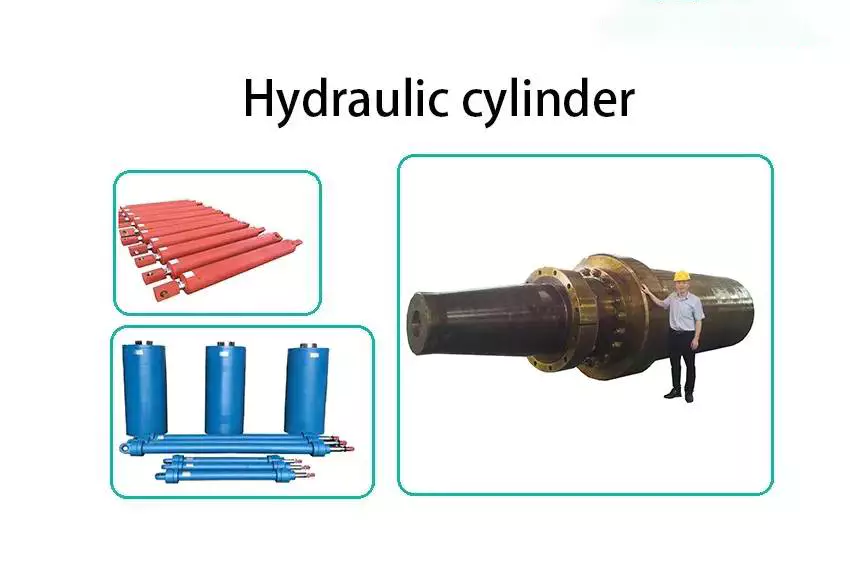
Adaptation of Hydraulic Cylinders for Medical Equipment and Aerospace Applications
Hydraulic cylinders have the potential to be adapted for use in medical equipment and aerospace applications, offering unique advantages in these industries. Let’s explore how hydraulic cylinders can be adapted for these specialized fields:
- Medical Equipment: Hydraulic cylinders can be adapted for various medical equipment applications, including hospital beds, patient lifts, surgical tables, and rehabilitation devices. Here’s how hydraulic cylinders are beneficial in medical equipment:
- Positioning and Adjustability: Hydraulic cylinders provide precise and smooth movement, allowing for accurate positioning and adjustments of medical equipment. This is crucial for ensuring patient comfort, proper alignment, and ease of use.
- Load Handling: Hydraulic cylinders offer high force capabilities, enabling the safe handling of heavy loads in medical equipment. They can support the weight of patients, facilitate smooth transitions, and provide stability during procedures.
- Controlled Motion: Hydraulic cylinders provide controlled and stable motion, which is essential for delicate medical procedures. The ability to adjust speed, position, and force allows for precise and controlled movements, minimizing patient discomfort and ensuring accurate treatment.
- Durability and Reliability: Hydraulic cylinders are designed to withstand rigorous use and demanding environments, making them suitable for medical equipment applications. Their durability and reliability contribute to the long-term performance and safety of medical devices.
- Aerospace Applications: Hydraulic cylinders can also be adapted for aerospace applications, where lightweight yet robust systems are essential. Here’s how hydraulic cylinders are advantageous in aerospace:
- Flight Control Systems: Hydraulic cylinders play a critical role in aircraft flight control systems, including ailerons, elevators, rudders, and landing gear. They provide precise and reliable actuation, allowing pilots to control the aircraft’s movements with accuracy and responsiveness.
- Weight Optimization: Hydraulic cylinders can be designed using lightweight materials, such as aluminum alloys or composite materials, to reduce overall weight. This weight optimization is crucial in aerospace applications to enhance fuel efficiency, payload capacity, and aircraft performance.
- Shock and Vibration Resistance: Aerospace environments involve significant shock and vibration forces. Hydraulic cylinders can be engineered to withstand these dynamic loads while maintaining performance and reliability, ensuring consistent operation even under extreme conditions.
- Space Constraints: Hydraulic cylinders can be designed to fit within the space constraints of aircraft or spacecraft. Their compact size and flexible mounting options allow for efficient integration into the limited available space.
In summary, hydraulic cylinders can be adapted for use in medical equipment and aerospace applications, leveraging their precise positioning, load handling capabilities, controlled motion, durability, and reliability. In medical equipment, hydraulic cylinders enable comfortable patient positioning, smooth transitions, and controlled movements during procedures. In aerospace, hydraulic cylinders provide precise actuation, weight optimization, shock and vibration resistance, and space-efficient solutions. By adapting hydraulic cylinders to these specialized fields, manufacturers can meet the unique requirements and enhance the performance of medical equipment and aerospace systems.
Можете ли вы объяснить роль и значение гидравлических цилиндров в технике?
Гидроцилиндры играют важнейшую роль в машиностроении в различных отраслях промышленности. Они являются важнейшими компонентами, обеспечивающими контролируемое и мощное линейное движение, что позволяет эксплуатировать тяжёлое оборудование и облегчает выполнение многочисленных задач. Роль и значение гидроцилиндров в машиностроении можно подробно описать следующим образом:
Роль гидравлических цилиндров:
– Преобразование гидравлической энергии: Гидравлические цилиндры преобразуют гидравлическую энергию, обычно в виде гидравлической жидкости под давлением, в линейную силу и движение. Это преобразование позволяет машинам выполнять такие задачи, как подъём, толкание, тяга, зажим, наклон и управление различными механизмами.
– Создание линейного движения: Гидравлические цилиндры создают линейное движение, используя принципы закона Паскаля. Когда гидравлическая жидкость поступает в одну из сторон цилиндра, она оказывает давление на поршень, что приводит к линейному перемещению поршня и соединённого с ним штока. Это линейное движение может использоваться для приведения в действие других компонентов механизма или непосредственно для выполнения требуемой задачи.
– Создание силы: Гидравлические цилиндры способны создавать большие усилия за счёт гидравлического давления, приложенного к поршню. Выходное усилие гидроцилиндра зависит от площади поверхности поршня и давления гидравлической жидкости. Эта сила позволяет механизмам развивать значительную мощность для подъёма тяжёлых грузов, создания давления или преодоления сопротивления.
– Точное управление: гидроцилиндры обеспечивают точное управление линейным перемещением и прилагаемым усилием. Регулируя расход гидравлической жидкости, можно точно регулировать скорость и направление движения цилиндра. Такой уровень управления критически важен для оборудования, требующего точного позиционирования, точных движений или синхронизации нескольких цилиндров.
– Интеграция с гидравлическими системами: Гидроцилиндры являются неотъемлемой частью гидравлических систем, используемых в машинах. Они работают совместно с гидравлическими насосами, клапанами и приводами, образуя замкнутый гидравлический контур. Такая интеграция обеспечивает эффективную передачу мощности, управление и координацию различных функций машины.
Значение гидравлических цилиндров:
– Эксплуатация тяжёлого оборудования: Гидравлические цилиндры играют ключевую роль в тяжёлой технике, используемой в строительстве, горнодобывающей промышленности, сельском хозяйстве, погрузочно-разгрузочных работах и других отраслях. Они обеспечивают подъём и перемещение тяжёлых грузов, управление навесным оборудованием и выполнение задач, требующих высокой силы и точности.
– Универсальность и адаптивность: гидроцилиндры – это универсальные компоненты, которые можно проектировать и адаптировать под конкретные требования оборудования. Их можно интегрировать в различные типы оборудования и адаптировать под индивидуальные требования, учитывая такие факторы, как усилие, длина хода, скорость и варианты крепления. Благодаря этой адаптивности гидроцилиндры подходят для самых разных применений.
– Долговечность и надёжность: гидроцилиндры рассчитаны на суровые условия эксплуатации, включая высокое давление, большие нагрузки и непрерывное использование. Они изготовлены из прочных материалов, прошли точную обработку и оснащены эффективными системами герметизации, что обеспечивает долговечность и надёжность в течение длительного времени эксплуатации.
– Безопасность и контроль нагрузки: гидроцилиндры обеспечивают безопасную и контролируемую работу оборудования. Они оснащены механизмами защиты от перегрузки, такими как предохранительные клапаны, для предотвращения повреждений, вызванных чрезмерным усилием или давлением. Кроме того, гидроцилиндры обеспечивают точное управление нагрузкой, сводя к минимуму риск несчастных случаев при подъеме, опускании или позиционировании тяжелых грузов.
– Компактная конструкция: гидроцилиндры обеспечивают высокое соотношение мощности к габаритам, что позволяет создавать компактные машины. Относительно небольшие размеры по сравнению с развиваемой ими силой делают их пригодными для применения в условиях ограниченного пространства или ограничений по весу.
– Энергоэффективность: Гидроцилиндры способствуют повышению энергоэффективности оборудования. Использование гидравлических систем позволяет передавать мощность на большие расстояния без существенных потерь. Кроме того, Гидроцилиндры могут быть оснащены энергосберегающими функциями, такими как технология измерения нагрузки и рекуперативные контуры, что снижает потребление энергии.
В целом, гидроцилиндры играют важнейшую роль в машиностроении, обеспечивая контролируемое и мощное линейное перемещение. Их значение заключается в способности преобразовывать гидравлическую энергию, создавать высокие усилия, обеспечивать точное управление, интегрироваться с гидравлическими системами и упрощать эксплуатацию тяжёлого оборудования в различных отраслях промышленности. Гидроцилиндры способствуют повышению производительности, безопасности и эффективности машиностроения, что делает их незаменимыми компонентами современного машиностроения.


editor by CX 2023-11-18