Описание продукта
50 ton hydraulic cylinders for power press
1.Describe:
Hydraulic cylinder can bear partial loading is 5% of rated pressure. High pressure alloy cylinder is very durable, especially in the larger project, it is easily to be operated and control. It can be used for lifting heavy machine, bridge project, hydraulic engineering, harbour construction and other equipment. It has large output, light weight, remote control and other advantages, it can match with our high pressure oil pump, it can reach jack, push, pull and extrusion and kinds of working.
2. Features
1. Integral stop ring provides piston blow-out protection
2. Double-acting for positive retraction
3. Baked enamel outside finish and plated pistons provide superior corrosion resistance
4. Safety valve in retract side of cylinder helps to prevent damage in case of accidental over-pressurization
5. Interchangeable, hardened grooved saddles are standard
6. Plunger wiper reduces contamination, extending cylinder life
| Model | Tonnage T | Stroke mm | Closed height mm | Extend height mm | Outer diameter of oil cylinder mm | Dimension of plunger mm | Dimension of oil pump mm | Weight kg | Pressure |
| STQ50-100 | 50 | 100 | 225 | 325 | 127 | 70 | 100 | 35 | 63MPA |
| STQ50-160 | 160 | 285 | 445 | 39 | |||||
| STQ50-200 | 200 | 325 | 525 | 46 | |||||
| STQ50-300 | 300 | 425 | 725 | 48 | |||||
| STQ50-500 | 500 | 625 | 1125 | 63 | |||||
| STQ100-100 | 100 | 100 | 250 | 350 | 180 | 100 | 140 | 58 | |
| STQ100-160 | 160 | 310 | 470 | 63 | |||||
| STQ100-200 | 200 | 350 | 550 | 78 | |||||
| STQ100-300 | 300 | 450 | 750 | 96 | |||||
| STQ100-500 | 500 | 650 | 1150 | 130 | |||||
| STQ150-100 | 150 | 100 | 260 | 360 | 219 | 125 | 180 | 58 | |
| STQ150-160 | 160 | 320 | 480 | 69 | |||||
| STQ150-200 | 200 | 360 | 560 | 86 | |||||
| STQ150-300 | 300 | 460 | 760 | 103 | |||||
| STQ150-500 | 500 | 660 | 1160 | 255 | |||||
| STQ200-100 | 200 | 100 | 285 | 385 | 240 | 150 | 200 | 96 | |
| STQ200-160 | 160 | 345 | 505 | 103 | |||||
| STQ200-200 | 200 | 385 | 585 | 116 | |||||
| STQ200-300 | 300 | 485 | 785 | 161 | |||||
| STQ200-500 | 500 | 685 | 1185 | 221 | |||||
| STQ320-100 | 320 | 100 | 310 | 410 | 330 | 180 | 250 | 196 | |
| STQ320-160 | 160 | 370 | 530 | 240 | |||||
| STQ320-200 | 200 | 410 | 610 | 258 | |||||
| STQ320-300 | 300 | 510 | 810 | 311 | |||||
| STQ320-500 | 500 | 710 | 1210 | 456 | |||||
| STQ400-100 | 400 | 100 | 355 | 455 | 380 | 200 | 290 | 198 | |
| STQ400-160 | 160 | 415 | 575 | 231 | |||||
| STQ400-200 | 200 | 460 | 660 | 264 | |||||
| STQ400-300 | 300 | 555 | 855 | 367 | |||||
| STQ400-500 | 500 | 755 | 1255 | 456 | |||||
| STQ500-100 | 500 | 100 | 360 | 460 | 430 | 200 | 320 | 323 | |
| STQ500-160 | 160 | 420 | 580 | 330 | |||||
| STQ500-200 | 200 | 460 | 660 | 420 | |||||
| STQ500-300 | 300 | 560 | 860 | 581 | |||||
| STQ500-500 | 500 | 760 | 1260 | 599 | |||||
| STQ630-100 | 630 | 100 | 417 | 517 | 500 | 250 | 360 | 560 | |
| STQ630-160 | 160 | 477 | 637 | 633 | |||||
| STQ630-200 | 200 | 517 | 717 | 696 | |||||
| STQ630-300 | 300 | 617 | 917 | 898 | |||||
| STQ630-500 | 500 | 817 | 1317 | 1250 | |||||
| STQ800-100 | 800 | 100 | 488 | 588 | 560 | 300 | 400 | 896 | |
| STQ800-200 | 200 | 598 | 798 | 1040 | |||||
| STQ800-300 | 300 | 698 | 998 | 1380 | |||||
| STQ800-500 | 500 | 898 | 1398 | 1520 | |||||
| STQ1000-100 | 1000 | 100 | 530 | 630 | 600 | 320 | 450 | 1286 | |
| STQ1000-200 | 200 | 630 | 830 | 1332 | |||||
| STQ1000-300 | 300 | 760 | 1060 | 1663 |
If the model you are looking for is not available, please contact us! We will customize it according to your needs.
3. Application:
Our hydraulic jacks have been widely used for industrial field, such as steel plant, cement industry, chemical and refinery, bridge, railway, highway, hydropower station, ship repair, building, construction and maintenance.
4.Company information:
HangZhou Lead Equipment Co., Ltd. Have been in hydraulic tools industry since 2009.
Our main products as follow:
Single acting hydraulic jack/cylinder/ram (10-100 tons)
Single acting hollow hydraulic jack/cylinder/ram (12-100 tons)
Double acting hydraulic jack/cylinder/ram (50-2000 tons)
Double acting hollow hydraulic jack/cylinder/ram (50-2000 tons)
Single acting hydraulic jack/cylinder/ram with lock nut (55-200 tons)
Thin type single acting hydraulic jack/cylinder/ram (10-200 tons)
Ultrathin hydraulic jack/cylinder/ram (10-200 tons)
Flange type hydraulic jack/cylinder/ram (10-630 tons)
Synchronous hydraulic jack (10-1000 tons)
Hydraulic accessories: high pressure oil hose, couplers, seal kits, mainfold, etc.
All the tonnage, stroke, height can be customized according to client’s requirements, supply the best quality and serve. Our warranty is 2 years.
| Сертификация: | CE, SGS |
|---|---|
| Давление: | Высокое давление |
| Рабочая температура: | Нормальная температура |
| Acting Way: | Double Acting |
| Working Method: | Rotary |
| Adjusted Form: | Switching Type |
| Customization: | Available |
|
|---|
Можно ли интегрировать гидравлические цилиндры с современными системами управления и автоматизации?
Да, гидроцилиндры можно интегрировать с современными системами управления и технологиями автоматизации для повышения их функциональности, точности и общей производительности. Интеграция гидроцилиндров с современными системами управления обеспечивает более точное и точное управление их работой, обеспечивая автоматизацию и интеллектуальное управление. Ниже приведено подробное объяснение того, как гидроцилиндры можно интегрировать с современными системами управления и автоматизации:
1. Электронное управление:
– Гидравлические цилиндры могут быть оснащены электронными датчиками и преобразователями для обеспечения обратной связи в режиме реального времени о положении, усилии, давлении или скорости. Эти датчики могут быть интегрированы с передовыми системами управления, такими как программируемые логические контроллеры (ПЛК) или распределенные системы управления (РСУ), для контроля и управления работой гидроцилиндров. Интеграция электронного управления позволяет точно контролировать и регулировать положение, скорость и усилие гидроцилиндров, обеспечивая более точное и автоматизированное управление.
2. Замкнутый контур управления:
– Системы управления с обратной связью используют обратную связь от датчиков для непрерывного контроля и регулировки работы гидроцилиндров. Интеграция гидроцилиндров с системами управления с обратной связью позволяет добиться точного управления положением, скоростью и усилием. Управление с обратной связью позволяет системе автоматически компенсировать колебания, внешние возмущения или изменения рабочих условий, обеспечивая точную и стабильную работу. Такая интеграция особенно полезна в приложениях, требующих точного позиционирования, синхронизации или управления усилием.
3. Пропорциональное и сервоуправление:
– Гидравлические цилиндры могут быть интегрированы с системами пропорционального и сервоуправления для более точного управления их работой. Системы пропорционального управления используют пропорциональные клапаны для регулирования расхода и давления гидравлической жидкости, что позволяет точно регулировать скорость и усилие цилиндра. Системы сервоуправления, в свою очередь, сочетают в себе датчики обратной связи, высокопроизводительные клапаны и передовые алгоритмы управления для достижения исключительно точного управления гидроцилиндрами. Интеграция пропорционального и сервоуправления повышает отзывчивость, точность и динамические характеристики гидроцилиндров.
4. Человеко-машинный интерфейс (HMI):
– Гидравлические цилиндры, интегрированные с передовыми системами управления, можно эксплуатировать и контролировать с помощью устройств человеко-машинного интерфейса (ЧМИ). ЧМИ предоставляет графический пользовательский интерфейс, позволяющий операторам взаимодействовать с системой управления, контролировать работу цилиндров и регулировать параметры. ЧМИ позволяет операторам задавать требуемые положения, усилия или скорости, а также визуализировать обратную связь с датчиков в режиме реального времени. Такая интеграция упрощает эксплуатацию и мониторинг гидроцилиндров, делая их более удобными для пользователя и способствуя бесшовной интеграции в автоматизированные системы.
5. Коммуникации и сетевое взаимодействие:
– Гидравлические цилиндры могут быть интегрированы в коммуникационные и сетевые системы, что позволяет им стать частью более крупной автоматизированной системы. Интеграция с промышленными протоколами связи, такими как Ethernet/IP, Profibus или Modbus, обеспечивает бесперебойный обмен информацией между гидроцилиндрами и другими компонентами системы. Такая интеграция обеспечивает централизованное управление, регистрацию данных, удаленный мониторинг и координацию с другими автоматизированными процессами. Интеграция с коммуникационными и сетевыми технологиями повышает общую эффективность, координацию и интеграцию гидроцилиндров в сложные системы автоматизации.
6. Автоматизация и последовательное управление:
– Интеграция гидроцилиндров с передовыми системами управления позволяет легко интегрировать их в автоматизированные процессы и операции последовательного управления. Система управления может выполнять заданные последовательности или запрограммированную логику для управления работой гидроцилиндров в зависимости от конкретных условий, входных сигналов или времени. Такая интеграция позволяет автоматизировать сложные задачи, такие как погрузка-разгрузка материалов, сборочные операции или повторяющиеся движения. Гидроцилиндры можно синхронизировать с другими приводами, датчиками и устройствами, что обеспечивает скоординированную и автоматизированную работу в различных промышленных условиях.
7. Прогностическое обслуживание и мониторинг состояния:
– Современные системы управления также позволяют проводить предиктивное обслуживание и мониторинг состояния гидроцилиндров. Благодаря интеграции датчиков и функций мониторинга система управления может непрерывно отслеживать производительность, исправность и состояние гидроцилиндров. Такая интеграция позволяет выявлять неисправности, износ и потенциальные отказы в режиме реального времени. На основе собранных данных можно реализовать стратегии предиктивного обслуживания, оптимизируя графики технического обслуживания, сокращая время простоя и повышая общую надежность гидравлических систем.
Таким образом, гидроцилиндры могут быть интегрированы с передовыми системами управления и технологиями автоматизации для повышения их функциональности, точности и производительности. Такая интеграция обеспечивает электронное управление, управление с обратной связью, пропорциональное и сервоуправление, взаимодействие с человеко-машинным интерфейсом (ЧМИ), коммуникацию и сетевое взаимодействие, автоматизацию и последовательное управление, а также предиктивное техническое обслуживание и мониторинг состояния. Такая интеграция обеспечивает более точное управление, автоматизацию, повышение эффективности и оптимизацию производительности гидроцилиндров в различных промышленных приложениях.
What considerations are important when selecting hydraulic cylinders for mobile equipment?
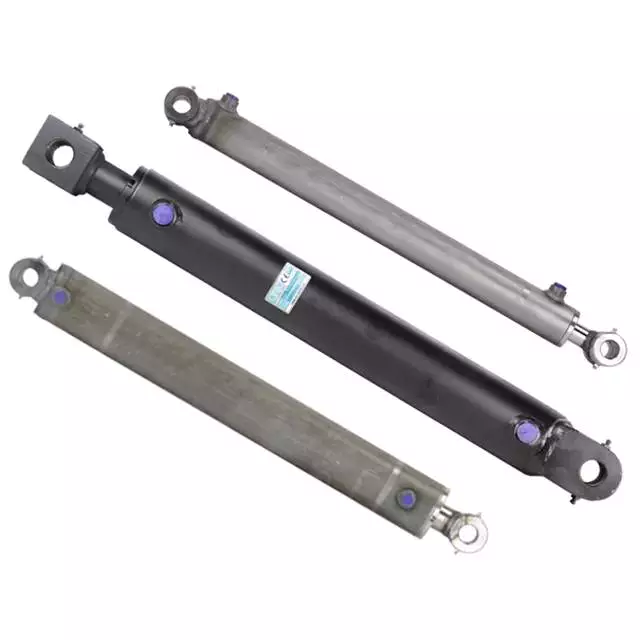
To select hydraulic cylinders for mobile equipment, several important considerations need to be taken into account. Here are the key factors to consider:
- Load Capacity: Determine the maximum load or force that the hydraulic cylinder will need to support. This includes both the static load and any dynamic or shock loads that may be encountered during operation.
- Stroke Length: Consider the required stroke length, which is the distance the hydraulic cylinder can extend and retract. Ensure that the stroke length is sufficient for the specific application and range of motion needed.
- Operating Pressure: Determine the maximum operating pressure required for the hydraulic system. This will depend on the load and the specific application. Select a hydraulic cylinder with a pressure rating that exceeds the maximum operating pressure to ensure safety and durability.
- Mounting Style: Consider the available space and the mounting requirements of the mobile equipment. Hydraulic cylinders come in various mounting styles, such as flange, trunnion, clevis, and pivot, among others. Choose a mounting style that is compatible with the equipment and provides the necessary support and stability.
- Size and Weight: Take into account the physical dimensions and weight of the hydraulic cylinder. Ensure that it can fit within the available space and that the equipment can support its weight without compromising performance or safety.
- Speed and Precision: Evaluate the required speed and precision of the hydraulic cylinder’s movement. Different cylinder designs and configurations can affect the speed and accuracy of motion. Consider factors such as cylinder bore size, rod diameter, and the presence of cushioning or dampening features.
- Environmental Factors: Assess the operating environment of the mobile equipment. Consider factors such as temperature extremes, exposure to moisture, dust, and chemicals. Select hydraulic cylinders with appropriate seals and coatings that can withstand the environmental conditions and prevent corrosion or damage.
- Reliability and Maintenance: Consider the reliability and maintenance requirements of the hydraulic cylinders. Look for reputable manufacturers that provide high-quality products with a proven track record. Evaluate factors such as expected service life, availability of spare parts, and ease of maintenance.
- Cost: Finally, consider the cost of the hydraulic cylinders, including the initial purchase price, installation costs, and long-term maintenance expenses. While it is essential to find a cost-effective solution, prioritize quality and performance to ensure safe and efficient operation.
What is a hydraulic cylinder and how does it function in various applications?
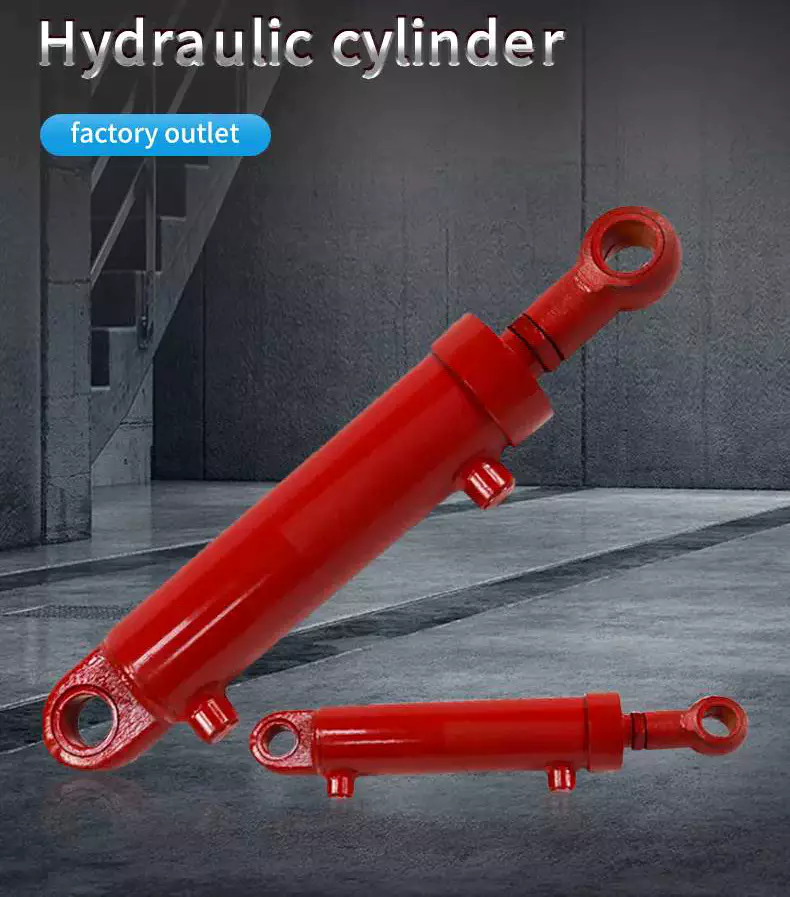
A hydraulic cylinder is a mechanical actuator that converts hydraulic energy into linear force and motion. It plays a critical role in various applications where controlled and powerful linear motion is required. Hydraulic cylinders are commonly used in industries such as construction, manufacturing, agriculture, and transportation. Here’s a detailed explanation of what a hydraulic cylinder is and how it functions:
Definition and Components:
– A hydraulic cylinder consists of a cylindrical barrel, a piston, a piston rod, and various seals. The barrel is a hollow tube that houses the piston and allows for fluid flow. The piston divides the cylinder into two chambers: the rod side and the cap side. The piston rod extends from the piston and provides a connection point for external loads. Seals are used to prevent fluid leakage and maintain hydraulic pressure within the cylinder.
Function:
– The function of a hydraulic cylinder is to convert the pressure and flow of hydraulic fluid into linear force and motion. The hydraulic fluid, typically oil, is pressurized and directed into one of the chambers of the cylinder. As the fluid enters the chamber, it applies pressure on the piston, causing it to move in a linear direction. This linear motion of the piston is transferred to the piston rod, creating a pushing or pulling force.
Working Principle:
– The working principle of a hydraulic cylinder is based on Pascal’s law, which states that pressure exerted on a fluid in a confined space is transmitted equally in all directions. In a hydraulic cylinder, when hydraulic fluid is pumped into one side of the cylinder, it creates pressure on the piston. The pressure is transmitted through the fluid to the other side of the piston, resulting in a balanced force across the piston and piston rod. This force generates linear motion in the direction determined by the fluid input.
Applications:
– Hydraulic cylinders find extensive use in a wide range of applications due to their ability to generate high forces and precise control of linear motion. Some common applications include:
1. Construction Equipment: Hydraulic cylinders are used in excavators, loaders, bulldozers, and cranes for lifting, pushing, and digging tasks.
2. Manufacturing Machinery: Hydraulic cylinders are employed in presses, machine tools, and material handling equipment for pressing, clamping, and lifting operations.
3. Agricultural Machinery: Hydraulic cylinders are used in tractors, harvesters, and irrigation systems for tasks like steering, lifting, and controlling attachments.
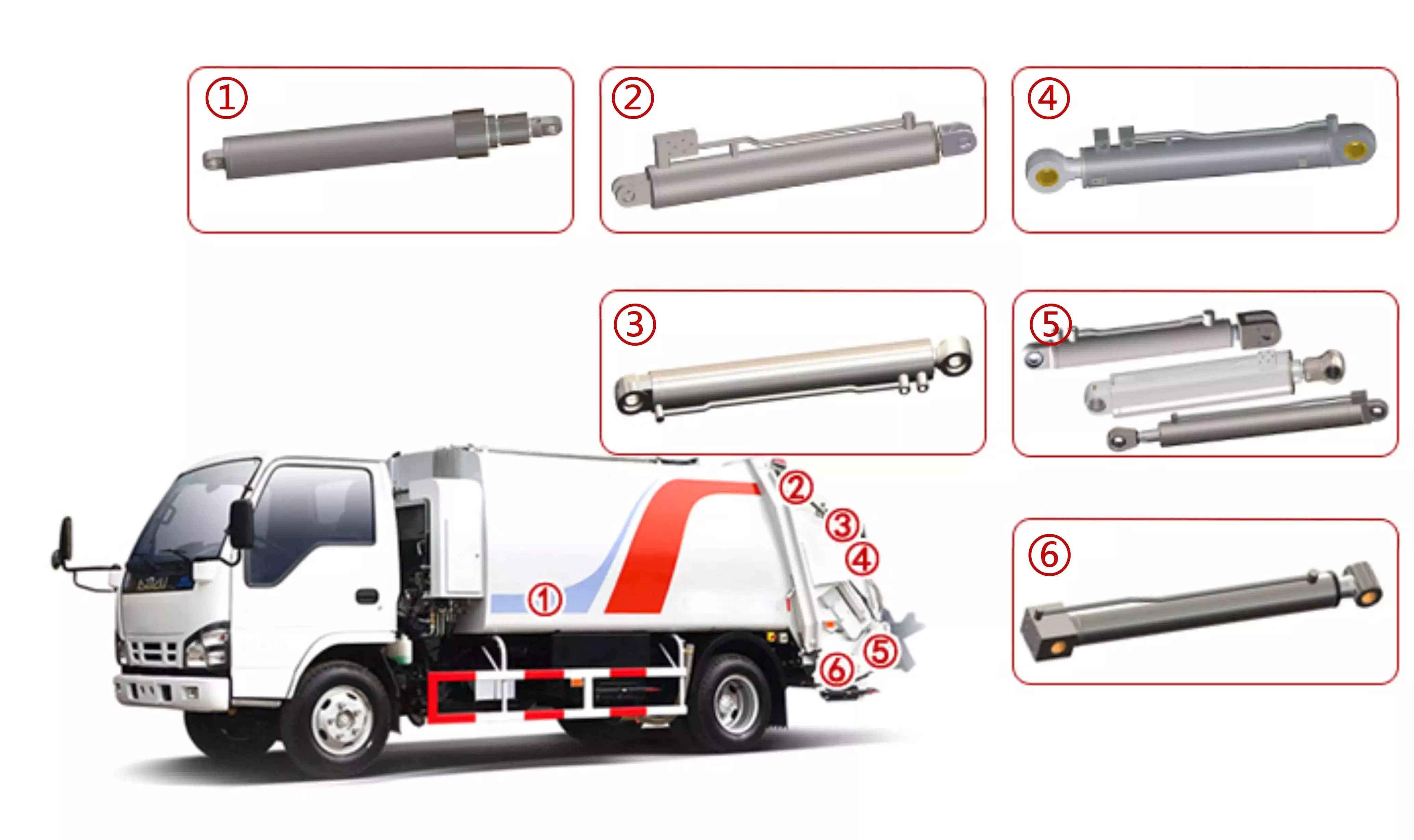
4. Transportation: Hydraulic cylinders are utilized in vehicles such as dump trucks, garbage trucks, and forklifts for tilting, lifting, and tipping operations.
5. Aerospace and Defense: Hydraulic cylinders are employed in aircraft landing gear, missile systems, and hydraulic actuators for control surfaces.
6. Marine and Offshore: Hydraulic cylinders are used in ship steering systems, cranes, and offshore drilling equipment for various lifting and positioning tasks.
In these applications, hydraulic cylinders offer advantages such as high force capability, precise control, compact size, and durability. They provide efficient and reliable linear motion, contributing to enhanced productivity and functionality in a wide range of industries.
Overall, hydraulic cylinders are integral components in various applications where controlled and powerful linear motion is required. Their ability to convert hydraulic energy into mechanical force makes them invaluable in numerous industries, enabling the operation of heavy machinery, precise positioning, and efficient load handling.


editor by CX 2023-11-23