
Описание продукта
Oilfield application Marine application Metal processing hydraulic cylinder
Product Description:
Product Features:
(1) Single cylinder latch interlock technology ensure reliability and security;
(2) New type counterweighing hooking technology ensure the stability performance;
(3) Large span guidance technology and oil & gas mixture suspension technology ensure the system stable and reliable.
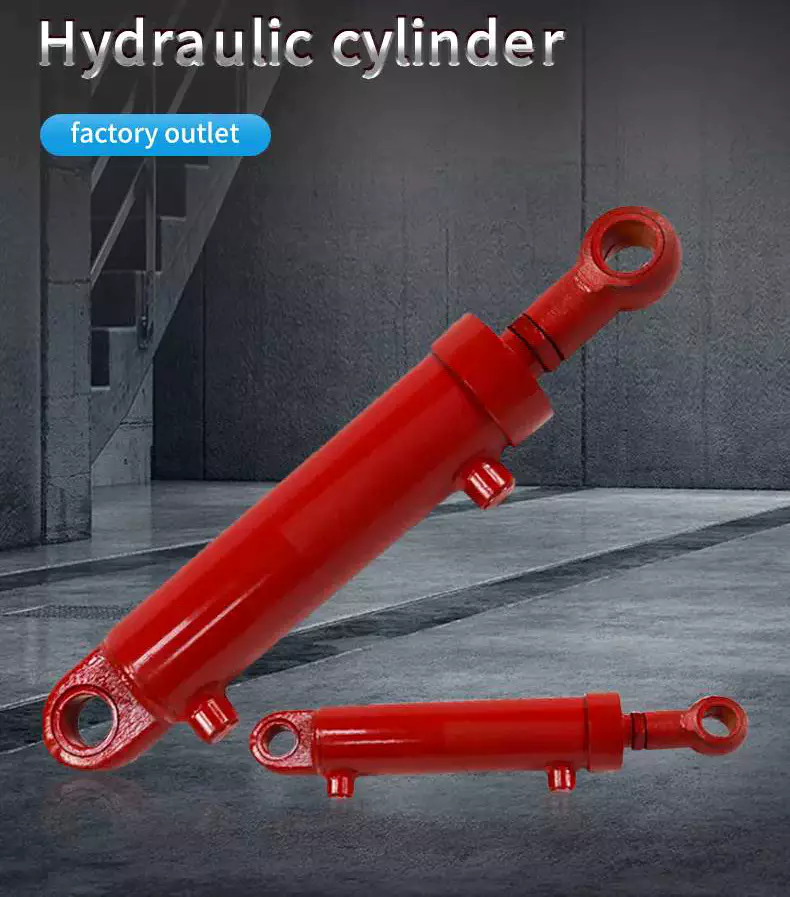
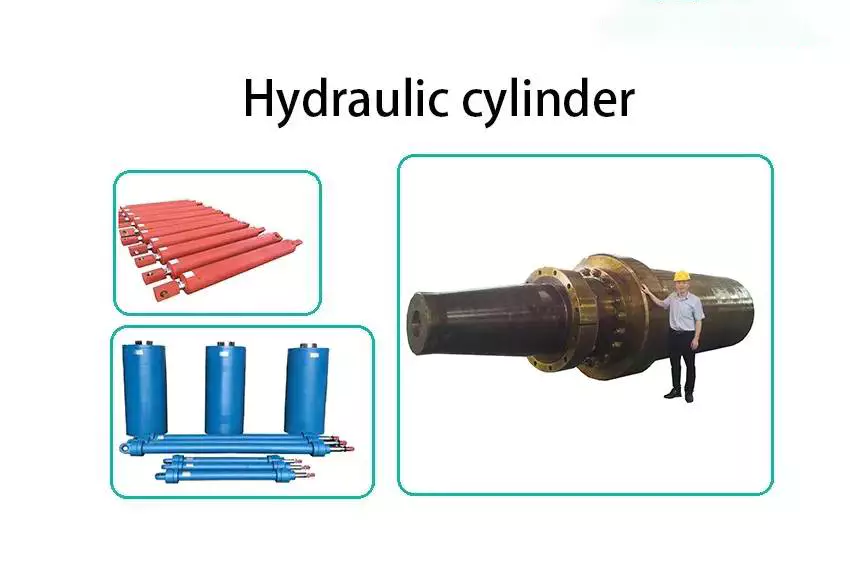
Product Display:
Specifications:
| Item | Specifications |
| Product Name | Oilfield application Marine application Metal processing hydraulic cylinder |
| Certificate: | CE, ISO9001 |
| Packaging | metal case;plywood case;carton or as requirement |
| MOQ | According to products |
| Brand | GLIT or customer’s logo |
| Service | OEM & ODM |
| Piston Rod | Chrome or nickel plated,ground & polished piston rod |
| Seal Type | Parker,NOK, Hallite or as customer’s requirement |
| Tube | High tensile cold drawn tube, precision honed for extended seal life |
| Delivery Time | Based on order quantity. normally 15-30 days. |
| Price Advantage | Competitive factory price with guaranteed quality |
| Business Type | Manufacturer & Exporter |
Mounting Method:
Our Factory:
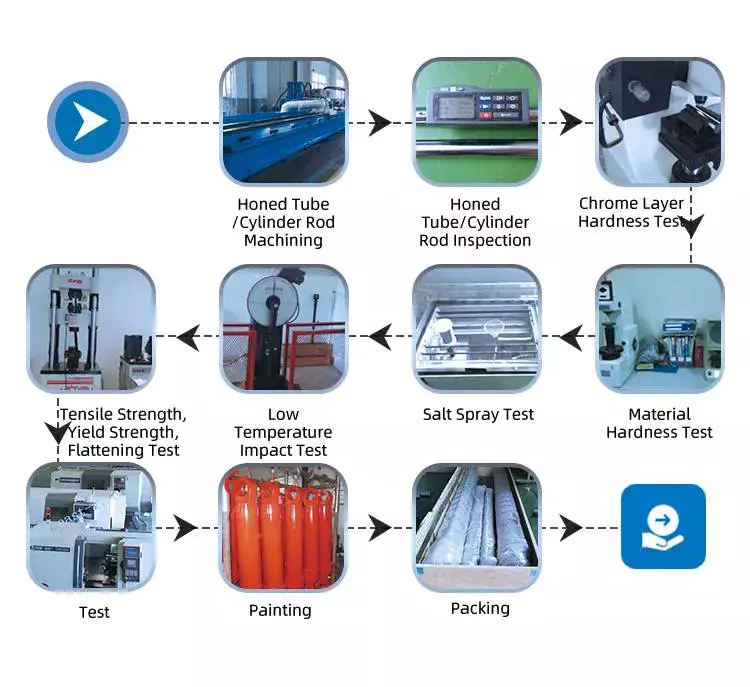
Inspection Process:
| Inspection Type | Inspection Standard |
| Raw Material Inspection | Before storage, QC takes the measurement of the raw materials. |
| Process Material Inspection | During the production, QCs conduct a random inspection. Before the hydraulic cylinder parts transferred to the next process, QCs takes inspection. |
| Final Function Testing | All the hydraulic cylinders take hydraulic function test |
Packing & Delivery:
Appliactions:
Application: Mobile Cranes, Trailer, excavator, log splitter, hydraulic press, garbage compactor,
lift platform, dock leveler
About US:
HangZhou GLORIA INDUSTRIAL TECH CO.,LTD. is specializing in the production of various types of hydraulic cylinders as well as cylinder barrel, piston cylinder and other cylinder accessories.
As a highly specialized manufacturer of hydraulic cylinders, CHINAMFG provides design optimization solutions and reliable products to many customers at home and abroad. No matter in construction machinery, railway bridge machinery, port ship machinery, metallurgy and mining machinery, oil and light industry machinery, special vehicles and other industries, GLIT can provide various standard and non-standard hydraulic cylinder design optimization schemes and products according to users’ requirements, and provide integrated services for perfection and quality.
If possible, when contact with us, please apply information as below
Bore | Rod | Stroke | Work Pressure | Монтаж | Work environment |
|
|
|
|
|
|
Or you can offer us your sketch diagram or photos so that we could understand you exactly meaning, help us avoid mistakes.
And if you have samples, we can manufacture according to your samples after sending to us.
Welcome to our factory if you have any time.
Your satisfaction is our biggest motivation.
Now, you can contact with us for any question or inquiry.
FAQ:
1, What does your company do?
A: we are a supplier of high quality hydraulic products including Hydraulic Cylinder, Hydraulic Motor, Hydraulic Power Pack, Hydraulic station and other Hydraulic components.
2, Are you a manufacture or a trading company?
A: We are a manufacturer.
3, What certificate do you have?
A: All our factories are ISO certificated. And our main suppliers of materials and parts are with CE, RoHS, CSA and UL certificates.
4, How long is your delivery time?
A: The delivery time depends on different products and quantity. The cylinder usually need about 45-60 days and the Motor need about 20-30 days.
5, Can you make parts as customer’s requirement or drawing?
A: Yes, we can OEM for you as your drawings. Our engineer also can give you professional support for technical suggestions.
6, What kind of payment terms do you accept?
A: We prefer T/T through bank. 40% when order is confirmed and 60% before shipment. L/C is also acceptable for amount over 20,000USD.
9, What is your warranty policy?
A: All our products are warranted for 1 full year from date of delivery against defects in materials and workmanship. This warranty does not cover parts that are worn out through the course of normal operation or are damaged through negligence. We serious remind that unclean hydraulic oil will definitely cause damage to your Hydraulic components. And this damage is not included in the warranty range. So we strongly suggest you to use new clean oil or make sure the system oil are clean when using our parts
| Сертификация: | GS, CE, ISO9001 |
|---|---|
| Давление: | Medium Pressure |
| Рабочая температура: | 10-35MPa |
| Acting Way: | Double Acting |
| Working Method: | Straight Trip |
| Adjusted Form: | Regulated Type |
| Samples: | US$ 1/Piece 1 Piece(Min.Order) | |
|---|
| Customization: | Available |
|
|---|
How do hydraulic cylinders ensure smooth and consistent movement in heavy machinery?
Hydraulic cylinders play a vital role in ensuring smooth and consistent movement in heavy machinery. Their design and operation allow for precise control over the motion of heavy loads, resulting in efficient and reliable performance. Here’s a detailed explanation of how hydraulic cylinders contribute to smooth and consistent movement in heavy machinery:
1. Hydraulic Fluid and Pressure:
– Hydraulic cylinders operate by utilizing hydraulic fluid, typically oil, to transmit force and motion. The fluid is pressurized by a hydraulic pump, creating a force that acts on the piston inside the cylinder. The pressure of the hydraulic fluid can be precisely controlled, allowing for smooth and gradual movement of heavy machinery. The fluid’s incompressibility ensures that the force is evenly distributed, resulting in consistent and predictable motion.
2. Piston and Cylinder Design:
– Hydraulic cylinders are designed with precision to ensure smooth movement. The piston and cylinder bore are machined to tight tolerances, reducing friction and minimizing internal leakage. This precise fit between the piston and cylinder walls helps maintain consistent motion without jerks or sudden changes in speed. Additionally, the use of high-quality seals and lubrication further enhances the smooth operation of the cylinder.
3. Control Valves and Flow Control:
– Hydraulic systems incorporate control valves that regulate the flow of hydraulic fluid into and out of the cylinder. These valves allow for precise control over the speed and direction of the cylinder’s movement. By adjusting the flow rate, operators can achieve smooth and controlled motion of heavy machinery, avoiding sudden starts or stops. Flow control valves also enable speed adjustment, ensuring consistent movement even under varying loads or operating conditions.
4. Cushioning and Damping:
– Hydraulic cylinders can be equipped with cushioning mechanisms to absorb shock and minimize impacts during the movement of heavy machinery. Cushioning is achieved by incorporating specialized valves or adjustable orifices in the cylinder, which restrict the flow of hydraulic fluid near the end of the stroke. This gradual deceleration helps prevent sudden jolts or vibrations, maintaining smooth and consistent movement while reducing stress on the machinery and its components.
5. Load Balancing:
– Hydraulic cylinders can be designed and arranged in a system to balance the load and distribute forces evenly. By utilizing multiple cylinders in parallel or series configurations, heavy machinery can achieve balanced movement, preventing uneven stress and ensuring smooth operation. Load balancing also helps minimize the risk of component failure and enhances the overall stability and longevity of the machinery.
6. Feedback and Control Systems:
– Advanced hydraulic systems incorporate feedback sensors and control systems to monitor and adjust the movement of heavy machinery. These sensors provide real-time information about the position, speed, and force exerted by the hydraulic cylinders. The control system processes this data and adjusts the flow of hydraulic fluid accordingly to maintain smooth and consistent movement. By continuously monitoring and regulating the cylinder’s operation, feedback and control systems contribute to precise and reliable motion control.
7. Maintenance and Servicing:
– Regular maintenance and servicing of hydraulic cylinders are essential to ensure their smooth and consistent movement in heavy machinery. Proper lubrication, inspection of seals, and replacement of worn-out components help maintain optimal performance. Preventive maintenance practices, such as filter replacements and fluid analysis, also contribute to the longevity and reliability of hydraulic systems, ensuring consistent movement over time.
In summary, hydraulic cylinders ensure smooth and consistent movement in heavy machinery through the use of hydraulic fluid and pressure, precise piston and cylinder design, control valves and flow control, cushioning and damping mechanisms, load balancing, feedback and control systems, and regular maintenance and servicing. By leveraging these features, hydraulic cylinders provide the necessary force and control to handle heavy loads while maintaining precise and reliable motion, enhancing the overall performance and productivity of heavy machinery in various industrial applications.
Handling Challenges of Different Fluid Viscosities in Hydraulic Cylinders
Hydraulic cylinders are designed to handle the challenges associated with different fluid viscosities. The viscosity of hydraulic fluid can vary based on temperature, type of fluid used, and other factors. Hydraulic systems need to accommodate these variations to ensure optimal performance and efficiency. Let’s explore how hydraulic cylinders handle the challenges of different fluid viscosities:
- Fluid Selection: Hydraulic cylinders are designed to work with a range of hydraulic fluids, each with its specific viscosity characteristics. The selection of an appropriate fluid with the desired viscosity is crucial to ensure optimal performance. Manufacturers provide guidelines regarding the recommended viscosity range for specific hydraulic systems and cylinders. By choosing the right fluid, hydraulic cylinders can effectively handle the challenges posed by different fluid viscosities.
- Viscosity Compensation: Hydraulic systems often incorporate features to compensate for variations in fluid viscosity. For example, some hydraulic systems utilize pressure compensating valves that adjust the flow rate based on the viscosity of the fluid. This compensation ensures consistent performance across different operating conditions and fluid viscosities. Hydraulic cylinders work in conjunction with these compensation mechanisms to maintain precision and control, regardless of the fluid viscosity.
- Temperature Control: Fluid viscosity is highly dependent on temperature. Hydraulic cylinders employ various temperature control mechanisms to address the challenges posed by temperature-induced viscosity changes. Heat exchangers, coolers, and thermostatic valves are commonly used to regulate the temperature of the hydraulic fluid within the system. By controlling the fluid temperature, hydraulic cylinders can maintain the desired viscosity range, ensuring reliable and efficient operation.
- Efficient Filtration: Contaminants in hydraulic fluid can affect its viscosity and overall performance. Hydraulic systems incorporate efficient filtration systems to remove particles and impurities from the fluid. Clean fluid with the appropriate viscosity ensures optimal functioning of hydraulic cylinders. Regular maintenance and filter replacements are essential to uphold the desired fluid viscosity and prevent issues related to fluid contamination.
- Proper Lubrication: Different fluid viscosities can impact the lubrication properties within hydraulic cylinders. Lubrication is essential for minimizing friction and wear between moving parts. Hydraulic systems employ lubricants specifically formulated for the anticipated fluid viscosity range. Adequate lubrication ensures smooth operation and extends the lifespan of hydraulic cylinders, even in the presence of varying fluid viscosities.
In summary, hydraulic cylinders employ various strategies to handle the challenges associated with different fluid viscosities. By selecting appropriate fluids, incorporating viscosity compensation mechanisms, controlling temperature, implementing efficient filtration, and ensuring proper lubrication, hydraulic cylinders can accommodate variations in fluid viscosity. These measures enable hydraulic systems to deliver consistent performance, precise control, and efficient operation across different fluid viscosity ranges.
Можете ли вы объяснить роль и значение гидравлических цилиндров в технике?
Гидроцилиндры играют важнейшую роль в машиностроении в различных отраслях промышленности. Они являются важнейшими компонентами, обеспечивающими контролируемое и мощное линейное движение, что позволяет эксплуатировать тяжёлое оборудование и облегчает выполнение многочисленных задач. Роль и значение гидроцилиндров в машиностроении можно подробно описать следующим образом:
Роль гидравлических цилиндров:
– Преобразование гидравлической энергии: Гидравлические цилиндры преобразуют гидравлическую энергию, обычно в виде гидравлической жидкости под давлением, в линейную силу и движение. Это преобразование позволяет машинам выполнять такие задачи, как подъём, толкание, тяга, зажим, наклон и управление различными механизмами.
– Создание линейного движения: Гидравлические цилиндры создают линейное движение, используя принципы закона Паскаля. Когда гидравлическая жидкость поступает в одну из сторон цилиндра, она оказывает давление на поршень, что приводит к линейному перемещению поршня и соединённого с ним штока. Это линейное движение может использоваться для приведения в действие других компонентов механизма или непосредственно для выполнения требуемой задачи.
– Создание силы: Гидравлические цилиндры способны создавать большие усилия за счёт гидравлического давления, приложенного к поршню. Выходное усилие гидроцилиндра зависит от площади поверхности поршня и давления гидравлической жидкости. Эта сила позволяет механизмам развивать значительную мощность для подъёма тяжёлых грузов, создания давления или преодоления сопротивления.
– Точное управление: гидроцилиндры обеспечивают точное управление линейным перемещением и прилагаемым усилием. Регулируя расход гидравлической жидкости, можно точно регулировать скорость и направление движения цилиндра. Такой уровень управления критически важен для оборудования, требующего точного позиционирования, точных движений или синхронизации нескольких цилиндров.
– Интеграция с гидравлическими системами: Гидроцилиндры являются неотъемлемой частью гидравлических систем, используемых в машинах. Они работают совместно с гидравлическими насосами, клапанами и приводами, образуя замкнутый гидравлический контур. Такая интеграция обеспечивает эффективную передачу мощности, управление и координацию различных функций машины.
Значение гидравлических цилиндров:
– Эксплуатация тяжёлого оборудования: Гидравлические цилиндры играют ключевую роль в тяжёлой технике, используемой в строительстве, горнодобывающей промышленности, сельском хозяйстве, погрузочно-разгрузочных работах и других отраслях. Они обеспечивают подъём и перемещение тяжёлых грузов, управление навесным оборудованием и выполнение задач, требующих высокой силы и точности.
– Универсальность и адаптивность: гидроцилиндры – это универсальные компоненты, которые можно проектировать и адаптировать под конкретные требования оборудования. Их можно интегрировать в различные типы оборудования и адаптировать под индивидуальные требования, учитывая такие факторы, как усилие, длина хода, скорость и варианты крепления. Благодаря этой адаптивности гидроцилиндры подходят для самых разных применений.
– Долговечность и надёжность: гидроцилиндры рассчитаны на суровые условия эксплуатации, включая высокое давление, большие нагрузки и непрерывное использование. Они изготовлены из прочных материалов, прошли точную обработку и оснащены эффективными системами герметизации, что обеспечивает долговечность и надёжность в течение длительного времени эксплуатации.
– Безопасность и контроль нагрузки: гидроцилиндры обеспечивают безопасную и контролируемую работу оборудования. Они оснащены механизмами защиты от перегрузки, такими как предохранительные клапаны, для предотвращения повреждений, вызванных чрезмерным усилием или давлением. Кроме того, гидроцилиндры обеспечивают точное управление нагрузкой, сводя к минимуму риск несчастных случаев при подъеме, опускании или позиционировании тяжелых грузов.
– Компактная конструкция: гидроцилиндры обеспечивают высокое соотношение мощности к габаритам, что позволяет создавать компактные машины. Относительно небольшие размеры по сравнению с развиваемой ими силой делают их пригодными для применения в условиях ограниченного пространства или ограничений по весу.
– Энергоэффективность: Гидроцилиндры способствуют повышению энергоэффективности оборудования. Использование гидравлических систем позволяет передавать мощность на большие расстояния без существенных потерь. Кроме того, Гидроцилиндры могут быть оснащены энергосберегающими функциями, такими как технология измерения нагрузки и рекуперативные контуры, что снижает потребление энергии.
В целом, гидроцилиндры играют важнейшую роль в машиностроении, обеспечивая контролируемое и мощное линейное перемещение. Их значение заключается в способности преобразовывать гидравлическую энергию, создавать высокие усилия, обеспечивать точное управление, интегрироваться с гидравлическими системами и упрощать эксплуатацию тяжёлого оборудования в различных отраслях промышленности. Гидроцилиндры способствуют повышению производительности, безопасности и эффективности машиностроения, что делает их незаменимыми компонентами современного машиностроения.


editor by CX 2023-11-24