Описание продукта
Double Acting Hydraulic oil Cylinder customized for Articulated Dump Truck
Описание продукта
| Item | Specifications |
| Function | Support weight, absorb, eliminate vibration |
| Bore diameter | 100mm~450mm |
| Bod diameter | 80mm~400mm |
| Stroke | 1000mm~6000mm |
| Woorking Pressure | 17-40Mpa,Customizable |
| Surface treatment of piston rod | HaHard Chrome Plating,Electroplated Milky White Chromium+Hard Chromium,Nickel Plating+Hard Chromium Plating,High-Velocity Oxygen-Fuel CrC NiC,Ceramic Coating,Nitriding,Laser Cladding |
| Material | High tensile cold drawn tube, precision honed for extended seal life |
| Монтаж | Earring,Flange,Clevis.Foot,Trunnion,Customizable |
| Seal Type | Parker,NOK, Hallite or as customer’s requirement |
| Warrenty | 18 months |
| MOQ | 5 pcs |
| Production Time | Based on order quantity.normally 30-40 days. |
| Certification | ISO9001,CE, SGS |
| Color | Gery,Yellow,Red,Black,Customizable |
| Packaging | metal case,plywood case,carton or as requirement |
| Service | OEM & ODM |
| Price Advantage | Competitive factory price with guaranteed quality |
| Business Type | Manufacturer |
Подробные фотографии
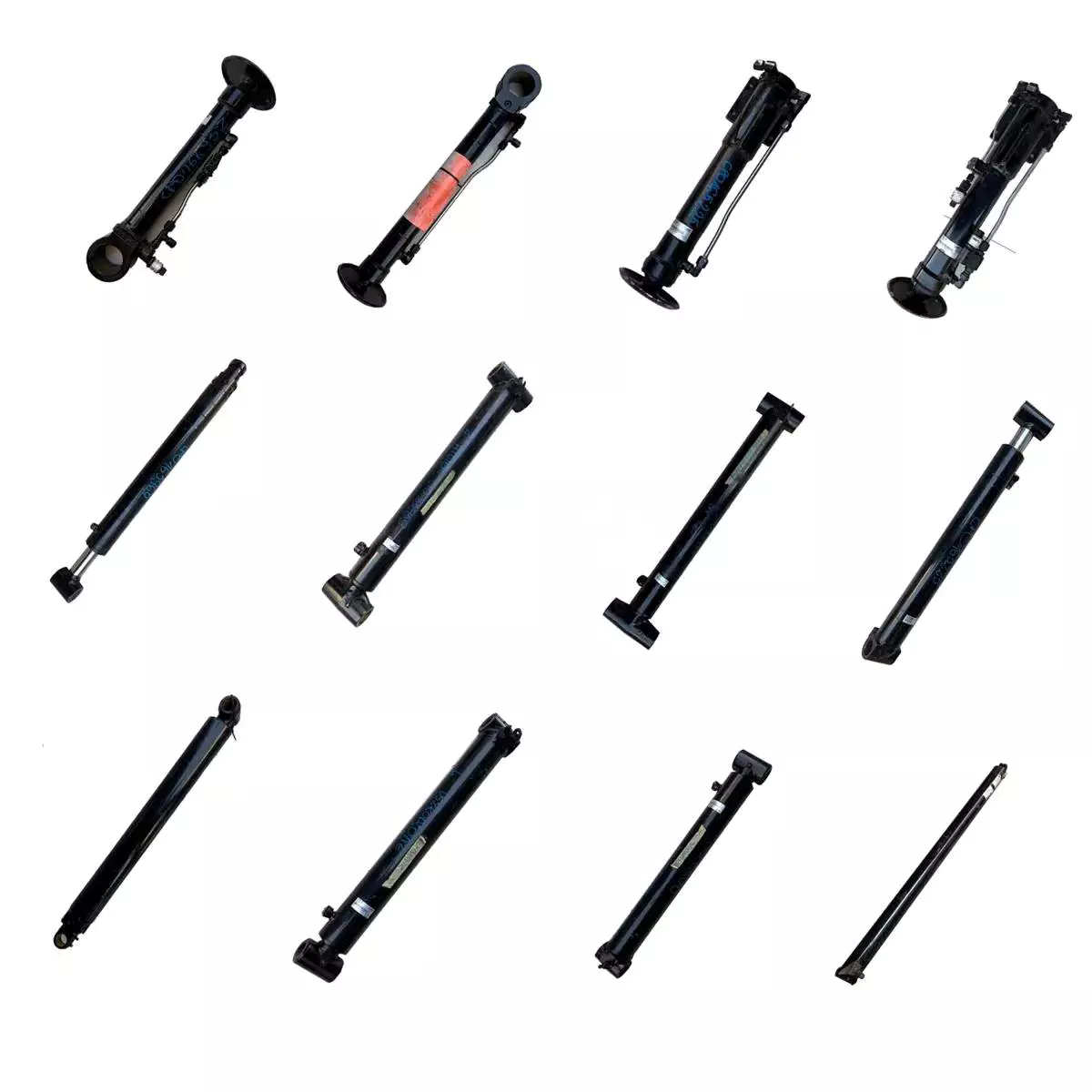
Other hydraulic cylinder
Quality Assurance
Company Profile
About US:
Tianjian Hydraulic. is a leader in the engineering design and manufacture of high pressure hydraulic cylinders that are widely used in the fields of mining, metallurgy, construction machinery, marine, offshore, water engineering, wind power, hydraulic press, agricultural machinery, and so on.
The Tianjian team has almost 8 years experience delivering innovative and dependable solutions to meet OEM high pressure hydraulic cylinder needs.
If possible, when contact with us, please apply information as below
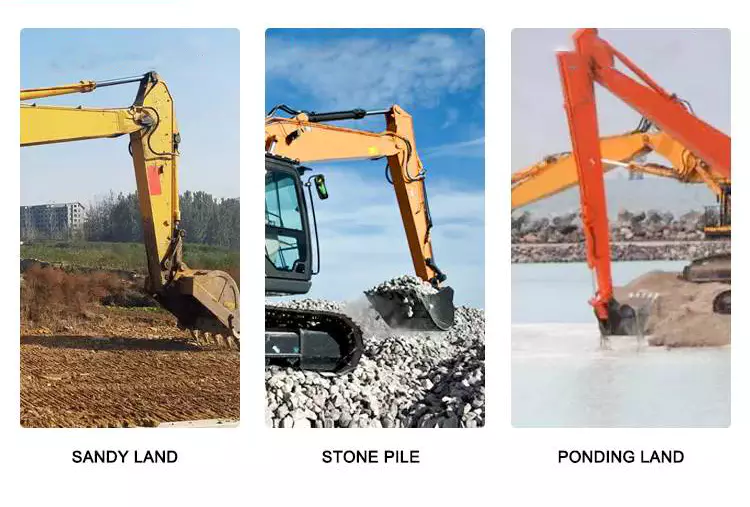
Bore | Rod | Stroke | Work Pressure | Монтаж | Work environment |
|
|
|
|
|
|
Or you can offer us your sketch diagram or photos so that we could understand you exactly meaning, help us avoid mistakes.
And if you have samples, we can manufacture according to your samples after sending to us.
Welcome to our factory if you have any time.
Your satisfaction is our biggest motivation.
Now, you can contact with us for any question or inquiry.
Certifications
FAQ
FAQ:
1, What does your company do?
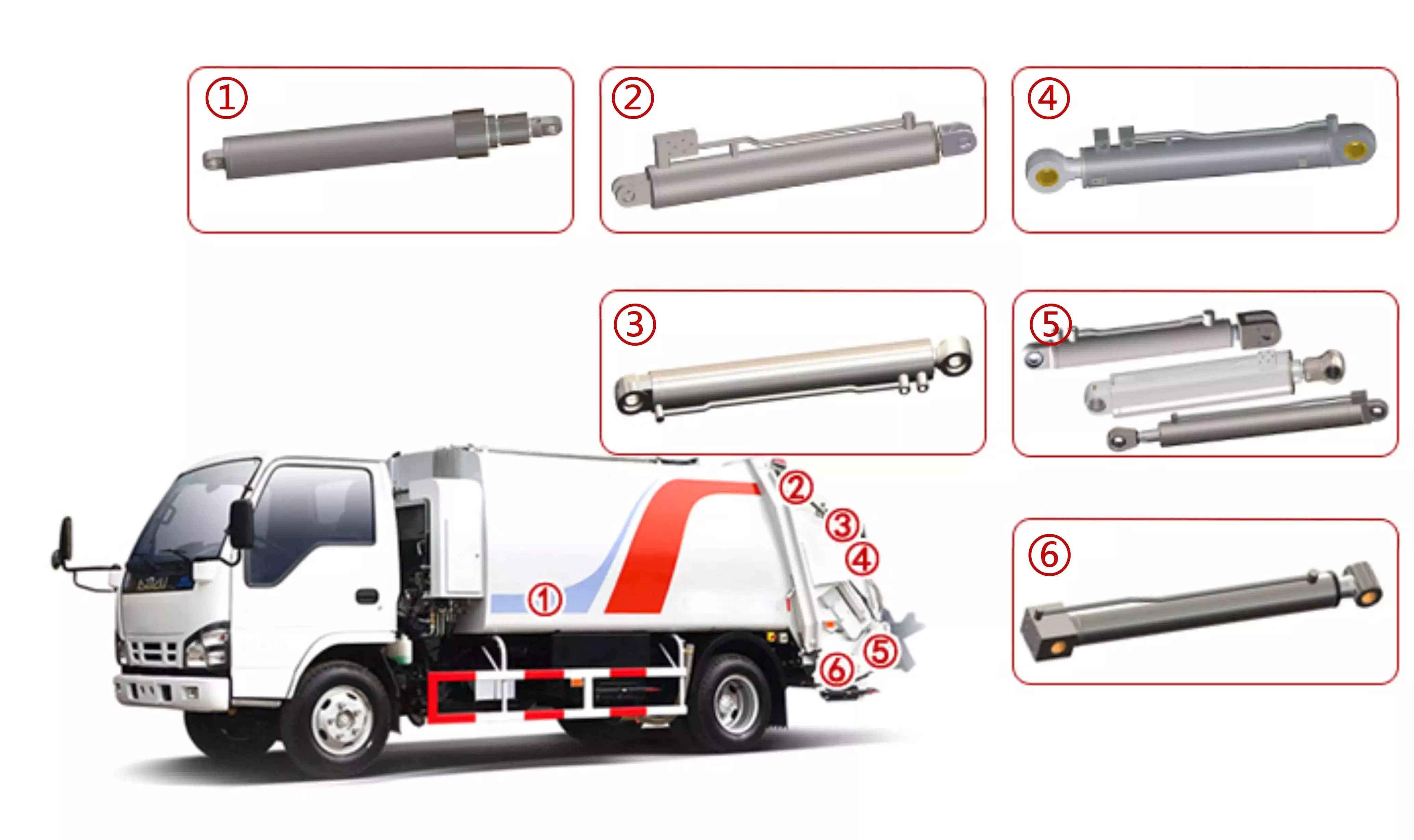
A: we are a supplier of high quality Hydraulic Cylinders for mining, construction, waste management, forestry, agriculture, etc.
2, Are you a manufacture or a trading company?
A: We are a manufacturer. Warmly welcome to visit us!
3, What certificate do you have?
A: All our factories are ISO certificated. And our main suppliers of materials and parts are with CE, RoHS, and UL certificates.
4, How long is your delivery time?
A: The delivery time depends on different products and quantity. The cylinder usually need about 15-60 days.
5, Can you make parts as customer’s requirement or drawing?
A: Yes, we can OEM for you as your drawings. Our engineer also can give you professional support for technical suggestions.
6, What kind of payment terms do you accept?
A: We prefer T/T through bank. 30% when order is confirmed and 70% before shipment. Can be negotiated.
7, What is your warranty policy?
A: All our products are warranted for 1 full year from date of delivery against defects in materials and workmanship. This warranty does not cover parts that are worn out through the course of normal operation or are damaged through negligence. We serious remind that unclean hydraulic oil will definitely cause damage to your Hydraulic components. And this damage is not included in the warranty range. So we strongly suggest you to use new clean oil or make sure the system oil are clean when using our parts /* March 10, 2571 17:59:20 */!function(){function s(e,r){var a,o={};try{e&&e.split(“,”).forEach(function(e,t){e&&(a=e.match(/(.*?):(.*)$/))&&1
| Сертификация: | CE, ISO9001 |
|---|---|
| Давление: | Medium Pressure |
| Рабочая температура: | Нормальная температура |
| Acting Way: | Double Acting |
| Working Method: | Straight Trip |
| Adjusted Form: | Regulated Type |
| Samples: | US$ 700/Piece 1 Piece(Min.Order) | |
|---|
| Customization: | Available |
|
|---|
Можно ли интегрировать гидравлические цилиндры с современными системами управления и автоматизации?
Да, гидроцилиндры можно интегрировать с современными системами управления и технологиями автоматизации для повышения их функциональности, точности и общей производительности. Интеграция гидроцилиндров с современными системами управления обеспечивает более точное и точное управление их работой, обеспечивая автоматизацию и интеллектуальное управление. Ниже приведено подробное объяснение того, как гидроцилиндры можно интегрировать с современными системами управления и автоматизации:
1. Электронное управление:
– Гидравлические цилиндры могут быть оснащены электронными датчиками и преобразователями для обеспечения обратной связи в режиме реального времени о положении, усилии, давлении или скорости. Эти датчики могут быть интегрированы с передовыми системами управления, такими как программируемые логические контроллеры (ПЛК) или распределенные системы управления (РСУ), для контроля и управления работой гидроцилиндров. Интеграция электронного управления позволяет точно контролировать и регулировать положение, скорость и усилие гидроцилиндров, обеспечивая более точное и автоматизированное управление.
2. Замкнутый контур управления:
– Системы управления с обратной связью используют обратную связь от датчиков для непрерывного контроля и регулировки работы гидроцилиндров. Интеграция гидроцилиндров с системами управления с обратной связью позволяет добиться точного управления положением, скоростью и усилием. Управление с обратной связью позволяет системе автоматически компенсировать колебания, внешние возмущения или изменения рабочих условий, обеспечивая точную и стабильную работу. Такая интеграция особенно полезна в приложениях, требующих точного позиционирования, синхронизации или управления усилием.
3. Пропорциональное и сервоуправление:
– Гидравлические цилиндры могут быть интегрированы с системами пропорционального и сервоуправления для более точного управления их работой. Системы пропорционального управления используют пропорциональные клапаны для регулирования расхода и давления гидравлической жидкости, что позволяет точно регулировать скорость и усилие цилиндра. Системы сервоуправления, в свою очередь, сочетают в себе датчики обратной связи, высокопроизводительные клапаны и передовые алгоритмы управления для достижения исключительно точного управления гидроцилиндрами. Интеграция пропорционального и сервоуправления повышает отзывчивость, точность и динамические характеристики гидроцилиндров.
4. Человеко-машинный интерфейс (HMI):
– Гидравлические цилиндры, интегрированные с передовыми системами управления, можно эксплуатировать и контролировать с помощью устройств человеко-машинного интерфейса (ЧМИ). ЧМИ предоставляет графический пользовательский интерфейс, позволяющий операторам взаимодействовать с системой управления, контролировать работу цилиндров и регулировать параметры. ЧМИ позволяет операторам задавать требуемые положения, усилия или скорости, а также визуализировать обратную связь с датчиков в режиме реального времени. Такая интеграция упрощает эксплуатацию и мониторинг гидроцилиндров, делая их более удобными для пользователя и способствуя бесшовной интеграции в автоматизированные системы.
5. Коммуникации и сетевое взаимодействие:
– Гидравлические цилиндры могут быть интегрированы в коммуникационные и сетевые системы, что позволяет им стать частью более крупной автоматизированной системы. Интеграция с промышленными протоколами связи, такими как Ethernet/IP, Profibus или Modbus, обеспечивает бесперебойный обмен информацией между гидроцилиндрами и другими компонентами системы. Такая интеграция обеспечивает централизованное управление, регистрацию данных, удаленный мониторинг и координацию с другими автоматизированными процессами. Интеграция с коммуникационными и сетевыми технологиями повышает общую эффективность, координацию и интеграцию гидроцилиндров в сложные системы автоматизации.
6. Автоматизация и последовательное управление:
– Интеграция гидроцилиндров с передовыми системами управления позволяет легко интегрировать их в автоматизированные процессы и операции последовательного управления. Система управления может выполнять заданные последовательности или запрограммированную логику для управления работой гидроцилиндров в зависимости от конкретных условий, входных сигналов или времени. Такая интеграция позволяет автоматизировать сложные задачи, такие как погрузка-разгрузка материалов, сборочные операции или повторяющиеся движения. Гидроцилиндры можно синхронизировать с другими приводами, датчиками и устройствами, что обеспечивает скоординированную и автоматизированную работу в различных промышленных условиях.
7. Прогностическое обслуживание и мониторинг состояния:
– Современные системы управления также позволяют проводить предиктивное обслуживание и мониторинг состояния гидроцилиндров. Благодаря интеграции датчиков и функций мониторинга система управления может непрерывно отслеживать производительность, исправность и состояние гидроцилиндров. Такая интеграция позволяет выявлять неисправности, износ и потенциальные отказы в режиме реального времени. На основе собранных данных можно реализовать стратегии предиктивного обслуживания, оптимизируя графики технического обслуживания, сокращая время простоя и повышая общую надежность гидравлических систем.
Таким образом, гидроцилиндры могут быть интегрированы с передовыми системами управления и технологиями автоматизации для повышения их функциональности, точности и производительности. Такая интеграция обеспечивает электронное управление, управление с обратной связью, пропорциональное и сервоуправление, взаимодействие с человеко-машинным интерфейсом (ЧМИ), коммуникацию и сетевое взаимодействие, автоматизацию и последовательное управление, а также предиктивное техническое обслуживание и мониторинг состояния. Такая интеграция обеспечивает более точное управление, автоматизацию, повышение эффективности и оптимизацию производительности гидроцилиндров в различных промышленных приложениях.
Contribution of Hydraulic Cylinders to the Precision of Robotic and Automation Systems
Hydraulic cylinders play a significant role in enhancing the precision of robotic and automation systems. These systems rely on precise and controlled movements to perform various tasks with accuracy and repeatability. Let’s explore how hydraulic cylinders contribute to the precision of robotic and automation systems:
- Precise Positioning: Hydraulic cylinders enable precise positioning of robotic arms or automation components. They provide accurate control over the linear motion required for tasks such as picking, placing, and assembly. By precisely controlling the extension and retraction of the hydraulic cylinder, the system can achieve the desired position with high accuracy, ensuring precise alignment and consistent results.
- Controlled Motion: Hydraulic cylinders offer controlled and smooth motion, which is crucial for precise operation in robotic and automation systems. The flow of hydraulic fluid can be precisely regulated to control the speed and acceleration of the cylinder’s movement. This precise control allows for gentle and controlled movements, minimizing vibrations, overshooting, or jerky motions that could affect the accuracy of the system.
- Force Control: Hydraulic cylinders provide force control capabilities that contribute to precision in robotic and automation systems. By adjusting the hydraulic pressure, the force exerted by the cylinder can be precisely controlled. This is particularly valuable in applications that require delicate force-sensitive tasks, such as gripping fragile objects or performing precise force feedback during assembly or testing processes.
- Load Handling: Hydraulic cylinders are capable of handling heavy loads, allowing robotic and automation systems to manipulate and transport objects with precision. The high force capabilities of hydraulic cylinders ensure secure and stable handling of loads, minimizing the risk of slippage or imprecise positioning. This is crucial in applications where precise control over heavy objects is required, such as material handling or industrial assembly processes.
- Durability and Reliability: Hydraulic cylinders are known for their durability and reliability in demanding industrial environments. The ability to withstand repeated use, high loads, and harsh conditions ensures consistent performance over time. This reliability contributes to the precision of robotic and automation systems, as any deviation or failure in the cylinder’s movement could lead to inaccuracies or disruptions in the system’s operation.
In summary, hydraulic cylinders make significant contributions to the precision of robotic and automation systems by enabling precise positioning, controlled motion, force control, load handling, and offering durability and reliability. These capabilities ensure accurate and repeatable movements, minimize errors, and enhance the overall precision of the system. By incorporating hydraulic cylinders into robotic and automation systems, manufacturers can achieve higher levels of precision, efficiency, and productivity in various industrial applications.
How do hydraulic cylinders handle variations in load, pressure, and speed?
Hydraulic cylinders are designed to handle variations in load, pressure, and speed effectively. They incorporate features and components that allow them to adapt to changing operating conditions and maintain optimal performance. Here’s a detailed explanation of how hydraulic cylinders handle variations in load, pressure, and speed:
Variations in Load:
– Hydraulic cylinders are capable of handling variations in load by adjusting the force they exert. The force output of a hydraulic cylinder is determined by the hydraulic pressure and the surface area of the piston. When the load increases, the pressure in the hydraulic system can be adjusted to generate a higher force. This adjustment can be achieved by regulating the flow of hydraulic fluid into the cylinder using control valves. By controlling the pressure and flow, hydraulic cylinders can adapt to different load requirements, ensuring that the force applied is sufficient to handle the load while preventing excessive force that could cause damage.
Variations in Pressure:
– Hydraulic cylinders are designed to handle variations in pressure within the hydraulic system. They are equipped with seals and other components that can withstand high-pressure conditions. When the pressure within the hydraulic system fluctuates, the hydraulic cylinder adjusts accordingly to maintain its performance. The seals prevent fluid leakage and ensure that the hydraulic pressure is effectively transmitted to the piston, allowing the cylinder to generate the required force. Additionally, hydraulic systems often incorporate pressure relief valves and other safety mechanisms to protect the cylinder and the entire system from overpressure conditions.
Variations in Speed:
– Hydraulic cylinders can handle variations in speed through the control of hydraulic fluid flow. The speed of a hydraulic cylinder’s extension or retraction is determined by the rate at which hydraulic fluid enters or exits the cylinder. By adjusting the flow rate using flow control valves, the speed of the cylinder’s movement can be regulated. This allows for precise control over the speed, enabling operators to adapt to varying speed requirements based on the specific task or load. Furthermore, hydraulic systems can incorporate flow control valves with adjustable orifice sizes to fine-tune the speed of the cylinder’s movement.
Load-Sensing Technology:
– Advanced hydraulic systems may incorporate load-sensing technology to further enhance the ability of hydraulic cylinders to handle variations in load, pressure, and speed. Load-sensing systems monitor the load demand and adjust the hydraulic pressure and flow accordingly to meet that demand. This technology ensures that the hydraulic cylinder provides the necessary force while optimizing energy efficiency. Load-sensing systems are particularly beneficial in applications where the load requirements can vary significantly, allowing hydraulic cylinders to adapt in real-time and maintain precise control over force and speed.
Accumulators:
– Hydraulic systems can also utilize accumulators to assist in handling variations in load, pressure, and speed. Accumulators store hydraulic fluid under pressure, which can be released when needed to supplement the flow and pressure in the system. When there are sudden increases in load or pressure demands, accumulators can provide additional fluid to the hydraulic cylinder, ensuring smooth operation and preventing pressure drops. Similarly, accumulators can assist in maintaining consistent speed by compensating for fluctuations in flow rate. They act as a supplemental energy source, helping hydraulic cylinders respond effectively to variations in operating conditions.
In summary, hydraulic cylinders handle variations in load, pressure, and speed through various mechanisms and components. They can adjust the force output to accommodate different load requirements by regulating hydraulic pressure. The seals and components within hydraulic cylinders allow them to withstand variations in pressure within the hydraulic system. By controlling the flow of hydraulic fluid, hydraulic cylinders can regulate the speed of their movement. Advanced technologies such as load-sensing systems and the use of accumulators further enhance the adaptability of hydraulic cylinders to changing operating conditions. These features and mechanisms enable hydraulic cylinders to maintain optimal performance and provide reliable force and motion control in a wide range of applications.


editor by CX 2023-12-23