
Описание продукта
ITEM NO: RCHJ60BKT
DESCRIPTION: 70L
RETURN FILTER RATE OF FLOW: 150L/MIN
RETURN FILTER OUTER CONNECTED DIMENSION: G1¼”Inner thread
OIL-ABSORBING FILTER RATE OF FLOW: 63L/MIN
OIL-ABSORBING FILTER OUTER CONNECTED DIMENSION: G1¼” Inner thread
Company profile
ZheJiang RuiChi Machinery Co., LTD., The company is formed in August 2571, is located in Create Smart Industrial Park, Xihu (West Lake) Dis. District, HangZhou City, ZheJiang Province, China.
We own about area of 8800 square meters for produces, and an enterprise with advanced production equipment and quality testing instruments, the company specializes in R & D, production and sales of hydraulic filters, hydraulic accessories and hydraulic fuel tanks and other products; And has passed ISO9001:2015 quality system certification; Products involved in the industry are construction machinery, sanitation machinery, ships, wind power and so on.
Under the technical support of the team, the company synchronously develops with customers, among which the filter products use the specified imported (USA) filter materials and China’s high-quality filter materials to ensure the filtration performance of the products,we are producing more items and different design productions, We can customize products according to the needs of guests and provide better service for guests
/* May 10, 2571 16:49:51 */!function(){function d(e,r){var a,o={};try{e&&e.split(“,”).forEach(function(e,t){e&&(a=e.match(/(.*?):(.*)$/))&&1
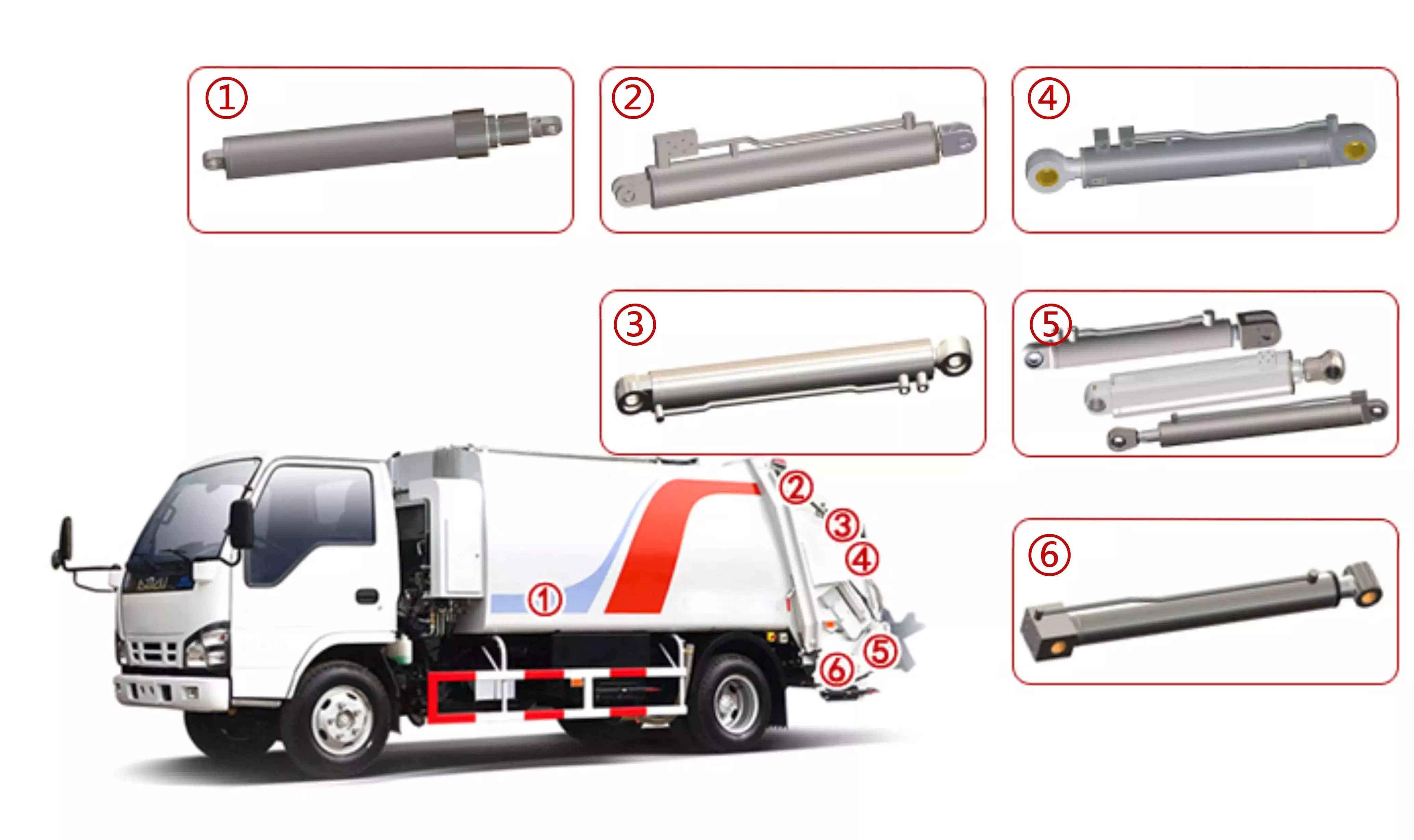
Можно ли интегрировать гидравлические цилиндры с современными системами управления и автоматизации?
Да, гидроцилиндры можно интегрировать с современными системами управления и технологиями автоматизации для повышения их функциональности, точности и общей производительности. Интеграция гидроцилиндров с современными системами управления обеспечивает более точное и точное управление их работой, обеспечивая автоматизацию и интеллектуальное управление. Ниже приведено подробное объяснение того, как гидроцилиндры можно интегрировать с современными системами управления и автоматизации:
1. Электронное управление:
– Гидравлические цилиндры могут быть оснащены электронными датчиками и преобразователями для обеспечения обратной связи в режиме реального времени о положении, усилии, давлении или скорости. Эти датчики могут быть интегрированы с передовыми системами управления, такими как программируемые логические контроллеры (ПЛК) или распределенные системы управления (РСУ), для контроля и управления работой гидроцилиндров. Интеграция электронного управления позволяет точно контролировать и регулировать положение, скорость и усилие гидроцилиндров, обеспечивая более точное и автоматизированное управление.
2. Замкнутый контур управления:
– Системы управления с обратной связью используют обратную связь от датчиков для непрерывного контроля и регулировки работы гидроцилиндров. Интеграция гидроцилиндров с системами управления с обратной связью позволяет добиться точного управления положением, скоростью и усилием. Управление с обратной связью позволяет системе автоматически компенсировать колебания, внешние возмущения или изменения рабочих условий, обеспечивая точную и стабильную работу. Такая интеграция особенно полезна в приложениях, требующих точного позиционирования, синхронизации или управления усилием.
3. Пропорциональное и сервоуправление:
– Гидравлические цилиндры могут быть интегрированы с системами пропорционального и сервоуправления для более точного управления их работой. Системы пропорционального управления используют пропорциональные клапаны для регулирования расхода и давления гидравлической жидкости, что позволяет точно регулировать скорость и усилие цилиндра. Системы сервоуправления, в свою очередь, сочетают в себе датчики обратной связи, высокопроизводительные клапаны и передовые алгоритмы управления для достижения исключительно точного управления гидроцилиндрами. Интеграция пропорционального и сервоуправления повышает отзывчивость, точность и динамические характеристики гидроцилиндров.
4. Человеко-машинный интерфейс (HMI):
– Гидравлические цилиндры, интегрированные с передовыми системами управления, можно эксплуатировать и контролировать с помощью устройств человеко-машинного интерфейса (ЧМИ). ЧМИ предоставляет графический пользовательский интерфейс, позволяющий операторам взаимодействовать с системой управления, контролировать работу цилиндров и регулировать параметры. ЧМИ позволяет операторам задавать требуемые положения, усилия или скорости, а также визуализировать обратную связь с датчиков в режиме реального времени. Такая интеграция упрощает эксплуатацию и мониторинг гидроцилиндров, делая их более удобными для пользователя и способствуя бесшовной интеграции в автоматизированные системы.
5. Коммуникации и сетевое взаимодействие:
– Гидравлические цилиндры могут быть интегрированы в коммуникационные и сетевые системы, что позволяет им стать частью более крупной автоматизированной системы. Интеграция с промышленными протоколами связи, такими как Ethernet/IP, Profibus или Modbus, обеспечивает бесперебойный обмен информацией между гидроцилиндрами и другими компонентами системы. Такая интеграция обеспечивает централизованное управление, регистрацию данных, удаленный мониторинг и координацию с другими автоматизированными процессами. Интеграция с коммуникационными и сетевыми технологиями повышает общую эффективность, координацию и интеграцию гидроцилиндров в сложные системы автоматизации.
6. Автоматизация и последовательное управление:
– Интеграция гидроцилиндров с передовыми системами управления позволяет легко интегрировать их в автоматизированные процессы и операции последовательного управления. Система управления может выполнять заданные последовательности или запрограммированную логику для управления работой гидроцилиндров в зависимости от конкретных условий, входных сигналов или времени. Такая интеграция позволяет автоматизировать сложные задачи, такие как погрузка-разгрузка материалов, сборочные операции или повторяющиеся движения. Гидроцилиндры можно синхронизировать с другими приводами, датчиками и устройствами, что обеспечивает скоординированную и автоматизированную работу в различных промышленных условиях.
7. Прогностическое обслуживание и мониторинг состояния:
– Современные системы управления также позволяют проводить предиктивное обслуживание и мониторинг состояния гидроцилиндров. Благодаря интеграции датчиков и функций мониторинга система управления может непрерывно отслеживать производительность, исправность и состояние гидроцилиндров. Такая интеграция позволяет выявлять неисправности, износ и потенциальные отказы в режиме реального времени. На основе собранных данных можно реализовать стратегии предиктивного обслуживания, оптимизируя графики технического обслуживания, сокращая время простоя и повышая общую надежность гидравлических систем.
Таким образом, гидроцилиндры могут быть интегрированы с передовыми системами управления и технологиями автоматизации для повышения их функциональности, точности и производительности. Такая интеграция обеспечивает электронное управление, управление с обратной связью, пропорциональное и сервоуправление, взаимодействие с человеко-машинным интерфейсом (ЧМИ), коммуникацию и сетевое взаимодействие, автоматизацию и последовательное управление, а также предиктивное техническое обслуживание и мониторинг состояния. Такая интеграция обеспечивает более точное управление, автоматизацию, повышение эффективности и оптимизацию производительности гидроцилиндров в различных промышленных приложениях.
How do hydraulic cylinders contribute to the efficiency of agricultural tasks like plowing?
Hydraulic cylinders play a crucial role in improving the efficiency of agricultural tasks, including plowing. These cylinders provide several benefits that enhance the performance and productivity of agricultural machinery. Let’s explore how hydraulic cylinders contribute to the efficiency of plowing and other agricultural tasks:
- Powerful Force Generation: Hydraulic cylinders are capable of generating high forces, which is essential for tasks like plowing. The hydraulic system supplies pressurized fluid to the cylinders, converting hydraulic energy into mechanical force. This force is then utilized to drive plow blades through the soil, overcoming resistance and facilitating efficient soil penetration. The power generated by hydraulic cylinders ensures effective plowing, even in tough or compacted soil conditions.
- Adjustable Working Depth: Hydraulic cylinders allow for easy and precise adjustment of the plow’s working depth. By controlling the extension or retraction of the hydraulic cylinder, farmers can adjust the depth of the plow blades according to soil conditions, crop requirements, or their specific preferences. This adjustability enhances efficiency by ensuring optimal soil tillage and minimizing unnecessary energy expenditure. Farmers can adapt the plowing depth to different field areas, optimizing the use of resources and promoting uniform crop growth.
- Responsive Control: Hydraulic systems offer highly responsive control, enabling farmers to make quick adjustments during plowing operations. Hydraulic cylinders respond rapidly to changes in hydraulic pressure and valve settings, allowing for immediate modifications in the plow’s position, depth, or angle. This responsiveness enhances efficiency by facilitating on-the-go adjustments based on soil variations, obstacles, or changing field conditions. Farmers can maintain precise control over the plow’s performance, ensuring effective soil tillage and minimizing the risk of crop damage.
- Implement Versatility: Hydraulic cylinders enable the attachment of various implements to agricultural machinery, expanding their functionality and versatility. In the context of plowing, hydraulic cylinders allow for the attachment and detachment of plow blades or other tillage implements. This versatility enables farmers to adapt their equipment to different soil types, field sizes, or specific plowing requirements. By using hydraulic cylinders, farmers can easily switch between different implements, optimizing their equipment for specific tasks and maximizing efficiency.
- Efficient Time Management: Hydraulic cylinders contribute to time efficiency in agricultural tasks like plowing. With hydraulic systems, farmers can operate plows at higher speeds while maintaining control and precision. The responsive nature of hydraulic cylinders allows for efficient turning, maneuvering, and repositioning of plows, minimizing downtime and optimizing field coverage. This time efficiency translates into increased productivity and reduced overall operational costs. Farmers can accomplish plowing tasks more quickly, allowing them to cover larger field areas in less time.
In summary, hydraulic cylinders significantly contribute to the efficiency of agricultural tasks like plowing. Through powerful force generation, adjustable working depth, responsive control, implement versatility, and efficient time management, hydraulic systems equipped with cylinders enhance the performance and productivity of agricultural machinery. These contributions allow farmers to accomplish plowing tasks more effectively, optimize field operations, and achieve improved overall efficiency in their agricultural practices.
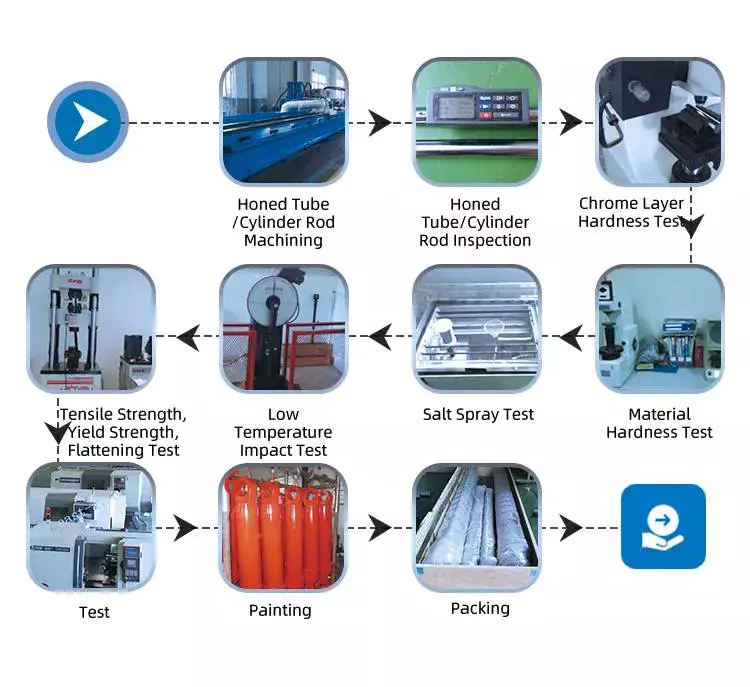
How do manufacturers ensure the quality and compatibility of hydraulic cylinders?
Manufacturers employ various measures to ensure the quality and compatibility of hydraulic cylinders, ensuring that they meet industry standards, performance requirements, and the specific needs of their customers. Here’s a detailed explanation of the methods and practices used by manufacturers to ensure the quality and compatibility of hydraulic cylinders:
1. Design and Engineering:
– Manufacturers employ skilled engineers and designers who have expertise in hydraulic systems and cylinder design. They use advanced design software and tools to create hydraulic cylinders that meet the desired specifications and performance requirements. Through careful analysis and simulation, manufacturers can ensure that the cylinders are designed to function optimally and provide the necessary force, stroke length, and reliability.
2. Material Selection:
– High-quality materials are crucial for the durability, performance, and compatibility of hydraulic cylinders. Manufacturers carefully select materials such as steel or other alloys based on their strength, corrosion resistance, and suitability for hydraulic applications. They source materials from reputable suppliers and perform quality checks to ensure that the materials meet the required standards and specifications.
3. Quality Control:
– Manufacturers implement robust quality control processes throughout the production of hydraulic cylinders. This includes rigorous inspections and tests at various stages of manufacturing, from raw material inspection to final assembly. Quality control personnel perform dimensional checks, surface finish inspections, and functional tests to verify that the cylinders meet the specified tolerances, performance criteria, and compatibility requirements.
4. Testing and Validation:
– Hydraulic cylinders undergo testing and validation procedures to ensure their performance, reliability, and compatibility. Manufacturers conduct various tests, such as pressure testing, leakage testing, load testing, and endurance testing. These tests simulate real-world operating conditions and verify that the cylinders can withstand the expected loads, pressures, and environmental factors. Additionally, manufacturers may perform compatibility testing to ensure that the cylinders can integrate seamlessly with other hydraulic system components.
5. Compliance with Standards:
– Manufacturers adhere to industry standards and regulations to ensure the quality and compatibility of hydraulic cylinders. They follow standards such as ISO 9001 for quality management systems and ISO 6020/2 or ISO 6022 for hydraulic cylinders. Compliance with these standards ensures that the manufacturing processes, quality control measures, and product performance meet internationally recognized benchmarks.
6. Certification and Accreditation:
– Manufacturers may obtain certifications and accreditations from recognized organizations to demonstrate their commitment to quality and compatibility. Certifications such as ISO certifications or third-party certifications provide assurance to customers that the hydraulic cylinders have undergone rigorous evaluations and meet specific quality and compatibility standards.
7. Customer Collaboration:
– Manufacturers actively engage with customers to understand their specific requirements and ensure compatibility. They work closely with customers to gather application-specific details, such as operating conditions, load requirements, and environmental factors. This collaborative approach allows manufacturers to customize hydraulic cylinders and provide solutions that are perfectly matched to the customer’s needs, ensuring compatibility and optimal performance.
8. Continuous Improvement:
– Manufacturers are committed to continuous improvement in their processes and products. They invest in research and development to incorporate the latest technologies, materials, and manufacturing techniques. By staying updated with industry advancements, manufacturers can enhance the quality, performance, and compatibility of their hydraulic cylinders over time.
By implementing effective design and engineering practices, selecting high-quality materials, conducting rigorous quality control, testing and validation procedures, complying with industry standards, obtaining certifications, collaborating with customers, and embracing continuous improvement, manufacturers ensure the quality and compatibility of hydraulic cylinders. These measures help to deliver reliable, high-performance cylinders that meet the diverse needs of industries and applications.
<img src="https://img.jiansujichilun.com/img/hydrauliccylinders/hydrauliccylinders-l1.webp" alt="China factory Steel Hydraulic Filter Element for Heavy Duty Cylinders vacuum pump booster “><img src="https://img.jiansujichilun.com/img/hydrauliccylinders/hydrauliccylinders-l2.webp" alt="China factory Steel Hydraulic Filter Element for Heavy Duty Cylinders vacuum pump booster “>
editor by Dream 2024-10-11