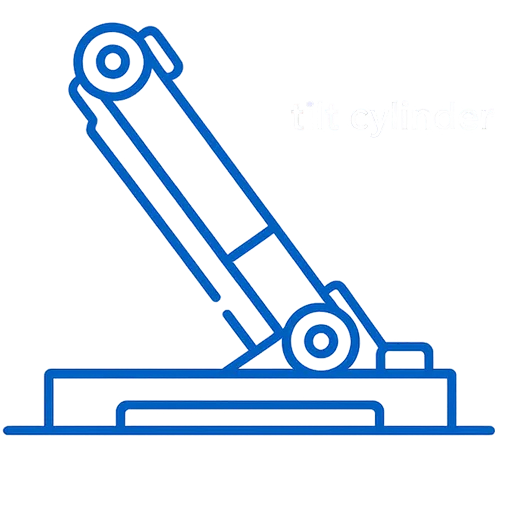
제품 설명
HYDRAULIC CYLINDER
Widely used in equipment for Construction, Coal&mine, Agriculture , Aerial work table and Environmental sanitation etc.
| Features | customized hydraulic cylinder |
| Bore Diameter | 2′-50’/50-1500mm |
| Rod Diameter | 1′ – 60’/25 -1000 mm |
| Wall Thickness | 0.1′-4’/3-100 mm |
| Max Stroke | 366’/9280 mm |
| Max Pressure | 9600 psi/600 bar |
| Test Pressure | 14500 psi/1000 bar |
| Material | 20#,40#,45#,16Mn,27SiMn,etc |
| Seal Kits | Hallite, Parker, NOK, DICHTOMATIK, Trelleborg, Merkel |
| Dimensional Accuracy | H7-H11 |
| Bore Roughness | Ra 0.4-1.6mm |
| Coating | hard chrome |
| Purpose | engineering, Coal &mining, agricultural machinery, environmental sanitation |
| OEM/ODM | Yes |
| MOQ | 1 Piece |
| Certificates | ISO9001,CE, CCS |
Q1. Are you a manufacturer?
Yes, we have manufactured hydraulic cylinders for over 30 years. They are widely used in Engineers, Coal&mine, Agriculture and Environmental Sanitation etc.
Q2. Do your products come with a warranty?
Yes, we have 1 year warranty.
Q3. Can we customize our products from you?
Yes, actually 70% of our products are customized for our clients. You just need to let us know your demand (specifications &drawing is better), and we shall realize them for you.
Q4. How do you deliver the products?
By sea, by plane, or by couriers.
Q5. How many days the samples can be finished, And how about the mass production?
Generally 5-7days for samples making. The lead time of mass production will depend on quality, production art and so on. Generally 35days.
| 인증: | CE, ISO9001 |
|---|---|
| 압력: | High Pressure |
| 작동 온도: | -40~120 |
| 연기 방식: | 1인 2역 |
| 작업 방식: | Straight Trip |
| Structure: | Piston Type |
| 맞춤 설정: | 사용 가능 |
|
|---|
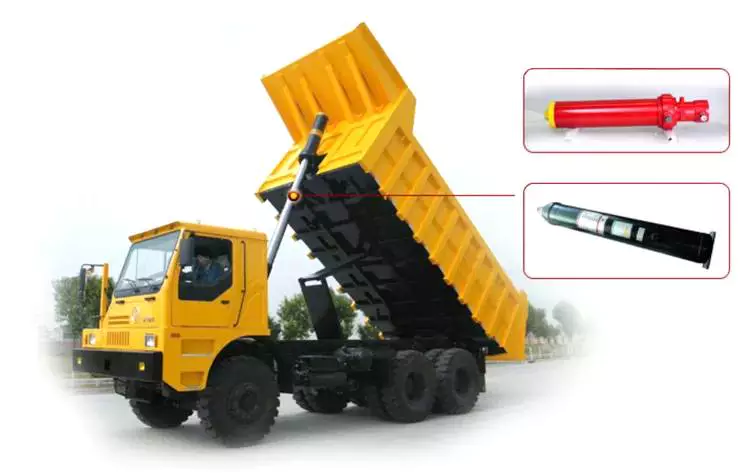
Can hydraulic cylinders be adapted for specialized applications like material handling?
Yes, hydraulic cylinders can be effectively adapted for specialized applications such as material handling. The versatility, power, and precise control offered by hydraulic cylinders make them well-suited for a wide range of material handling tasks. Hydraulic systems, including cylinders, are commonly used in industrial settings to lift, position, push, pull, and manipulate various types of materials. Here’s a detailed explanation of how hydraulic cylinders can be adapted for specialized material handling applications:
1. Lifting and Lowering:
– Hydraulic cylinders are commonly used for lifting and lowering heavy loads in material handling applications. By utilizing the force generated by hydraulic pressure, cylinders can provide the necessary power to lift and hold loads at different elevations. The precise control offered by hydraulic systems allows for accurate positioning of materials, ensuring efficient and safe lifting operations.
2. Pushing and Pulling:
– Hydraulic cylinders are capable of generating substantial pushing and pulling forces, making them ideal for applications that involve moving or manipulating materials. They can be used to push or pull heavy objects, control the movement of conveyors or rollers, or engage mechanisms for material transfer. The ability to exert high forces with precise control enables hydraulic cylinders to efficiently handle a variety of material handling tasks.
3. Tilting and Rotating:
– Hydraulic cylinders can be adapted to provide tilting and rotating functions in material handling equipment. By integrating cylinders into the design, equipment such as forklifts, cranes, or material handling arms can tilt or rotate to facilitate material placement or maneuvering. Hydraulic cylinders offer the required force and control to achieve smooth and controlled tilting or rotating motions, enhancing operational efficiency in material handling processes.
4. Gripping and Clamping:
– Hydraulic cylinders can be utilized to provide gripping and clamping functions for secure material handling. By incorporating specialized gripping or clamping mechanisms with hydraulic actuation, materials of various shapes and sizes can be securely held or clamped during transportation or processing. Hydraulic cylinders enable precise and adjustable gripping or clamping forces, ensuring the safe and reliable handling of materials.
5. Material Compaction and Forming:
– Hydraulic cylinders can be adapted for material compaction and forming applications. For example, in the production of bricks, hydraulic cylinders are used to apply high pressure and force to compact the raw materials into desired shapes. Similarly, in metal forming processes, hydraulic cylinders are employed to exert force on metal sheets or components, enabling precise shaping and forming operations.
6. Conveyor and Sorting Systems:
– Hydraulic cylinders can be integrated into conveyor and sorting systems to facilitate material movement and sorting. By incorporating hydraulic actuators, conveyor belts or sorting mechanisms can be efficiently controlled for optimal material flow and distribution. Hydraulic cylinders provide the necessary force and control to handle varying load capacities and adjust the speed and position of material transfer, improving the overall efficiency of handling and sorting operations.
7. Customized Designs:
– Hydraulic cylinders can be customized and adapted to meet specific requirements of specialized material handling applications. Engineers can design cylinders with unique dimensions, stroke lengths, mounting options, and sealing arrangements to fit into equipment or systems with specific space limitations or operating conditions. Customized hydraulic cylinders ensure optimal performance and compatibility for specialized material handling tasks.
In summary, hydraulic cylinders can be effectively adapted for specialized material handling applications, offering the necessary force, control, and versatility required in various material handling tasks. Whether it involves lifting and lowering, pushing and pulling, tilting and rotating, gripping and clamping, material compaction and forming, or integration into conveyor and sorting systems, hydraulic cylinders provide reliable and efficient solutions. Their adaptability, precise control, and ability to handle heavy loads make hydraulic cylinders a valuable component in optimizing material handling processes across different industries.
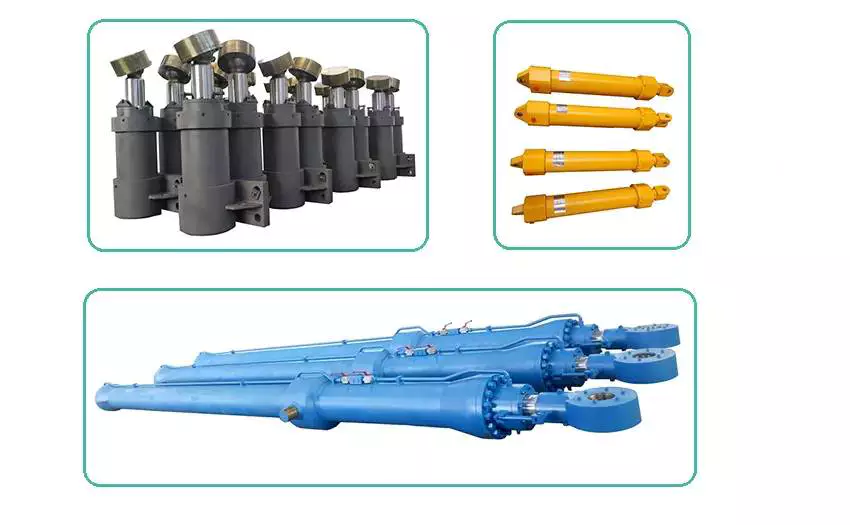
유압 실린더가 쟁기질과 같은 농업 작업의 효율성에 미치는 영향
유압 실린더는 쟁기질을 포함한 농업 작업의 효율성을 높이는 데 중요한 역할을 합니다. 유압 실린더는 동력, 제어력, 그리고 다양한 활용성을 제공함으로써 농기계가 더욱 효율적이고 정밀하게 작업을 수행할 수 있도록 해줍니다. 유압 실린더가 쟁기질을 비롯한 농업 작업의 효율성 향상에 어떻게 기여하는지 자세히 살펴보겠습니다.
- 강력한 에너지 생성: 유압 실린더는 높은 힘을 발생시킬 수 있어 쟁기질과 같이 상당한 동력이 필요한 작업에 이상적입니다. 유압 시스템은 실린더에 가압된 유체를 공급하고, 실린더는 이 유압 에너지를 기계적 힘으로 변환합니다. 이 힘은 쟁기날을 흙 속으로 밀어 넣어 저항을 극복하고 효율적인 토양 침투를 가능하게 합니다.
- 조절 가능한 작업 깊이: 유압 실린더를 사용하면 쟁기질 깊이를 쉽고 정확하게 조절할 수 있습니다. 유압 실린더의 확장 또는 수축을 제어하여 토양 조건, 작물 요구 사항 또는 농부의 선호도에 따라 쟁기날의 깊이를 조절할 수 있습니다. 이러한 조절 기능은 최적의 토양 경작을 보장하고 불필요한 에너지 소비를 최소화하여 효율성을 향상시킵니다.
- 반응형 제어: 유압 시스템은 매우 빠른 반응 속도를 제공하여 농부들이 쟁기질 작업 중 신속하게 조정할 수 있도록 해줍니다. 유압 실린더는 유압 압력 및 밸브 설정 변화에 빠르게 반응하여 쟁기의 위치, 깊이 또는 각도를 즉시 변경할 수 있게 합니다. 이러한 반응성은 토양 변화, 장애물 또는 변화하는 경작지 조건에 따라 즉시 조정할 수 있도록 하여 작업 효율성을 향상시킵니다.
- 다재다능함을 구현하세요: 유압 실린더는 농기계에 다양한 작업기를 부착할 수 있게 해 주어 기능성과 활용도를 높여줍니다. 예를 들어 쟁기질의 경우, 유압 실린더를 이용하면 쟁기날이나 기타 경운 작업기를 쉽게 탈부착할 수 있습니다. 이러한 다용도성 덕분에 농부들은 토양 유형, 경작지 크기, 또는 특정 쟁기질 요구 사항에 맞춰 장비를 조정할 수 있으며, 기계의 활용도를 극대화하여 작업 효율을 향상시킬 수 있습니다.
- 효율적인 시간 관리: 유압 실린더는 쟁기질과 같은 농업 작업에서 시간 효율성을 높여줍니다. 유압 시스템을 사용하면 농부들은 제어력과 정밀도를 유지하면서 더 빠른 속도로 쟁기를 조작할 수 있습니다. 유압 실린더의 빠른 반응성은 쟁기의 효율적인 회전, 조작 및 위치 조정을 가능하게 하여 작업 중단 시간을 최소화하고 경작 면적을 최적화합니다. 이러한 시간 효율성은 생산성 향상과 전반적인 운영 비용 절감으로 이어집니다.
요약하자면, 유압 실린더는 쟁기질과 같은 농작업의 효율성을 크게 향상시킵니다. 강력한 동력 발생, 조절 가능한 작업 깊이, 민첩한 제어, 다양한 작업기 활용성, 효율적인 시간 관리 등을 통해 실린더가 장착된 유압 시스템은 농기계의 성능과 생산성을 향상시킵니다. 이러한 장점 덕분에 농부들은 쟁기질 작업을 더욱 효과적으로 수행하고, 경작 작업을 최적화하며, 전반적인 농업 생산성을 높일 수 있습니다.
Can hydraulic cylinders be adapted for use in both industrial and mobile equipment?
Yes, hydraulic cylinders can be adapted for use in both industrial and mobile equipment. The versatility and adaptability of hydraulic systems make them suitable for a wide range of applications across various industries. Here’s a detailed explanation:
1. Industrial Equipment:
– Hydraulic cylinders are extensively used in industrial equipment such as manufacturing machinery, construction equipment, material handling systems, and heavy-duty machinery. They provide the necessary force and controlled movement for tasks such as lifting, pushing, pulling, and positioning heavy loads. Industrial hydraulic cylinders are typically designed for robustness, durability, and high load-bearing capacities to withstand the demanding environments and heavy-duty applications encountered in industries.
2. Mobile Equipment:
– Hydraulic cylinders are also widely adopted in mobile equipment, including agricultural machinery, mining equipment, forestry machinery, and transportation vehicles. These cylinders enable various functions such as tilting, lifting, steering, and stabilizing. Mobile hydraulic cylinders are designed to be compact, lightweight, and efficient to meet the specific requirements of mobile applications. They are often integrated into hydraulic systems that power multiple functions in a single machine.
3. Adaptability:
– One of the key advantages of hydraulic cylinders is their adaptability. They can be customized and configured to suit different operating conditions, equipment sizes, load capacities, and speed requirements. Hydraulic cylinder manufacturers offer a wide range of sizes, stroke lengths, mounting options, and rod configurations to accommodate diverse applications. This adaptability allows hydraulic cylinders to be utilized in both industrial and mobile equipment, serving various purposes across different sectors.
4. Mounting Options:
– Hydraulic cylinders can be adapted to different mounting arrangements to suit the specific requirements of industrial and mobile equipment. They can be mounted in various orientations, including vertical, horizontal, or at an angle. Different mounting options, such as flange mounts, trunnion mounts, and clevis mounts, provide flexibility in integrating hydraulic cylinders into different equipment designs.
5. Integration with Hydraulic Systems:
– Hydraulic cylinders are often part of a larger hydraulic system that includes components such as pumps, valves, hoses, and reservoirs. These systems can be tailored to meet the specific needs of both industrial and mobile equipment. The hydraulic system’s design and configuration can be adapted to provide the necessary flow rates, pressures, and control mechanisms required for optimal performance in the intended application.
6. Control and Automation:
– Hydraulic cylinders in both industrial and mobile equipment can be integrated with control systems and automation technologies. This allows for precise and automated control of the cylinder’s movement and function. Proportional control valves, sensors, and electronic controls can be incorporated to achieve accurate positioning, speed control, and synchronization of multiple hydraulic cylinders, enhancing overall equipment performance and productivity.
7. 안전 고려 사항:
– Hydraulic cylinders for both industrial and mobile equipment are designed with safety in mind. They often feature built-in safety mechanisms such as overload protection, pressure relief valves, and emergency stop systems to prevent accidents and equipment damage. Safety standards and regulations specific to each industry are taken into account during the design and adaptation of hydraulic cylinders for different applications.
Overall, hydraulic cylinders offer the adaptability and performance required for use in both industrial and mobile equipment. Their versatility, customizable features, mounting options, integration capabilities, and safety considerations make them suitable for a wide range of applications across diverse industries. Whether it’s heavy-duty industrial machinery or mobile equipment operating in challenging environments, hydraulic cylinders can be adapted to meet the specific needs and requirements of various equipment types.


editor by CX 2023-11-27