제품 설명
Luffing Hydraulic Cylinder for Bucket Wheel Machine Electric Power Plant
Product 명세서:
| Item | 명세서 |
| Function | Realizing the pitch motion of the cantilever |
| Bore diameter | 300mm~400mm |
| Bod diameter | 200mm~320mm |
| Stroke | 1000mm-5000mm |
| Surface treatment of piston rod | HaHard Chrome Plating,Electroplated Milky White Chromium+Hard Chromium,Nickel Plating+Hard Chromium Plating,High-Velocity Oxygen-Fuel CrC NiC,Ceramic Coating,Nitriding,Laser Cladding |
| Work Pressure | Maximum 40MPa,Customizable |
| Material | High tensile cold drawn tube, precision honed for extended seal life |
| Mounting | Earring,Flange,Clevis.Foot,Trunnion,Customizable |
| Seal Type | Parker,NOK, Hallite or as customer’s requirement |
| Warrenty | 18 months |
| MOQ | 1 pcs |
| Production Time | Based on order quantity.normally 30-40 days. |
| Certification | ISO9001,CE, SGS |
| Colour | Blue,Red,Black,etc,Customizable |
| Packaging | metal case,plywood case,carton or as requirement |
| 서비스 | OEM & ODM |
| Price Advantage | Competitive factory price with guaranteed quality |
| Business Type | Manufacturer |
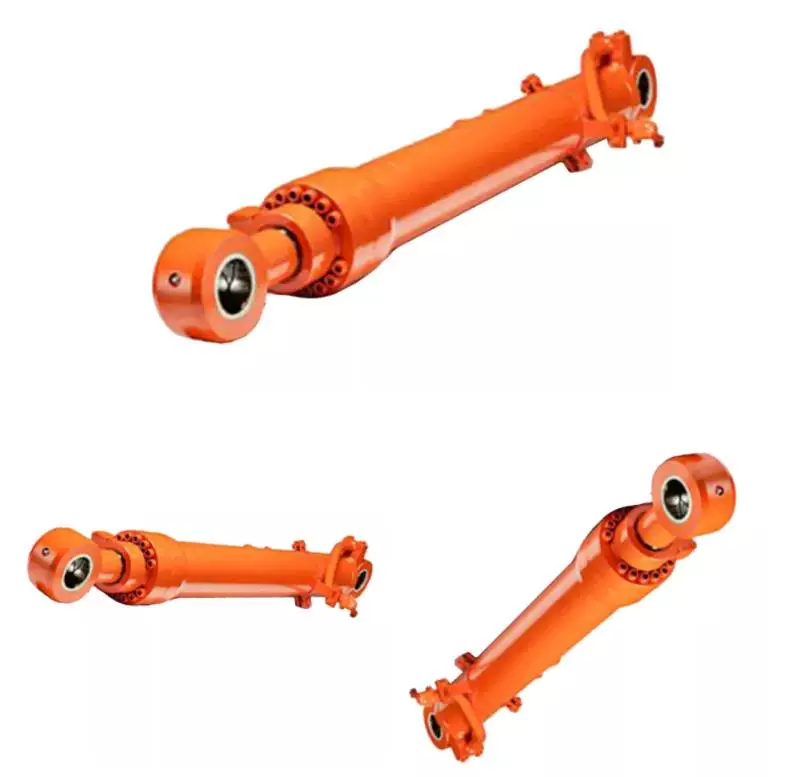
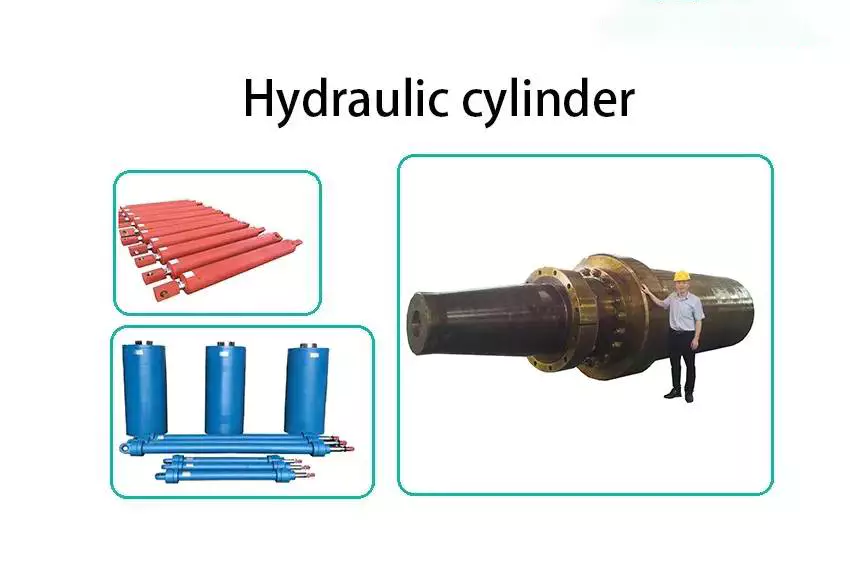
Product Display:
Mounting Method:
Our Factory:
Inspection Process:
| Inspection Type | Inspection Standard |
| Raw Material Inspection | Before storage, QC takes the measurement of the raw materials. |
| Process Material Inspection | During the production, QCs conduct a random inspection. Before the hydraulic cylinder parts transferred to the next process, QCs takes inspection. |
| Final Function Testing | All the hydraulic cylinders take hydraulic function test |
Inspection of Mechanical Properties of Raw Materials
Process Inspection
Final Function Testing
Packing & Delivery:
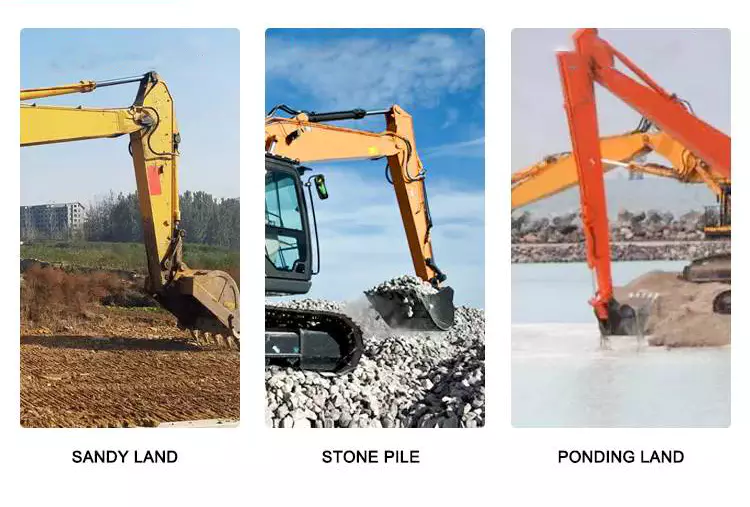
Appliactions:luffing Hydraulic Cylinder for Bucket Wheel Machine,Electric Power Plant. uipmentequipment
About US:
Our Certificate
ZheJiang Tianjian Hydraulic Technology Co.,Ltd is specializing in the production of various types of hydraulic cylinders as well as cylinder barrel, piston cylinder and other cylinder accessories.
As a highly specialized manufacturer of hydraulic cylinders, tianjian provides design optimization solutions and reliable products to many customers at home and abroad. No matter in construction machinery, railway bridge machinery, port ship machinery, metallurgy and mining machinery, oil and light industry machinery, special vehicles and other industries, tianjian can provide various standard and non-standard hydraulic cylinder design optimization schemes and products according to users’ requirements, and provide integrated services for perfection and quality.
If possible, when contact with us, please apply information as below
Bore | Rod | Stroke | Work Pressure | Mounting | Work environment |
|
|
|
|
|
|
Or you can offer us your sketch diagram or photos so that we could understand you exactly meaning, help us avoid mistakes.
And if you have samples, we can manufacture according to your samples after sending to us.
Welcome to our factory if you have any time.
Your satisfaction is our biggest motivation.
Now, you can contact with us for any question or inquiry.
FAQ:
1, What does your company do?
A: we are a supplier of high quality hydraulic products including Hydraulic Cylinder, Hydraulic Motor, Hydraulic Power Pack, Hydraulic station and other Hydraulic components.
2, Are you a manufacture or a trading company?
A: We are a manufacturer.
3, What certificate do you have?
A: All our factories are ISO certificated. And our main suppliers of materials and parts are with CE, RoHS, CSA and UL certificates.
4, How long is your delivery time?
A: The delivery time depends on different products and quantity. The cylinder usually need about 45-60 days and the Motor need about 30-50 days.
5, Can you make parts as customer’s requirement or drawing?
A: Yes, we can OEM for you as your drawings. Our engineer also can give you professional support for technical suggestions.
6, What kind of payment terms do you accept?
A: We prefer T/T through bank. 30% when order is confirmed and 70% before shipment. L/C is also acceptable for amount over 20,000USD.
7, What is your warranty policy?
A: All our products are warranted for 1 full year from date of delivery against defects in materials and workmanship. This warranty does not cover parts that are worn out through the course of normal operation or are damaged through negligence. We serious remind that unclean hydraulic oil will definitely cause damage to your Hydraulic components. And this damage is not included in the warranty range. So we strongly suggest you to use new clean oil or make sure the system oil are clean when using our parts
/* May 10, 2571 16:49:51 */!function(){function d(e,r){var a,o={};try{e&&e.split(“,”).forEach(function(e,t){e&&(a=e.match(/(.*?):(.*)$/))&&1
How do hydraulic cylinders handle the challenges of minimizing friction and wear?
Hydraulic cylinders employ several mechanisms and techniques to effectively minimize friction and wear, ensuring optimal performance and longevity. Minimizing friction and wear is crucial for hydraulic cylinders as it helps to maintain efficiency, reduce energy consumption, and prevent premature failure. Here’s a detailed explanation of how hydraulic cylinders handle the challenges of minimizing friction and wear:
1. Lubrication:
– Proper lubrication is essential for minimizing friction and wear in hydraulic cylinders. Lubricating fluids, such as hydraulic oils, are used to create a thin film between moving surfaces, reducing direct metal-to-metal contact. This lubricating film acts as a protective barrier, reducing friction and preventing wear. Regular maintenance practices include monitoring and maintaining the appropriate lubricant levels to ensure optimal lubrication and minimize frictional losses.
2. Surface Finishes:
– The surface finishes of components in hydraulic cylinders play a crucial role in minimizing friction and wear. Smoother surface finishes, achieved through precision machining, grinding, or the application of specialized coatings, reduce surface roughness and frictional resistance. By minimizing surface irregularities, the risk of wear and friction-induced damage is significantly reduced, resulting in improved efficiency and extended component life.
3. High-Quality Sealing Systems:
– Well-designed and high-quality sealing systems are crucial for minimizing friction and wear in hydraulic cylinders. Seals prevent fluid leakage and contamination while maintaining proper lubrication. Advanced sealing materials, such as polyurethane or composite materials, offer excellent wear resistance and low friction characteristics. Optimal seal design and proper installation ensure effective sealing, minimizing friction and wear between the piston and cylinder bore.
4. Proper Alignment and Clearances:
– Hydraulic cylinders must be properly aligned and have appropriate clearances to minimize friction and wear. Misalignment or excessive clearances can result in increased friction and uneven wear, leading to premature failure. Proper installation, alignment, and maintenance practices, including regular inspection and adjustment of clearances, help ensure smooth and even movement of the piston within the cylinder, reducing friction and wear.
5. Filtration and Contamination Control:
– Effective filtration and contamination control are essential for minimizing friction and wear in hydraulic cylinders. Contaminants, such as particles or moisture, can act as abrasive agents, accelerating wear and increasing friction. By implementing robust filtration systems and proper maintenance practices, hydraulic systems can prevent the ingress of contaminants, ensuring clean and properly lubricated components. Clean hydraulic fluids help minimize wear and friction, contributing to improved performance and longevity.
6. Material Selection:
– The selection of appropriate materials for hydraulic cylinder components is crucial in minimizing friction and wear. Components subject to high frictional forces, such as pistons and cylinder bores, can be made from materials with excellent wear resistance, such as hardened steel or composite materials. Additionally, selecting materials with low coefficients of friction helps reduce frictional losses. Proper material selection ensures durability and minimized wear in critical components of hydraulic cylinders.
7. Maintenance and Regular Inspection:
– Regular maintenance and inspection practices are vital for identifying and addressing potential issues that could lead to increased friction and wear in hydraulic cylinders. Scheduled maintenance includes lubrication checks, seal inspections, and monitoring of clearances. By promptly detecting and rectifying any signs of wear or misalignment, hydraulic cylinders can be kept in optimal condition, minimizing friction and wear throughout their operational lifespan.
In summary, hydraulic cylinders employ various strategies to handle the challenges of minimizing friction and wear. These include proper lubrication, employing suitable surface finishes, utilizing high-quality sealing systems, ensuring proper alignment and clearances, implementing effective filtration and contamination control measures, selecting appropriate materials, and conducting regular maintenance and inspections. By implementing these practices, hydraulic cylinders can minimize friction and wear, ensuring smooth and efficient operation while extending the overall lifespan of the system.
의료기기 및 항공우주 분야에 적용 가능한 유압 실린더
유압 실린더는 의료 장비 및 항공우주 분야에 적용될 가능성이 있으며, 이러한 산업 분야에서 고유한 이점을 제공합니다. 유압 실린더가 이러한 특수 분야에 어떻게 적용될 수 있는지 살펴보겠습니다.
- 의료 장비: 유압 실린더는 병원 침대, 환자용 리프트, 수술대, 재활 장비 등 다양한 의료 장비에 적용될 수 있습니다. 유압 실린더가 의료 장비에 유용한 이유는 다음과 같습니다.
- 위치 조정 및 정밀도: 유압 실린더는 정밀하고 부드러운 움직임을 제공하여 의료 장비의 정확한 위치 조정 및 조절을 가능하게 합니다. 이는 환자의 편안함, 적절한 자세 유지 및 사용 편의성을 보장하는 데 매우 중요합니다.
- 하중 처리: 유압 실린더는 높은 힘을 발휘하여 의료 장비에서 무거운 하중을 안전하게 처리할 수 있도록 합니다. 환자의 무게를 지탱하고, 부드러운 전환을 가능하게 하며, 시술 중 안정성을 제공합니다.
- 정밀한 동작 제어: 유압 실린더는 섬세한 의료 시술에 필수적인 안정적이고 정밀한 동작을 제공합니다. 속도, 위치 및 힘을 조절할 수 있어 정확하고 제어된 움직임이 가능하며, 환자의 불편함을 최소화하고 정확한 치료를 보장합니다.
- 내구성과 신뢰성: 유압 실린더는 혹독한 사용 환경과 까다로운 조건에서도 견딜 수 있도록 설계되어 의료 장비에 적합합니다. 유압 실린더의 내구성과 신뢰성은 의료 기기의 장기적인 성능과 안전성에 기여합니다.
- 항공우주 분야 응용 유압 실린더는 경량화와 견고한 시스템이 필수적인 항공우주 분야에도 적용될 수 있습니다. 유압 실린더가 항공우주 분야에서 갖는 이점은 다음과 같습니다.
- 항공기 비행 제어 시스템: 유압 실린더는 보조 날개, 승강타, 방향타 및 착륙 장치를 포함한 항공기 비행 제어 시스템에서 매우 중요한 역할을 합니다. 유압 실린더는 정밀하고 안정적인 작동을 제공하여 조종사가 항공기의 움직임을 정확하고 신속하게 제어할 수 있도록 합니다.
- 중량 최적화: 유압 실린더는 전체 중량을 줄이기 위해 알루미늄 합금이나 복합 재료와 같은 경량 소재를 사용하여 설계할 수 있습니다. 이러한 중량 최적화는 항공우주 분야에서 연료 효율, 탑재량, 항공기 성능 향상에 매우 중요합니다.
- 충격 및 진동 저항성: 항공우주 환경은 상당한 충격과 진동에 노출됩니다. 유압 실린더는 이러한 동적 하중을 견딜 수 있도록 설계되어 성능과 신뢰성을 유지하면서 극한 조건에서도 일관된 작동을 보장합니다.
- 공간 제약: 유압 실린더는 항공기나 우주선의 공간 제약 조건에 맞도록 설계할 수 있습니다. 컴팩트한 크기와 유연한 장착 옵션 덕분에 제한된 공간에 효율적으로 통합할 수 있습니다.
요약하자면, 유압 실린더는 정밀한 위치 제어, 하중 처리 능력, 제어된 동작, 내구성 및 신뢰성을 바탕으로 의료 장비 및 항공우주 분야에 적용될 수 있습니다. 의료 장비에서 유압 실린더는 환자의 편안한 자세 유지, 부드러운 동작 전환 및 시술 중 정밀한 움직임을 가능하게 합니다. 항공우주 분야에서는 유압 실린더가 정밀한 작동, 무게 최적화, 충격 및 진동 저항성, 그리고 공간 효율적인 솔루션을 제공합니다. 제조업체는 유압 실린더를 이러한 특수 분야에 적용함으로써 의료 장비 및 항공우주 시스템의 고유한 요구 사항을 충족하고 성능을 향상시킬 수 있습니다.
How do hydraulic cylinders generate force and motion using hydraulic fluid?
Hydraulic cylinders generate force and motion by utilizing the principles of fluid mechanics, specifically Pascal’s law, in conjunction with the properties of hydraulic fluid. The process involves the conversion of hydraulic energy into mechanical force and linear motion. Here’s a detailed explanation of how hydraulic cylinders achieve this:
1. Pascal’s Law:
– Hydraulic cylinders operate based on Pascal’s law, which states that when pressure is applied to a fluid in a confined space, it is transmitted equally in all directions. In the context of hydraulic cylinders, this means that when hydraulic fluid is pressurized, the force is evenly distributed throughout the fluid and transmitted to all surfaces in contact with the fluid.
2. Hydraulic Fluid and Pressure:
– Hydraulic systems use a specialized fluid, typically hydraulic oil, as the working medium. This fluid is stored in a reservoir and circulated through the system by a hydraulic pump. The pump pressurizes the fluid, creating hydraulic pressure that can be controlled and directed to various components, including hydraulic cylinders.
3. Cylinder Design and Components:
– Hydraulic cylinders consist of several key components, including a cylindrical barrel, a piston, a piston rod, and various seals. The barrel is a hollow tube that houses the piston and allows for fluid flow. The piston divides the cylinder into two chambers: the rod side and the cap side. The piston rod extends from the piston and provides a connection point for external loads. Seals are used to prevent fluid leakage and maintain hydraulic pressure within the cylinder.
4. Fluid Input and Motion:
– To generate force and motion, hydraulic fluid is directed into one side of the cylinder, creating pressure on the corresponding surface of the piston. This pressure is transmitted through the fluid to the other side of the piston.
5. Force Generation:
– The force generated by a hydraulic cylinder is a result of the pressure applied to a specific surface area of the piston. The force exerted by the hydraulic cylinder can be calculated using the formula: Force = Pressure × Area. The area is determined by the diameter of the piston or the piston rod, depending on which side of the cylinder the fluid is acting upon.
6. Linear Motion:
– As the pressurized hydraulic fluid acts on the piston, it generates a force that moves the piston in a linear direction within the cylinder. This linear motion is transferred to the piston rod, which extends or retracts accordingly. The piston rod can be connected to external components or machinery, allowing the generated force to perform various tasks, such as lifting, pushing, pulling, or controlling mechanisms.
7. Control and Regulation:
– The force and motion generated by hydraulic cylinders can be controlled and regulated by adjusting the flow of hydraulic fluid into the cylinder. By regulating the flow rate, pressure, and direction of the fluid, the speed, force, and direction of the cylinder’s movement can be precisely controlled. This control allows for accurate positioning, smooth operation, and synchronization of multiple cylinders in complex machinery.
8. Return and Recirculation of Fluid:
– After the hydraulic cylinder completes its stroke, the hydraulic fluid on the opposite side of the piston needs to be returned to the reservoir. This is typically achieved through hydraulic valves that control the flow direction, allowing the fluid to return and be recirculated in the system for further use.
In summary, hydraulic cylinders generate force and motion by utilizing the principles of Pascal’s law. Pressurized hydraulic fluid acts on the piston, creating force that moves the piston in a linear direction. This linear motion is transferred to the piston rod, allowing the generated force to perform various tasks. By controlling the flow of hydraulic fluid, the force and motion of hydraulic cylinders can be precisely regulated, contributing to their versatility and wide range of applications in machinery.
<img src="https://img.jiansujichilun.com/img/hydrauliccylinders/hydrauliccylinders-l1.webp" alt="China Standard High Pressure Tianjian Piston Double Acting Liffing Hydraulic Cylinder with ISO9001 vacuum pump distributors”><img src="https://img.jiansujichilun.com/img/hydrauliccylinders/hydrauliccylinders-l2.webp" alt="China Standard High Pressure Tianjian Piston Double Acting Liffing Hydraulic Cylinder with ISO9001 vacuum pump distributors”>
editor by Dream 2024-10-10