
제품 설명
Products Description
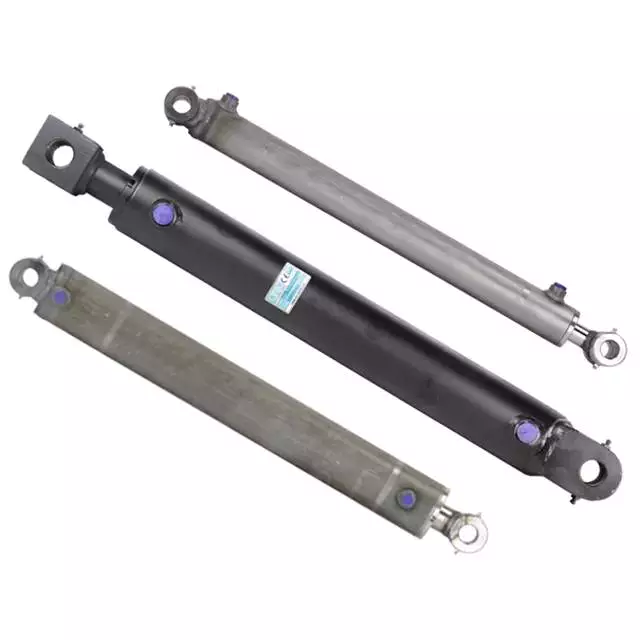
Product Name | HSG Series Hydraulic Cylinder | |||
Work Press | 7/14/16/21/31.5MPa 37.5/63MPa Can be Customized | |||
Material | Aluminum,Cast Iron,45mnb Steel,Stainless Steel | |||
Bore Size | 40mm–320mm,Customizable | |||
Shaft Diameter | 20mm–220mm,Customizable | |||
Stroke Length | 30mm–14100mm,Customizable | |||
Rod Surface Hardness | HRC48-54 | |||
Paint Color | Black,Yellow,Blue,Brown,Customizable | |||
Mounting | Earring,Flange,Clevis.Foot,Trunnion,Customizable | |||
Warrenty | 1 Year | |||
MOQ | 1 Piece | |||
배송 시간 | 7-15 Days,Also depands on specific demands | |||
Certification | ISO9001,CE | |||
Company Profile
QIANGLIN HYDRAULIC MACHINERY CO., LTD
| QiangLin is a professional hydraulic equipment manufacturer, mainly engaged in hydraulic system design, manufacture, installation, transformation, sales, and technical services. Our manufacturing facilities are certified to the ISO 9001 standard. We are an approved supplier to many equipment manufacturers in China. We are also partners with many customers from America, Canada, Australia, Germany, England, and other European Countries. Product quality, shorter delivery time, and customer satisfaction are our long-term commitments to our CHINAMFG customers. Hope to be your partner. |
FAQ:
Q1: Are you a trading company or a manufacturer?
A: We have our own factory.
Q2: Are you able to make Non-standard or customized products?
A: Yes, we can.
Q3: How long is your delivery time?
A: Normally, the delivery time is 7 days if we have stock, 15-30 working days if we don’t. but it
also depends on the product
requirements and quantity.
Q4: Do you provide samples? are the samples free or not?
A: Yes, we can provide samples, but they are not free of charge.
Q5: What are your payment terms?
A: 30% deposit T/T or Irrevocable L/C at sight, If you have any questions, please feel free to
contact us.
Q6: What are your After-sales services?
A: Before shipment, Each individual product will be strictly inspected on our factory QC Process
System. In addition, We have a
Customer Service team to respond to customers’ questions within 12 hours. Being helpful in
solving customers’ problems is always our goal.
| 인증: | CE, ISO9001 |
|---|---|
| 압력: | High Pressure |
| 작동 온도: | 평온 |
| 맞춤 설정: | 사용 가능 |
|
|---|
.shipping-cost-tm .tm-status-off{background: none;padding:0;color: #1470cc}
| Shipping Cost: Estimated freight per unit. | about shipping cost and estimated delivery time. |
|---|
| Payment Method: |
|
|---|---|
| Initial Payment Full Payment |
| Currency: | US$ |
|---|
| Return&refunds: | You can apply for a refund up to 30 days after receipt of the products. |
|---|
Can hydraulic cylinders be integrated with modern telematics and remote monitoring?
Yes, hydraulic cylinders can indeed be integrated with modern telematics and remote monitoring systems. The integration of hydraulic cylinders with telematics and remote monitoring technology offers numerous benefits, including enhanced operational efficiency, improved maintenance practices, and increased overall productivity. Here’s a detailed explanation of how hydraulic cylinders can be integrated with modern telematics and remote monitoring:
1. Sensor Integration:
– Hydraulic cylinders can be equipped with various sensors to gather real-time data about their performance and operating conditions. Sensors such as pressure transducers, temperature sensors, position sensors, and load sensors can be integrated directly into the cylinder or its associated components. These sensors provide valuable information about parameters such as pressure, temperature, position, and load, enabling remote monitoring and analysis of the cylinder’s behavior.
2. Data Transmission:
– The data collected from the sensors in hydraulic cylinders can be transmitted wirelessly or through wired connections to a central monitoring system. Wireless communication technologies such as Bluetooth, Wi-Fi, or cellular networks can be employed to transmit data in real-time. Alternatively, wired connections such as Ethernet or CAN bus can be utilized for data transmission. The choice of communication method depends on the specific requirements of the application and the available infrastructure.
3. Remote Monitoring Systems:
– Remote monitoring systems receive and process the data transmitted from hydraulic cylinders. These systems can be cloud-based or hosted on local servers, depending on the implementation. Remote monitoring systems collect and analyze the data to provide insights into the cylinder’s performance, health, and usage patterns. Operators and maintenance personnel can access the monitoring system through web-based interfaces or dedicated software applications to view real-time data, receive alerts, and generate reports.
4. Condition Monitoring and Predictive Maintenance:
– Integration with telematics and remote monitoring enables condition monitoring and predictive maintenance of hydraulic cylinders. By analyzing the collected data, patterns and trends can be identified, allowing for the detection of potential issues or anomalies before they escalate into major problems. Predictive maintenance algorithms can be applied to the data to generate maintenance schedules, recommend component replacements, and optimize maintenance activities. This proactive approach helps prevent unexpected downtime, reduces maintenance costs, and maximizes the lifespan of hydraulic cylinders.
5. Performance Optimization:
– The data collected from hydraulic cylinders can also be utilized to optimize their performance. By analyzing parameters such as pressure, temperature, and load, operators can identify opportunities for improving operational efficiency. Insights gained from the remote monitoring system can guide adjustments in system settings, load management, or operational practices to optimize the performance of hydraulic cylinders and the overall hydraulic system. This optimization can result in energy savings, improved productivity, and reduced wear and tear.
6. Integration with Equipment Management Systems:
– Telematics and remote monitoring systems can be integrated with broader equipment management systems. This integration allows hydraulic cylinder data to be correlated with data from other components or related machinery, providing a comprehensive view of the overall system’s performance. This holistic approach enables operators to identify potential interdependencies, optimize system-wide performance, and make informed decisions regarding maintenance, repairs, or upgrades.
7. Enhanced Safety and Fault Diagnosis:
– Telematics and remote monitoring can contribute to enhanced safety and fault diagnosis in hydraulic systems. Real-time data from hydraulic cylinders can be used to detect abnormal conditions, such as excessive pressure or temperature, which may indicate potential safety risks. Fault diagnosis algorithms can analyze the data to identify specific issues or malfunctions, enabling prompt intervention and reducing the risk of catastrophic failures or accidents.
In summary, hydraulic cylinders can be effectively integrated with modern telematics and remote monitoring systems. This integration enables the collection of real-time data, remote monitoring of performance, condition monitoring, predictive maintenance, performance optimization, integration with equipment management systems, and enhanced safety. By harnessing the power of telematics and remote monitoring, hydraulic cylinder users can achieve improved efficiency, reduced downtime, optimized maintenance practices, and enhanced overall productivity in various applications and industries.
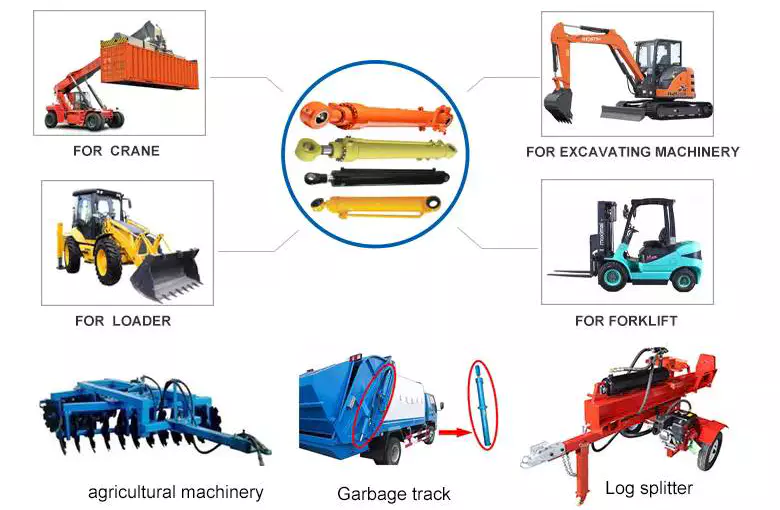
Can you provide real-world examples of machinery that heavily rely on hydraulic cylinders?
Hydraulic cylinders are widely used in various industries and applications due to their ability to provide powerful and precise linear motion. They play a crucial role in enabling the operation of heavy machinery that requires controlled force and movement. Here are some real-world examples of machinery that heavily rely on hydraulic cylinders:
1. Construction Equipment:
– Hydraulic cylinders are extensively used in construction machinery, such as excavators, bulldozers, loaders, and cranes. These machines rely on hydraulic cylinders to perform tasks like lifting heavy loads, extending and retracting booms, tilting buckets, and controlling the movement of various components. Hydraulic cylinders provide the power and precision required to handle the demanding conditions and heavy loads encountered in construction projects.
2. Agricultural Machinery:
– Many agricultural machines, including tractors, combine harvesters, and sprayers, utilize hydraulic cylinders for critical operations. Hydraulic cylinders are used to control the movement of attachments, such as front loaders, backhoes, and plows. They enable functions like lifting and lowering implements, adjusting cutting heights, and controlling the positioning of harvesting equipment. Hydraulic cylinders enhance efficiency and productivity in agricultural operations.
3. Material Handling Equipment:
– Hydraulic cylinders are integral components of material handling equipment, such as forklifts, pallet jacks, and cranes. These machines rely on hydraulic cylinders to lift and lower loads, tilt platforms or forks, and control the movement of lifting mechanisms. Hydraulic cylinders provide the necessary strength and precision to handle heavy loads and ensure safe and efficient material handling operations.
4. Industrial Machinery:
– Various industrial machinery and equipment heavily rely on hydraulic cylinders for critical functions. Examples include hydraulic presses, injection molding machines, metal-forming machines, and hydraulic-powered robots. Hydraulic cylinders enable precise control of force and movement in these applications, allowing for accurate shaping, pressing, and assembly processes.
5. Mining Equipment:
– Hydraulic cylinders are extensively used in mining machinery and equipment. Underground mining machines, such as continuous miners and longwall shearers, utilize hydraulic cylinders for cutting, shearing, and roof support operations. Surface mining equipment, including hydraulic shovels, draglines, and haul trucks, rely on hydraulic cylinders for tasks like bucket movement, boom extension, and vehicle suspension.
6. Automotive Industry:
– The automotive industry extensively utilizes hydraulic cylinders in various applications. Hydraulic cylinders are employed in vehicle suspension systems, power steering systems, convertible tops, and hydraulic brake systems. They enable smooth and controlled movement, precise steering, and efficient braking in automobiles.
7. Aerospace and Aviation:
– Hydraulic cylinders are utilized in aerospace and aviation applications, such as aircraft landing gear systems, wing flaps, and cargo handling equipment. Hydraulic cylinders provide the necessary force and control for extending and retracting landing gear, adjusting wing flaps, and operating cargo doors, ensuring safe and reliable aircraft operations.
8. Marine and Offshore Industry:
– Hydraulic cylinders are essential components in marine and offshore equipment, including ship cranes, winches, and hydraulic-powered anchor systems. They enable lifting, lowering, and positioning of heavy loads, as well as the control of various marine equipment.
These are just a few examples of machinery and industries that heavily rely on hydraulic cylinders. The versatility, power, and precise control offered by hydraulic cylinders make them indispensable in a wide range of applications, where controlled linear motion and force are essential.
용도에 맞는 유압 실린더를 선택할 때 고려해야 할 요소는 무엇입니까?
용도에 맞는 유압 실린더를 선택할 때는 몇 가지 중요한 요소를 고려해야 합니다. 이러한 요소들을 통해 선택한 유압 실린더가 해당 용도의 특정 요구 사항에 적합하고 안정적으로 작동할 수 있도록 보장할 수 있습니다. 고려해야 할 주요 요소는 다음과 같습니다.
1. 부하 요구 사항:
고려해야 할 중요한 요소 중 하나는 적용 분야의 부하 요구 사항입니다. 유압 실린더가 처리해야 하는 최대 하중을 결정해야 합니다. 실린더가 정지해 있을 때의 정적 하중과 실린더가 움직일 때의 동적 하중을 모두 고려해야 합니다. 부하 요구 사항은 실린더의 내경, 로드 직경 및 전체 강도에 영향을 미칩니다. 안전과 수명 확보를 위해 적용 분야의 최대 하중을 초과하는 하중 용량을 가진 유압 실린더를 선택하십시오.
2. 스트로크 길이:
스트로크 길이는 유압 실린더가 원하는 동작을 수행하기 위해 늘어나고 줄어드는 거리를 말합니다. 사용 용도에 따른 작동 요구 사항을 기준으로 필요한 스트로크 길이를 측정하십시오. 필요한 거리와 같거나 그 이상의 스트로크 길이를 가진 유압 실린더를 선택하는 것이 중요합니다. 향후 스트로크 길이의 변동이나 조정이 필요할 수 있으므로 이를 고려해야 합니다.
3. 작동 압력:
– 적용 분야에 필요한 작동 압력을 고려하십시오. 유압 실린더는 유압 시스템 내의 최대 압력을 견딜 수 있어야 합니다. 선택한 실린더의 압력 등급이 적용 분야의 최대 작동 압력을 초과하는지 확인하십시오. 이는 안전을 확보하고 조기 고장을 방지합니다.
4. 속도 요구 사항:
– 용도에 필요한 유압 실린더의 작동 속도를 결정하십시오. 확장 속도와 수축 속도를 모두 고려해야 합니다. 원하는 속도를 구현하면서 정밀한 제어와 안정성을 유지할 수 있는 실린더를 선택하십시오. 성능이나 안전성을 저해하지 않으면서 필요한 속도를 처리할 수 있는 실린더를 선택하는 것이 중요합니다.
5. 설치:
유압 실린더 설치에 필요한 공간과 장착 요건을 평가하십시오. 장착 유형(플랜지, 풋, 트러니언 또는 클레비스 등), 사용 가능한 장착 지점 및 특정 장착 제약 조건을 고려하십시오. 선택한 실린더를 원하는 위치에 쉽고 안전하게 장착할 수 있는지 확인하십시오.
6. 환경적 요인:
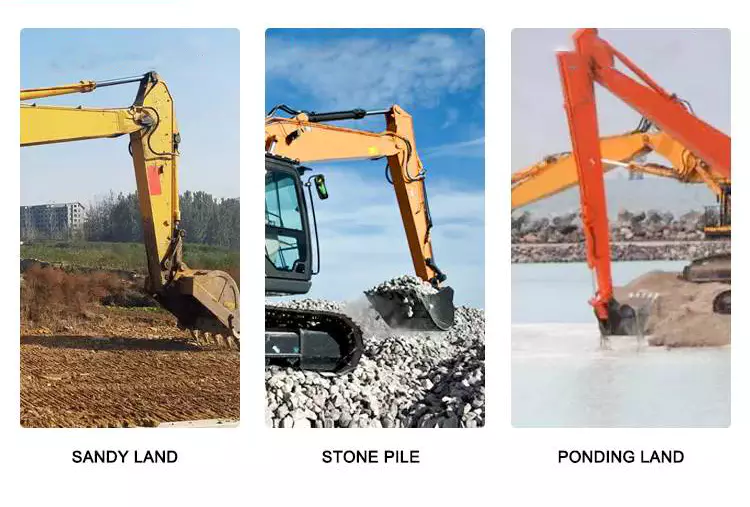
유압 실린더가 작동할 환경 조건을 평가하십시오. 극한 온도, 습도, 화학 물질, 먼지 또는 부식성 물질 노출과 같은 요소를 고려해야 합니다. 특정 환경 조건에 견딜 수 있도록 설계된 실린더를 선택하십시오. 이를 위해서는 실린더의 수명과 성능을 보장하기 위해 적절한 재질, 코팅 또는 밀봉재를 선택해야 할 수 있습니다.
7. 실린더 구성:
– 적용 분야의 요구 사항에 따라 적절한 실린더 구성을 결정하십시오. 단동식 또는 복동식 실린더, 공간 제약이 있는 경우를 위한 텔레스코픽 실린더, 특수한 용도를 위한 맞춤형 구성 등을 고려하십시오. 적용 분야의 구체적인 요구 사항을 평가하여 가장 적합한 실린더 구성을 선택하십시오.
8. 유지보수 및 서비스 용이성:
유압 실린더의 유지보수 및 서비스 요구 사항을 고려하십시오. 유지보수를 위한 접근성, 예비 부품의 가용성, 고객 지원 및 사후 서비스 측면에서 제조업체 또는 공급업체의 평판과 같은 요소를 평가하십시오. 신뢰할 수 있고 평판이 좋은 브랜드를 선택하면 필요할 때 지속적인 지원과 예비 부품 확보가 가능합니다.
9. 규정 준수 및 표준:
– 산업 분야 및 적용 분야에 따라 특정 규정 준수 기준을 충족해야 할 수 있습니다. 유압 실린더가 준수해야 하는 산업별 규정, 안전 기준 또는 인증을 고려하십시오. 선택한 실린더가 해당 적용 분야에 필요한 기준 및 인증을 충족하는지 확인하십시오.
10. 비용 및 예산:
마지막으로 유압 실린더의 비용과 예산을 고려해야 합니다. 용도에 맞는 실린더를 선택하는 것도 중요하지만, 전반적인 비용 효율성 또한 고려해야 합니다. 초기 구매 비용, 장기 유지 보수 비용, 그리고 실린더의 예상 수명을 평가하십시오. 비용과 품질의 균형을 맞추면 용도에 가장 적합한 가성비 높은 유압 실린더를 선택할 수 있습니다.
선정 과정에서 이러한 요소들을 고려하면 하중 용량, 스트로크 길이, 작동 압력, 속도, 장착 방식, 환경 조건, 유지보수 필요성, 규정 준수 및 비용 효율성 측면에서 적용 분야의 특정 요구 사항을 충족하는 적합한 유압 실린더를 선택할 수 있습니다. 적절한 선택은 의도된 적용 분야에서 유압 실린더의 최적 성능, 신뢰성 및 긴 수명을 보장합니다.


editor by CX 2023-11-21