
제품 설명
제품 설명
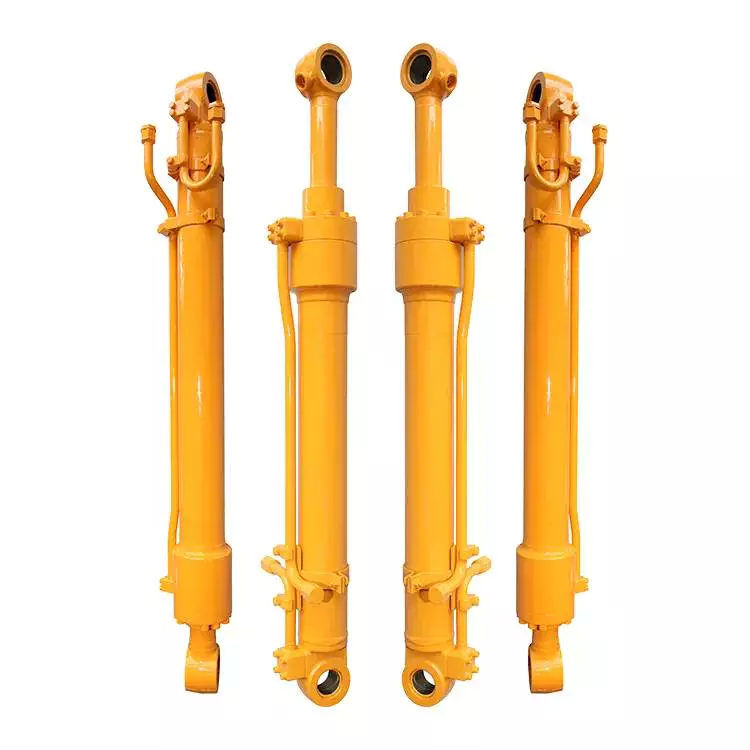
Offshore & marine hydraulic cylinder:
Due to use at sea of the Offshore & marine hydraulic cylinder, The environment temperature change and strong corrosive of seawater.
Thus for hydraulic cylinder requirement in addition to the running reliability and service life time. Also must has the very high corrosion resistance.
So we carried out on the hydraulic cylinder piston rod strict control of nickel plating,chrome plating or plating ceramics. The hydraulic cylinder outer surface of the strict coating, silica Gel, Etc, such surface treatment. To ensure the hydraulic cylinder without rust after long time running.
Our products have applications in:
- Port equipment;
- Offshore structures;
- Dredges;
- Hatch covers;
- Cranes and deck machinery;
- Steering gear;
- Etc.
Product Parameters
| Material | Carbon steel, Alloy steel, Stainless steel |
| Honed tube | 20-2500mm, Heat treatment, honing, rolling |
| Piston rod | 10-2000mm ,tempering, plated nickel, Chromium or ceramic |
| Working Pressure | 5-300Mpa |
| Seals | Parker,Merkel,Hallite |
| Technology | Bosch CHINAMFG and Parker |
| Coating | Sandblasting, primer, middle paint, finish paint |
| Temperature range | -40ºC to +300ºC |
| Work medium | Hydraulic Oil |
| Piston speed | maximum 2m/s |
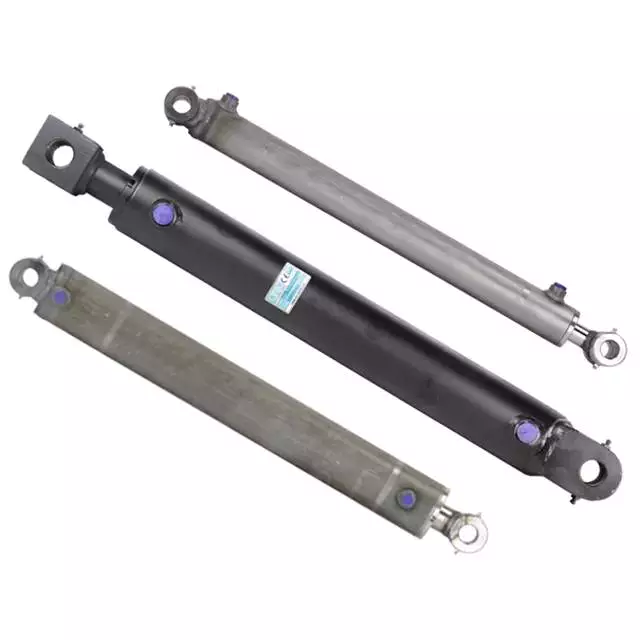
| Mounting style | Earrings, flange, foot mounting, screw thread. |
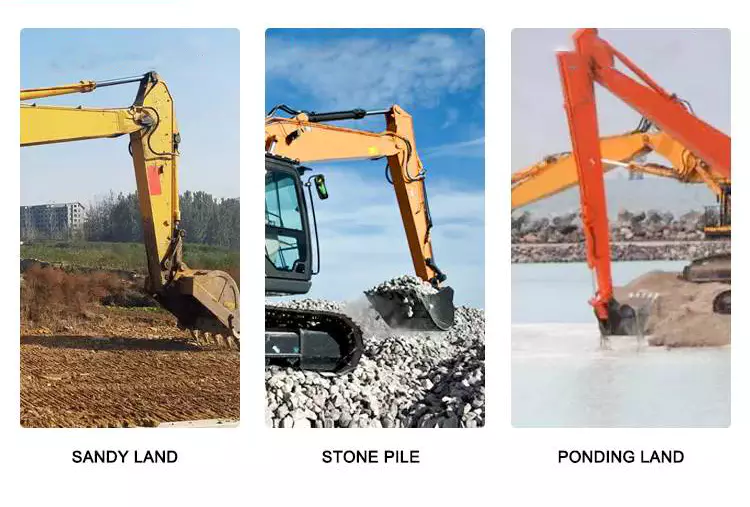
Product Application
Company Show
HETLOCK is a professional manufacturer of hydraulic cylinders in China, Founded in 1998, located in the international city of ZheJiang . Our plant is nearly 20000 square meter& We have 135 Employees including 11 experienced engineers and technical staff,More than 1800 type of hydraulic cylinder designed in every year. We can produce various kinds of hydraulic cylinders according to customer requirements.
The inside diameter of hydraulic cylinders can achieve the maximum 2500mm;
The hydraulic cylinders operating pressure can achieve the maximum 300MPa.
자주 묻는 질문
Q1:Are you a manufacturer or trading company?
A: We are a manufacturer.
Q2: How many years of production experience do you have?
A: We have over 20 years of production experience.
Q3: Can it be customized?
A: Both standard and non-standard products can be customized.
Q4: How to ensure product quality?
A: We strictly follow the quality process for production and 100% inspection of each batch of products.
Q5: What services can you provide?
A: According to customer requirements, we can provide a one-stop solution from design, production, and delivery to meet their needs.
/* January 22, 2571 19:08:37 */!function(){function s(e,r){var a,o={};try{e&&e.split(“,”).forEach(function(e,t){e&&(a=e.match(/(.*?):(.*)$/))&&1
| 인증: | CE, ISO9001 |
|---|---|
| 압력: | High Pressure |
| 작동 온도: | 평온 |
| 연기 방식: | 1인 2역 |
| 작업 방식: | Straight Trip |
| 수정된 형태: | Regulated Type |
| 맞춤 설정: | 사용 가능 |
|
|---|
What advancements in hydraulic cylinder technology have improved sealing and reliability?
Advancements in hydraulic cylinder technology have continuously contributed to improving sealing and reliability in hydraulic systems. These advancements aim to address common challenges such as leakage, wear, and failure of seals, ensuring optimal performance and longevity. Here are several key advancements that have significantly improved sealing and reliability in hydraulic cylinders:
1. High-Performance Sealing Materials:
– The development of advanced sealing materials has greatly improved the sealing capabilities of hydraulic cylinders. Traditional sealing materials like rubber have been replaced or enhanced with high-performance materials such as polyurethane, PTFE (polytetrafluoroethylene), and various composite materials. These materials offer superior resistance to wear, temperature, and chemical degradation, resulting in improved sealing performance and extended seal life.
2. Enhanced Seal Designs:
– Advancements in seal designs have focused on improving sealing efficiency and reliability. Innovative seal profiles, such as lip seals, wipers, and scrapers, have been developed to optimize fluid retention and prevent contamination. These designs provide better sealing performance, minimizing the risk of fluid leakage and maintaining system integrity. Additionally, improved seal geometries and manufacturing techniques ensure tighter tolerances, reducing the potential for seal failure due to misalignment or extrusion.
3. Integrated Seal and Bearing Systems:
– Hydraulic cylinders now incorporate integrated seal and bearing systems, where the sealing elements also serve as bearing surfaces. This design approach reduces the number of components and potential failure points, improving overall reliability. By integrating seals and bearings, the risk of seal damage or displacement due to excessive loads or misalignment is minimized, resulting in enhanced sealing performance and increased reliability.
4. Advanced Coatings and Surface Treatments:
– The application of advanced coatings and surface treatments to hydraulic cylinder components has significantly improved sealing and reliability. Coatings such as chrome plating or ceramic coatings enhance surface hardness, wear resistance, and corrosion resistance. These surface treatments provide a smoother and more durable surface for seals to operate against, reducing friction and improving sealing performance. Moreover, specialized coatings can also provide self-lubricating properties, reducing the need for additional lubrication and enhancing reliability.
5. Sealing System Monitoring and Diagnostic Technologies:
– The integration of monitoring and diagnostic technologies in hydraulic systems has revolutionized seal performance and reliability. Sensors and monitoring systems can detect and alert operators to potential seal failures or leaks before they escalate. Real-time monitoring of pressure, temperature, and seal performance parameters allows for proactive maintenance and early intervention, preventing costly downtime and ensuring optimal sealing and reliability.
6. Computational Modeling and Simulation:
– Computational modeling and simulation techniques have played a significant role in advancing hydraulic cylinder sealing and reliability. These tools enable engineers to analyze and optimize seal designs, fluid flow dynamics, and contact stresses. By simulating various operating conditions, potential issues such as seal extrusion, wear, or leakage can be identified and mitigated early in the design phase, resulting in improved sealing performance and enhanced reliability.
7. Systematic Maintenance Practices:
– Advances in hydraulic cylinder technology have also emphasized the importance of systematic maintenance practices to ensure sealing and overall system reliability. Regular inspection, lubrication, and replacement of seals, as well as routine system flushing and filtration, help prevent premature seal failure and optimize sealing performance. Implementing preventive maintenance schedules and adhering to recommended service intervals contribute to extended seal life and enhanced reliability.
In summary, advancements in hydraulic cylinder technology have led to significant improvements in sealing and reliability. High-performance sealing materials, enhanced seal designs, integrated seal and bearing systems, advanced coatings and surface treatments, sealing system monitoring and diagnostics, computational modeling and simulation, and systematic maintenance practices have all played key roles in achieving optimal sealing performance and increased reliability. These advancements have resulted in more efficient and dependable hydraulic systems, minimizing leakage, wear, and failure of seals, and ultimately improving the overall performance and longevity of hydraulic cylinders in diverse applications.
Utilizing Hydraulic Cylinders in Conjunction with Alternative Energy Sources
Hydraulic cylinders can indeed be used in conjunction with alternative energy sources. The versatile nature of hydraulic systems allows them to be integrated with various alternative energy technologies to enhance efficiency, control, and power generation. Let’s explore some examples of how hydraulic cylinders can be utilized alongside alternative energy sources:
- Hydraulic Energy Storage: Hydraulic cylinders can be employed in energy storage systems that utilize alternative energy sources such as renewable sources (e.g., solar or wind) or waste energy recovery. These systems convert excess energy into hydraulic potential energy by pumping fluid into a high-pressure accumulator. When the energy is needed, the pressurized fluid is released, driving the hydraulic cylinder and generating mechanical power.
- Wave and Tidal Energy Conversion: Hydraulic cylinders can be utilized in wave and tidal energy conversion systems. These systems harness the power of ocean waves or tidal currents and convert it into usable energy. Hydraulic cylinders, along with associated pumps and valves, can be used to capture and control the energy from the waves or tides, driving the cylinders and generating mechanical power or producing electricity.
- Hydroelectric Power Generation: Hydraulic cylinders play a crucial role in traditional hydroelectric power generation. However, alternative approaches such as small-scale or micro-hydropower systems can also benefit from hydraulic cylinders. These systems utilize natural or man-made water flows to drive turbines connected to hydraulic cylinders, which then convert the hydraulic energy into mechanical power or electricity.
- Hydraulic Actuation in Wind Turbines: Hydraulic cylinders can be employed in wind turbines to enhance performance and control. For example, hydraulic pitch control systems use hydraulic cylinders to adjust the pitch angle of wind turbine blades, optimizing their aerodynamic performance based on wind conditions. This allows for efficient power generation and protection against excessive wind loads.
- Geothermal Energy Extraction: Geothermal energy extraction involves utilizing the natural heat from the Earth’s interior to generate power. Hydraulic cylinders can be utilized in geothermal systems to control and regulate fluid flow, allowing for efficient extraction and utilization of geothermal energy. They can also be used in geothermal heat pumps for heating and cooling applications.
In summary, hydraulic cylinders can be effectively utilized in conjunction with alternative energy sources to enhance energy storage, power generation, and control. Whether it’s through hydraulic energy storage systems, wave and tidal energy conversion, hydroelectric power generation, hydraulic actuation in wind turbines, or geothermal energy extraction, hydraulic cylinders offer versatile and efficient solutions for harnessing and utilizing alternative energy sources.
용도에 맞는 유압 실린더를 선택할 때 고려해야 할 요소는 무엇입니까?
용도에 맞는 유압 실린더를 선택할 때는 몇 가지 중요한 요소를 고려해야 합니다. 이러한 요소들을 통해 선택한 유압 실린더가 해당 용도의 특정 요구 사항에 적합하고 안정적으로 작동할 수 있도록 보장할 수 있습니다. 고려해야 할 주요 요소는 다음과 같습니다.
1. 부하 요구 사항:
고려해야 할 중요한 요소 중 하나는 적용 분야의 부하 요구 사항입니다. 유압 실린더가 처리해야 하는 최대 하중을 결정해야 합니다. 실린더가 정지해 있을 때의 정적 하중과 실린더가 움직일 때의 동적 하중을 모두 고려해야 합니다. 부하 요구 사항은 실린더의 내경, 로드 직경 및 전체 강도에 영향을 미칩니다. 안전과 수명 확보를 위해 적용 분야의 최대 하중을 초과하는 하중 용량을 가진 유압 실린더를 선택하십시오.
2. 스트로크 길이:
스트로크 길이는 유압 실린더가 원하는 동작을 수행하기 위해 늘어나고 줄어드는 거리를 말합니다. 사용 용도에 따른 작동 요구 사항을 기준으로 필요한 스트로크 길이를 측정하십시오. 필요한 거리와 같거나 그 이상의 스트로크 길이를 가진 유압 실린더를 선택하는 것이 중요합니다. 향후 스트로크 길이의 변동이나 조정이 필요할 수 있으므로 이를 고려해야 합니다.
3. 작동 압력:
– 적용 분야에 필요한 작동 압력을 고려하십시오. 유압 실린더는 유압 시스템 내의 최대 압력을 견딜 수 있어야 합니다. 선택한 실린더의 압력 등급이 적용 분야의 최대 작동 압력을 초과하는지 확인하십시오. 이는 안전을 확보하고 조기 고장을 방지합니다.
4. 속도 요구 사항:
– 용도에 필요한 유압 실린더의 작동 속도를 결정하십시오. 확장 속도와 수축 속도를 모두 고려해야 합니다. 원하는 속도를 구현하면서 정밀한 제어와 안정성을 유지할 수 있는 실린더를 선택하십시오. 성능이나 안전성을 저해하지 않으면서 필요한 속도를 처리할 수 있는 실린더를 선택하는 것이 중요합니다.
5. 설치:
유압 실린더 설치에 필요한 공간과 장착 요건을 평가하십시오. 장착 유형(플랜지, 풋, 트러니언 또는 클레비스 등), 사용 가능한 장착 지점 및 특정 장착 제약 조건을 고려하십시오. 선택한 실린더를 원하는 위치에 쉽고 안전하게 장착할 수 있는지 확인하십시오.
6. 환경적 요인:
유압 실린더가 작동할 환경 조건을 평가하십시오. 극한 온도, 습도, 화학 물질, 먼지 또는 부식성 물질 노출과 같은 요소를 고려해야 합니다. 특정 환경 조건에 견딜 수 있도록 설계된 실린더를 선택하십시오. 이를 위해서는 실린더의 수명과 성능을 보장하기 위해 적절한 재질, 코팅 또는 밀봉재를 선택해야 할 수 있습니다.
7. 실린더 구성:
– 적용 분야의 요구 사항에 따라 적절한 실린더 구성을 결정하십시오. 단동식 또는 복동식 실린더, 공간 제약이 있는 경우를 위한 텔레스코픽 실린더, 특수한 용도를 위한 맞춤형 구성 등을 고려하십시오. 적용 분야의 구체적인 요구 사항을 평가하여 가장 적합한 실린더 구성을 선택하십시오.
8. 유지보수 및 서비스 용이성:
유압 실린더의 유지보수 및 서비스 요구 사항을 고려하십시오. 유지보수를 위한 접근성, 예비 부품의 가용성, 고객 지원 및 사후 서비스 측면에서 제조업체 또는 공급업체의 평판과 같은 요소를 평가하십시오. 신뢰할 수 있고 평판이 좋은 브랜드를 선택하면 필요할 때 지속적인 지원과 예비 부품 확보가 가능합니다.
9. 규정 준수 및 표준:
– 산업 분야 및 적용 분야에 따라 특정 규정 준수 기준을 충족해야 할 수 있습니다. 유압 실린더가 준수해야 하는 산업별 규정, 안전 기준 또는 인증을 고려하십시오. 선택한 실린더가 해당 적용 분야에 필요한 기준 및 인증을 충족하는지 확인하십시오.
10. 비용 및 예산:
마지막으로 유압 실린더의 비용과 예산을 고려해야 합니다. 용도에 맞는 실린더를 선택하는 것도 중요하지만, 전반적인 비용 효율성 또한 고려해야 합니다. 초기 구매 비용, 장기 유지 보수 비용, 그리고 실린더의 예상 수명을 평가하십시오. 비용과 품질의 균형을 맞추면 용도에 가장 적합한 가성비 높은 유압 실린더를 선택할 수 있습니다.
선정 과정에서 이러한 요소들을 고려하면 하중 용량, 스트로크 길이, 작동 압력, 속도, 장착 방식, 환경 조건, 유지보수 필요성, 규정 준수 및 비용 효율성 측면에서 적용 분야의 특정 요구 사항을 충족하는 적합한 유압 실린더를 선택할 수 있습니다. 적절한 선택은 의도된 적용 분야에서 유압 실린더의 최적 성능, 신뢰성 및 긴 수명을 보장합니다.


editor by CX 2024-03-07