
제품 설명
Feature
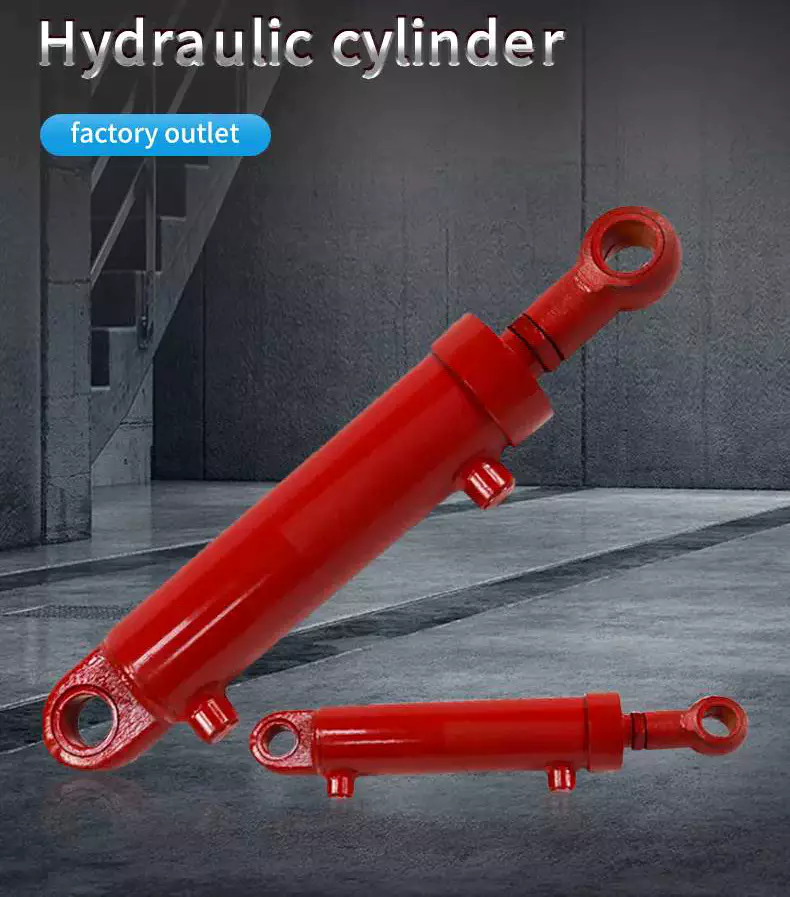
1). Compliance with ISO-6571/1 Specifications.
2). The highest working pressure is 160 Kgf/cm²
3). Structure: Front cover to the steel screw connections Flange plate, front and rear flange plate and the cylinder with threader connections, combined with tight, easy to remove and repair.
4). Strictly control the machining accuracy, with the advantages of low friction and long life.
5). External dimensions are compatible with American CHINAMFG company MMB cylinders.
6). Can be used in engineering equipment, such as steel, metallurgy, ships and other machinery.
7). Compatibled with oil cylinders in Packer in the USA.
Order form
Mounting type
About us
Packaging & Delivery
자주 묻는 질문
Q1: Is CHINAMFG a manufacturer or a trading company?
We have our own factory, so we can provide the best price as well the first service.
Q2: Do you accept customization or Non-standard products?
Yes, we can customize products as the customers required.
Q3: What is your MOQ?
MOQ depends on our clients needs. Besides, we welcome trial order before mass production.
Q4: How long is your delivery time?
Normally, the delivery time is 7 days if we have stock. If we don’t have stock, it needs 15-30 working days. And it also depends on the quantity and requirements of products.
Q5: What are your payment terms?
T/T. If you have any questions, please feel free to contact us.
Q6: Do you provide samples?
No. If you have any questions, please feel free to contact us.
| 인증: | ISO9001 |
|---|---|
| 압력: | 중압력 |
| 작동 온도: | 평온 |
| 연기 방식: | 1인 2역 |
| 작업 방식: | Straight Trip |
| 수정된 형태: | Regulated Type |
| 맞춤 설정: | 사용 가능 |
|
|---|
유압 실린더는 중장비에서 어떻게 부드럽고 일관된 움직임을 보장합니까?
유압 실린더는 중장비의 원활하고 일관된 움직임을 보장하는 데 필수적인 역할을 합니다. 유압 실린더의 설계와 작동 방식은 무거운 하중의 움직임을 정밀하게 제어할 수 있도록 하여 효율적이고 안정적인 성능을 제공합니다. 다음은 유압 실린더가 중장비의 원활하고 일관된 움직임에 어떻게 기여하는지에 대한 자세한 설명입니다.
1. 유압유 및 압력:
유압 실린더는 유압유(일반적으로 오일)를 이용하여 힘과 운동을 전달합니다. 유압 펌프가 유압유에 압력을 가하면 실린더 내부의 피스톤에 작용하는 힘이 발생합니다. 유압유의 압력은 정밀하게 제어할 수 있어 중장비를 부드럽고 점진적으로 움직일 수 있습니다. 유압유의 비압축성 덕분에 힘이 고르게 분산되어 일관되고 예측 가능한 움직임을 구현할 수 있습니다.
2. 피스톤 및 실린더 설계:
유압 실린더는 부드러운 움직임을 보장하기 위해 정밀하게 설계되었습니다. 피스톤과 실린더 내부는 엄격한 공차로 가공되어 마찰을 줄이고 내부 누출을 최소화합니다. 피스톤과 실린더 벽 사이의 정밀한 결합은 급격한 속도 변화나 흔들림 없이 일관된 움직임을 유지하는 데 도움이 됩니다. 또한, 고품질 밀봉재와 윤활유를 사용하여 실린더의 원활한 작동을 더욱 향상시킵니다.
3. 제어 밸브 및 유량 제어:
유압 시스템에는 실린더 내부로 유입 및 유출되는 유압 유체의 흐름을 조절하는 제어 밸브가 포함되어 있습니다. 이 밸브를 통해 실린더의 움직임 속도와 방향을 정밀하게 제어할 수 있습니다. 유량 조절을 통해 작업자는 급정거를 방지하고 중장비를 부드럽고 안정적으로 작동시킬 수 있습니다. 또한 유량 제어 밸브는 속도 조절을 가능하게 하여 다양한 부하 또는 작동 조건에서도 일관된 움직임을 보장합니다.
4. 쿠션 및 감쇠:
유압 실린더에는 중장비 이동 중 발생하는 충격을 흡수하고 최소화하기 위한 완충 장치가 장착될 수 있습니다. 완충은 실린더 내부에 특수 밸브 또는 조절 가능한 오리피스를 설치하여 스트로크 끝부분에서 유압 유체의 흐름을 제한함으로써 이루어집니다. 이러한 점진적인 감속은 갑작스러운 충격이나 진동을 방지하여 부드럽고 일관된 움직임을 유지하는 동시에 기계 및 구성 요소에 가해지는 스트레스를 줄여줍니다.
5. 부하 분산:
유압 실린더는 하중 균형을 맞추고 힘을 고르게 분산시키도록 시스템을 설계하고 배열할 수 있습니다. 여러 개의 실린더를 병렬 또는 직렬로 구성하여 사용하면 중장비가 균형 잡힌 움직임을 구현하고, 불균형적인 응력을 방지하며 원활한 작동을 보장할 수 있습니다. 하중 균형은 또한 부품 고장 위험을 최소화하고 기계의 전반적인 안정성과 수명을 향상시키는 데 도움이 됩니다.
6. 피드백 및 제어 시스템:
첨단 유압 시스템은 피드백 센서와 제어 시스템을 통합하여 중장비의 움직임을 모니터링하고 조정합니다. 이 센서들은 유압 실린더의 위치, 속도 및 작동력에 대한 실시간 정보를 제공합니다. 제어 시스템은 이 데이터를 처리하고 유압 유체의 흐름을 그에 따라 조정하여 부드럽고 일관된 움직임을 유지합니다. 실린더 작동을 지속적으로 모니터링하고 조절함으로써 피드백 및 제어 시스템은 정밀하고 신뢰할 수 있는 동작 제어에 기여합니다.
7. 유지보수 및 서비스:
유압 실린더의 정기적인 유지보수 및 점검은 중장비에서 원활하고 일관된 작동을 보장하는 데 필수적입니다. 적절한 윤활, 씰 검사 및 마모된 부품 교체는 최적의 성능을 유지하는 데 도움이 됩니다. 필터 교체 및 유체 분석과 같은 예방 정비 작업 또한 유압 시스템의 수명과 신뢰성을 높여 시간이 지남에 따라 일관된 작동을 보장합니다.
요약하자면, 유압 실린더는 유압 유체와 압력, 정밀한 피스톤 및 실린더 설계, 제어 밸브 및 유량 제어, 완충 및 감쇠 메커니즘, 하중 균형, 피드백 및 제어 시스템, 그리고 정기적인 유지보수 및 서비스를 통해 중장비의 부드럽고 일관된 움직임을 보장합니다. 이러한 특징들을 활용하여 유압 실린더는 무거운 하중을 처리하는 데 필요한 힘과 제어력을 제공하는 동시에 정밀하고 안정적인 동작을 유지함으로써 다양한 산업 분야에서 중장비의 전반적인 성능과 생산성을 향상시킵니다.
Ensuring Consistent Force Output for Repetitive Tasks with Hydraulic Cylinders
Hydraulic cylinders are designed to ensure consistent force output for repetitive tasks. This consistency is essential for maintaining precise control, achieving uniform results, and optimizing the performance of hydraulic systems. Let’s explore how hydraulic cylinders achieve consistent force output for repetitive tasks:
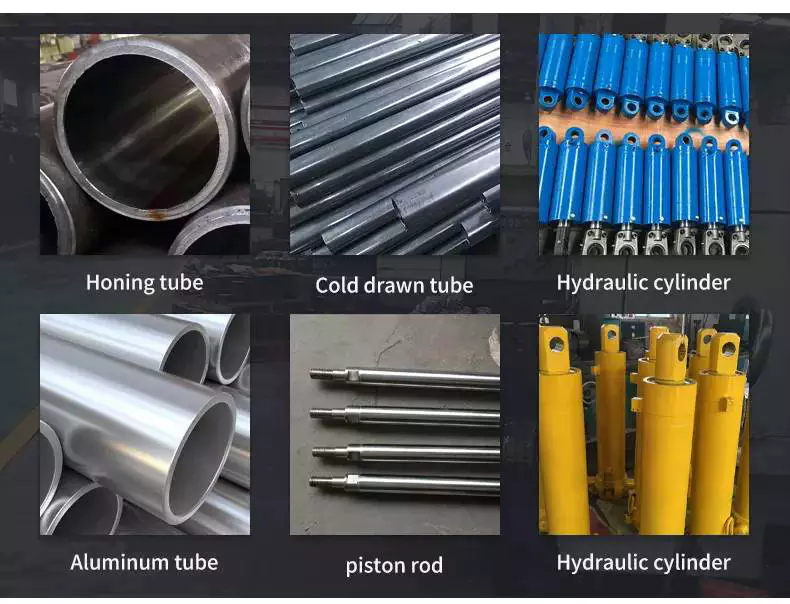
- Design and Manufacturing Standards: Hydraulic cylinders are manufactured to meet strict design and manufacturing standards. These standards ensure that the cylinders are built with precision and accuracy, enabling them to deliver consistent force output. The components, such as the piston, cylinder barrel, seals, and valves, are engineered to work together harmoniously, minimizing variations in force generation.
- Pressure Regulation: Hydraulic systems incorporate pressure regulation mechanisms to maintain a constant pressure level. Pressure relief valves, pressure regulators, and pressure-compensated pumps help maintain a consistent hydraulic pressure throughout the system. By regulating the pressure, hydraulic cylinders receive a consistent supply of pressurized fluid, resulting in consistent force output for repetitive tasks.
- Flow Control: Flow control valves are utilized in hydraulic systems to manage the flow rate of hydraulic fluid. These valves regulate the speed at which the fluid enters and exits the hydraulic cylinder, influencing the force output. By controlling the flow rate, hydraulic cylinders can achieve consistent force output for repetitive tasks. This is particularly important when it comes to tasks that require precise and uniform force application.
- Effective Seal Performance: Sealing systems play a crucial role in hydraulic cylinders by preventing fluid leakage and maintaining pressure integrity. High-quality seals and proper installation ensure effective sealing throughout the cylinder’s operation. By minimizing internal leakage, hydraulic cylinders can maintain consistent force output, even during repetitive tasks.
- Maintenance and Inspection: Regular maintenance and inspection of hydraulic cylinders are essential for ensuring consistent force output. By following maintenance schedules, replacing worn-out components, and monitoring cylinder performance, any potential issues that could affect force consistency can be identified and addressed promptly. This proactive approach helps maintain the reliability and performance of hydraulic cylinders over time.
In summary, hydraulic cylinders employ various mechanisms to ensure consistent force output for repetitive tasks. Adherence to design and manufacturing standards, pressure regulation, flow control, effective seal performance, and regular maintenance all contribute to achieving consistent force output. By maintaining precision, minimizing variations, and addressing potential issues, hydraulic cylinders provide reliable and consistent force generation, facilitating the successful completion of repetitive tasks in various applications.
Can hydraulic cylinders be customized for specific equipment or attachment needs?
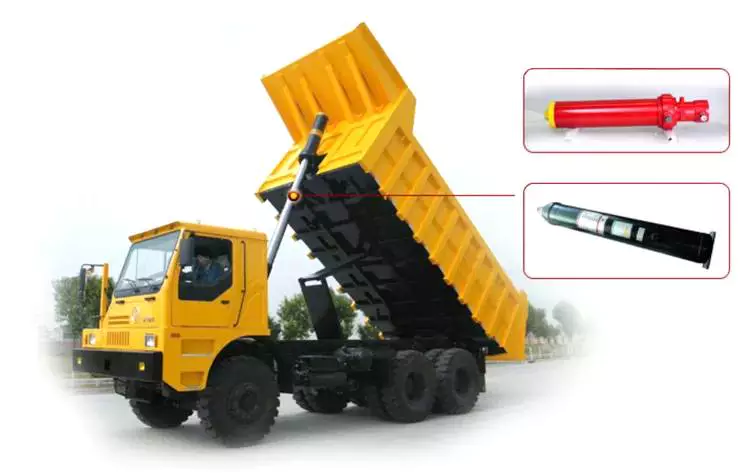
Yes, hydraulic cylinders can be customized to meet specific equipment or attachment needs. Hydraulic cylinder manufacturers often offer customization options to ensure that the cylinders meet the unique requirements of different applications. Here’s a detailed explanation of how hydraulic cylinders can be customized for specific equipment or attachment needs:
1. Size and Configuration:
– Hydraulic cylinders can be customized in terms of size and configuration to fit specific equipment or attachment requirements. The dimensions of the cylinder, such as bore size, rod diameter, and stroke length, can be tailored to match the available space and the desired force or movement requirements. Additionally, the mounting style and orientation of the cylinder can be customized to ensure proper integration with the equipment or attachment.
2. Operating Pressure and Force:
– The operating pressure and force capabilities of hydraulic cylinders can be customized to suit the specific equipment or attachment needs. Different applications may require different force outputs, and hydraulic cylinder manufacturers can design and manufacture cylinders with the appropriate piston area and pressure ratings to meet those requirements. Customization in this aspect ensures optimal performance and efficiency for the particular equipment or attachment.
3. Stroke Length:
– The stroke length of a hydraulic cylinder refers to the distance the piston can travel from fully retracted to fully extended. Customization of the stroke length allows the hydraulic cylinder to accommodate the specific range of motion required by the equipment or attachment. By adjusting the stroke length, the cylinder can be tailored to deliver the necessary extension and retraction capabilities for efficient operation.
4. Mounting Options:
– Hydraulic cylinders can be customized with various mounting options to facilitate easy installation and integration with specific equipment or attachments. Different applications may require different mounting styles, such as flange mounts, trunnion mounts, or clevis mounts. Manufacturers can provide customized mounting options to ensure proper alignment, stability, and functionality when the cylinder is connected to the equipment or attachment.
5. Sealing and Material Options:
– The sealing system of a hydraulic cylinder is crucial for preventing fluid leakage and maintaining the cylinder’s integrity. Hydraulic cylinder manufacturers offer customization options for sealing materials, such as different types of seals and seal configurations, to suit specific equipment or attachment needs. Additionally, customization of cylinder materials, such as selecting corrosion-resistant materials or specialized coatings, can enhance the cylinder’s durability and performance in specific operating environments.
6. Integration with Control Systems:
– In certain applications, hydraulic cylinders may need to be integrated with sophisticated control systems or automation technologies. Customization can involve incorporating sensors, position feedback devices, or other control elements into the hydraulic cylinder design to enable seamless integration with the overall equipment or attachment control system. This customization ensures precise control, monitoring, and synchronization of the hydraulic cylinder’s movements within the specific application.
7. Specialized Features or Accessories:
– Hydraulic cylinder customization can also involve incorporating specialized features or accessories to meet unique equipment or attachment needs. This may include the integration of safety features, such as pressure relief valves or load-holding valves, or the addition of specific ports or fittings for auxiliary functions or attachments. Customization allows hydraulic cylinders to be tailored to the specific requirements and functionalities of the equipment or attachment.
By offering customization options, hydraulic cylinder manufacturers can provide solutions that precisely match the needs of different equipment or attachment applications. Customized hydraulic cylinders ensure optimal performance, efficiency, and integration, enhancing the overall functionality and productivity of the equipment or attachment. It is important to work closely with experienced manufacturers or hydraulic system specialists to determine the specific customization requirements and ensure the successful implementation of customized hydraulic cylinders.


editor by CX 2023-11-15