
제품 설명
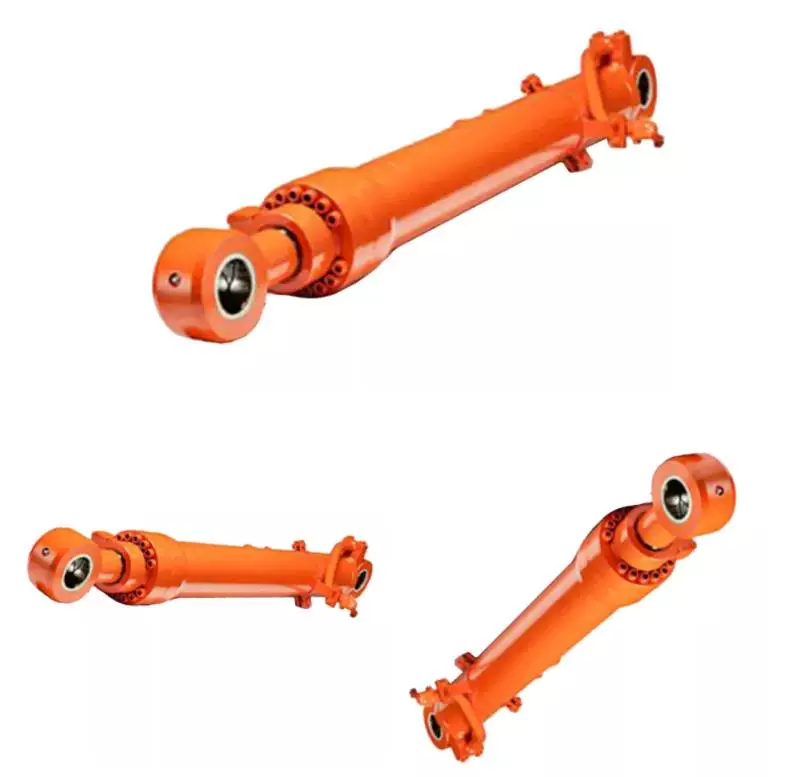
| Name | Hydraulic hoist |
| Bore diameter | 300mm |
| Rod diameter | 150mm |
| Stroke | 10500mm |
| Working pressure | 18.5MPa |
| Piston rod material | 1Cr17Ni2 / AISI 431 |
| Bore material | Q345B / St 52 |
| Numbers(MOQ) | 24 pcs |
| 애플리케이션 | Dam gate |
| Package | Wooden case |
Lian Hydraulic was formed in HangZhou of China with the mission of supplying the world class hydraulic cylinders and hydraulic systems to the various industrial sectors .
Since that date our company has successfully completed numerous installations throughout the Chinese mainland and abroad.
Our factory floor space exceeds 38,000 Sqr. CHINAMFG and our 20 cranes provide us with the capability to handle and machine cylinders and components weighing up to 150,000kgs.
From conception to installation our engineers, factory staff and salesmen strive to ensure that our customers receive the very best in quality products and service.
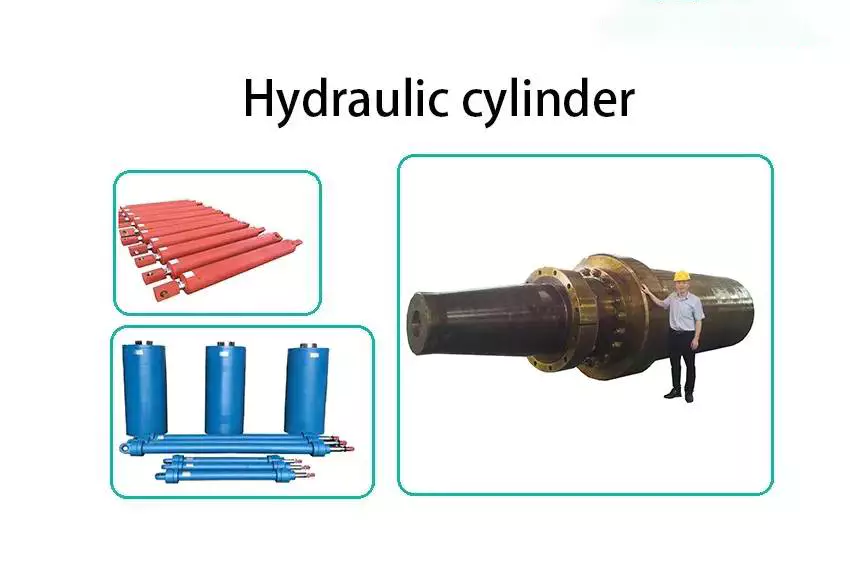
Our manufacturing facility is capable of producing hydraulic cylinders up to the following dimensions:
Bore Diameter – 2,500 mm
Rod Diameter – 1,500 mm
Stroke – 20,000 mm
The Typical Applications:
Machine Manufacturing
Casting Cylinders
Mobile Hydraulics
Press Manufacturing
Hydroelectric Industry
Offshore Industry
Mining Industry
Hydraulic Systems
Lian Hydraulic source raw materials exclusively from the most reputable and quality approved suppliers in China such as ( HangZhou Pangang, ZheJiang Valin Steel, ZheJiang Baosteel etc.)
We at Lian Hydraulic invite all customers to consider our facility for your next hydraulic project.
| 인증: | ISO9001 |
|---|---|
| 압력: | 중압력 |
| 작동 온도: | 평온 |
| 연기 방식: | Single Acting |
| 작업 방식: | Straight Trip |
| 수정된 형태: | Regulated Type |
| 맞춤 설정: | 사용 가능 |
|
|---|
How do hydraulic cylinders handle the challenges of minimizing friction and wear?
Hydraulic cylinders employ several mechanisms and techniques to effectively minimize friction and wear, ensuring optimal performance and longevity. Minimizing friction and wear is crucial for hydraulic cylinders as it helps to maintain efficiency, reduce energy consumption, and prevent premature failure. Here’s a detailed explanation of how hydraulic cylinders handle the challenges of minimizing friction and wear:
1. Lubrication:
– Proper lubrication is essential for minimizing friction and wear in hydraulic cylinders. Lubricating fluids, such as hydraulic oils, are used to create a thin film between moving surfaces, reducing direct metal-to-metal contact. This lubricating film acts as a protective barrier, reducing friction and preventing wear. Regular maintenance practices include monitoring and maintaining the appropriate lubricant levels to ensure optimal lubrication and minimize frictional losses.
2. Surface Finishes:
– The surface finishes of components in hydraulic cylinders play a crucial role in minimizing friction and wear. Smoother surface finishes, achieved through precision machining, grinding, or the application of specialized coatings, reduce surface roughness and frictional resistance. By minimizing surface irregularities, the risk of wear and friction-induced damage is significantly reduced, resulting in improved efficiency and extended component life.
3. High-Quality Sealing Systems:
– Well-designed and high-quality sealing systems are crucial for minimizing friction and wear in hydraulic cylinders. Seals prevent fluid leakage and contamination while maintaining proper lubrication. Advanced sealing materials, such as polyurethane or composite materials, offer excellent wear resistance and low friction characteristics. Optimal seal design and proper installation ensure effective sealing, minimizing friction and wear between the piston and cylinder bore.
4. Proper Alignment and Clearances:
– Hydraulic cylinders must be properly aligned and have appropriate clearances to minimize friction and wear. Misalignment or excessive clearances can result in increased friction and uneven wear, leading to premature failure. Proper installation, alignment, and maintenance practices, including regular inspection and adjustment of clearances, help ensure smooth and even movement of the piston within the cylinder, reducing friction and wear.
5. Filtration and Contamination Control:
– Effective filtration and contamination control are essential for minimizing friction and wear in hydraulic cylinders. Contaminants, such as particles or moisture, can act as abrasive agents, accelerating wear and increasing friction. By implementing robust filtration systems and proper maintenance practices, hydraulic systems can prevent the ingress of contaminants, ensuring clean and properly lubricated components. Clean hydraulic fluids help minimize wear and friction, contributing to improved performance and longevity.
6. Material Selection:
– The selection of appropriate materials for hydraulic cylinder components is crucial in minimizing friction and wear. Components subject to high frictional forces, such as pistons and cylinder bores, can be made from materials with excellent wear resistance, such as hardened steel or composite materials. Additionally, selecting materials with low coefficients of friction helps reduce frictional losses. Proper material selection ensures durability and minimized wear in critical components of hydraulic cylinders.
7. Maintenance and Regular Inspection:
– Regular maintenance and inspection practices are vital for identifying and addressing potential issues that could lead to increased friction and wear in hydraulic cylinders. Scheduled maintenance includes lubrication checks, seal inspections, and monitoring of clearances. By promptly detecting and rectifying any signs of wear or misalignment, hydraulic cylinders can be kept in optimal condition, minimizing friction and wear throughout their operational lifespan.
In summary, hydraulic cylinders employ various strategies to handle the challenges of minimizing friction and wear. These include proper lubrication, employing suitable surface finishes, utilizing high-quality sealing systems, ensuring proper alignment and clearances, implementing effective filtration and contamination control measures, selecting appropriate materials, and conducting regular maintenance and inspections. By implementing these practices, hydraulic cylinders can minimize friction and wear, ensuring smooth and efficient operation while extending the overall lifespan of the system.
의료기기 및 항공우주 분야에 적용 가능한 유압 실린더
유압 실린더는 의료 장비 및 항공우주 분야에 적용될 가능성이 있으며, 이러한 산업 분야에서 고유한 이점을 제공합니다. 유압 실린더가 이러한 특수 분야에 어떻게 적용될 수 있는지 살펴보겠습니다.
- 의료 장비: 유압 실린더는 병원 침대, 환자용 리프트, 수술대, 재활 장비 등 다양한 의료 장비에 적용될 수 있습니다. 유압 실린더가 의료 장비에 유용한 이유는 다음과 같습니다.
- 위치 조정 및 정밀도: 유압 실린더는 정밀하고 부드러운 움직임을 제공하여 의료 장비의 정확한 위치 조정 및 조절을 가능하게 합니다. 이는 환자의 편안함, 적절한 자세 유지 및 사용 편의성을 보장하는 데 매우 중요합니다.
- 하중 처리: 유압 실린더는 높은 힘을 발휘하여 의료 장비에서 무거운 하중을 안전하게 처리할 수 있도록 합니다. 환자의 무게를 지탱하고, 부드러운 전환을 가능하게 하며, 시술 중 안정성을 제공합니다.
- 정밀한 동작 제어: 유압 실린더는 섬세한 의료 시술에 필수적인 안정적이고 정밀한 동작을 제공합니다. 속도, 위치 및 힘을 조절할 수 있어 정확하고 제어된 움직임이 가능하며, 환자의 불편함을 최소화하고 정확한 치료를 보장합니다.
- 내구성과 신뢰성: 유압 실린더는 혹독한 사용 환경과 까다로운 조건에서도 견딜 수 있도록 설계되어 의료 장비에 적합합니다. 유압 실린더의 내구성과 신뢰성은 의료 기기의 장기적인 성능과 안전성에 기여합니다.
- 항공우주 분야 응용 유압 실린더는 경량화와 견고한 시스템이 필수적인 항공우주 분야에도 적용될 수 있습니다. 유압 실린더가 항공우주 분야에서 갖는 이점은 다음과 같습니다.
- 항공기 비행 제어 시스템: 유압 실린더는 보조 날개, 승강타, 방향타 및 착륙 장치를 포함한 항공기 비행 제어 시스템에서 매우 중요한 역할을 합니다. 유압 실린더는 정밀하고 안정적인 작동을 제공하여 조종사가 항공기의 움직임을 정확하고 신속하게 제어할 수 있도록 합니다.
- 중량 최적화: 유압 실린더는 전체 중량을 줄이기 위해 알루미늄 합금이나 복합 재료와 같은 경량 소재를 사용하여 설계할 수 있습니다. 이러한 중량 최적화는 항공우주 분야에서 연료 효율, 탑재량, 항공기 성능 향상에 매우 중요합니다.
- 충격 및 진동 저항성: 항공우주 환경은 상당한 충격과 진동에 노출됩니다. 유압 실린더는 이러한 동적 하중을 견딜 수 있도록 설계되어 성능과 신뢰성을 유지하면서 극한 조건에서도 일관된 작동을 보장합니다.
- 공간 제약: 유압 실린더는 항공기나 우주선의 공간 제약 조건에 맞도록 설계할 수 있습니다. 컴팩트한 크기와 유연한 장착 옵션 덕분에 제한된 공간에 효율적으로 통합할 수 있습니다.
요약하자면, 유압 실린더는 정밀한 위치 제어, 하중 처리 능력, 제어된 동작, 내구성 및 신뢰성을 바탕으로 의료 장비 및 항공우주 분야에 적용될 수 있습니다. 의료 장비에서 유압 실린더는 환자의 편안한 자세 유지, 부드러운 동작 전환 및 시술 중 정밀한 움직임을 가능하게 합니다. 항공우주 분야에서는 유압 실린더가 정밀한 작동, 무게 최적화, 충격 및 진동 저항성, 그리고 공간 효율적인 솔루션을 제공합니다. 제조업체는 유압 실린더를 이러한 특수 분야에 적용함으로써 의료 장비 및 항공우주 시스템의 고유한 요구 사항을 충족하고 성능을 향상시킬 수 있습니다.
How do hydraulic cylinders ensure precise and controlled movement in equipment?
Hydraulic cylinders are widely used in various equipment and machinery to provide precise and controlled movement. They utilize hydraulic fluid and mechanical components to achieve accurate positioning, smooth operation, and reliable control. Here’s a detailed explanation of how hydraulic cylinders ensure precise and controlled movement in equipment:
1. Hydraulic Principle:
– Hydraulic cylinders operate based on Pascal’s law, which states that pressure exerted on a fluid is transmitted equally in all directions. The hydraulic fluid is contained within the cylinder, and when pressure is applied, it acts on the piston, generating force. By controlling the pressure and flow of hydraulic fluid, the movement of the cylinder can be precisely regulated, allowing for accurate and controlled motion.
2. Force and Load Management:
– Hydraulic cylinders are designed to handle specific loads and forces. The force generated by the hydraulic cylinder depends on the hydraulic pressure and the surface area of the piston. By adjusting the pressure, the force output can be controlled. This allows for precise management of the load and ensures that the cylinder can handle the required force without exerting excessive or insufficient force. Proper load management contributes to the precise and controlled movement of the equipment.
3. Control Valves:
– Control valves play a crucial role in regulating the flow and direction of hydraulic fluid within the cylinder. These valves allow operators to control the extension and retraction of the cylinder, adjust the speed of movement, and stop or hold the cylinder at any desired position. By manipulating the control valves, precise and controlled movement can be achieved, enabling operators to position equipment accurately and perform specific tasks with precision.
4. Flow Control:
– Hydraulic cylinders incorporate flow control valves to manage the rate of hydraulic fluid flow. These valves control the speed of the cylinder’s extension and retraction, allowing for smooth and controlled movement. By adjusting the flow rate, operators can precisely control the speed of the cylinder, ensuring that it moves at the desired rate without sudden or erratic movements. Flow control contributes to the overall precision and control of the equipment’s movement.
5. Position Sensing:
– To ensure precise movement, hydraulic cylinders can be equipped with position sensing devices such as linear transducers or proximity sensors. These sensors provide feedback on the position of the cylinder, allowing for accurate position control and closed-loop control systems. By continuously monitoring the position, the equipment’s movement can be controlled with high accuracy, enabling precise positioning and operation.
6. Proportional Control:
– Advanced hydraulic systems utilize proportional control technology, which allows for precise and fine-tuned control of the hydraulic cylinder’s movement. Proportional valves, often operated by electronic control systems, provide variable flow rates and pressure adjustments. This technology enables precise control of speed, force, and position, resulting in highly accurate and controlled movement of the equipment.
7. Cushioning and Damping:
– Hydraulic cylinders can incorporate cushioning and damping mechanisms to ensure smooth and controlled movement at the end of the stroke. Cushioning features, such as adjustable cushions or shock absorbers, reduce the impact and decelerate the cylinder before reaching the end of the stroke. This prevents abrupt stops and minimizes vibrations, contributing to precise and controlled movement.
8. Load Compensation:
– Some hydraulic systems utilize load compensation mechanisms to maintain precise movement even when the load varies. Load-sensing systems monitor the load demand and adjust the hydraulic pressure and flow accordingly to meet that demand. This compensation ensures that the equipment’s movement remains accurate and controlled, regardless of changes in the applied load.
In summary, hydraulic cylinders ensure precise and controlled movement in equipment through the application of hydraulic principles, force and load management, control valves, flow control, position sensing, proportional control, cushioning and damping mechanisms, and load compensation. These features and technologies allow operators to achieve accurate positioning, smooth operation, and reliable control, enabling equipment to perform tasks with precision and efficiency. The combination of hydraulic power and careful design considerations ensures that hydraulic cylinders deliver precise and controlled movement in a wide range of industrial applications.


editor by CX 2023-11-27