
Descrizione del prodotto
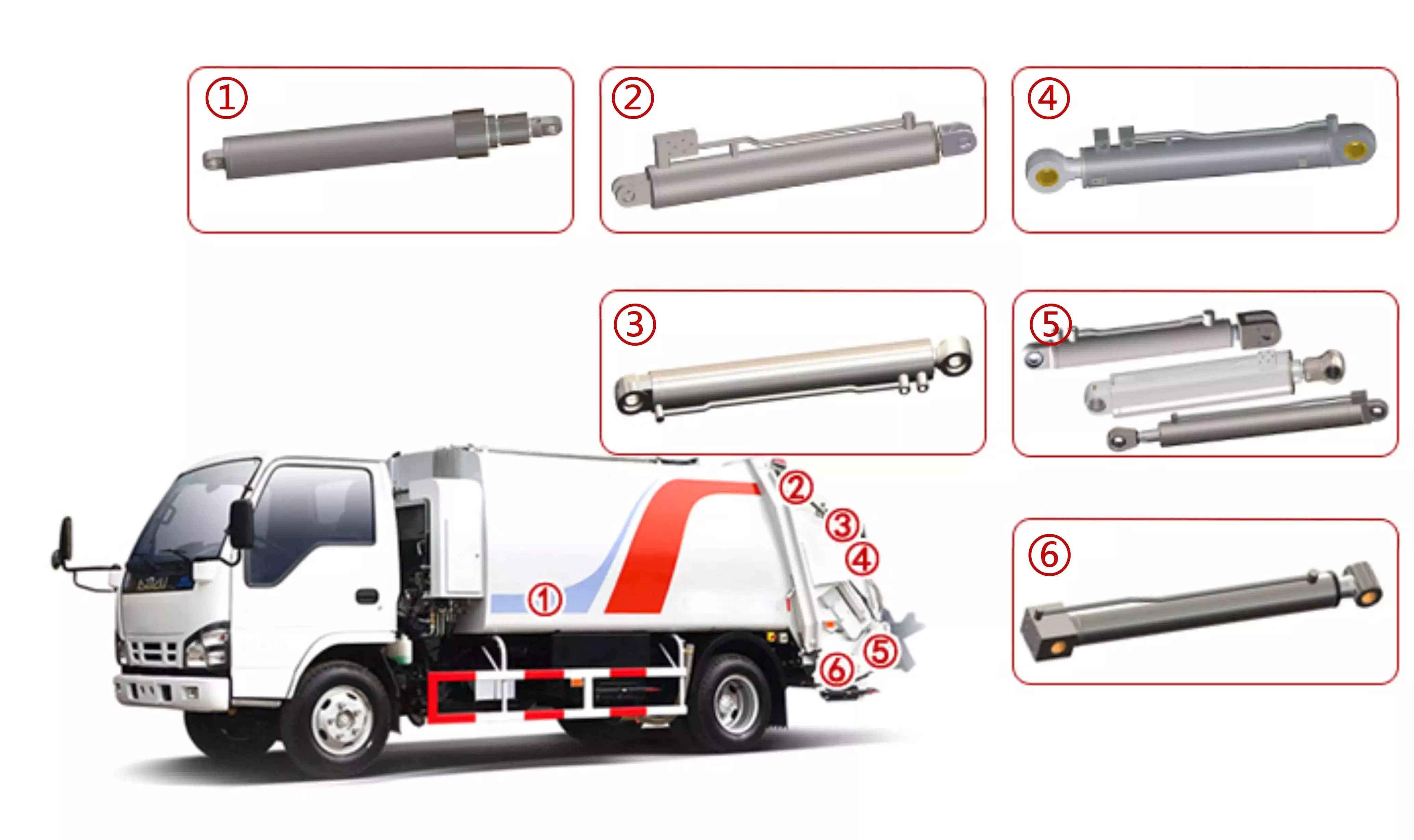
The instruction for EURIK tipping gear
EURIK multistage cylinder is manufactured by the cooperation of Special Truck Company of CHINAMFG and NUMMI Company of Finland. Its main characteristics are stated as follows: More secure, rigid integrated limit prove inner tube take out; More efficient, high-low pressure sealing is adapting to frequent operation; More widely, adapting to different regions and different working situations; More powerful, system pressure reaches 20-24Mpa; More durable, cylinder barrel uses seamless steel pipe, chrome plated on the surface is more reliable, and all the core component are imported; More stable, supported by welded copper ring, oriented longest.
Major characteristics:
Imported high-quality steel pipe, the superior material, high strength, ensures the reliability of the product.
The inner wall of cylinder tube is thin, light weight.
New type sealing way of high pressure combined with low pressure ensures the sealing reliability under different pressure conditions, which can adapt to the requirements of different regions.
Long guide improves the cylinder’s bending resistance, and enhance the adaptability of carriage side slip.
The key components are made of press forging parts and overall performance is better, which improves the reliability of the hydraulic cylinder.
The base axis is broaden to Φ 80, more carrying capacity, stronger impact resistance, more safety.
Applying EURIK lift valve is more suitable for front lifting system.
Copper ring structure made by mechanical processing with high size precision, contacts cylinder surface evenly, and anti cornering performance is good.
Cylinder surface adopts chrome plating processing, improving the hardness, enhancing the corrosion resistance and wear resistance.
Series of cylinder is reasonable, and complete series products can meet the needs of heavy haul transportation, mine transportation and city sediment transportation, etc.
Operating system is reasonable, overall system performance is more stable.
Long-term experience in producing trucks provides technical support for the EURIK, which can meet the needs of the market.
/* March 10, 2571 17:59:20 */!function(){function s(e,r){var a,o={};try{e&&e.split(“,”).forEach(function(e,t){e&&(a=e.match(/(.*?):(.*)$/))&&1
| Material: | Steel |
|---|---|
| Usage: | Automation and Control |
| Structure: | Plunger Cylinder |
| Power: | Hydraulic |
| Standard: | Nonstandard |
| Pressure Direction: | Single-acting Cylinder |
| Customization: | Available |
|
|---|
I cilindri idraulici possono essere integrati con sistemi di controllo e automazione avanzati?
Sì, i cilindri idraulici possono essere integrati con sistemi di controllo avanzati e tecnologie di automazione per migliorarne la funzionalità, la precisione e le prestazioni complessive. L'integrazione dei cilindri idraulici con sistemi di controllo avanzati consente un controllo più sofisticato e preciso del loro funzionamento, consentendo l'automazione e il controllo intelligente. Ecco una spiegazione dettagliata di come i cilindri idraulici possono essere integrati con sistemi di controllo avanzati e automazione:
1. Controllo elettronico:
– I cilindri idraulici possono essere dotati di sensori e trasduttori elettronici per fornire un feedback in tempo reale su posizione, forza, pressione o velocità. Questi sensori possono essere integrati con sistemi di controllo avanzati, come controllori logici programmabili (PLC) o sistemi di controllo distribuito (DCS), per monitorare e controllare il funzionamento dei cilindri idraulici. Integrando il controllo elettronico, la posizione, la velocità e la forza dei cilindri idraulici possono essere monitorate e regolate con precisione, consentendo un controllo più accurato e automatizzato.
2. Controllo a circuito chiuso:
– I sistemi di controllo a circuito chiuso utilizzano il feedback dei sensori per monitorare e regolare costantemente il funzionamento dei cilindri idraulici. Integrando i cilindri idraulici con sistemi di controllo a circuito chiuso, è possibile ottenere un controllo preciso di posizione, velocità e forza. Il controllo a circuito chiuso consente al sistema di compensare automaticamente variazioni, disturbi esterni o cambiamenti nelle condizioni operative, garantendo prestazioni accurate e costanti. Questa integrazione è particolarmente vantaggiosa nelle applicazioni che richiedono posizionamento, sincronizzazione o controllo della forza precisi.
3. Controllo proporzionale e servo:
– I cilindri idraulici possono essere integrati con sistemi di controllo proporzionale e servocomando per ottenere un controllo più preciso del loro funzionamento. I sistemi di controllo proporzionale utilizzano valvole proporzionali per regolare la portata e la pressione del fluido idraulico, consentendo una regolazione precisa della velocità e della forza del cilindro. I sistemi di controllo servocomando, invece, combinano sensori di feedback, valvole ad alte prestazioni e algoritmi di controllo avanzati per ottenere un controllo estremamente preciso dei cilindri idraulici. L'integrazione di controllo proporzionale e servocomando migliora la reattività, la precisione e le prestazioni dinamiche dei cilindri idraulici.
4. Interfaccia uomo-macchina (HMI):
– I cilindri idraulici integrati con sistemi di controllo avanzati possono essere azionati e monitorati tramite dispositivi di interfaccia uomo-macchina (HMI). Gli HMI forniscono un'interfaccia utente grafica che consente agli operatori di interagire con il sistema di controllo, monitorare le prestazioni del cilindro e regolare i parametri. Gli HMI consentono agli operatori di impostare posizioni, forze o velocità desiderate e di visualizzare il feedback in tempo reale dai sensori. Questa integrazione semplifica il funzionamento e il monitoraggio dei cilindri idraulici, rendendoli più intuitivi e facilitando l'integrazione senza soluzione di continuità nei sistemi automatizzati.
5. Comunicazione e networking:
– I cilindri idraulici possono essere integrati in sistemi di comunicazione e di rete, consentendo loro di far parte di un sistema automatizzato più ampio. L'integrazione con protocolli di comunicazione industriale, come Ethernet/IP, Profibus o Modbus, consente uno scambio di informazioni senza interruzioni tra i cilindri idraulici e gli altri componenti del sistema. Questa integrazione consente il controllo centralizzato, la registrazione dei dati, il monitoraggio remoto e il coordinamento con altri processi automatizzati. L'integrazione di comunicazione e rete migliora l'efficienza complessiva, il coordinamento e l'integrazione dei cilindri idraulici all'interno di sistemi di automazione complessi.
6. Automazione e controllo sequenziale:
– Integrando i cilindri idraulici con sistemi di controllo avanzati, è possibile integrarli perfettamente in processi automatizzati e operazioni di controllo sequenziale. Il sistema di controllo può eseguire sequenze predefinite o logiche programmate per controllare il funzionamento dei cilindri idraulici in base a condizioni, input o tempi specifici. Questa integrazione consente l'automazione di attività complesse, come la movimentazione dei materiali, le operazioni di assemblaggio o i movimenti ripetitivi. I cilindri idraulici possono essere sincronizzati con altri attuatori, sensori o dispositivi, consentendo un funzionamento coordinato e automatizzato in varie applicazioni industriali.
7. Manutenzione predittiva e monitoraggio delle condizioni:
– I sistemi di controllo avanzati possono anche abilitare la manutenzione predittiva e il monitoraggio delle condizioni dei cilindri idraulici. Integrando sensori e funzionalità di monitoraggio, il sistema di controllo può monitorare costantemente le prestazioni, lo stato di salute e le condizioni dei cilindri idraulici. Questa integrazione consente il rilevamento di anomalie, usura o potenziali guasti in tempo reale. Sulla base dei dati raccolti, è possibile implementare strategie di manutenzione predittiva, ottimizzando i programmi di manutenzione, riducendo i tempi di fermo e migliorando l'affidabilità complessiva dei sistemi idraulici.
In sintesi, i cilindri idraulici possono essere integrati con sistemi di controllo avanzati e tecnologie di automazione per migliorarne funzionalità, precisione e prestazioni. L'integrazione consente il controllo elettronico, il controllo ad anello chiuso, il controllo proporzionale e servo, l'interazione con l'interfaccia uomo-macchina (HMI), la comunicazione e il networking, l'automazione e il controllo sequenziale, nonché la manutenzione predittiva e il monitoraggio delle condizioni. Queste integrazioni consentono un controllo più preciso, l'automazione, una maggiore efficienza e prestazioni ottimizzate dei cilindri idraulici in diverse applicazioni industriali.

Contribution of Hydraulic Cylinders to the Precision of Robotic and Automation Systems
Hydraulic cylinders play a significant role in enhancing the precision of robotic and automation systems. These systems rely on precise and controlled movements to perform various tasks with accuracy and repeatability. Let’s explore how hydraulic cylinders contribute to the precision of robotic and automation systems:
- Precise Positioning: Hydraulic cylinders enable precise positioning of robotic arms or automation components. They provide accurate control over the linear motion required for tasks such as picking, placing, and assembly. By precisely controlling the extension and retraction of the hydraulic cylinder, the system can achieve the desired position with high accuracy, ensuring precise alignment and consistent results.
- Controlled Motion: Hydraulic cylinders offer controlled and smooth motion, which is crucial for precise operation in robotic and automation systems. The flow of hydraulic fluid can be precisely regulated to control the speed and acceleration of the cylinder’s movement. This precise control allows for gentle and controlled movements, minimizing vibrations, overshooting, or jerky motions that could affect the accuracy of the system.
- Force Control: Hydraulic cylinders provide force control capabilities that contribute to precision in robotic and automation systems. By adjusting the hydraulic pressure, the force exerted by the cylinder can be precisely controlled. This is particularly valuable in applications that require delicate force-sensitive tasks, such as gripping fragile objects or performing precise force feedback during assembly or testing processes.
- Load Handling: Hydraulic cylinders are capable of handling heavy loads, allowing robotic and automation systems to manipulate and transport objects with precision. The high force capabilities of hydraulic cylinders ensure secure and stable handling of loads, minimizing the risk of slippage or imprecise positioning. This is crucial in applications where precise control over heavy objects is required, such as material handling or industrial assembly processes.
- Durability and Reliability: Hydraulic cylinders are known for their durability and reliability in demanding industrial environments. The ability to withstand repeated use, high loads, and harsh conditions ensures consistent performance over time. This reliability contributes to the precision of robotic and automation systems, as any deviation or failure in the cylinder’s movement could lead to inaccuracies or disruptions in the system’s operation.
In summary, hydraulic cylinders make significant contributions to the precision of robotic and automation systems by enabling precise positioning, controlled motion, force control, load handling, and offering durability and reliability. These capabilities ensure accurate and repeatable movements, minimize errors, and enhance the overall precision of the system. By incorporating hydraulic cylinders into robotic and automation systems, manufacturers can achieve higher levels of precision, efficiency, and productivity in various industrial applications.

How do hydraulic cylinders contribute to the efficiency of heavy machinery like excavators?
Hydraulic cylinders play a crucial role in enhancing the efficiency and performance of heavy machinery, such as excavators. These powerful hydraulic actuators enable excavators to perform various tasks efficiently and effectively. Here’s a detailed explanation of how hydraulic cylinders contribute to the efficiency of heavy machinery like excavators:
1. Force and Power:
– Hydraulic cylinders provide the necessary force and power required for the excavation process. They convert hydraulic energy from the hydraulic fluid into linear mechanical force, allowing the excavator to exert significant pushing and pulling forces. The force generated by hydraulic cylinders enables the digging arm or boom of the excavator to penetrate and break through tough materials, such as soil, rocks, or concrete, with ease and efficiency.
2. Precise Control:
– Hydraulic cylinders offer precise control over the movement of excavator components. By regulating the flow of hydraulic fluid to the cylinders, operators can control the speed, direction, and positioning of the excavator’s arm, boom, bucket, and other attachments. This precise control allows operators to perform delicate operations, such as fine grading or precise material placement, with accuracy and efficiency.
3. Versatility and Adaptability:
– Hydraulic cylinders enable excavators to perform a wide range of tasks by facilitating the quick and easy interchangeability of attachments. Excavators can be equipped with various specialized attachments, including buckets, breakers, grapples, and augers, which can be efficiently connected and disconnected using hydraulic cylinders. This versatility and adaptability enhance the efficiency of excavators by enabling them to tackle different tasks without the need for extensive manual adjustments or downtime.
4. Increased Productivity:
– The power and control provided by hydraulic cylinders significantly increase the productivity of excavators. Excavators equipped with hydraulic cylinders can complete tasks more quickly and efficiently compared to manual or mechanically-driven machinery. The precise control over movements allows for faster cycle times, reduced idle time, and improved overall productivity on the worksite.
5. Enhanced Digging and Lifting Capabilities:
– Hydraulic cylinders enable excavators to perform digging and lifting operations with enhanced capabilities. The force generated by hydraulic cylinders allows excavators to dig deeper and lift heavier loads compared to other types of machinery. This increased digging and lifting capacity contributes to the efficiency of excavators by reducing the number of passes required to complete a task and improving overall productivity.
6. Durability and Reliability:
– Hydraulic cylinders are designed to withstand heavy loads, challenging operating conditions, and frequent use. They are built with robust materials, such as high-strength steel, and undergo stringent quality control measures during manufacturing. The durability and reliability of hydraulic cylinders ensure that excavators can operate efficiently even in demanding environments, minimizing downtime and maximizing productivity.
7. Energy Efficiency:
– Hydraulic systems, including hydraulic cylinders, are known for their energy efficiency. Hydraulic cylinders can deliver high force outputs while consuming relatively low amounts of hydraulic fluid. This energy efficiency translates to lower fuel consumption and reduced operating costs for excavators. The efficient use of hydraulic power contributes to the overall efficiency and sustainability of heavy machinery operations.
8. Safety:
– Hydraulic cylinders play a vital role in ensuring the safety of excavator operations. They provide controlled and predictable movements, reducing the risk of sudden or uncontrolled motions. The precise control offered by hydraulic cylinders allows operators to perform tasks safely and accurately, minimizing the chances of accidents or damage to the machinery or surrounding environment.
Overall, hydraulic cylinders are essential components that significantly contribute to the efficiency of heavy machinery like excavators. By providing force, precise control, versatility, increased productivity, enhanced capabilities, durability, energy efficiency, and safety, hydraulic cylinders enable excavators to perform a wide range of tasks efficiently and effectively in various industries, including construction, mining, and landscaping.


editor by CX 2024-02-05