
Descrizione del prodotto
FE Telescopic Hydraulic Cylinder For Dump Truck/Trailer
| Item | Dump Truck Telescopic Hydraulic Cylinder |
| Type | FC/FE/FEE/FSE/Pin to Pin Mounting/Pin to Trunnion Mounting |
| HS Code | 8412210090 |
| Each Stage Diameter(mm) | 221/196/172/150/129/110/91/75/60; 214/191/169/149/129/110/91/75/60; 202/179/157/137/118/99/80/63; |
| Max.Stroke(mm) | 12000mm |
| Raw Materials | 27SiMn,16Mn,45#,20# seamless steel pipe with quenched&tempered |
| Seal Kits | Kaden,Hallite,Merkel,Guarnitec etc |
| Max.Pressure | 25MPa/250Bar |
| Chrome Plating | Hard chrome plated |
| Chrome Thickness | 0.015-0.571mm |
| Color | According to your needs,you can choose your favorite color (Black/Blue/Red/Yellow/Gray/White etc) |
| Quality Check | All the parts and the finished hydraulic cylinders will be tested before delivery |
| Warranty | 14 Months |
| Lead Time | 30-35 working days after deposit payment |
| Package | Plywood pallet or steel box suitable for export |
| Customers | USA,Canada,Mexico,Russia,Australia,New Zealand,Netherlands,Poland,Italy,South Korea, South America,South Africa etc |
| OEM/ODM | Yes |
Company Introduction
Zhongxin Machinery specialize in the production and R&D of Dump Truck&Trailer Telescopic Hydraulic Cylinder,
Dump Truck Hydraulic System,Agricultural Machinery Hydraulic Cylinder, Garbage Truck Hydraulic Cylinder,
Tipping Platform Hydraulic Cylinder,Snow Plow Hydraulic Cylinder and so on.
Over the years development,our products have been exported to
America,Australia,Russia,Canada,Mexico,Guatemala,Colombia,Netherlands etc
and have been widely praised by the customers from home and abroad.
We are committed to providing customers with high quality and reasonable price products.
All ZhongXin products are designed,engineered and manufactured by highly skilled and experienced engineers,
All the products do QC 3 times before delivery to make sure the quality.
Package&Shipping
Customers
FAQ
A. Compared with CHINAMFG cylinder, what are your cylinder advantages?
1. Rod are chrome plated.
2. Tubes are quenched and tempered.
3.Tube inner hole goes through deep hole boring machine processing. Surface roughness is 0.4Ra
and circular degree is 0.571.
4. Good quality yet lower price.
B: Are you a manufacture or a trade company?
Manufacture, we are the leader manufacturer of hydraulic industry in China with 14 years’ experience and technology accumulation.
With strong technical team we could solve any annoyance of you.
C: How can I get a booklet and buy a cylinder from you?
Just leave me a message or email or call me directly, let me know you are interesting in our products. I will talk with you for the details soon!
1. Please advice the drawing with technical requirement.
2. Please advice the model No. after you check our booklet.
3. Please advice the tipping capacity, number of stages, closed length, mounting type and size.
4. Please also help advice the quantities, this is very important.
D: Do your products come with a warranty?
Yes, we have 14 months warranty. In this year, if the quality problem we will free repair for you.
E: What about the quality feedback of your products?
We have never received even once quality complaint for many years of international business.
F: Can you help me to install or recommend what kind of hydraulic cylinder or power pack should I use for specific machine?
Yes, we have 6 experienced engineers who are always ready to help you. If you do not know what kind of hydraulic cylinders should be used in your machine, please just contact us, our engineers will design the exact products match your need.
G: What is the delivery time?
Within 15 days for samples.
25-30 days for bulk production, which is depend on quality, production process and so on.
H: What is your main payment term?
T/T, L/C, either is available.
| Certificazione: | CE, ISO9001 |
|---|---|
| Pressione: | Alta pressione |
| Temperatura di lavoro: | -30degrees-80degrees |
| Acting Way: | Single Acting |
| Working Method: | Straight Trip |
| Adjusted Form: | Regulated Type |
| Samples: | US$ 300/Piece 1 Piece(Min.Order) | |
|---|
| Customization: | Available |
|
|---|
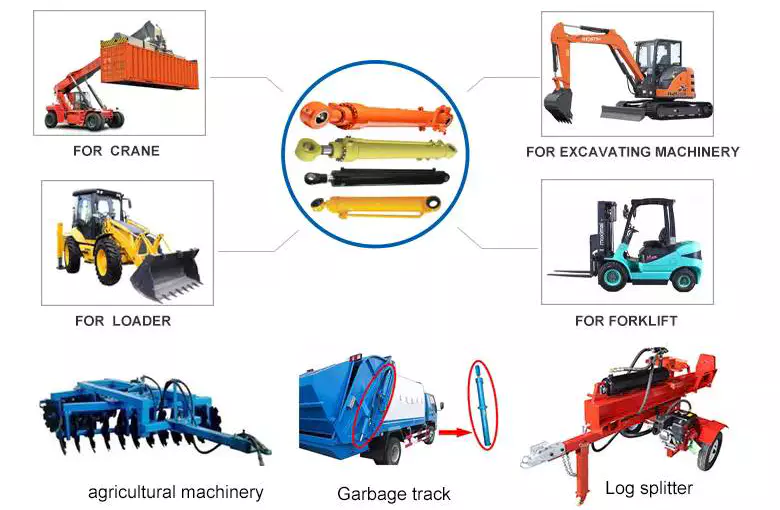
Are there any emerging trends in hydraulic cylinder technology, such as smart features?
Yes, there are several emerging trends in hydraulic cylinder technology, including the integration of smart features. As industries continue to adopt advanced technologies and seek greater efficiency, hydraulic cylinders are being equipped with innovative capabilities to enhance their performance and provide additional benefits. Here are some of the emerging trends in hydraulic cylinder technology:
1. Sensor Integration:
– One of the significant trends in hydraulic cylinder technology is the integration of sensors. Sensors can be embedded within the hydraulic cylinder to monitor various parameters such as pressure, temperature, position, and load. These sensors provide real-time data, allowing for condition monitoring, predictive maintenance, and improved operational control. By collecting and analyzing data, operators can optimize the performance of hydraulic systems, detect potential issues in advance, and prevent failures, resulting in increased reliability and reduced downtime.
2. Connectivity and IoT:
– Hydraulic cylinders are being integrated into the Internet of Things (IoT) ecosystem, enabling connectivity and data exchange. By connecting hydraulic cylinders to a network, operators can remotely monitor and control their performance. IoT-enabled hydraulic cylinders facilitate features such as remote diagnostics, performance optimization, and predictive maintenance. The connectivity aspect allows for better integration with overall equipment systems and enables data-driven decision-making for improved efficiency and productivity.
3. Energy-Efficient Designs:
– With the increasing focus on sustainability and energy efficiency, hydraulic cylinder technology is evolving to incorporate energy-saving features. Manufacturers are developing hydraulic cylinders with improved sealing technologies, reduced friction, and optimized fluid flow dynamics. These advancements minimize energy losses and increase overall system efficiency. Energy-efficient hydraulic cylinders contribute to reduced power consumption, lower operating costs, and a smaller environmental footprint.
4. Advanced Materials and Coatings:
– The use of advanced materials and coatings is another emerging trend in hydraulic cylinder technology. Manufacturers are exploring lightweight materials, such as composites and alloys, to reduce the overall weight of hydraulic cylinders without compromising strength and durability. Furthermore, specialized coatings and surface treatments are being applied to improve corrosion resistance, wear resistance, and lifespan. These advancements enhance the longevity and reliability of hydraulic cylinders, particularly in demanding environments.
5. Intelligent Control Systems:
– Hydraulic cylinder technology is embracing intelligent control systems that optimize performance and enable advanced functionalities. These systems utilize algorithms, machine learning, and artificial intelligence to automate processes, adapt to changing conditions, and optimize hydraulic cylinder movements. Intelligent control systems can adjust parameters in real-time, ensuring precise and efficient operation. This trend allows for increased automation, improved productivity, and enhanced safety in hydraulic system applications.
6. Predictive Maintenance:
– Predictive maintenance is gaining prominence in hydraulic cylinder technology. By utilizing data collected from sensors and monitoring systems, predictive maintenance algorithms can analyze the condition and performance of hydraulic cylinders. This analysis helps to identify potential failures or degradation in advance, enabling proactive maintenance actions. Predictive maintenance reduces unplanned downtime, extends the lifespan of hydraulic cylinders, and optimizes maintenance schedules, resulting in cost savings and improved equipment availability.
7. Enhanced Safety Features:
– Hydraulic cylinder technology is incorporating enhanced safety features to improve operator and equipment safety. These features include integrated safety valves, load monitoring systems, and emergency stop functionalities. Safety systems in hydraulic cylinders help prevent accidents, protect against overloads, and ensure reliable operation. The integration of advanced safety features contributes to safer working environments and compliance with stringent safety regulations.
These emerging trends in hydraulic cylinder technology demonstrate the industry’s focus on innovation, performance optimization, and sustainability. The integration of smart features, connectivity, advanced materials, and predictive maintenance capabilities enables hydraulic cylinders to operate more efficiently, provide real-time insights, and enhance overall system performance. As technology continues to advance, hydraulic cylinder technology is expected to evolve further, offering increased functionality and efficiency for various industries and applications.
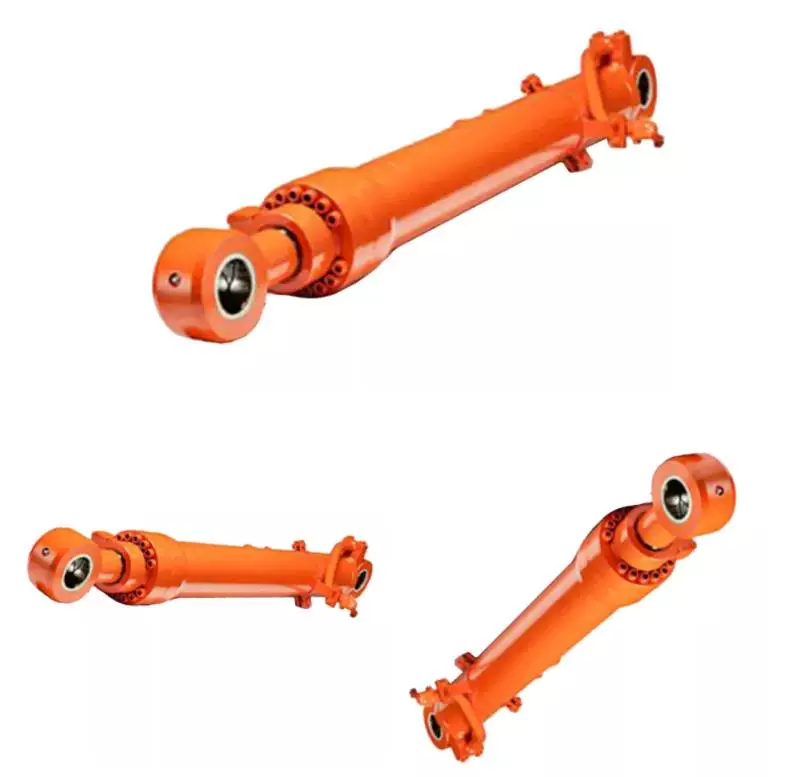
Handling the Challenges of Minimizing Fluid Leaks and Contamination in Hydraulic Cylinders
Hydraulic cylinders face challenges when it comes to minimizing fluid leaks and contamination, as these issues can impact the performance, reliability, and lifespan of the system. However, there are several measures and design considerations that help address these challenges effectively. Let’s explore how hydraulic cylinders handle the challenges of minimizing fluid leaks and contamination:
- Sealing Systems: Hydraulic cylinders employ advanced sealing systems to prevent fluid leaks. These systems typically include various types of seals, such as piston seals, rod seals, and wiper seals. The seals are designed to create a tight and reliable barrier between the moving components of the cylinder and the external environment, minimizing the risk of fluid leakage.
- Seal Material Selection: The choice of seal materials is crucial in minimizing fluid leaks and contamination. Hydraulic cylinder manufacturers carefully select seal materials that are compatible with the hydraulic fluid used and resistant to wear, abrasion, and chemical degradation. This ensures the longevity and effectiveness of the seals, reducing the likelihood of leaks or premature seal failure.
- Proper Installation and Maintenance: Ensuring proper installation and regular maintenance of hydraulic cylinders is essential for minimizing fluid leaks and contamination. During installation, attention should be given to proper alignment, torqueing of bolts, and adherence to recommended procedures. Regular maintenance includes inspecting seals, replacing worn-out components, and addressing any signs of leakage promptly. Proper maintenance practices help identify and rectify issues before they escalate and cause significant problems.
- Contamination Control: Hydraulic cylinders incorporate measures to control contamination and maintain fluid cleanliness. This includes the use of filtration systems, such as in-line filters, to remove particles and contaminants from the hydraulic fluid. Additionally, hydraulic reservoirs often have breathers and desiccant filters to prevent moisture and airborne contaminants from entering the system. By controlling contamination, hydraulic cylinders minimize the risk of damage to internal components and maintain optimal system performance.
- Environmental Protection: Hydraulic cylinders may be equipped with protective features to safeguard against external contaminants. For example, bellows or protective boots can be installed to shield the rod and seals from debris, dirt, or moisture present in the operating environment. These protective measures help extend the life of the seals and enhance the overall reliability of the hydraulic cylinder.
In summary, hydraulic cylinders employ sealing systems, appropriate seal materials, proper installation and maintenance practices, contamination control measures, and environmental protection features to handle the challenges of minimizing fluid leaks and contamination. By implementing these measures, manufacturers can ensure reliable and long-lasting hydraulic cylinder performance, minimize the risk of fluid leakage, and maintain the cleanliness of the hydraulic system.
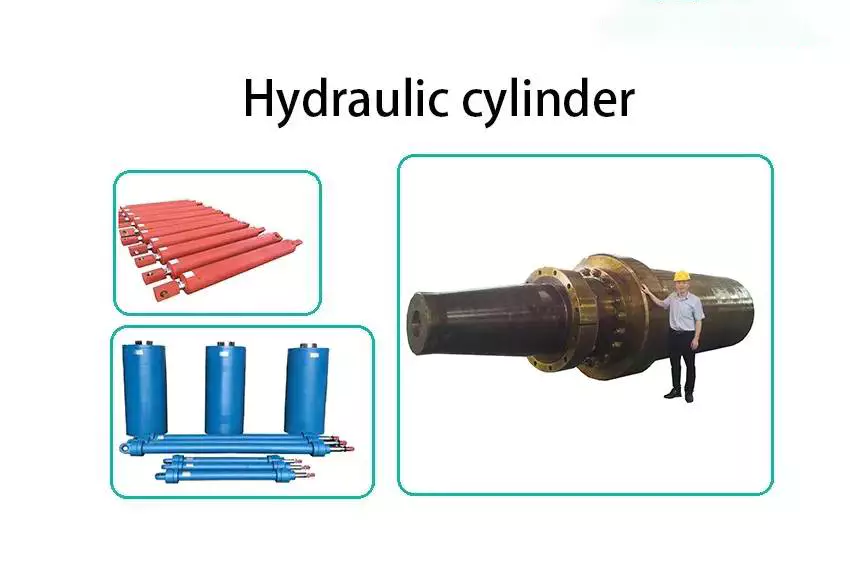
Puoi spiegare il ruolo e l'importanza dei cilindri idraulici nei macchinari?
I cilindri idraulici svolgono un ruolo cruciale nei macchinari di diversi settori industriali. Sono componenti essenziali che forniscono un movimento lineare controllato e potente, consentendo il funzionamento di attrezzature pesanti e facilitando numerose attività. Il ruolo e l'importanza dei cilindri idraulici nei macchinari possono essere spiegati in dettaglio come segue:
Ruolo dei cilindri idraulici:
– Conversione dell'energia idraulica: i cilindri idraulici convertono l'energia idraulica, solitamente sotto forma di fluido idraulico pressurizzato, in forza lineare e movimento. Questa conversione consente ai macchinari di svolgere compiti come sollevamento, spinta, trazione, serraggio, inclinazione e controllo di vari meccanismi.
– Generazione di moto lineare: i cilindri idraulici generano moto lineare sfruttando i principi della legge di Pascal. Quando il fluido idraulico viene indirizzato verso un lato del cilindro, esercita una pressione sul pistone, determinando un movimento lineare del pistone e dello stelo collegato. Questo movimento lineare può essere utilizzato per azionare altri componenti all'interno del macchinario o per eseguire direttamente l'operazione richiesta.
– Generazione di forza: i cilindri idraulici sono in grado di generare forze elevate grazie alla pressione idraulica applicata al pistone. La forza erogata da un cilindro idraulico dipende dalla superficie del pistone e dalla pressione del fluido idraulico. Questa forza consente ai macchinari di esercitare una potenza significativa per sollevare carichi pesanti, applicare pressione o superare la resistenza.
– Controllo preciso: i cilindri idraulici offrono un controllo preciso sul movimento lineare e sulla forza esercitata. Regolando il flusso del fluido idraulico, è possibile regolare con precisione la velocità e la direzione del movimento del cilindro. Questo livello di controllo è fondamentale nei macchinari che richiedono un posizionamento preciso, movimenti delicati o la sincronizzazione di più cilindri.
– Integrazione con i sistemi idraulici: i cilindri idraulici sono parte integrante dei sistemi idraulici utilizzati nei macchinari. Lavorano insieme a pompe idrauliche, valvole e attuatori per creare un circuito idraulico completo. Questa integrazione consente un'efficiente trasmissione di potenza, controllo e coordinamento delle varie funzioni della macchina.
Significato dei cilindri idraulici:
– Azionamento di macchinari pesanti: i cilindri idraulici sono essenziali nei macchinari pesanti utilizzati nell'edilizia, nell'industria mineraria, in agricoltura, nella movimentazione dei materiali e in altri settori. Consentono il sollevamento e lo spostamento di carichi pesanti, l'azionamento di attrezzature e l'esecuzione di attività che richiedono elevata forza e precisione.
– Versatilità e adattabilità: i cilindri idraulici sono componenti versatili che possono essere progettati e personalizzati per soddisfare i requisiti specifici dei macchinari. Possono essere integrati in vari tipi di apparecchiature e personalizzati in base a fattori quali capacità di forza, lunghezza della corsa, velocità e opzioni di montaggio. Questa adattabilità rende i cilindri idraulici adatti a diverse applicazioni.
– Durata e affidabilità: i cilindri idraulici sono costruiti per resistere a condizioni operative rigorose, tra cui alte pressioni, carichi pesanti e uso continuo. Sono progettati con materiali robusti, lavorazioni di precisione ed efficaci sistemi di tenuta per garantire durata e affidabilità per lunghi periodi di funzionamento.
– Sicurezza e controllo del carico: i cilindri idraulici garantiscono un funzionamento sicuro e controllato dei macchinari. Offrono meccanismi di protezione da sovraccarico, come le valvole di sicurezza, per prevenire danni causati da forza o pressione eccessive. Inoltre, i cilindri idraulici consentono un controllo preciso del carico, riducendo al minimo il rischio di incidenti durante il sollevamento, l'abbassamento o il posizionamento di carichi pesanti.
– Design compatto: i cilindri idraulici offrono un elevato rapporto potenza/dimensioni, consentendo la progettazione di macchinari compatti. Le loro dimensioni relativamente ridotte rispetto alle forze che possono generare li rendono adatti ad applicazioni in cui lo spazio è limitato o il peso è limitato.
– Efficienza energetica: i cilindri idraulici contribuiscono all'efficienza energetica dei macchinari. L'utilizzo di sistemi idraulici consente il trasferimento di potenza su lunghe distanze senza perdite di potenza significative. Inoltre, i cilindri idraulici possono integrare funzionalità di risparmio energetico come la tecnologia load-sensing e i circuiti rigenerativi, riducendo il consumo energetico.
Nel complesso, i cilindri idraulici svolgono un ruolo fondamentale nei macchinari, garantendo un movimento lineare controllato e potente. La loro importanza risiede nella capacità di convertire l'energia idraulica, generare forze elevate, offrire un controllo preciso, integrarsi con i sistemi idraulici e facilitare il funzionamento di attrezzature pesanti in diversi settori industriali. I cilindri idraulici contribuiscono ad aumentare la produttività, la sicurezza e l'efficienza nelle applicazioni meccaniche, rendendoli componenti indispensabili nell'ingegneria moderna.


editor by CX 2023-11-21