
Descrizione del prodotto
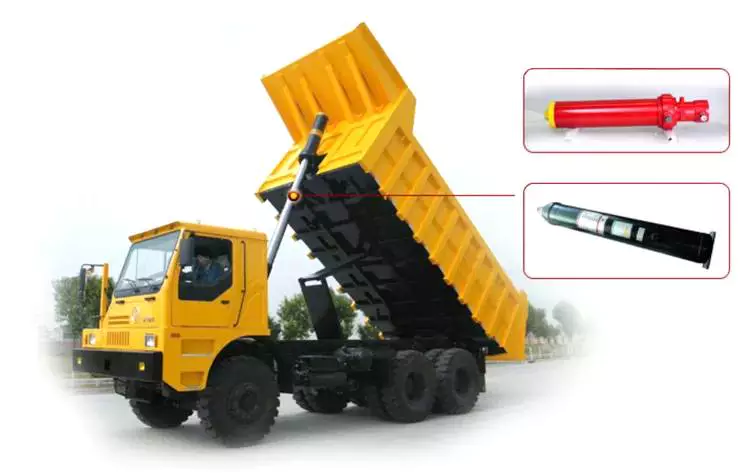
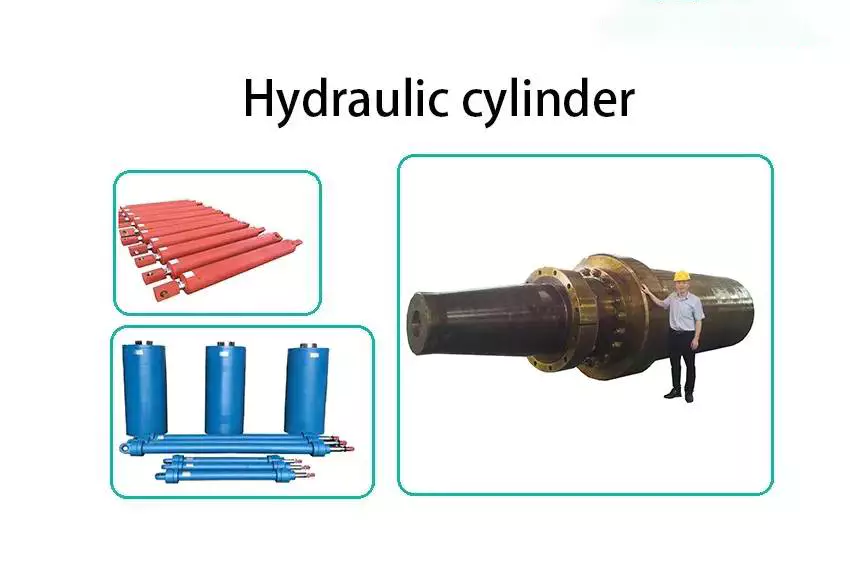
Single Acting Hydraulic Piston Cylinder Hydraulic RAM Hydraulic Jack Cylinder for dumper
Part 1—–PRODUCT DETAILS
A.Product Description:
1. With Rolling technology, the hydraulic cylinder is straighter, the surface of hydraulic cylinder is harder and its quality is more durable.
2. All piston rod of dump truck hydraulic cylinder have to go through comprehensive processing: Heat treating Lathing GrindingPolishingHard chrome plating Polishing, this comprehensive processing fo dump truck hydraulic cylinder make the cylinder harder, wearable and acid-proof.
3. Using imported materials for seal kits.
4. The structure kits are made by high-strength Manganese plate
5. Advanced surface treatment:
A. Environmental automatically pipelined painting
B. Cleaning with automatic washing machine
C. Assembling in seal clean workshop
B. Product Descripition and supply:
Part 2——-Application:
Hydraulic Cylinder Product Application
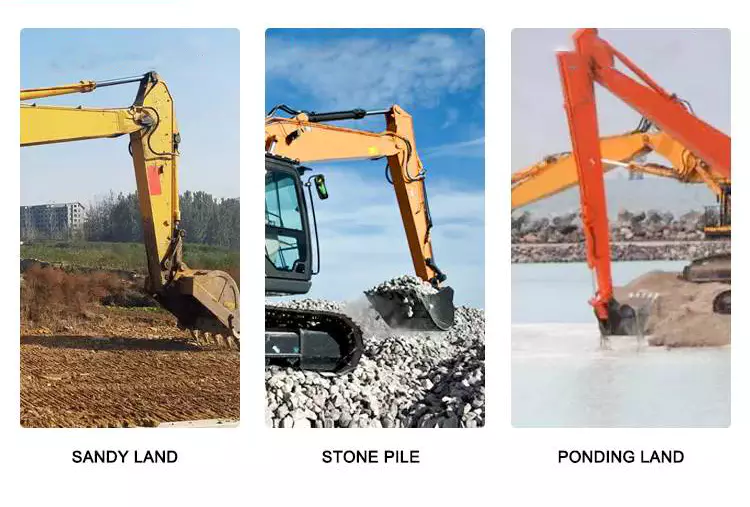
Xihu (West Lake) Dis.ng’s quality custom products are produced for OEM applications in a wide variety of CHINAMFG industries, including manufacturing engineering machinery, loaders hydraulic cylinders, vehicle cylinders, construction, forestry, waste management, mining, material handling, industrial applications, agriculture, manufacturing, transportation, marine applications and oil field equipment. Our success has been built on the engineering expertise and manufacturing capabilities we offer to meet the very specific demands of our industry clients.
Part 3——-Why Choose Us
1. Product Research & Development:
Xihu (West Lake) Dis.ng builds quality products that are developed with use in mind. We specialize in working with every customer to share ideas and gather critical information regarding hydraulic cylinder fit and performance requirements for your specific application.
2.Hydraulic Cylinder Production:
We have the advanced CNC machine tools, a horizontal machining center, a welding robot, parts cleaning agent, automatic assembly lines, automatic painting equipment etc. to hydraulic cylinder ensure a 360-degree quality control of the production process.
3.Hydraulic Cylinder Product Certifications:
4.Perfect after-service:
1).Pre-sale service: Keep communicating with the truck manufacturers , including selection of product model , design of hydraulic system, test of performance and analysis of the accident. Once the problems occur, we will solve them immediately together with truck manufacturers .
2).The sale service: Provide training and technical support for users.
3).After-sale service: Solve the problem firstly, then analyse responsibility ; Replace the system components immediately if any need.
4). 24 hours telephone service hotline.
5. Professional Hydraulic Cylinder Team:
Part 4——Company Information:
ZheJiang XIHU (WEST LAKE) DIS.NG TECHNOLOGY CO.,LTD is a famous hydraulic cylinder manufacture in HangZhou city,ZheJiang province of China. The Head office XIHU (WEST LAKE) DIS.NG was founed in 2001,the main products include a variety of special hydraulic cylinder.It has 5 subsidiaries, and ZheJiang Best Crane Co., Ltd. is 1 of them. The companies are interrelated and independently accounted for and operate independently. The company now covers an area of more than 400 acres, with total assets of 500 million yuan, more than 800 employees, more than 700 sets of high-precision equipment, total industrial output value of over 1 billion yuan, and annual taxes of more than 30 million yuan.
After 18 years development,XIHU (WEST LAKE) DIS.NG now covers an area of 200,000 Square meters, ownes a registered capital of 1000 million RMB,and 250 million RMB worth of fixed assets .XIHU (WEST LAKE) DIS.NG has established long time cooperation with over 80 big companies like Zoomlion, Fukuda Fortaleza, CHINAMFG Vehicle Group, and so on.
Our company have more than 800 units equipment for mass production.We can product around 220 thousand units per year of hydraulic cylinder and 500 units per year of truck crane.
Our company have more than 150 technical staff, Have more than 10 invention patents and 60 utility patents.So we can produce customized products or develop new products.
Good quality is our culture.Welcome to visit our company and build up a long friendship with us!
Part 5—–FAQ
1: What kind terms of payment can be accepted?
A: For terms of payment, L/C, T/T, D/A, D/P, Western Union (can be) could accepted
2: How to pack and transport?
A: Nude with safty protection, only crane can be packed into containers for shipment.
And the truck mounted crane can be deliveried with ro-ro ship.
3: How long is the delivery time??
A: 35 days after receiving the deposit.
4: What about the warranty time?
A: 12 months after shipment or 2000 working hours, whichever occuts first.
5. What about the Minimum Order Quantity?
A: 1 unit. For customized products, the MOQ can be Negotiated.
| Certificazione: | ISO9001 |
|---|---|
| Pressione: | Alta pressione |
| Temperatura di lavoro: | Low Temperature |
| Acting Way: | Single Acting |
| Working Method: | Rotary |
| Adjusted Form: | Switching Type |
| Customization: | Available |
|
|---|
What advancements in hydraulic cylinder technology have improved sealing and reliability?
Advancements in hydraulic cylinder technology have continuously contributed to improving sealing and reliability in hydraulic systems. These advancements aim to address common challenges such as leakage, wear, and failure of seals, ensuring optimal performance and longevity. Here are several key advancements that have significantly improved sealing and reliability in hydraulic cylinders:
1. High-Performance Sealing Materials:
– The development of advanced sealing materials has greatly improved the sealing capabilities of hydraulic cylinders. Traditional sealing materials like rubber have been replaced or enhanced with high-performance materials such as polyurethane, PTFE (polytetrafluoroethylene), and various composite materials. These materials offer superior resistance to wear, temperature, and chemical degradation, resulting in improved sealing performance and extended seal life.
2. Enhanced Seal Designs:
– Advancements in seal designs have focused on improving sealing efficiency and reliability. Innovative seal profiles, such as lip seals, wipers, and scrapers, have been developed to optimize fluid retention and prevent contamination. These designs provide better sealing performance, minimizing the risk of fluid leakage and maintaining system integrity. Additionally, improved seal geometries and manufacturing techniques ensure tighter tolerances, reducing the potential for seal failure due to misalignment or extrusion.
3. Integrated Seal and Bearing Systems:
– Hydraulic cylinders now incorporate integrated seal and bearing systems, where the sealing elements also serve as bearing surfaces. This design approach reduces the number of components and potential failure points, improving overall reliability. By integrating seals and bearings, the risk of seal damage or displacement due to excessive loads or misalignment is minimized, resulting in enhanced sealing performance and increased reliability.
4. Advanced Coatings and Surface Treatments:
– The application of advanced coatings and surface treatments to hydraulic cylinder components has significantly improved sealing and reliability. Coatings such as chrome plating or ceramic coatings enhance surface hardness, wear resistance, and corrosion resistance. These surface treatments provide a smoother and more durable surface for seals to operate against, reducing friction and improving sealing performance. Moreover, specialized coatings can also provide self-lubricating properties, reducing the need for additional lubrication and enhancing reliability.
5. Sealing System Monitoring and Diagnostic Technologies:
– The integration of monitoring and diagnostic technologies in hydraulic systems has revolutionized seal performance and reliability. Sensors and monitoring systems can detect and alert operators to potential seal failures or leaks before they escalate. Real-time monitoring of pressure, temperature, and seal performance parameters allows for proactive maintenance and early intervention, preventing costly downtime and ensuring optimal sealing and reliability.
6. Computational Modeling and Simulation:
– Computational modeling and simulation techniques have played a significant role in advancing hydraulic cylinder sealing and reliability. These tools enable engineers to analyze and optimize seal designs, fluid flow dynamics, and contact stresses. By simulating various operating conditions, potential issues such as seal extrusion, wear, or leakage can be identified and mitigated early in the design phase, resulting in improved sealing performance and enhanced reliability.
7. Systematic Maintenance Practices:
– Advances in hydraulic cylinder technology have also emphasized the importance of systematic maintenance practices to ensure sealing and overall system reliability. Regular inspection, lubrication, and replacement of seals, as well as routine system flushing and filtration, help prevent premature seal failure and optimize sealing performance. Implementing preventive maintenance schedules and adhering to recommended service intervals contribute to extended seal life and enhanced reliability.
In summary, advancements in hydraulic cylinder technology have led to significant improvements in sealing and reliability. High-performance sealing materials, enhanced seal designs, integrated seal and bearing systems, advanced coatings and surface treatments, sealing system monitoring and diagnostics, computational modeling and simulation, and systematic maintenance practices have all played key roles in achieving optimal sealing performance and increased reliability. These advancements have resulted in more efficient and dependable hydraulic systems, minimizing leakage, wear, and failure of seals, and ultimately improving the overall performance and longevity of hydraulic cylinders in diverse applications.
Progressi nella tecnologia dei cilindri idraulici che migliorano la resistenza alla corrosione
I progressi nella tecnologia dei cilindri idraulici hanno portato a significativi miglioramenti nella resistenza alla corrosione. La corrosione è un problema importante nei sistemi idraulici, soprattutto in ambienti in cui i cilindri sono esposti a umidità, sostanze chimiche o agenti corrosivi. Questi progressi mirano a migliorare la durata e la longevità dei cilindri idraulici. Esploriamo alcuni dei principali progressi nella tecnologia dei cilindri idraulici che hanno migliorato la resistenza alla corrosione:
- Materiali resistenti alla corrosione: L'utilizzo di materiali resistenti alla corrosione rappresenta un progresso fondamentale nella tecnologia dei cilindri idraulici. L'acciaio inossidabile, ad esempio, offre un'eccellente resistenza alla corrosione, rendendolo una scelta popolare in ambito marittimo, offshore e in altri ambienti corrosivi. Inoltre, i progressi nella metallurgia hanno portato allo sviluppo di leghe e rivestimenti specializzati che offrono una maggiore resistenza alla corrosione, prolungando la durata dei cilindri idraulici.
- Trattamenti e rivestimenti superficiali: Sono stati sviluppati diversi trattamenti superficiali e rivestimenti per proteggere i cilindri idraulici dalla corrosione. Questi trattamenti possono includere la galvanizzazione, la zincatura, la verniciatura a polvere e rivestimenti specifici anticorrosione. Questi rivestimenti creano una barriera tra la superficie del cilindro e gli elementi corrosivi, impedendo il contatto diretto e inibendo l'insorgenza della corrosione. La scelta del rivestimento appropriato dipende dall'applicazione specifica e dalle condizioni ambientali.
- Tecnologia di sigillatura: Sistemi di tenuta efficaci sono fondamentali per impedire che acqua, umidità e contaminanti entrino nel cilindro e ne causino corrosione. I progressi nella tecnologia di tenuta hanno portato allo sviluppo di guarnizioni di alta qualità e di design avanzati che offrono una resistenza superiore alla corrosione. Queste guarnizioni sono in genere realizzate con materiali specificamente progettati per resistere ad ambienti corrosivi, garantendo prestazioni di tenuta a lungo termine e riducendo al minimo il rischio di problemi legati alla corrosione.
- Finiture superficiali migliorate: La finitura superficiale dei cilindri idraulici gioca un ruolo importante nella loro resistenza alla corrosione. I progressi nelle tecniche di lavorazione e lucidatura hanno permesso di ottenere finiture superficiali più lisce e uniformi. Superfici più lisce riducono la probabilità di innesco della corrosione e facilitano la pulizia e la manutenzione dei cilindri idraulici. Inoltre, finiture speciali, come la passivazione o i trattamenti chimici, possono essere applicate per migliorare ulteriormente la resistenza alla corrosione.
- Caratteristiche di protezione ambientale: I cilindri idraulici possono essere dotati di caratteristiche aggiuntive per la protezione dalla corrosione. Queste caratteristiche possono includere soffietti protettivi, soffietti o schermi che proteggono le aree vulnerabili dall'esposizione ad agenti corrosivi. Incorporando questi elementi protettivi nella progettazione, i cilindri idraulici possono resistere ad ambienti difficili e ridurre al minimo il rischio di danni dovuti alla corrosione.
In sintesi, i progressi nella tecnologia dei cilindri idraulici hanno migliorato significativamente la resistenza alla corrosione. L'utilizzo di materiali resistenti alla corrosione, trattamenti e rivestimenti superficiali avanzati, tecnologie di tenuta innovative, finiture superficiali migliorate e l'integrazione di funzionalità di protezione ambientale hanno contribuito a migliorare la durata e la longevità dei cilindri idraulici in ambienti corrosivi. Questi progressi garantiscono prestazioni affidabili e riducono i costi di manutenzione e sostituzione associati ai problemi legati alla corrosione.
How do hydraulic cylinders handle variations in load and pressure during operation?
Hydraulic cylinders are designed to handle variations in load and pressure during operation, making them versatile and efficient in various applications. Hydraulic systems use the principle of transmitting force through incompressible fluid to generate linear motion. Here’s a detailed explanation of how hydraulic cylinders handle variations in load and pressure:
1. Load Handling:
– Hydraulic cylinders are capable of handling different loads by utilizing the principle of Pascal’s law. According to Pascal’s law, when pressure is applied to a fluid in a confined space, the pressure is transmitted equally in all directions. In a hydraulic cylinder, the force applied to the piston results in an equal force output at the rod end of the cylinder. The size of the piston and the pressure exerted determine the force generated by the cylinder. Therefore, hydraulic cylinders can handle a wide range of loads by adjusting the pressure applied to the fluid.
2. Pressure Compensation:
– Hydraulic systems incorporate pressure compensation mechanisms to handle variations in pressure during operation. Pressure compensating valves or regulators are often used to maintain a consistent pressure in the hydraulic system, regardless of load changes. These valves automatically adjust the flow rate or pressure to ensure stable and controlled operation of the hydraulic cylinder. By compensating for pressure variations, hydraulic cylinders can maintain a consistent force output and prevent damage or instability due to excessive pressure.
3. Control Valves:
– Control valves play a crucial role in managing variations in pressure and load during hydraulic cylinder operation. Directional control valves, such as spool valves or poppet valves, control the flow of hydraulic fluid into and out of the cylinder, enabling precise control of the cylinder’s extension and retraction. By adjusting the position of the control valve, the speed and force exerted by the hydraulic cylinder can be regulated to match the load and pressure requirements of the application. Control valves allow for efficient handling of variations in load and pressure by providing fine-tuned control over the hydraulic system.
4. Accumulators:
– Hydraulic accumulators are often used to handle fluctuations in pressure and load. Accumulators store hydraulic fluid under pressure, which can be released or absorbed as needed to compensate for sudden changes in load or pressure. When the load on the hydraulic cylinder decreases, the accumulator releases stored fluid to maintain pressure and prevent pressure spikes. Conversely, when the load on the cylinder increases, the accumulator absorbs excess fluid to maintain system stability. By utilizing accumulators, hydraulic cylinders can effectively handle variations in load and pressure, ensuring smooth and controlled operation.
5. Feedback and Control Systems:
– Advanced hydraulic systems may incorporate feedback and control systems to monitor and adjust the operation of hydraulic cylinders in real-time. Position sensors or pressure sensors provide feedback on the cylinder’s position, force, and pressure, allowing the control system to make continuous adjustments to optimize performance. These systems can automatically adapt to variations in load and pressure, ensuring precise control and efficient operation of the hydraulic cylinder.
6. Design Considerations:
– Proper design considerations, such as selecting the appropriate cylinder size, piston diameter, and rod diameter, are essential for handling variations in load and pressure. The design should account for the maximum anticipated load and pressure conditions to ensure the hydraulic cylinder operates within its specified range. Additionally, the selection of suitable seals, materials, and components that can withstand the anticipated load and pressure variations is crucial for maintaining the reliability and longevity of the hydraulic cylinder.
By utilizing the principles of hydraulic systems, incorporating pressure compensation mechanisms, employing control valves and accumulators, and implementing feedback and control systems, hydraulic cylinders can effectively handle variations in load and pressure during operation. These features and design considerations allow hydraulic cylinders to adapt and perform optimally in a wide range of applications and operating conditions.


editor by CX 2023-11-17