
Descrizione del prodotto
Products Description
FRJX,manufacturer of professional brake and suspension parts from China.All of our products are manufactured and 100% tested to meet standards of SGS.
we offer comes in various OE numbers and capabilities to meet your needs with high performance and competitive price.
| Catagory | Brake Wheel Cylinder |
| Brand | OEM /Customized/FRJX |
| Application | Auto Brake Systems |
| OEM No. | 5987896 |
| Car Model | For Fiat |
| Material | Iron/Aluminum |
| Sample | Available |
| MOQ | 50-100PCS |
| Warranty | 30,000 kms/1 year |
| Quality | 100% Tested 1 by 1 before shipment |
| Packing | Plastic Bag+Color Box+Carton+Customize |
| Lead Time | 7-15 days for stock orders, 25-40 days for large quantities. |
FRJX,from high quality material to advanced processing and test equipment,all our brake and clutch parts are manufactured and 100% tested to meet standards ISO9001 and ISO/TS 16949 and SGS.
Company Introduction
In 2008, the HangZhou Fanrong Machinery Co.,Ltd was created in the city of HangZhou ,ZheJiang ,China,our vision is to produce a high quality of Brake and Suspension parts competitive prices to satisfy the needs of the auto market and gain the trust of our customers.
The supervision of our production processes is carried out by highly qualified engineers and specialists who have state-of-the-art instruments, ensuring that the final result is excellent quality products with high levels of safety, durability and performance. The adequate selection of the best quality raw materials , strict controls in the production process, make us recognized with the ISO9001 and ISO/TS 16949 certifications. Additionally, we have outstanding results in tests carried out by our customers.
We respond to the reliability and safety needs of the auto parts sector by offering the best auto parts for vehicles.Due to our high performance and competitive price,our Brake and Suspension parts production is our best-selling.
We believe our qualified products with reasonable price could save you a lot! welcome your inquiry!
Precessing Equipment
Assembly & Testing
Package & Delivery
| After-sales Service: | 1 Year |
|---|---|
| Warranty: | 1 Year |
| Type: | Brake System |
| Material: | Iron or Aluminum, Iron |
| Position: | Front |
| Certificazione: | ISO/TS16949, ISO9001, ISO9002 |
| Samples: | US$ 5/Piece 1 Piece(Min.Order) | |
|---|
| Customization: | Available |
|
|---|
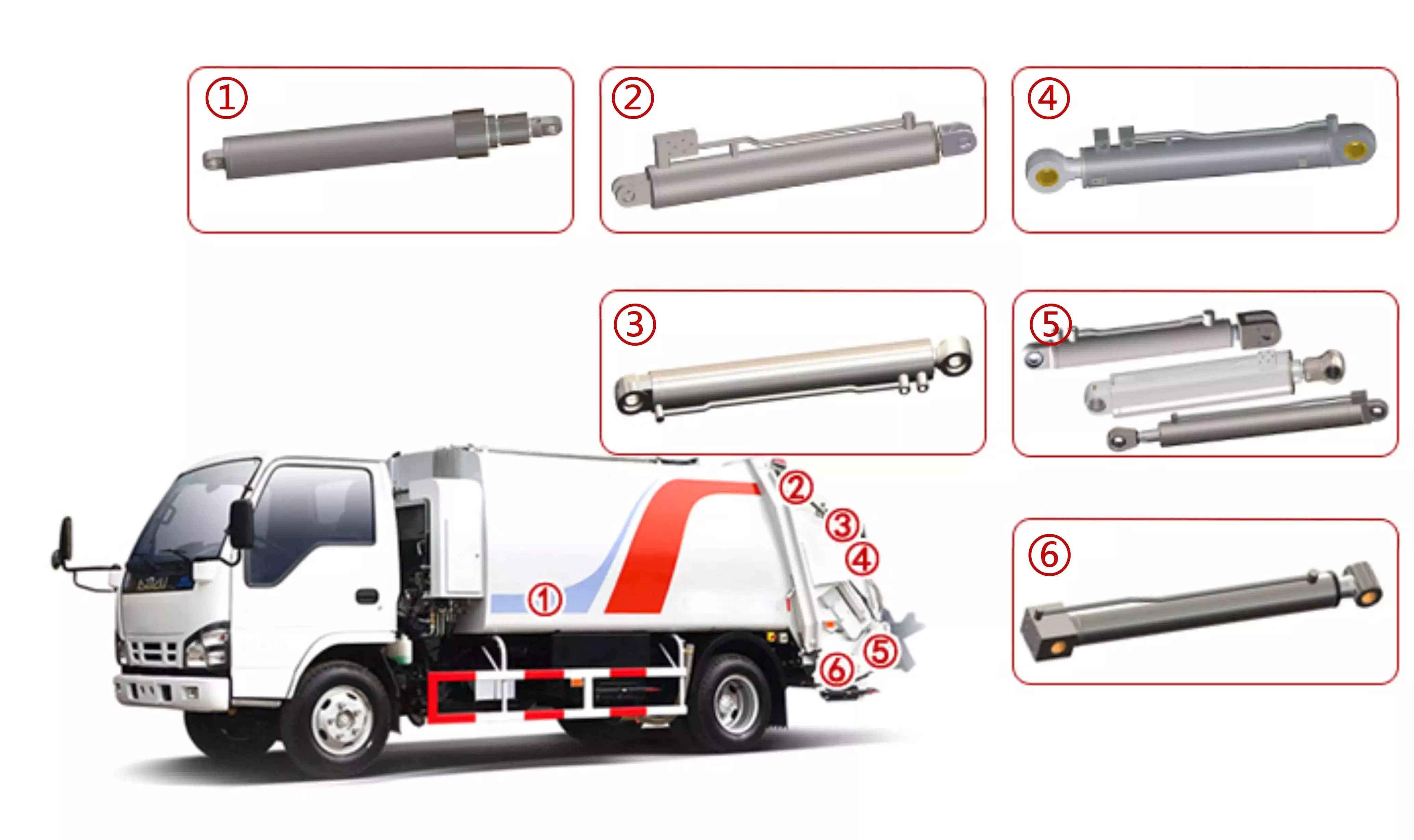
I cilindri idraulici possono essere integrati con sistemi di controllo e automazione avanzati?
Sì, i cilindri idraulici possono essere integrati con sistemi di controllo avanzati e tecnologie di automazione per migliorarne la funzionalità, la precisione e le prestazioni complessive. L'integrazione dei cilindri idraulici con sistemi di controllo avanzati consente un controllo più sofisticato e preciso del loro funzionamento, consentendo l'automazione e il controllo intelligente. Ecco una spiegazione dettagliata di come i cilindri idraulici possono essere integrati con sistemi di controllo avanzati e automazione:
1. Controllo elettronico:
– I cilindri idraulici possono essere dotati di sensori e trasduttori elettronici per fornire un feedback in tempo reale su posizione, forza, pressione o velocità. Questi sensori possono essere integrati con sistemi di controllo avanzati, come controllori logici programmabili (PLC) o sistemi di controllo distribuito (DCS), per monitorare e controllare il funzionamento dei cilindri idraulici. Integrando il controllo elettronico, la posizione, la velocità e la forza dei cilindri idraulici possono essere monitorate e regolate con precisione, consentendo un controllo più accurato e automatizzato.
2. Controllo a circuito chiuso:
– I sistemi di controllo a circuito chiuso utilizzano il feedback dei sensori per monitorare e regolare costantemente il funzionamento dei cilindri idraulici. Integrando i cilindri idraulici con sistemi di controllo a circuito chiuso, è possibile ottenere un controllo preciso di posizione, velocità e forza. Il controllo a circuito chiuso consente al sistema di compensare automaticamente variazioni, disturbi esterni o cambiamenti nelle condizioni operative, garantendo prestazioni accurate e costanti. Questa integrazione è particolarmente vantaggiosa nelle applicazioni che richiedono posizionamento, sincronizzazione o controllo della forza precisi.
3. Controllo proporzionale e servo:
– I cilindri idraulici possono essere integrati con sistemi di controllo proporzionale e servocomando per ottenere un controllo più preciso del loro funzionamento. I sistemi di controllo proporzionale utilizzano valvole proporzionali per regolare la portata e la pressione del fluido idraulico, consentendo una regolazione precisa della velocità e della forza del cilindro. I sistemi di controllo servocomando, invece, combinano sensori di feedback, valvole ad alte prestazioni e algoritmi di controllo avanzati per ottenere un controllo estremamente preciso dei cilindri idraulici. L'integrazione di controllo proporzionale e servocomando migliora la reattività, la precisione e le prestazioni dinamiche dei cilindri idraulici.
4. Interfaccia uomo-macchina (HMI):
– I cilindri idraulici integrati con sistemi di controllo avanzati possono essere azionati e monitorati tramite dispositivi di interfaccia uomo-macchina (HMI). Gli HMI forniscono un'interfaccia utente grafica che consente agli operatori di interagire con il sistema di controllo, monitorare le prestazioni del cilindro e regolare i parametri. Gli HMI consentono agli operatori di impostare posizioni, forze o velocità desiderate e di visualizzare il feedback in tempo reale dai sensori. Questa integrazione semplifica il funzionamento e il monitoraggio dei cilindri idraulici, rendendoli più intuitivi e facilitando l'integrazione senza soluzione di continuità nei sistemi automatizzati.
5. Comunicazione e networking:
– I cilindri idraulici possono essere integrati in sistemi di comunicazione e di rete, consentendo loro di far parte di un sistema automatizzato più ampio. L'integrazione con protocolli di comunicazione industriale, come Ethernet/IP, Profibus o Modbus, consente uno scambio di informazioni senza interruzioni tra i cilindri idraulici e gli altri componenti del sistema. Questa integrazione consente il controllo centralizzato, la registrazione dei dati, il monitoraggio remoto e il coordinamento con altri processi automatizzati. L'integrazione di comunicazione e rete migliora l'efficienza complessiva, il coordinamento e l'integrazione dei cilindri idraulici all'interno di sistemi di automazione complessi.
6. Automazione e controllo sequenziale:
– Integrando i cilindri idraulici con sistemi di controllo avanzati, è possibile integrarli perfettamente in processi automatizzati e operazioni di controllo sequenziale. Il sistema di controllo può eseguire sequenze predefinite o logiche programmate per controllare il funzionamento dei cilindri idraulici in base a condizioni, input o tempi specifici. Questa integrazione consente l'automazione di attività complesse, come la movimentazione dei materiali, le operazioni di assemblaggio o i movimenti ripetitivi. I cilindri idraulici possono essere sincronizzati con altri attuatori, sensori o dispositivi, consentendo un funzionamento coordinato e automatizzato in varie applicazioni industriali.
7. Manutenzione predittiva e monitoraggio delle condizioni:
– I sistemi di controllo avanzati possono anche abilitare la manutenzione predittiva e il monitoraggio delle condizioni dei cilindri idraulici. Integrando sensori e funzionalità di monitoraggio, il sistema di controllo può monitorare costantemente le prestazioni, lo stato di salute e le condizioni dei cilindri idraulici. Questa integrazione consente il rilevamento di anomalie, usura o potenziali guasti in tempo reale. Sulla base dei dati raccolti, è possibile implementare strategie di manutenzione predittiva, ottimizzando i programmi di manutenzione, riducendo i tempi di fermo e migliorando l'affidabilità complessiva dei sistemi idraulici.
In sintesi, i cilindri idraulici possono essere integrati con sistemi di controllo avanzati e tecnologie di automazione per migliorarne funzionalità, precisione e prestazioni. L'integrazione consente il controllo elettronico, il controllo ad anello chiuso, il controllo proporzionale e servo, l'interazione con l'interfaccia uomo-macchina (HMI), la comunicazione e il networking, l'automazione e il controllo sequenziale, nonché la manutenzione predittiva e il monitoraggio delle condizioni. Queste integrazioni consentono un controllo più preciso, l'automazione, una maggiore efficienza e prestazioni ottimizzate dei cilindri idraulici in diverse applicazioni industriali.
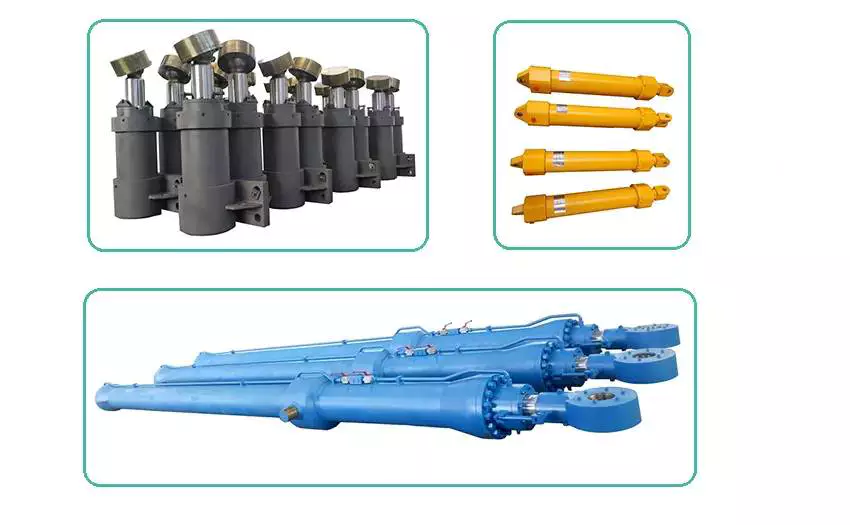
Contribution of Hydraulic Cylinders to the Efficiency of Agricultural Tasks like Plowing
Hydraulic cylinders play a significant role in enhancing the efficiency of agricultural tasks, including plowing. By providing power, control, and versatility, hydraulic cylinders enable agricultural machinery to perform tasks more effectively and with greater precision. Let’s explore how hydraulic cylinders contribute to the efficiency of plowing and other agricultural tasks:
- Powerful Force Generation: Hydraulic cylinders are capable of generating high forces, making them ideal for tasks that require substantial power, such as plowing. The hydraulic system provides pressurized fluid to the cylinders, which convert this hydraulic energy into mechanical force. This force is then utilized to drive plow blades through the soil, overcoming resistance and facilitating efficient soil penetration.
- Adjustable Working Depth: Hydraulic cylinders allow for easy and precise adjustment of plow working depth. By controlling the extension or retraction of the hydraulic cylinder, the depth of the plow blades can be adjusted according to soil conditions, crop requirements, or the farmer’s preferences. This adjustability enhances efficiency by ensuring optimal soil tillage and minimizing unnecessary energy expenditure.
- Responsive Control: Hydraulic systems offer highly responsive control, enabling farmers to make quick adjustments during plowing operations. Hydraulic cylinders respond rapidly to changes in hydraulic pressure and valve settings, allowing for immediate modifications in the plow’s position, depth, or angle. This responsiveness enhances efficiency by facilitating on-the-go adjustments based on soil variations, obstacles, or changing field conditions.
- Implement Versatility: Hydraulic cylinders enable the attachment of various implements to agricultural machinery, expanding their functionality and versatility. In the case of plowing, hydraulic cylinders allow for the attachment and detachment of plow blades or other tillage implements. This versatility enables farmers to adapt their equipment to different soil types, field sizes, or specific plowing requirements, enhancing efficiency by maximizing the utility of the machinery.
- Efficient Time Management: Hydraulic cylinders contribute to time efficiency in agricultural tasks like plowing. With hydraulic systems, farmers can operate plows at higher speeds while maintaining control and precision. The responsive nature of hydraulic cylinders allows for efficient turning, maneuvering, and repositioning of plows, minimizing downtime and optimizing field coverage. This time efficiency translates into increased productivity and reduced overall operational costs.
In summary, hydraulic cylinders significantly contribute to the efficiency of agricultural tasks like plowing. Through powerful force generation, adjustable working depth, responsive control, implement versatility, and efficient time management, hydraulic systems equipped with cylinders enhance the performance and productivity of agricultural machinery. These contributions allow farmers to accomplish plowing tasks more effectively, optimize field operations, and achieve improved overall efficiency in their agricultural practices.
How do hydraulic cylinders accommodate variations in stroke length and force requirements?
Hydraulic cylinders are designed to accommodate variations in stroke length and force requirements, providing flexibility and adaptability for different applications. They can be tailored to meet specific needs by considering factors such as piston diameter, rod diameter, hydraulic pressure, and cylinder design. Here’s a detailed explanation of how hydraulic cylinders accommodate variations in stroke length and force requirements:
1. Cylinder Size and Design:
– Hydraulic cylinders come in various sizes and designs to accommodate different stroke lengths and force requirements. The cylinder’s diameter, piston area, and rod diameter are key factors that determine the force output. Larger cylinder diameters and piston areas can generate greater force, while smaller diameters are suitable for applications requiring lower force. By selecting the appropriate cylinder size and design, stroke lengths and force requirements can be effectively accommodated.
2. Piston and Rod Configurations:
– Hydraulic cylinders can be designed with different piston and rod configurations to accommodate variations in stroke length. Single-acting cylinders have a single piston and can provide a stroke in one direction. Double-acting cylinders have a piston on both sides, allowing for strokes in both directions. Telescopic cylinders consist of multiple stages that can extend and retract, providing a longer stroke length compared to standard cylinders. By selecting the appropriate piston and rod configuration, the desired stroke length can be achieved.
3. Hydraulic Pressure and Flow:
– The hydraulic pressure and flow rate supplied to the cylinder play a crucial role in accommodating variations in force requirements. Increasing the hydraulic pressure increases the force output of the cylinder, enabling it to handle higher force requirements. By adjusting the pressure and flow rate through hydraulic valves and pumps, the force output can be controlled and matched to the specific requirements of the application.
4. Customization and Tailoring:
– Hydraulic cylinders can be customized and tailored to meet specific stroke length and force requirements. Manufacturers offer a wide range of cylinder sizes, stroke lengths, and force capacities to choose from. Additionally, custom-designed cylinders can be manufactured to suit unique applications with specific stroke length and force demands. By working closely with hydraulic cylinder manufacturers, it is possible to obtain cylinders that precisely match the required stroke length and force requirements.
5. Multiple Cylinders and Synchronization:
– In applications that require high force or longer stroke lengths, multiple hydraulic cylinders can be used in combination. By synchronizing the movement of multiple cylinders through the hydraulic system, the stroke length and force output can be effectively increased. Synchronization can be achieved using mechanical linkages, electronic controls, or hydraulic circuitry, ensuring coordinated movement and force distribution across the cylinders.
6. Load-Sensing and Pressure Control:
– Hydraulic systems can incorporate load-sensing and pressure control mechanisms to accommodate variations in force requirements. Load-sensing systems monitor the load demand and adjust the hydraulic pressure accordingly, ensuring that the cylinder delivers the required force without exerting excessive force. Pressure control valves regulate the pressure within the hydraulic system, allowing for precise control and adjustment of the force output based on the application’s needs.
7. Safety Considerations:
– When accommodating variations in stroke length and force requirements, it is essential to consider safety factors. Hydraulic cylinders should be selected and designed with an appropriate safety margin to handle unexpected loads or variations in operating conditions. Safety mechanisms such as overload protection valves and pressure relief valves can be incorporated to prevent damage or failure in situations where the force limits are exceeded.
By considering factors such as cylinder size and design, piston and rod configurations, hydraulic pressure and flow, customization options, synchronization, load-sensing, pressure control, and safety considerations, hydraulic cylinders can effectively accommodate variations in stroke length and force requirements. This flexibility allows hydraulic cylinders to be tailored to meet the specific demands of a wide range of applications, ensuring optimal performance and efficiency.


editor by CX 2023-11-17