
Descrizione del prodotto
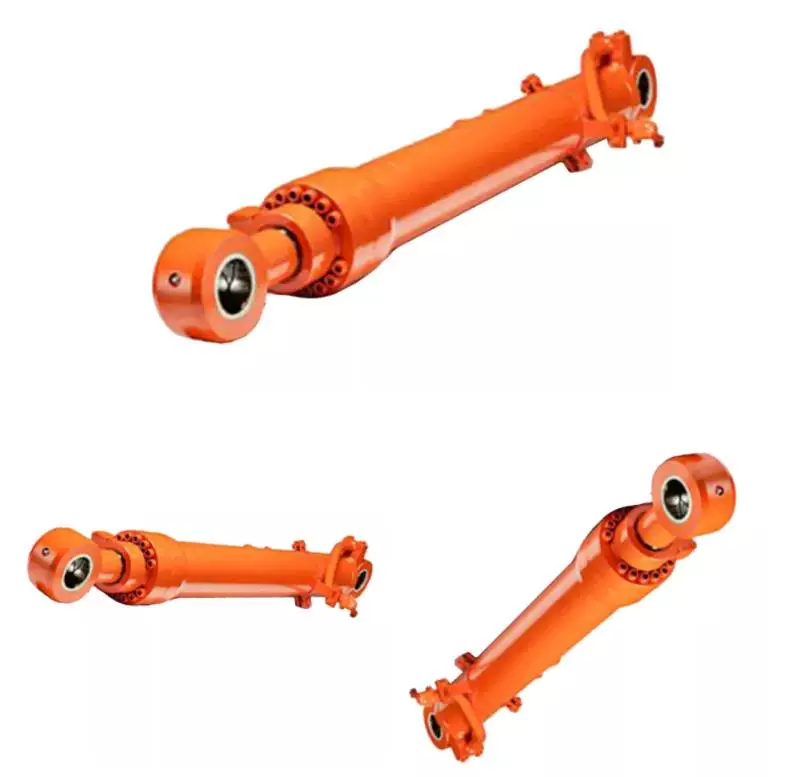
hydraulic cylinder tipping gear system for dump truck manufacturer
The hydraulc self-charging system for dump truck includes telescopic hydraulic cylinder,supporting bracket, hydraulic hose, gear pump, limit valve and other fittings. It has simple structure, high strength and safe operation with competitive price and excellent quality.
1. dump truck telescopic hydraulic cylinder drawing and parameter
Features | customer hydraulic cylinder |
Bore Diameter | 2′-60’/50-1500mm |
Rod Diameter | 1′ – 60’/25 -1500 mm |
Wall Thickness | 0.1′-4’/3-100 mm |
Max Stroke | 366’/9280 mm |
Max Pressure | 9600 psi/600 bar |
Test Pressure | 14500 psi/1000 bar |
Material | 20#,40#,45#,16Mn,27SiMn,etc |
Seal Kits | Hallite,Parker,NOK,DICHTOMATIK,Trelleborg,Merkel,etc |
Diamensional Accuracy | H7-H11 |
Bore Roughness | Ra 0.4-1.6mm |
Coating | hard chrome |
Purpose | Construction,metallurgical,mining,agricultural,forestry machinery,etc |
OEM | Yes |
MOQ | 1 Piece |
Certificates | ISO9001,ISO/TS16949,ABS,AQA,API,CCS,CCRI,DNV |
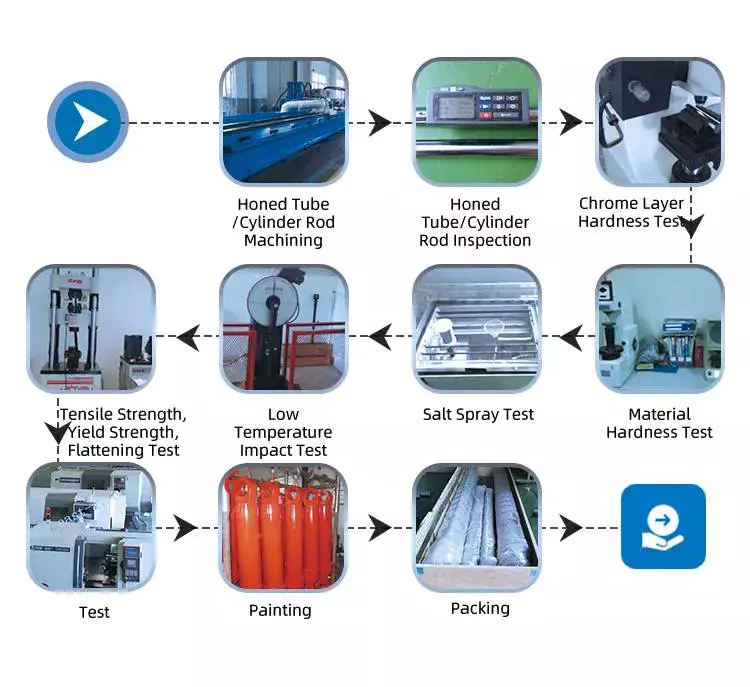
Product details:
Packing and shipping:
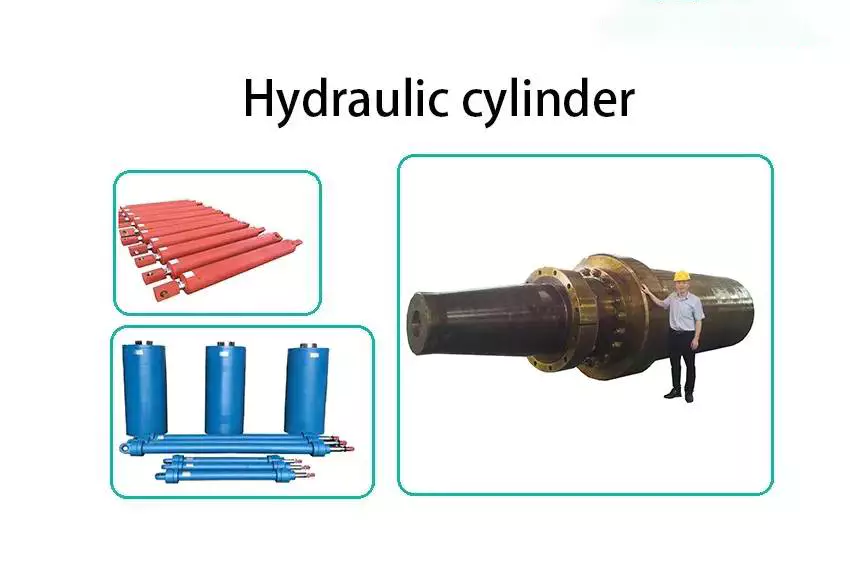
hydraulic cylinder for dump truck , trail truck,garbage truck,crane
1.Sinciput telescopic hydraulic cylinder is used in lager-tonnage sinciput hydraulic system. Together with hydraulic pump, change valve, and limit valve, it can realize the function of lifting pausing and falling. And the product can be designed and made according to the demands of customers.
2.underbody telescopic hydraulic cylinder is used in large-tonnage side-dumping hydraulic system. Together with hydraulic pump, change valve, and limit valve, it can realize the function of lifting pausing and falling. And the product can be designed and made according to the demands of customers.
hydraulic cylinder for coal mine dump truck
3.Hydraulic cylinder is the most important component in hydraulic systems, it will transfer hydraulic energy into mechanical energy, and is matched with various transmission mechanism, to complete a variety of mechanical motion.
4.Hydraulic cylinder has the advantages of simple structure, large output force, stable and reliable performance, easy maintenance, wide application.
5. customer hydraulic cylinder can be used for dump truck, marine, drilling machine, industry, elevator , workover rig , mining, agriculture, industry, construction ,etc.
| Certificazione: | GS, RoHS, CE, ISO9001 |
|---|---|
| Pressione: | Alta pressione |
| Temperatura di lavoro: | High Temperature |
| Acting Way: | Double Acting |
| Working Method: | Straight Trip |
| Structure: | Piston Type |
| Samples: | US$ 200/Piece 1 Piece(Min.Order) | |
|---|
| Customization: | Available |
|
|---|
How do hydraulic cylinders handle the challenges of minimizing friction and wear?
Hydraulic cylinders employ several mechanisms and techniques to effectively minimize friction and wear, ensuring optimal performance and longevity. Minimizing friction and wear is crucial for hydraulic cylinders as it helps to maintain efficiency, reduce energy consumption, and prevent premature failure. Here’s a detailed explanation of how hydraulic cylinders handle the challenges of minimizing friction and wear:
1. Lubrication:
– Proper lubrication is essential for minimizing friction and wear in hydraulic cylinders. Lubricating fluids, such as hydraulic oils, are used to create a thin film between moving surfaces, reducing direct metal-to-metal contact. This lubricating film acts as a protective barrier, reducing friction and preventing wear. Regular maintenance practices include monitoring and maintaining the appropriate lubricant levels to ensure optimal lubrication and minimize frictional losses.
2. Surface Finishes:
– The surface finishes of components in hydraulic cylinders play a crucial role in minimizing friction and wear. Smoother surface finishes, achieved through precision machining, grinding, or the application of specialized coatings, reduce surface roughness and frictional resistance. By minimizing surface irregularities, the risk of wear and friction-induced damage is significantly reduced, resulting in improved efficiency and extended component life.
3. High-Quality Sealing Systems:
– Well-designed and high-quality sealing systems are crucial for minimizing friction and wear in hydraulic cylinders. Seals prevent fluid leakage and contamination while maintaining proper lubrication. Advanced sealing materials, such as polyurethane or composite materials, offer excellent wear resistance and low friction characteristics. Optimal seal design and proper installation ensure effective sealing, minimizing friction and wear between the piston and cylinder bore.
4. Proper Alignment and Clearances:
– Hydraulic cylinders must be properly aligned and have appropriate clearances to minimize friction and wear. Misalignment or excessive clearances can result in increased friction and uneven wear, leading to premature failure. Proper installation, alignment, and maintenance practices, including regular inspection and adjustment of clearances, help ensure smooth and even movement of the piston within the cylinder, reducing friction and wear.
5. Filtration and Contamination Control:
– Effective filtration and contamination control are essential for minimizing friction and wear in hydraulic cylinders. Contaminants, such as particles or moisture, can act as abrasive agents, accelerating wear and increasing friction. By implementing robust filtration systems and proper maintenance practices, hydraulic systems can prevent the ingress of contaminants, ensuring clean and properly lubricated components. Clean hydraulic fluids help minimize wear and friction, contributing to improved performance and longevity.
6. Material Selection:
– The selection of appropriate materials for hydraulic cylinder components is crucial in minimizing friction and wear. Components subject to high frictional forces, such as pistons and cylinder bores, can be made from materials with excellent wear resistance, such as hardened steel or composite materials. Additionally, selecting materials with low coefficients of friction helps reduce frictional losses. Proper material selection ensures durability and minimized wear in critical components of hydraulic cylinders.
7. Maintenance and Regular Inspection:
– Regular maintenance and inspection practices are vital for identifying and addressing potential issues that could lead to increased friction and wear in hydraulic cylinders. Scheduled maintenance includes lubrication checks, seal inspections, and monitoring of clearances. By promptly detecting and rectifying any signs of wear or misalignment, hydraulic cylinders can be kept in optimal condition, minimizing friction and wear throughout their operational lifespan.
In summary, hydraulic cylinders employ various strategies to handle the challenges of minimizing friction and wear. These include proper lubrication, employing suitable surface finishes, utilizing high-quality sealing systems, ensuring proper alignment and clearances, implementing effective filtration and contamination control measures, selecting appropriate materials, and conducting regular maintenance and inspections. By implementing these practices, hydraulic cylinders can minimize friction and wear, ensuring smooth and efficient operation while extending the overall lifespan of the system.
Handling Challenges of Different Fluid Viscosities in Hydraulic Cylinders
Hydraulic cylinders are designed to handle the challenges associated with different fluid viscosities. The viscosity of hydraulic fluid can vary based on temperature, type of fluid used, and other factors. Hydraulic systems need to accommodate these variations to ensure optimal performance and efficiency. Let’s explore how hydraulic cylinders handle the challenges of different fluid viscosities:
- Fluid Selection: Hydraulic cylinders are designed to work with a range of hydraulic fluids, each with its specific viscosity characteristics. The selection of an appropriate fluid with the desired viscosity is crucial to ensure optimal performance. Manufacturers provide guidelines regarding the recommended viscosity range for specific hydraulic systems and cylinders. By choosing the right fluid, hydraulic cylinders can effectively handle the challenges posed by different fluid viscosities.
- Viscosity Compensation: Hydraulic systems often incorporate features to compensate for variations in fluid viscosity. For example, some hydraulic systems utilize pressure compensating valves that adjust the flow rate based on the viscosity of the fluid. This compensation ensures consistent performance across different operating conditions and fluid viscosities. Hydraulic cylinders work in conjunction with these compensation mechanisms to maintain precision and control, regardless of the fluid viscosity.
- Temperature Control: Fluid viscosity is highly dependent on temperature. Hydraulic cylinders employ various temperature control mechanisms to address the challenges posed by temperature-induced viscosity changes. Heat exchangers, coolers, and thermostatic valves are commonly used to regulate the temperature of the hydraulic fluid within the system. By controlling the fluid temperature, hydraulic cylinders can maintain the desired viscosity range, ensuring reliable and efficient operation.
- Efficient Filtration: Contaminants in hydraulic fluid can affect its viscosity and overall performance. Hydraulic systems incorporate efficient filtration systems to remove particles and impurities from the fluid. Clean fluid with the appropriate viscosity ensures optimal functioning of hydraulic cylinders. Regular maintenance and filter replacements are essential to uphold the desired fluid viscosity and prevent issues related to fluid contamination.
- Proper Lubrication: Different fluid viscosities can impact the lubrication properties within hydraulic cylinders. Lubrication is essential for minimizing friction and wear between moving parts. Hydraulic systems employ lubricants specifically formulated for the anticipated fluid viscosity range. Adequate lubrication ensures smooth operation and extends the lifespan of hydraulic cylinders, even in the presence of varying fluid viscosities.
In summary, hydraulic cylinders employ various strategies to handle the challenges associated with different fluid viscosities. By selecting appropriate fluids, incorporating viscosity compensation mechanisms, controlling temperature, implementing efficient filtration, and ensuring proper lubrication, hydraulic cylinders can accommodate variations in fluid viscosity. These measures enable hydraulic systems to deliver consistent performance, precise control, and efficient operation across different fluid viscosity ranges.
Puoi spiegare il ruolo e l'importanza dei cilindri idraulici nei macchinari?
I cilindri idraulici svolgono un ruolo cruciale nei macchinari di diversi settori industriali. Sono componenti essenziali che forniscono un movimento lineare controllato e potente, consentendo il funzionamento di attrezzature pesanti e facilitando numerose attività. Il ruolo e l'importanza dei cilindri idraulici nei macchinari possono essere spiegati in dettaglio come segue:
Ruolo dei cilindri idraulici:
– Conversione dell'energia idraulica: i cilindri idraulici convertono l'energia idraulica, solitamente sotto forma di fluido idraulico pressurizzato, in forza lineare e movimento. Questa conversione consente ai macchinari di svolgere compiti come sollevamento, spinta, trazione, serraggio, inclinazione e controllo di vari meccanismi.
– Generazione di moto lineare: i cilindri idraulici generano moto lineare sfruttando i principi della legge di Pascal. Quando il fluido idraulico viene indirizzato verso un lato del cilindro, esercita una pressione sul pistone, determinando un movimento lineare del pistone e dello stelo collegato. Questo movimento lineare può essere utilizzato per azionare altri componenti all'interno del macchinario o per eseguire direttamente l'operazione richiesta.
– Generazione di forza: i cilindri idraulici sono in grado di generare forze elevate grazie alla pressione idraulica applicata al pistone. La forza erogata da un cilindro idraulico dipende dalla superficie del pistone e dalla pressione del fluido idraulico. Questa forza consente ai macchinari di esercitare una potenza significativa per sollevare carichi pesanti, applicare pressione o superare la resistenza.
– Controllo preciso: i cilindri idraulici offrono un controllo preciso sul movimento lineare e sulla forza esercitata. Regolando il flusso del fluido idraulico, è possibile regolare con precisione la velocità e la direzione del movimento del cilindro. Questo livello di controllo è fondamentale nei macchinari che richiedono un posizionamento preciso, movimenti delicati o la sincronizzazione di più cilindri.
– Integrazione con i sistemi idraulici: i cilindri idraulici sono parte integrante dei sistemi idraulici utilizzati nei macchinari. Lavorano insieme a pompe idrauliche, valvole e attuatori per creare un circuito idraulico completo. Questa integrazione consente un'efficiente trasmissione di potenza, controllo e coordinamento delle varie funzioni della macchina.
Significato dei cilindri idraulici:
– Azionamento di macchinari pesanti: i cilindri idraulici sono essenziali nei macchinari pesanti utilizzati nell'edilizia, nell'industria mineraria, in agricoltura, nella movimentazione dei materiali e in altri settori. Consentono il sollevamento e lo spostamento di carichi pesanti, l'azionamento di attrezzature e l'esecuzione di attività che richiedono elevata forza e precisione.
– Versatilità e adattabilità: i cilindri idraulici sono componenti versatili che possono essere progettati e personalizzati per soddisfare i requisiti specifici dei macchinari. Possono essere integrati in vari tipi di apparecchiature e personalizzati in base a fattori quali capacità di forza, lunghezza della corsa, velocità e opzioni di montaggio. Questa adattabilità rende i cilindri idraulici adatti a diverse applicazioni.
– Durata e affidabilità: i cilindri idraulici sono costruiti per resistere a condizioni operative rigorose, tra cui alte pressioni, carichi pesanti e uso continuo. Sono progettati con materiali robusti, lavorazioni di precisione ed efficaci sistemi di tenuta per garantire durata e affidabilità per lunghi periodi di funzionamento.
– Sicurezza e controllo del carico: i cilindri idraulici garantiscono un funzionamento sicuro e controllato dei macchinari. Offrono meccanismi di protezione da sovraccarico, come le valvole di sicurezza, per prevenire danni causati da forza o pressione eccessive. Inoltre, i cilindri idraulici consentono un controllo preciso del carico, riducendo al minimo il rischio di incidenti durante il sollevamento, l'abbassamento o il posizionamento di carichi pesanti.
– Design compatto: i cilindri idraulici offrono un elevato rapporto potenza/dimensioni, consentendo la progettazione di macchinari compatti. Le loro dimensioni relativamente ridotte rispetto alle forze che possono generare li rendono adatti ad applicazioni in cui lo spazio è limitato o il peso è limitato.
– Efficienza energetica: i cilindri idraulici contribuiscono all'efficienza energetica dei macchinari. L'utilizzo di sistemi idraulici consente il trasferimento di potenza su lunghe distanze senza perdite di potenza significative. Inoltre, i cilindri idraulici possono integrare funzionalità di risparmio energetico come la tecnologia load-sensing e i circuiti rigenerativi, riducendo il consumo energetico.
Nel complesso, i cilindri idraulici svolgono un ruolo fondamentale nei macchinari, garantendo un movimento lineare controllato e potente. La loro importanza risiede nella capacità di convertire l'energia idraulica, generare forze elevate, offrire un controllo preciso, integrarsi con i sistemi idraulici e facilitare il funzionamento di attrezzature pesanti in diversi settori industriali. I cilindri idraulici contribuiscono ad aumentare la produttività, la sicurezza e l'efficienza nelle applicazioni meccaniche, rendendoli componenti indispensabili nell'ingegneria moderna.


editor by CX 2023-11-28