Descrizione del prodotto
Descrizione del prodotto
Hydraulic press cylinder:
Hetlock(ZheJiang )Machinery Co.,Ltd. is familiar with the all kinds of hydraulic press machine working condition.
Due to the hydraulic cylinder long-term work under high pressure and short-term impact pressure, have highly requirements of holding pressure performance, So, for the selection of sealing form, The design of buffer structure, The strength of all the part of hydraulic cylinder, and highly requirements of Welding performance.
We have the professional calculation software for checking the strength of each part. To ensure the hydraulic cylinder service life time and reliability.
Our products have applications in:
- Steel industry press;
- Hydro forming press;
- Automotive industry press;
- Plastic or rubber industry press;
- Deep drawing press;
- Molding press;
- Multi purpose press;
- Blanking press;
- Recycling industry press;
- Stamping press;
- Etc.
Parametri del prodotto
| Material | Carbon steel, Alloy steel, Stainless steel |
| Honed tube | 20-2500mm, Heat treatment, honing, rolling |
| Piston rod | 10-2000mm ,tempering, plated nickel, Chromium or ceramic |
| Working Pressure | 5-300Mpa |
| Seals | Parker,Merkel,Hallite |
| Technology | Bosch CHINAMFG and Parker |
| Coating | Sandblasting, primer, middle paint, finish paint |
| Temperature range | -40ºC to +300ºC |
| Work medium | Hydraulic Oil |
| Piston speed | maximum 2m/s |
| Mounting style | Earrings, flange, foot mounting, screw thread. |
Product Application
Company Show
HETLOCK is a professional manufacturer of hydraulic cylinders in China, Founded in 1998, located in the international city of ZheJiang . Our plant is nearly 20000 square meter& We have 135 Employees including 11 experienced engineers and technical staff,More than 1800 type of hydraulic cylinder designed in every year. We can produce various kinds of hydraulic cylinders according to customer requirements.
The inside diameter of hydraulic cylinders can achieve the maximum 2500mm;
The hydraulic cylinders operating pressure can achieve the maximum 300MPa.
FAQ
Q1:Are you a manufacturer or trading company?
A: We are a manufacturer.
Q2: How many years of production experience do you have?
A: We have over 20 years of production experience.
Q3: Can it be customized?
A: Both standard and non-standard products can be customized.
Q4: How to ensure product quality?
A: We strictly follow the quality process for production and 100% inspection of each batch of products.
Q5: What services can you provide?
A: According to customer requirements, we can provide a one-stop solution from design, production, and delivery to meet their needs.
/* May 10, 2571 16:49:51 */!function(){function d(e,r){var a,o={};try{e&&e.split(“,”).forEach(function(e,t){e&&(a=e.match(/(.*?):(.*)$/))&&1
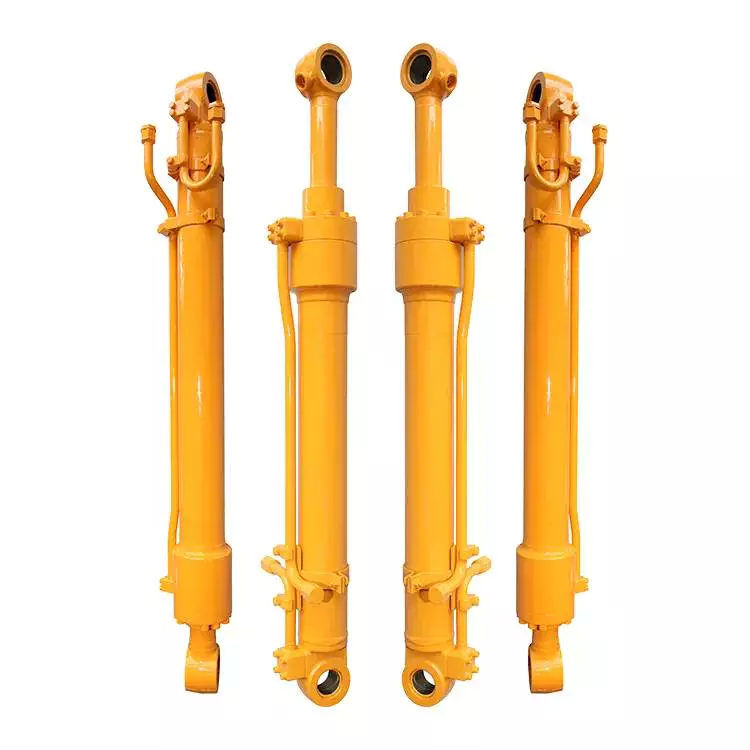
Can hydraulic cylinders be retrofitted onto existing equipment for improved functionality?
Yes, hydraulic cylinders can be retrofitted onto existing equipment to enhance functionality and performance. Retrofitting hydraulic cylinders onto existing machinery or equipment offers several benefits, including increased power, improved control, enhanced precision, and versatility. Here’s a detailed explanation of how hydraulic cylinders can be retrofitted onto existing equipment for improved functionality:
1. Increased Power:
– Retrofitting hydraulic cylinders allows for the addition of hydraulic power to the existing equipment. By integrating hydraulic cylinders, the equipment can generate higher forces and handle heavier loads. This increased power enables the equipment to perform tasks that were previously challenging or impossible. For example, a retrofit hydraulic cylinder on a crane can enhance its lifting capacity and enable it to handle heavier loads more efficiently.
2. Improved Control:
– Hydraulic cylinders provide precise control over the motion and positioning of equipment. By retrofitting hydraulic cylinders, operators gain better control over the speed, force, and direction of movement. The addition of hydraulic control valves and a hydraulic power unit allows for fine-tuning of the equipment’s operation. Improved control facilitates safer and more efficient operation, reducing the risk of damage and improving overall productivity.
3. Enhanced Precision:
– Retrofitting hydraulic cylinders onto existing equipment can significantly improve precision and accuracy. Hydraulic systems offer precise control over movement, enabling smooth and controlled motion. This enhanced precision is beneficial in applications where precise positioning or repetitive movements are required. For instance, retrofitting hydraulic cylinders onto a robotic arm can enhance its accuracy and repeatability, making it more suitable for tasks that demand high precision.
4. Versatility and Adaptability:
– Retrofitting hydraulic cylinders can increase the versatility and adaptability of existing equipment. Hydraulic systems can be easily integrated with various types of machinery, allowing for the utilization of hydraulic power across different applications. The modular nature of hydraulic components facilitates the retrofitting process, enabling the equipment to perform a broader range of tasks. This versatility is particularly advantageous in industries where equipment needs to adapt to changing operational requirements.
5. Retrofit Kits and Customization:
– Manufacturers often provide retrofit kits that include all the necessary components for integrating hydraulic cylinders onto existing equipment. These kits typically consist of hydraulic cylinders, mounting brackets, hoses, fittings, control valves, and other required accessories. Retrofit kits simplify the retrofitting process and ensure compatibility between the hydraulic components and the existing equipment. Additionally, manufacturers can offer customization options to tailor the retrofit solution to specific equipment and application needs.
6. Cost-Effective Solution:
– Retrofitting hydraulic cylinders onto existing equipment can be a cost-effective solution compared to purchasing new machinery. By leveraging the existing equipment’s structural framework and mechanical components, the overall cost of upgrading can be reduced. Retrofitting also minimizes downtime since the equipment does not need to be completely replaced. Furthermore, the improved functionality and performance resulting from the retrofit can lead to increased productivity and cost savings in the long run.
7. Professional Installation and Expertise:
– Retrofitting hydraulic cylinders onto existing equipment often requires professional installation and expertise. Working with experienced hydraulic system integrators or manufacturers ensures proper installation, compatibility, and optimal performance of the retrofit solution. These professionals can assess the existing equipment, recommend suitable hydraulic components, and carry out the retrofitting process efficiently. Their knowledge and expertise contribute to the successful integration of hydraulic cylinders and the overall improvement of equipment functionality.
In summary, hydraulic cylinders can indeed be retrofitted onto existing equipment to improve functionality. This retrofitting process offers advantages such as increased power, improved control, enhanced precision, versatility, cost-effectiveness, and access to retrofit kits and customization options. By retrofitting hydraulic cylinders, existing equipment can be upgraded to meet evolving operational needs, extend its lifespan, and enhance overall performance.
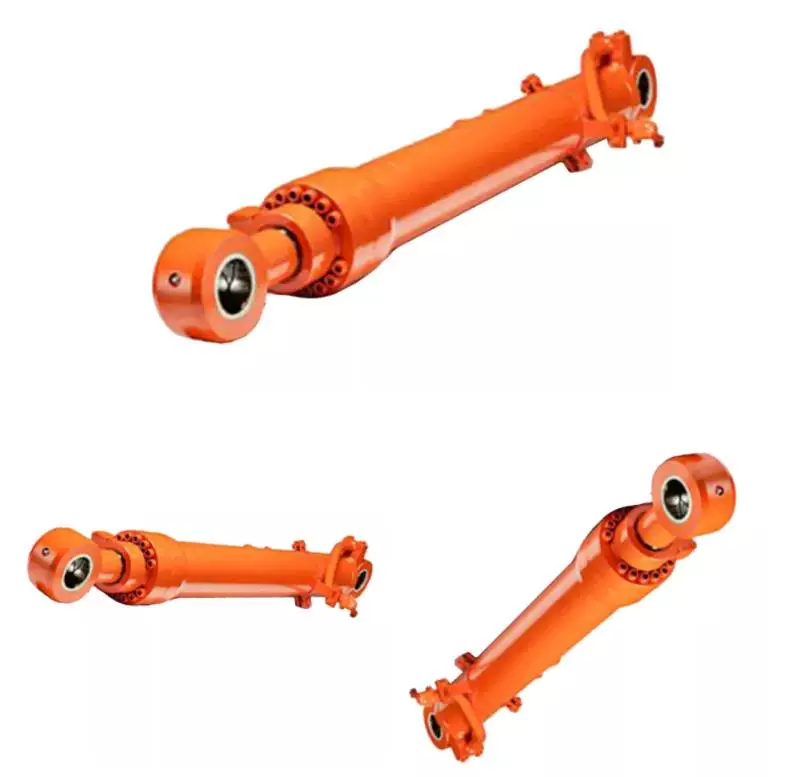
Handling the Challenges of Minimizing Fluid Leaks and Contamination in Hydraulic Cylinders
Hydraulic cylinders face challenges when it comes to minimizing fluid leaks and contamination, as these issues can impact the performance, reliability, and lifespan of the system. However, there are several measures and design considerations that help address these challenges effectively. Let’s explore how hydraulic cylinders handle the challenges of minimizing fluid leaks and contamination:
- Sealing Systems: Hydraulic cylinders employ advanced sealing systems to prevent fluid leaks. These systems typically include various types of seals, such as piston seals, rod seals, and wiper seals. The seals are designed to create a tight and reliable barrier between the moving components of the cylinder and the external environment, minimizing the risk of fluid leakage.
- Seal Material Selection: The choice of seal materials is crucial in minimizing fluid leaks and contamination. Hydraulic cylinder manufacturers carefully select seal materials that are compatible with the hydraulic fluid used and resistant to wear, abrasion, and chemical degradation. This ensures the longevity and effectiveness of the seals, reducing the likelihood of leaks or premature seal failure.
- Proper Installation and Maintenance: Ensuring proper installation and regular maintenance of hydraulic cylinders is essential for minimizing fluid leaks and contamination. During installation, attention should be given to proper alignment, torqueing of bolts, and adherence to recommended procedures. Regular maintenance includes inspecting seals, replacing worn-out components, and addressing any signs of leakage promptly. Proper maintenance practices help identify and rectify issues before they escalate and cause significant problems.
- Contamination Control: Hydraulic cylinders incorporate measures to control contamination and maintain fluid cleanliness. This includes the use of filtration systems, such as in-line filters, to remove particles and contaminants from the hydraulic fluid. Additionally, hydraulic reservoirs often have breathers and desiccant filters to prevent moisture and airborne contaminants from entering the system. By controlling contamination, hydraulic cylinders minimize the risk of damage to internal components and maintain optimal system performance.
- Environmental Protection: Hydraulic cylinders may be equipped with protective features to safeguard against external contaminants. For example, bellows or protective boots can be installed to shield the rod and seals from debris, dirt, or moisture present in the operating environment. These protective measures help extend the life of the seals and enhance the overall reliability of the hydraulic cylinder.
In summary, hydraulic cylinders employ sealing systems, appropriate seal materials, proper installation and maintenance practices, contamination control measures, and environmental protection features to handle the challenges of minimizing fluid leaks and contamination. By implementing these measures, manufacturers can ensure reliable and long-lasting hydraulic cylinder performance, minimize the risk of fluid leakage, and maintain the cleanliness of the hydraulic system.
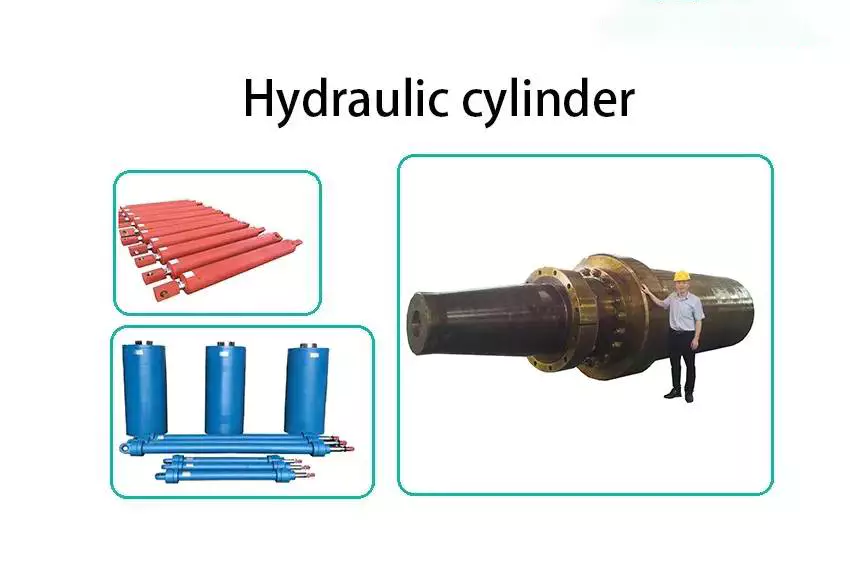
Puoi spiegare il ruolo e l'importanza dei cilindri idraulici nei macchinari?
I cilindri idraulici svolgono un ruolo cruciale nei macchinari di diversi settori industriali. Sono componenti essenziali che forniscono un movimento lineare controllato e potente, consentendo il funzionamento di attrezzature pesanti e facilitando numerose attività. Il ruolo e l'importanza dei cilindri idraulici nei macchinari possono essere spiegati in dettaglio come segue:
Ruolo dei cilindri idraulici:
– Conversione dell'energia idraulica: i cilindri idraulici convertono l'energia idraulica, solitamente sotto forma di fluido idraulico pressurizzato, in forza lineare e movimento. Questa conversione consente ai macchinari di svolgere compiti come sollevamento, spinta, trazione, serraggio, inclinazione e controllo di vari meccanismi.
– Generazione di moto lineare: i cilindri idraulici generano moto lineare sfruttando i principi della legge di Pascal. Quando il fluido idraulico viene indirizzato verso un lato del cilindro, esercita una pressione sul pistone, determinando un movimento lineare del pistone e dello stelo collegato. Questo movimento lineare può essere utilizzato per azionare altri componenti all'interno del macchinario o per eseguire direttamente l'operazione richiesta.
– Generazione di forza: i cilindri idraulici sono in grado di generare forze elevate grazie alla pressione idraulica applicata al pistone. La forza erogata da un cilindro idraulico dipende dalla superficie del pistone e dalla pressione del fluido idraulico. Questa forza consente ai macchinari di esercitare una potenza significativa per sollevare carichi pesanti, applicare pressione o superare la resistenza.
– Controllo preciso: i cilindri idraulici offrono un controllo preciso sul movimento lineare e sulla forza esercitata. Regolando il flusso del fluido idraulico, è possibile regolare con precisione la velocità e la direzione del movimento del cilindro. Questo livello di controllo è fondamentale nei macchinari che richiedono un posizionamento preciso, movimenti delicati o la sincronizzazione di più cilindri.
– Integrazione con i sistemi idraulici: i cilindri idraulici sono parte integrante dei sistemi idraulici utilizzati nei macchinari. Lavorano insieme a pompe idrauliche, valvole e attuatori per creare un circuito idraulico completo. Questa integrazione consente un'efficiente trasmissione di potenza, controllo e coordinamento delle varie funzioni della macchina.
Significato dei cilindri idraulici:
– Azionamento di macchinari pesanti: i cilindri idraulici sono essenziali nei macchinari pesanti utilizzati nell'edilizia, nell'industria mineraria, in agricoltura, nella movimentazione dei materiali e in altri settori. Consentono il sollevamento e lo spostamento di carichi pesanti, l'azionamento di attrezzature e l'esecuzione di attività che richiedono elevata forza e precisione.
– Versatilità e adattabilità: i cilindri idraulici sono componenti versatili che possono essere progettati e personalizzati per soddisfare i requisiti specifici dei macchinari. Possono essere integrati in vari tipi di apparecchiature e personalizzati in base a fattori quali capacità di forza, lunghezza della corsa, velocità e opzioni di montaggio. Questa adattabilità rende i cilindri idraulici adatti a diverse applicazioni.
– Durata e affidabilità: i cilindri idraulici sono costruiti per resistere a condizioni operative rigorose, tra cui alte pressioni, carichi pesanti e uso continuo. Sono progettati con materiali robusti, lavorazioni di precisione ed efficaci sistemi di tenuta per garantire durata e affidabilità per lunghi periodi di funzionamento.
– Sicurezza e controllo del carico: i cilindri idraulici garantiscono un funzionamento sicuro e controllato dei macchinari. Offrono meccanismi di protezione da sovraccarico, come le valvole di sicurezza, per prevenire danni causati da forza o pressione eccessive. Inoltre, i cilindri idraulici consentono un controllo preciso del carico, riducendo al minimo il rischio di incidenti durante il sollevamento, l'abbassamento o il posizionamento di carichi pesanti.
– Design compatto: i cilindri idraulici offrono un elevato rapporto potenza/dimensioni, consentendo la progettazione di macchinari compatti. Le loro dimensioni relativamente ridotte rispetto alle forze che possono generare li rendono adatti ad applicazioni in cui lo spazio è limitato o il peso è limitato.
– Efficienza energetica: i cilindri idraulici contribuiscono all'efficienza energetica dei macchinari. L'utilizzo di sistemi idraulici consente il trasferimento di potenza su lunghe distanze senza perdite di potenza significative. Inoltre, i cilindri idraulici possono integrare funzionalità di risparmio energetico come la tecnologia load-sensing e i circuiti rigenerativi, riducendo il consumo energetico.
Nel complesso, i cilindri idraulici svolgono un ruolo fondamentale nei macchinari, garantendo un movimento lineare controllato e potente. La loro importanza risiede nella capacità di convertire l'energia idraulica, generare forze elevate, offrire un controllo preciso, integrarsi con i sistemi idraulici e facilitare il funzionamento di attrezzature pesanti in diversi settori industriali. I cilindri idraulici contribuiscono ad aumentare la produttività, la sicurezza e l'efficienza nelle applicazioni meccaniche, rendendoli componenti indispensabili nell'ingegneria moderna.
<img src="https://img.jiansujichilun.com/img/hydrauliccylinders/hydrauliccylinders-l1.webp" alt="China Custom 100% Pressure Testing Quality Assured Single Acting Hydraulic Press Cylinder for Extrusion Machine vacuum pump “><img src="https://img.jiansujichilun.com/img/hydrauliccylinders/hydrauliccylinders-l2.webp" alt="China Custom 100% Pressure Testing Quality Assured Single Acting Hydraulic Press Cylinder for Extrusion Machine vacuum pump “>
editor by Dream 2024-10-10