
Descrizione del prodotto
Factory Provide Professional Customized FANUC ROBOT Welding Hydraulic Cylinder for Mining Dump Truck
Product Specifications :
| Item | Specifications |
| Bore diameter | 60mm~250mm |
| Bod diameter | 40mm~130mm |
| Stroke | 40mm~500mm |
| Woorking Pressure | 17-45Mpa,Customizable |
| Surface treatment of piston rod | HaHard Chrome Plating,Electroplated Milky White Chromium+Hard Chromium,Nickel Plating+Hard Chromium Plating,High-Velocity Oxygen-Fuel CrC NiC,Ceramic Coating,Nitriding,Laser Cladding |
| Material | High tensile cold drawn tube, precision honed for extended seal life |
| Montaggio | Earring,Flange,Clevis.Foot,Trunnion,Customizable |
| Seal Type | Parker,NOK, Hallite GAPI or as customer’s requirement |
| Warrenty | 18 months |
| MOQ | 1pcs |
| Production Time | Based on order quantity.normally 30-40 days. |
| Certification | ISO9001,CE, SGS |
| Color | Gery,Yellow,Red,Black,Customizable |
| Packaging | metal case,plywood case,carton or as requirement |
| Service | OEM & ODM |
| Price Advantage | Competitive factory price with guaranteed quality |
| Business Type | Manufacturer |
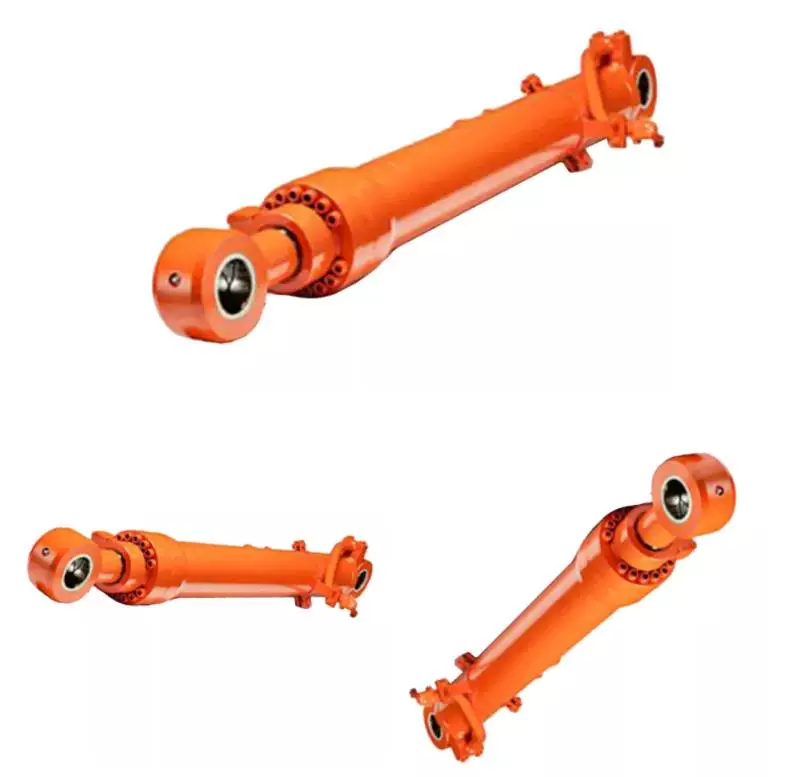
Product Display:
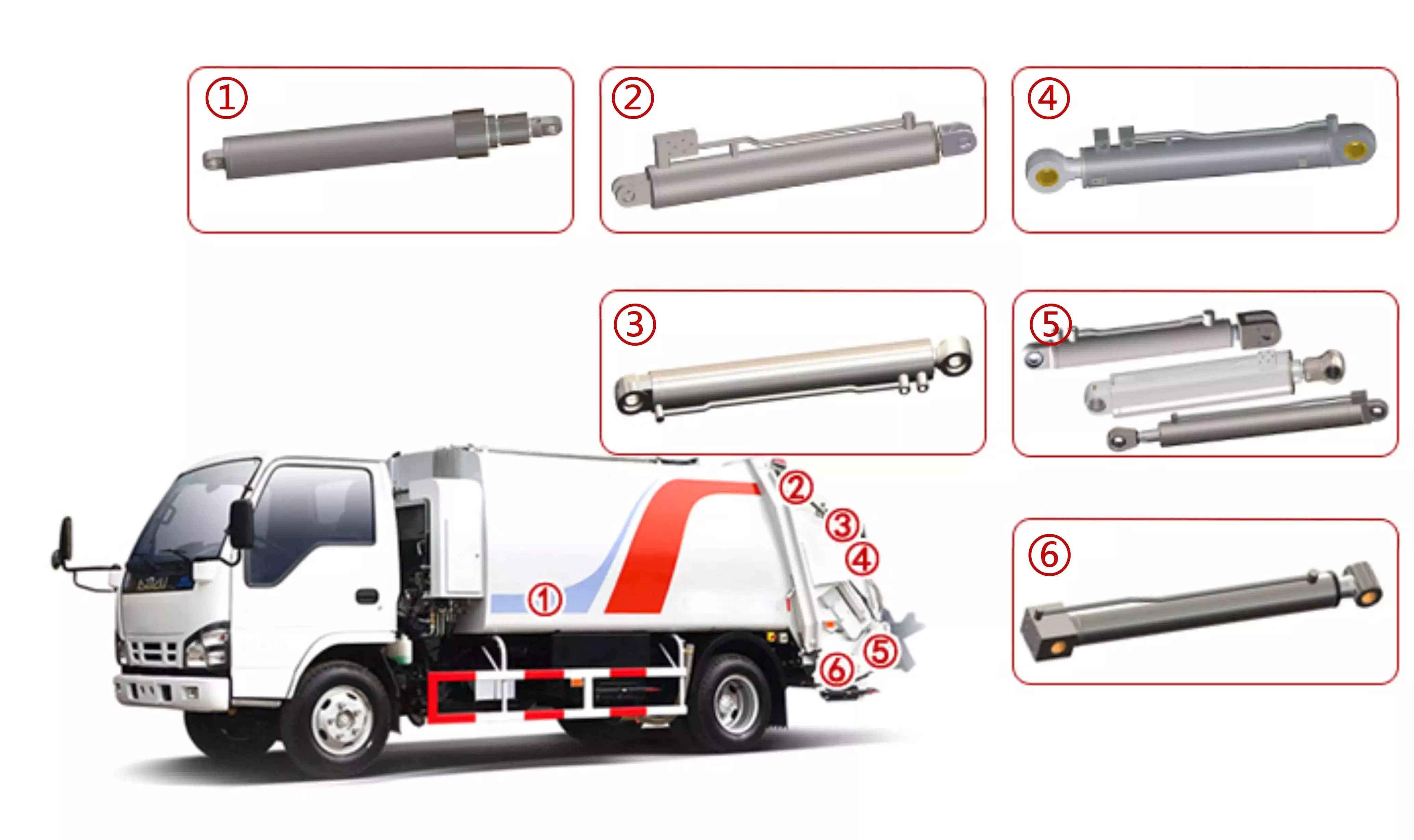
Mounting Method:
Appliactions: Mining Machinery,Small Mining Dump Truck.
Other Related Products:
Our Factory:
Inspection Process:
| Inspection Type | Inspection Standard |
| Raw Material Inspection | Before storage, QC takes the measurement of the raw materials. |
| Process Material Inspection | During the production, QCs conduct a random inspection. Before the hydraulic cylinder parts transferred to the next process, QCs takes inspection. |
| Final Function Testing | All the hydraulic cylinders take hydraulic function test |
Inspection of Mechanical Properties of Raw Materials
Process Inspection
Final Testing
Packing & Delivery:
About US:
Our Certificate
Our Customers
ZheJiang Tianjian Hydraulic Technology Co.,Ltd is specializing in the production of various types of hydraulic cylinders as well as cylinder barrel, piston cylinder and other cylinder accessories.
As a highly specialized manufacturer of hydraulic cylinders, tianjian provides design optimization solutions and reliable products to many customers at home and abroad. No matter in construction machinery, railway bridge machinery, port ship machinery, metallurgy and mining machinery, oil and light industry machinery, special vehicles and other industries, tianjian can provide various standard and non-standard hydraulic cylinder design optimization schemes and products according to users’ requirements, and provide integrated services for perfection and quality.
If possible, when contact with us, please apply information as below
Bore | Rod | Stroke | Work Pressure | Montaggio | Work environment |
|
|
|
|
|
|
Or you can offer us your sketch diagram or photos so that we could understand you exactly meaning, help us avoid mistakes.
And if you have samples, we can manufacture according to your samples after sending to us.
Welcome to our factory if you have any time.
Your satisfaction is our biggest motivation.
Now, you can contact with us for any question or inquiry.
FAQ:
1, What does your company do?
A: we are a supplier of high quality hydraulic products including Hydraulic Cylinder, Hydraulic Motor, Hydraulic Power Pack, Hydraulic station and other Hydraulic components.
2, Are you a manufacture or a trading company?
A: We are a manufacturer.
3, What certificate do you have?
A: All our factories are ISO certificated. And our main suppliers of materials and parts are with CE, RoHS, CSA and UL certificates.
4, How long is your delivery time?
A: The delivery time depends on different products and quantity. The cylinder usually need about 45-60 days and the Motor need about 30-50 days.
5, Can you make parts as customer’s requirement or drawing?
A: Yes, we can OEM for you as your drawings. Our engineer also can give you professional support for technical suggestions.
6, What kind of payment terms do you accept?
A: We prefer T/T through bank. 30% when order is confirmed and 70% before shipment. L/C is also acceptable for amount over 20,000USD.
7, What is your warranty policy?
A: All our products are warranted for 1 full year from date of delivery against defects in materials and workmanship. This warranty does not cover parts that are worn out through the course of normal operation or are damaged through negligence. We serious remind that unclean hydraulic oil will definitely cause damage to your Hydraulic components. And this damage is not included in the warranty range. So we strongly suggest you to use new clean oil or make sure the system oil are clean when using our parts
/* March 10, 2571 17:59:20 */!function(){function s(e,r){var a,o={};try{e&&e.split(“,”).forEach(function(e,t){e&&(a=e.match(/(.*?):(.*)$/))&&1
| Certificazione: | GS, RoHS, CE, ISO9001 |
|---|---|
| Pressione: | Medium Pressure |
| Temperatura di lavoro: | High Temperature |
| Acting Way: | Double Acting |
| Working Method: | Straight Trip |
| Adjusted Form: | Regulated Type |
| Samples: | US$ 300/Set 1 Set(Min.Order) | |
|---|
| Customization: | Available |
|
|---|
I cilindri idraulici possono essere integrati con sistemi di controllo e automazione avanzati?
Sì, i cilindri idraulici possono essere integrati con sistemi di controllo avanzati e tecnologie di automazione per migliorarne la funzionalità, la precisione e le prestazioni complessive. L'integrazione dei cilindri idraulici con sistemi di controllo avanzati consente un controllo più sofisticato e preciso del loro funzionamento, consentendo l'automazione e il controllo intelligente. Ecco una spiegazione dettagliata di come i cilindri idraulici possono essere integrati con sistemi di controllo avanzati e automazione:
1. Controllo elettronico:
– I cilindri idraulici possono essere dotati di sensori e trasduttori elettronici per fornire un feedback in tempo reale su posizione, forza, pressione o velocità. Questi sensori possono essere integrati con sistemi di controllo avanzati, come controllori logici programmabili (PLC) o sistemi di controllo distribuito (DCS), per monitorare e controllare il funzionamento dei cilindri idraulici. Integrando il controllo elettronico, la posizione, la velocità e la forza dei cilindri idraulici possono essere monitorate e regolate con precisione, consentendo un controllo più accurato e automatizzato.
2. Controllo a circuito chiuso:
– I sistemi di controllo a circuito chiuso utilizzano il feedback dei sensori per monitorare e regolare costantemente il funzionamento dei cilindri idraulici. Integrando i cilindri idraulici con sistemi di controllo a circuito chiuso, è possibile ottenere un controllo preciso di posizione, velocità e forza. Il controllo a circuito chiuso consente al sistema di compensare automaticamente variazioni, disturbi esterni o cambiamenti nelle condizioni operative, garantendo prestazioni accurate e costanti. Questa integrazione è particolarmente vantaggiosa nelle applicazioni che richiedono posizionamento, sincronizzazione o controllo della forza precisi.
3. Controllo proporzionale e servo:
– I cilindri idraulici possono essere integrati con sistemi di controllo proporzionale e servocomando per ottenere un controllo più preciso del loro funzionamento. I sistemi di controllo proporzionale utilizzano valvole proporzionali per regolare la portata e la pressione del fluido idraulico, consentendo una regolazione precisa della velocità e della forza del cilindro. I sistemi di controllo servocomando, invece, combinano sensori di feedback, valvole ad alte prestazioni e algoritmi di controllo avanzati per ottenere un controllo estremamente preciso dei cilindri idraulici. L'integrazione di controllo proporzionale e servocomando migliora la reattività, la precisione e le prestazioni dinamiche dei cilindri idraulici.
4. Interfaccia uomo-macchina (HMI):
– I cilindri idraulici integrati con sistemi di controllo avanzati possono essere azionati e monitorati tramite dispositivi di interfaccia uomo-macchina (HMI). Gli HMI forniscono un'interfaccia utente grafica che consente agli operatori di interagire con il sistema di controllo, monitorare le prestazioni del cilindro e regolare i parametri. Gli HMI consentono agli operatori di impostare posizioni, forze o velocità desiderate e di visualizzare il feedback in tempo reale dai sensori. Questa integrazione semplifica il funzionamento e il monitoraggio dei cilindri idraulici, rendendoli più intuitivi e facilitando l'integrazione senza soluzione di continuità nei sistemi automatizzati.
5. Comunicazione e networking:
– I cilindri idraulici possono essere integrati in sistemi di comunicazione e di rete, consentendo loro di far parte di un sistema automatizzato più ampio. L'integrazione con protocolli di comunicazione industriale, come Ethernet/IP, Profibus o Modbus, consente uno scambio di informazioni senza interruzioni tra i cilindri idraulici e gli altri componenti del sistema. Questa integrazione consente il controllo centralizzato, la registrazione dei dati, il monitoraggio remoto e il coordinamento con altri processi automatizzati. L'integrazione di comunicazione e rete migliora l'efficienza complessiva, il coordinamento e l'integrazione dei cilindri idraulici all'interno di sistemi di automazione complessi.
6. Automazione e controllo sequenziale:
– Integrando i cilindri idraulici con sistemi di controllo avanzati, è possibile integrarli perfettamente in processi automatizzati e operazioni di controllo sequenziale. Il sistema di controllo può eseguire sequenze predefinite o logiche programmate per controllare il funzionamento dei cilindri idraulici in base a condizioni, input o tempi specifici. Questa integrazione consente l'automazione di attività complesse, come la movimentazione dei materiali, le operazioni di assemblaggio o i movimenti ripetitivi. I cilindri idraulici possono essere sincronizzati con altri attuatori, sensori o dispositivi, consentendo un funzionamento coordinato e automatizzato in varie applicazioni industriali.
7. Manutenzione predittiva e monitoraggio delle condizioni:
– I sistemi di controllo avanzati possono anche abilitare la manutenzione predittiva e il monitoraggio delle condizioni dei cilindri idraulici. Integrando sensori e funzionalità di monitoraggio, il sistema di controllo può monitorare costantemente le prestazioni, lo stato di salute e le condizioni dei cilindri idraulici. Questa integrazione consente il rilevamento di anomalie, usura o potenziali guasti in tempo reale. Sulla base dei dati raccolti, è possibile implementare strategie di manutenzione predittiva, ottimizzando i programmi di manutenzione, riducendo i tempi di fermo e migliorando l'affidabilità complessiva dei sistemi idraulici.
In sintesi, i cilindri idraulici possono essere integrati con sistemi di controllo avanzati e tecnologie di automazione per migliorarne funzionalità, precisione e prestazioni. L'integrazione consente il controllo elettronico, il controllo ad anello chiuso, il controllo proporzionale e servo, l'interazione con l'interfaccia uomo-macchina (HMI), la comunicazione e il networking, l'automazione e il controllo sequenziale, nonché la manutenzione predittiva e il monitoraggio delle condizioni. Queste integrazioni consentono un controllo più preciso, l'automazione, una maggiore efficienza e prestazioni ottimizzate dei cilindri idraulici in diverse applicazioni industriali.
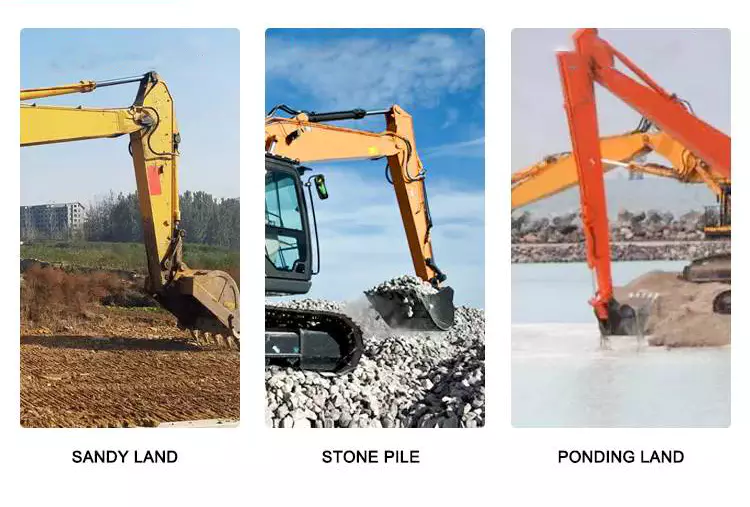
Can you provide real-world examples of machinery that heavily rely on hydraulic cylinders?
Hydraulic cylinders are widely used in various industries and applications due to their ability to provide powerful and precise linear motion. They play a crucial role in enabling the operation of heavy machinery that requires controlled force and movement. Here are some real-world examples of machinery that heavily rely on hydraulic cylinders:
1. Construction Equipment:
– Hydraulic cylinders are extensively used in construction machinery, such as excavators, bulldozers, loaders, and cranes. These machines rely on hydraulic cylinders to perform tasks like lifting heavy loads, extending and retracting booms, tilting buckets, and controlling the movement of various components. Hydraulic cylinders provide the power and precision required to handle the demanding conditions and heavy loads encountered in construction projects.
2. Agricultural Machinery:
– Many agricultural machines, including tractors, combine harvesters, and sprayers, utilize hydraulic cylinders for critical operations. Hydraulic cylinders are used to control the movement of attachments, such as front loaders, backhoes, and plows. They enable functions like lifting and lowering implements, adjusting cutting heights, and controlling the positioning of harvesting equipment. Hydraulic cylinders enhance efficiency and productivity in agricultural operations.
3. Material Handling Equipment:
– Hydraulic cylinders are integral components of material handling equipment, such as forklifts, pallet jacks, and cranes. These machines rely on hydraulic cylinders to lift and lower loads, tilt platforms or forks, and control the movement of lifting mechanisms. Hydraulic cylinders provide the necessary strength and precision to handle heavy loads and ensure safe and efficient material handling operations.
4. Industrial Machinery:
– Various industrial machinery and equipment heavily rely on hydraulic cylinders for critical functions. Examples include hydraulic presses, injection molding machines, metal-forming machines, and hydraulic-powered robots. Hydraulic cylinders enable precise control of force and movement in these applications, allowing for accurate shaping, pressing, and assembly processes.
5. Mining Equipment:
– Hydraulic cylinders are extensively used in mining machinery and equipment. Underground mining machines, such as continuous miners and longwall shearers, utilize hydraulic cylinders for cutting, shearing, and roof support operations. Surface mining equipment, including hydraulic shovels, draglines, and haul trucks, rely on hydraulic cylinders for tasks like bucket movement, boom extension, and vehicle suspension.
6. Automotive Industry:
– The automotive industry extensively utilizes hydraulic cylinders in various applications. Hydraulic cylinders are employed in vehicle suspension systems, power steering systems, convertible tops, and hydraulic brake systems. They enable smooth and controlled movement, precise steering, and efficient braking in automobiles.
7. Aerospace and Aviation:
– Hydraulic cylinders are utilized in aerospace and aviation applications, such as aircraft landing gear systems, wing flaps, and cargo handling equipment. Hydraulic cylinders provide the necessary force and control for extending and retracting landing gear, adjusting wing flaps, and operating cargo doors, ensuring safe and reliable aircraft operations.
8. Marine and Offshore Industry:
– Hydraulic cylinders are essential components in marine and offshore equipment, including ship cranes, winches, and hydraulic-powered anchor systems. They enable lifting, lowering, and positioning of heavy loads, as well as the control of various marine equipment.
These are just a few examples of machinery and industries that heavily rely on hydraulic cylinders. The versatility, power, and precise control offered by hydraulic cylinders make them indispensable in a wide range of applications, where controlled linear motion and force are essential.
What benefits do hydraulic cylinders offer for tasks requiring heavy lifting or movement?
Hydraulic cylinders offer numerous benefits for tasks that involve heavy lifting or movement. Their unique design and characteristics make them well-suited for applications that require substantial force, precise control, and reliable operation. Here are the detailed benefits that hydraulic cylinders provide for such tasks:
1. High Force Generation:
– Hydraulic cylinders are capable of generating significant amounts of force. By utilizing hydraulic pressure, which can be easily amplified, hydraulic cylinders can exert substantial force to lift and move heavy loads. The force output of a hydraulic cylinder is directly proportional to the hydraulic pressure and the surface area of the piston. This high force capability makes hydraulic cylinders ideal for tasks that involve heavy lifting, pushing, or pulling.
2. Precise Control:
– Hydraulic cylinders offer precise control over the force and motion they generate. By regulating the flow of hydraulic fluid into the cylinder, the speed, direction, and position of the cylinder’s movement can be accurately controlled. This level of control is crucial for tasks that require precise positioning, delicate movements, or synchronization of multiple cylinders. It enables operators to perform operations with accuracy and minimize the risk of damage or accidents.
3. Safety:
– Hydraulic cylinders are designed with safety features to ensure the protection of both personnel and equipment. They incorporate overload protection mechanisms, such as relief valves, that prevent excessive force or pressure from damaging the system. Additionally, hydraulic cylinders allow for controlled and gradual movements, reducing the risk of sudden and uncontrolled motions that could pose safety hazards during heavy lifting or movement tasks.
4. Versatility and Adaptability:
– Hydraulic cylinders are versatile components that can be adapted to meet specific requirements. They can be customized based on factors such as force capacity, stroke length, speed, and mounting options, allowing them to be integrated into various types of machinery. This versatility makes hydraulic cylinders suitable for a wide range of applications, including construction, material handling, mining, agriculture, and more.
5. Smooth and Controlled Operation:
– Hydraulic cylinders provide smooth and controlled operation, ensuring efficient and reliable performance during heavy lifting or movement tasks. The hydraulic fluid acts as a cushioning medium, which helps dampen shocks and vibrations, resulting in smoother and quieter operation. This controlled operation also reduces the risk of damage to the load being lifted or the surrounding equipment.
6. Compact Design:
– Hydraulic cylinders offer a high power-to-size ratio, allowing for compact machinery design. Their relatively small size, compared to the forces they can generate, makes them suitable for applications where space is limited or weight restrictions apply. This compact design enables the integration of hydraulic cylinders into different types of equipment without compromising performance or efficiency.
7. Durability and Reliability:
– Hydraulic cylinders are built to withstand rigorous operating conditions and provide long-term reliability. They are constructed with robust materials, precise machining, and effective sealing systems to ensure durability and prevent fluid leakage. Hydraulic cylinders can withstand high pressures, heavy loads, and continuous use, making them suitable for demanding tasks involving heavy lifting or movement.
8. Energy Efficiency:
– Hydraulic cylinders contribute to energy efficiency in tasks requiring heavy lifting or movement. Hydraulic systems allow for the transfer of power over long distances without significant power losses. Additionally, hydraulic cylinders can incorporate energy-saving features such as load-sensing technology and regenerative circuits, which reduce energy consumption by optimizing the use of hydraulic fluid.
In summary, hydraulic cylinders offer several benefits for tasks that involve heavy lifting or movement. They provide high force generation, precise control, safety features, versatility, smooth operation, compact design, durability, and energy efficiency. These advantages make hydraulic cylinders indispensable components in various industries where heavy loads need to be lifted, pushed, or moved with accuracy and reliability.


editor by CX 2024-01-30