Descrizione del prodotto
Long stroke single acting multi stage telescopic hydraulic cylinder
Descrizione del prodotto
Product Description:
| Work Press | 7/14/16/21/31.5MPa 37.5/63MPa Can be Customized |
| Material | Aluminum,Cast Iron,45mnb Steel,Stainless Steel, carbon steel |
| Bore Size | 120mm-380mm, Customizable |
| Rod size | 90mm-350mm, Customizable |
| Stage | 2~6 stages |
| Paint Color | Red,Yellow,Blue,Brown,Customizable |
| Montaggio | Earring,Flange,Clevis.Foot,Trunnion,Customizable |
| Warrenty | 18 months |
| MOQ | 1 pcs |
| Delivery Time | 7-15 Days,Also depands on specific demands |
| Certification | ISO9001,CE, SGS |
Product Display:
Quality Assurance
| Inspection Type | Inspection Standard |
| Raw Material Inspection | Before storage, QC takes the measurement of the raw materials. |
| Process Material Inspection | During the production, QCs conduct a random inspection. Before the hydraulic cylinder parts transferred to the next process, QCs takes inspection. |
| Final Function Testing | All the hydraulic cylinders take hydraulic function test |
Mounting Method:
Our Factory:
About US:
Tianjian Hydraulic. is a leader in the engineering design and manufacture of high pressure hydraulic cylinders that are widely used in the fields of mining, metallurgy, construction machinery, marine, offshore, water engineering, wind power, hydraulic press, agricultural machinery, and so on.
The Tianjian team has almost 8 years experience delivering innovative and dependable solutions to meet OEM high pressure hydraulic cylinder needs.
If possible, when contact with us, please apply information as below
Bore | Rod | Stroke | Work Pressure | Montaggio | Work environment |
|
|
|
|
|
|
Or you can offer us your sketch diagram or photos so that we could understand you exactly meaning, help us avoid mistakes.
And if you have samples, we can manufacture according to your samples after sending to us.
Welcome to our factory if you have any time.
Your satisfaction is our biggest motivation.
Now, you can contact with us for any question or inquiry.
Packing & Delivery:
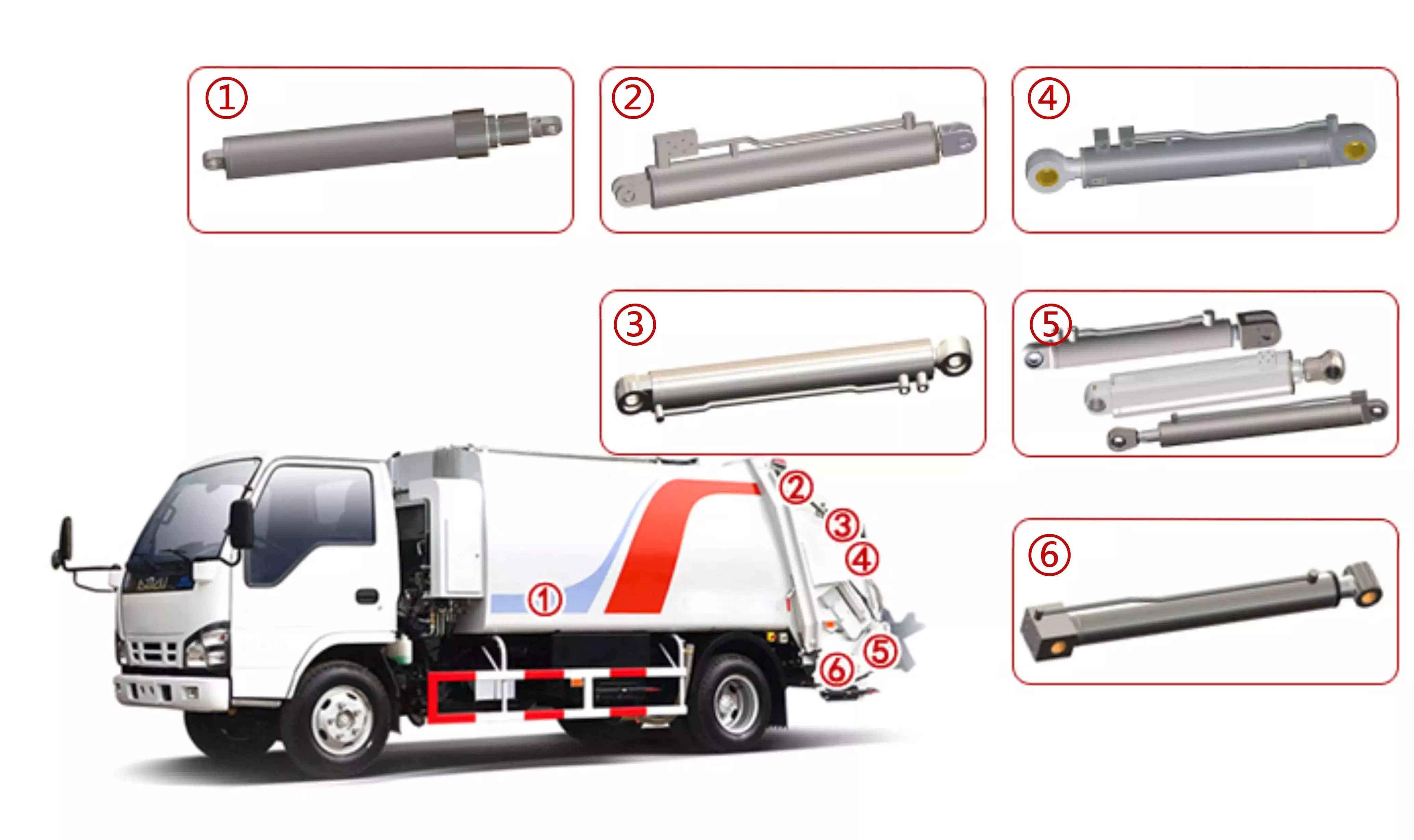
Appliactions:
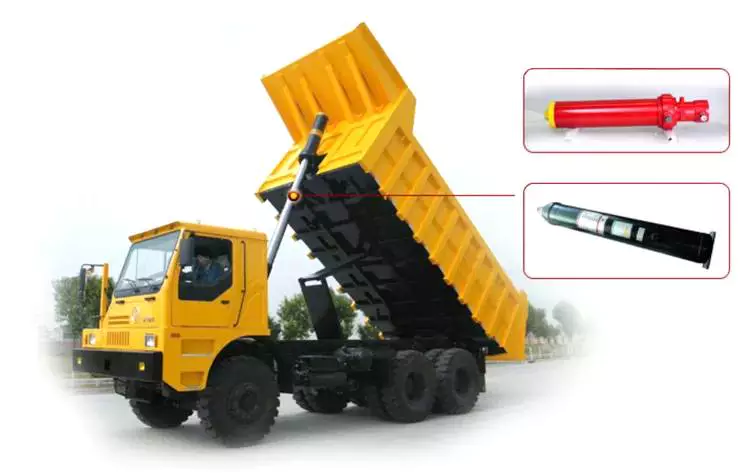
Application:mining truck
FAQ:
1, What does your company do?
A: we are a supplier of high quality Hydraulic Cylinder for more than 8 years.
2, Are you a manufacture or a trading company?
A: We are a manufacturer. Warmly welcome to visit us!
3, What certificate do you have?
A: All our factories are ISO certificated. And our main suppliers of materials and parts are with CE, RoHS, and UL certificates.
4, How long is your delivery time?
A: The delivery time depends on different products and quantity. The cylinder usually need about 15-60 days.
5, Can you make parts as customer’s requirement or drawing?
A: Yes, we can OEM for you as your drawings. Our engineer also can give you professional support for technical suggestions.
6, What kind of payment terms do you accept?
A: We prefer T/T through bank. 3% when order is confirmed and 70% before shipment.
7, What is your warranty policy?
A: All our products are warranted for 1 full year from date of delivery against defects in materials and workmanship. This warranty does not cover parts that are worn out through the course of normal operation or are damaged through negligence. We serious remind that unclean hydraulic oil will definitely cause damage to your Hydraulic components. And this damage is not included in the warranty range. So we strongly suggest you to use new clean oil or make sure the system oil are clean when using our parts
/* March 10, 2571 17:59:20 */!function(){function s(e,r){var a,o={};try{e&&e.split(“,”).forEach(function(e,t){e&&(a=e.match(/(.*?):(.*)$/))&&1
| Certificazione: | GS, RoHS, CE, ISO9001 |
|---|---|
| Pressione: | Medium Pressure |
| Temperatura di lavoro: | High Temperature |
| Acting Way: | Single Acting |
| Working Method: | Straight Trip |
| Adjusted Form: | Regulated Type |
| Samples: | US$ 100/Piece 1 Piece(Min.Order) | |
|---|
| Customization: | Available |
|
|---|
I cilindri idraulici possono essere integrati con sistemi di controllo e automazione avanzati?
Sì, i cilindri idraulici possono essere integrati con sistemi di controllo avanzati e tecnologie di automazione per migliorarne la funzionalità, la precisione e le prestazioni complessive. L'integrazione dei cilindri idraulici con sistemi di controllo avanzati consente un controllo più sofisticato e preciso del loro funzionamento, consentendo l'automazione e il controllo intelligente. Ecco una spiegazione dettagliata di come i cilindri idraulici possono essere integrati con sistemi di controllo avanzati e automazione:
1. Controllo elettronico:
– I cilindri idraulici possono essere dotati di sensori e trasduttori elettronici per fornire un feedback in tempo reale su posizione, forza, pressione o velocità. Questi sensori possono essere integrati con sistemi di controllo avanzati, come controllori logici programmabili (PLC) o sistemi di controllo distribuito (DCS), per monitorare e controllare il funzionamento dei cilindri idraulici. Integrando il controllo elettronico, la posizione, la velocità e la forza dei cilindri idraulici possono essere monitorate e regolate con precisione, consentendo un controllo più accurato e automatizzato.
2. Controllo a circuito chiuso:
– I sistemi di controllo a circuito chiuso utilizzano il feedback dei sensori per monitorare e regolare costantemente il funzionamento dei cilindri idraulici. Integrando i cilindri idraulici con sistemi di controllo a circuito chiuso, è possibile ottenere un controllo preciso di posizione, velocità e forza. Il controllo a circuito chiuso consente al sistema di compensare automaticamente variazioni, disturbi esterni o cambiamenti nelle condizioni operative, garantendo prestazioni accurate e costanti. Questa integrazione è particolarmente vantaggiosa nelle applicazioni che richiedono posizionamento, sincronizzazione o controllo della forza precisi.
3. Controllo proporzionale e servo:
– I cilindri idraulici possono essere integrati con sistemi di controllo proporzionale e servocomando per ottenere un controllo più preciso del loro funzionamento. I sistemi di controllo proporzionale utilizzano valvole proporzionali per regolare la portata e la pressione del fluido idraulico, consentendo una regolazione precisa della velocità e della forza del cilindro. I sistemi di controllo servocomando, invece, combinano sensori di feedback, valvole ad alte prestazioni e algoritmi di controllo avanzati per ottenere un controllo estremamente preciso dei cilindri idraulici. L'integrazione di controllo proporzionale e servocomando migliora la reattività, la precisione e le prestazioni dinamiche dei cilindri idraulici.
4. Interfaccia uomo-macchina (HMI):
– I cilindri idraulici integrati con sistemi di controllo avanzati possono essere azionati e monitorati tramite dispositivi di interfaccia uomo-macchina (HMI). Gli HMI forniscono un'interfaccia utente grafica che consente agli operatori di interagire con il sistema di controllo, monitorare le prestazioni del cilindro e regolare i parametri. Gli HMI consentono agli operatori di impostare posizioni, forze o velocità desiderate e di visualizzare il feedback in tempo reale dai sensori. Questa integrazione semplifica il funzionamento e il monitoraggio dei cilindri idraulici, rendendoli più intuitivi e facilitando l'integrazione senza soluzione di continuità nei sistemi automatizzati.
5. Comunicazione e networking:
– I cilindri idraulici possono essere integrati in sistemi di comunicazione e di rete, consentendo loro di far parte di un sistema automatizzato più ampio. L'integrazione con protocolli di comunicazione industriale, come Ethernet/IP, Profibus o Modbus, consente uno scambio di informazioni senza interruzioni tra i cilindri idraulici e gli altri componenti del sistema. Questa integrazione consente il controllo centralizzato, la registrazione dei dati, il monitoraggio remoto e il coordinamento con altri processi automatizzati. L'integrazione di comunicazione e rete migliora l'efficienza complessiva, il coordinamento e l'integrazione dei cilindri idraulici all'interno di sistemi di automazione complessi.
6. Automazione e controllo sequenziale:
– Integrando i cilindri idraulici con sistemi di controllo avanzati, è possibile integrarli perfettamente in processi automatizzati e operazioni di controllo sequenziale. Il sistema di controllo può eseguire sequenze predefinite o logiche programmate per controllare il funzionamento dei cilindri idraulici in base a condizioni, input o tempi specifici. Questa integrazione consente l'automazione di attività complesse, come la movimentazione dei materiali, le operazioni di assemblaggio o i movimenti ripetitivi. I cilindri idraulici possono essere sincronizzati con altri attuatori, sensori o dispositivi, consentendo un funzionamento coordinato e automatizzato in varie applicazioni industriali.
7. Manutenzione predittiva e monitoraggio delle condizioni:
– I sistemi di controllo avanzati possono anche abilitare la manutenzione predittiva e il monitoraggio delle condizioni dei cilindri idraulici. Integrando sensori e funzionalità di monitoraggio, il sistema di controllo può monitorare costantemente le prestazioni, lo stato di salute e le condizioni dei cilindri idraulici. Questa integrazione consente il rilevamento di anomalie, usura o potenziali guasti in tempo reale. Sulla base dei dati raccolti, è possibile implementare strategie di manutenzione predittiva, ottimizzando i programmi di manutenzione, riducendo i tempi di fermo e migliorando l'affidabilità complessiva dei sistemi idraulici.
In sintesi, i cilindri idraulici possono essere integrati con sistemi di controllo avanzati e tecnologie di automazione per migliorarne funzionalità, precisione e prestazioni. L'integrazione consente il controllo elettronico, il controllo ad anello chiuso, il controllo proporzionale e servo, l'interazione con l'interfaccia uomo-macchina (HMI), la comunicazione e il networking, l'automazione e il controllo sequenziale, nonché la manutenzione predittiva e il monitoraggio delle condizioni. Queste integrazioni consentono un controllo più preciso, l'automazione, una maggiore efficienza e prestazioni ottimizzate dei cilindri idraulici in diverse applicazioni industriali.
How do hydraulic cylinders contribute to the efficiency of agricultural tasks like plowing?
Hydraulic cylinders play a crucial role in improving the efficiency of agricultural tasks, including plowing. These cylinders provide several benefits that enhance the performance and productivity of agricultural machinery. Let’s explore how hydraulic cylinders contribute to the efficiency of plowing and other agricultural tasks:
- Powerful Force Generation: Hydraulic cylinders are capable of generating high forces, which is essential for tasks like plowing. The hydraulic system supplies pressurized fluid to the cylinders, converting hydraulic energy into mechanical force. This force is then utilized to drive plow blades through the soil, overcoming resistance and facilitating efficient soil penetration. The power generated by hydraulic cylinders ensures effective plowing, even in tough or compacted soil conditions.
- Adjustable Working Depth: Hydraulic cylinders allow for easy and precise adjustment of the plow’s working depth. By controlling the extension or retraction of the hydraulic cylinder, farmers can adjust the depth of the plow blades according to soil conditions, crop requirements, or their specific preferences. This adjustability enhances efficiency by ensuring optimal soil tillage and minimizing unnecessary energy expenditure. Farmers can adapt the plowing depth to different field areas, optimizing the use of resources and promoting uniform crop growth.
- Responsive Control: Hydraulic systems offer highly responsive control, enabling farmers to make quick adjustments during plowing operations. Hydraulic cylinders respond rapidly to changes in hydraulic pressure and valve settings, allowing for immediate modifications in the plow’s position, depth, or angle. This responsiveness enhances efficiency by facilitating on-the-go adjustments based on soil variations, obstacles, or changing field conditions. Farmers can maintain precise control over the plow’s performance, ensuring effective soil tillage and minimizing the risk of crop damage.
- Implement Versatility: Hydraulic cylinders enable the attachment of various implements to agricultural machinery, expanding their functionality and versatility. In the context of plowing, hydraulic cylinders allow for the attachment and detachment of plow blades or other tillage implements. This versatility enables farmers to adapt their equipment to different soil types, field sizes, or specific plowing requirements. By using hydraulic cylinders, farmers can easily switch between different implements, optimizing their equipment for specific tasks and maximizing efficiency.
- Efficient Time Management: Hydraulic cylinders contribute to time efficiency in agricultural tasks like plowing. With hydraulic systems, farmers can operate plows at higher speeds while maintaining control and precision. The responsive nature of hydraulic cylinders allows for efficient turning, maneuvering, and repositioning of plows, minimizing downtime and optimizing field coverage. This time efficiency translates into increased productivity and reduced overall operational costs. Farmers can accomplish plowing tasks more quickly, allowing them to cover larger field areas in less time.
In summary, hydraulic cylinders significantly contribute to the efficiency of agricultural tasks like plowing. Through powerful force generation, adjustable working depth, responsive control, implement versatility, and efficient time management, hydraulic systems equipped with cylinders enhance the performance and productivity of agricultural machinery. These contributions allow farmers to accomplish plowing tasks more effectively, optimize field operations, and achieve improved overall efficiency in their agricultural practices.
Can hydraulic cylinders be customized for specific equipment or attachment needs?
Yes, hydraulic cylinders can be customized to meet specific equipment or attachment needs. Hydraulic cylinder manufacturers often offer customization options to ensure that the cylinders meet the unique requirements of different applications. Here’s a detailed explanation of how hydraulic cylinders can be customized for specific equipment or attachment needs:
1. Size and Configuration:
– Hydraulic cylinders can be customized in terms of size and configuration to fit specific equipment or attachment requirements. The dimensions of the cylinder, such as bore size, rod diameter, and stroke length, can be tailored to match the available space and the desired force or movement requirements. Additionally, the mounting style and orientation of the cylinder can be customized to ensure proper integration with the equipment or attachment.
2. Operating Pressure and Force:
– The operating pressure and force capabilities of hydraulic cylinders can be customized to suit the specific equipment or attachment needs. Different applications may require different force outputs, and hydraulic cylinder manufacturers can design and manufacture cylinders with the appropriate piston area and pressure ratings to meet those requirements. Customization in this aspect ensures optimal performance and efficiency for the particular equipment or attachment.
3. Stroke Length:
– The stroke length of a hydraulic cylinder refers to the distance the piston can travel from fully retracted to fully extended. Customization of the stroke length allows the hydraulic cylinder to accommodate the specific range of motion required by the equipment or attachment. By adjusting the stroke length, the cylinder can be tailored to deliver the necessary extension and retraction capabilities for efficient operation.
4. Mounting Options:
– Hydraulic cylinders can be customized with various mounting options to facilitate easy installation and integration with specific equipment or attachments. Different applications may require different mounting styles, such as flange mounts, trunnion mounts, or clevis mounts. Manufacturers can provide customized mounting options to ensure proper alignment, stability, and functionality when the cylinder is connected to the equipment or attachment.
5. Sealing and Material Options:
– The sealing system of a hydraulic cylinder is crucial for preventing fluid leakage and maintaining the cylinder’s integrity. Hydraulic cylinder manufacturers offer customization options for sealing materials, such as different types of seals and seal configurations, to suit specific equipment or attachment needs. Additionally, customization of cylinder materials, such as selecting corrosion-resistant materials or specialized coatings, can enhance the cylinder’s durability and performance in specific operating environments.
6. Integration with Control Systems:
– In certain applications, hydraulic cylinders may need to be integrated with sophisticated control systems or automation technologies. Customization can involve incorporating sensors, position feedback devices, or other control elements into the hydraulic cylinder design to enable seamless integration with the overall equipment or attachment control system. This customization ensures precise control, monitoring, and synchronization of the hydraulic cylinder’s movements within the specific application.
7. Specialized Features or Accessories:
– Hydraulic cylinder customization can also involve incorporating specialized features or accessories to meet unique equipment or attachment needs. This may include the integration of safety features, such as pressure relief valves or load-holding valves, or the addition of specific ports or fittings for auxiliary functions or attachments. Customization allows hydraulic cylinders to be tailored to the specific requirements and functionalities of the equipment or attachment.
By offering customization options, hydraulic cylinder manufacturers can provide solutions that precisely match the needs of different equipment or attachment applications. Customized hydraulic cylinders ensure optimal performance, efficiency, and integration, enhancing the overall functionality and productivity of the equipment or attachment. It is important to work closely with experienced manufacturers or hydraulic system specialists to determine the specific customization requirements and ensure the successful implementation of customized hydraulic cylinders.


editor by CX 2023-12-21