Deskripsi Produk
Single acting telescopic hydraulic oil cylinder for dump truck
Deskripsi Produk
Hyva & CHINAMFG & Custom hoist & Xihu (West Lake) Dis.r type hydraulic telescopic Cylinders are used for Dump Truck, Tipper Truck, Trailer, Agricultural Machinery, Garbage Truck, Landing Platform etc.
Pelanggan hidrolik Tsingshi, MAN, JAC, VOLVO, SHACMAN, DAF, JMC, HUNO, CIMC, SINOTRUK, TATRA,BENS,XIHU (WEST LAKE) DIS.FENG, FOTON,dll.
1. Setiap tahap dilapisi krom keras secara elektrokimia;
2.lighter and easier to maintenance hydraulic telescopic cylinder;
3. Pipa baja seamless paduan berkualitas tinggi memiliki sifat mekanik yang lebih baik;
4. Merek-merek stempel terkenal di dunia, seperti HALLITE, PARKER, dll;
5. Teknologi pengolahan kelas dunia memastikan kualitas yang stabil dan andal.
| TIDAK | BARANG | DATA OF dump truck hydraulic cylinder |
| 1 | Bahan | Baja Karbon, Baja Paduan, 27SiMn, 45#, 20#, dll. |
| 2 | Tabung yang diasah | 40-300mm, Perlakuan panas, pengasahan, penggulungan |
| 3 | Tabung yang diasah | 30-280mm, berlapis nikel atau krom keras atau keramik |
| 4 | Kit segel | Parker, Merkel, Hallite, Kaden, dll |
| 5 | Lapisan | Penyemprotan pasir, cat dasar, cat tengah, cat akhir, Warna dapat dicat sesuai permintaan pelanggan. |
| 6 | Teknologi | Parker, kerekan khusus, hyco, HYVA, Meiller SABTU, TANGGAL |
| 7 | Jenis pemasangan | Pin-eye, flensa, dudukan trunnion, dudukan bola, ulir sekrup. FC, FE, FEE, FSE, TPIN |
| 8 | Media kerja | Oli Hidrolik |
| 9 | Tekanan kerja | 16-20Mpa telescopic hydraulic cylinder |
| 10 | Kisaran suhu | -50°C hingga +100°C |
Foto Detail
Profil Perusahaan
Tsingshi hydraulic is a hydraulic telescopic cylinder for dump tipper truck company which takes up with hydraulic design, R&D, manufacturer, sell and service hydraulic products-Telescopic hydraulic cylinder for dump truck.
-Hydraulic Cylinders Certification ISO9001 TS16949, etc;
-Telescopic jack Hydraulic Cylinder Export to North America, South America, Australia, South Korea, Southeast Asia, South Africa, Europe, Middle East, etc;
-ODM&OEM Single acting Hydraulic Telescopic Cylinder according to client’s requirements;
-Professional manufacturer& supplier of Hydraulic Cylinders over 30 years;
-Silinder teleskopik hidrolik dapat digunakan untuk Truk Dump, Truk Tipper, Trailer, Mesin Pertanian, Truk Sampah, Platform Pendaratan, dll; Kami dapat memproduksi silinder hidrolik merek berikut: HYVA, BINOTTO, EDBRO, PENTA, MAILHOT, CUSTOM HOIST, MUNCIE, METARIS, HYDRAULEX GLOBAL, HYCO, PARKER, COMMERCIAL HYDRAULICS, MEILLER. WTJX, XT, JX, HCIC, ZX, SZ, SJ.
FOTO PELANGGAN
GARANSI KUALITAS
HIGH QUALITITY GUARANTEE-Telescopic hydraulic cylinder for dump truck
-Layanan 7*24.
-Harga bersaing.
-Tim teknis profesional.
-Sistem layanan purna jual yang sempurna.
-ODM & OEM sesuai kebutuhan pelanggan.
-Kapasitas produksi yang kuat untuk memastikan pengiriman yang cepat.
-Jaminan Kualitas. Setiap proses harus diperiksa, semua produk perlu diuji sebelum meninggalkan pabrik.
<Hydraulic Cylinder Leak Test
<Telescopic Hydraulic jack Buffer Test
<Hydraulic Telescopic Cylinder Reliability Test
<Dump truck Hydraulic Cylinder Full Stroke Test
<Dump trailer Hydraulic Cylinder Trial Operation Test
<Tipper truck Cylinder Pressure Tight Test
<Dump truck telescopic Hydraulic Cylinder Load Efficiency Test
<Dump trailer telescopic Hydraulic Cylinder Start-up Pressure Test
<Long stroke single acting hydraulic telescopic cylinder Testing the Effect of Limit
PENJUALAN DAN LAYANAN
SATU DUNIA SATU CINTA
| Sertifikasi: | CE, ISO/Ts16949 |
|---|---|
| Tekanan: | Tekanan Sedang |
| Suhu Kerja: | Suhu Normal |
| Cara Berakting: | Single Acting |
| Metode Kerja: | Perjalanan Langsung |
| Formulir yang Disesuaikan: | Jenis yang Diatur |
| Contoh: | US$ 1000/Buah 1 Buah (Minimum Pemesanan) | |
|---|
| Kustomisasi: | Tersedia |
|
|---|
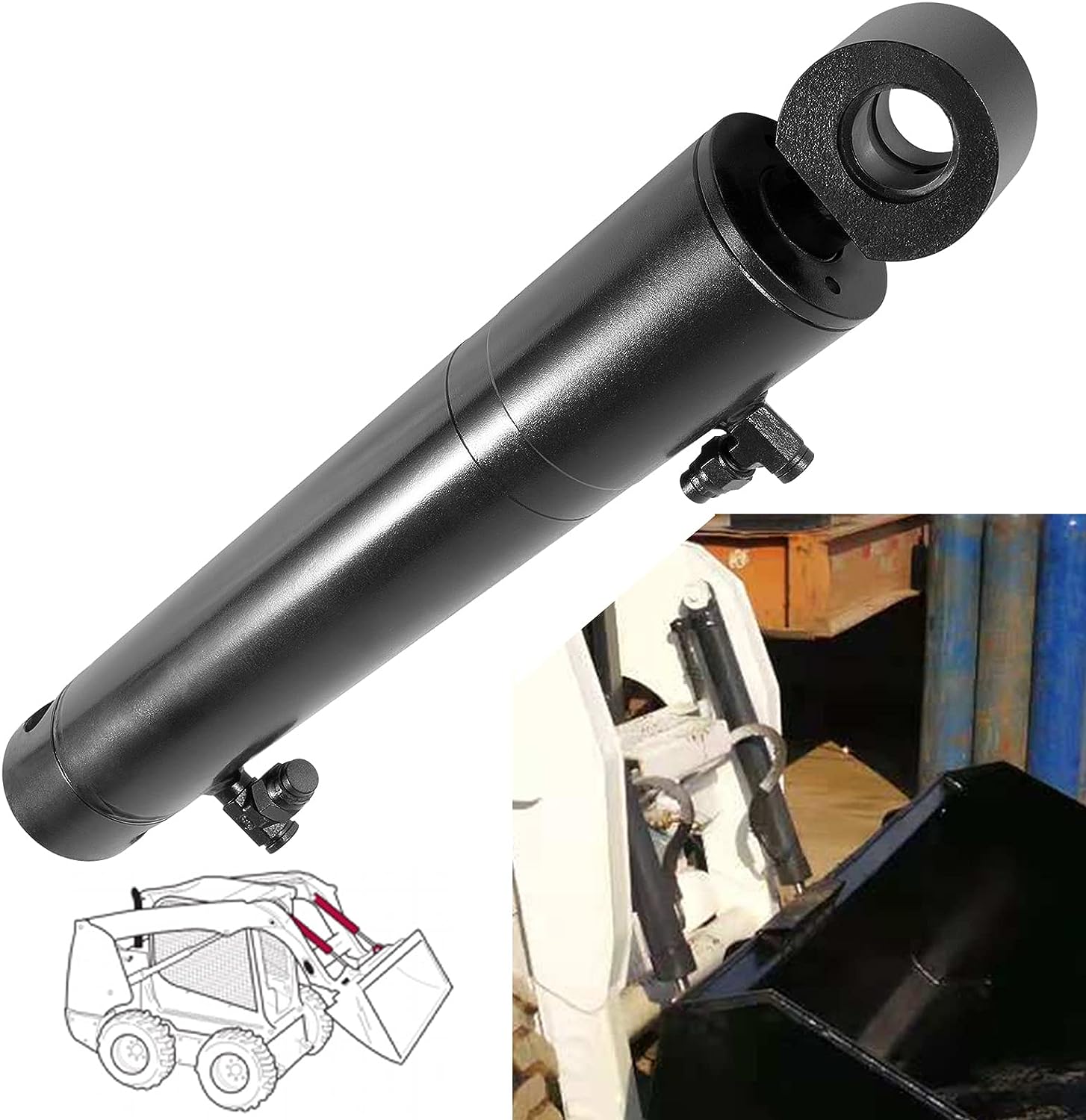
How does a tilt cylinder handle variations in hydraulic pressure and flow rate?
A tilt cylinder is designed to handle variations in hydraulic pressure and flow rate effectively. It incorporates specific features and mechanisms that allow it to operate reliably under different hydraulic conditions. Here’s a detailed explanation:
- Pressure Compensation: Tilt cylinders are equipped with pressure compensation mechanisms to handle variations in hydraulic pressure. These mechanisms ensure that the cylinder can function properly even when the hydraulic system experiences fluctuations in pressure. The pressure compensation feature allows the cylinder to maintain consistent force and performance, regardless of the changes in hydraulic pressure.
- Flow Control: Tilt cylinders are designed to accommodate variations in hydraulic flow rate. They have internal passages and ports that allow the hydraulic fluid to flow into and out of the cylinder. The cylinder’s design ensures that it can handle different flow rates without compromising its functionality. Whether the hydraulic flow rate is high or low, the tilt cylinder can adjust accordingly and provide the necessary force and control for load manipulation.
- Sealing Mechanisms: Tilt cylinders incorporate sealing mechanisms to prevent leakage and maintain hydraulic integrity. These seals are designed to withstand variations in pressure and flow rate, ensuring that the hydraulic fluid remains contained within the cylinder. The seals also help maintain the required pressure within the cylinder, allowing it to operate efficiently and effectively, regardless of the hydraulic conditions.
- Internal Design: The internal design of a tilt cylinder takes into account variations in hydraulic pressure and flow rate. The cylinder’s internal components, such as piston, rod, and cylinder barrel, are engineered to withstand different hydraulic conditions. They are designed to handle the forces exerted by varying pressure and flow rates, ensuring smooth operation and longevity of the cylinder.
- Hydraulic System Compatibility: Tilt cylinders are designed to be compatible with the hydraulic systems of the equipment they are installed in. Manufacturers ensure that the cylinders can handle the expected pressure and flow rate ranges of the hydraulic system. This compatibility allows for seamless integration and optimal performance, even when there are variations in hydraulic conditions.
- Quality Control and Testing: Tilt cylinders undergo rigorous quality control measures and testing during the manufacturing process. These measures ensure that the cylinders can handle variations in hydraulic pressure and flow rate within specified tolerances. Manufacturers test the cylinders under different hydraulic conditions to verify their performance, reliability, and ability to handle variations in pressure and flow.
By incorporating pressure compensation mechanisms, flow control features, sealing mechanisms, robust internal design, hydraulic system compatibility, and thorough quality control, tilt cylinders are capable of handling variations in hydraulic pressure and flow rate. These cylinders provide reliable and consistent performance, regardless of the hydraulic conditions, ensuring smooth and efficient operation in material handling and construction equipment.
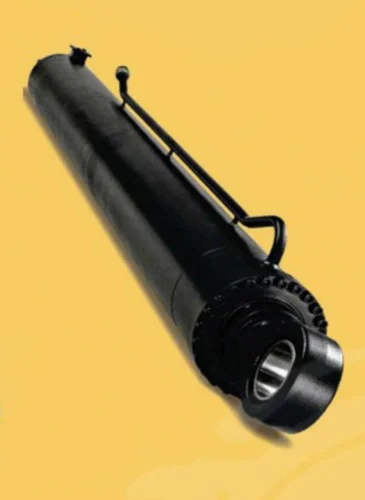
How does a tilt cylinder handle variations in tilt angle and load?
A tilt cylinder is designed to handle variations in tilt angle and load to ensure optimal performance and safe operation. It employs various mechanisms and features that allow it to adapt to different angles and loads. Here’s a detailed explanation:
- Adjustable Force and Stroke: Tilt cylinders can be adjusted to accommodate variations in tilt angle and load. The force generated by the cylinder can be controlled by adjusting the hydraulic pressure, allowing for precise control over the tilting movement. Similarly, the stroke length of the cylinder can be customized to provide the desired range of motion, enabling flexibility in achieving different tilt angles.
- Flow Control Valves: Tilt cylinders often incorporate flow control valves that regulate the speed and rate of hydraulic fluid flow. These valves allow operators to adjust the flow rate, providing finer control over the tilting movement. By adjusting the flow control valves, operators can handle variations in tilt angle and load with greater precision and stability.
- Load-Sensing Technology: Some advanced tilt cylinders utilize load-sensing technology to automatically adjust the force output based on the load applied. Load sensors integrated into the cylinder or the hydraulic system provide real-time feedback on the load, enabling the cylinder to adjust its force accordingly. This ensures consistent and safe operation, even when dealing with varying loads.
- Structural Integrity: Tilt cylinders are designed with robust construction to handle variations in load. The materials used, such as high-strength steel, provide structural integrity and durability. The cylinder’s design considers factors such as bending moments and stress distribution to ensure safe operation under different load conditions.
- Seals and Lubrication: Tilt cylinders incorporate seals and lubrication systems to minimize friction and maintain the required performance. Seals prevent leakage and contamination, ensuring the hydraulic system operates efficiently. Proper lubrication reduces wear and tear on moving parts, allowing the cylinder to handle variations in tilt angle and load smoothly and reliably.
- Stability and Balance: Tilt cylinders are designed to maintain stability and balance during tilting operations. The cylinder’s attachment points, along with the equipment’s center of gravity, are carefully considered to ensure safe and controlled tilting. This helps prevent instability or tipping when facing variations in tilt angle or load.
By incorporating adjustable force and stroke, flow control valves, load-sensing technology, robust construction, seals and lubrication, as well as ensuring stability and balance, tilt cylinders can effectively handle variations in tilt angle and load. These features enable precise control, safe operation, and reliable performance in a wide range of applications across industries.
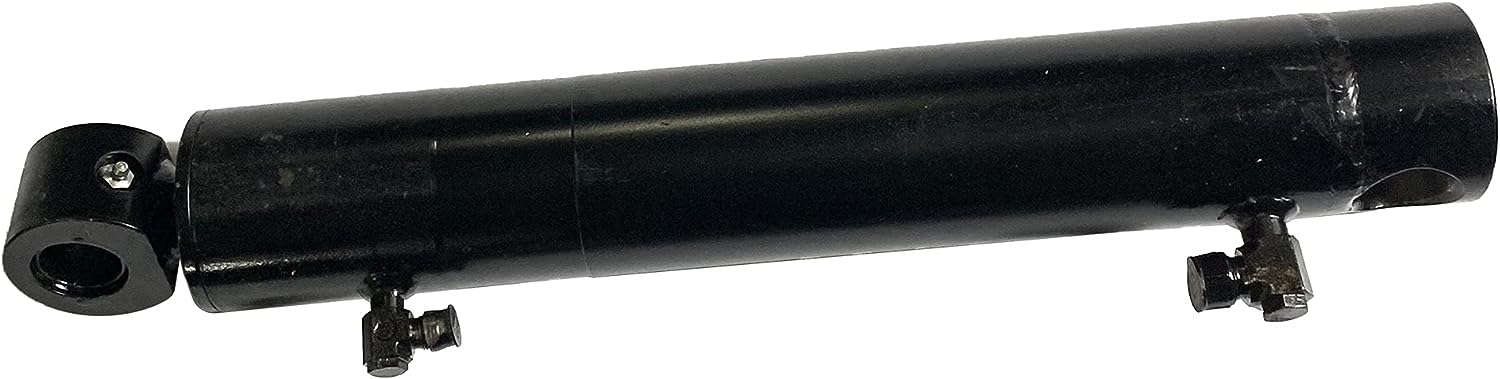
What industries commonly use tilt cylinders in their equipment?
Tilt cylinders find applications in various industries where heavy machinery is utilized. These industries rely on tilt cylinders to enable controlled tilting or angling of components. Here are some industries that commonly use tilt cylinders in their equipment:
- Construction: Tilt cylinders are extensively used in the construction industry. They are employed in equipment such as excavators, bulldozers, backhoes, and loaders. Tilt cylinders allow for precise adjustment of buckets, blades, or attachments, enabling efficient digging, grading, and leveling operations.
- Mining: The mining industry utilizes tilt cylinders in equipment like mining shovels, excavators, and haul trucks. Tilt cylinders play a vital role in controlling the angles of buckets or blades, facilitating efficient digging, loading, and material handling in mining operations.
- Agriculture: In the agricultural sector, tilt cylinders are employed in machinery such as tractors, combine harvesters, and agricultural loaders. They enable the tilting of implements, such as plows or buckets, allowing farmers to adjust the working angle for optimal soil tillage, material handling, or crop harvesting.
- Forestry: Tilt cylinders are used in forestry equipment like feller bunchers, skidders, and loaders. They assist in controlling the tilt of cutting heads, grapples, or blades, enabling precise tree felling, log handling, and forestry operations.
- Material Handling: Industries involved in material handling, such as warehouses, distribution centers, and ports, utilize tilt cylinders in equipment like forklifts, reach stackers, and container handlers. Tilt cylinders allow for the controlled tilting of forks, attachments, or platforms, facilitating efficient loading, unloading, and stacking of goods.
- Waste Management: Tilt cylinders are employed in waste management equipment like garbage trucks, waste compactors, and recycling machinery. They enable controlled tilting of containers, compacting units, or sorting mechanisms, enhancing waste collection, compaction, and recycling processes.
These industries represent a few examples of the sectors that commonly utilize tilt cylinders in their equipment. However, tilt cylinders can also be found in other industries where controlled tilting or angling of components is required to optimize operational efficiency and productivity.
In summary, tilt cylinders are widely used in industries such as construction, mining, agriculture, forestry, material handling, and waste management. These industries rely on tilt cylinders to achieve precise control and adjustment of components, enhancing the performance and versatility of their equipment in various applications.


editor by CX 2023-12-07