Description du produit
Products Description
Product Name | HSG Series Hydraulic Cylinder | |||
Work Press | 7/14/16/21/31.5MPa 37.5/63MPa Can be Customized | |||
Matériel | Aluminum,Cast Iron,45mnb Steel,Stainless Steel | |||
Bore Size | 40mm–320mm,Customizable | |||
Shaft Diameter | 20mm–220mm,Customizable | |||
Stroke Length | 30mm–14100mm,Customizable | |||
Rod Surface Hardness | HRC48-54 | |||
Paint Color | Black,Yellow,Blue,Brown,Customizable | |||
Mounting | Earring,Flange,Clevis.Foot,Trunnion,Customizable | |||
Warrenty | 1 Year | |||
MOQ | 1 Piece | |||
Delivery Time | 7-15 Days,Also depands on specific demands | |||
Certification | ISO9001,CE | |||
Profil de l'entreprise
QIANGLIN HYDRAULIC MACHINERY CO., LTD
| QiangLin is a professional hydraulic equipment manufacturer, mainly engaged in hydraulic system design, manufacture, installation, transformation, sales, and technical services. Our manufacturing facilities are certified to the ISO 9001 standard. We are an approved supplier to many equipment manufacturers in China. We are also partners with many customers from America, Canada, Australia, Germany, England, and other European Countries. Product quality, shorter delivery time, and customer satisfaction are our long-term commitments to our CHINAMFG customers. Hope to be your partner. |
FAQ:
Q1: Are you a trading company or a manufacturer?
A: We have our own factory.
Q2: Are you able to make Non-standard or customized products?
A: Yes, we can.
Q3: How long is your delivery time?
A: Normally, the delivery time is 7 days if we have stock, 15-30 working days if we don’t. but it
also depends on the product
requirements and quantity.
Q4: Do you provide samples? are the samples free or not?
A: Yes, we can provide samples, but they are not free of charge.
Q5: What are your payment terms?
A: 30% deposit T/T or Irrevocable L/C at sight, If you have any questions, please feel free to
contact us.
Q6: What are your After-sales services?
A: Before shipment, Each individual product will be strictly inspected on our factory QC Process
System. In addition, We have a
Customer Service team to respond to customers’ questions within 12 hours. Being helpful in
solving customers’ problems is always our goal.
| Certification : | CE, ISO9001 |
|---|---|
| Pression: | High Pressure |
| Température de fonctionnement : | Température normale |
| Personnalisation : | Disponible |
|
|---|
.shipping-cost-tm .tm-status-off{background: none;padding:0;color: #1470cc}
| Shipping Cost: Estimated freight per unit. | about shipping cost and estimated delivery time. |
|---|
| Payment Method: |
|
|---|---|
| Initial Payment Full Payment |
| Currency: | US$ |
|---|
| Return&refunds: | You can apply for a refund up to 30 days after receipt of the products. |
|---|
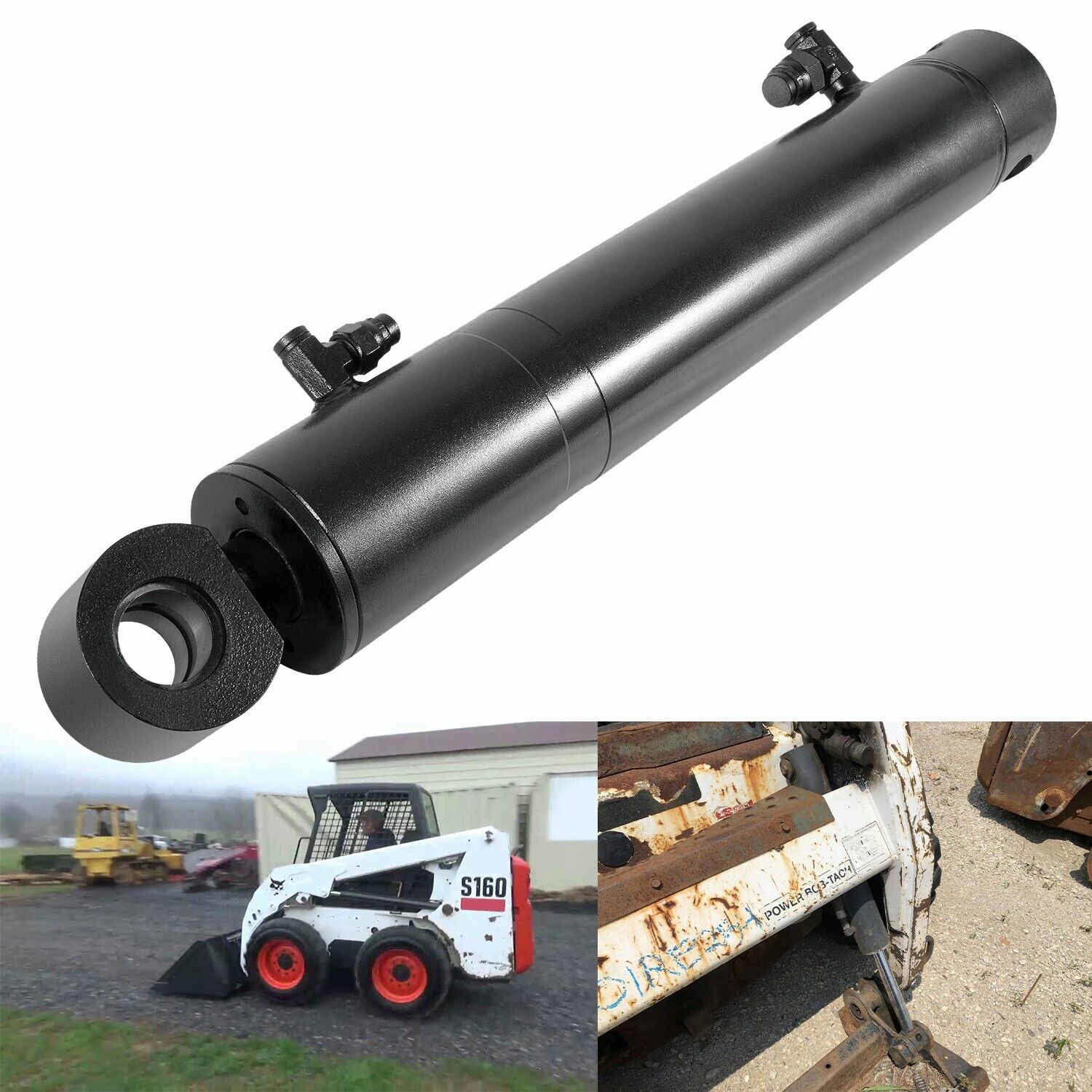
Comment un vérin d'inclinaison contribue-t-il au positionnement précis des équipements ?
Un vérin d'inclinaison joue un rôle crucial dans le positionnement précis des équipements. Il fournit la force et le contrôle nécessaires pour ajuster l'angle d'inclinaison de l'équipement, permettant ainsi aux opérateurs de le positionner avec précision pour diverses tâches. Voici une explication détaillée :
- Réglage de l'angle d'inclinaison : Un vérin d'inclinaison permet aux opérateurs de régler l'angle d'inclinaison de l'équipement. En actionnant le vérin, ils peuvent incliner l'équipement vers l'avant ou vers l'arrière, facilitant ainsi un positionnement précis. La possibilité d'ajuster finement l'angle d'inclinaison permet aux opérateurs d'aligner l'équipement sur des cibles ou des zones de travail spécifiques, garantissant une précision et une efficacité optimales.
- Répartition de la charge : Un positionnement précis de l’équipement est essentiel pour une répartition optimale de la charge. Un vérin d’inclinaison permet aux opérateurs d’ajuster l’angle d’inclinaison afin de répartir la charge uniformément sur l’équipement. Ceci est particulièrement important lors de la manipulation de charges inégales ou déséquilibrées. Grâce à un positionnement précis obtenu par la commande du vérin d’inclinaison, les opérateurs peuvent optimiser la répartition de la charge, minimiser les contraintes sur l’équipement et améliorer la stabilité pendant le fonctionnement.
- Adaptation au relief : Dans certaines applications, comme le nivellement ou le terrassement, un positionnement précis de l’équipement est nécessaire pour s’adapter au relief du terrain. Un vérin d’inclinaison permet aux opérateurs d’ajuster l’angle d’inclinaison de l’équipement en fonction de la pente ou de la forme du sol. Cette capacité d’adaptation au relief garantit un contact constant avec la surface, favorisant un nivellement ou une excavation uniforme et permettant d’obtenir les résultats souhaités avec précision.
- Réglage en hauteur : Certains vérins d’inclinaison permettent également un réglage en hauteur, en plus du réglage de l’angle d’inclinaison. En déployant ou en rétractant le vérin, les opérateurs peuvent relever ou abaisser l’équipement. Cette fonction de réglage en hauteur améliore la précision du positionnement, permettant ainsi aux opérateurs d’aligner l’équipement à la hauteur souhaitée pour des tâches ou des conditions de travail spécifiques.
- Intégration aux systèmes de commande : Les vérins d’inclinaison peuvent être intégrés aux systèmes de commande avancés des équipements modernes. Ces systèmes peuvent inclure des commandes électroniques ou hydrauliques permettant des réglages précis et automatisés de l’angle d’inclinaison. Grâce à ces systèmes, les opérateurs bénéficient d’un positionnement précis et constant des équipements, ce qui réduit les erreurs humaines et améliore la productivité globale.
- Retour d'information à l'opérateur : Les vérins d'inclinaison équipés de capteurs ou de mécanismes de retour d'information fournissent aux opérateurs des informations en temps réel sur l'angle d'inclinaison de l'équipement. Ce retour d'information leur permet d'effectuer des réglages précis et de garantir un positionnement exact. En surveillant en continu l'angle d'inclinaison, les opérateurs peuvent maintenir la position souhaitée pendant le fonctionnement et apporter les corrections nécessaires.
Par conséquent, un vérin d'inclinaison contribue de manière significative au positionnement précis des équipements en permettant le réglage de l'angle d'inclinaison, l'optimisation de la répartition de la charge, l'adaptation au relief, le réglage de la hauteur, l'intégration aux systèmes de commande et le retour d'information à l'opérateur. Ces fonctionnalités améliorent la précision, l'efficacité et la polyvalence des équipements dans divers secteurs, notamment la construction, la manutention, l'agriculture, etc.
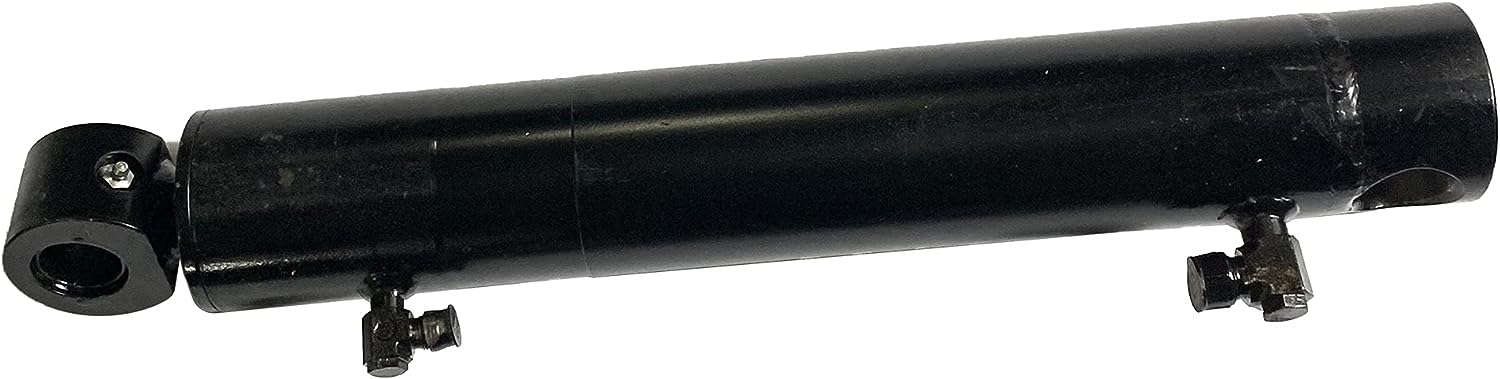
How does a tilt cylinder handle variations in temperature and environmental conditions?
A tilt cylinder is designed to handle variations in temperature and environmental conditions encountered in different applications. Several features and considerations ensure the cylinder’s performance and durability in challenging operating environments. Here’s a detailed explanation:
- Material Selection: Tilt cylinders are typically constructed using high-quality materials known for their strength, durability, and resistance to environmental factors. Common materials include hardened steel, alloy steel, or other corrosion-resistant materials. The chosen materials offer excellent mechanical properties and can withstand temperature fluctuations, moisture, and exposure to chemicals or abrasive elements.
- Surface Treatments: To further enhance the cylinder’s resistance to environmental conditions, surface treatments such as coatings or platings may be applied. These treatments provide additional protection against corrosion, wear, and damage caused by moisture, chemicals, or abrasive particles. Common surface treatments include chrome plating, zinc coating, or specialized coatings designed for specific environmental challenges.
- Sealing Systems: Tilt cylinders incorporate sealing systems to prevent the ingress of contaminants and maintain the integrity of the hydraulic system. The seals used in tilt cylinders are designed to withstand temperature variations, resist degradation from environmental factors, and provide reliable sealing performance over an extended service life. Proper sealing ensures the cylinder’s efficient operation and minimizes the risk of leakage or premature wear.
- Lubrication: Adequate lubrication is essential for the smooth operation and longevity of tilt cylinders. Lubricants help reduce friction, minimize wear, and protect against corrosion. The choice of lubricant depends on the specific operating conditions and temperature range. In extreme temperature environments, specialized lubricants with high-temperature resistance may be used to ensure optimal cylinder performance.
- Temperature Compensation: Tilt cylinders may incorporate temperature compensation mechanisms to account for variations in operating temperatures. These mechanisms ensure that the cylinder’s performance remains consistent, regardless of temperature fluctuations. Temperature compensation can involve adjustments to the hydraulic system’s pressure or flow rate to maintain the desired force and speed, compensating for temperature-related changes in fluid viscosity.
- Testing and Certification: Tilt cylinders undergo rigorous testing and certification processes to ensure their performance and reliability in various environmental conditions. Manufacturers subject the cylinders to simulated temperature cycles, exposure to contaminants, and other environmental tests to validate their durability and functionality. Compliance with industry standards and certifications ensures that the cylinders can handle the anticipated temperature and environmental challenges.
By employing appropriate material selection, surface treatments, sealing systems, lubrication, temperature compensation mechanisms, and rigorous testing, tilt cylinders are engineered to handle variations in temperature and environmental conditions. These design considerations enable the cylinders to operate reliably and maintain optimal performance in a wide range of applications and operating environments.
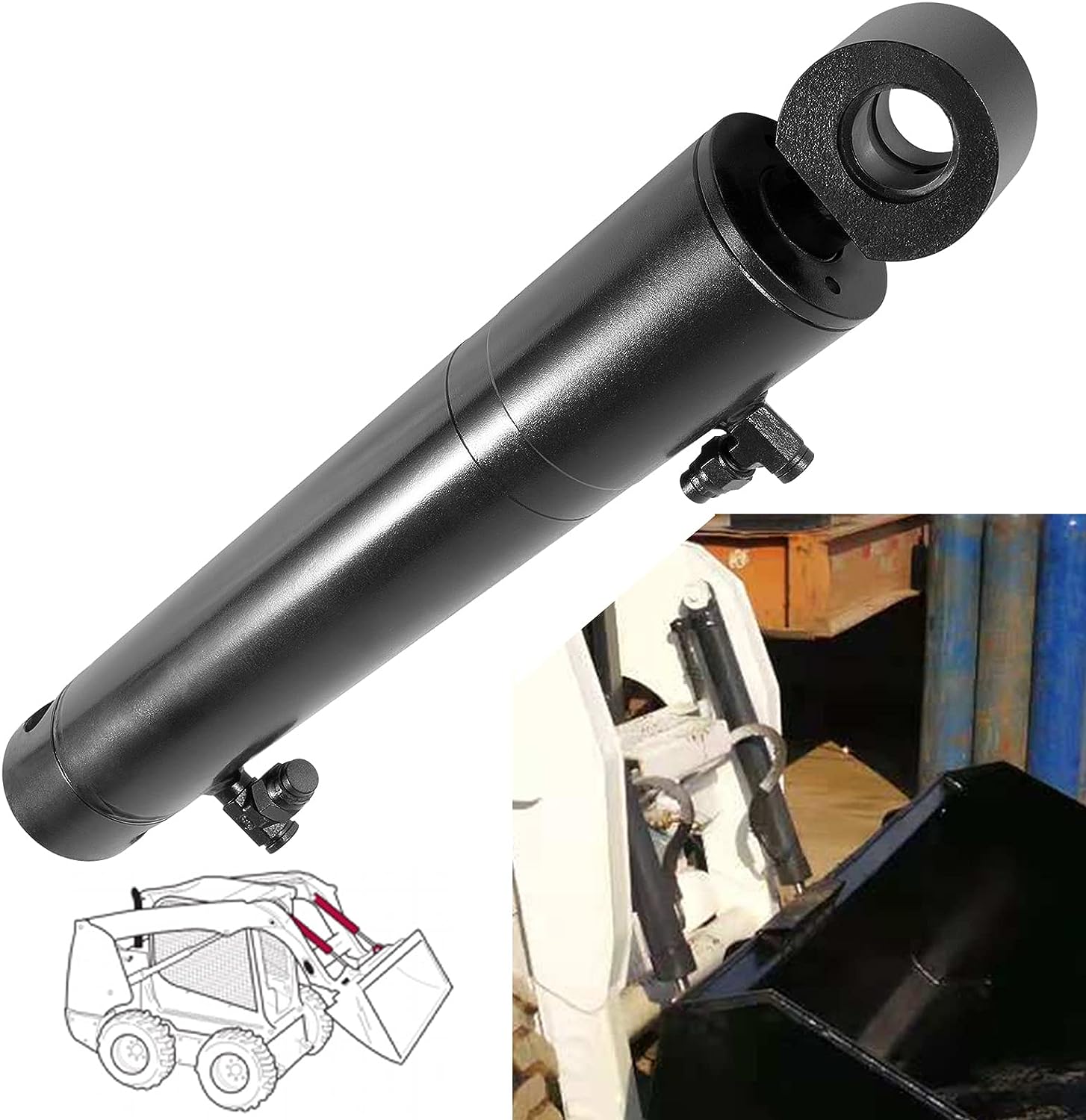
How does a tilt cylinder contribute to precise equipment tilt control?
A tilt cylinder plays a crucial role in achieving precise equipment tilt control. It provides the necessary force and control mechanisms to enable controlled and accurate tilting movements. Here’s a detailed explanation of how a tilt cylinder contributes to precise equipment tilt control:
- Force Generation: A tilt cylinder is a hydraulic component that generates the force required to tilt or angle the equipment. It consists of a cylinder housing, piston, and rod assembly. When hydraulic pressure is applied to the cylinder, the piston moves, exerting force on the attached component. The force generated by the tilt cylinder allows for precise and controlled tilting of the equipment.
- Controlled Fluid Flow: Tilt cylinders utilize hydraulic fluid to transmit force and control the tilting movement. The flow of hydraulic fluid is regulated by control valves, which allow operators to control the speed, extent, and direction of the tilt. By adjusting the control valves, operators can achieve precise control over the fluid flow, enabling accurate and controlled tilting of the equipment.
- Range of Motion: Tilt cylinders provide a specific range of motion, allowing for controlled tilting within that range. The range of motion is determined by the design and construction of the cylinder, as well as the attachment points on the equipment. The defined range enables operators to tilt the equipment to the desired angle with precision, ensuring precise control over the tilt position.
- Feedback Mechanisms: Some tilt cylinders incorporate feedback mechanisms such as limit switches or sensors. These mechanisms provide real-time feedback on the position and angle of the tilted component. By monitoring the feedback, operators can precisely adjust the tilt cylinder to achieve the desired tilt angle. This feedback loop enhances the precision of equipment tilt control.
- Operator Input: Tilt cylinders are typically operated by equipment operators who have control over the hydraulic system. Operators can manipulate the control levers or buttons to adjust the hydraulic pressure and flow, thereby controlling the tilt cylinder’s movement. The operator’s skill and experience in operating the tilt cylinder contribute to achieving precise equipment tilt control.
By combining the force generation capabilities, controlled fluid flow, defined range of motion, feedback mechanisms, and operator input, a tilt cylinder enables precise control over the equipment’s tilt. This precision is essential for applications where accurate tilting is required, such as in construction, mining, agriculture, and material handling. The ability to achieve precise equipment tilt control enhances operational efficiency, productivity, and safety in various industries.


editor by CX 2023-12-14