Description du produit
| Part number | Tube dia mm | Rod dia mm | Stroke mm |
| 205-63-57100 | 120 | 85 | 1285 |
| 206-63-57100 | 120 | 85 | 1285 |
| 205-63-57160 | 120 | 85 | 1285 |
| 205-63-57120 | 135 | 95 | 1490 |
| 203-63-57130 | 125 | 85 | 1120 |
| 203-63-57131 | 125 | 85 | 1120 |
| 205-63-57130 | 125 | 85 | 1120 |
Specifications
1.Supply to USA,Europe,and Australia, Russia.
2.Material:Stainless Steel
3.Professional performance excavator parts supplier
4. High quality and low price
FAQ
Q1: Are you Manufacture or Trade Company?
A1: We are manufacture,we have 20 years experience for supply Metal material and products in domestic.
Q2: How can we guarantee quality?
A2: Always a pre-production sample before mass production;Always final Inspection before shipment;
Q3: What is your terms of payment ?
A3: 1.T/T: 30% deposit in advance, the balance 70% paid before shipment
2.30% down payment, the balance 70% paid against L/C at sight
3.CHINAMFG negotiation
Q4: Can you provide Certificates for aluminum materials ?
A4:Yes,we can supply MTC-Material Test Certificate.
Q5: Can you provide sample?
A5: Yes, we can provide you sample, but you need to pay for the sample and freight firstly. We will return the sample fee after
you make an order.
/* 10 mars 2571 17:59:20 */!function(){function s(e,r){var a,o={};try{e&&e.split(“,”).forEach(function(e,t){e&&(a=e.match(/(.*?):(.*)$/))&&1
| Certification : | GS, RoHS, CE, ISO9001 |
|---|---|
| Pression: | moyenne pression |
| Température de fonctionnement : | Température normale |
| Manière d'agir : | Double jeu |
| Méthode de travail : | Piston Cylinder |
| Forme ajustée : | Switching Type |
| Personnalisation : | Disponible |
|
|---|
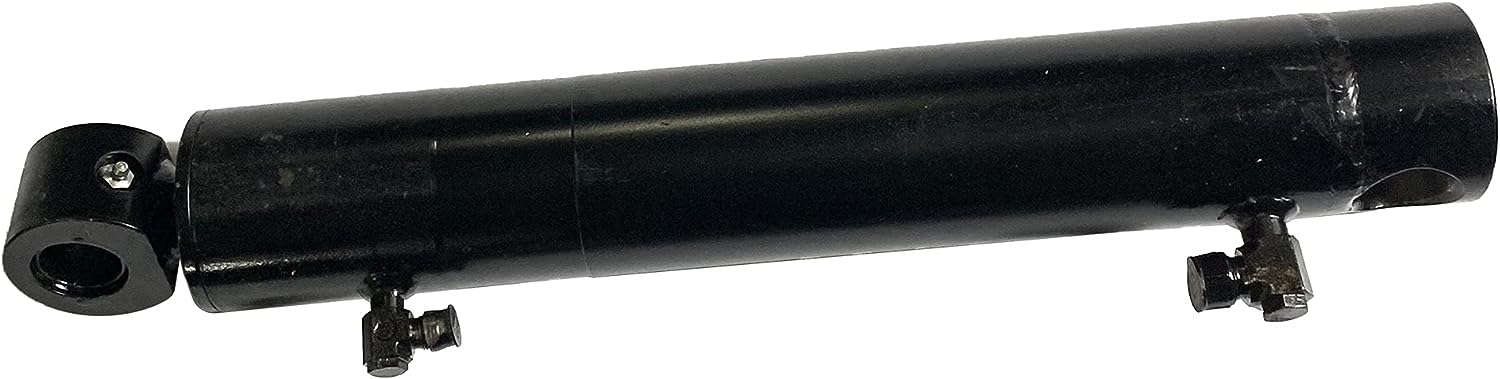
Can tilt cylinders be used in aerial work platforms for platform tilting?
Yes, tilt cylinders can be used in aerial work platforms for platform tilting. These cylinders play a crucial role in enabling safe and controlled tilting of the platform, providing several benefits that enhance the functionality and versatility of aerial work platforms. Here’s a detailed explanation:
- Platform Angle Adjustment: Tilt cylinders allow for precise adjustment of the platform angle in aerial work platforms. Operators can control the tilt angle of the platform, allowing for optimal positioning and alignment during work tasks. Whether it involves reaching specific heights, accessing hard-to-reach areas, or accommodating uneven surfaces, the ability to adjust the platform angle enhances the efficiency and effectiveness of work performed on aerial platforms.
- Stability and Safety: Tilt cylinders contribute to the stability and safety of aerial work platforms during platform tilting. They are designed to provide smooth and controlled movement, minimizing platform vibrations or sudden shifts that could compromise operator safety or stability. The cylinders work in conjunction with other safety features, such as stabilizers or outriggers, to ensure that the platform remains stable and secure during tilting operations.
- Load Distribution: Tilt cylinders assist in proper load distribution on the platform. By adjusting the tilt angle, operators can distribute the weight of equipment, tools, or materials more evenly across the platform. This balanced load distribution helps prevent excessive stress on the platform structure and components, enhancing overall stability and safety during work tasks.
- Operator Comfort and Ergonomics: Tilt cylinders contribute to operator comfort and ergonomics in aerial work platforms. By allowing platform tilting, operators can adjust the platform to a more comfortable working position. This reduces operator fatigue and strain, particularly during prolonged work tasks. The ability to customize the platform angle also improves visibility and accessibility, ensuring that operators can work efficiently and safely.
- Enhanced Functionality: Tilt cylinders add versatility and functionality to aerial work platforms. They enable the platform to adapt to various work scenarios and requirements. Whether it involves working on inclines, around obstacles, or at different elevations, the platform tilting capability provided by tilt cylinders allows for greater adaptability and operational flexibility.
- Integration with Control Systems: Tilt cylinders can be integrated with control systems in aerial work platforms. This integration enables precise and automated control of the platform tilting function. Operators can utilize control panels or joysticks to adjust the platform angle, ensuring accurate positioning and enhanced operational efficiency.
Therefore, tilt cylinders can be effectively utilized in aerial work platforms for platform tilting, offering benefits such as platform angle adjustment, stability and safety, load distribution optimization, operator comfort and ergonomics, enhanced functionality, and integration with control systems. These features contribute to the overall performance and usability of aerial work platforms, enabling operators to work efficiently and safely at elevated heights or challenging work environments.
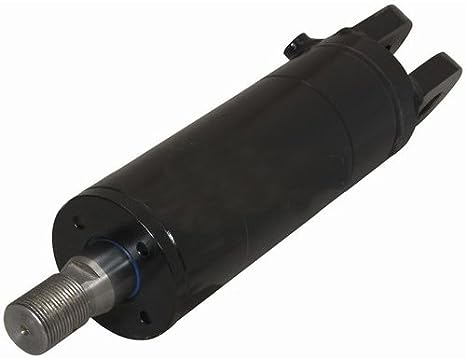
How does a tilt cylinder contribute to efficient and controlled tilting?
A tilt cylinder plays a crucial role in ensuring efficient and controlled tilting of heavy equipment. It incorporates several features and mechanisms that contribute to this functionality. Here’s a detailed explanation:
- Hydraulic Power: Tilt cylinders are typically powered by hydraulic systems, which provide the necessary force for tilting. Hydraulic power allows for smooth and controlled movement, enabling operators to precisely adjust the tilt angle of the equipment.
- Adjustable Force and Speed: Tilt cylinders offer adjustable force and speed, allowing operators to customize the tilting action based on the specific task or load requirements. By adjusting the hydraulic pressure or flow rate, operators can control the force exerted by the cylinder and the speed at which the tilting movement occurs. This flexibility ensures efficient and controlled tilting, regardless of the load or terrain conditions.
- Position Feedback: Many tilt cylinders incorporate position feedback mechanisms, such as position sensors or encoders, which provide real-time information about the cylinder’s tilt angle. This feedback enables precise positioning and control of the equipment, allowing operators to achieve the desired tilt angle accurately. It also ensures consistent and repeatable tilting performance, enhancing efficiency and productivity.
- Integrated Valves and Controls: Tilt cylinders often feature integrated valves and controls that enable operators to manipulate the tilting action conveniently. These valves regulate the flow of hydraulic fluid to the cylinder, allowing operators to control the direction and speed of the tilt. Integrated controls, such as joysticks or switches, provide intuitive operation and facilitate precise tilting adjustments.
- Stability and Load Management: Tilt cylinders are designed to maintain stability and manage loads during tilting operations. They are engineered to withstand the forces and stresses associated with heavy loads and dynamic movements. This ensures controlled tilting and minimizes the risk of instability or tipping, contributing to safe and efficient operation.
- Sealing and Lubrication: Tilt cylinders incorporate seals and lubrication systems to minimize friction and ensure smooth operation. Seals prevent leakage and contamination, maintaining the integrity of the hydraulic system. Proper lubrication of the cylinder’s moving parts reduces wear and tear, enabling efficient and controlled tilting over an extended period.
By leveraging hydraulic power, offering adjustable force and speed, providing position feedback, integrating valves and controls, ensuring stability and load management, and incorporating sealing and lubrication systems, tilt cylinders contribute to efficient and controlled tilting of heavy equipment. These features empower operators to perform tasks with precision, optimize productivity, and maintain safe working conditions.
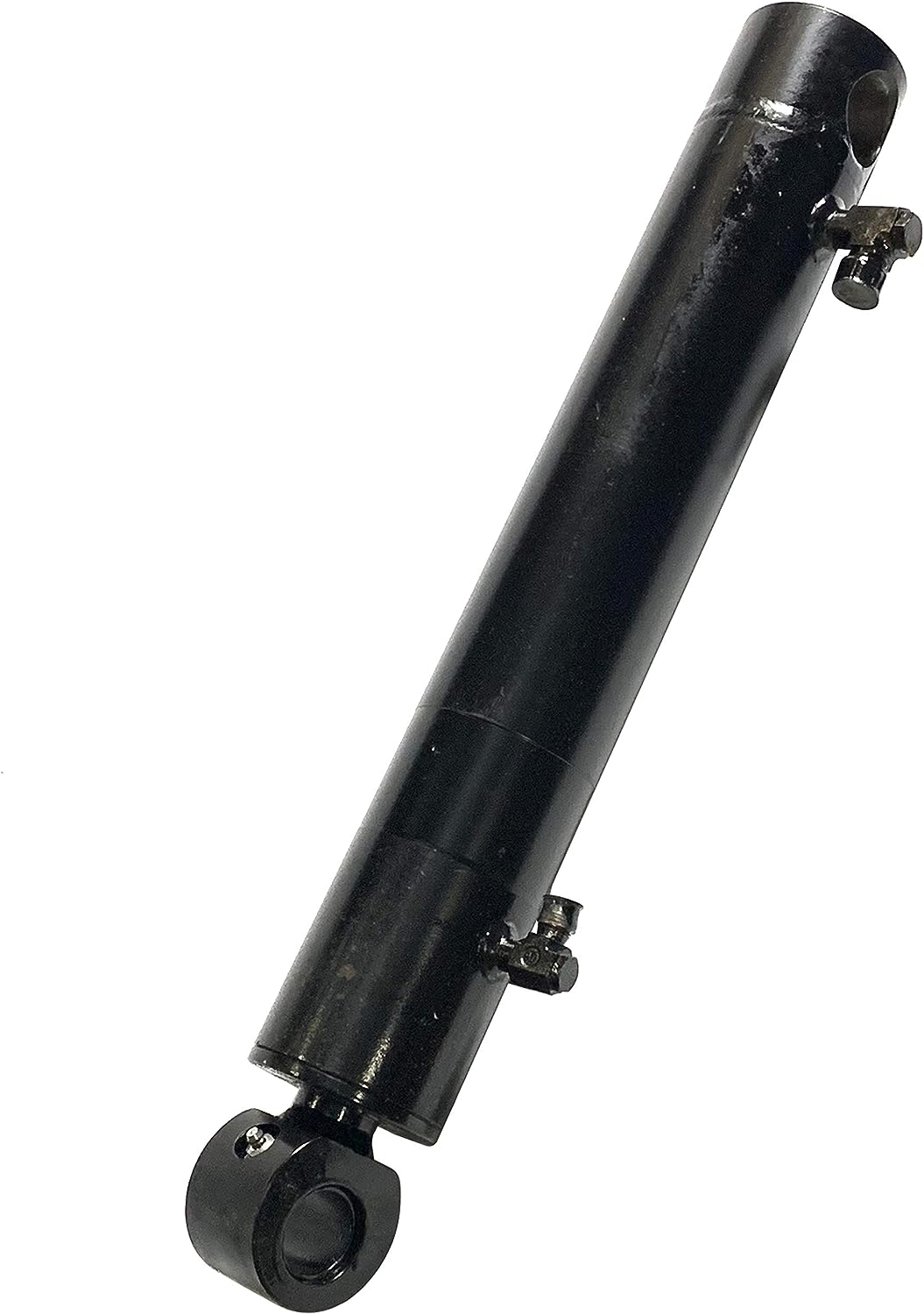
Pouvez-vous expliquer le rôle du fluide hydraulique dans un vérin d'inclinaison ?
Le fluide hydraulique joue un rôle crucial dans le fonctionnement d'un vérin d'inclinaison. C'est un milieu essentiel qui permet la transmission de la force et contrôle le mouvement du vérin. Voici une explication détaillée du rôle du fluide hydraulique dans un vérin d'inclinaison :
- Transmission de la force : Le fluide hydraulique transmet la force du système hydraulique au vérin d’inclinaison. Le système hydraulique pressurise le fluide, créant une pression hydraulique qui agit sur la surface du piston. Ce déséquilibre de pression génère une force qui déplace le piston et, par conséquent, étend ou rétracte la tige du vérin d’inclinaison. La force transmise par le fluide hydraulique permet l’inclinaison contrôlée du composant fixé sur les engins lourds.
- Contrôle du débit : Le fluide hydraulique contrôle le flux de force au sein du vérin d’inclinaison. Le système hydraulique utilise des distributeurs pour réguler le débit et la direction du fluide. En ajustant la position de ces distributeurs, l’opérateur peut contrôler la vitesse, la direction et l’amplitude du mouvement d’inclinaison. Ce mécanisme de contrôle du débit permet un positionnement et un réglage précis de l’élément incliné, en fonction des exigences spécifiques de la tâche.
- Régulation de la pression : Le fluide hydraulique permet également de réguler la pression à l’intérieur du vérin d’inclinaison. Le système hydraulique intègre des régulateurs de pression ou des soupapes de décharge afin de maintenir les niveaux de pression souhaités. Ces soupapes garantissent que la pression du fluide hydraulique reste dans la plage de fonctionnement sécuritaire, évitant ainsi une surpression susceptible d’endommager le vérin ou d’autres composants. La régulation de la pression contribue au fonctionnement sûr et efficace du vérin d’inclinaison.
- Lubrification et refroidissement : Le fluide hydraulique lubrifie le vérin d’inclinaison, réduisant ainsi le frottement entre les pièces mobiles. Cette lubrification minimise l’usure et prolonge la durée de vie du vérin. De plus, le fluide hydraulique absorbe et dissipe la chaleur générée pendant le fonctionnement, agissant comme un liquide de refroidissement. Une lubrification et un refroidissement efficaces contribuent aux performances et à la durabilité globales du vérin d’inclinaison.
- Étanchéité et protection contre la contamination : L’huile hydraulique contribue à préserver l’intégrité des joints hydrauliques du vérin d’inclinaison. Elle assure l’étanchéité entre le piston et la paroi du vérin, empêchant ainsi les fuites d’huile hydraulique. Elle fait également office de barrière, empêchant les contaminants tels que la poussière, les débris ou l’humidité de pénétrer dans le vérin et de l’endommager. Cette fonction d’étanchéité et de protection contre la contamination garantit le bon fonctionnement et la longévité du vérin d’inclinaison.
En résumé, le fluide hydraulique joue un rôle essentiel dans un vérin d'inclinaison. Il transmet la force, contrôle le débit et la pression, assure la lubrification et le refroidissement, garantit l'étanchéité du vérin et prévient toute contamination. Grâce à une utilisation optimale du fluide hydraulique, le vérin d'inclinaison permet une inclinaison contrôlée des composants des machines lourdes, assurant un fonctionnement précis et améliorant les performances et la fiabilité de l'équipement.


editor by CX 2024-02-23