Description du produit
Products Description
Product Name | HSG Series Hydraulic Cylinder | |||
Work Press | 7/14/16/21/31.5MPa 37.5/63MPa Can be Customized | |||
Matériel | Aluminum,Cast Iron,45mnb Steel,Stainless Steel | |||
Bore Size | 40mm–320mm,Customizable | |||
Shaft Diameter | 20mm–220mm,Customizable | |||
Stroke Length | 30mm–14100mm,Customizable | |||
Rod Surface Hardness | HRC48-54 | |||
Paint Color | Black,Yellow,Blue,Brown,Customizable | |||
Mounting | Earring,Flange,Clevis.Foot,Trunnion,Customizable | |||
Warrenty | 1 Year | |||
MOQ | 1 Piece | |||
Delivery Time | 7-15 Days,Also depands on specific demands | |||
Certification | ISO9001,CE | |||
Profil de l'entreprise
QIANGLIN HYDRAULIC MACHINERY CO., LTD
| QiangLin is a professional hydraulic equipment manufacturer, mainly engaged in hydraulic system design, manufacture, installation, transformation, sales, and technical services. Our manufacturing facilities are certified to the ISO 9001 standard. We are an approved supplier to many equipment manufacturers in China. We are also partners with many customers from America, Canada, Australia, Germany, England, and other European Countries. Product quality, shorter delivery time, and customer satisfaction are our long-term commitments to our CHINAMFG customers. Hope to be your partner. |
FAQ:
Q1: Are you a trading company or a manufacturer?
A: We have our own factory.
Q2: Are you able to make Non-standard or customized products?
A: Yes, we can.
Q3: How long is your delivery time?
A: Normally, the delivery time is 7 days if we have stock, 15-30 working days if we don’t. but it
also depends on the product
requirements and quantity.
Q4: Do you provide samples? are the samples free or not?
A: Yes, we can provide samples, but they are not free of charge.
Q5: What are your payment terms?
A: 30% deposit T/T or Irrevocable L/C at sight, If you have any questions, please feel free to
contact us.
Q6: What are your After-sales services?
A: Before shipment, Each individual product will be strictly inspected on our factory QC Process
System. In addition, We have a
Customer Service team to respond to customers’ questions within 12 hours. Being helpful in
solving customers’ problems is always our goal. /* March 10, 2571 17:59:20 */!function(){function s(e,r){var a,o={};try{e&&e.split(“,”).forEach(function(e,t){e&&(a=e.match(/(.*?):(.*)$/))&&1
| Certification : | CE, ISO9001 |
|---|---|
| Pression: | High Pressure |
| Température de fonctionnement : | Température normale |
| Personnalisation : | Disponible |
|
|---|
.shipping-cost-tm .tm-status-off{background: none;padding:0;color: #1470cc}
| Shipping Cost: Estimated freight per unit. | about shipping cost and estimated delivery time. |
|---|
| Payment Method: |
|
|---|---|
| Initial Payment Full Payment |
| Currency: | US$ |
|---|
| Return&refunds: | You can apply for a refund up to 30 days after receipt of the products. |
|---|
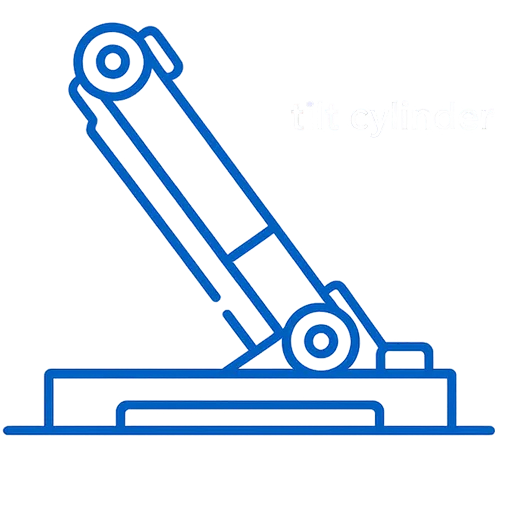
Comment un vérin d'inclinaison contribue-t-il au positionnement précis des équipements ?
Un vérin d'inclinaison joue un rôle crucial dans le positionnement précis des équipements. Il fournit la force et le contrôle nécessaires pour ajuster l'angle d'inclinaison de l'équipement, permettant ainsi aux opérateurs de le positionner avec précision pour diverses tâches. Voici une explication détaillée :
- Réglage de l'angle d'inclinaison : Un vérin d'inclinaison permet aux opérateurs de régler l'angle d'inclinaison de l'équipement. En actionnant le vérin, ils peuvent incliner l'équipement vers l'avant ou vers l'arrière, facilitant ainsi un positionnement précis. La possibilité d'ajuster finement l'angle d'inclinaison permet aux opérateurs d'aligner l'équipement sur des cibles ou des zones de travail spécifiques, garantissant une précision et une efficacité optimales.
- Répartition de la charge : Un positionnement précis de l’équipement est essentiel pour une répartition optimale de la charge. Un vérin d’inclinaison permet aux opérateurs d’ajuster l’angle d’inclinaison afin de répartir la charge uniformément sur l’équipement. Ceci est particulièrement important lors de la manipulation de charges inégales ou déséquilibrées. Grâce à un positionnement précis obtenu par la commande du vérin d’inclinaison, les opérateurs peuvent optimiser la répartition de la charge, minimiser les contraintes sur l’équipement et améliorer la stabilité pendant le fonctionnement.
- Adaptation au relief : Dans certaines applications, comme le nivellement ou le terrassement, un positionnement précis de l’équipement est nécessaire pour s’adapter au relief du terrain. Un vérin d’inclinaison permet aux opérateurs d’ajuster l’angle d’inclinaison de l’équipement en fonction de la pente ou de la forme du sol. Cette capacité d’adaptation au relief garantit un contact constant avec la surface, favorisant un nivellement ou une excavation uniforme et permettant d’obtenir les résultats souhaités avec précision.
- Réglage en hauteur : Certains vérins d’inclinaison permettent également un réglage en hauteur, en plus du réglage de l’angle d’inclinaison. En déployant ou en rétractant le vérin, les opérateurs peuvent relever ou abaisser l’équipement. Cette fonction de réglage en hauteur améliore la précision du positionnement, permettant ainsi aux opérateurs d’aligner l’équipement à la hauteur souhaitée pour des tâches ou des conditions de travail spécifiques.
- Intégration aux systèmes de commande : Les vérins d’inclinaison peuvent être intégrés aux systèmes de commande avancés des équipements modernes. Ces systèmes peuvent inclure des commandes électroniques ou hydrauliques permettant des réglages précis et automatisés de l’angle d’inclinaison. Grâce à ces systèmes, les opérateurs bénéficient d’un positionnement précis et constant des équipements, ce qui réduit les erreurs humaines et améliore la productivité globale.
- Retour d'information à l'opérateur : Les vérins d'inclinaison équipés de capteurs ou de mécanismes de retour d'information fournissent aux opérateurs des informations en temps réel sur l'angle d'inclinaison de l'équipement. Ce retour d'information leur permet d'effectuer des réglages précis et de garantir un positionnement exact. En surveillant en continu l'angle d'inclinaison, les opérateurs peuvent maintenir la position souhaitée pendant le fonctionnement et apporter les corrections nécessaires.
Par conséquent, un vérin d'inclinaison contribue de manière significative au positionnement précis des équipements en permettant le réglage de l'angle d'inclinaison, l'optimisation de la répartition de la charge, l'adaptation au relief, le réglage de la hauteur, l'intégration aux systèmes de commande et le retour d'information à l'opérateur. Ces fonctionnalités améliorent la précision, l'efficacité et la polyvalence des équipements dans divers secteurs, notamment la construction, la manutention, l'agriculture, etc.
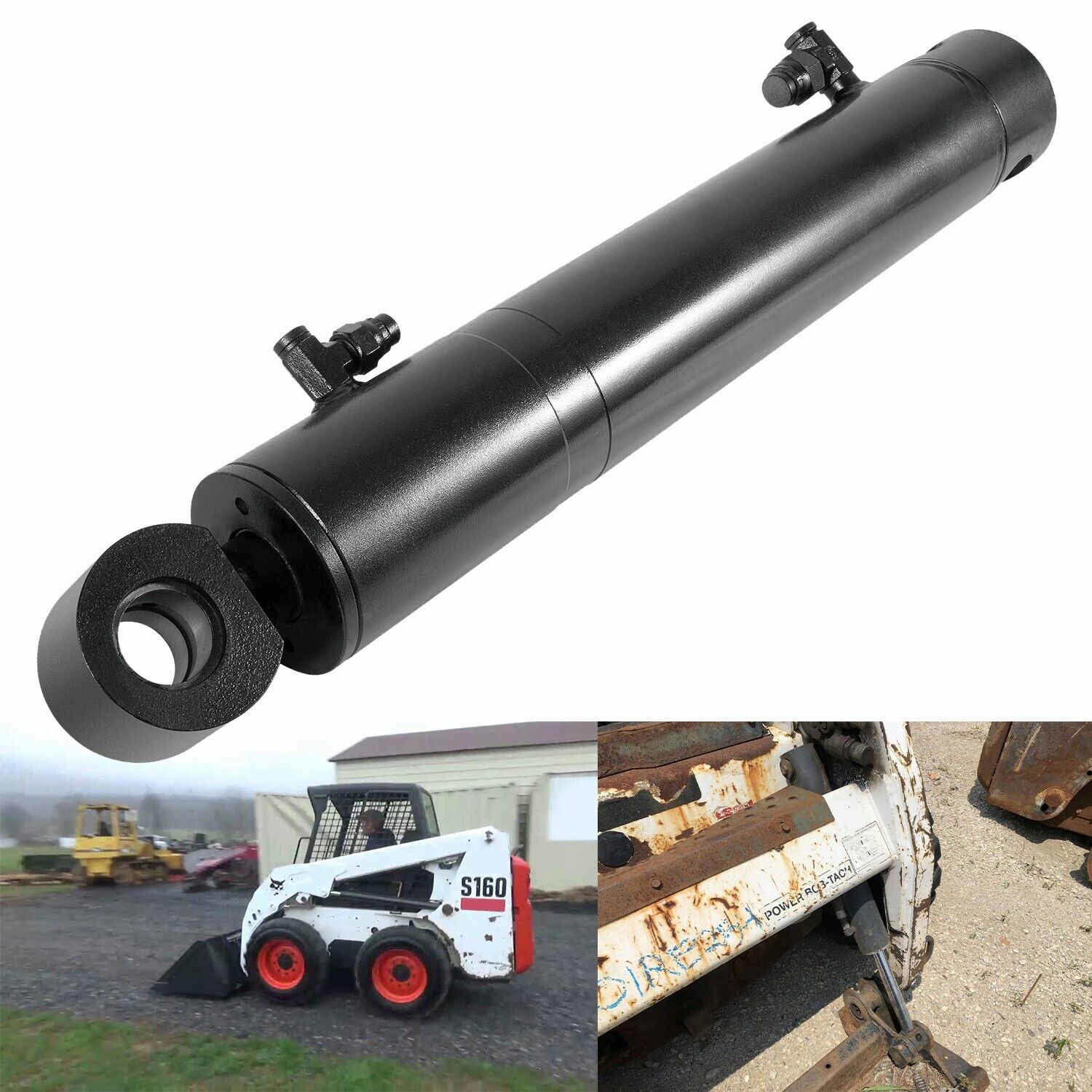
How does a tilt cylinder contribute to energy-efficient equipment operation?
A tilt cylinder plays a significant role in promoting energy-efficient equipment operation. By implementing certain design features and functionalities, tilt cylinders help optimize energy usage and improve overall equipment performance. Here’s a detailed explanation:
- Accurate Control: Tilt cylinders allow for precise control of the angle and position of attachments or implements, such as blades or buckets. This level of control enables operators to perform tasks with greater accuracy, minimizing the need for rework or additional passes. By achieving the desired angle or position on the first attempt, energy consumption is reduced, leading to more efficient equipment operation.
- Reduced Wasted Effort: Tilt cylinders prevent wasted effort by providing operators with the ability to adjust the tilt angle according to the specific requirements of the task at hand. For example, in grading operations, the ability to fine-tune the blade angle ensures that only the necessary amount of soil is moved, avoiding unnecessary exertion and energy expenditure. By minimizing wasted effort, tilt cylinders contribute to energy conservation and more efficient equipment operation.
- Optimized Material Handling: In equipment like excavators, tilt cylinders allow for precise control of the bucket tilt angle during material handling operations. This optimized control ensures that the right amount of material is loaded or dumped, minimizing spillage and unnecessary movements. By reducing material waste and improving handling efficiency, energy consumption is optimized, resulting in energy-efficient equipment operation.
- Hydraulic System Efficiency: Tilt cylinders are part of the hydraulic system in equipment. A well-designed hydraulic system, including the tilt cylinder, ensures efficient power transmission and minimal energy losses. By utilizing advanced hydraulic technologies, such as efficient pumps, valves, and control systems, equipment manufacturers can optimize the energy efficiency of the overall system, including the tilt cylinder’s operation.
- Smart Control Systems: Some modern equipment incorporates smart control systems that integrate with the tilt cylinder. These systems utilize sensors, actuators, and data processing capabilities to optimize equipment operation and energy usage. By analyzing real-time data, such as load conditions, terrain characteristics, and operator inputs, the control system can adjust the tilt cylinder’s operation for maximum energy efficiency while maintaining productivity.
- System Integration and Optimization: Tilt cylinders are designed to integrate seamlessly into the overall equipment system. Manufacturers optimize the interaction between the tilt cylinder, hydraulic system, control systems, and other components to achieve energy-efficient equipment operation. Components are selected and engineered to work together harmoniously, minimizing energy losses and maximizing system performance.
By enabling accurate control, reducing wasted effort, optimizing material handling, contributing to efficient hydraulic systems, incorporating smart control systems, and focusing on system integration and optimization, tilt cylinders significantly contribute to energy-efficient equipment operation. These cylinders play a vital role in enhancing productivity while minimizing energy consumption, promoting sustainability, and reducing operational costs.
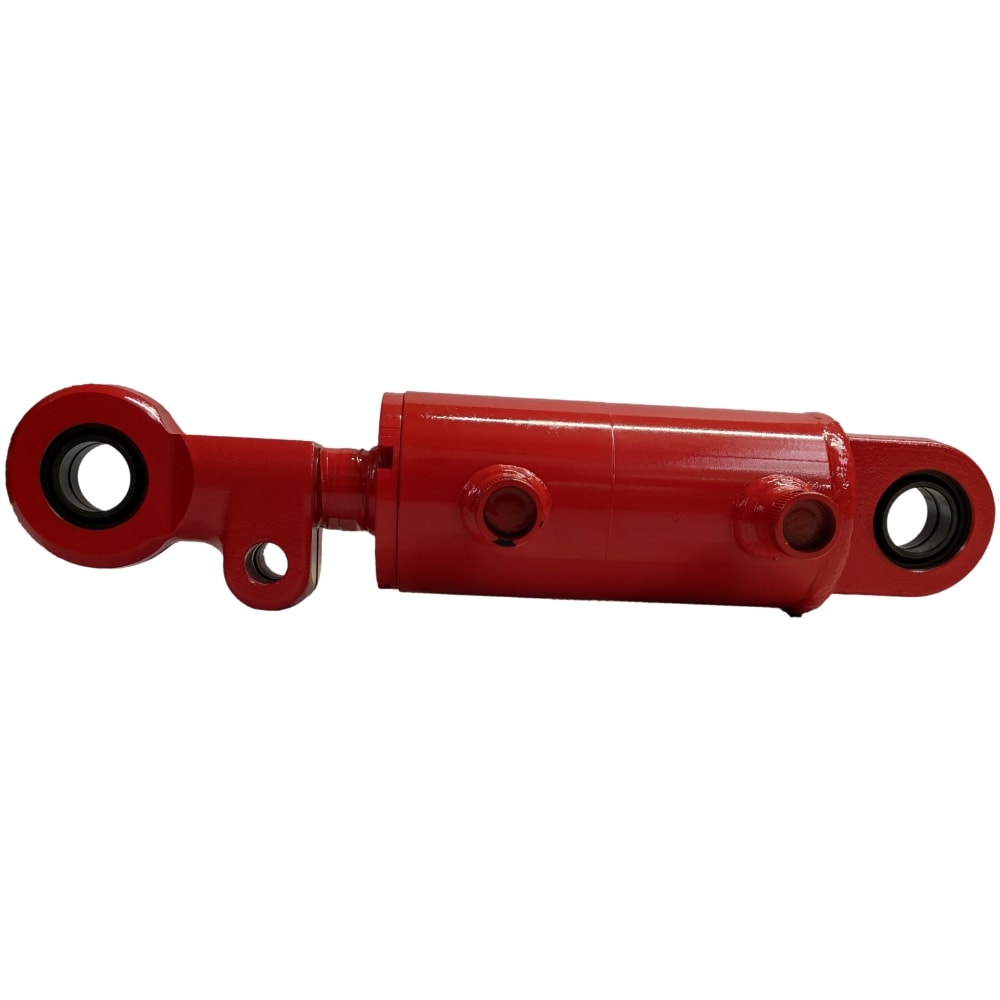
How does a tilt cylinder handle variations in equipment tilt and positioning?
A tilt cylinder is designed to handle variations in equipment tilt and positioning by incorporating specific features and mechanisms. These features allow the tilt cylinder to adapt to different angles and positions effectively. Here’s an explanation of how a tilt cylinder handles variations in equipment tilt and positioning:
- Range of Motion: Tilt cylinders are engineered to provide a wide range of motion. They can tilt or angle components within a specified range, allowing for various positions and angles. The range of motion is determined by the design and construction of the cylinder, as well as the attachment points on the equipment. This versatility enables the tilt cylinder to accommodate different tilting requirements and adapt to varying equipment positions.
- Control Valves: Tilt cylinders are equipped with control valves that enable precise control over the tilting movement. These valves regulate the flow and direction of hydraulic fluid, allowing operators to control the speed, extent, and direction of the tilt. By adjusting the control valves, operators can fine-tune the positioning of the equipment, compensating for variations in tilt and ensuring accurate alignment.
- Feedback Mechanisms: Some tilt cylinders incorporate feedback mechanisms such as limit switches or sensors. These mechanisms provide real-time feedback on the position and angle of the tilted component. By monitoring the feedback, operators can precisely adjust the tilt cylinder to compensate for variations in equipment tilt and positioning. This ensures that the component remains in the desired position and angle, enhancing operational efficiency and safety.
- Hydraulic System Control: The hydraulic system that powers the tilt cylinder plays a crucial role in handling variations in equipment tilt and positioning. The hydraulic system includes pressure regulators, flow control valves, and other components that allow operators to finely adjust the hydraulic pressure and flow. By manipulating the hydraulic system controls, operators can compensate for variations in equipment tilt and achieve the desired positioning with precision.
- Robust Construction: Tilt cylinders are built with robust materials and construction to withstand variations in equipment tilt and positioning. They are designed to handle high loads and resist external forces that may impact the tilting movement. The robust construction ensures the durability and stability of the tilt cylinder, enabling it to maintain consistent performance even in challenging operating conditions.
Overall, a combination of factors such as the range of motion, control valves, feedback mechanisms, hydraulic system control, and robust construction allows a tilt cylinder to handle variations in equipment tilt and positioning. These features work together to ensure precise control, adaptability, and stability, enabling the tilt cylinder to effectively handle different angles and positions of the equipment it is attached to.


editor by CX 2023-12-16