Description du produit
Description du produit
| Model NO. | MNM-13327 | Brand | H2000 CPCD35 (RH) |
| Product Name | Cylindre d'inclinaison | Color | Silver |
| OEM | HRD05A8501/D05A8-50011 | Matériel | Steel |
| Specification | Please Consult | Net Weight | 10.44 kg |
| Trademark | Min Nan Min | Transport Package | Carton Packing |
| Origin | ZheJiang , China | HS Code | 8431209000 |
We have a wide range of products for many brands, including Heli, Hangcha, Xiagong, Toyota, BYD, Tailift, Nissan, Komatsu, Mitsubishi, TCM and so on. The quality of all our products is very good, please find us to order !
Our catalogue:
Profil de l'entreprise
Our company has a strong and experienced R&D team, continuously introducing advanced production technology and equipment to improve the performance and quality of products. At the same time, we have established long-term and stable cooperative relationships with many CHINAMFG forklift brands to ensure product compatibility and adaptability.
FAQ
Q: How about your MOQ?
A: Special cases can be treated specially.
Q: Do you offer customization service?
A: Yes, we can printing your brand (logo, artwork)on the products or laser engraving your brand. Samples for development are also warmly welcomed. We have rich experience in developing and modifying it.
Q: Which payment method does your company support?
A: T/T is preferred. The payment method is flexible and changeable, and we can discuss the specific situation in detail according to the order. We will do our best to meet your needs.
Q: How about the delivery time?
A: Generally, 1-3 days for normal products and 30 days for customization products.
Q: How to confirm a spare part ?
A: Usually, there are the following steps to confirm a spare part:
(1) Send us the information you have (OEM numbers, photos, specifications, forklift models, etc.)
(2) Quote and send you photos and other details for confirmation.
(3) Discuss about all details you want to know (packing, delivery terms, etc. )
Q: Do you provide sample?
A: We provide sample, but need customers to pay the cost.
Q: What are the advantages of your company?
A: After more than 20 years of development, we now have a lot of products besides our own factory products. Our products cover a very wide range and have a very rich inventory. In addition, our products also support customization, which can meet the needs of different customers. And the shipping speed is also very fast.
/* May 10, 2571 16:49:51 */!function(){function d(e,r){var a,o={};try{e&&e.split(“,”).forEach(function(e,t){e&&(a=e.match(/(.*?):(.*)$/))&&1
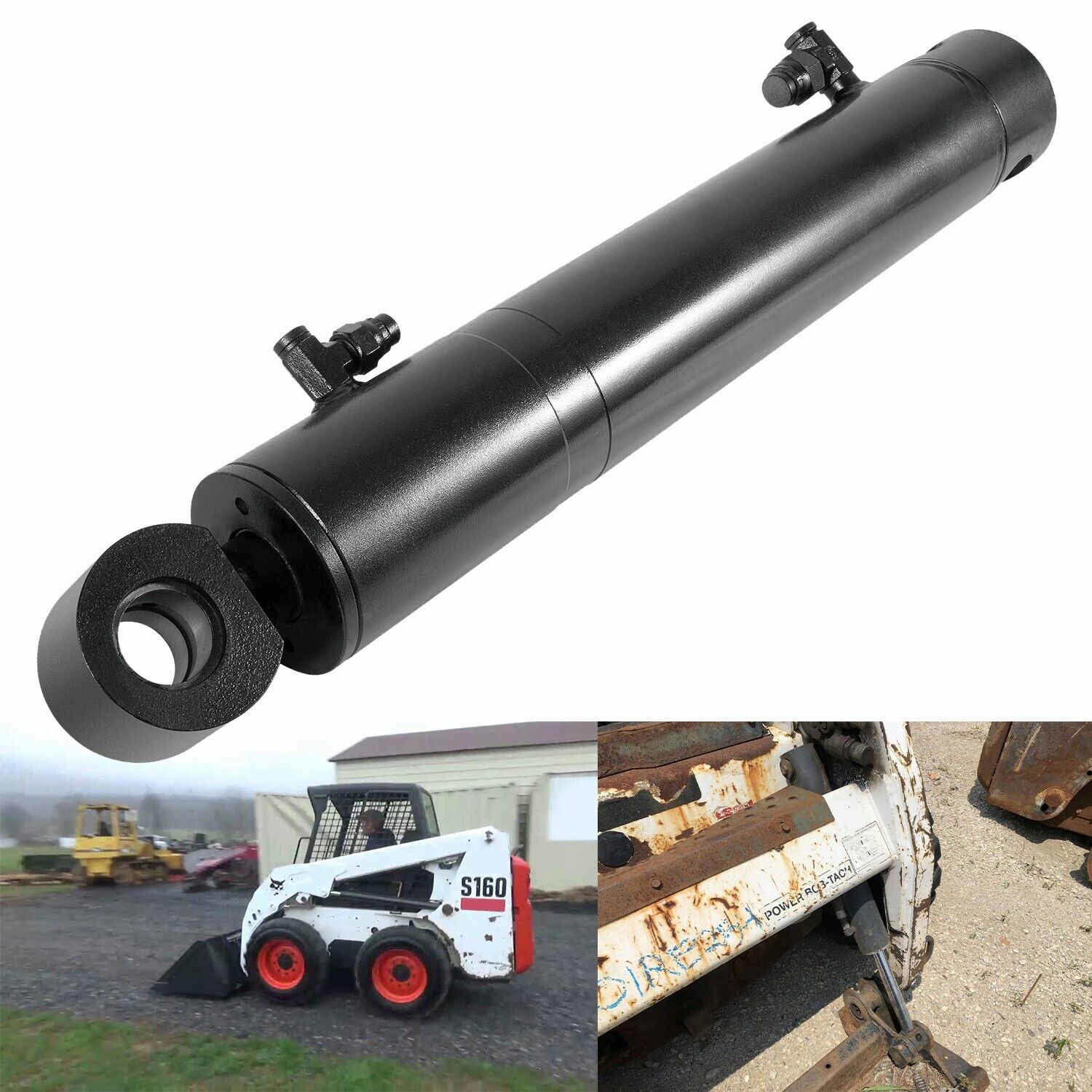
Comment un vérin d'inclinaison contribue-t-il au positionnement précis des équipements ?
Un vérin d'inclinaison joue un rôle crucial dans le positionnement précis des équipements. Il fournit la force et le contrôle nécessaires pour ajuster l'angle d'inclinaison de l'équipement, permettant ainsi aux opérateurs de le positionner avec précision pour diverses tâches. Voici une explication détaillée :
- Réglage de l'angle d'inclinaison : Un vérin d'inclinaison permet aux opérateurs de régler l'angle d'inclinaison de l'équipement. En actionnant le vérin, ils peuvent incliner l'équipement vers l'avant ou vers l'arrière, facilitant ainsi un positionnement précis. La possibilité d'ajuster finement l'angle d'inclinaison permet aux opérateurs d'aligner l'équipement sur des cibles ou des zones de travail spécifiques, garantissant une précision et une efficacité optimales.
- Répartition de la charge : Un positionnement précis de l’équipement est essentiel pour une répartition optimale de la charge. Un vérin d’inclinaison permet aux opérateurs d’ajuster l’angle d’inclinaison afin de répartir la charge uniformément sur l’équipement. Ceci est particulièrement important lors de la manipulation de charges inégales ou déséquilibrées. Grâce à un positionnement précis obtenu par la commande du vérin d’inclinaison, les opérateurs peuvent optimiser la répartition de la charge, minimiser les contraintes sur l’équipement et améliorer la stabilité pendant le fonctionnement.
- Adaptation au relief : Dans certaines applications, comme le nivellement ou le terrassement, un positionnement précis de l’équipement est nécessaire pour s’adapter au relief du terrain. Un vérin d’inclinaison permet aux opérateurs d’ajuster l’angle d’inclinaison de l’équipement en fonction de la pente ou de la forme du sol. Cette capacité d’adaptation au relief garantit un contact constant avec la surface, favorisant un nivellement ou une excavation uniforme et permettant d’obtenir les résultats souhaités avec précision.
- Réglage en hauteur : Certains vérins d’inclinaison permettent également un réglage en hauteur, en plus du réglage de l’angle d’inclinaison. En déployant ou en rétractant le vérin, les opérateurs peuvent relever ou abaisser l’équipement. Cette fonction de réglage en hauteur améliore la précision du positionnement, permettant ainsi aux opérateurs d’aligner l’équipement à la hauteur souhaitée pour des tâches ou des conditions de travail spécifiques.
- Intégration aux systèmes de commande : Les vérins d’inclinaison peuvent être intégrés aux systèmes de commande avancés des équipements modernes. Ces systèmes peuvent inclure des commandes électroniques ou hydrauliques permettant des réglages précis et automatisés de l’angle d’inclinaison. Grâce à ces systèmes, les opérateurs bénéficient d’un positionnement précis et constant des équipements, ce qui réduit les erreurs humaines et améliore la productivité globale.
- Retour d'information à l'opérateur : Les vérins d'inclinaison équipés de capteurs ou de mécanismes de retour d'information fournissent aux opérateurs des informations en temps réel sur l'angle d'inclinaison de l'équipement. Ce retour d'information leur permet d'effectuer des réglages précis et de garantir un positionnement exact. En surveillant en continu l'angle d'inclinaison, les opérateurs peuvent maintenir la position souhaitée pendant le fonctionnement et apporter les corrections nécessaires.
Par conséquent, un vérin d'inclinaison contribue de manière significative au positionnement précis des équipements en permettant le réglage de l'angle d'inclinaison, l'optimisation de la répartition de la charge, l'adaptation au relief, le réglage de la hauteur, l'intégration aux systèmes de commande et le retour d'information à l'opérateur. Ces fonctionnalités améliorent la précision, l'efficacité et la polyvalence des équipements dans divers secteurs, notamment la construction, la manutention, l'agriculture, etc.
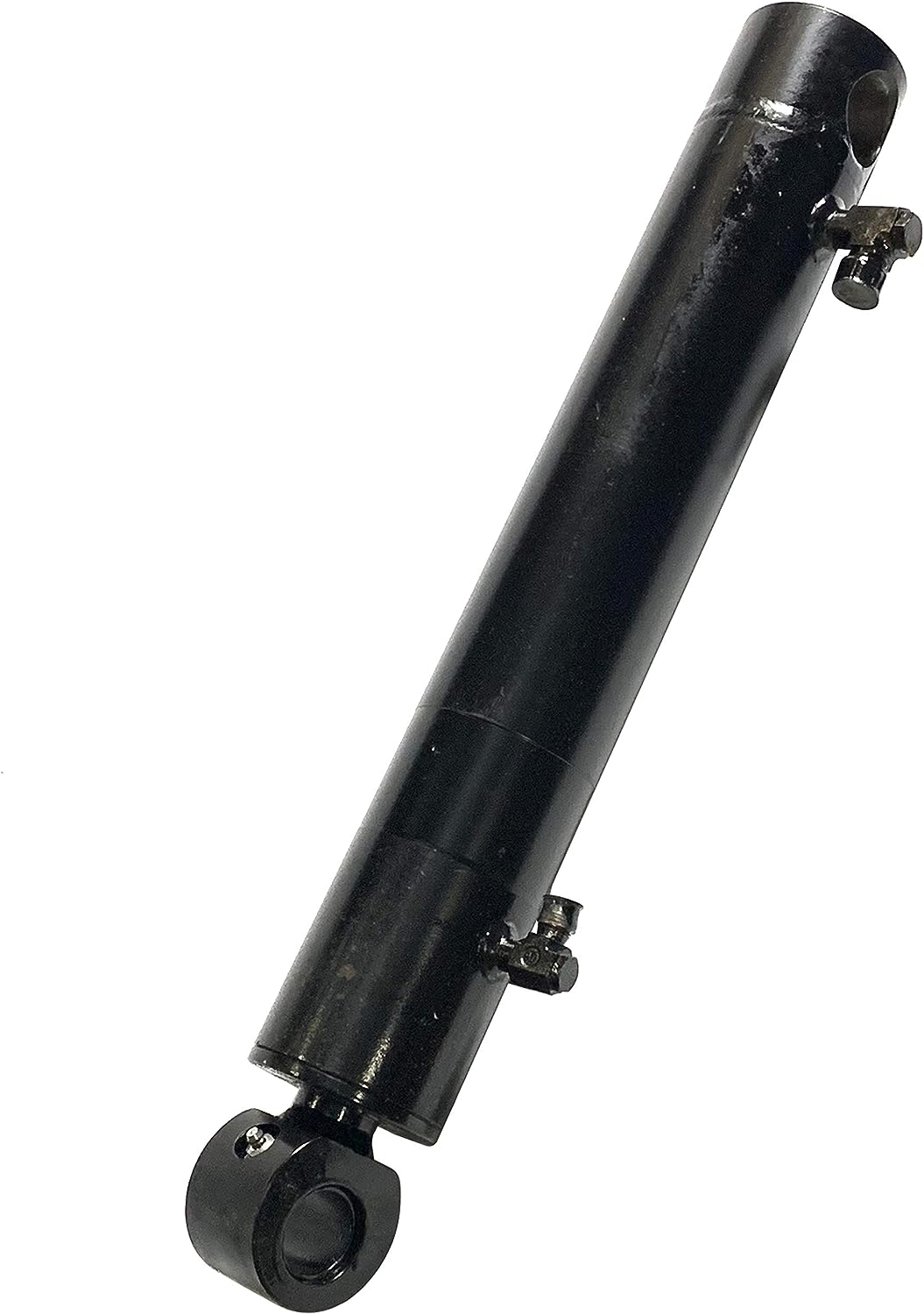
Can tilt cylinders be used in both mobile and stationary machinery?
Yes, tilt cylinders can be used in both mobile and stationary machinery. They are versatile components that find application in various types of equipment across different industries. Here’s a detailed explanation:
- Mobile Machinery: Tilt cylinders are commonly used in mobile machinery, such as construction equipment, agricultural machinery, mining vehicles, and forestry equipment. In these applications, tilt cylinders enable the adjustment of attachments or implements, allowing operators to achieve the desired angle or position. For example, in construction excavators, tilt cylinders enable the tilting of the bucket to precisely control the excavation or material handling process. The ability to tilt attachments enhances the versatility and performance of mobile machinery in different job site conditions.
- Stationary Machinery: Tilt cylinders are also utilized in stationary machinery, including industrial presses, material handling systems, hydraulic presses, and waste compactors. In these applications, tilt cylinders provide controlled tilting or positioning of components or workpieces. For instance, in industrial presses, tilt cylinders facilitate the tilting of the press bed or ram, enabling precise alignment and adjustment for various manufacturing processes. Stationary machinery benefits from tilt cylinders by enhancing operational efficiency, accuracy, and adaptability to different work requirements.
- Interchangeability: One of the advantages of tilt cylinders is their interchangeability between different types of machinery. Tilt cylinders are typically designed to be easily attached and detached, allowing for convenient installation and removal. This interchangeability enables equipment manufacturers and operators to utilize tilt cylinders across a range of machinery, providing flexibility and cost-effectiveness.
- Customization: Tilt cylinders can be customized to suit specific mobile or stationary machinery requirements. Manufacturers can design and manufacture tilt cylinders with varying force capacities, stroke lengths, mounting options, and other specifications to meet the unique needs of different equipment. This customization ensures optimal performance and compatibility with diverse machinery applications.
- Industry Applications: Tilt cylinders find applications in a wide range of industries, including construction, agriculture, mining, forestry, manufacturing, waste management, and more. Their versatility makes them suitable for different equipment types, such as excavators, loaders, dozers, cranes, presses, and compactors. Tilt cylinders contribute to improved functionality, productivity, and safety in these industries, irrespective of whether the machinery is mobile or stationary.
Therefore, tilt cylinders are adaptable components that can be used in both mobile and stationary machinery. Their versatility, interchangeability, customization options, and wide industry applications make them valuable for achieving controlled tilting and enhancing performance in various equipment types.
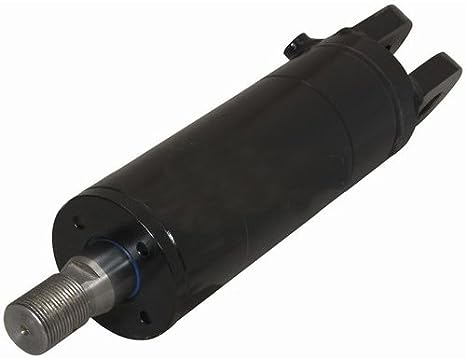
What are the components and features of a tilt cylinder?
A tilt cylinder consists of several components and features that contribute to its functionality and performance. These components work together to enable controlled tilting or angling of components in heavy machinery. Here are the key components and features of a tilt cylinder:
- Cylinder Body: The cylinder body forms the main structure of the tilt cylinder. It houses the piston and provides support and stability during operation. The cylinder body is typically made of durable materials, such as steel, to withstand high loads and harsh operating conditions.
- Piston: The piston is a cylindrical component that divides the cylinder body into two chambers: the rod side and the head side. It is responsible for generating the necessary force to move the rod and perform the tilting action. The piston is sealed to prevent hydraulic fluid leakage between the chambers.
- Rod: The rod is attached to the piston and extends outside the cylinder body. It is connected to the component being tilted, such as a bucket or blade, in heavy machinery. The rod transfers the force generated by the piston to the attached component, causing the desired tilting movement.
- Hydraulic Seals: Hydraulic seals are critical components that ensure the proper functioning of the tilt cylinder. They prevent hydraulic fluid leakage and maintain the separation between the rod side and the head side of the cylinder. Common types of hydraulic seals used in tilt cylinders include piston seals, rod seals, and wiper seals.
- Hydraulic Fluid Ports: The tilt cylinder is connected to a hydraulic system through hydraulic fluid ports. These ports allow hydraulic fluid to enter and exit the cylinder, creating the necessary pressure and flow to control the tilting movement. The hydraulic fluid ports are typically equipped with fittings or connectors for secure attachment to the hydraulic system.
- Control Valves: Control valves play a crucial role in regulating the flow and pressure of hydraulic fluid within the tilt cylinder. They are part of the hydraulic system and allow the operator to control the speed, direction, and extent of the tilting movement. Control valves enable precise positioning and adjustment of the tilted component.
- Limit Switches or Sensors: Tilt cylinders may include limit switches or sensors to provide feedback on the position and angle of the tilted component. These safety features help prevent over-tilting or unintended movement, ensuring safe operation and protecting both the machinery and operators.
The features and components of a tilt cylinder are designed to withstand high loads, provide precise control, and ensure reliable and safe operation. The robust construction, hydraulic seals, hydraulic fluid ports, control valves, and safety features make tilt cylinders capable of performing controlled tilting actions in heavy machinery applications.
In summary, a tilt cylinder comprises key components such as the cylinder body, piston, rod, hydraulic seals, hydraulic fluid ports, control valves, and may incorporate safety features like limit switches or sensors. These components and features work together to enable the controlled tilting or angling of components, enhancing the versatility and functionality of heavy machinery.
<img src="https://img.jiansujichilun.com/img/hydrauliccylinders/hydrauliccylinders-l1.webp" alt="China Good quality Forklift Parts Tilt Cylinder for H2000 Cpcd35 (RH) Hrd05A8501/D05A8-50011 vacuum pump and compressor “><img src="https://img.jiansujichilun.com/img/hydrauliccylinders/hydrauliccylinders-l2.webp" alt="China Good quality Forklift Parts Tilt Cylinder for H2000 Cpcd35 (RH) Hrd05A8501/D05A8-50011 vacuum pump and compressor “>
editor by Dream 2024-10-11