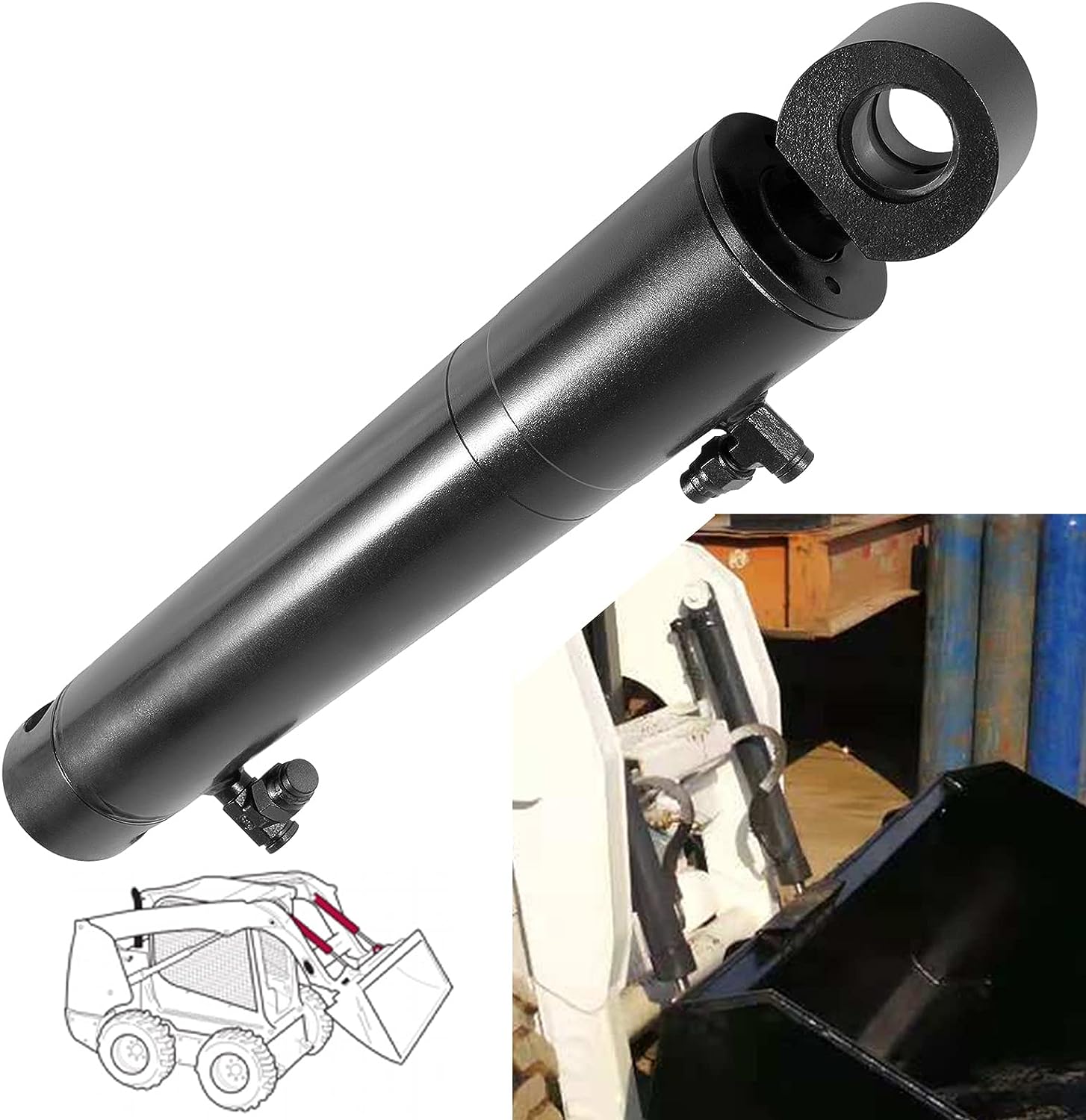
Description du produit
Specifications:
| Product Name | HSG Series Hydraulic Cylinder |
| Work Press | 7/14/16/21/31.5MPa 37.5/63MPa Can be Customized |
| Matériel | Aluminum, Cast Iron,45mnb Steel, Stainless Steel |
| Bore Size | 40mm–320mm, Customizable |
| Shaft Diameter | 20mm–220mm, Customizable |
| Stroke Length | 30mm–14100mm, Customizable |
| Rod Surface Hardness | HRC48-54 |
| Operating Temperature | -40°C to +120 °C |
| Paint Color | Black, Yellow, Blue, Brown, Customizable |
| Service | OEM&ODM |
| Warranty | 1 Year |
| MOQ | 1 Piece |
| Delivery Time | 7-15 Days, Also depending on specific demands |
| Certification | ISO9001,CE |
| Capacity | 50,000Pcs per year |
Product Display:
Mounting:
Working Flow: About Us
Tongte designs and manufactures durable, heavy-duty hydraulic products and accessories and offers lifecycle services to them. We constantly develop our machine base and operations to meet customer-specific needs and remain leaders in the industry. Beyond all else, we want to be the trusted, groundbreaking partner our customers truly need.
In addition to the customized cylinders, CHINAMFG offers hydraulic power units, Electric-Hydraulic linear actuators, piston accumulators, system configurations, and versatile services such as repair and manufacturing services. The modern production facilities are located in HangZhou, ZheJiang (China) where production started in 2001. The core values of Tongke guiding its business strongly are commitment, sustainability, interaction, and customer-first.
We possess over 20 years of experience in the industry and extensive global market experience, our customers are located all over the world, and we truly commit to the customers’ needs – these are the success factors of our family-owned company. Our vision is to grow and expand the business further into global markets.
FAQ:
Q1: What does your company do?
A: we are a supplier of high-quality hydraulic products including Hydraulic Cylinders, Hydraulic Power packs, Hydraulic Linear, and other Hydraulic components.
Q2:Are you a manufacturer or trading company?
A: We are a manufacturer.
Q3:Are you able to make Non-standard or customized products?
A: Yes, we can.
Q3: How long is your delivery time?
A: Normally, the delivery time is 7 days if we have stock, and 15-30 working days if we don’t. but it
also depends on the product
requirements and quantity.
Q4: Do you provide samples? are the samples free or not?
A: Yes, we can provide samples, but they are not free of charge.
Q5: What are your payment terms?
A: 30% deposit T/T or Irrevocable L/C at sight, If you have any questions, please feel free to
contact us.
Q6: What is your warranty policy?
A: All our products are warranted for 1 full year from the date of delivery against defects in materials and workmanship. Each individual product will be strictly inspected on our factory QC Process
System before shipment. We also have a Customer Service team to respond to customers’ questions within 12 hours. /* March 10, 2571 17:59:20 */!function(){function s(e,r){var a,o={};try{e&&e.split(“,”).forEach(function(e,t){e&&(a=e.match(/(.*?):(.*)$/))&&1
| Certification : | ISO9001 |
|---|---|
| Pression: | High Pressure |
| Température de fonctionnement : | Température normale |
| Manière d'agir : | Double jeu |
| Méthode de travail : | Voyage direct |
| Forme ajustée : | Type réglementé |
| Personnalisation : | Disponible |
|
|---|
How does a tilt cylinder handle variations in hydraulic pressure and flow rate?
A tilt cylinder is designed to handle variations in hydraulic pressure and flow rate effectively. It incorporates specific features and mechanisms that allow it to operate reliably under different hydraulic conditions. Here’s a detailed explanation:
- Pressure Compensation: Tilt cylinders are equipped with pressure compensation mechanisms to handle variations in hydraulic pressure. These mechanisms ensure that the cylinder can function properly even when the hydraulic system experiences fluctuations in pressure. The pressure compensation feature allows the cylinder to maintain consistent force and performance, regardless of the changes in hydraulic pressure.
- Flow Control: Tilt cylinders are designed to accommodate variations in hydraulic flow rate. They have internal passages and ports that allow the hydraulic fluid to flow into and out of the cylinder. The cylinder’s design ensures that it can handle different flow rates without compromising its functionality. Whether the hydraulic flow rate is high or low, the tilt cylinder can adjust accordingly and provide the necessary force and control for load manipulation.
- Sealing Mechanisms: Tilt cylinders incorporate sealing mechanisms to prevent leakage and maintain hydraulic integrity. These seals are designed to withstand variations in pressure and flow rate, ensuring that the hydraulic fluid remains contained within the cylinder. The seals also help maintain the required pressure within the cylinder, allowing it to operate efficiently and effectively, regardless of the hydraulic conditions.
- Internal Design: The internal design of a tilt cylinder takes into account variations in hydraulic pressure and flow rate. The cylinder’s internal components, such as piston, rod, and cylinder barrel, are engineered to withstand different hydraulic conditions. They are designed to handle the forces exerted by varying pressure and flow rates, ensuring smooth operation and longevity of the cylinder.
- Hydraulic System Compatibility: Tilt cylinders are designed to be compatible with the hydraulic systems of the equipment they are installed in. Manufacturers ensure that the cylinders can handle the expected pressure and flow rate ranges of the hydraulic system. This compatibility allows for seamless integration and optimal performance, even when there are variations in hydraulic conditions.
- Quality Control and Testing: Tilt cylinders undergo rigorous quality control measures and testing during the manufacturing process. These measures ensure that the cylinders can handle variations in hydraulic pressure and flow rate within specified tolerances. Manufacturers test the cylinders under different hydraulic conditions to verify their performance, reliability, and ability to handle variations in pressure and flow.
By incorporating pressure compensation mechanisms, flow control features, sealing mechanisms, robust internal design, hydraulic system compatibility, and thorough quality control, tilt cylinders are capable of handling variations in hydraulic pressure and flow rate. These cylinders provide reliable and consistent performance, regardless of the hydraulic conditions, ensuring smooth and efficient operation in material handling and construction equipment.
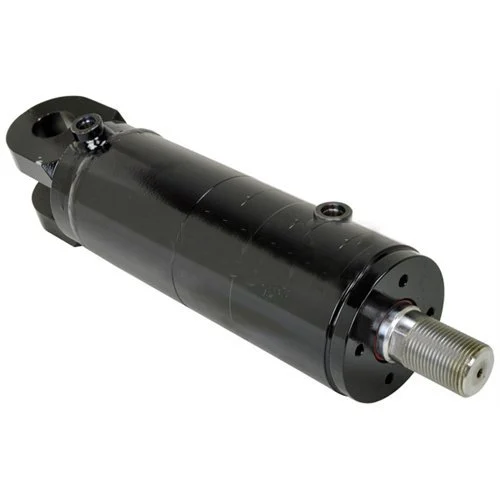
Les vérins d'inclinaison peuvent-ils être réparés ou remplacés lorsqu'ils sont endommagés ?
Oui, les vérins d'inclinaison peuvent être réparés ou remplacés en cas de dommages. La réparation ou le remplacement des vérins d'inclinaison endommagés est une pratique courante pour rétablir leur fonctionnement et garantir la sécurité des machines et équipements. Voici une explication détaillée :
- Réparation : Dans de nombreux cas, les vérins d’inclinaison peuvent être réparés lorsqu’ils sont endommagés. L’étendue des dégâts et la disponibilité des pièces de rechange sont des facteurs déterminants pour la faisabilité de la réparation. Des techniciens qualifiés ou des spécialistes en hydraulique peuvent évaluer les dégâts et effectuer les réparations, qui peuvent inclure le remplacement des joints, des tiges ou d’autres composants endommagés. La réparation d’un vérin d’inclinaison peut s’avérer une solution économique par rapport à son remplacement complet.
- Remplacement : Si le vérin d’inclinaison est gravement endommagé, irréparable ou si les pièces de rechange nécessaires sont indisponibles, son remplacement peut s’avérer nécessaire. Les vérins d’inclinaison sont généralement conçus pour un démontage et un remplacement faciles. Le vérin endommagé peut être déconnecté de l’équipement et remplacé par un vérin neuf ou reconditionné. Les vérins de remplacement doivent être compatibles avec les spécifications et les exigences de fonctionnement de l’équipement.
- Assistance professionnelle : La réparation ou le remplacement des vérins d’inclinaison requiert souvent des connaissances et des compétences spécialisées. Il est recommandé de faire appel à des techniciens hydrauliques ou à des prestataires de services agréés, experts en réparation de systèmes hydrauliques. Ils pourront diagnostiquer précisément le problème, recommander la solution appropriée et s’assurer que le vérin d’inclinaison réparé ou remplacé est conforme aux spécifications et normes de sécurité requises.
- Pratiques d'entretien : Un entretien régulier, comprenant des inspections, un nettoyage et une lubrification de routine, permet de prévenir les dommages importants aux vérins d'inclinaison. Le diagnostic et la résolution rapides des problèmes mineurs prolongent la durée de vie du vérin et réduisent le risque de dommages majeurs. Le respect des recommandations du fabricant en matière d'entretien et d'utilisation contribue à la longévité et à la fiabilité des vérins d'inclinaison.
- Pièces de rechange de qualité : Lors du remplacement de vérins d’inclinaison endommagés, il est essentiel d’utiliser des pièces de rechange de haute qualité. Les pièces d’origine ou les composants recommandés par le fabricant d’équipement d’origine (OEM) garantissent la compatibilité et des performances optimales. L’utilisation de pièces de qualité inférieure ou incompatibles peut compromettre le fonctionnement et la sécurité de l’équipement.
Qu’il s’agisse de réparation ou de remplacement, la prise en charge des vérins d’inclinaison endommagés est essentielle pour garantir l’efficacité, la sécurité et la longévité des machines et équipements. Un entretien régulier et une intervention rapide en cas de dommages ou d’usure contribuent à prolonger la durée de vie des vérins d’inclinaison et à assurer le bon fonctionnement des systèmes hydrauliques.
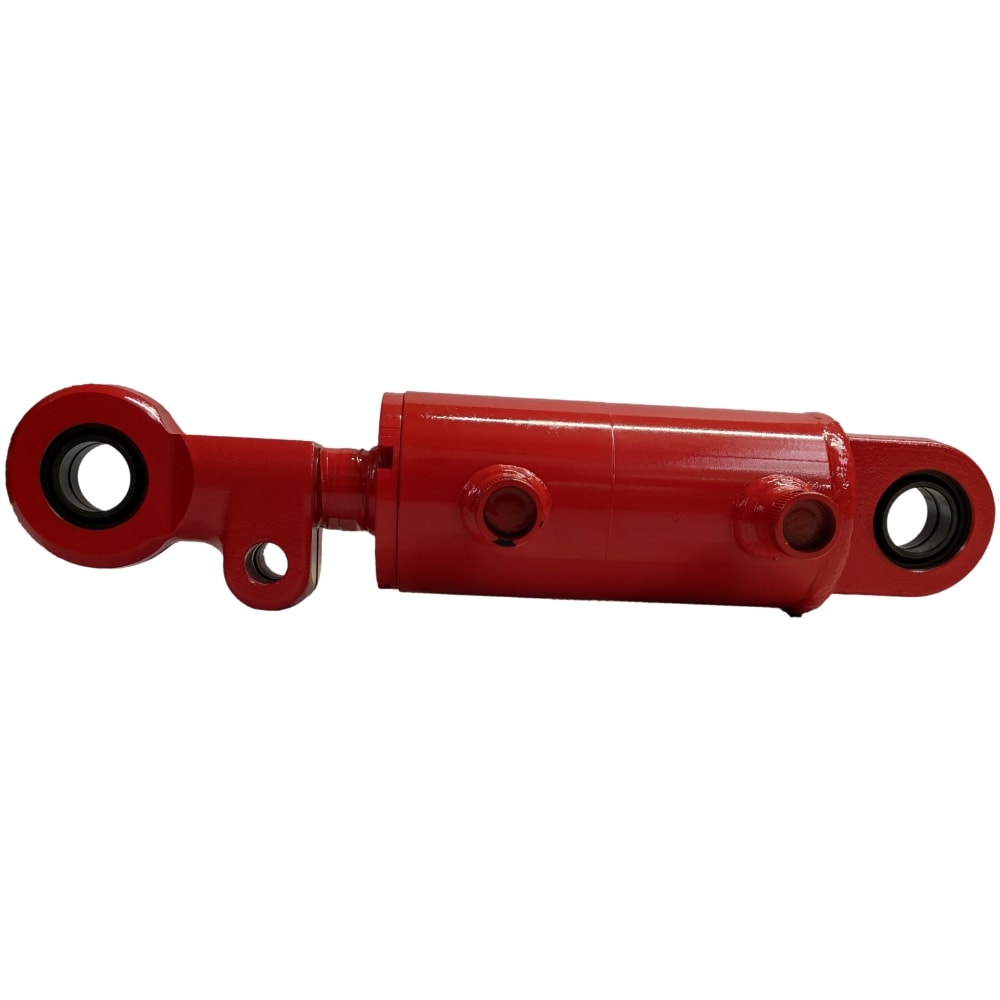
Can tilt cylinders be used for both tilting and leveling applications?
Yes, tilt cylinders can be used for both tilting and leveling applications. They are versatile hydraulic components that are designed to provide controlled tilting movements, as well as facilitate leveling operations. Here’s a detailed explanation:
Tilting Applications:
Tilt cylinders are commonly used for tilting applications in various industries. They allow for controlled tilting or angling of components attached to heavy machinery. For example:
- In construction equipment, tilt cylinders enable the adjustment of buckets, blades, or attachments, allowing for precise digging, grading, and leveling of surfaces.
- In mining machinery, tilt cylinders control the angles of buckets or blades, facilitating efficient material handling and excavation.
- In agricultural equipment, tilt cylinders enable the tilting of implements such as plows or buckets, allowing farmers to adjust the working angle for optimal soil tillage or material handling.
- In material handling machinery, tilt cylinders are used to control the tilting of forks, platforms, or attachments, facilitating efficient loading, unloading, and stacking of goods.
Leveling Applications:
In addition to tilting, tilt cylinders can also be used for leveling applications. Leveling involves adjusting the horizontal position or alignment of equipment to ensure even and stable surfaces. Tilt cylinders can assist in leveling operations by:
- Compensating for uneven terrain: Tilt cylinders can be used to adjust the tilt of equipment attachments, compensating for uneven surfaces and maintaining a level position.
- Aligning components: Tilt cylinders can be employed to align or level components such as blades, buckets, or platforms, ensuring consistent and accurate leveling across the working area.
- Providing fine adjustments: The control valves in tilt cylinders allow for precise control of the tilting movement. Operators can make small adjustments to achieve the desired level, ensuring precise leveling.
By utilizing the control capabilities and range of motion of tilt cylinders, operators can effectively perform both tilting and leveling tasks with the same hydraulic component.
In summary, tilt cylinders are versatile and can be used for both tilting and leveling applications. They enable controlled tilting of components in various industries and can also assist in precise leveling operations. The ability to perform both functions makes tilt cylinders valuable hydraulic components in equipment where tilting and leveling are required.


editor by CX 2024-02-04