
Tilt Cylinder in Automotive Engineering Projects
Introduction
Tilt cylinders are an integral component in many automotive engineering projects. These cylinders are designed to provide precise control and motion to various applications, particularly those involving the tilting and angling of machinery and equipment. They are used in a range of industries and applications, including construction, mining, and material handling.
What Is a Tilt Cylinder?
A tilt cylinder is a type of hydraulic cylinder that is specifically designed to control the angular movement of equipment and machinery. It consists of a piston, a cylinder barrel, and a piston rod, which are all contained within a sealed chamber. The piston rod extends from one end of the cylinder and is connected to the machinery or equipment that needs to be tilted. When hydraulic fluid is forced into the cylinder, it moves the piston and the piston rod, causing the machinery or equipment to tilt in the desired direction.
The Working Principle of a Tilt Cylinder
Tilt cylinders work on the principle of hydraulic pressure. When hydraulic fluid is pumped into the cylinder, it forces the piston and the piston rod to move, which in turn causes the machinery or equipment to tilt. The amount of hydraulic pressure required to move the piston and the piston rod is determined by the size of the cylinder and the weight of the machinery or equipment that needs to be tilted.
Choosing the Right Tilt Cylinder
Choosing the right tilt cylinder for your automotive engineering project is crucial to ensure optimal performance and safety. Here are some key factors to consider when selecting a tilt cylinder:
1. Maximum Load Capacity
The maximum load capacity of the tilt cylinder should be equal to or greater than the weight of the machinery or equipment that needs to be tilted.
2. Cylinder Size
The size of the cylinder should be matched to the size of the machinery or equipment that needs to be tilted. A larger cylinder will typically provide more lifting force, but may also be more expensive.
3. Operating Temperature
The operating temperature of the tilt cylinder should be compatible with the hydraulic fluid being used in the system, as well as the ambient temperature of the application environment.
4. Seal Type
The seal type of the tilt cylinder should be selected based on the operating conditions of the application environment. For example, if the application involves exposure to harsh chemicals or extreme temperatures, a high-performance seal may be required.
5. Mounting Style
The mounting style of the tilt cylinder should be compatible with the machinery or equipment that needs to be tilted. Different mounting styles include flange, pivot, and clevis.
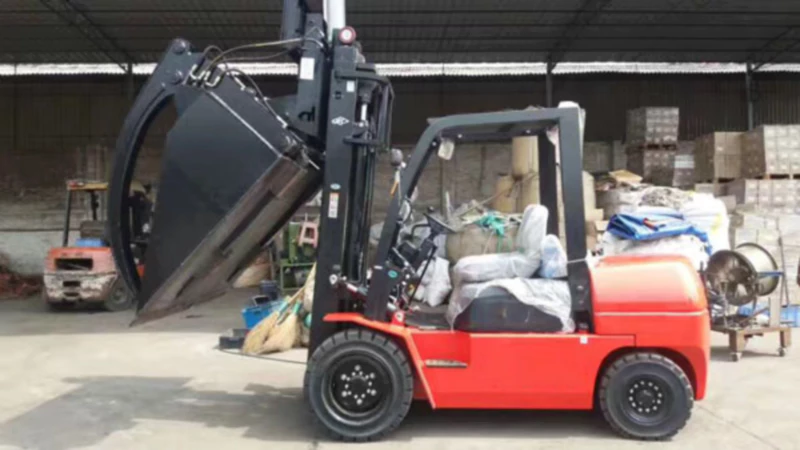
Installation of a Tilt Cylinder
The installation of a tilt cylinder is a critical step in ensuring optimal performance and safety. Here are some general guidelines for installing a tilt cylinder:
1. Mount the Cylinder
The cylinder should be mounted securely to the machinery or equipment that needs to be tilted. The mounting location should be chosen based on the application requirements and the strength of the mounting surface.
2. Connect the Hydraulic Lines
Hydraulic lines should be connected to the cylinder and the hydraulic power unit. The hydraulic lines should be properly sized and routed to prevent kinks or other damage.
3. Test the System
Before operating the machinery or equipment, the hydraulic system should be tested to ensure that the tilt cylinder is functioning properly. The system should also be tested periodically during operation to detect any issues or malfunctions.
The Advantages of Using a Tilt Cylinder
There are several advantages to using a tilt cylinder in automotive engineering projects:
1. Precise Control
Tilt cylinders provide precise control over the angular movement of machinery and equipment, allowing for greater accuracy and efficiency in operation.
2. Versatility
Tilt cylinders can be used in a wide range of applications, making them a versatile component in automotive engineering projects.
3. Increased Safety
Tilt cylinders can help to increase safety in automotive engineering projects by providing stable and controlled angular movement of machinery and equipment.
4. Improved Productivity
By providing precise control over the angular movement of machinery and equipment, tilt cylinders can help to improve productivity and reduce downtime.
5. Cost-Effective
Tilt cylinders are a cost-effective solution for providing angular movement control in automotive engineering projects, particularly when compared to other methods such as manual labor or mechanical systems.
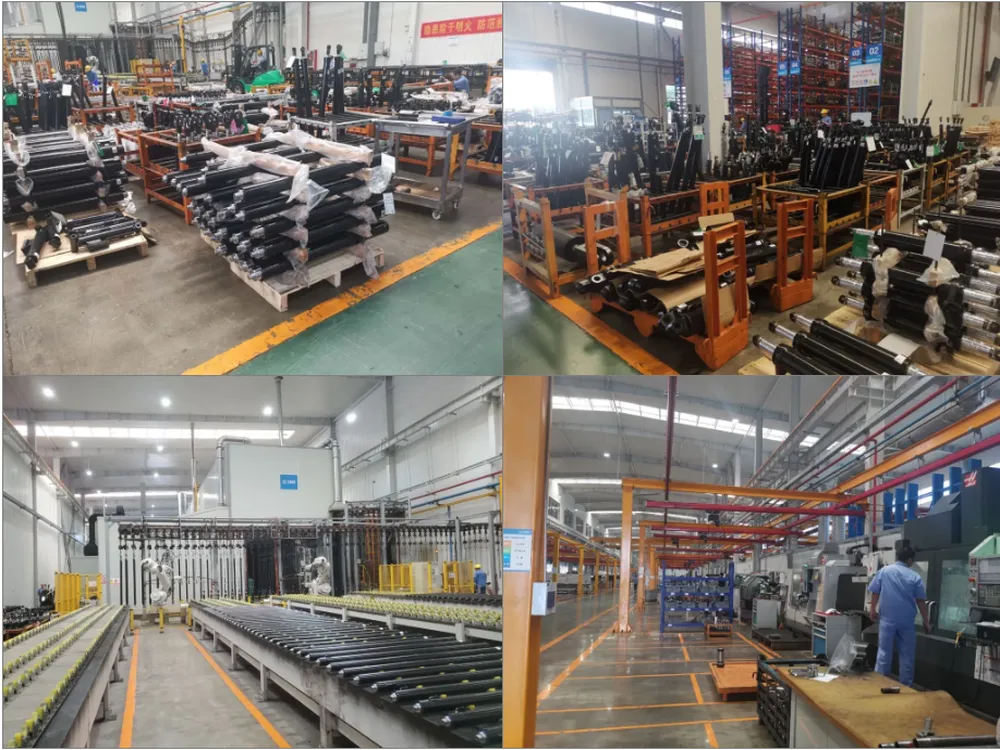
In summary, tilt cylinders are an essential component in many automotive engineering projects. They provide precise control over the angular movement of machinery and equipment, improving safety, productivity, and efficiency. When selecting a tilt cylinder, several factors such as maximum load capacity, cylinder size, operating temperature, seal type, and mounting style should be considered. Proper installation and testing are also crucial for optimal performance and safety. Our company has over 15 years of experience in the design, production, and sales of hydraulic cylinders, including tilt cylinders, and we take pride in providing high-quality and cost-effective solutions to our customers. Edited by Czh.