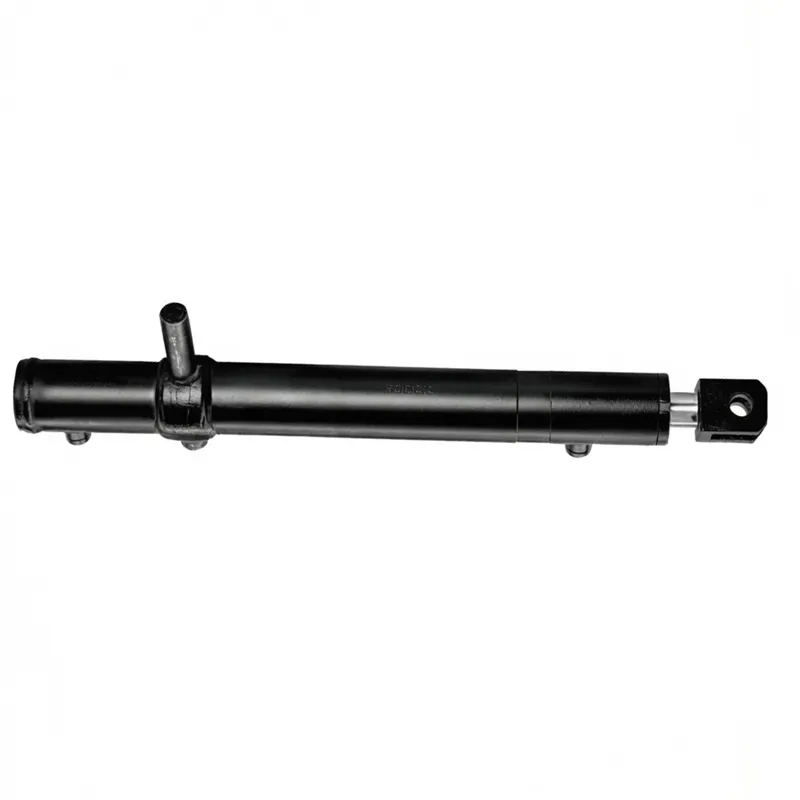
EP-Φ40×Φ25×348 Towing and Lifting Cylinder For Agricultural Machine
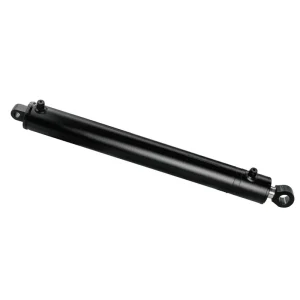
The EP-Φ40×Φ25×348 towing and lifting cylinder is part of our dedicated cylinder series for agricultural machinery, where operational reliability translates directly to field efficiency. Purpose-built for combine harvesters and similar harvesting platforms, this double-acting hydraulic actuator handles the repeated extension and retraction cycles that define real-world performance on farms across France and throughout Europe, with a bore diameter of Φ40 mm, rod diameter of Φ25 mm, and a 348 mm stroke.
Operating at a rated working pressure of 16.7 MPa with structural integrity maintained up to 24.5 MPa, this towing and lifting cylinder provides a generous safety margin above the circuit pressure delivered by most European agricultural vehicles. At just 6 kg, the lightweight body reduces unsprung machine load without sacrificing the structural performance that heavy-duty agricultural duty demands.
Agricultural Hydraulic Solutions
EP-Φ40×Φ25×348 Towing and Lifting Cylinder
For Agricultural Machine
A precision-engineered towing and lifting cylinder built for demanding field conditions — compact, reliable, and designed to withstand the mechanical loads of modern harvesting equipment.
1. Technical Specifications
The table below lists the factory-verified performance data for the EP-Φ40×Φ25×348 towing and lifting cylinder. All values correspond to standard test conditions at 20°C fluid temperature using ISO VG 46 hydraulic oil.
| Parameter | Value | Notes |
|---|---|---|
| Cylinder Model | HCYY11112017 | EP series: EP-Φ40×Φ25×348 |
| Bore Diameter | Φ40 mm | Precision honed cylinder bore |
| Rod Diameter | Φ25 mm | Hard-chrome plated, precision-ground |
| Stroke (Trip) | 348 mm | Effective piston travel range |
| Overall Specification | Φ40 × Φ25 × 348 | Bore × Rod × Stroke (mm) |
| Working Pressure | 16.7 MPa | Rated operating pressure |
| Max. Withstand Pressure | 24.5 MPa | Proof pressure tested per batch |
| Installation Distance | 536 mm | Pin-to-pin closed length |
| Weight | 6 kg | Without hydraulic oil |
| Mounting Style | Flange / Clevis Pin | Compatible with SAE port fittings |
| Recommended Fluid | ISO VG 32–68 mineral oil | Operating temp. −20°C to +80°C |
| Seal Material | Polyurethane / NBR | Abrasion and low-temperature resistant |
| Rod Surface Treatment | Hard chrome; phosphate barrel | Anti-corrosion for outdoor field use |
| Application Category | Combine Harvester Towing & Lifting | Grain tank lifting / header positioning |
2. Five Key Product Advantages
The towing and lifting cylinder barrel is rated to withstand 24.5 MPa — well above the 16.7 MPa working threshold — giving operators a meaningful safety margin during shock-load events on uneven field terrain. This towing and lifting cylinder is pressure-tested per ISO hydraulic cylinder standards and does not develop internal seepage even under sustained duty cycles. This characteristic is critical when the machine is performing continuous harvesting passes across large French cereal plots where momentary pressure spikes from header ground-following events are frequent.
At 6 kg with a 536 mm installation distance, this towing and lifting cylinder functions as a hydraulic cylinder lifting device purpose-built for agricultural machines where space inside the chassis is limited. The slender Φ25 mm rod reduces inertia and allows faster actuator response when operators engage the lifting control. For European agricultural equipment manufacturers targeting CE certification under Machinery Directive 2006/42/EC, the compact envelope simplifies machine weight declarations and inertia calculations required for technical file preparation.
The towing and lifting cylinder piston rod surface is hard-chrome plated and ground to tight tolerances, reducing hydraulic cylinder seal wear compared to standard polished finishes. This matters most in dusty wheat and grain harvesting environments — common across the Beauce, Champagne-Ardenne, and Languedoc regions of France — where airborne abrasive particles accelerate surface scoring on exposed rod surfaces. Longer rod service life on this towing and lifting cylinder translates directly to fewer mid-season maintenance interventions and reduced total operating cost.
End port positions on this towing and lifting cylinder follow standard SAE-style hydraulic port sizing, which means straightforward connectivity with existing circuit fittings without adapters. This is a practical advantage for aftermarket hydraulic cylinder buyers and fleet maintenance teams working across multiple combine models. The flange-and-clevis end configuration further accommodates both trunnion and pin-mount arrangements, reducing the need for custom brackets in repair or retrofit applications across different combine harvester generations.
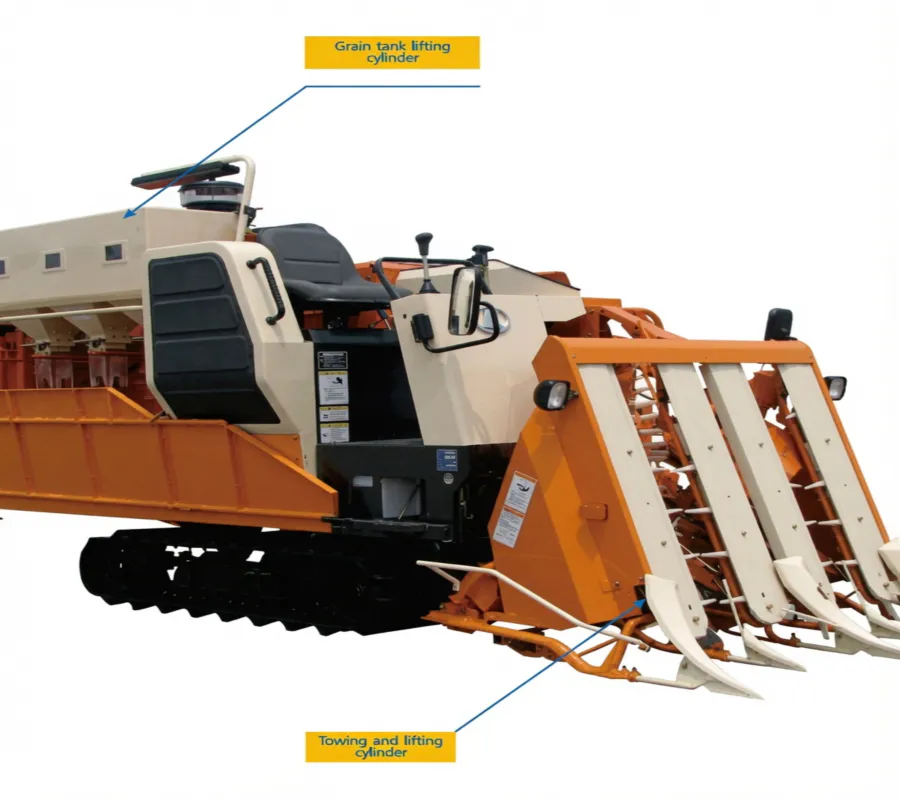
This towing and lifting cylinder has been validated in combine harvester applications where the grain tank lifting mechanism must perform reliably across thousands of duty cycles per harvest season. Its design draws from the same series platform used for companion agricultural cylinders — including grain tank lift units and header position actuators — so maintenance technicians familiar with one variant can service other units in the lineup without relearning an entirely different architecture, simplifying depot spares management for large harvesting fleets.
3. Working Principle
The EP-Φ40×Φ25×348 towing and lifting cylinder operates as a double-acting hydraulic actuator driven by the machine's main hydraulic circuit. When pressurized oil is delivered to the bore-side port — typically during a lifting command from the operator's control lever — oil pressure acts on the full bore area of Φ40 mm, generating a pushing force that extends the piston rod and raises the attached mechanism. This towing and lifting cylinder could drive a grain tank unloading auger, a header section, or a towing attachment bar, depending on the machine configuration. The output force is governed by the standard hydraulic equation: F = P × A, where P is the hydraulic pressure and A is the bore cross-sectional area.
On the return stroke, pressurized oil enters through the rod-side port and acts on the annular area between the bore and rod. Because the Φ25 mm rod occupies part of the cross-section, retraction force of the towing and lifting cylinder is slightly lower than extension force — a normal and intentional characteristic of this type of actuator. The lower retraction force is sufficient for gravity-assisted lowering of the load while conserving hydraulic flow capacity for other simultaneous machine functions, such as reel height adjustment or thresher concave spacing control.
Internal sealing is achieved through a layered wiper-rod seal, a U-cup primary rod seal, and a piston seal set. The wiper seal removes surface contaminants before they enter the cylinder bore, protecting the towing and lifting cylinder seal pack from premature abrasive damage. This is particularly important for agricultural machines operating in harvesting environments where chaff, dust, and soil particulates are continuously airborne around the working area. Relief and check valve functions are handled by the machine's hydraulic control valve block, keeping the towing and lifting cylinder's internal architecture simple, robust, and field-repairable without specialist tooling.
4. Material Composition
Every component in this towing and lifting cylinder is selected for its role in demanding outdoor operating conditions rather than simply for lowest procurement cost. The cylinder barrel is fabricated from seamless cold-drawn steel tube with inner surface honing to a mirror finish, which ensures even oil film distribution and minimized seal extrusion under repeated pressure cycles. Steel grades meet or exceed Chinese national standard GB/T 8713 and are compatible with EN 10305-1 equivalents recognized across EU member states including France, Germany, and the Netherlands.
The piston rod is machined from 45# quenched and tempered steel — approximately equivalent to EN 1.1191 / C45E — then hard-chrome plated to a minimum thickness of 20 μm with a surface hardness above 850 HV. This combination resists bending under lateral loads that occur when the towing and lifting cylinder operates at an angle during combine harvester header adjustments on sloped terrain. Chrome plating also provides corrosion resistance against rain, morning dew, and fertilizer spray residues encountered during a typical French harvest campaign from mid-July through September.
Seals are manufactured from polyurethane for the primary rod seal — chosen for superior abrasion resistance and dimensional stability at temperature extremes — and nitrile rubber (NBR) for static O-ring positions. The piston seal set uses a PTFE-lined cap seal with a rubber energizer, providing near-zero internal leakage at working pressures while maintaining smooth piston movement even after extended storage periods between seasons. End caps and flanges are machined from ductile iron or structural steel and secured by high-tensile bolts meeting the mechanical fastener requirements of EN ISO 4017, appropriate for the load conditions of this towing and lifting cylinder in agricultural machinery bolted joint applications.
4a. Towing and Lifting Cylinder Selection and Sizing Guide
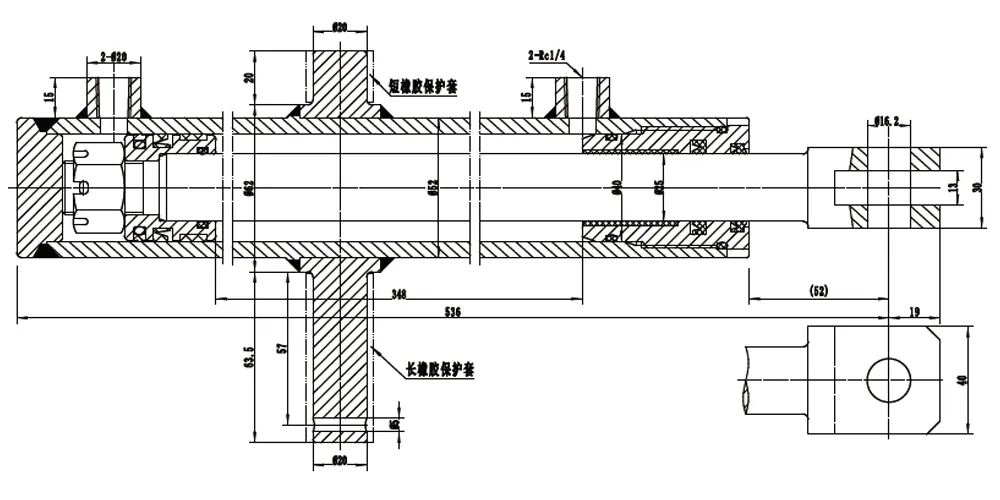
Selecting the correct towing and lifting cylinder for a combine harvester or tractor application requires verifying four parameters: bore diameter, rod diameter, stroke, and retracted installation distance. For the EP-HCYY11112017 towing and lifting cylinder, these values are Φ40 mm bore, Φ25 mm rod, 348 mm stroke, and 536 mm installation distance. A towing and lifting cylinder that matches stroke but not installation distance will misalign chassis mounting points, creating uneven pin loading that accelerates bushing wear and reduces the service life of both the cylinder and the machine's attachment structure.
When comparing this towing and lifting cylinder against standard hydraulic lift cylinder alternatives for a given application, the double-acting configuration of the towing and lifting cylinder offers a decisive practical advantage: both extension and retraction are powered, eliminating the reliance on gravity or spring return that leaves single-acting lifting cylinder designs unable to control retraction speed under partial loads. For combine header positioning — where the header must be both raised and actively lowered against terrain undulations — the towing and lifting cylinder provides smooth, operator-controlled movement in both directions that a single-acting towing lifting cylinder cannot match.
French agricultural OEM integrators specifying this towing and lifting cylinder for new machine designs should note that the Φ40 mm bore and Φ25 mm rod comply with ISO 6020 preferred series dimensions, allowing cross-referencing with European hydraulic catalogue equivalents if a direct replacement becomes necessary in service. We provide a dimensional drawing with every towing and lifting cylinder order, confirming port positions, clevis pin bore diameters, and closed length for installation verification before the machine leaves the assembly line.
5. Application Scenarios
This towing and lifting cylinder serves several distinct functional roles across modern agricultural machinery platforms. Each scenario below represents a real-world deployment context where this towing and lifting cylinder has demonstrated reliable service performance in French and European agricultural field conditions.
Combine Harvester Grain Tank Assist
On large combine harvesters common in the Beauce cereal plains of France, this towing and lifting cylinder assists in positioning the unloading auger spout between its transport and operating positions. The 348 mm stroke provides the angular travel needed to swing the auger from a horizontal road-transport lock to its working elevation, while the 536 mm installation distance fits within the tight chassis geometry found in mid-size European combines. Operators benefit from fast, controlled movement without the jolt of gravity-return systems.
Header Height and Tilt Positioning
Combine header sections and cutter bar assemblies require precise elevation control during harvesting passes. Used as a lifting hydraulic cylinder in this role, the EP-Φ40×Φ25×348 towing and lifting cylinder responds quickly to ground-following sensor signals, extending or retracting within milliseconds to maintain consistent cutting height. The 6 kg body reduces the total mass that the header lift arm must support, improving the dynamic response of automated header control systems now standard on Class VI and Class VII combines operating across European cereal farms.
Agricultural Trailer Towing Linkage
A key function — inherent in the product name — is in towing linkage applications where this towing and lifting cylinder controls the vertical position of a hitch drawbar or a three-point linkage arm. The 16.7 MPa working pressure is well-matched to mid-range tractor hydraulic systems, making this towing and lifting cylinder a viable hydraulic lift cylinder for Category II hitch arms handling implements up to 2,000 kg in lift weight on French farms running mixed arable and livestock operations where daily implement changes are routine.
Seeder and Planter Row-Unit Lift
Precision seeders used in French maize and sunflower cultivation employ individual row-unit lift actuators to raise sections out of work position when turning at headlands. When a towing and lifting cylinder is used across a planter wing in pairs or multiples, the consistent internal volume and seal geometry of each unit ensures hydraulic flow splits evenly under the same pressure differential — producing synchronized wing-lift motion without requiring a separate flow divider valve in the circuit, simplifying installation and reducing potential leak points.
Baler Pickup and Ramp Mechanism
Round and square balers used for hay and straw harvest in Normandy and Brittany employ a towing and lifting cylinder to raise and lower the pickup drum between its operating height and a raised road-transport position. The 6 kg body weight does not significantly alter the machine's weight distribution, and the 16.7 MPa rated pressure aligns with the baler's own integrated hydraulic system — eliminating the need for additional pressure-reducing valves and keeping the hydraulic circuit architecture clean and straightforward for field repairs.
6. Regulatory Compliance — France and the European Union
Hydraulic cylinders used on agricultural machinery sold or operated in France must comply with several layers of European and French national legislation. Understanding these requirements is essential for OEM integrators, importers of aftermarket hydraulic cylinders, and farm machinery dealers serving the French market.
EU Machinery Directive 2006/42/EC (France: Décret n°2008-1156)
All agricultural machinery incorporating hydraulic systems must bear CE marking under the Machinery Directive. Hydraulic cylinders as sub-components must be designed so the assembled machine meets the Essential Health and Safety Requirements (EHSR) of Annex I, covering hydraulic circuit integrity, pressure containment, and controlled movement under circuit failure. Suppliers of lifting cylinder units for CE-marked machines should provide material certificates and pressure test documentation on request to support the machine builder's technical file.
EN ISO 4413:2011 — Hydraulic Fluid Power Safety Requirements
This harmonized European norm specifies safety requirements for hydraulic systems and components. Key requirements relevant to this towing and lifting cylinder include minimum burst pressure ratios, appropriate pressure-relief protection at the circuit level, hose and fitting compatibility, and requirements for cylinders used in applications where unintended movement under gravity or load could cause injury — directly applicable to header lift actuators and towing linkage actuators covered on this product page.
EU Regulation 167/2013 — Agricultural and Forestry Vehicles
Regulation (EU) No 167/2013 governs type approval of tractors and self-propelled agricultural machines including combine harvesters. Hydraulic components must function within the design envelope of the approved vehicle. Replacement or aftermarket towing and lifting cylinder units must meet the same performance specifications as original components to avoid invalidating type approval — a compliance consideration for fleet managers in France purchasing hydraulic components through distribution channels.
ISO 6020-1 / ISO 6020-2 — Hydraulic Cylinder Dimensional Standards
These ISO standards define preferred bore sizes, rod diameters, mounting dimensions, and port thread specifications for hydraulic cylinders. The Φ40 mm bore and Φ25 mm rod diameter of this towing and lifting cylinder align with ISO preferred series dimensions, simplifying cross-referencing with equivalent European cylinders for interchangeability and spare parts sourcing across EU countries including Germany, Belgium, Spain, and the Netherlands.
REACH Regulation (EC) No 1907/2006 — Chemical Compliance
Seal materials and surface treatments used in hydraulic cylinders must comply with REACH requirements for chemical substances. The polyurethane and NBR seal compounds used in this towing and lifting cylinder are formulated without SVHC (Substances of Very High Concern) listed under REACH. The chrome plating process uses trivalent chromium processes where applicable, in line with current EU industrial chemistry directives relevant to hydraulic component manufacturers supplying the European market.
UK PSSR 2000 — Pressure Systems Safety Regulations (Post-Brexit)
For machinery operators in the United Kingdom, hydraulic cylinders used in pressure systems above 0.5 bar must comply with the Pressure Systems Safety Regulations 2000. While France operates under EU directives, UK-based buyers importing agricultural machines or sourcing hydraulic components for UK-registered machinery should ensure documentation includes written schemes of examination where applicable under PSSR 2000 — particularly for towing and lifting cylinder installations above 250 bar and in fixed plant.
7. Related Products & System Compatibility
A towing and lifting cylinder rarely operates in isolation. The overall efficiency of a hydraulic lifting system depends on the compatibility of all components — from the pump station through the control valve block to the towing and lifting cylinder itself. We supply a complete range of complementary products to ensure seamless system integration and single-source procurement.
أسطوانة الإمالة
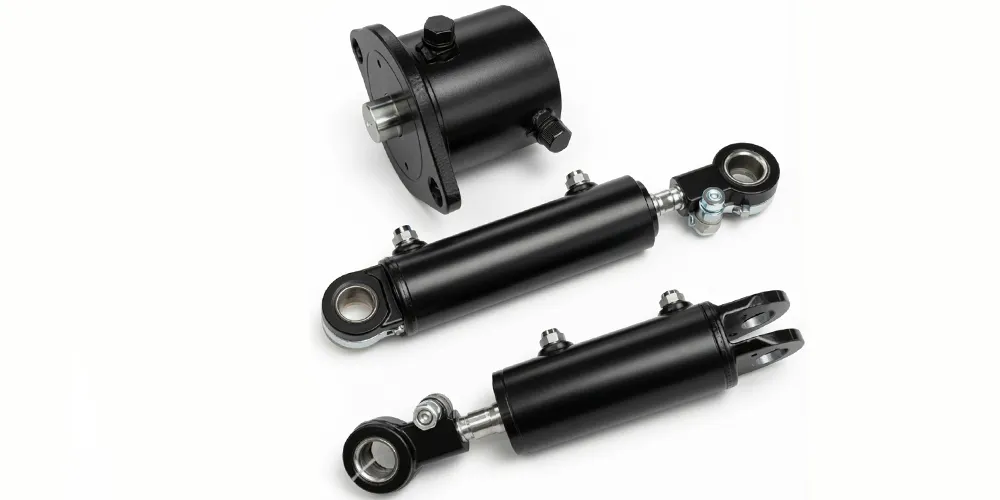
Our Tilt Cylinder range is engineered for forklift mast tilt and industrial vehicle applications. Designed using the same bore and rod precision standards as this towing and lifting cylinder, tilt cylinders share compatible seal kits and manufacturing tolerances — simplifying maintenance across mixed equipment fleets where agricultural and material-handling vehicles share the same service depot.
أسطوانة رفع الرافعة الشوكية
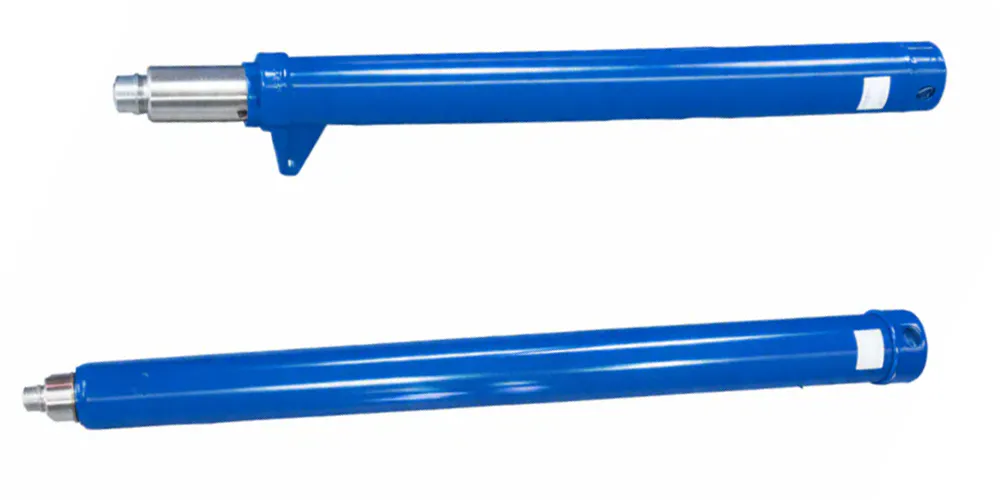
The أسطوانة رفع الرافعة الشوكية series covers bore diameters from Φ45 mm to Φ130 mm, with forklift hydraulic cylinders for sale across counterbalance, reach truck, and narrow-aisle platforms. These units share the same hydraulic pump circuit architecture as our towing and lifting cylinder series, enabling a unified hydraulic supply concept across material handling and field equipment in mixed-use agricultural logistics and warehouse operations.
Hydraulic Pump Station Series
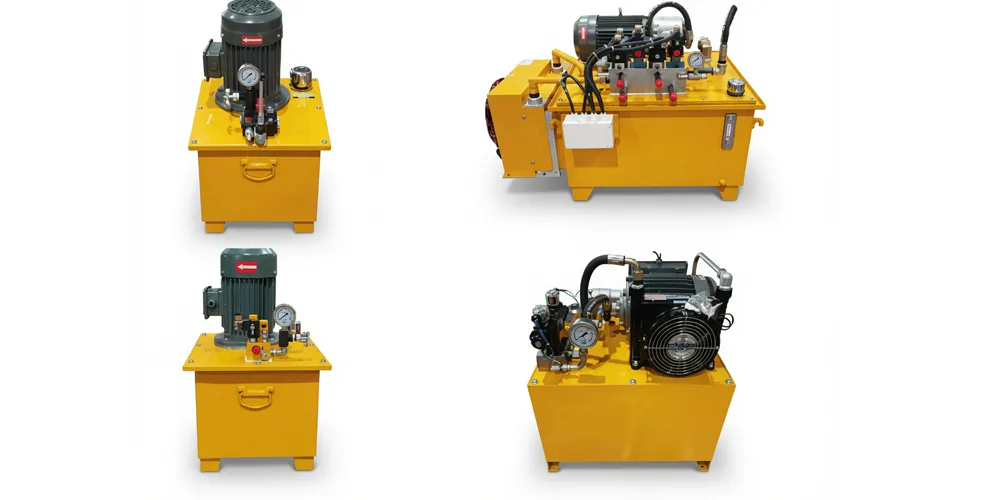
Our hydraulic pump station series provides the power unit that drives stand-alone agricultural hydraulic lifting installations. Available in 12V DC configurations compatible with tractor battery systems, these stations pair directly with the towing and lifting cylinder EP-Φ40×Φ25×348 without requiring additional pressure regulators — provided the station output is set to 16.7 MPa. A practical solution for buyers seeking a complete electric hydraulic lift cylinder system for off-grid or standalone equipment.
8. About Us
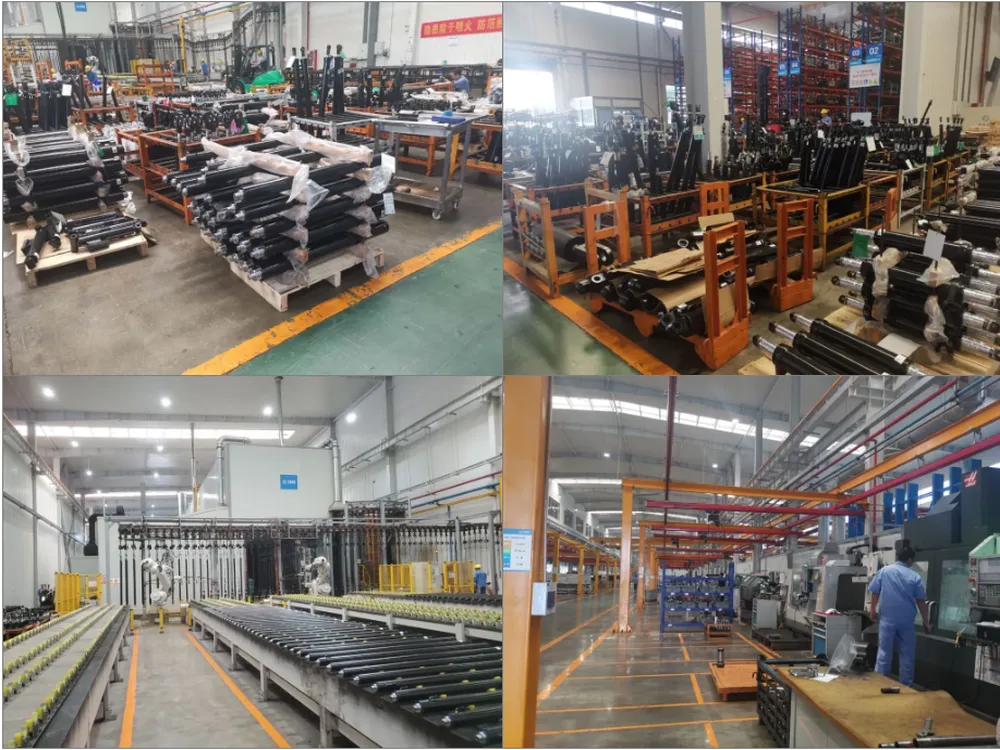
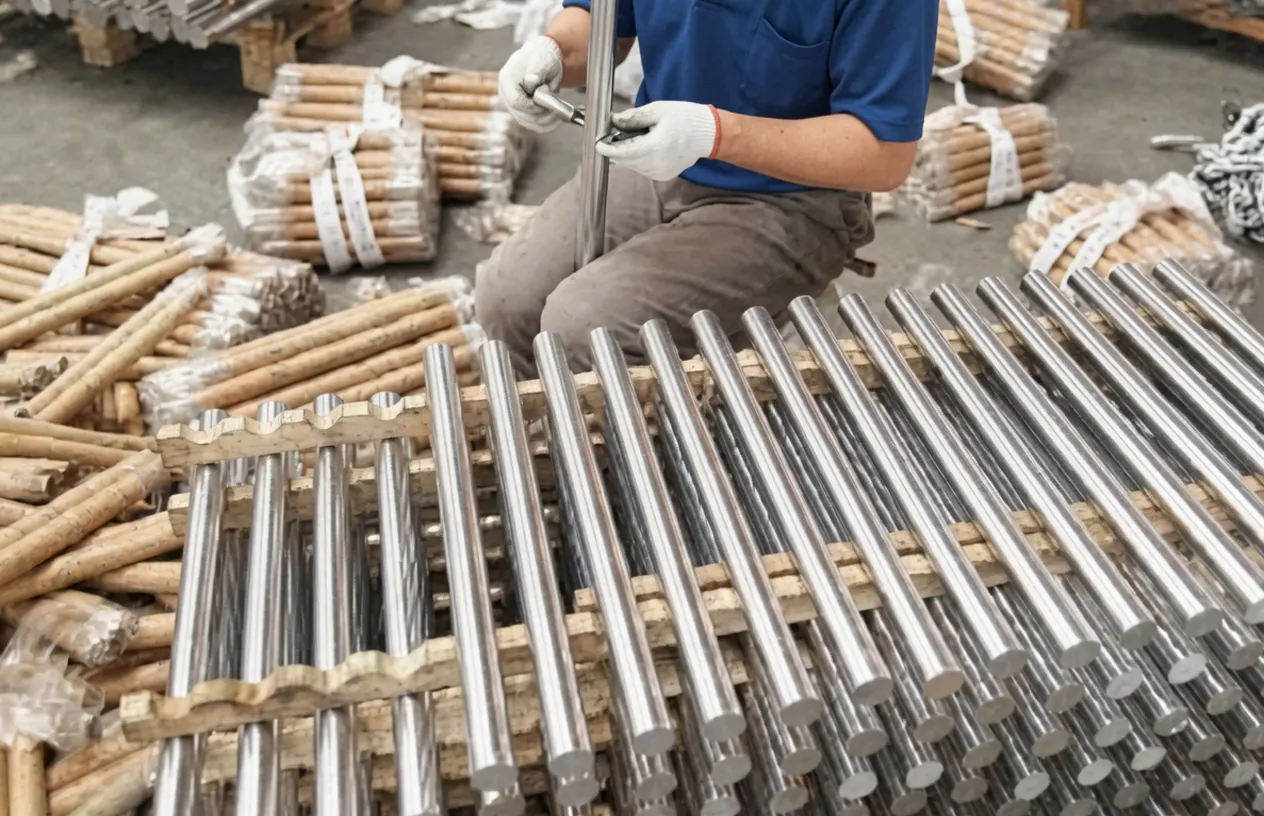
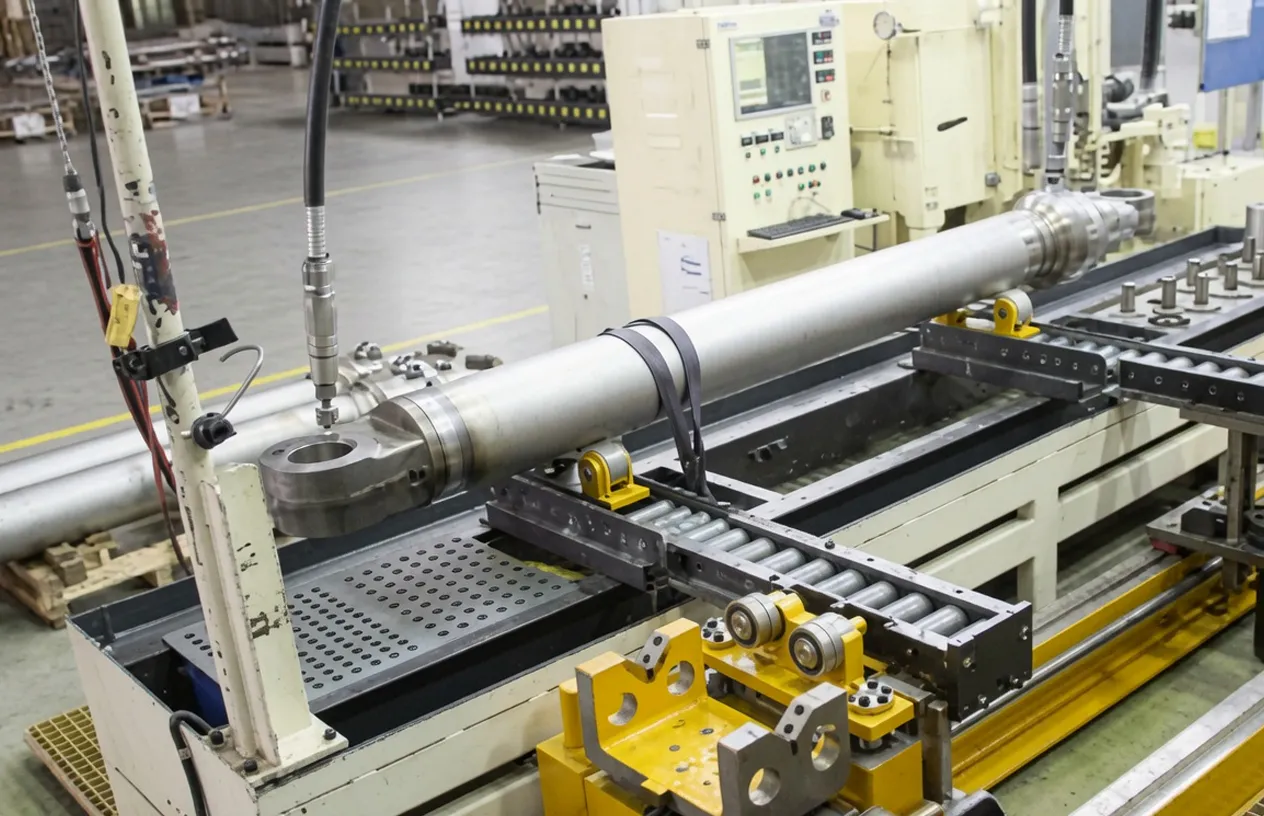
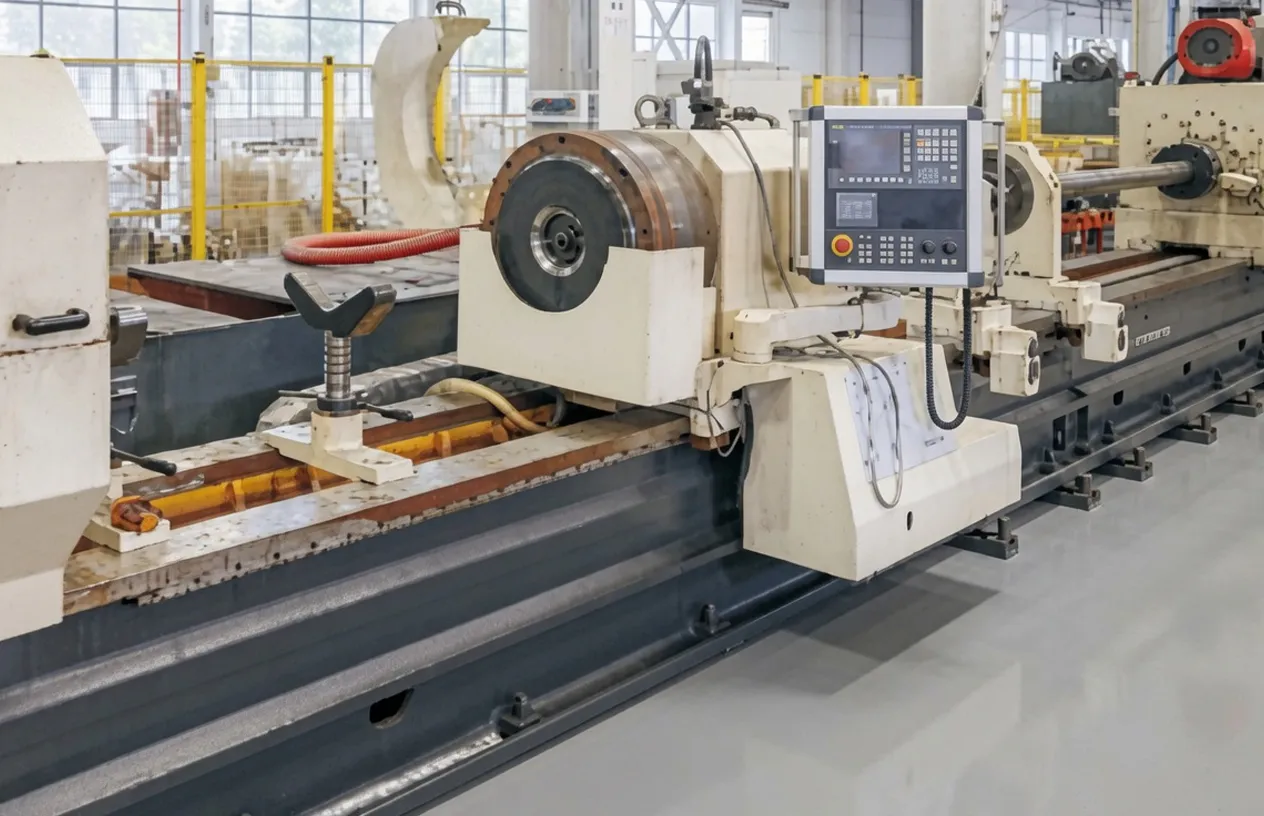
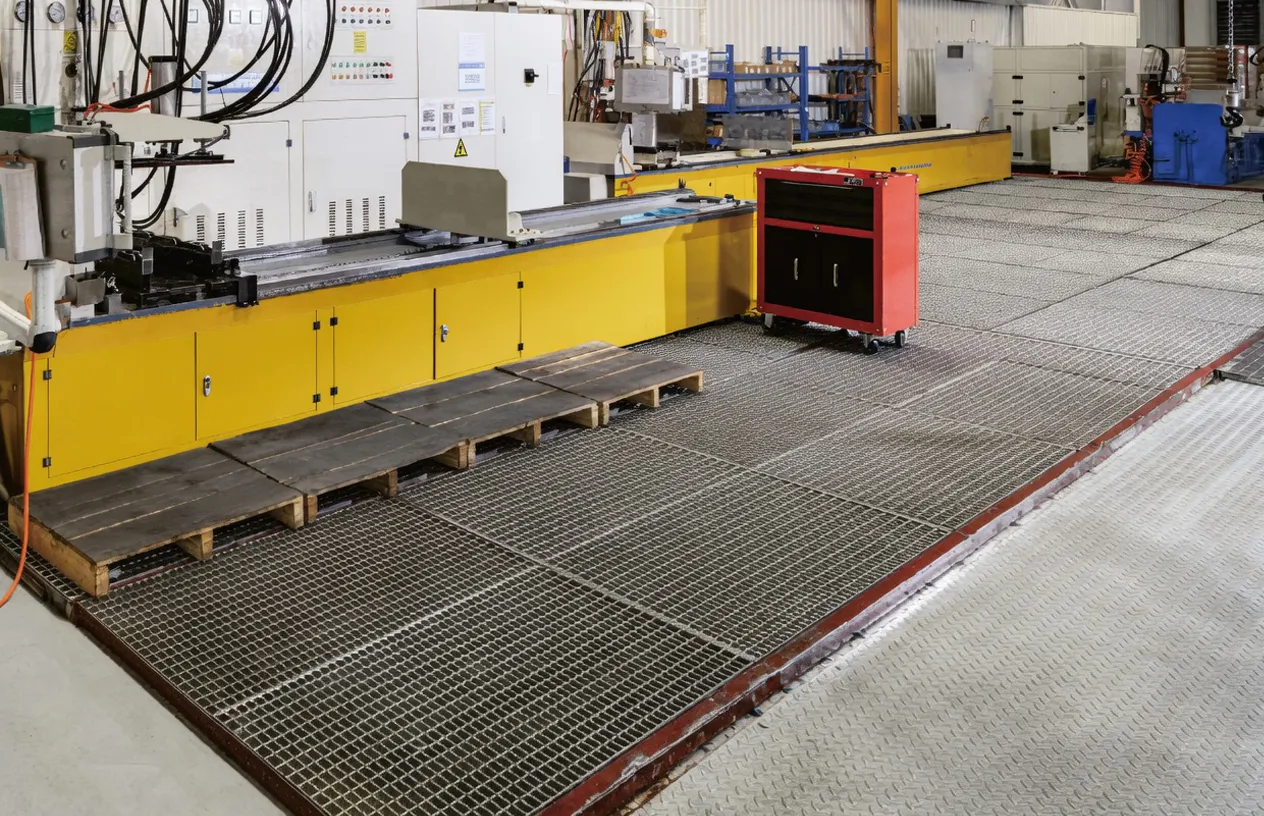
We are a high-technology hydraulic cylinder manufacturer specializing in research, development, and production of hydraulic cylinders and hydraulic systems for industrial vehicles, engineering machinery, and agricultural equipment. Our modern manufacturing base covers 68,000 square meters, with an intelligent production area of 51,300 square meters equipped with CNC machining centers, automatic cylinder assembly lines, and dedicated hydraulic cylinder testing benches — including specialized test rigs for towing and lifting cylinder series products that replicate field-operating conditions.
Our products are validated through a provincial-level enterprise research institute and an on-site hydraulic product testing room. We hold multiple utility model patents for cylinder seal design and rod surface treatment processes, and our quality management system operates under ISO 9001 certification. The agricultural towing and lifting cylinder product range described on this page forms part of a broader ecosystem that includes forklift lifting cylinders, crane cylinders, environmental protection equipment cylinders, and custom engineering solutions — making us a single-source supplier for buyers seeking to consolidate hydraulic component procurement across multiple machine categories.
Workshop
Frequently Asked Questions
Q1. What type of agricultural machine is the EP-Φ40×Φ25×348 towing and lifting cylinder specifically designed for?
Q2. Which hydraulic cylinder seal replacement kit is compatible with this towing and lifting cylinder model?
Q3. What is the working pressure of this towing and lifting cylinder, and does it match standard French tractor hydraulic systems?
Q4. How does this towing and lifting cylinder comply with EU Machinery Directive requirements for agricultural equipment sold in France?
Q5. What is the practical difference between a towing and lifting cylinder and a standard hydraulic lift cylinder in farm machinery design?
Q6. Which hydraulic oil grade should I use with this towing and lifting cylinder in cold-weather French winter field operations?
Q7. Are aftermarket hydraulic cylinders available that directly replace this towing and lifting cylinder with identical dimensions and pressure ratings?
Q8. How long does a towing and lifting cylinder typically last before requiring a seal replacement or full overhaul?
Q9. Can this towing and lifting cylinder work with a 12V electric lift cylinder power unit for a stand-alone application without a tractor hydraulic circuit?
Editor: PXY