
Tilt Cylinder for Industrial Automation Systems
Introduction
A tilt cylinder is a critical component in industrial automation systems that allows for controlled tilting of various machinery and equipment. It plays a crucial role in enhancing the efficiency and versatility of these systems, enabling precise positioning and movement capabilities. In this blog post, we will explore the tilt cylinder in detail, including its working principle, advantages, and considerations for selecting the right tilt cylinder for specific applications.
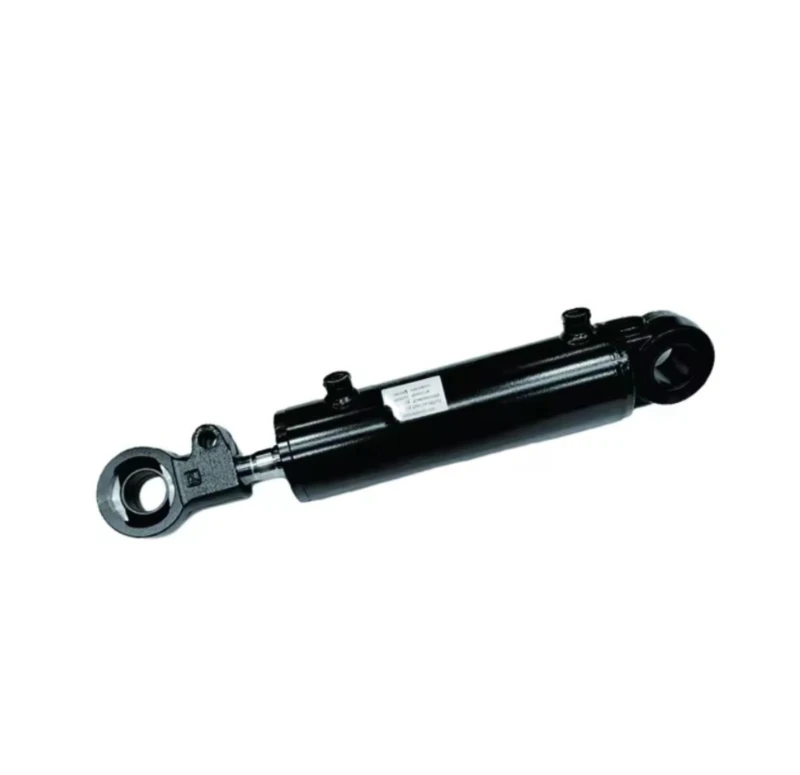
Advantages of Tilt Cylinder in Industrial Automation Systems
- Enhanced Precision: The tilt cylinder allows for precise control and adjustment of the tilting angle, enabling accurate positioning of equipment.
- Improved Efficiency: With its smooth and reliable operation, the tilt cylinder helps optimize workflow and reduce downtime, resulting in increased productivity.
- Increased Safety: The tilt cylinder incorporates safety features that prevent sudden movements and ensure stable operation, reducing the risk of accidents.
- Flexibility: Industrial automation systems equipped with tilt cylinders can accommodate different equipment sizes and weights, providing versatility in handling various tasks.
- Space Optimization: Tilt cylinders offer compact designs that minimize the space required for tilting operations, making them ideal for space-constrained environments.
Working Principle of Tilt Cylinder
The tilt cylinder operates based on hydraulic principles. It consists of a cylinder housing, piston, and hydraulic fluid. When hydraulic pressure is applied to one side of the piston, it creates a force that pushes the piston, causing the equipment to tilt. By adjusting the hydraulic pressure, the tilting angle can be controlled precisely.
Considerations for Selecting the Right Tilt Cylinder
- Load Capacity: Choose a tilt cylinder with a load capacity that matches the weight of the equipment it will be tilting.
- Operating Pressure: Consider the required operating pressure of the tilt cylinder for optimal performance and compatibility with the automation system.
- Stroke Length: Determine the necessary stroke length to ensure sufficient tilting range for the specific application.
- Mounting Options: Evaluate the available mounting options and select a tilt cylinder that can be easily integrated into the automation system.
- Sealing Technology: Consider the sealing technology used in the tilt cylinder to ensure reliable and long-lasting operation, even in challenging environments.
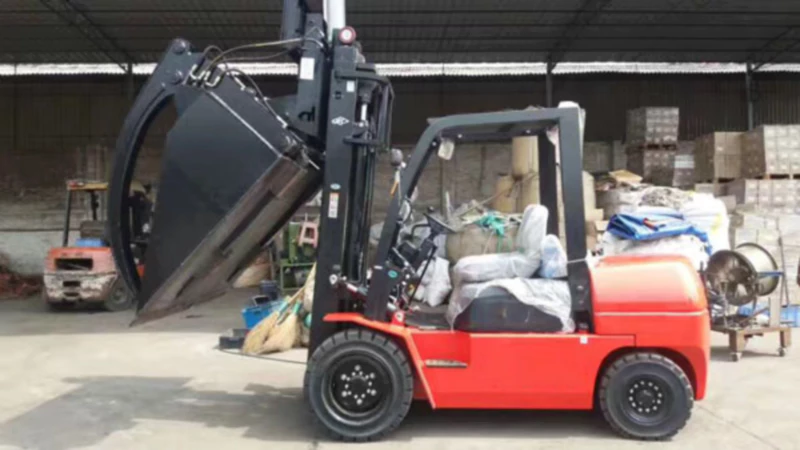
Installation of Tilt Cylinder
The installation of a tilt cylinder may vary depending on the specific automation system and equipment. However, the general steps involve securely mounting the cylinder, connecting the hydraulic lines, and ensuring proper alignment with the tilting mechanism. It is important to follow the manufacturer’s instructions and guidelines for a safe and effective installation.
About Our Company
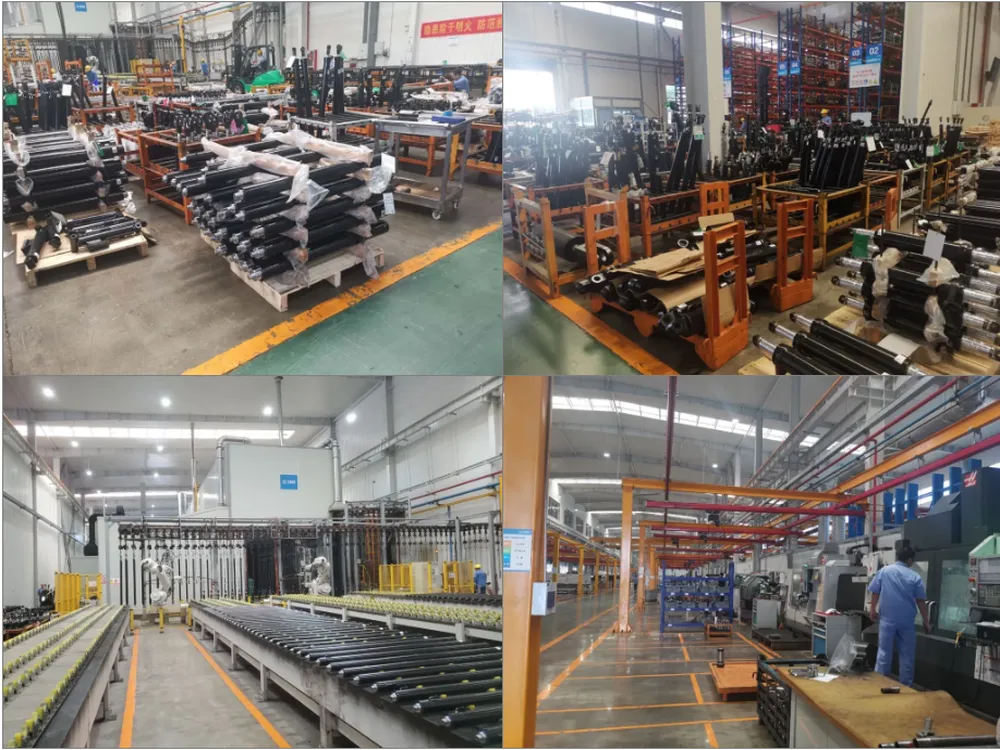
We are a leading manufacturer specializing in the design, production, and sales of hydraulic cylinders for over 15 years. Our company serves clients in Europe, America, Africa, and Asia, and has gained a reputation for delivering high-quality products, excellent service, and competitive prices. With state-of-the-art production and testing equipment, as well as a team of industry professionals, we are committed to providing our customers with innovative and reliable tilt cylinders that meet their specific needs. Our product range also includes boom cylinders, forklift tilt cylinders, steering cylinders, small hydraulic cylinders, and hydraulic pistons, widely used in various industries such as construction, agriculture, mining, aerospace, automotive, marine, and material handling. We take pride in our consistent dedication to customer satisfaction and market recognition.
Edited by Czh.