
Tilt Cylinder in Environmental Cleanup Operations
Environmental cleanup operations are essential in maintaining a safe and healthy environment for all living organisms. These operations require heavy machinery and equipment that can effectively and efficiently remove hazardous waste and other harmful materials. One of the critical components of these machines is the tilt cylinder. In this article, we will discuss the importance of tilt cylinders in environmental cleanup operations, how they work, how to choose the right one, and the advantages of using tilt cylinders in this application.
The Importance of Tilt Cylinders in Environmental Cleanup
When it comes to environmental cleanup operations, tilt cylinders play a crucial role in the proper functioning of heavy equipment. These cylinders are responsible for the movement of the machine’s bucket or blade, allowing the operator to pick up, move, and dispose of waste materials. Without tilt cylinders, the equipment would not be able to effectively handle the materials, making the cleanup process much slower and less efficient.
Furthermore, in hazardous waste cleanup operations, the ability to control and maneuver the materials is critical to ensuring the safety of both the people and the environment. Tilt cylinders allow the operator to handle the waste materials with precision and care, reducing the risk of accidents and contamination.
How Tilt Cylinders Work
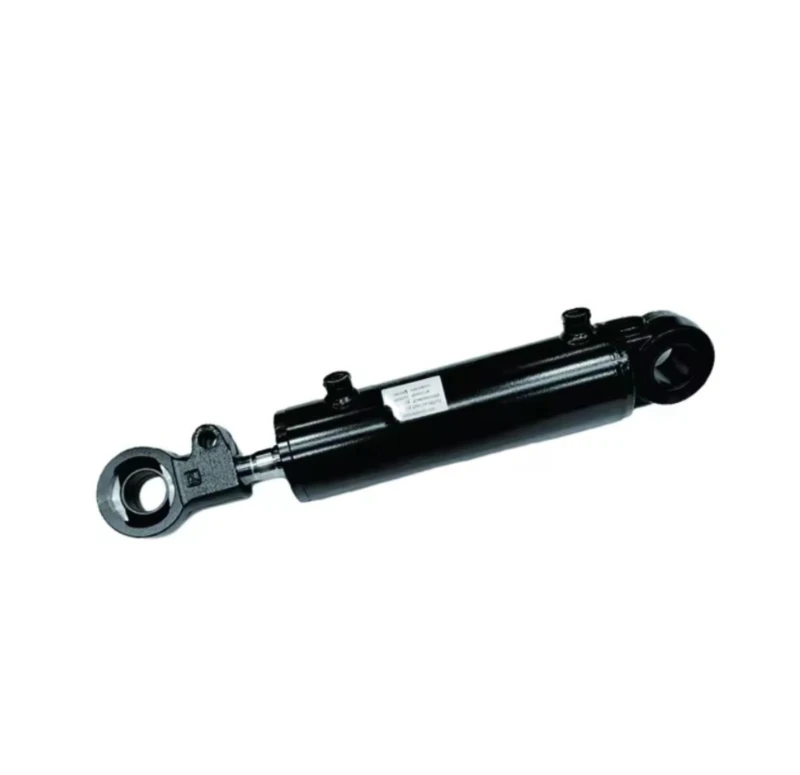
A tilt cylinder is a hydraulic cylinder that uses pressurized fluid to create linear motion. The cylinder consists of a piston and a rod that moves back and forth inside a metal tube. When fluid is pumped into the cylinder, the piston moves outward, pushing the rod and creating linear motion.
Tilt cylinders are often used in pairs, one on either side of the machine’s bucket or blade. When fluid is pumped into one cylinder and released from the other, the bucket or blade tilts in the desired direction.
Choosing the Right Tilt Cylinder
Choosing the right tilt cylinder for environmental cleanup operations is essential to ensure optimal performance and safety. Here are some factors to consider when choosing a tilt cylinder:
1. Load Capacity
The load capacity of the tilt cylinder should match the weight of the materials handled by the machine. Choosing a cylinder with a higher load capacity than necessary can result in wasted energy and decreased efficiency.
2. Stroke Length
The stroke length of the cylinder should match the size of the machine’s bucket or blade. Choosing a cylinder with a shorter stroke length can result in limited movement, while a longer stroke length can lead to unnecessary wear and tear on the equipment.
3. Operating Pressure
The operating pressure of the cylinder should match the pressure rating of the hydraulic system. Choosing a cylinder with a higher operating pressure can result in damage to the equipment and pose a safety hazard.
4. Mounting Style
The mounting style of the cylinder should match the machine’s specifications. Choosing the wrong mounting style can result in a poor fit and decreased performance.
5. Material
The material of the cylinder should be able to withstand the environmental conditions in which it will be used. Choosing a cylinder made of the wrong material can result in corrosion or other damage.
Installation of Tilt Cylinders
The installation of tilt cylinders should be performed by trained and experienced professionals. The cylinders must be installed correctly to ensure optimal performance and safety. Here are some steps for installing tilt cylinders:
1. Preparation
Before installation, ensure that the machine is turned off and all hydraulic lines are depressurized. Then, position the cylinders and mount them according to the machine’s specifications.
2. Fluid Connections
Connect the hydraulic lines to the cylinders, making sure that they are securely fastened and free from leaks.
3. Testing
Test the cylinders before operation to ensure proper function, and address any issues that arise before putting the machine into use.
Advantages of Tilt Cylinders in Environmental Cleanup
Tilt cylinders offer numerous advantages in environmental cleanup operations:
1. Precision and Control
Tilt cylinders allow for precise and controlled movement of waste materials, reducing the risk of accidents and contamination.
2. Efficiency
Tilt cylinders enable machines to handle waste materials more efficiently, reducing the time and resources required for cleanup operations.
3. Durability
Tilt cylinders are built to withstand harsh environmental conditions, ensuring long-lasting performance and reliability.
4. Safety
Tilt cylinders are designed to meet strict safety standards, reducing the risk of equipment failure and injury.
5. Cost-Effective
Tilt cylinders offer a cost-effective solution for environmental cleanup operations, as they enable machines to handle waste materials more efficiently, reducing the time and resources required for cleanup operations.
In conclusion, tilt cylinders are an essential component of heavy equipment used in environmental cleanup operations. They enable machines to handle waste materials with precision and efficiency, reducing the risk of accidents and contamination. When choosing a tilt cylinder, it is important to consider factors such as load capacity, stroke length, operating pressure, mounting style, and material. Proper installation of tilt cylinders is crucial to ensuring optimal performance and safety. Tilt cylinders offer numerous advantages in environmental cleanup operations, including precision and control, efficiency, durability, safety, and cost-effectiveness.
Edited by Czh.