
தயாரிப்பு விளக்கம்
HYDRAULIC CYLINDER
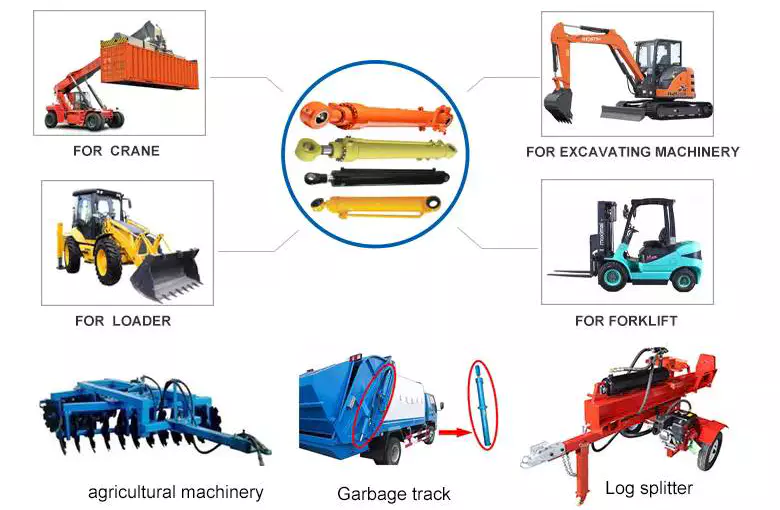
Widely used in equipment for Construction, Coal&mine, Agriculture , Aerial work table and Environmental sanitation etc.
| Features | customized hydraulic cylinder |
| Bore Diameter | 2′-50’/50-1500mm |
| தடி விட்டம் | 1′ – 60’/25 -1000 mm |
| Wall Thickness | 0.1′-4’/3-100 mm |
| Max Stroke | 366’/9280 mm |
| Max Pressure | 9600 psi/600 bar |
| Test Pressure | 14500 psi/1000 bar |
| பொருள் | 20#,40#,45#,16Mn,27SiMn,etc |
| Seal Kits | Hallite, Parker, NOK, DICHTOMATIK, Trelleborg, Merkel |
| Dimensional Accuracy | H7-H11 |
| Bore Roughness | Ra 0.4-1.6mm |
| Coating | hard chrome |
| Purpose | engineering, Coal &mining, agricultural machinery, environmental sanitation |
| OEM/ODM | Yes |
| குறைந்தபட்ச ஆர்டர் அளவு | 1 Piece |
| Certificates | ISO9001,CE, CCS |
Q1. Are you a manufacturer?
Yes, we have manufactured hydraulic cylinders for over 30 years. They are widely used in Engineers, Coal&mine, Agriculture and Environmental Sanitation etc.
Q2. Do your products come with a warranty?
Yes, we have 1 year warranty.
Q3. Can we customize our products from you?
Yes, actually 70% of our products are customized for our clients. You just need to let us know your demand (specifications &drawing is better), and we shall realize them for you.
Q4. How do you deliver the products?
By sea, by plane, or by couriers.
Q5. How many days the samples can be finished, And how about the mass production?
Generally 5-7days for samples making. The lead time of mass production will depend on quality, production art and so on. Generally 35days.
| Certification: | CE, ISO9001 |
|---|---|
| Pressure: | High Pressure |
| Work Temperature: | -40~120 |
| Acting Way: | Double Acting |
| Working Method: | Straight Trip |
| Structure: | Piston Type |
| Customization: | Available |
|
|---|
Can hydraulic cylinders be integrated with modern telematics and remote monitoring?
Yes, hydraulic cylinders can indeed be integrated with modern telematics and remote monitoring systems. The integration of hydraulic cylinders with telematics and remote monitoring technology offers numerous benefits, including enhanced operational efficiency, improved maintenance practices, and increased overall productivity. Here’s a detailed explanation of how hydraulic cylinders can be integrated with modern telematics and remote monitoring:
1. சென்சார் ஒருங்கிணைப்பு:
– Hydraulic cylinders can be equipped with various sensors to gather real-time data about their performance and operating conditions. Sensors such as pressure transducers, temperature sensors, position sensors, and load sensors can be integrated directly into the cylinder or its associated components. These sensors provide valuable information about parameters such as pressure, temperature, position, and load, enabling remote monitoring and analysis of the cylinder’s behavior.
2. Data Transmission:
– The data collected from the sensors in hydraulic cylinders can be transmitted wirelessly or through wired connections to a central monitoring system. Wireless communication technologies such as Bluetooth, Wi-Fi, or cellular networks can be employed to transmit data in real-time. Alternatively, wired connections such as Ethernet or CAN bus can be utilized for data transmission. The choice of communication method depends on the specific requirements of the application and the available infrastructure.
3. Remote Monitoring Systems:
– Remote monitoring systems receive and process the data transmitted from hydraulic cylinders. These systems can be cloud-based or hosted on local servers, depending on the implementation. Remote monitoring systems collect and analyze the data to provide insights into the cylinder’s performance, health, and usage patterns. Operators and maintenance personnel can access the monitoring system through web-based interfaces or dedicated software applications to view real-time data, receive alerts, and generate reports.
4. Condition Monitoring and Predictive Maintenance:
– Integration with telematics and remote monitoring enables condition monitoring and predictive maintenance of hydraulic cylinders. By analyzing the collected data, patterns and trends can be identified, allowing for the detection of potential issues or anomalies before they escalate into major problems. Predictive maintenance algorithms can be applied to the data to generate maintenance schedules, recommend component replacements, and optimize maintenance activities. This proactive approach helps prevent unexpected downtime, reduces maintenance costs, and maximizes the lifespan of hydraulic cylinders.
5. Performance Optimization:
– The data collected from hydraulic cylinders can also be utilized to optimize their performance. By analyzing parameters such as pressure, temperature, and load, operators can identify opportunities for improving operational efficiency. Insights gained from the remote monitoring system can guide adjustments in system settings, load management, or operational practices to optimize the performance of hydraulic cylinders and the overall hydraulic system. This optimization can result in energy savings, improved productivity, and reduced wear and tear.
6. Integration with Equipment Management Systems:
– Telematics and remote monitoring systems can be integrated with broader equipment management systems. This integration allows hydraulic cylinder data to be correlated with data from other components or related machinery, providing a comprehensive view of the overall system’s performance. This holistic approach enables operators to identify potential interdependencies, optimize system-wide performance, and make informed decisions regarding maintenance, repairs, or upgrades.
7. Enhanced Safety and Fault Diagnosis:
– Telematics and remote monitoring can contribute to enhanced safety and fault diagnosis in hydraulic systems. Real-time data from hydraulic cylinders can be used to detect abnormal conditions, such as excessive pressure or temperature, which may indicate potential safety risks. Fault diagnosis algorithms can analyze the data to identify specific issues or malfunctions, enabling prompt intervention and reducing the risk of catastrophic failures or accidents.
In summary, hydraulic cylinders can be effectively integrated with modern telematics and remote monitoring systems. This integration enables the collection of real-time data, remote monitoring of performance, condition monitoring, predictive maintenance, performance optimization, integration with equipment management systems, and enhanced safety. By harnessing the power of telematics and remote monitoring, hydraulic cylinder users can achieve improved efficiency, reduced downtime, optimized maintenance practices, and enhanced overall productivity in various applications and industries.
Ensuring Controlled and Safe Force Application in Heavy Machinery with Hydraulic Cylinders
Hydraulic cylinders play a critical role in heavy machinery by ensuring controlled and safe force application. The ability to exert and control high forces is essential for heavy machinery operations, such as lifting, pressing, pushing, or pulling heavy loads. Let’s explore how hydraulic cylinders ensure controlled and safe force application in heavy machinery:
- Force Control: Hydraulic cylinders provide precise force control capabilities. The hydraulic system’s pressure can be adjusted to regulate the force exerted by the cylinder. This control allows operators to apply the necessary force for a specific task while ensuring it remains within safe limits. By accurately controlling the force, hydraulic cylinders help prevent excessive force that could damage the machinery or compromise the safety of the operation.
- Load Balancing: In heavy machinery, multiple hydraulic cylinders are often used in conjunction to distribute and balance the applied force. By using multiple cylinders, the load can be evenly distributed across the machinery, minimizing stress concentrations and ensuring controlled force application. This load balancing approach enhances the stability and safety of the machinery, preventing uneven loading that could lead to structural issues or instability.
- Safety Valves: Hydraulic systems in heavy machinery are equipped with safety valves to protect against excessive force or overloading. Safety valves are designed to release hydraulic fluid from the cylinder when the force exceeds a predetermined threshold. This prevents the force from reaching dangerous levels, safeguarding the machinery and preventing potential accidents or damage. Safety valves provide an additional layer of safety and ensure controlled force application even in unexpected circumstances.
- Pressure Relief Systems: Hydraulic cylinders incorporate pressure relief systems to further enhance safety. These systems are designed to relieve excess pressure in the hydraulic system, which could occur due to factors such as thermal expansion or system malfunctions. By relieving excess pressure, the pressure relief systems prevent sudden and uncontrolled force surges, maintaining safe and controlled force application in heavy machinery.
- Structural Integrity: Hydraulic cylinders are designed to withstand the high forces and loads associated with heavy machinery applications. The cylinders are constructed using robust materials, such as high-strength steel, and undergo rigorous testing to ensure their structural integrity. This ensures that the cylinders can safely handle the forces applied during heavy machinery operations without experiencing failures or deformations that could compromise the safety and controlled force application.
In summary, hydraulic cylinders ensure controlled and safe force application in heavy machinery through force control, load balancing, safety valves, pressure relief systems, and robust structural design. These features and design considerations enable operators to exert the necessary force while maintaining safety and preventing excessive loads or force surges. By incorporating hydraulic cylinders into heavy machinery, manufacturers can achieve controlled force application, enhance operational safety, and protect the machinery from damage or failure.
ஹைட்ராலிக் சிலிண்டரில் உள்ள பிரச்சனைகளைக் குறிக்கும் தேய்மானம் அல்லது கசிவின் பொதுவான அறிகுறிகள் என்னென்ன?
ஹைட்ராலிக் சிலிண்டர்கள், ஹைட்ராலிக் அமைப்புகளில் மிக முக்கியமான பாகங்களாகும். அவற்றில் ஏற்படும் தேய்மானம் அல்லது கசிவு, செயல்திறன் சிக்கல்களுக்கும் அமைப்பு செயலிழப்புகளுக்கும் வழிவகுக்கும். ஹைட்ராலிக் சிலிண்டர் பிரச்சனைகளைக் குறிக்கும் பொதுவான அறிகுறிகளைப் பற்றி அறிந்திருப்பது அவசியம். ஹைட்ராலிக் சிலிண்டர் பிரச்சனைகளைக் குறிக்கும் தேய்மானம் அல்லது கசிவின் பொதுவான அறிகுறிகள் குறித்த விரிவான விளக்கம் இதோ:
1. திரவக் கசிவு:
ஹைட்ராலிக் சிலிண்டர் பிரச்சனைகளின் மிகத் தெளிவான அறிகுறிகளில் ஒன்று திரவக் கசிவு ஆகும். சிலிண்டரிலிருந்து ஹைட்ராலிக் திரவம் கசிவதை நீங்கள் கண்டால், அது சீல் செயலிழப்பு அல்லது சிலிண்டரில் சேதம் ஏற்பட்டிருப்பதைக் குறிக்கிறது. கசியும் திரவமானது ராட், பிஸ்டன் அல்லது சிலிண்டர் பாடியைச் சுற்றித் தெரியக்கூடும். திரவக் கசிவை உடனடியாகச் சரிசெய்வது முக்கியம், ஏனெனில் அது அமைப்பின் செயல்திறன் இழப்பு, சுற்றியுள்ள சூழல் மாசுபடுதல் மற்றும் அமைப்பின் மற்ற பாகங்களுக்குச் சேதம் ஏற்பட வழிவகுக்கும்.
2. செயல்திறன் குறைதல்:
ஹைட்ராலிக் சிலிண்டரில் ஏற்படும் தேய்மானம் அல்லது உள் சேதம் அதன் செயல்திறனைக் குறைக்கக்கூடும். சிலிண்டரின் விசை வெளியீட்டில் குறைவு, மெதுவான செயல்பாடு, அல்லது சிலிண்டரை நீட்டுவதிலும் சுருக்குவதிலும் சிரமம் ஆகியவற்றை நீங்கள் கவனிக்கலாம். செயல்திறன் குறைவானது, தேய்ந்த சீல்கள், சேதமடைந்த பிஸ்டன் அல்லது ராட், உள் கசிவு, அல்லது சிலிண்டருக்குள் உள்ள மாசுபடுதல் ஆகியவற்றின் அறிகுறியாக இருக்கலாம். மேலும் சேதம் ஏற்படுவதையோ அல்லது அமைப்பின் செயல்திறன் குறைபாடுகளையோ தடுப்பதற்காக, சிலிண்டரின் செயல்திறனில் காணப்படும் எந்தவொரு குறிப்பிடத்தக்க குறைவும் ஆய்வு செய்யப்பட்டு சரிசெய்யப்பட வேண்டும்.
3. இயல்புக்கு மாறான சத்தம் அல்லது அதிர்வுகள்:
ஒரு ஹைட்ராலிக் சிலிண்டர் இயங்கும்போது ஏற்படும் அசாதாரண சத்தம் அல்லது அதிர்வுகள், அதன் உள் பாகங்களில் தேய்மானம் அல்லது சேதம் இருப்பதைக் குறிக்கலாம். அந்த அமைப்பிற்கு வழக்கமானதாக இல்லாத அதிகப்படியான சத்தம், தட்டும் ஓசைகள் அல்லது அதிர்வுகள், தேய்ந்த பேரிங்குகள், சீரற்ற நிலை அல்லது தளர்வான உள் பாகங்கள் போன்ற பிரச்சனைகளைக் குறிக்கலாம். பிரச்சனையின் மூலத்தைக் கண்டறிந்து, உரிய சரிசெய்யும் நடவடிக்கைகளை எடுக்க இந்த அறிகுறிகள் ஆராயப்பட வேண்டும்.
4. அதிகப்படியான வெப்பம்:
ஹைட்ராலிக் சிலிண்டர் அதிக வெப்பமடைவது, ஏற்படக்கூடிய சிக்கல்களின் மற்றொரு அறிகுறியாகும். சாதாரண செயல்பாட்டின் போது, சிலிண்டரைத் தொடும்போது அது மிகவும் சூடாக உணர்ந்தால், அது உள் கசிவு, திரவக் கலப்படம் அல்லது போதுமான உயவு இல்லாதது போன்ற பிரச்சனைகளைக் குறிக்கலாம். அதிகப்படியான வெப்பம், விரைவான தேய்மானம், குறைந்த செயல்திறன் மற்றும் ஒட்டுமொத்த அமைப்பின் செயலிழப்புகளுக்கு வழிவகுக்கும். ஏற்படக்கூடிய பிரச்சனைகளைக் கண்டறிந்து சரிசெய்வதற்கு, ஹைட்ராலிக் சிலிண்டரின் வெப்பநிலையைக் கண்காணிப்பது முக்கியம்.
5. வெளிப்புற சேதம்:
ஹைட்ராலிக் சிலிண்டரில் ஏற்படும் பள்ளங்கள், கீறல்கள் அல்லது வளைந்த தண்டுகள் போன்ற பௌதீக சேதங்கள், தேய்மானம் மற்றும் கசிவுப் பிரச்சனைகளுக்கு வழிவகுக்கும். வெளிப்புற சேதமானது சிலிண்டரின் உறுதித்தன்மையைப் பாதித்து, திரவக் கசிவு, சீரற்ற நிலை அல்லது திறனற்ற செயல்பாட்டிற்கு வழிவகுக்கும். சேதத்தின் வெளிப்படையான அறிகுறிகளைக் கண்டறிந்து, உரிய நடவடிக்கைகளை எடுக்க, சிலிண்டரின் வெளிப்புற நிலையைத் தவறாமல் பரிசோதிப்பது அவசியம்.
6. சீல் செயலிழப்பு:
ஹைட்ராலிக் சிலிண்டர் சீல்கள், திரவக் கசிவைத் தடுத்து அமைப்பின் ஒருமைப்பாட்டைப் பராமரிக்கும் முக்கியமான பாகங்களாகும். சீல் செயலிழப்பதற்கான அறிகுறிகளில் திரவக் கசிவு, செயல்திறன் குறைதல் மற்றும் சிலிண்டர் இயங்கும் போது உராய்வு அதிகரித்தல் ஆகியவை அடங்கும். சிலிண்டரின் செயல்திறன் மேலும் மோசமடைவதையும், அமைப்பின் மற்ற பாகங்களுக்கு ஏற்படக்கூடிய சேதத்தையும் தடுக்க, சேதமடைந்த அல்லது தேய்ந்த சீல்களை உடனடியாக மாற்ற வேண்டும்.
7. மாசுபடுதல்:
ஹைட்ராலிக் சிலிண்டருக்குள் ஏற்படும் அசுத்தம், தேய்மானம், சீல்களுக்கு சேதம் மற்றும் ஒட்டுமொத்த அமைப்பின் செயல்திறன் குறைபாடுகளை ஏற்படுத்தக்கூடும். ஹைட்ராலிக் திரவத்தில் அந்நியத் துகள்கள், சிதைவுகள் அல்லது சேறு இருப்பது, அல்லது சீல்கள் மற்றும் பிற உள் பாகங்களில் கண்ணுக்குத் தெரியும் சேதம் ஆகியவை அசுத்தத்தின் அறிகுறிகளாகும். அசுத்தத்தைத் தடுக்கவும், அசுத்தத்தின் அறிகுறிகளை உடனடியாகக் கண்டறியவும், வழக்கமான திரவப் பகுப்பாய்வு மற்றும் பராமரிப்பு நடைமுறைகள் செயல்படுத்தப்பட வேண்டும்.
8. சீரற்ற சீல் தேய்மானம்:
உராய்வு, அழுத்தம் மற்றும் இயக்க நிலைமைகள் காரணமாக ஹைட்ராலிக் சிலிண்டர் சீல்கள் காலப்போக்கில் தேய்மானம் அடையலாம். சீரற்ற தேய்மானம் அல்லது குறிப்பிட்ட பகுதிகளில் ஏற்படும் அதிகப்படியான தேய்மானம் போன்ற ஒழுங்கற்ற சீல் தேய்மான முறைகள், தவறான சீரமைப்பு அல்லது முறையற்ற நிறுவலைக் குறிக்கலாம். வழக்கமான பராமரிப்பின் போது சீல்களின் நிலையைக் கண்காணிப்பது, ஏற்படக்கூடிய சிக்கல்களைக் கண்டறியவும், சீல்கள் முன்கூட்டியே பழுதடைவதைத் தடுக்கவும் உதவும்.
மேலும் சேதத்தைத் தடுக்கவும், ஹைட்ராலிக் சிலிண்டர்களின் உகந்த செயல்திறனை உறுதி செய்யவும், ஹைட்ராலிக் அமைப்பின் ஒட்டுமொத்த செயல்திறன் மற்றும் நம்பகத்தன்மையைப் பராமரிக்கவும், தேய்மானம் அல்லது கசிவின் இந்த பொதுவான அறிகுறிகளை உடனடியாகக் கவனிப்பது அவசியம். வழக்கமான ஆய்வு, பராமரிப்பு, மற்றும் சேதமடைந்த பாகங்களை உரிய நேரத்தில் பழுதுபார்த்தல் அல்லது மாற்றுதல் ஆகியவை ஹைட்ராலிக் சிலிண்டர் சிக்கல்களைத் தணிப்பதற்கும் அமைப்பின் ஆயுட்காலத்தை அதிகப்படுத்துவதற்கும் முக்கியமாகும்.

editor by CX 2023-11-17