
தயாரிப்பு விளக்கம்
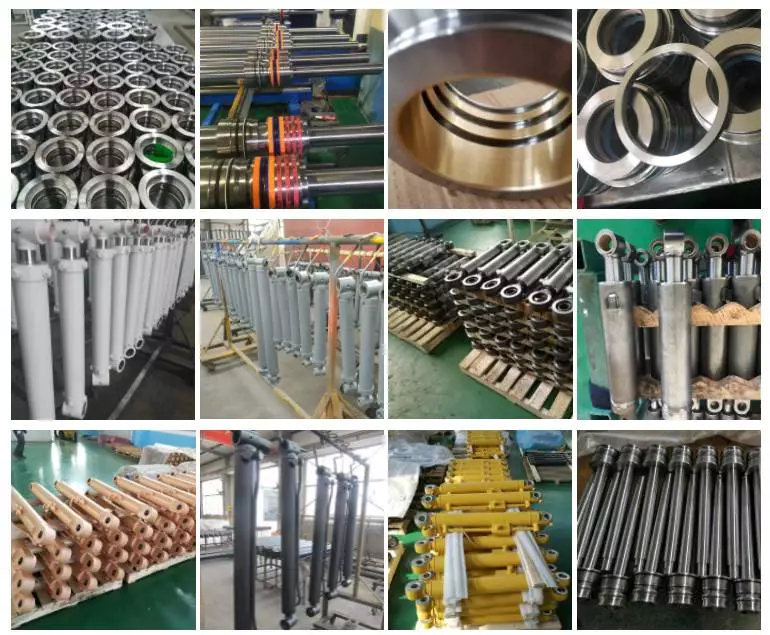
Tie rod Hydraulic Cylinder
GD Machinery Co., Ltd. is a specialized manufacturer and trader with main products: hydraulic cylinders, hydraulic power units, hydraulic manifolds-blocks, hydraulic flanges,pneumatic cylinders and custom-made components and parts, like industrial valves.
Our sales markets have covered our sales markets have covered North America, Europe, Australia and Japan.
HangZhou GD Machinery CO.,LTD. | |
தயாரிப்பு | |
tie rod hydraulic cylinder, welded hydraulic cylinder, telescopic cylinders cylinder, flange type hydraulic cylinder, hydraulic cylinder with valve function, hydraulic power unit, Hydraulic manifold block, pneumatic fitting, | |
பொருள் | Tube – Cold Drawn Precision seamless Tubing Mounts – Trunnion with angular Swivels |
Application | Agriculture, Concrete & Asphalt, Cranes, Fire & Rescue Forestry & Logging,Mining & Rock Crushing,Oil & Gas Snow & Ice Control,Waste Management and Material Recycling Industry , Engineering Equipment, Special Vehicle |
Feature | 1.High quality with a reasonable price 2.ISO9001-2008 3.Customized specification are accepted |
Payment | T/T;L/C,WESTERN UNION. |
Port | HangZhou ,China |
Quotation | According to the specific request |
குறைந்தபட்ச ஆர்டர் அளவு | According to the product |
பேக்கேஜிங் | metal case;plywood case;carton or as requirement |
Delivery time | 30days CHINAMFG receipt of 30% deposit; or CHINAMFG receipt of relevant L/C; |
Tie rod hydraulic cylinders
Specificattions:
பேக்கேஜிங்
We use metal case/plywood case /carton or as Customer’s requirements
Delivery time:
30-40 days
Hydraulic cylinders can be built according to your drawings or technical requirement.
Sample order are acceptable
Please kindly contact:
Joyce
| Certification: | ISO9001 |
|---|---|
| Pressure: | Medium Pressure |
| Work Temperature: | Normal Temperature |
| Samples: | US$ 30/Piece 1 Piece(Min.Order) | Order Sample |
|---|
| Customization: | Available |
|
|---|
.shipping-cost-tm .tm-status-off{background: none;padding:0;color: #1470cc}
| Shipping Cost: Estimated freight per unit. | about shipping cost and estimated delivery time. |
|---|
| Payment Method: |
|
|---|---|
| Initial Payment Full Payment |
| Currency: | US$ |
|---|
| Return&refunds: | You can apply for a refund up to 30 days after receipt of the products. |
|---|

How do hydraulic cylinders contribute to the overall cost-effectiveness of industrial processes?
Hydraulic cylinders play a crucial role in enhancing the overall cost-effectiveness of industrial processes. They offer several advantages and contribute to increased productivity, improved efficiency, reduced maintenance costs, and enhanced operational performance. Here’s a detailed explanation of how hydraulic cylinders contribute to the cost-effectiveness of industrial processes:
1. High Power Density:
– Hydraulic cylinders provide a high power-to-weight ratio, allowing them to generate substantial force in a compact design. This power density enables the use of smaller and lighter equipment, reducing material and manufacturing costs, and increasing the efficiency of industrial processes.
2. Precise Force and Position Control:
– Hydraulic cylinders offer precise force and position control, allowing for accurate movement and positioning of machinery or workpieces. This level of control enhances process efficiency, reduces material waste, and improves overall product quality. Precise force control also minimizes the risk of equipment damage, further reducing maintenance and repair costs.
3. High Load Handling Capacity:
– Hydraulic cylinders are known for their ability to handle high loads. They can exert significant force, making them suitable for heavy-duty industrial applications. By efficiently handling heavy loads, hydraulic cylinders contribute to increased productivity and throughput, reducing the need for additional equipment and streamlining industrial processes.
4. Flexibility and Versatility:
– Hydraulic cylinders offer a high degree of flexibility and versatility in industrial processes. They can be easily integrated into various types of machinery and equipment, allowing for diverse applications. This adaptability reduces the need for specialized equipment, resulting in cost savings and increased operational efficiency.
5. Energy Efficiency:
– Hydraulic systems, including hydraulic cylinders, can be designed to operate with high energy efficiency. By utilizing efficient hydraulic circuit designs, advanced control systems, and energy recovery mechanisms, hydraulic cylinders minimize energy waste and reduce operational costs. Energy-efficient hydraulic systems also contribute to a more sustainable and environmentally friendly industrial operation.
6. Durability and Longevity:
– Hydraulic cylinders are built to withstand demanding industrial environments and heavy usage. They are constructed with robust materials and undergo stringent quality control measures to ensure durability and longevity. Their ability to withstand harsh conditions and repetitive motion reduces the need for frequent replacements, minimizing downtime and maintenance costs.
7. Reduced Maintenance Requirements:
– Hydraulic cylinders require relatively low maintenance compared to other types of actuators. Properly designed hydraulic systems with efficient filtration and contamination control mechanisms can prevent damage to the cylinders and extend their service life. Reduced maintenance requirements result in lower downtime, decreased labor costs, and improved cost-effectiveness of industrial processes.
8. System Integration and Automation:
– Hydraulic cylinders can be seamlessly integrated into automated industrial processes. By incorporating hydraulic cylinders into automated systems, tasks can be performed with precision and repeatability, reducing human error and optimizing efficiency. Automation also allows for continuous operation, increasing productivity and overall cost-effectiveness.
9. Cost-Effective Replacement:
– In situations where hydraulic cylinders require replacement or repair, the cost-effectiveness of the process is still maintained. Hydraulic cylinders are typically modular in design, allowing for easy replacement of individual components or complete units. This modularity reduces downtime and associated costs, as only the affected components need to be replaced, rather than the entire system.
In summary, hydraulic cylinders contribute to the overall cost-effectiveness of industrial processes through their high power density, precise control capabilities, high load handling capacity, flexibility, energy efficiency, durability, reduced maintenance requirements, system integration, and cost-effective replacement options. Their ability to enhance productivity, efficiency, and operational performance while minimizing maintenance and downtime costs makes hydraulic cylinders a valuable component in various industrial applications.
கடல் மற்றும் கடலோரப் பயன்பாடுகளுக்கான ஹைட்ராலிக் சிலிண்டர்களின் தனிப்பயனாக்கம்
ஆம், ஹைட்ராலிக் சிலிண்டர்களை கடல் மற்றும் கடலோரப் பயன்பாடுகளுக்கு ஏற்றவாறு தனிப்பயனாக்க முடியும். இந்தச் சூழல்கள், அரிக்கும் தன்மை கொண்ட உப்புநீர், அதிக ஈரப்பதம் மற்றும் கடுமையான இயக்க நிலைமைகள் போன்ற தனித்துவமான சவால்களை முன்வைக்கின்றன. தனிப்பயனாக்கமானது, ஹைட்ராலிக் சிலிண்டர்கள் குறிப்பிட்ட தேவைகளைப் பூர்த்தி செய்யவும், கடல் மற்றும் கடலோரச் சூழல்களில் எதிர்கொள்ளப்படும் கடுமையான நிலைமைகளைத் தாங்கவும் உதவுகிறது. கடல் மற்றும் கடலோரப் பயன்பாடுகளுக்கு ஹைட்ராலிக் சிலிண்டர்களை எவ்வாறு தனிப்பயனாக்கலாம் என்பதன் விவரங்களை இப்போது விரிவாகப் பார்ப்போம்:
- அரிப்பு எதிர்ப்புத்திறன்: கடல் மற்றும் கடலுக்கு அப்பால் உள்ள சூழல்களில், ஹைட்ராலிக் சிலிண்டர்கள் உப்புநீர் போன்ற அரிக்கும் கூறுகளுக்கு உள்ளாகின்றன. அரிப்பைக் குறைப்பதற்காக, மேம்பட்ட அரிப்பு எதிர்ப்பை வழங்கும் பொருட்கள் மற்றும் மேற்பரப்புப் பூச்சுகளைக் கொண்டு ஹைட்ராலிக் சிலிண்டர்களைத் தனிப்பயனாக்கலாம். உதாரணமாக, உப்புநீரின் அரிப்பு விளைவுகளைத் தாங்குவதற்காக, சிலிண்டர்களைத் துருப்பிடிக்காத எஃகால் உருவாக்கலாம் அல்லது குரோம் பூச்சு அல்லது சிறப்புப் பூச்சுகள் போன்ற பாதுகாப்பு அடுக்குகளால் பூசலாம்.
- மூடுதல் மற்றும் சுற்றுச்சூழல் பாதுகாப்பு: கடல் மற்றும் கடலோரப் பயன்பாடுகளுக்கான ஹைட்ராலிக் சிலிண்டர்களுக்கு, நீர் உட்புகுவதைத் தடுக்கவும் உள் கூறுகளைப் பாதுகாக்கவும் வலுவான சீலிங் அமைப்புகள் தேவைப்படுகின்றன. உயர் தரமான சீல்கள், வைப்பர்கள் மற்றும் கேஸ்கெட்டுகள் போன்ற தனிப்பயனாக்கப்பட்ட சீலிங் தீர்வுகள், திறம்பட்ட சீலிங்கையும், நீர், குப்பைகள் மற்றும் அசுத்தங்களுக்கு எதிரான எதிர்ப்பையும் உறுதி செய்யப் பயன்படுத்தப்படலாம். மேலும், சுற்றுச்சூழல் கூறுகளிலிருந்து பாதிக்கப்படக்கூடிய பகுதிகளைப் பாதுகாக்க, ஹைட்ராலிக் சிலிண்டர்கள் பெல்லோஸ் அல்லது பூட்ஸ் போன்ற பாதுகாப்பு அம்சங்களுடன் வடிவமைக்கப்படலாம்.
- உயர் அழுத்தம் மற்றும் அதிர்ச்சி எதிர்ப்புத்திறன்: கடல் மற்றும் கடலுக்கு அப்பால் நடைபெறும் செயல்பாடுகளில் உயர் அழுத்த ஹைட்ராலிக் அமைப்புகளும், மாறும் சுமைகள் அல்லது அதிர்ச்சிகளுடனான சந்திப்புகளும் அடங்கியிருக்கலாம். இந்தக் கடினமான நிலைமைகளைத் தாங்கும் வகையில், பிரத்தியேக ஹைட்ராலிக் சிலிண்டர்களை வடிவமைக்க முடியும். உயர் அழுத்தப் பயன்பாடுகளைக் கையாளவும், அதிர்ச்சிச் சுமைகளைத் தாங்கவும், நம்பகமான செயல்திறனையும் நீடித்துழைப்பையும் உறுதிசெய்யும் வகையில், அவை வலுவூட்டப்பட்ட கட்டுமானம், தடிமனான சுவர்கள் மற்றும் சிறப்பு பாகங்களுடன் வடிவமைக்கப்படலாம்.
- வெப்பநிலை மற்றும் திரவ இணக்கத்தன்மை: கடல் மற்றும் கடலோரப் பயன்பாடுகள், ஹைட்ராலிக் சிலிண்டர்களை அதீத வெப்பநிலை மாறுபாடுகளுக்கும் குறிப்பிட்ட திரவத் தேவைகளுக்கும் உட்படுத்தக்கூடும். தனிப்பயனாக்கமானது, எதிர்பார்க்கப்படும் வெப்பநிலை வரம்பு மற்றும் பயன்படுத்தப்படும் குறிப்பிட்ட திரவத்துடன் இணக்கமான பொருட்கள், சீல்கள் மற்றும் திரவங்களைத் தேர்ந்தெடுக்க அனுமதிக்கிறது. சவாலான வெப்பநிலை நிலைகளிலும், நியமிக்கப்பட்ட திரவ வகையுடனும் உகந்த செயல்திறனையும் நம்பகத்தன்மையையும் பராமரிக்கும் வகையில் ஹைட்ராலிக் சிலிண்டர்களைத் தனிப்பயனாக்கலாம்.
- பொருத்துதல் மற்றும் ஒருங்கிணைத்தல்: கடல் மற்றும் கடலோர இயந்திரங்களில் எளிதாக ஒருங்கிணைத்து பொருத்துவதற்கு வசதியாக, தனிப்பயனாக்கப்பட்ட ஹைட்ராலிக் சிலிண்டர்களை வடிவமைக்க முடியும். கிடைக்கும் இடம் மற்றும் உபகரணத்தின் கட்டமைப்புத் தேவைகளுக்கு ஏற்ப பொருத்தும் விருப்பங்களைத் தனிப்பயனாக்கலாம். மேலும், தனிப்பயனாக்கப்பட்ட ஹைட்ராலிக் சிலிண்டர் வடிவமைப்புகளில் எளிதான பராமரிப்பு, அணுகல் மற்றும் ஹைட்ராலிக் அமைப்புடன் இணைப்பதற்கான அம்சங்கள் இணைக்கப்படலாம். இது கடல் மற்றும் கடலோரப் பயன்பாடுகளில் வசதியான நிறுவல் மற்றும் சேவைத்திறனை உறுதி செய்கிறது.
சுருக்கமாக, கடல் மற்றும் கடலோரப் பயன்பாடுகளின் தனித்துவமான தேவைகளைப் பூர்த்தி செய்யும் வகையில் ஹைட்ராலிக் சிலிண்டர்களைத் தனிப்பயனாக்கலாம். இந்தத் தனிப்பயனாக்கமானது, அரிப்பை எதிர்க்கும் பொருட்கள், உறுதியான சீலிங் அமைப்புகள், உயர் அழுத்தம் மற்றும் அதிர்ச்சியைத் தாங்கும் வடிவமைப்புகள், வெப்பநிலை மற்றும் திரவ இணக்கத்தன்மை, அத்துடன் உகந்த பொருத்துதல் மற்றும் ஒருங்கிணைப்பு அம்சங்கள் ஆகியவற்றை ஒருங்கிணைக்க உதவுகிறது. கடல் மற்றும் கடலோரச் சூழல்களின் குறிப்பிட்ட தேவைகளுக்கு ஏற்ப ஹைட்ராலிக் சிலிண்டர்களை வடிவமைப்பதன் மூலம், இந்தச் சவாலான இயக்கச் சூழல்களில் நம்பகமான செயல்திறன், நீட்டிக்கப்பட்ட சேவை ஆயுள் மற்றும் திறமையான செயல்பாடு ஆகியவற்றை அடைய முடியும்.

How do hydraulic cylinders generate force and motion using hydraulic fluid?
Hydraulic cylinders generate force and motion by utilizing the principles of fluid mechanics, specifically Pascal’s law, in conjunction with the properties of hydraulic fluid. The process involves the conversion of hydraulic energy into mechanical force and linear motion. Here’s a detailed explanation of how hydraulic cylinders achieve this:
1. Pascal’s Law:
– Hydraulic cylinders operate based on Pascal’s law, which states that when pressure is applied to a fluid in a confined space, it is transmitted equally in all directions. In the context of hydraulic cylinders, this means that when hydraulic fluid is pressurized, the force is evenly distributed throughout the fluid and transmitted to all surfaces in contact with the fluid.
2. Hydraulic Fluid and Pressure:
– Hydraulic systems use a specialized fluid, typically hydraulic oil, as the working medium. This fluid is stored in a reservoir and circulated through the system by a hydraulic pump. The pump pressurizes the fluid, creating hydraulic pressure that can be controlled and directed to various components, including hydraulic cylinders.
3. Cylinder Design and Components:
– Hydraulic cylinders consist of several key components, including a cylindrical barrel, a piston, a piston rod, and various seals. The barrel is a hollow tube that houses the piston and allows for fluid flow. The piston divides the cylinder into two chambers: the rod side and the cap side. The piston rod extends from the piston and provides a connection point for external loads. Seals are used to prevent fluid leakage and maintain hydraulic pressure within the cylinder.
4. Fluid Input and Motion:
– To generate force and motion, hydraulic fluid is directed into one side of the cylinder, creating pressure on the corresponding surface of the piston. This pressure is transmitted through the fluid to the other side of the piston.
5. Force Generation:
– The force generated by a hydraulic cylinder is a result of the pressure applied to a specific surface area of the piston. The force exerted by the hydraulic cylinder can be calculated using the formula: Force = Pressure × Area. The area is determined by the diameter of the piston or the piston rod, depending on which side of the cylinder the fluid is acting upon.
6. Linear Motion:
– As the pressurized hydraulic fluid acts on the piston, it generates a force that moves the piston in a linear direction within the cylinder. This linear motion is transferred to the piston rod, which extends or retracts accordingly. The piston rod can be connected to external components or machinery, allowing the generated force to perform various tasks, such as lifting, pushing, pulling, or controlling mechanisms.
7. Control and Regulation:
– The force and motion generated by hydraulic cylinders can be controlled and regulated by adjusting the flow of hydraulic fluid into the cylinder. By regulating the flow rate, pressure, and direction of the fluid, the speed, force, and direction of the cylinder’s movement can be precisely controlled. This control allows for accurate positioning, smooth operation, and synchronization of multiple cylinders in complex machinery.
8. Return and Recirculation of Fluid:
– After the hydraulic cylinder completes its stroke, the hydraulic fluid on the opposite side of the piston needs to be returned to the reservoir. This is typically achieved through hydraulic valves that control the flow direction, allowing the fluid to return and be recirculated in the system for further use.
In summary, hydraulic cylinders generate force and motion by utilizing the principles of Pascal’s law. Pressurized hydraulic fluid acts on the piston, creating force that moves the piston in a linear direction. This linear motion is transferred to the piston rod, allowing the generated force to perform various tasks. By controlling the flow of hydraulic fluid, the force and motion of hydraulic cylinders can be precisely regulated, contributing to their versatility and wide range of applications in machinery.


editor by CX 2023-11-16