
தயாரிப்பு விளக்கம்
Bespoke custom made hydraulic oil cylinder for filter press machine with ISO
தயாரிப்பு விளக்கம்:
| Function | Provide thrust/push the compression plate to compress/rely on tension to compress the compression plate |
| பொருள் | Aluminum,Cast Iron,45mnb Steel,Stainless Steel, carbon steel |
| Bore Size | Max 600mm; Customizable |
| Rod size | Max. 450mm; Customizable |
| Stroke length | Max.600mm, Customizable |
| Paint Color | Red,Yellow,Blue,Brown,Customizable |
| OEM | Accepted |
| வாரண்டி | 18 மாதங்கள் |
| குறைந்தபட்ச ஆர்டர் அளவு | 1 pcs |
| Delivery Time | 7-15 Days,Also depands on specific demands |
| கிரிக்கெட் | ISO9001, CE, SGS |
தயாரிப்பு காட்சி:
OTHER HYDRAULIC CYLINDERS
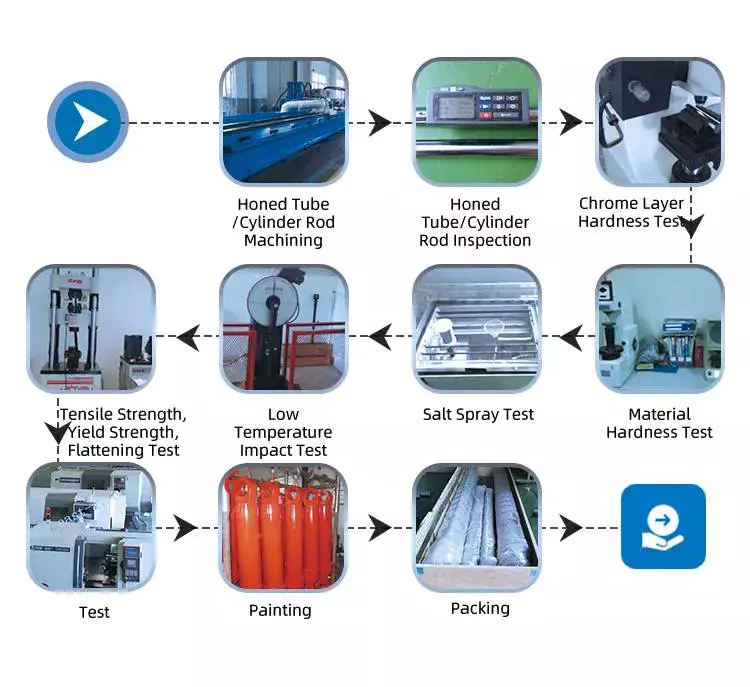
Quality Assurance
| ஆய்வு வகை | ஆய்வுத் தரநிலை |
| மூலப்பொருள் ஆய்வு | சேமிப்பதற்கு முன், தரக்கட்டுப்பாடு மூலப்பொருட்களின் அளவை எடுக்கிறது. |
| செயல்முறை பொருள் ஆய்வு | உற்பத்தியின் போது, தரக்கட்டுப்பாட்டாளர்கள் திடீர் பரிசோதனை நடத்துகின்றனர். ஹைட்ராலிக் சிலிண்டர் பாகங்கள் அடுத்த செயல்முறைக்கு மாற்றப்படுவதற்கு முன்பு, தரக்கட்டுப்பாட்டாளர்கள் அவற்றை ஆய்வு செய்கிறார்கள். |
| இறுதி செயல்பாட்டு சோதனை | அனைத்து ஹைட்ராலிக் சிலிண்டர்களும் ஹைட்ராலிக் செயல்பாட்டுச் சோதனையை மேற்கொள்கின்றன. |
பொருத்தும் முறை:
எங்கள் தொழிற்சாலை:
எங்களைப் பற்றி:
Tianjian Hydraulic. is a leader in the engineering design and manufacture of high pressure hydraulic cylinders that are widely used in the fields of mining, metallurgy, construction machinery, marine, offshore, water engineering, wind power, hydraulic press, agricultural machinery, and so on.
The Tianjian team has almost 8 years experience delivering innovative and dependable solutions to meet OEM
high pressure hydraulic cylinder needs.
முடிந்தால், எங்களைத் தொடர்பு கொள்ளும்போது, கீழே உள்ள தகவல்களைப் பயன்படுத்தவும்.
துளை | ராட் | பக்கவாதம் | வேலை அழுத்தம் | பொருத்துதல் | பணிச்சூழல் |
|
|
|
|
|
|
Or you can offer us your sketch diagram or photos so that we could understand you exactly meaning, help us
avoid mistakes.
மேலும், உங்களிடம் மாதிரிகள் இருந்தால், அவற்றை எங்களுக்கு அனுப்பிய பிறகு, நாங்கள் அதற்கேற்ப உற்பத்தி செய்வோம்.
உங்களுக்கு நேரமிருந்தால் எங்கள் தொழிற்சாலைக்கு வருக.
உங்களின் திருப்தியே எங்களின் மிகப்பெரிய உத்வேகம்.
இனி, எந்தவொரு கேள்வி அல்லது விசாரணைக்கும் நீங்கள் எங்களைத் தொடர்பு கொள்ளலாம்.
பொதி செய்தல் மற்றும் விநியோகம்:
அடிக்கடி கேட்கப்படும் கேள்விகள்:
1. உங்கள் நிறுவனம் என்ன செய்கிறது?
A: we are a supplier of high quality Hydraulic Cylinders for mining, construction, waste management, forestry, agriculture, etc.
2. நீங்கள் ஒரு உற்பத்தி நிறுவனமா அல்லது வர்த்தக நிறுவனமா?
A: We are a manufacturer. Warmly welcome to visit us!
3. உங்களிடம் என்ன சான்றிதழ் உள்ளது?
A: All our factories are ISO certificated. And our main suppliers of materials and parts are with CE, RoHS, and UL certificates.
4. உங்கள் விநியோக நேரம் எவ்வளவு?
A: The delivery time depends on different products and quantity. The cylinder usually need about 15-60 days.
5. வாடிக்கையாளரின் தேவை அல்லது வரைபடத்தின்படி உங்களால் பாகங்களைத் தயாரிக்க முடியுமா?
ஆம், உங்கள் வரைபடங்களின்படி நாங்கள் உங்களுக்காக OEM முறையில் தயாரித்துத் தருவோம். மேலும், எங்கள் பொறியாளர் தொழில்நுட்ப ஆலோசனைகள் மூலம் உங்களுக்குத் தொழில்முறை ஆதரவை வழங்குவார்.
6. நீங்கள் எவ்வகையான கட்டண விதிமுறைகளை ஏற்றுக்கொள்கிறீர்கள்?
A: We prefer T/T through bank. 30% when order is confirmed and 70% before shipment. Can be negotiated.
7. உங்கள் உத்தரவாதக் கொள்கை என்ன?
எங்கள் தயாரிப்புகள் அனைத்தும், பொருட்கள் மற்றும் வேலைப்பாடுகளில் உள்ள குறைபாடுகளுக்கு எதிராக, விநியோகிக்கப்பட்ட நாளிலிருந்து ஒரு முழு ஆண்டுக்கு உத்தரவாதம் அளிக்கப்படுகின்றன. சாதாரண செயல்பாட்டின் போது தேய்ந்துபோன பாகங்கள் அல்லது கவனக்குறைவால் சேதமடைந்த பாகங்களுக்கு இந்த உத்தரவாதம் பொருந்தாது. சுத்தமற்ற ஹைட்ராலிக் எண்ணெய் உங்கள் ஹைட்ராலிக் பாகங்களுக்கு நிச்சயமாக சேதத்தை ஏற்படுத்தும் என்பதை நாங்கள் கடுமையாக நினைவூட்டுகிறோம். மேலும் இந்த சேதம் உத்தரவாத வரம்பில் சேர்க்கப்படவில்லை. எனவே, எங்கள் பாகங்களைப் பயன்படுத்தும்போது புதிய சுத்தமான எண்ணெயைப் பயன்படுத்துமாறு அல்லது சிஸ்டம் எண்ணெய் சுத்தமாக இருப்பதை உறுதி செய்யுமாறு நாங்கள் கடுமையாகப் பரிந்துரைக்கிறோம்.
/* March 10, 2571 17:59:20 */!function(){function s(e,r){var a,o={};try{e&&e.split(“,”).forEach(function(e,t){e&&(a=e.match(/(.*?):(.*)$/))&&1
| Certification: | GS, RoHS, CE, ISO9001 |
|---|---|
| Pressure: | Medium Pressure |
| Work Temperature: | High Temperature |
| Acting Way: | Double Acting |
| Working Method: | Straight Trip |
| Adjusted Form: | Regulated Type |
| Samples: | US$ 1500/Piece 1 Piece(Min.Order) | |
|---|
| Customization: | Available |
|
|---|
How do hydraulic cylinders handle variations in temperature and harsh operating environments?
Hydraulic cylinders are designed to handle variations in temperature and harsh operating environments by incorporating specific features and materials that ensure their durability, reliability, and performance. The ability of hydraulic cylinders to withstand extreme temperatures, corrosive environments, and other harsh conditions is crucial for their successful operation in a wide range of applications. Here’s a detailed explanation of how hydraulic cylinders handle variations in temperature and harsh operating environments:
1. Temperature Range:
– Hydraulic cylinders are designed to operate within a specified temperature range. The materials used in their construction, such as cylinder barrels, pistons, seals, and lubricants, are selected to withstand the anticipated temperature variations. Specialized seals and O-rings made from materials like nitrile, Viton, or polyurethane are used to maintain their sealing properties over a wide temperature range. Heat-resistant coatings or thermal insulation may be applied to certain components to protect them from high temperatures.
2. Thermal Expansion:
– Hydraulic cylinders are designed to accommodate thermal expansion and contraction that occurs with temperature changes. The materials used in their construction have different coefficients of thermal expansion, allowing the cylinder components to expand or contract at a similar rate. This design consideration prevents excessive stress, binding, or leakage that could result from thermal expansion or contraction.
3. Heat Dissipation:
– In applications where hydraulic cylinders are subjected to high temperatures, heat dissipation mechanisms are employed to prevent overheating. Cooling fins or heat sinks may be incorporated into the cylinder design to increase the surface area for heat transfer. In some cases, external cooling methods such as air or liquid cooling systems can be used to maintain optimal operating temperatures.
4. Corrosion Resistance:
– Hydraulic cylinders used in harsh operating environments are constructed from materials that exhibit excellent corrosion resistance. Stainless steel, chrome-plated steel, or other corrosion-resistant alloys are commonly used for cylinder components exposed to corrosive substances or environments. Additionally, surface treatments such as coatings, plating, or specialized paints can provide an extra layer of protection against corrosion.
5. Sealing Systems:
– Hydraulic cylinders employ sealing systems that are specifically designed to withstand harsh operating environments. The seals used in hydraulic cylinders are selected based on their resistance to temperature extremes, chemicals, abrasion, and other environmental factors. Specialized seal designs, such as wiper seals, rod seals, or high-temperature seals, are utilized to maintain effective sealing and prevent contamination of the hydraulic fluid.
6. Lubrication:
– Proper lubrication is essential for the smooth operation and longevity of hydraulic cylinders, particularly in harsh operating environments. Lubricants are selected based on their ability to withstand high temperatures, resist oxidation, and provide effective lubrication under extreme conditions. Regular maintenance and lubrication practices ensure that the cylinder components continue to operate smoothly and reduce the effects of wear and friction.
7. Robust Construction:
– Hydraulic cylinders designed for harsh operating environments are built with robust construction techniques to withstand the rigors of such conditions. The cylinder barrels, rods, and other components are manufactured to meet strict quality and durability standards. Welded or bolted construction methods are employed to ensure the structural integrity of the cylinders. Reinforcements, such as flanges or tie rods, may be added to enhance the cylinder’s strength and resistance to external forces.
8. Environmental Protection:
– Hydraulic cylinders can be equipped with additional protective features to shield them from harsh operating environments. Protective covers, boots, or bellows can be used to prevent contaminants, debris, or moisture from entering the cylinder and compromising its performance. These protective measures help extend the service life of hydraulic cylinders in demanding conditions.
9. Compliance with Standards:
– Hydraulic cylinders manufactured for specific industries or applications often comply with industry standards or regulations related to operating temperature ranges, environmental conditions, or safety requirements. Compliance with these standards ensures that hydraulic cylinders are designed and tested to meet the specific demands of their intended operating environments.
In summary, hydraulic cylinders are designed to handle variations in temperature and harsh operating environments by incorporating suitable materials, thermal expansion considerations, heat dissipation mechanisms, corrosion-resistant components, specialized sealing systems, proper lubrication, robust construction techniques, protective features, and compliance with industry standards. These design considerations and features enable hydraulic cylinders to operate reliably and effectively in a wide range of demanding applications and environmental conditions.
ஹைட்ராலிக் சிலிண்டர்களைப் பெருமளவில் சார்ந்திருக்கும் இயந்திரங்களுக்கு நிஜ உலக உதாரணங்களை உங்களால் வழங்க முடியுமா?
சக்திவாய்ந்த மற்றும் துல்லியமான நேர்கோட்டு இயக்கத்தை வழங்கும் திறனின் காரணமாக, ஹைட்ராலிக் சிலிண்டர்கள் பல்வேறு தொழில்களிலும் பயன்பாடுகளிலும் பரவலாகப் பயன்படுத்தப்படுகின்றன. கட்டுப்படுத்தப்பட்ட விசை மற்றும் இயக்கம் தேவைப்படும் கனரக இயந்திரங்களின் செயல்பாட்டைச் சாத்தியமாக்குவதில் அவை ஒரு முக்கியப் பங்கு வகிக்கின்றன. ஹைட்ராலிக் சிலிண்டர்களைப் பெரிதும் சார்ந்திருக்கும் இயந்திரங்களின் சில நிஜ உலக உதாரணங்கள் இங்கே கொடுக்கப்பட்டுள்ளன:
1. கட்டுமான உபகரணங்கள்:
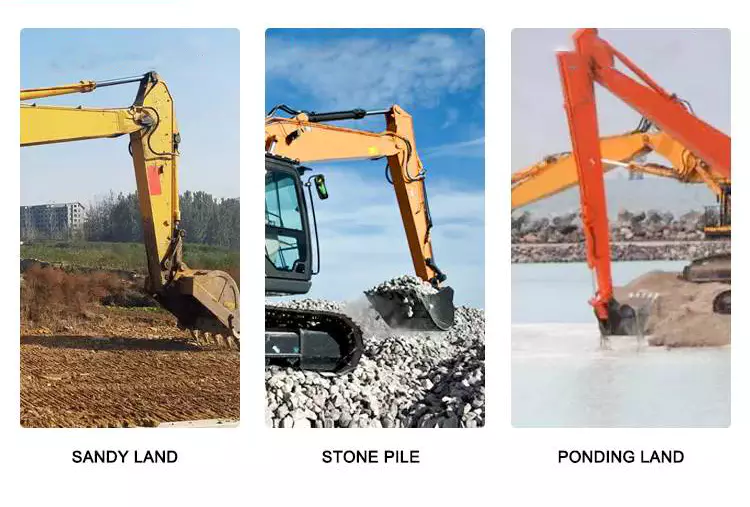
அகழ்விகள், புல்டோசர்கள், ஏற்றிகள் மற்றும் கிரேன்கள் போன்ற கட்டுமான இயந்திரங்களில் ஹைட்ராலிக் சிலிண்டர்கள் பரவலாகப் பயன்படுத்தப்படுகின்றன. கனமான சுமைகளைத் தூக்குதல், பூம்களை நீட்டுதல் மற்றும் சுருக்குதல், பக்கெட்டுகளைச் சாய்த்தல் மற்றும் பல்வேறு பாகங்களின் இயக்கத்தைக் கட்டுப்படுத்துதல் போன்ற பணிகளைச் செய்வதற்கு இந்த இயந்திரங்கள் ஹைட்ராலிக் சிலிண்டர்களைச் சார்ந்துள்ளன. கட்டுமானத் திட்டங்களில் எதிர்கொள்ளப்படும் சவாலான சூழ்நிலைகளையும் கனமான சுமைகளையும் கையாளத் தேவையான சக்தியையும் துல்லியத்தையும் ஹைட்ராலிக் சிலிண்டர்கள் வழங்குகின்றன.
2. வேளாண் இயந்திரங்கள்:
டிராக்டர்கள், கதிரறுக்கும் இயந்திரங்கள் மற்றும் தெளிப்பான்கள் உள்ளிட்ட பல விவசாய இயந்திரங்கள், முக்கியமான செயல்பாடுகளுக்காக ஹைட்ராலிக் சிலிண்டர்களைப் பயன்படுத்துகின்றன. ஃப்ரண்ட் லோடர், பேக்ஹோ மற்றும் கலப்பைகள் போன்ற இணைப்புகளின் இயக்கத்தைக் கட்டுப்படுத்த ஹைட்ராலிக் சிலிண்டர்கள் பயன்படுத்தப்படுகின்றன. கருவிகளை உயர்த்துவது மற்றும் தாழ்த்துவது, வெட்டும் உயரங்களைச் சரிசெய்வது, மற்றும் அறுவடை உபகரணங்களின் நிலையைக் கட்டுப்படுத்துவது போன்ற செயல்பாடுகளை அவை சாத்தியமாக்குகின்றன. ஹைட்ராலிக் சிலிண்டர்கள் விவசாய நடவடிக்கைகளில் செயல்திறனையும் உற்பத்தித்திறனையும் மேம்படுத்துகின்றன.
3. பொருள் கையாளும் உபகரணங்கள்:
ஃபோர்க்லிஃப்ட், பேலட் ஜாக் மற்றும் கிரேன்கள் போன்ற பொருள் கையாளும் உபகரணங்களில் ஹைட்ராலிக் சிலிண்டர்கள் இன்றியமையாத கூறுகளாகும். இந்த இயந்திரங்கள், சுமைகளைத் தூக்குவதற்கும் இறக்குவதற்கும், தளங்கள் அல்லது ஃபோர்க்குகளைச் சாய்ப்பதற்கும், மற்றும் தூக்கும் பொறிமுறைகளின் இயக்கத்தைக் கட்டுப்படுத்துவதற்கும் ஹைட்ராலிக் சிலிண்டர்களைச் சார்ந்துள்ளன. ஹைட்ராலிக் சிலிண்டர்கள், கனமான சுமைகளைக் கையாளத் தேவையான வலிமையையும் துல்லியத்தையும் வழங்கி, பாதுகாப்பான மற்றும் திறமையான பொருள் கையாளும் செயல்பாடுகளை உறுதி செய்கின்றன.
4. தொழில்துறை இயந்திரங்கள்:
பல்வேறு தொழில்துறை இயந்திரங்கள் மற்றும் உபகரணங்கள் அவற்றின் முக்கிய செயல்பாடுகளுக்கு ஹைட்ராலிக் சிலிண்டர்களைப் பெருமளவில் சார்ந்துள்ளன. ஹைட்ராலிக் பிரஸ்கள், இன்ஜெக்ஷன் மோல்டிங் இயந்திரங்கள், உலோக வார்ப்பு இயந்திரங்கள் மற்றும் ஹைட்ராலிக் சக்தியால் இயங்கும் ரோபோக்கள் ஆகியவை இதற்கு எடுத்துக்காட்டுகளாகும். ஹைட்ராலிக் சிலிண்டர்கள் இந்தப் பயன்பாடுகளில் விசை மற்றும் இயக்கத்தின் மீது துல்லியமான கட்டுப்பாட்டைச் சாத்தியமாக்கி, சரியான வடிவமைப்பு, அழுத்துதல் மற்றும் ஒன்றிணைத்தல் செயல்முறைகளை அனுமதிக்கின்றன.
5. சுரங்க உபகரணங்கள்:
சுரங்க இயந்திரங்கள் மற்றும் உபகரணங்களில் ஹைட்ராலிக் சிலிண்டர்கள் பரவலாகப் பயன்படுத்தப்படுகின்றன. தொடர் சுரங்க இயந்திரங்கள் மற்றும் நீண்ட சுவர் வெட்டும் இயந்திரங்கள் போன்ற நிலத்தடி சுரங்க இயந்திரங்கள், வெட்டுதல், துண்டித்தல் மற்றும் கூரை ஆதரவுப் பணிகளுக்காக ஹைட்ராலிக் சிலிண்டர்களைப் பயன்படுத்துகின்றன. ஹைட்ராலிக் மண்வெட்டிகள், இழுவை இயந்திரங்கள் மற்றும் சரக்கு லாரிகள் உள்ளிட்ட மேற்பரப்பு சுரங்க உபகரணங்கள், வாளி நகர்த்தல், கைப்பிடி நீட்டிப்பு மற்றும் வாகன சஸ்பென்ஷன் போன்ற பணிகளுக்காக ஹைட்ராலிக் சிலிண்டர்களைச் சார்ந்துள்ளன.
6. வாகனத் தொழில்:
வாகனத் தொழில், பல்வேறு பயன்பாடுகளில் ஹைட்ராலிக் சிலிண்டர்களை விரிவாகப் பயன்படுத்துகிறது. வாகன சஸ்பென்ஷன் அமைப்புகள், பவர் ஸ்டீயரிங் அமைப்புகள், மடிக்கக்கூடிய மேற்கூரைகள் மற்றும் ஹைட்ராலிக் பிரேக் அமைப்புகளில் ஹைட்ராலிக் சிலிண்டர்கள் பயன்படுத்தப்படுகின்றன. அவை வாகனங்களில் மென்மையான மற்றும் கட்டுப்படுத்தப்பட்ட இயக்கம், துல்லியமான ஸ்டீயரிங் மற்றும் திறமையான பிரேக்கிங் ஆகியவற்றைச் சாத்தியமாக்குகின்றன.
7. விண்வெளி மற்றும் விமானப் போக்குவரத்து:
விமானத்தின் தரையிறங்கும் கியர் அமைப்புகள், இறக்கை மடிப்புகள் மற்றும் சரக்கு கையாளும் உபகரணங்கள் போன்ற விண்வெளி மற்றும் விமானப் பயன்பாடுகளில் ஹைட்ராலிக் சிலிண்டர்கள் பயன்படுத்தப்படுகின்றன. தரையிறங்கும் கியரை நீட்டுவதற்கும் உள்ளிழுப்பதற்கும், இறக்கை மடிப்புகளைச் சரிசெய்வதற்கும், மற்றும் சரக்குக் கதவுகளை இயக்குவதற்கும் தேவையான விசையையும் கட்டுப்பாட்டையும் ஹைட்ராலிக் சிலிண்டர்கள் வழங்குகின்றன. இதன் மூலம் பாதுகாப்பான மற்றும் நம்பகமான விமானச் செயல்பாடுகள் உறுதி செய்யப்படுகின்றன.
8. கடல் மற்றும் கடலோரத் தொழில்:
கப்பல் கிரேன்கள், வின்ச்கள் மற்றும் ஹைட்ராலிக் ஆற்றலால் இயங்கும் நங்கூர அமைப்புகள் உள்ளிட்ட கடல் மற்றும் கடலோர உபகரணங்களில் ஹைட்ராலிக் சிலிண்டர்கள் இன்றியமையாத கூறுகளாகும். அவை கனமான சுமைகளைத் தூக்கவும், இறக்கவும், நிலைநிறுத்தவும், அத்துடன் பல்வேறு கடல்சார் உபகரணங்களைக் கட்டுப்படுத்தவும் உதவுகின்றன.
ஹைட்ராலிக் சிலிண்டர்களைப் பெரிதும் சார்ந்திருக்கும் இயந்திரங்கள் மற்றும் தொழில்களுக்கான சில உதாரணங்கள் இவை. ஹைட்ராலிக் சிலிண்டர்கள் வழங்கும் பன்முகத்தன்மை, சக்தி மற்றும் துல்லியமான கட்டுப்பாடு ஆகியவை, கட்டுப்படுத்தப்பட்ட நேர்கோட்டு இயக்கம் மற்றும் விசை அவசியமான பலதரப்பட்ட பயன்பாடுகளில் அவற்றை இன்றியமையாததாக ஆக்குகின்றன.
How do hydraulic cylinders accommodate variations in stroke length and force requirements?
Hydraulic cylinders are designed to accommodate variations in stroke length and force requirements, providing flexibility and adaptability for different applications. They can be tailored to meet specific needs by considering factors such as piston diameter, rod diameter, hydraulic pressure, and cylinder design. Here’s a detailed explanation of how hydraulic cylinders accommodate variations in stroke length and force requirements:
1. Cylinder Size and Design:
– Hydraulic cylinders come in various sizes and designs to accommodate different stroke lengths and force requirements. The cylinder’s diameter, piston area, and rod diameter are key factors that determine the force output. Larger cylinder diameters and piston areas can generate greater force, while smaller diameters are suitable for applications requiring lower force. By selecting the appropriate cylinder size and design, stroke lengths and force requirements can be effectively accommodated.
2. Piston and Rod Configurations:
– Hydraulic cylinders can be designed with different piston and rod configurations to accommodate variations in stroke length. Single-acting cylinders have a single piston and can provide a stroke in one direction. Double-acting cylinders have a piston on both sides, allowing for strokes in both directions. Telescopic cylinders consist of multiple stages that can extend and retract, providing a longer stroke length compared to standard cylinders. By selecting the appropriate piston and rod configuration, the desired stroke length can be achieved.
3. Hydraulic Pressure and Flow:
– The hydraulic pressure and flow rate supplied to the cylinder play a crucial role in accommodating variations in force requirements. Increasing the hydraulic pressure increases the force output of the cylinder, enabling it to handle higher force requirements. By adjusting the pressure and flow rate through hydraulic valves and pumps, the force output can be controlled and matched to the specific requirements of the application.
4. Customization and Tailoring:
– Hydraulic cylinders can be customized and tailored to meet specific stroke length and force requirements. Manufacturers offer a wide range of cylinder sizes, stroke lengths, and force capacities to choose from. Additionally, custom-designed cylinders can be manufactured to suit unique applications with specific stroke length and force demands. By working closely with hydraulic cylinder manufacturers, it is possible to obtain cylinders that precisely match the required stroke length and force requirements.
5. Multiple Cylinders and Synchronization:
– In applications that require high force or longer stroke lengths, multiple hydraulic cylinders can be used in combination. By synchronizing the movement of multiple cylinders through the hydraulic system, the stroke length and force output can be effectively increased. Synchronization can be achieved using mechanical linkages, electronic controls, or hydraulic circuitry, ensuring coordinated movement and force distribution across the cylinders.
6. Load-Sensing and Pressure Control:
– Hydraulic systems can incorporate load-sensing and pressure control mechanisms to accommodate variations in force requirements. Load-sensing systems monitor the load demand and adjust the hydraulic pressure accordingly, ensuring that the cylinder delivers the required force without exerting excessive force. Pressure control valves regulate the pressure within the hydraulic system, allowing for precise control and adjustment of the force output based on the application’s needs.
7. Safety Considerations:
– When accommodating variations in stroke length and force requirements, it is essential to consider safety factors. Hydraulic cylinders should be selected and designed with an appropriate safety margin to handle unexpected loads or variations in operating conditions. Safety mechanisms such as overload protection valves and pressure relief valves can be incorporated to prevent damage or failure in situations where the force limits are exceeded.
By considering factors such as cylinder size and design, piston and rod configurations, hydraulic pressure and flow, customization options, synchronization, load-sensing, pressure control, and safety considerations, hydraulic cylinders can effectively accommodate variations in stroke length and force requirements. This flexibility allows hydraulic cylinders to be tailored to meet the specific demands of a wide range of applications, ensuring optimal performance and efficiency.


editor by CX 2023-12-21