
தயாரிப்பு விளக்கம்
தயாரிப்பு விளக்கம்
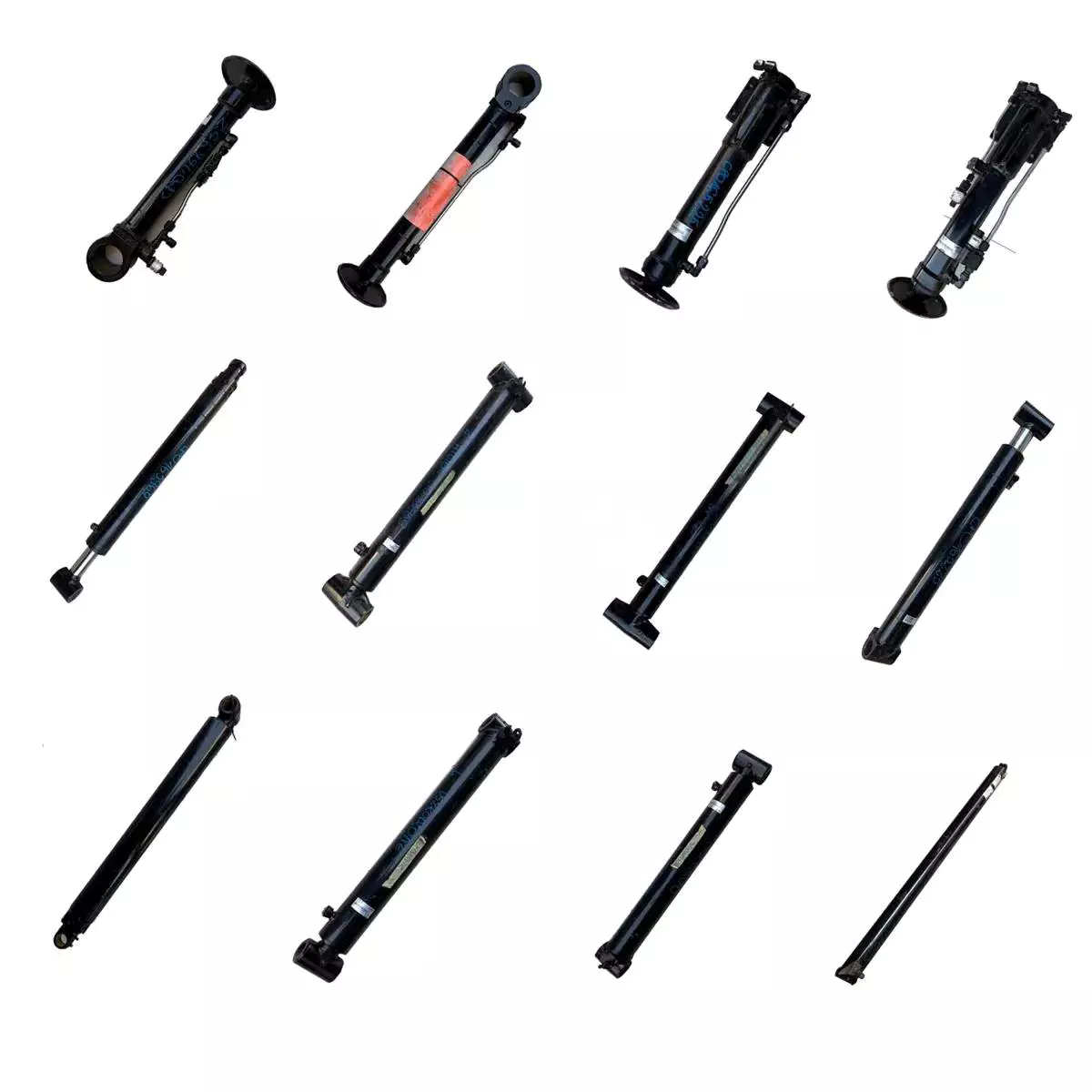
Single-acting sleeve cylinder is a single-acting sleeve type hydraulic cylinder, which can be used for rear unloading dump truck, two-way dump truck, three-way dump truck, also can be used for agricultural trailers, can replace the surrounding hydraulic lifting mechanism, so as to make the structure simple and easy to maintain.
| rear unloading dump truck |
| two-way dump truck |
| hree-way dump truck |
நிறுவனத்தின் சுயவிவரம்
சான்றிதழ்கள்
பேக்கேஜிங் மற்றும் ஷிப்பிங்
அடிக்கடி கேட்கப்படும் கேள்விகள்
Q1: Can your cylinders with HYVA ones ?
Yes, our cylinders can replace HYVA ones well, with same technical details and mounting sizes
Q2: What’s your cylinder’s advantages ?
The cylinders are made under strictly quality control processing.
All the raw materials and seals we used are all from world famous companies.
Cost effective
Q3: When your company be established ?
Our company be established in 1996, and we are professional for hydraulic cylinders for more than 25 years.
And we had passed IATF 16949:2016 Quality control system.
Q4: How about the delivery time ?
For samples about 20 days. And 15 to 30 days about mass orders.
Q5: How about the cylinder’s quality gurantee ?
We have 1 year quality grantee of the cylinders.
| Certification: | ISO9001, IATF 16949:2016 |
|---|---|
| Pressure: | High Pressure |
| Work Temperature: | Normal Temperature |
| Acting Way: | Double Acting |
| Working Method: | Straight Trip |
| Adjusted Form: | Regulated Type |
| Samples: | US$ 1000/Piece 1 Piece(Min.Order) | |
|---|
| Customization: | Available |
|
|---|
ஹைட்ராலிக் சிலிண்டர்கள், துல்லியமான நிலைநிறுத்தம் மற்றும் கட்டுப்பாடு தொடர்பான சவால்களை எவ்வாறு கையாளுகின்றன?
ஹைட்ராலிக் சிலிண்டர்கள், பொறியியல் கோட்பாடுகள் மற்றும் மேம்பட்ட கட்டுப்பாட்டு அமைப்புகளின் ஒருங்கிணைப்புடன், துல்லியமான நிலைநிறுத்தம் மற்றும் கட்டுப்பாட்டின் சவால்களைச் சமாளிக்கும் வகையில் வடிவமைக்கப்பட்டுள்ளன. தொழில்துறை தானியக்கம், கட்டுமானம் மற்றும் பொருள் கையாளுதல் போன்ற, துல்லியமான மற்றும் கட்டுப்படுத்தப்பட்ட இயக்கங்கள் தேவைப்படும் பயன்பாடுகளில் இந்தச் சவால்கள் அடிக்கடி எழுகின்றன. ஹைட்ராலிக் சிலிண்டர்கள் இந்தச் சவால்களை எவ்வாறு சமாளிக்கின்றன என்பதற்கான விரிவான விளக்கம் இங்கே கொடுக்கப்பட்டுள்ளது:
1. பாய்ம ஆற்றல் கட்டுப்பாடு:
ஹைட்ராலிக் சிலிண்டர்கள், துல்லியமான நிலைப்படுத்தல் மற்றும் கட்டுப்பாட்டை அடைவதற்காக திரவ ஆற்றல் கட்டுப்பாட்டைப் பயன்படுத்துகின்றன. ஹைட்ராலிக் அமைப்பானது ஒரு ஹைட்ராலிக் பம்ப், கட்டுப்பாட்டு வால்வுகள் மற்றும் ஹைட்ராலிக் திரவம் ஆகியவற்றைக் கொண்டுள்ளது. சிலிண்டருக்கு உள்ளேயும் வெளியேயும் செல்லும் ஹைட்ராலிக் திரவத்தின் ஓட்டத்தை ஒழுங்குபடுத்துவதன் மூலம், இயக்குபவர்கள் சிலிண்டரால் செலுத்தப்படும் வேகம், திசை மற்றும் விசையைக் கட்டுப்படுத்த முடியும். திரவ ஆற்றல் கட்டுப்பாடு, மென்மையான மற்றும் துல்லியமான இயக்கங்களை அனுமதித்து, ஹைட்ராலிக் சிலிண்டர் மற்றும் அதனுடன் இணைக்கப்பட்ட சுமையை துல்லியமாக நிலைநிறுத்த உதவுகிறது.
2. கட்டுப்பாட்டு வால்வுகள்:
– துல்லியமான நிலைநிறுத்தம் மற்றும் கட்டுப்பாடு ஆகியவற்றின் சவால்களைக் கையாள்வதில் கட்டுப்பாட்டு வால்வுகள் ஒரு முக்கியப் பங்கு வகிக்கின்றன. இந்த வால்வுகள், அமைப்புக்குள் ஹைட்ராலிக் திரவத்தின் ஓட்டத்தை வழிநடத்தும் பொறுப்பில் உள்ளன. இவற்றை கைமுறையாக இயக்கலாம் அல்லது மின்னணு முறையில் கட்டுப்படுத்தலாம். கட்டுப்பாட்டு வால்வுகள், ஹைட்ராலிக் திரவத்தின் ஓட்ட விகிதத்தைச் சரிசெய்யவும், சிலிண்டரின் இயக்க வேகத்தைக் கட்டுப்படுத்தவும் இயக்குபவர்களை அனுமதிக்கின்றன. ஓட்டத்தைச் சீரமைப்பதன் மூலம், இயக்குபவர்கள் ஹைட்ராலிக் சிலிண்டரின் நிலைநிறுத்தத்தின் மீது நுட்பமான கட்டுப்பாட்டை அடைய முடியும், இது துல்லியமான மற்றும் நேர்த்தியான இயக்கங்களைச் சாத்தியமாக்குகிறது.
3. விகிதாசாரக் கட்டுப்பாடு:
ஹைட்ராலிக் சிலிண்டர்களில் விகிதாசாரக் கட்டுப்பாட்டு அமைப்புகளைப் பொருத்தலாம், அவை நிலைநிறுத்துதல் மற்றும் கட்டுப்பாட்டில் மேம்பட்ட துல்லியத்தை வழங்குகின்றன. விகிதாசாரக் கட்டுப்பாட்டு அமைப்புகள், ஹைட்ராலிக் திரவத்தின் ஓட்டம் மற்றும் அழுத்தத்தைத் துல்லியமாக ஒழுங்குபடுத்துவதற்காக மின்னணு பின்னூட்டம் மற்றும் கட்டுப்பாட்டு வழிமுறைகளைப் பயன்படுத்துகின்றன. இந்த அமைப்புகள் ஹைட்ராலிக் சிலிண்டரின் இயக்கத்தின் மீது துல்லியமான மற்றும் விகிதாசாரக் கட்டுப்பாட்டை வழங்குகின்றன, அதன் இயக்க நீளம் முழுவதும் பல்வேறு புள்ளிகளில் துல்லியமாக நிலைநிறுத்த அனுமதிக்கின்றன. விகிதாசாரக் கட்டுப்பாடு, துல்லியமான இயக்கங்கள் மற்றும் கட்டுப்பாடு தேவைப்படும் சிக்கலான பணிகளைக் கையாளும் சிலிண்டரின் திறனை மேம்படுத்துகிறது.
4. நிலை பின்னூட்ட உணரிகள்:
– துல்லியமான நிலையை அடைவதற்காக, ஹைட்ராலிக் சிலிண்டர்களில் பெரும்பாலும் நிலை பின்னூட்ட உணர்விகள் இணைக்கப்பட்டுள்ளன. இந்த உணர்விகள், சிலிண்டரின் பிஸ்டன் தண்டின் நிலை குறித்த நிகழ்நேரத் தகவலை வழங்குகின்றன. நிலை பின்னூட்ட உணர்விகளின் பொதுவான வகைகளில் பொட்டென்சியோமீட்டர்கள், நேரியல் மாறுபடும் வேறுபாட்டு மின்மாற்றிகள் (LVDTகள்) மற்றும் காந்தவிசை உணர்விகள் ஆகியவை அடங்கும். நிலையைத் தொடர்ச்சியாகக் கண்காணிப்பதன் மூலம், இந்த பின்னூட்ட உணர்விகள் மூடிய-சுற்று கட்டுப்பாட்டைச் செயல்படுத்துகின்றன, இது ஹைட்ராலிக் சிலிண்டரின் துல்லியமான நிலை மற்றும் கட்டுப்பாட்டிற்கு வழிவகுக்கிறது. விரும்பிய நிலையைத் துல்லியமாக அடைவதற்காக, ஹைட்ராலிக் திரவத்தின் ஓட்டத்தைச் சரிசெய்ய இந்த பின்னூட்டத் தகவல் பயன்படுத்தப்படுகிறது.
5. செர்வோ கட்டுப்பாட்டு அமைப்புகள்:
மேம்பட்ட ஹைட்ராலிக் அமைப்புகள், துல்லியமான நிலைப்படுத்தல் மற்றும் கட்டுப்பாட்டின் சவால்களைச் சமாளிக்க செர்வோ கட்டுப்பாட்டு அமைப்புகளைப் பயன்படுத்துகின்றன. செர்வோ கட்டுப்பாட்டு அமைப்புகள், உயர் மட்டத் துல்லியம் மற்றும் துரிதப் பதிலளிப்பை அடைவதற்காக, மின்னணு கட்டுப்பாடு, நிலை பின்னூட்ட உணர்விகள் மற்றும் விகிதாசாரக் கட்டுப்பாட்டு வால்வுகள் ஆகியவற்றை ஒருங்கிணைக்கின்றன. செர்வோ கட்டுப்பாட்டு அமைப்பானது, விரும்பிய நிலையை ஹைட்ராலிக் சிலிண்டரின் உண்மையான நிலையுடன் தொடர்ந்து ஒப்பிட்டு, எந்தவொரு நிலைப்பிழையையும் குறைப்பதற்காக ஹைட்ராலிக் திரவத்தின் ஓட்டத்தைச் சரிசெய்கிறது. இந்த மூடிய-சுற்று கட்டுப்பாட்டுப் பொறிமுறையானது, மாறுபட்ட சுமைகள் அல்லது வெளிப்புற இடையூறுகளின் கீழும் கூட, ஹைட்ராலிக் சிலிண்டர் துல்லியமான நிலைப்படுத்தலையும் கட்டுப்பாட்டையும் பராமரிக்க உதவுகிறது.
6. ஒருங்கிணைந்த தானியக்கம்:
– துல்லியமான நிலைப்படுத்தல் மற்றும் கட்டுப்பாட்டை அடைவதற்காக, ஹைட்ராலிக் சிலிண்டர்களைத் தானியங்கு அமைப்புகளில் ஒருங்கிணைக்க முடியும். இத்தகைய அமைப்புகளில், ஹைட்ராலிக் சிலிண்டர்கள் புரோகிராம் செய்யக்கூடிய லாஜிக் கன்ட்ரோலர்கள் (PLCs) அல்லது பிற ஆட்டோமேஷன் கன்ட்ரோலர்களால் கட்டுப்படுத்தப்படுகின்றன. இந்தக் கன்ட்ரோலர்கள் பல்வேறு சென்சார்களிடமிருந்து உள்ளீட்டு சமிக்ஞைகளைப் பெற்று, முன்கூட்டியே புரோகிராம் செய்யப்பட்ட லாஜிக்கைப் பயன்படுத்தி ஹைட்ராலிக் சிலிண்டரின் இயக்கங்களுக்குக் கட்டளையிடுகின்றன. தானியங்கு அமைப்புகளில் ஹைட்ராலிக் சிலிண்டர்களை ஒருங்கிணைப்பது, துல்லியமான மற்றும் மீண்டும் மீண்டும் செய்யக்கூடிய நிலைப்படுத்தல் மற்றும் கட்டுப்பாட்டை அனுமதிக்கிறது, இதன் மூலம் சிக்கலான இயக்க வரிசைகளை அதிகத் துல்லியத்துடன் செயல்படுத்த முடிகிறது.
7. மேம்பட்ட கட்டுப்பாட்டு நெறிமுறைகள்:
கட்டுப்பாட்டு நெறிமுறைகளில் ஏற்பட்டுள்ள முன்னேற்றங்கள், ஹைட்ராலிக் சிலிண்டர்களின் துல்லியமான நிலைப்படுத்தல் மற்றும் கட்டுப்பாட்டிற்கும் பங்களித்துள்ளன. PID (விகிதாசார-ஒருங்கிணைந்த-வகையீட்டு) கட்டுப்பாடு, தகவமைப்புக் கட்டுப்பாடு மற்றும் மாதிரி அடிப்படையிலான கட்டுப்பாடு போன்ற இந்த நெறிமுறைகள், அதிநவீன கட்டுப்பாட்டு உத்திகளைச் செயல்படுத்த உதவுகின்றன. இந்த நெறிமுறைகள், ஹைட்ராலிக் சிலிண்டர்களின் கட்டுப்பாட்டை மேம்படுத்துவதற்காக, சுமை மாறுபாடுகள், அமைப்பு இயக்கவியல் மற்றும் சுற்றுச்சூழல் நிலைமைகள் போன்ற காரணிகளைக் கருத்தில் கொள்கின்றன. மேம்பட்ட கட்டுப்பாட்டு நெறிமுறைகளைப் பயன்படுத்துவதன் மூலம், ஹைட்ராலிக் சிலிண்டர்கள் இடையூறுகளை ஈடுசெய்து, பரந்த அளவிலான இயக்க நிலைமைகளில் துல்லியமான நிலைப்படுத்தலையும் கட்டுப்பாட்டையும் அடைய முடியும்.
சுருக்கமாக, ஹைட்ராலிக் சிலிண்டர்கள், திரவ ஆற்றல் கட்டுப்பாடு, கட்டுப்பாட்டு வால்வுகள், விகிதாசாரக் கட்டுப்பாடு, நிலை பின்னூட்ட உணர்விகள், செர்வோ கட்டுப்பாட்டு அமைப்புகள், ஒருங்கிணைந்த தானியக்கம் மற்றும் மேம்பட்ட கட்டுப்பாட்டு வழிமுறைகள் ஆகியவற்றைப் பயன்படுத்துவதன் மூலம், துல்லியமான நிலைப்படுத்தல் மற்றும் கட்டுப்பாட்டின் சவால்களைச் சமாளிக்கின்றன. இந்தக் கூறுகளை ஒருங்கிணைப்பதன் மூலம், ஹைட்ராலிக் சிலிண்டர்கள் துல்லியமான மற்றும் கட்டுப்படுத்தப்பட்ட இயக்கங்களை அடைய முடியும், இது பல்வேறு பயன்பாடுகளில் துல்லியமான நிலைப்படுத்தல் மற்றும் கட்டுப்பாட்டைச் சாத்தியமாக்குகிறது. தொழில்துறை தானியக்கம், ரோபோட்டிக்ஸ் மற்றும் பொருள் கையாளுதல் போன்ற, தங்கள் செயல்பாடுகளில் அதிகத் துல்லியமும் மீண்டும் மீண்டும் செய்யும் தன்மையும் தேவைப்படும் தொழில்களுக்கு இந்தத் திறன்கள் இன்றியமையாதவை.
Ensuring Stable Performance of Hydraulic Cylinders Under Fluctuating Loads
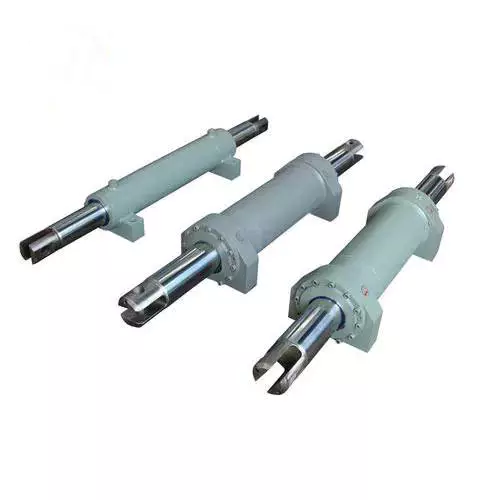
Hydraulic cylinders are designed to provide stable performance even under fluctuating loads. They achieve this through various mechanisms and features that allow for efficient load control and compensation. Let’s explore how hydraulic cylinders ensure stable performance under fluctuating loads:
- Piston Design: The piston inside the hydraulic cylinder plays a crucial role in load control. It is typically equipped with seals and rings that prevent leakage of hydraulic fluid and ensure effective transfer of force. The piston design may incorporate features such as stepped or tandem pistons, which provide enhanced load-bearing capabilities and improved stability by distributing the load across multiple surfaces.
- Cylinder Cushioning: Hydraulic cylinders often incorporate cushioning mechanisms to minimize the impact and shock caused by fluctuating loads. Cushioning can be achieved through various methods, such as adjustable cushion screws, hydraulic cushioning valves, or elastomeric cushioning rings. These mechanisms slow down the piston’s movement near the end of the stroke, reducing the impact and preventing sudden stops that could lead to instability.
- Pressure Compensation: Fluctuating loads can result in pressure variations within the hydraulic system. To ensure stable performance, hydraulic cylinders are equipped with pressure compensation mechanisms. These mechanisms maintain a consistent pressure level in the system, regardless of load changes. Pressure compensation can be achieved through the use of pressure relief valves, compensating pistons, or pressure-compensated flow control valves.
- Flow Control: Hydraulic cylinders often incorporate flow control valves to regulate the speed of the cylinder’s movement. By controlling the flow rate of hydraulic fluid, the cylinder’s motion can be adjusted to match the changing load conditions. Flow control valves allow for smooth and controlled movement, preventing abrupt changes that could lead to instability.
- Feedback Systems: To ensure stable performance under fluctuating loads, hydraulic cylinders can be integrated with feedback systems. These systems provide real-time information on the cylinder’s position, velocity, and force. By continuously monitoring these parameters, the hydraulic system can make immediate adjustments to maintain stability and compensate for load fluctuations. Feedback systems can include position sensors, pressure sensors, or load sensors, depending on the specific application.
- Proper Sizing and Selection: Ensuring stable performance under fluctuating loads starts with proper sizing and selection of hydraulic cylinders. It is crucial to choose cylinders with appropriate bore size, rod diameter, and stroke length to match the anticipated load conditions. Oversized or undersized cylinders can lead to instability and reduced performance. Proper sizing also involves considering factors such as the required force, speed, and duty cycle of the application.
In summary, hydraulic cylinders ensure stable performance under fluctuating loads through features such as piston design, cushioning mechanisms, pressure compensation, flow control, feedback systems, and proper sizing and selection. These mechanisms and considerations allow hydraulic cylinders to provide consistent and controlled movement, even in dynamic load conditions, resulting in reliable and stable performance.
What is a hydraulic cylinder and how does it function in various applications?
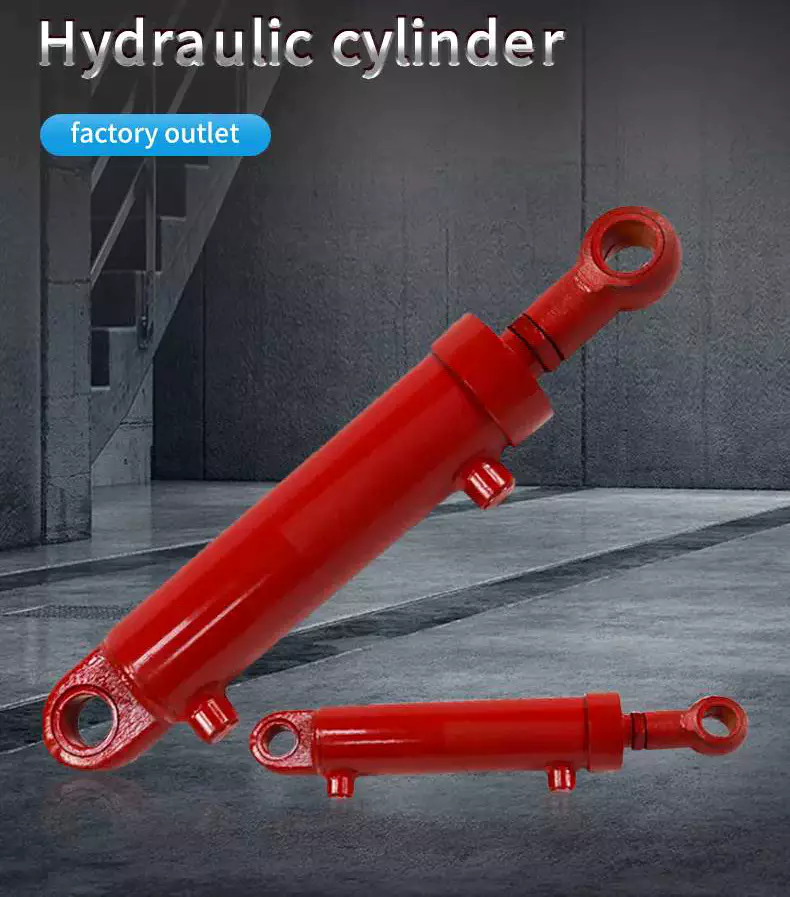
A hydraulic cylinder is a mechanical actuator that converts hydraulic energy into linear force and motion. It plays a critical role in various applications where controlled and powerful linear motion is required. Hydraulic cylinders are commonly used in industries such as construction, manufacturing, agriculture, and transportation. Here’s a detailed explanation of what a hydraulic cylinder is and how it functions:
Definition and Components:
– A hydraulic cylinder consists of a cylindrical barrel, a piston, a piston rod, and various seals. The barrel is a hollow tube that houses the piston and allows for fluid flow. The piston divides the cylinder into two chambers: the rod side and the cap side. The piston rod extends from the piston and provides a connection point for external loads. Seals are used to prevent fluid leakage and maintain hydraulic pressure within the cylinder.
Function:
– The function of a hydraulic cylinder is to convert the pressure and flow of hydraulic fluid into linear force and motion. The hydraulic fluid, typically oil, is pressurized and directed into one of the chambers of the cylinder. As the fluid enters the chamber, it applies pressure on the piston, causing it to move in a linear direction. This linear motion of the piston is transferred to the piston rod, creating a pushing or pulling force.
Working Principle:
– The working principle of a hydraulic cylinder is based on Pascal’s law, which states that pressure exerted on a fluid in a confined space is transmitted equally in all directions. In a hydraulic cylinder, when hydraulic fluid is pumped into one side of the cylinder, it creates pressure on the piston. The pressure is transmitted through the fluid to the other side of the piston, resulting in a balanced force across the piston and piston rod. This force generates linear motion in the direction determined by the fluid input.
Applications:
– Hydraulic cylinders find extensive use in a wide range of applications due to their ability to generate high forces and precise control of linear motion. Some common applications include:
1. Construction Equipment: Hydraulic cylinders are used in excavators, loaders, bulldozers, and cranes for lifting, pushing, and digging tasks.
2. Manufacturing Machinery: Hydraulic cylinders are employed in presses, machine tools, and material handling equipment for pressing, clamping, and lifting operations.
3. Agricultural Machinery: Hydraulic cylinders are used in tractors, harvesters, and irrigation systems for tasks like steering, lifting, and controlling attachments.
4. Transportation: Hydraulic cylinders are utilized in vehicles such as dump trucks, garbage trucks, and forklifts for tilting, lifting, and tipping operations.
5. Aerospace and Defense: Hydraulic cylinders are employed in aircraft landing gear, missile systems, and hydraulic actuators for control surfaces.
6. Marine and Offshore: Hydraulic cylinders are used in ship steering systems, cranes, and offshore drilling equipment for various lifting and positioning tasks.
In these applications, hydraulic cylinders offer advantages such as high force capability, precise control, compact size, and durability. They provide efficient and reliable linear motion, contributing to enhanced productivity and functionality in a wide range of industries.
Overall, hydraulic cylinders are integral components in various applications where controlled and powerful linear motion is required. Their ability to convert hydraulic energy into mechanical force makes them invaluable in numerous industries, enabling the operation of heavy machinery, precise positioning, and efficient load handling.


editor by CX 2023-11-15